

Histamine Intolerance 101
Histamine intolerance is a complex condition that not everyone has heard about. However, it’s an important topic to discuss as it affects more people than you may think.
Before we talk about the intolerance itself, it’s important to understand what histamine is. While histamine is naturally found in certain foods, it is also a compound that is found in the cells of the body. (1) Histamine is a very important part of the immune system and also plays a role in inflammation in the body. We also need histamine in order to digest food, move our bowels, boost exercise performance, increase attention, and get blood as well as nutrients and oxygen delivered to different parts of the body. (2) With the right amount of histamine, the body is able to perform these functions as it should.
However, the problem occurs when there is too much histamine. When your histamine levels increase, your tolerance decreases. At this point, histamine can cause a wide variety of symptoms, and these symptoms can vary depending on where it is released in the body.
Histamine Intolerance
Now that you have a general idea as to what histamine is and what role it plays in the body let’s talk about what histamine intolerance is. Histamine intolerance is thought to be due to a build-up of histamine in the body. When there is a build-up of histamine in the body, symptoms can occur.
In someone who does not have histamine intolerance, histamine is broken down within the body by the enzymes DAO and HNMT. With histamine intolerance, there could either be a genetic or a simple impairment in either or both of the enzymes responsible for the histamine breakdown leading to histamine build-up.
Causes of Histamine Intolerance
While it’s hard to pinpoint exactly what causes histamine intolerance, the impairment of DAO or HNMT is a major cause of this condition as is having impaired intestinal function. The enzyme DAO is produced in the intestine so any impairment to the intestine could result in a lack of the DAO enzyme impairing histamine breakdown.
This is a major reason why those who suffer from gastrointestinal conditions seem to suffer from histamine intolerance more often. The condition is commonly found in those who suffer from IBS, inflammatory bowel disease, celiac disease as well as SIBO.
Another cause could be due to certain medications that impair the DAO enzyme.
There are many other potential causes of histamine intolerance including:
- Environmental causes such as pollen and dust mites
- Excessive alcohol intake
- A diet too high in fermented foods, too much protein, and consuming aged foods
- Hormonal excess, particularly estrogen
- Adrenal dysfunction
- Lack of sleep
- Stress & anxiety
- Nutrient deficiencies
- Gut infections & more
Symptoms of Histamine Intolerance
Some of the most common symptoms of histamine intolerance are as follows:
- Headaches
- Diarrhea
- Eczema or hives
- Irregular heartbeat
- Low blood pressure
- Wheezing
- Runny nose
- Heartburn
- Premenstrual syndrome
- Seasonal allergies
- Food allergies
- Asthma
- Motion sickness
- Nausea
- Vomiting
- Irritability
- Loose stool
- Chest tightness

Histamine intolerance commonly goes undiagnosed because many of the symptoms mimic an allergic reaction. However, the two aren’t the same.
Histamine intolerance is not mediated by IgE like a food allergy would be. This is why skin allergy testing is not an accurate way of diagnosing histamine intolerance; those tests would likely come out to be negative.
Symptoms associated with histamine intolerance are also not always immediate as they would be with a food allergy. Symptoms, however, can be triggered at any time when histamine has reached a certain level within the body. This is also why identifying certain foods as culprits can prove to be difficult.
How to Diagnose Histamine Intolerance
Histamine intolerance can be difficult to diagnose, but with the right practitioner, you could get to the bottom of the cause of your symptoms.
There is no true diagnostic test for histamine intolerance other than blood and urine screening to measure both histamine and DAO levels.
Related disorders such as allergies, mast cell disorders, and gastrointestinal conditions are also looked at while trying to diagnose this condition. Once other conditions are ruled out, a histamine elimination diet could be started to see if symptoms improve when histamine-rich foods are eliminated from the diet.
If symptoms improve, this could be a telltale sign that you may be suffering from histamine intolerance.
Treatment Options for Histamine Intolerance
While diet is an integral part of healing from histamine intolerance, there are other treatment options that come into play.
- Low histamine diet: Avoid foods such as fermented or smoked meats, dried fruits, citrus fruit, legumes, gluten, cinnamon, chocolate, fermented milk products
- Adequate sleep
- A healthy exercise routine
- Stress reductions
- Medications in certain circumstances
- Supplements such as quercetin
- Environmental changes: Clean air ducts, air purifiers
Another natural option I recommend to patients is a supplement called histo-relief. This supplement supports immune function, as well as the body's response to food and environmental factors, and aids in gastrointestinal function and antioxidant processes. I love this supplement because it's made from natural compounds to naturally support the body.
It’s important to know that while treating histamine intolerance can be difficult with restrictive low-histamine diets, the condition does tend to improve once underlying conditions are addressed. Many of these conditions are related to digestive health, which is why it’s critical to work with a practitioner who has experience with this condition and someone who is going to take an integrative approach to treating the condition. All systems in the body need to be supported or histamine intolerance may not get any better.
If you are suffering from weight gain, fatigue, hair loss and more, click here to schedule a phone call with my team, so we can find out where you’ve been, where you want to get to, and how we can help you get there.
I know exactly where you are because I’ve been there myself…I remember being so tired that I could barely function. I gained 30 pounds out of nowhere and had a severe case of brain fog. I also started to get severe anxiety and panic attacks. I was driven and motivated…until I wasn’t. I didn’t know what was happening to me. All I wanted was to get my life back…
Finally, I learned about functional medicine and found a practitioner that I hoped could help me. They ran specialized tests that were far different than I had ever had before. When I got the results back, it turned out I had candida, parasites, high cortisol, the Epstein Bar Virus and many food intolerances. I also had an issue with my thyroid that no one found before because they were using the conventional medicine lab ranges which are way too broad….which I now know is one of the leading causes of hypothyroid misdiagnosis.
I went through treatment of all of these things and it completely changed my life. I immediately lost the 30 pounds I had gained plus more, I had a lot more energy, and my brain fog was gone. I felt amazing and knew that I wanted to help people find the underlying causes of their symptoms and disease.
Sources
Amy Burkhart. Histamine Intolerance: Could it be causing your symptoms?
Dr. Lynch (2015) Histamine Intolerance, MTHFR and Methylation.

Conventional Dairy vs. Raw Dairy
The Dangers of Conventional Dairy Plus the Important Facts About Raw Dairy
Dairy is a hot topic, and for those of you who follow a Paleo diet, chances are you have eliminated dairy from your diet already, however understanding why dairy can be damaging to health is an important step in living a healthy lifestyle.
For years, modern television would broadcast commercials promoting the health benefits of milk, encouraging children to consume milk to build strong bones. Some commercials even went as far as having professional athletes advertise the benefits of milk. Many of these commercials are still run today. The USDA food pyramid also portrays milk as a healthy food.
However, is milk really that healthy? Why is it that so many people are lactose intolerant or allergic to dairy products?
For one, nearly 75% of the world’s population is actually unable to digest milk along with other dairy products. (1) Not only that, but there are many misconceptions about the fact that milk is the best way to get calcium into your diet.
Many people believe that they must consume dairy in order to build strong bones, but that’s not what research is showing. According to a Nurses’ Health Study, drinking milk and consuming dairy doesn’t reduce fracture risk, in fact, it may increase the risk.
Pretty shocking, right? This is just another example as to how certain foods can be marketed as “healthy” when in reality there is a lot more we need to learn about them.
Let’s dive in. I am going to share some of the dangers of consuming conventional dairy products, and some alternative ways to get calcium into your diet.
The Dangers of Conventional Dairy
When I talk about conventional milk, I am talking about most of the dairy products you will find at your grocery store.
Conventional dairy is filled with antibiotics, hormones, and steroids all of which can cause significant harm to your health.
Here are some of the dangers of consuming conventional milk and dairy products:
- Hormone Exposure: Many dairy products are filled with hormones including pituitary, steroid, hypothalamic, and thyroid hormones. (2) When you consume milk that’s been pumped with hormones, you risk throwing your own hormonal balance off.
- rBGH (Recombinant Bovine Growth Hormone): You have likely seen rBGH printed on dairy milk products and many products are now striving to be rBGH-free, but not all products This is a hormone that is injected into cows in order to increase their milk production. The problem with this hormone is that it’s genetically engineered and has been linked to various cancers including breast, and colon cancer.
- Antibiotics: This has become a very common concern when it comes to conventional dairy products. Antibiotics, in general, can be extremely damaging to gut health and when you consume antibiotics via dairy products on a regular, or maybe even daily basis you risk compromising many aspects of your health. Cows are given antibiotics because many of the conventionally fed cows are so sick they have to be pumped with drugs in order to keep producing milk. These drugs then wind up in your daily glass of milk.
The Alternative
While many people may decide to eliminate dairy from their diet altogether, especially if they cannot tolerate it, there is an alternative option, and this is to include raw dairy products into your diet.
Raw dairy and full-fat dairy products have proven to contain some powerful health benefits, and don’t contain all of the harmful additives like conventional dairy products do.
The first reason why raw milk is a much better option is the fact that these cows are fed what they would naturally eat in the wild. They eat grass, not grains! Since these cows are grazing on grass, they have higher amounts of conjugated linoleic acid (CLA) as well as essential fatty acids in their raw milk products. (3)
Choosing raw milk ensures that you are not consuming milk from a cow that’s been fed food so far removed from what their bodies could naturally tolerate. This eliminates the need for antibiotics, steroids, as well as other drugs.
Here are some of the other health benefits of consuming raw milk:
- Tolerance: Many people who have a hard time digesting conventional dairy products do better with raw dairy. While the reason behind this is not entirely clear, The Weston A. Price Foundation found that 80% of 700 families who had been dealing with lactose intolerance no longer had any issues with dairy when they switched to raw milk.
- The Benefits for Children: Many studies in Europe have found that introducing raw milk during childhood could have impressive health benefits in the protection against asthma, and allergies. Again, the exact reason behind this is unknown; speculation is that one reason could be the higher amounts of omega-3 fatty acids found in raw full-fat milk as well as antimicrobial benefits not present in conventional milk options.
- Higher Levels of Fat-Soluble Vitamins: Another surprising benefit of raw milk is its concentration of fat-soluble vitamins, which are important for both heart health as well as cancer prevention. Fat-soluble vitamins also help to balance hormones naturally.
- Excellent Source of Butyrate: Butyrate is a short chain fatty acid which has been shown to help assist in conditions related to inflammation, and metabolism. Not only that, but the CLA levels in raw milk have been shown to help reduce body fat as well as lower high cholesterol levels. (4)
Getting Enough Calcium
Getting enough calcium is essential to health, and not just bone health. We also need calcium for heart health, nerve signaling as well as muscle contractions.
The great news is that if you choose to keep raw dairy out of your diet, as well as the toxic conventional milk products, there are ways you can get that 600 mg of calcium into your daily diet.
Here are some great sources of calcium that don’t include dairy:
- Bone-in fish
- Bone broth
- Dark leafy greens
- Blackstrap molasses
- Sesame seeds
- Almonds
If you are suffering from weight gain, fatigue, hair loss and more, click here to schedule a phone call with me, so I can find out where you’ve been, where you want to get to, and how I can help you get there.
I know exactly where you are because I’ve been there myself…I remember being so tired that I could barely function. I gained 30 pounds out of nowhere and had a severe case of brain fog. I also started to get severe anxiety and panic attacks. I was driven and motivated…until I wasn’t. I didn’t know what was happening to me. All I wanted was to get my life back…
Finally, I learned about functional medicine and found a practitioner that I hoped could help me. They ran specialized tests that were far different than I had ever had before. When I got the results back, it turned out I had candida, parasites, high cortisol, the Epstein Bar Virus and many food intolerances. I also had an issue with my thyroid that no one found before because they were using the conventional medicine lab ranges which are way too broad….which I now know is one of the leading causes of hypothyroid misdiagnosis.
I went through treatment of all of these things and it completely changed my life. I immediately lost the 30 pounds I had gained plus more, I had a lot more energy, and my brain fog was gone. I felt amazing and knew that I wanted to help people find the underlying causes of their symptoms and disease.
Sources
Dr. Hyman. Dairy: 6 Reasons You Should Avoid It at all Costs.
Global Healing Center. (2009) The Dangers of Drinking Cow’s Milk.
Chris Kresser. (2012) Raw Milk Reality: Benefits of Raw Milk.
Dr. Axe. Raw Milk Benefits Skin, Allergies and Immunity.
[sc name="Below all post"]

Why Eating Gluten Free is Not a Fad
Why Eating Gluten Free is Not a Fad!
Gluten free diets have become more and more popular, and this diet is certainly more than just a “fad.” In fact, a gluten-free diet is more beneficial to your health than you may think as gluten can cause problems for those who don’t suffer from any type of gluten intolerance.
When dealing with autoimmune conditions, digestive distress and thyroid disease, avoiding gluten is even more important.
Let’s take a look at what gluten does to the body and why it’s best to be avoided.
Non-Celiac Gluten Sensitivity
While going gluten free may have seemed like the “it thing to do” a few years back, gluten free eating is still going strong, and more research is backing up this diet. While Celiac disease used to be the only medically recognized reason for completely avoiding gluten, studies and researchers have found that gluten intolerance exists among those without clinically diagnosed Celiac disease and can come with a large range of symptoms including:
- Irritable Bowel Syndrome
- Fibromyalgia
- Skin Conditions
- Depression
- Ataxia
- Type 1 Diabetes
- Autism Spectrum Disorders
- Insulin Resistance & Inflammation
As you can see non-celiac gluten sensitivity can come with a wide range of symptoms and is often misdiagnosed. However, with more people being more in tune to what they are feeding their body, gluten sensitivity is starting to become a more common diagnosis.
However, this condition can still easily be overlooked. The problem is that many modern-day tests only screen for antibodies to a very specific fraction of the protein alpha-gliadin found in gluten. (1) However, we now know that people can react to many other components of wheat and gluten such as glutenin, WGA which are not as commonly tested.
If you suffer from one or more autoimmune disease, chronic digestive upset, skin conditions or even anxiety or depression, it's likely that gluten could be an issue and something worth investigating.
Gluten & The Autoimmune Connection
A phenomenon called molecular mimicry can pose serious issues for those with autoimmune conditions such as Hashimoto’s.
What happens is when your body is exposed to some type of invader such as gluten, your immune system goes to work memorizing its structure. This allows the immune system to develop a defense next time you ingest this pathogen. While this is an amazing process, the immune system can get pathogens confused with non-pathogens, and this immune response is not always perfect.
If a substance mimics a potential pathogen, your immune system may react. This is where things become problematic with ingesting gluten. Gluten happens to be structurally similar to many of our body tissues and in particular the thyroid. With autoimmune thyroid disease, each time gluten is ingested, the immune system will send out antibodies to attack the gluten while also attacking the thyroid. (2) This occurs because gluten and thyroid tissues closely resemble one another and remember that the immune system isn’t perfect. While it’s trying to attack the foreign invader, it attacks your own tissue instead.
To make matters worse, if you suffer from an autoimmune disease, you likely have leaky gut. The leaky gut allows even larger proteins to get into the bloodstream causing the immune system to be even more reactive.
Gluten & Leaky Gut
It’s quite possible for someone to react to gluten without being diagnosed with Celiac disease or even a gluten intolerance because gluten increases zonulin which can increase intestinal permeability. This permeability not only leads to leaky gut but autoimmune conditions and food sensitivities as well. With an increase in zonulin, it’s my professional opinion among many other Functional Medicine Practitioners that everyone should avoid gluten. Avoiding gluten can help protect the lining in the gut and thus decrease the risk of other conditions.
So, what is zonulin?
Zonulin is an inflammatory protein which opens and closes the junctions between the cells in the digestive tract lining. (3) This inflammatory protein is triggered by harmful bacteria and does have an important role in the body. For example, if you consume a food contaminated with pathogenic bacteria, zonulin would trigger the body to flush out the toxins through excretion via diarrhea.
The problem comes in when there is too much zonulin at the wrong times. In the food poisoning example, once the bacteria is flushed from the body, the zonulin levels drop, and then those tight junctions would close. With gluten consumption, the zonulin never gets the opportunity to drop causing those tight junctions to become permeable. This is where leaky gut comes in.
With leaky gut, food sensitivities can occur as can autoimmune conditions. It’s a vicious cycle that’s all triggered by gluten consumption.
Healing a Damaged Gut
If you’ve been consuming gluten, chances are your gut is going to need some TLC. The first step to doing so is to ditch gluten and avoid it completely. This will help heal those tight junctions in the gut while also reducing inflammation and even giving an overactive immune system time to relax.
There are other things you can do to begin healing your gut as well, and it all starts with the 4R Protocol:
- Remove: Remove the gluten & other food sensitivities from the diet.
- Replace: Add in things like digestive enzymes and high-quality, nourishing foods.
- Reinoculate: Restore the healthy bacteria in the gut with a high-quality probiotic supplement.
- Repair: Repairing the gut with necessary supplements and further dietary changes.
If you are suffering from weight gain, fatigue, hair loss and more, click here to schedule a phone call with me, so I can find out where you’ve been, where you want to get to, and how I can help you get there.
I know exactly where you are because I’ve been there myself…I remember being so tired that I could barely function. I gained 30 pounds out of nowhere and had a severe case of brain fog. I also started to get severe anxiety and panic attacks. I was driven and motivated…until I wasn’t. I didn’t know what was happening to me. All I wanted was to get my life back…
Finally, I learned about functional medicine and found a practitioner that I hoped could help me. They ran specialized tests that were far different than I had ever had before. When I got the results back, it turned out I had candida, parasites, high cortisol, the Epstein Bar Virus and many food intolerances. I also had an issue with my thyroid that no one found before because they were using the conventional medicine lab ranges which are way too broad….which I now know is one of the leading causes of hypothyroid misdiagnosis.
I went through treatment of all of these things and it completely changed my life. I immediately lost the 30 pounds I had gained plus more, I had a lot more energy, and my brain fog was gone. I felt amazing and knew that I wanted to help people find the underlying causes of their symptoms and disease.
Sources
NPR.Org (2015 A Protein In The Gut May Explain Why Some Can't Stomach Gluten.
Chris Kresser. 2015. When Gluten-Free Is Not a Fad.
Amy Myers M.D. (2017) 3 Important Reasons to Give Up Gluten If You Have an Autoimmune Disease.
[sc name="Below all post"]

Why Fat is Not the Enemy
Fats have received a bad rap over the past decade. For a while “low fat” diets were all the craze. Doctors and even nutritionists were recommending that everyone should follow a low-fat diet as a way to promote heart health and lose weight.
Now and days, things have changed, and many diets such as the Paleo diet emphasize the use of healthy fats such as avocados and coconut oil.
Over the past couple of years, we have found that fat is not something we should run from, our bodies actually rely on a certain amount of fat to work at their best. We have also learned that most of those low-fat options are packed full of sugar, and sugar is doing much more harm to our body than fat would.
Why We Need Fat
Did you know that the human brain is made up of nearly 60% fat? This is just one good reason to consume healthy fat. It’s important to feed our brain, and many brain-supporting foods are rich in healthy fats such as omega-3 fatty acids. By removing fat from your diet, you starve your brain of the nutrients it needs to function at its best.
Here are just a handful of other reasons we need fat in our diet to maintain optimal health:
- Saturated fats found in things like coconut oil and butter help support proper nerve signaling by acting on signaling messengers. These messengers directly affect metabolism, as well as control the proper release of insulin. (1)
- We need fats for a healthy immune system. Saturated fats play an especially important role here as adequate amounts will help the immune system recognize and then destroy foreign invaders.
- Did you know that a thin layer that coats the lungs is 100% saturated fatty acids? We need fats in our diet to protect this protective layer, or we could suffer from breathing difficulties.
The Number One Fat Myth
One of the most common concerns when it comes to fat consumption is that saturated fat raises cholesterol and causes heart disease.
While it’s important to talk about the rise in heart disease in the United States, it’s also important to understand that fat may not be the biggest problem here.
When it comes to saturated fat, numerous studies have been done, and no long-term study has found the connection between saturated fat intake and an increase in blood cholesterol levels. (2) There have been countless studies conducted on this association, and only one study found a weak correlation between saturated fat intake and cholesterol.
On the other hand, other studies have found that those on low-carbohydrate diets which are often very high in saturated fat don’t raise cholesterol but actually have benefits on cardiovascular disease risks.
As one last example, a very large study looking at 350,000 participants did not find any link between saturated fat intake and heart disease!
Fat Doesn’t Always Make Us Fat
Another common myth surrounding fat intake is that consuming fat will make us fat when in fact eating the right fats can actually help aid weight loss efforts.
Fat is a wonderful energy source which means that when we eat foods rich in healthy fats, we are more likely to become full more quickly and have sustained energy as opposed to snacking on refined carbohydrates and sugar. Fats can help fuel the body, provide us with energy, and help prevent overeating.
Many people starting a Paleo style diet or one that focuses on lots of nuts, seeds, coconut, and avocados don’t believe it's possible to consume all that fat and maintain a healthy weight. However, fat can help you achieve a healthy weight for quite a few reasons including:
- Human studies found that those who consumed a high-fat diet had a faster metabolism. Low-fat and high carbohydrate diets on the other hand spiked insulin and slowed the metabolism. (2)
- Hungry cells cause weight gain. When we restrict our calories, our bodies go into a starvation mode holding onto calories and storing fat. When we fuel our bodies with the right foods, and enough healthy fats your metabolism keeps running and you are better able to lose weight.
- Our hormones need fat. With hormone imbalances comes the potential for weight gain.
- Some of the most nutrient dense foods are rich in fat. When you focus on whole and natural food options and eliminate packaged foods, you are better able to maintain a healthy weight.
With all of this being said we need to talk about the good and the bad when it comes to fat because while some fats will help promote weight loss, others will do the exact opposite.
The Good & The Bad
While many fats are healthy, not all fats are created equal. Trans-fats and hydrogenated fats should be completely avoided as they can increase the risk of heart disease, can cause inflammation, and are detrimental to health. Here are some common places these damaged fats are found.
- Baked goods/pastries
- Certain crackers
- Margarine
- Vegetable shortening
- Packaged snacks
- Fried foods
- Coffee creamers
With that being said there are plenty of healthy fat options you should include in your diet! Here is a list of some fats that can help support health:
- Nuts
- Seeds
- Coconut oil
- Extra virgin olive oil
- Avocados
- Ghee
- Grass-fed butter
- Wild caught salmon
Many of these fats are rich in vitamins, minerals, and anti-inflammatory properties. You may be surprised to see butter on this list. However, real butter is rich in both omega-3 and omega-6 fatty acids which can help boost brain health as well as improve the health of your skin. (3) Ghee which is clarified butter is also another great option and has a high smoke point which makes it a great option for cooking. The thing to remember is to go with the whole and natural option. Grass-fed butter is what you want, not processed butter or margarine which is likely packed full of damaged fats and stripped of any health benefits.
With a Paleo style diet, you are likely to enjoy every item on this list while avoiding the toxic options. High carbohydrate diets and diets high in sugar are detrimental to health. We need to fear sugar and artificial ingredients much more than we need to fear healthy fat sources. Fuel your body with the nutrients it needs to thrive, and your health will thank you for it.
If you are suffering from weight gain, fatigue, hair loss and more, click here to schedule a phone call with me, so I can find out where you’ve been, where you want to get to, and how I can help you get there.
I know exactly where you are because I’ve been there myself…I remember being so tired that I could barely function. I gained 30 pounds out of nowhere and had a severe case of brain fog. I also started to get severe anxiety and panic attacks. I was driven and motivated…until I wasn’t. I didn’t know what was happening to me. All I wanted was to get my life back…
Finally, I learned about functional medicine and found a practitioner that I hoped could help me. They ran specialized tests that were far different than I had ever had before. When I got the results back, it turned out I had candida, parasites, high cortisol, the Epstein Bar Virus and many food intolerances. I also had an issue with my thyroid that no one found before because they were using the conventional medicine lab ranges which are way too broad….which I now know is one of the leading causes of hypothyroid misdiagnosis.
I went through treatment of all of these things and it completely changed my life. I immediately lost the 30 pounds I had gained plus more, I had a lot more energy, and my brain fog was gone. I felt amazing and knew that I wanted to help people find the underlying causes of their symptoms and disease.
Sources
Chris Kresser (2013). The Diet-Heart Myth: Cholesterol and Saturated Fat Are Not the Enemy.
Mercola (2009) 7 Reasons to Eat More Saturated Fat.
Mark Hyman M.D. Why Fat Doesn’t Make You Fat!
Dr. Axe. The 5 Best Healthy Fats for Your Body.
[sc name="Below all post"]
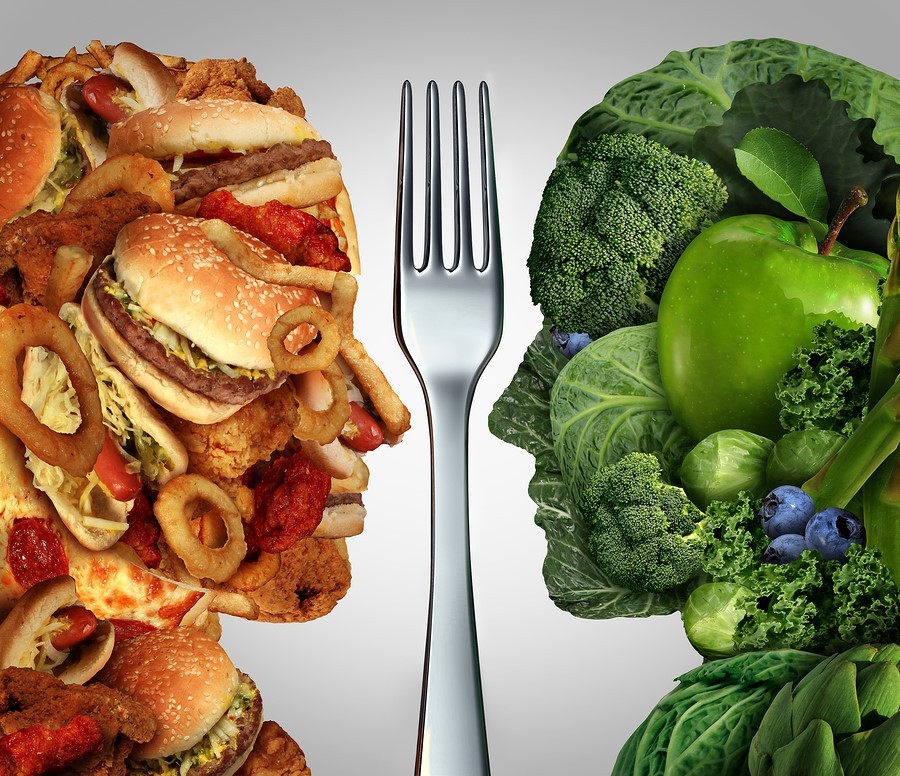
High Cholesterol-The Real Cause

High cholesterol is something that many Americans suffer from, and modern day medicine is very quick to write a statin drug prescription, tell you to avoid fatty foods and send you on your way. The issue with this approach is that it’s out of date and may not necessarily be the best approach at all.
Getting to the root cause of the high cholesterol is one of the first steps to reversing it, not necessarily taking medications which could result in unwanted side effects.
More and more research is coming out stating that high cholesterol may not be caused by eating fat but may be influenced by other factors such as inflammation, thyroid issues, and even blood sugar imbalances.
What is High Cholesterol?
Before we talk about what high cholesterol is, let’s take a look at what role cholesterol plays in your health. Cholesterol is a naturally occurring substance that is made by the liver. The body requires cholesterol for proper cell functioning, nerve function, and our hormones need cholesterol as well. (1)
Cholesterol travels in lipids which are fatty acids of the blood stream which is also called plaque. The cholesterol can build up in the walls of the arteries which can pose significant health issues as it can reduce blood flow to various different areas of the body. This is where high cholesterol can pose a problem.
In a healthy person with no prevalence of high cholesterol, cholesterol levels are generally well balanced. In those with high cholesterol, there could be an imbalance in the HDL (high-density lipoproteins), and the LDL (low-density lipoproteins) Keep in mind that the LDL cholesterol is the kind you want less of, and the HDL is considered the healthy form of cholesterol. In those with high cholesterol, LDL levels may be high, and HDL levels may be low.
A healthy ratio of LDL to HDL cholesterol would average around a 2:1 ratio. Total cholesterol should also be less than 200mg/dL, with LDL cholesterol being below 70 mg-100/dL, and HDL should be around 60 mg/dL.
Why Conventional Markers of High Cholesterol May Not be the Most Accurate
When you go to your primary physician and obtain blood work, they will generally check your total cholesterol, LDL, and HDL cholesterol levels. However, these markers may not be the best way to assess for cardiovascular risks. New research has found that these markers may not actually be associated with heart disease. (2)
It’s now thought that the ratio of total cholesterol to HDL cholesterol as well as non-HDL cholesterol may be better predictors than just looking at total cholesterol levels or LDL cholesterol levels.
There are even newer cholesterol markers which may be even more predictive of cardiovascular risks such as the LDL particle number, HDL particle number, and lipoprotein(a) which give a much clearer idea as to total overall risk.
What are the Underlying Causes of High Cholesterol?
While modern day medicine has always pointed to a high-fat diet as being the primary cause of high cholesterol, the research is not there to support it. In functional medicine, we also look at high cholesterol as more of a symptom than a disease and attempt to get to the root cause of what’s causing this cholesterol spike so that we can stop it from happening.
Here are some of the underlying causes of high cholesterol:
- Metabolic dysfunction
- Chronic infections
- Gut dysbiosis
- Poor thyroid function: This even includes subclinical hypothyroidism.
- Blood sugar imbalances: Poor blood sugar balance can lead to thyroid issues which can result in high cholesterol
- Heavy metals or other environmental toxins
- Genetics
Why Fat May Not be to Blame
For years, saturated fats were seen as the cause of cardiovascular issues and increasing the risk for high cholesterol and heart disease, however, as it turns out sugar may be the real culprit here and another underlying cause of cholesterol issues.
Over the past couple of years, it’s become apparent that large sugar companies such as the Sugar Association have paid Harvard scientists large amounts of money to publish reviews on the research of sugar, fat, and heart disease. The sugar group handpicked the articles published and chose the ones that minimized the link between sugar, and it’s connection to heart health, and instead focused on the articles that negatively portrayed fats connection to heart health. These reports date back nearly 50 years, but it’s reported that the food industry still influences nutrition science today. We need to be aware that some reports may not be as transparent as one would think.
This plays an important role in understanding the connection between fat, sugar, and high cholesterol because the debate when it comes to these two food sources remains a discussion today. For years, American’s were urged to consume a low-fat diet in an attempt to promote heart health. However, many of these low-fat foods are loaded with sugar and only increase the prevalence of obesity and heart disease.
After speculations regarding sugar and research supporting its link to obesity, the American Heart Association, the World Health Organization, among other organizations are now warning that too much sugar can increase the risk of heart disease. (3)
Other studies have also shown that saturated fat generally does not affect blood cholesterol levels. (4) However, some people are very sensitive to saturated fat, and their cholesterol levels may increase with a higher saturated fat diet, while others it does not have this effect at all. It’s all a balance depending on each individual person. With that being said, the reason we worry about cholesterol is that high cholesterol levels have been linked to an increased risk of heart disease, but studies have not found a link between saturated fats and heart disease either. Some studies have even found that consuming saturated fat was actually associated with a reduced risk of stroke.
So, the question comes down to, have we been avoiding fat for all the wrong reasons, and unintentionally adding toxic sugar to our diet? Keep in mind that sugar may be the ultimate culprit here and not fat. Reducing fat and adding sugar is the exact opposite of what we needed to do to lower cholesterol and support a healthy heart.
A Functional Medicine Approach to Treating High Cholesterol
A functional medicine approach when dealing with high cholesterol is much different from a conventional treatment option. The first step is to determine what is causing the high cholesterol. If it’s poor thyroid function, we need to address thyroid function before the cholesterol levels can improve. Same goes for heavy metal toxicity, or any gut infections, or inflammation. Even with genetically inherited high cholesterol, we will go through any other potential factors such as SIBO, and hypothyroidism to see if there may be something else triggering the high cholesterol. Addressing diet is also an important step. It’s less about focusing on removing fats from your diet, and more about removing inflammatory foods, and foods that may be triggering an immune and inflammatory response. Getting the entire body in balance can ultimately help balance cholesterol levels.
If you are suffering from weight gain, fatigue, hair loss and more, click here to schedule a phone call with me, so I can find out where you’ve been, where you want to get to, and how I can help you get there.
I know exactly where you are because I’ve been there myself…I remember being so tired that I could barely function. I gained 30 pounds out of nowhere and had a severe case of brain fog. I also started to get severe anxiety and panic attacks. I was driven and motivated…until I wasn’t. I didn’t know what was happening to me. All I wanted was to get my life back…
Finally, I learned about functional medicine and found a practitioner that I hoped could help me. They ran specialized tests that were far different than I had ever had before. When I got the results back, it turned out I had candida, parasites, high cortisol, the Epstein Bar Virus and many food intolerances. I also had an issue with my thyroid that no one found before because they were using the conventional medicine lab ranges which are way too broad….which I now know is one of the leading causes of hypothyroid misdiagnosis.
I went through treatment of all of these things and it completely changed my life. I immediately lost the 30 pounds I had gained plus more, I had a lot more energy, and my brain fog was gone. I felt amazing and knew that I wanted to help people find the underlying causes of their symptoms and disease.
Sources:
Dr. Axe. Lower Cholesterol Naturally and Fast. Retrieved from https://draxe.com/lower-cholesterol-naturally-fast/
Chris Kresser. (2017) RHR: The Functional Medicine Approach to High Cholesterol. Retrieved from https://chriskresser.com/functional-medicine-approach-to-high-cholesterol/
Chris Kresser. (2014) RHR: Does your diet affect your cholesterol level? Retrieved from https://chriskresser.com/does-your-diet-affect-your-cholesterol-level/
NY Times. (2016) How the Sugar Industry Shifted Blame to Fat. Retrieved from https://www.nytimes.com/2016/09/13/well/eat/how-the-sugar-industry-shifted-blame-to-fat.html?_r=0
[sc name="Below all post"]

SIBO 101
Gastrointestinal symptoms are one of the most common complaints among Americans, and it seems that more and more people are developing digestive conditions as the years go on. Our digestive systems as a whole are under attack, and no one knows exactly why. However, working in functional medicine I have to wonder if it has to do with the foods consumed in modern day society, the tremendous amounts of pharmaceuticals that come on the market every day, and the daily stress life brings to the table. More and more patients are coming to my practice with SIBO symptoms looking to get to the bottom of what is causing their digestive health issues.
While there are more common digestive conditions such as IBS, Celiac disease, and leaky gut that I frequently see in my practice, SIBO is becoming more prevalent as well. This condition is on the rise as well and may be occurring in those with already diagnosed digestive conditions such as IBS.

What is SIBO?
So, what exactly is SIBO? SIBO stands for small intestinal bacterial overgrowth. This condition occurs when there is excessive bacteria in the small intestine. (1) Our digestive tracts are home to many different bacterium however, the small intestine is not supposed to contain as much bacteria as the colon. When bacteria build up occurs, SIBO may be to blame and SIBO symptoms can occur.
The small intestine is where food combines with digestive juices and then where nutrients go on to be absorbed into our bloodstream. With SIBO, malabsorption can occur. This is especially true for fat-soluble vitamins as well as iron. This malabsorption occurs due to bacteria imbalance which can even lead to damage to the stomach lining if SIBO goes untreated. The bacteria overgrowth can even consume essential nutrients your body needs to thrive.
SIBO Symptoms
There are many symptoms associated with SIBO, and many of them can mimic other gastrointestinal disorders. For this reason, if you have any of the following symptoms it’s best to get tested for SIBO using a SIBO breath test.
- Nausea
- Vomiting
- Diarrhea
- Bloating
- Malnutrition
- Weight loss
- Joint pain
- Fatigue
- Skin conditions such as acne, eczema, and rashes
- Asthma
- Depression
Causes of SIBO
While there is no one exact cause of SIBO, the following conditions are thought to be underlying causes of small intestinal bacterial overgrowth:
- Aging
- Chronic pancreatitis
- Diabetes
- Diverticulosis
- Structural defect in the small intestine
- Injury
- Fistula
- Intestinal lymphoma
- Scleroderma
- Recent abdominal surgeries
- Immune system disorders
- Celiac disease: Can be a major trigger as it leads to poor small intestinal functioning
- The use of certain medications: Immunosuppressant’s, PPI’s
Celiac disease is of particular concern when it comes to SIBO. In fact, a study from the American Journal of Gastroenterology found that 66% of patients who had Celiac disease but followed a gluten-free diet still tested positive for SIBO.
If you have Celiac disease, it may be best to be tested for SIBO as well.
SIBO Complications
Just like with any condition, if SIBO goes untreated, complications could arise. When the bacteria is left to run rampant, malabsorption could occur, as well as deficiencies, especially B12 deficiency. Many people are already at risk of developing a B12 deficiency such as vegetarians, vegans, and those who take proton pump inhibitors or other antacids. SIBO increases the risk even further.
Megaloblastic anemia has also been directly linked to SIBO. It’s critical to treat the bacteria overgrowth as soon as possible to prevent any of these complications from occurring.
Sibo Treatment Options
The most common way to treat SIBO is with antibiotics. However, proper dietary and lifestyle changes are also required for long-term healing. The issue with antibiotic treatment is that antibiotics not only kill the bad bacteria, but they take the good bacteria with it. Treating SIBO only with antibiotics can be difficult.
There are many dietary and supplemental approaches that have been successfully shown to help treat this complex gastrointestinal disease, including:
- A Low-FODMAP diet (not done at the same time as the antimicrobial supplements)
- Consuming small amounts of food at meal times
- Enjoy 5-6 small meals per day
- Avoid overeating
- Antimicrobial supplements
- Probiotic rich foods
- Probiotic supplementation
SIBO Lifestyle Changes
There are certain lifestyle changes someone with SIBO can make to help jumpstart the healing process. Some of these changes include chewing your food thoroughly. It’s important to remember that digestion begins in the mouth so the better you chew your food, the better you assist your body in properly digesting the food you consume.
Next is hydration. With SIBO it's critical to stay hydrated and to manage your stress levels. Regular exercise, yoga, and meditation are excellent ways to help balance the stress that comes with life. The digestive system is significantly impaired with high-stress levels, so stress reduction is a key component when dealing with SIBO.
The SIBO Diet
One of the best ways to treat SIBO is with dietary changes. There is a specific diet approach used to help treat this bacterial overgrowth. The diet is a FODMAP elimination diet.
FODMAPS are foods that are not completely absorbed in the body. These foods can then start fermenting in the digestive tract. This fermentation can lead to more bacteria which can exacerbate SIBO symptoms. Here are some of the foods avoided when first starting the FODMAP elimination diet:
- Fructose
- Lactose: Conventional dairy products
- Fructans: Wheat, garlic, onions, broccoli, cabbage, asparagus, artichokes
- Galactans: Brussels sprouts, soy, legumes, cabbage
- Polyols: Xylitol, erythritol, sorbitol, maltitol
During the first phase of the FODMAP elimination diet, some of the foods to enjoy include:
- Grass-fed beef
- Wild caught salmon
- Free range eggs
- Almond milk
- Coconut milk
- Leafy greens
- Squash
- Bananas
- Blueberries
- Grapes
- Cantaloupe
- Pineapple
- Strawberries
While the low FODMAP diet is a relatively restricting diet, as the SIBO goes into remission you can add more and more foods to your diet. You would be surprised how much better you will feel once your diet is designed to help your body heal from the bacterial overgrowth.
With that being said, it’s important to understand that diet alone is not always all that’s required to treat SIBO. While a FODMAP diet helps to keep SIBO symptoms under control by starving the bacteria, it does not completely eliminate the bacteria overgrowth. (2) FODMAP diet’s over time can also starve the good bacteria in your large intestine which could cause other health complications.
While treating SIBO, a combination of diet, antimicrobial supplements, probiotics and lifestyle changes are often necessary. At the time of treatment with the antimicrobial supplements, I recommend following a lower carb diet that is not a low FODMAP diet. When using the supplements, you do not want the bacteria to hide because it can be harder to kill. After SIBO treatment, dietary changes will also need to be adapted for a long-term approach to achieving health and wellness. After treating the SIBO, adding some complex carbohydrates back into your diet is often well tolerated, but certain foods may need to be avoided long term. It’s all about finding the right balance for you for long term health.
If you are suffering from weight gain, fatigue, hair loss and more, click here to schedule a phone call with me, so I can find out where you’ve been, where you want to get to, and how I can help you get there.
I know exactly where you are because I’ve been there myself…I remember being so tired that I could barely function. I gained 30 pounds out of nowhere and had a severe case of brain fog. I also started to get severe anxiety and panic attacks. I was driven and motivated…until I wasn’t. I didn’t know what was happening to me. All I wanted was to get my life back…
Finally, I learned about functional medicine and found a practitioner that I hoped could help me. They ran specialized tests that were far different than I had ever had before. When I got the results back, it turned out I had candida, parasites, high cortisol, the Epstein Bar Virus and many food intolerances. I also had an issue with my thyroid that no one found before because they were using the conventional medicine lab ranges which are way too broad….which I now know is one of the leading causes of hypothyroid misdiagnosis.
I went through treatment of all of these things and it completely changed my life. I immediately lost the 30 pounds I had gained plus more, I had a lot more energy, and my brain fog was gone. I felt amazing and knew that I wanted to help people find the underlying causes of their symptoms and disease.
Sources
Dr. Axe. Do You Have SIBO Symptoms? Here is ALL You Need to Know!
Chris Kresser. 2015. Why Diet Alone Is Not Enough to Treat SIBO.
[sc name="Below all post"]