

How to Boost Testosterone Naturally
Testosterone is often associated with men. It is not something that many women think they need to worry about, but the truth is that this important hormone impacts both men and women and having a deficiency can lead to a handful of symptoms. Low testosterone is something that is causing issues in both men and women more often today and is quickly becoming a big health concern. In this article, I am going to break down what testosterone is, why it is important for health, and how to know if you are suffering from a testosterone deficiency. I will also cover ways that you can naturally boost testosterone levels.
Testosterone Benefits
Testosterone is a hormone that plays many important roles in the body. It is most commonly associated with the hormone that deepens a man’s voice, builds muscle, and promotes male hair-growth. However, this hormone also plays a role in women's health as well. Some of the benefits of healthy testosterone levels include increased energy levels, healthy sleep patterns, healthy bone density, and optimal levels of red blood cells.
Symptoms of a Testosterone Deficiency (in men & women)
Testosterone naturally declines as we age, so a deficiency in older adult years is not uncommon. However, older adults are not the only ones at risk of becoming testosterone deficient. It is something that I happen to see in my practice quite a bit. The following are symptoms of a deficiency broken down by what generally tends to happen in men with a deficiency and then what happens in women with a deficiency.
Symptoms in Women
- Fatigue
- Poor memory
- Dry skin
- Gaining weight around the midsection
- Osteoporosis
- Having a hard time keeping muscle on
- Low libido
- Depression and or anxiety
Symptoms in Men
- Sexual dysfunction
- Hair loss
- Fatigue
- Having a hard time building muscle
- Decreased bone mass
- Mood changes
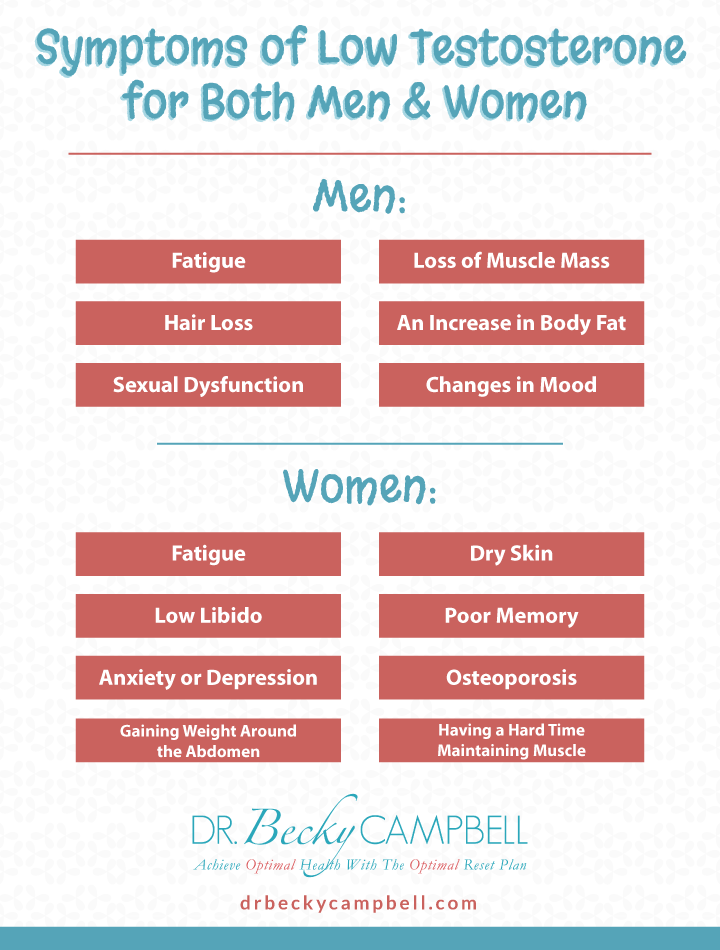
As you can see, some of the symptoms in both men and women are similar. However, man or woman, these symptoms related to a testosterone deficiency can certainly interfere with overall quality of life. It is not a deficiency you want to let go, and while many people may turn to hormone therapy, this doesn’t come without side effects, let alone cost. The great news is that there are many natural ways you can help support optimal testosterone levels, so keep reading.
Who’s at Risk for a Testosterone Deficiency?
While age is certainly a risk factor, there are other factors that can lead to a deficiency in testosterone. These risk factors are something that I see so many of my patients dealing with as they are far too common in the average person's day-to-day life. Here are just some of the risk factors when it comes to a testosterone deficiency.
- Low vitamin D levels
- Being overweight or living a sedentary lifestyle
- Taking statin drugs
- Dysbiosis (an imbalance in gut bacteria)
- Stress
- A poor diet
- Chronic disease such as diabetes
There are also a handful of other potential causes of a testosterone deficiency including other chronic medical conditions such as liver or kidney disease, other hormonal disorders, infections, and other medications such as narcotics, and even chemotherapy. (1)
Unfortunately, these are things that many Americans are suffering from today, and these factors can drive a testosterone deficiency. With that being said, let’s take a look at some of the ways that you can naturally boost your testosterone levels.
Natural Ways to Boost Testosterone
Boosting your testosterone levels naturally is far less invasive and will hold far fewer side effects than hormone therapy. Is it thought that testosterone pills may have negative effects on the liver. (1) Other routes of testosterone supplementation such as gels, injections, or skin patches don’t come without their own side effects. You run the risk of dealing with skin reactions, an overproduction of red blood cells, issues with sperm production, and even a potential for cardiovascular issues. If you are dealing with a deficiency, working with a Functional Medicine Practitioner who has experience with treating Low-T is an excellent place to start. Getting the proper labs tests run, and getting on an appropriate supplement plan can make a massive difference. If you are ready to book a consultation to uncover the reason behind your deficiency and learn how to support healthy testosterone levels with a plan designed just for you, contact us here. For now, here are some ways you can boost testosterone levels, naturally.
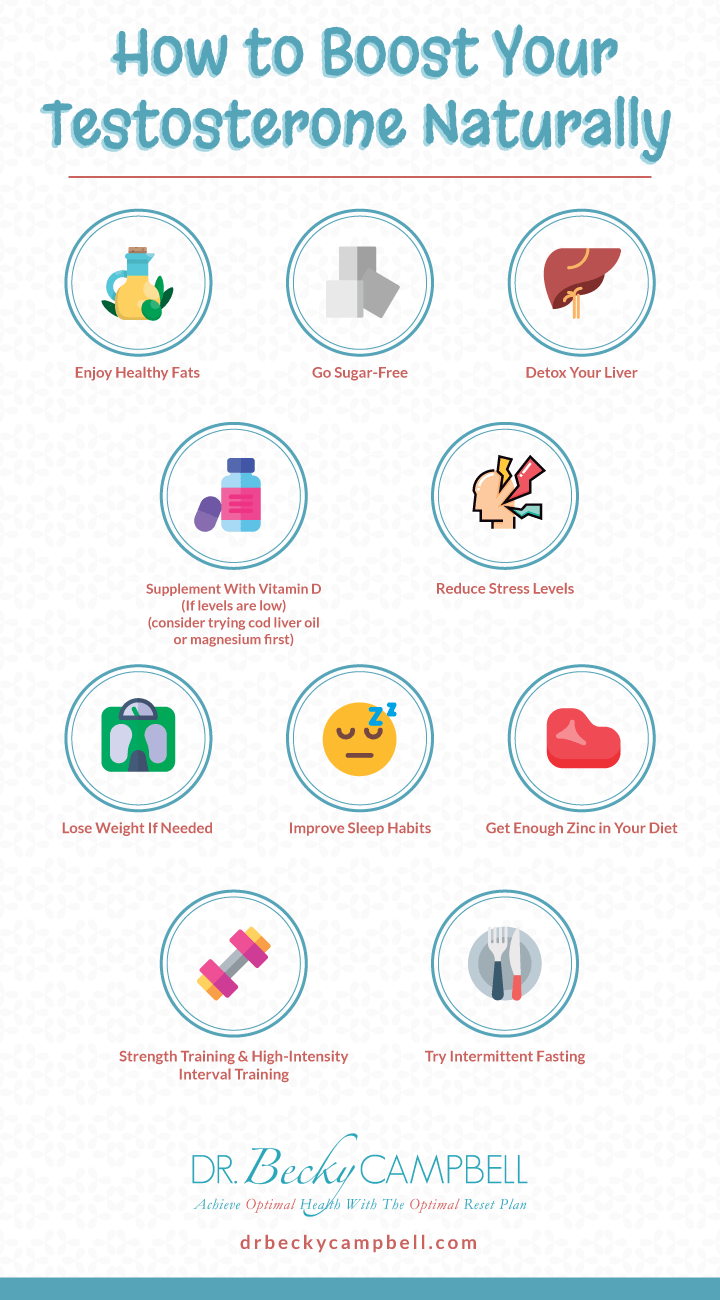
#1 Enjoy Healthy Fats: Healthy fats are essential to overall health, including hormone balance. We need healthy fats for proper hormone function, and a study found that men who ate a diet low in dietary fats experienced a reduction in male sex hormones including testosterone. (2) Be sure to get enough fats in your diet such as omega-3 fatty acids from wild-caught fish, flaxseeds, chia seeds, walnuts, and enjoy fats from food like avocados, coconuts, and organic grass-fed beef.
#2 Go Sugar-Free: Having an excess amount of sugar in your diet is a recipe for hormonal chaos. Consuming too much sugar can lead to obesity as well as diabetes, which if you remember are both risk factors when it comes to a testosterone deficiency. If you know you are consuming too much sugar, try to decrease the amount in your diet by eliminating processed and packaged foods. Be sure to limit natural sugars like pure maple syrup and raw honey as well, as these can also cause an imbalance in blood sugar levels when used in excess.
#3 Detox Your Liver: The liver plays a very important role in supporting healthy testosterone levels. The liver plays such an important role that a study found that men suffering from cirrhosis of the liver had up to a 90% reduction in testosterone levels! (3) Help support your liver by limiting or eliminating alcohol, cutting back on sugar, avoiding toxins, exercising regularly, consuming a balanced diet, and maintaining a healthy weight. I also highly recommend The Optimal Reset Cleanse as it helps support healthy liver function.
#4 Supplement with Vitamin D (if levels are low) Making sure you have adequate levels of vitamin D is an important part of supporting optimal testosterone levels. However, since vitamin D is a fat-soluble vitamin, I always like to check vitamin D levels first before recommending supplementation. Plus, trying magnesium or cod liver oil first may be preferable, and here’s why. I mention the importance of magnesium because magnesium is actually needed for the binding of vitamin D to its transport protein. (4) Therefore vitamin D depends on adequate levels of magnesium. This is why starting with magnesium may be a great place to start for supporting optimal vitamin D levels in the body. Cod liver oil is another option as it is a rich source of both vitamin D and vitamin A.
#5 Reduce Stress Levels: Stress puts us at risk for chronic disease, weight gain, as well as hormone imbalances. Reducing stress is critical for overall wellness. Try to reduce your stress daily with some form of relaxation. I also encourage you to pencil in time each week to do something that you really enjoy. The more you reduce your stress, the better your health will be. It’s a huge step in supporting hormone balance.
#6 Lose Weight if Needed: Being overweight puts you at a greater risk of dealing with a testosterone deficiency. Trying to lose weight can have a very positive impact on your overall health as well as hormone levels.
#7 Improve Sleep Habits: We need enough sleep to support hormone homeostasis. When we deprive our bodies of sleep, we run the risk of suffering from hormone imbalance, not to mention weight gain, and sugar cravings all of which are risk factors for a testosterone deficiency. A study looked at a group of young men who underwent one week of sleep restriction by only getting five hours of sleep per night. The study found that testosterone levels decreased by 10-15% after just one week of not getting enough sleep! (5) This is critical information and even more reason to make sure you are making sleep a priority.
#8 Get Enough Zinc in Your Diet: If you happen to suffer with low levels of zinc, it could be a cause of low testosterone as it is a mineral that is very important for testosterone production. You can support optimal zinc levels by consuming foods high in zinc. Try adding foods such as pumpkin seeds, as well as grass-fed meats, and wild-caught fish to your diet.
#9 Strength Training & High-Intensity Interval Training: Exercise is an important part of overall health, including hormonal support. High-intensity interval training is great as it’s not something that requires much equipment, and you can complete a workout in as little as 20-minutes. Before doing any type of workout, be sure you have clearance from your health care provider, especially before doing anything more strenuous than you are used to.
#10 Try Intermittent Fasting: Intermittent fasting works when you skip a meal such as breakfast so that your body is in a fasted state for a longer period of time. There have been a number of benefits document by practicing intermittent fasting including an increase in testosterone levels. It is thought that fasting allows your body to rest, recover, and thus naturally support hormone levels.
A Testosterone Boosting Recipe
Matcha Green Tea Chia Pudding
- 1 1/2 cup full-fat coconut milk
- 1/4 cup chia seeds
- 1 tsp. pure vanilla extract
- 1 tsp. matcha green tea powder
- Add all ingredients to a large mason jar and mix well.
- Set in the fridge for at least 4 hours or until pudding-like consistency forms.
- Top with optional toppings and enjoy.
Optional Toppings: Raw cocoa nibs, fresh berries, shredded coconut.
Having a testosterone deficiency can certainly impact the overall quality of your life, and it is not just something that impacts men. A deficiency in this hormone is something that I see in both men and women in my practice, and without getting to the bottom of the cause of the deficiency or understanding a natural approach to supporting this deficiency, symptoms can last long-term. Interested in supporting your testosterone levels and understanding why your levels may be low? Contact us below.
If you are suffering from weight gain, fatigue, hair loss and more, click here to schedule a phone call with me, so I can find out where you’ve been, where you want to get to, and how I can help you get there.
I know exactly where you are because I’ve been there myself…I remember being so tired that I could barely function. I gained 30 pounds out of nowhere and had a severe case of brain fog. I also started to get severe anxiety and panic attacks. I was driven and motivated…until I wasn’t. I didn’t know what was happening to me. All I wanted was to get my life back…
Finally, I learned about functional medicine and found a practitioner that I hoped could help me. They ran specialized tests that were far different than I had ever had before. When I got the results back, it turned out I had candida, parasites, high cortisol, the Epstein Bar Virus and many food intolerances. I also had an issue with my thyroid that no one found before because they were using the conventional medicine lab ranges which are way too broad….which I now know is one of the leading causes of hypothyroid misdiagnosis.
I went through treatment of all of these things and it completely changed my life. I immediately lost the 30 pounds I had gained plus more, I had a lot more energy, and my brain fog was gone. I felt amazing and knew that I wanted to help people find the underlying causes of their symptoms and disease.
Resources:
(1) Jerry R. Balentine, DO, FACEP. Low Testosterone (Low-T) Medicine.net
(2) Diet and serum sex hormones in healthy men. PubMed.gov
(3) Testosterone in men with advanced liver disease: abnormalities and implications. PubMed.gov
(4) Vitamin-D deficiency = Mg deficiency. Period. (2014) Gotmag.org
(5) Effect of 1 Week of Sleep Restriction on Testosterone Levels in Young Healthy Men. PubMed.gov
Creamy Cauliflower & Bacon Soup
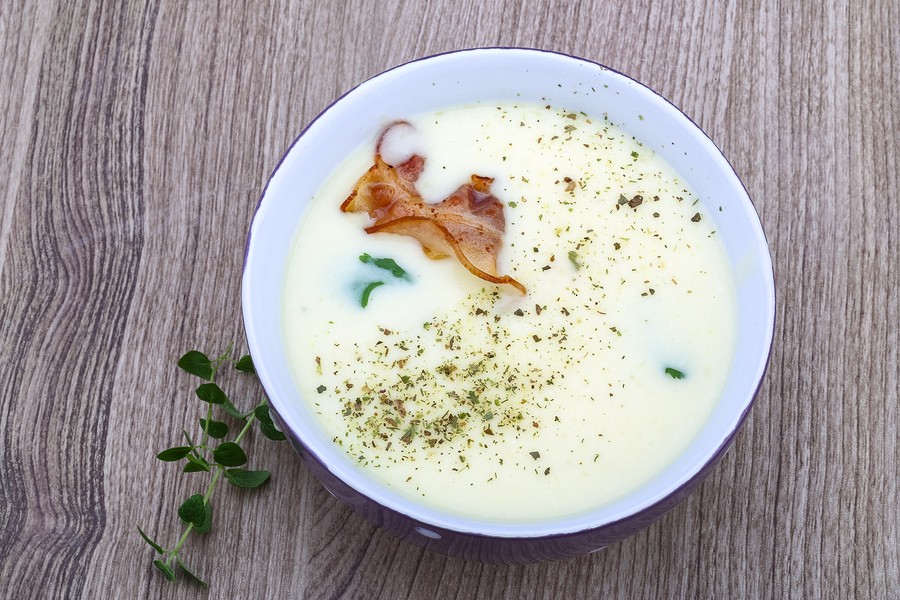
During the cooler season, I love to come up with hearty, filling, yet nutritious meals using my Instant Pot or stockpot that my whole family can enjoy! I also like to make things like soups, bone broth, and stews ahead of time and pop them in the freezer that I can easily heat up during busy weeknights when I just don't have time to cook dinner. I love making this creamy cauliflower and bacon soup during the colder months. It is dairy-free, while still having the creamy consistency you would get with a dairy-based soup, and is full of flavor from the bacon, herbs, and spices.
This soup is also:
- Optimal-Reset approved
- Whole-30 Approved
- 21-Day Sugar Detox Approved
- Paleo-Approved
- Dairy-free
- Gluten-free
Cauliflower Bacon Soup
- 2 cups cauliflower (florets )
- 1 sweet onion (chopped)
- 2 cloves garlic (chopped)
- 6 1/2 cups bone broth
- 1 tsp. thyme (chopped )
- Salt & pepper (to taste )
- 3 slices bacon (cooked and chopped )
- Start by adding all the ingredients minus the bacon to a stockpot over medium heat. Bring to a boil.
- Simmer for 25-30 minutes.
- Using an immersion blender, puree the soup until creamy.
- Top with the chopped and cooked bacon.
Want a quick and easy bone broth recipe to use in this creamy cauliflower soup? Check out my two-hour low-histamine bone broth recipe here.

What is PCOS and What Can You Do About It?
PCOS stands for polycystic ovarian syndrome and something that I see in my practice all the time. It is also one of the number one causes of infertility and is a hormonal disorder that many women don’t even know that they have. PCOS affects anywhere from 5-20% of women who are of childbearing age, and if you are trying to get pregnant and have been unsuccessful, this may be something you may want to look into. Not only does PCOS cause an issue with fertility, but it can also lead to other serious health conditions which is why it is very important to treat it appropriately as PCOS can lead to high blood pressure, heart disease, and even type 2 diabetes. Another thing to keep in mind is that there is a genetic link with PCOS so if someone in your family suffers from polycystic ovarian syndrome, there is a higher chance that you could too. (1) In this post, I am going to answer the question what is PCOS, and talk about things you can do to support symptoms and hormone balance.
What is PCOS?
PCOS is a fairly common condition that affects women and is related to a hormonal imbalance. This condition happens to be the leading cause of endocrine disruption in women of childbearing age. However, this condition often goes undiagnosed. It is caused by an imbalance in reproductive hormones which can create an issue with the ovaries. (2) During each menstrual cycle, the egg may not develop or it may not be released during ovulation each month.
Symptoms of PCOS
Since PCOS often goes undiagnosed, it is important to keep an eye out for the most common symptoms of this condition so that you can get to the bottom of what may be going on and treat it appropriately. Here are some of the most commonly seen symptoms when it comes to polycystic ovarian syndrome.
- Irregular periods
- Weight gain
- Hair loss or increased hair growth
- Decreased libido
- Changes in mood
- Acne
- Infertility
- Fatigue
- High testosterone levels
Keep in mind that symptoms can vary and not all women will have all of the same symptoms. Some may have a handful of these symptoms, while others may have all of them.
What Causes PCOS?
So, what exactly causes PCOS. It is thought that insulin resistance plays a huge role in the cause of this condition. Insulin resistance happens when the body does not respond to insulin appropriately, and the insulin levels in your blood spike higher than they should. There is a huge link between PCOS and insulin resistance, and unhealthy eating habits, being overweight, or living a sedentary lifestyle can all put you at an increased risk of developing insulin resistance.
Another potential cause of this condition is having high levels of androgens. (2) Women make small amounts of androgens despite the fact that these are often associated with male hormones. Women who suffer from PCOS happen to have an increased level of androgens which can cause issues when it comes to releasing an egg each month. The increase in androgens can also lead to acne as well as an increase in hair growth. These are two very classic signs of polycystic ovarian syndrome.
Supplements for PCOS
While PCOS can be devastating for women who are trying to conceive and can lead to long-term health issues, there are a number of natural approaches to treating this condition. In my practice, I use a functional medicine approach to treating the hormonal imbalances present with polycystic ovarian syndrome. The first approach is looking at potential deficiencies and choosing appropriate supplements. Here are some of the supplements I recommend my patients use when supporting PCOS.
- Inositol: Inositol is a sugar alcohol that is commonly found in fruits, nuts, and grains. This is an important supplement when dealing with PCOS as it is thought to help promote ovulation which is something that many of the women suffering from this condition may have issues with. It is thought that it may also be able to help support the symptoms related to PCOS.
- Magnesium Glycinate: I often recommend magnesium to my patients with PCOS as it can help support the thyroid and it is also needed for estrogen and progesterone production.
- Vitamin D: Vitamin D is important, but vitamin D levels should be tested first as it is a fat-soluble vitamin. It can help support insulin activity.
- Zinc: Zinc is helpful for supporting normal menstrual cycles, but it is also great for immune health as well.
- B-Complex Vitamins: B-complex vitamins are great for detox and also energy support.

A Dietary Approach to PCOS
On top of appropriate supplementation, I also use a dietary approach for supporting PCOS. The first thing I always stress is that a whole foods diet is crucial. Since insulin resistance is often at the root of the problem, eliminating foods that can cause blood sugar imbalances is key here. You will also want to fuel your body with nutrient-dense foods to help support hormone balance, support natural detoxification, boost metabolism, and combat fatigue. A diet rich in anti-inflammatory foods can also be helpful so you will want to fuel up on foods like low-sugar fruits, vegetables, grass-fed animal products, and healthy fats like coconut, avocado, nuts, and seeds.
While there are foods you will want to add to your diet to support PCOS, there are also some foods you will want to avoid. Avoiding things like artificial sweeteners, sugar, caffeine, alcohol, processed foods, and damaged fats such as hydrogenated or trans fats is super important.
Below, is an infographic explaining some PCOS diet Do’s and Don’ts.

Adapted from PCOS Diet Support
Lifestyle Approach to Supporting PCOS
On top of diet and supplements to support this condition, there are also some lifestyle factors that play into supporting your body and hormonal balance. Reducing stress is super important. This is important when dealing with any type of hormonal imbalance as stress is a huge cause of hormone imbalance to begin with. Stress impacts the endocrine system, so it is important to incorporate some daily stress-reducing activities such as yoga, meditation, or anything that helps calm your mind. Brisk walking, reading, or even diffusing some essential oils can be helpful.
Sleep is also critical here as not getting enough sleep can worsen a hormonal imbalance. Strive to get at least 7-8 hours of uninterrupted sleep per night. Exercise can also be helpful here, but be mindful of the fact that just like not getting enough exercise can pose an issue, too much exercise can be just a damaging when dealing with a hormonal imbalance. You don’t want to overly stress your body with too much exercise, and it is important to point out that female athletes tend to be more likely to suffer from menstrual irregularities. Just be careful not to totally overdo your workout routine and pay attention to how you feel after exercise. If you feel totally depleted, then you will want to scale back a bit and start with lighter workouts.
Lastly, avoiding your exposure to endocrine disruptions can also play an important role in supporting PCOS. Since this condition has a direct impact on your endocrine system, you will want to avoid as many toxins and endocrine disruptors as possible. Avoid things like perfume, candles, aerosol sprays, and any skin care product that is not considered safe according to the Environmental Working Group Standards. EWG ranks products based on their toxicity level, so always check your products here before using them in order to reduce your exposure to endocrine disruptors.
While having polycystic ovarian syndrome can be difficult and extremely discouraging if you are trying to conceive, there are many things you can do to improve your symptoms! The first step, is to uncover PCOS if you have not been diagnosed, but have all of the symptoms of this condition. If you have already been diagnosed, implementing a functional medicine approach could be a game-changer. If you are interested in improving your symptoms, and balancing hormone levels, contact me to set up your consultation so we can talk about starting you on a path towards better supporting your PCOS.
To help support PCOS, I wanted to share an orange smoothie recipe with you that is high in inositol to get you started.
Orange Cream Smoothie

Serves: 1
Ingredients:
- 1 organic orange, peeled
- 1/2 frozen banana
- 3/4 cup full-fat unsweetened coconut milk
- 1 scoop of Optimal Reset Vanilla Detox
Directions:
- Simply add all ingredients to a high-speed blender and blend until smooth.
- Enjoy right away.
If you are suffering from weight gain, fatigue, hair loss and more, click here to schedule a phone call with me, so I can find out where you’ve been, where you want to get to, and how I can help you get there.
I know exactly where you are because I’ve been there myself…I remember being so tired that I could barely function. I gained 30 pounds out of nowhere and had a severe case of brain fog. I also started to get severe anxiety and panic attacks. I was driven and motivated…until I wasn’t. I didn’t know what was happening to me. All I wanted was to get my life back…
Finally, I learned about functional medicine and found a practitioner that I hoped could help me. They ran specialized tests that were far different than I had ever had before. When I got the results back, it turned out I had candida, parasites, high cortisol, the Epstein Bar Virus and many food intolerances. I also had an issue with my thyroid that no one found before because they were using the conventional medicine lab ranges which are way too broad….which I now know is one of the leading causes of hypothyroid misdiagnosis.
I went through treatment of all of these things and it completely changed my life. I immediately lost the 30 pounds I had gained plus more, I had a lot more energy, and my brain fog was gone. I felt amazing and knew that I wanted to help people find the underlying causes of their symptoms and disease.
Resources
- Genetics of Polycystic Ovary Syndrome. (2009)
- Polycystic Ovarian Syndrome. Womenshealth.gov.
- Chris Kresser. RHR: A Functional Medicine Approach to PCOS.

GUEST BLOG POST: How Paleo Can Help You Cope With The Menopause
Guest Post By: Allison Thompson of Paleo Living
Today I want to share a guest post with you from Allison Thompson from Paleoliving.com. She talks about how a Paleo diet helped her cope with menopause and avoided needing any type of medication.
5 years ago I found myself facing a major scare in my life. It was the morning of my 48th Birthday. Whilst having a cuddle with my husband, he said, "have you felt this lump?" You can imagine my shock. I was someone who checked her breasts regularly.
Immediately we rang the doctor who asked us to come straight in. We live in Spain and have chosen to take out private healthcare. After seeing the doctor I was immediately sent for a mammogram. I then headed back to the doctors with x-rays in hand.
Although the doctor I'd seen said he couldn't see any problems. An appointment was set up for me to see the gynecologist. To cut a long story short on the Monday they rang to give me the all clear.
Whilst this was going on I'd also started to notice some other changes. A friend suggested I may be having a problem with my thyroid, but I felt it was just me getting older.
One my friend's suggested I arranged an appointment to see her doctor. He is a specialist in natural and homeopathic remedies. I first had to have some blood tests done. The results showed no problem with my thyroid. What it did show was that I had started going through menopause.
He suggested I use a natural progesterone cream to help deal with the symptoms associated with the menopause.
I did as he suggested for a year, but then decided to see if my Paleo lifestyle would help.
I had been following the Paleo diet for a while by then. I'd chosen to follow it as my friend had recommended it to my husband to help him lose weight.
The only thing was at the time I could only find information about Paleo helping to deal with other medical conditions. Plus most people tended to follow it to lose weight. So finding information to help me proved quite challenging.
Although there was little information available I still decided to stick with it.
Over the last five years, I've learnt a great deal about the kinds of foods that help me. But it isn't just Paleo that has helped me, I've chosen to include a few supplements into my diet as well.
I chose to follow a Paleo lifestyle because it felt right for me. Plus I wanted to ensure that my husband stuck with it as well.
Even if you were to make only a few small changes in your diet and lifestyle you may be surprised just what effect they have on you.
Here are a few tips to help you get started.
Cut Out Fast Food And Processed Food
The problem with most fast and processed foods these days is the amount of sodium, sugar, and fat they contain.
As well as these causing you to put on weight, they can also cause fluctuations in your mood.
Up Your Healthy Fat Intake
You don't need to remove fat from your diet altogether.
What you should be doing is eating more of the healthy kinds. So look for foods that contain high levels of Omega 3 fatty acids in them.
For me, the best sources of such fats are from fish such as salmon or sardines. I include these in my diet at least once a week.
Also, I like to include some flaxseed in my diet by adding a spoonful into a fruit smoothie.
Even just a handful of chopped walnuts can provide you with a good amount of healthy fats as well.
Reduce Refined Carbs
This means cutting back on foods such as rice, pasta, and bread.
You may find it hard, I thought I would, but now I don't miss them at all. You may not realise it but just 1 cup of pasta or rice will provide you with 200 calories.
In place of the rice or pasta have some vegetables instead. There are some great Paleo recipes you may want to try.
In place of pasta, why not give zucchini noodles a try, as for rice cook up some cauliflower instead. Not only do these contain far less calories, but contain a lot more fiber.
Limit Your Alcohol Intake
The biggest problem with drinking too much alcohol is that it can lead to weight gain.
Another problem is that it can also increase the severity of some of the symptoms associated with the menopause. The main ones it tends to affect are hot flashes and night sweats.
But it isn't all bad news.
Have Some Dark Chocolate
An ounce of dark chocolate can make a difference. Not only can it help to reduce any sweet cravings you have, it contains certain compounds that will help improve your mood.
Another benefit to include such food into your diet is that it's rich in magnesium. This mineral helps to reduce levels of cortisol in the body as well as reduce levels of bad estrogen in the body.
Unfortunately, I'm not a huge fan of dark chocolate so to help me I take a magnesium supplement.
I would suggest eating it before you go to bed as you'll find it helps you to sleep better.
As I've said I've chosen to follow a Paleo diet because I've found it has helped me.
But I've not just limited myself to changing my diet, I've also made sure that I exercise more.
Yes, you need to be willing to stick to such a regime, but your body will be grateful if you do. I know my body is.
BIO:
Allison Thompson, a mother of 1 daughter who has been living in Spain for the past 12 years. For the past 5 years has been following a Paleo lifestyle that has helped her to deal with the effects that going through the menopause can have on women, without the need to use any kind of medication.

A Two Hour Instant Pot Bone Broth Recipe
[embedyt] https://www.youtube.com/watch?v=2sAEvJHbIQQ[/embedyt]
Bone broth has been a staple in my diet for quite some time and it is something I am always recommending to my patients. It is packed full of nutrients and is especially beneficial for gut health. However, if you're like me and suffer from histamine intolerance, making bone broth can be tricky. The longer it sits in the crockpot or slow cooker, the more histamine it makes. This is why I love this Instant Pot bone broth recipe. I like to throw in some apple cider vinegar, carrots, celery, onion, and a pinch of salt. Feel free to add whatever veggies you like or herbs to spice things up a bit.
The best thing about this recipe is that it only cooks for two hours as opposed to other bone broth recipes that cook for up to 24 hours which is way too long for someone with a histamine intolerance. I also freeze this recipe right away using silicone molds and reusable silicone storage bags which you can find links for below. These are perfect because you can freeze individual servings of bone broth, pop them out of the freezer and defrost them quickly. Defrosting bone broth quickly is another trick to reducing histamine build-up which is another reason I love these individual silicone trays. Here are the trays and the bags that I have been using and the ones I used in the video above.
A Two Hour Instant Pot Bone Broth Recipe
- 3 carrots
- 2 stalks of celery
- 1 sweet onion
- organic chicken bones
- 2 Tbsp. raw apple cider vinegar
- 1 pinch of salt
- Place the bones along with the veggies, apple cider vinegar, and salt into the base of the Instant Pot.
- Fill the instant pot to the max line with water.
- Push the soup button and manually change the time to 120 minutes.
- Allow the Instant Pot to depressurize naturally.
- Strain the broth and store in silicone molds in the freezer.
My Favorite Low-Carb, Keto Pizza
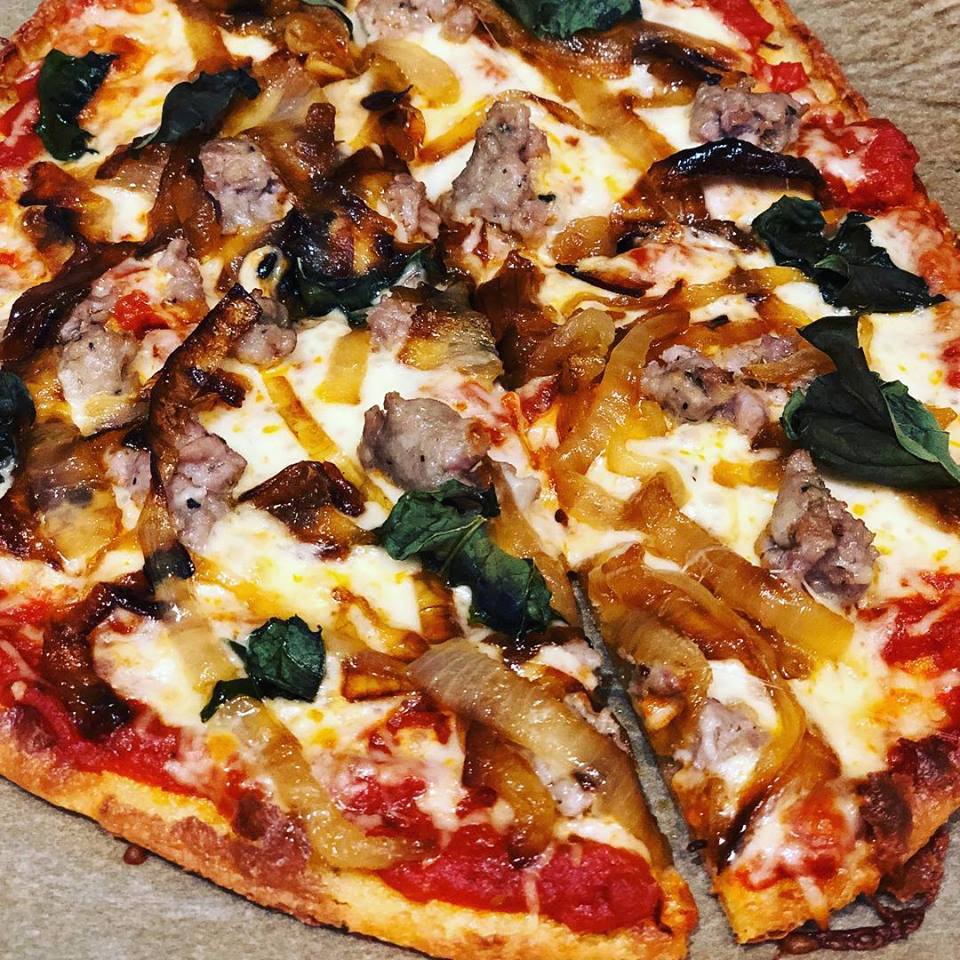
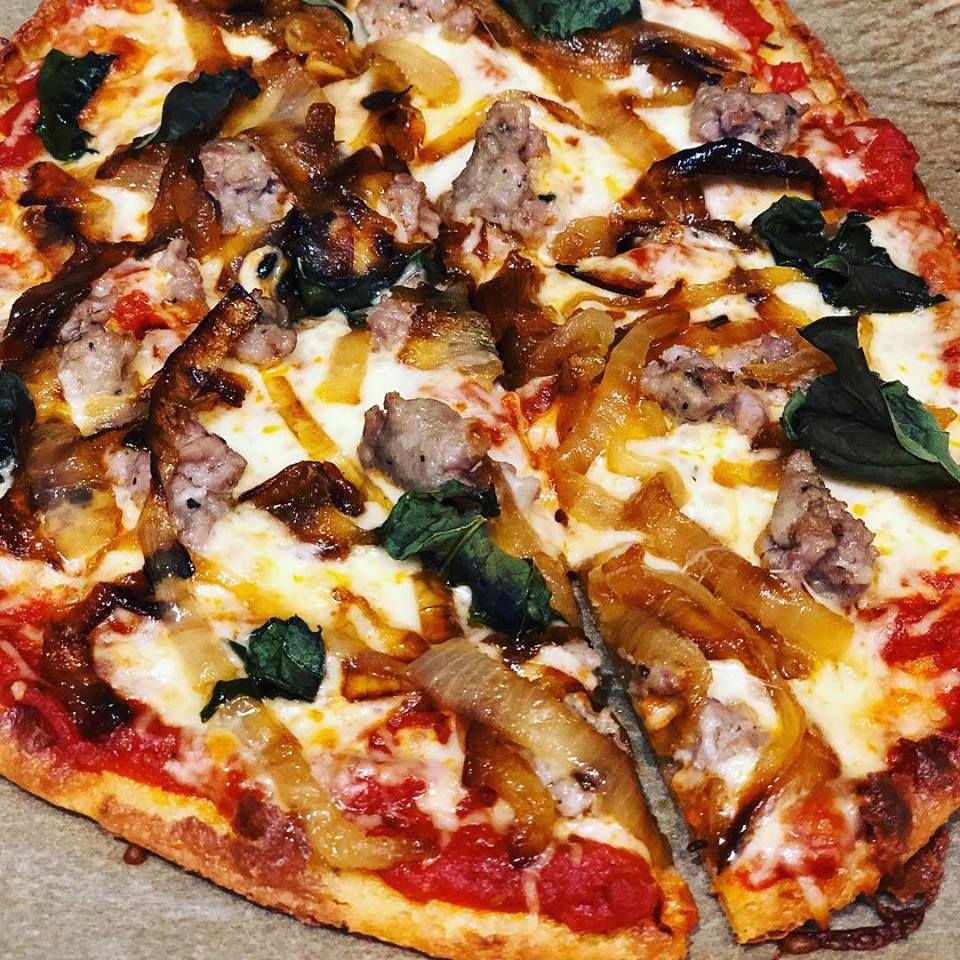
I have been cutting all carbs lately, but have been craving pizza! Pizza used to be one of my go-to foods before I radically changed my diet, and most gluten-free, paleo pizza recipes just don't do it for me. I was on a mission to come up with a delicious low-carb pizza that tasted just like the pizza we all crave. My most recent recipe is made with almond flour, raw mozzarella, and organic Italian sausage to add extra flavor and protein. This pizza is amazing and it is kid-friendly, so it makes the perfect Friday night dinner!
Note: Using raw dairy occasionally is generally well-tolerated. If you want to eliminate the dairy, you can add extra veggies.
Serving Suggestion: I have also made this pizza with Diane Sanfilippo's (@balancedbites) Coffee BBQ Sauce which is also delicious!
My Favorite Low Carb, Keto Pizza
- 3/4 cup almond flour
- 1 cup shredded raw mozzarella cheese
- 1 egg
- 1 tsp. dried oregano
- 1 tsp. dried basil
- Salt to taste
Toppings: Raw mozzarella, organic tomato sauce or crushed tomatoes, cooked organic Italian sausage, caramelized onions, fresh basil.
- Start by adding the almond flour and cheese to a mixing bowl and stir.
- Add the egg, seasoning, and salt.
- Using a rolling pin, roll the dough out onto a parchment lined pizza pan and bake in a 425-degree oven for 10 minutes.
- Top with toppings and bake for another 10-15 minutes or until the cheese has melted.
- Cut into slices and enjoy!
Looking for more paleo-style recipes? Check out my recipe section here, and sign up for our weekly newsletter where I share recipes and wellness tips sent straight to your inbox. Subscribe below.
The 5 Best Exercises for Hypothyroidism
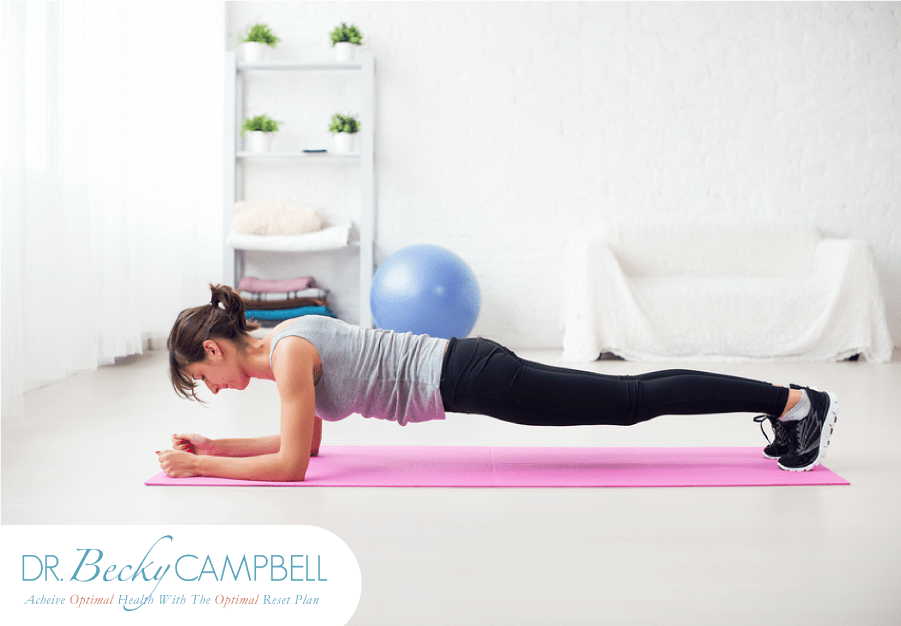
One of the most common symptoms of hypothyroidism is extreme fatigue. This can make exercising next to impossible, and when you are so tired, it is probably the last thing you would think about doing. However, exercise brings a ton of health benefits so whether you suffer from hypothyroidism or not, it is important to keep the body moving. In this post, I am going to share the five best exercises for hypothyroidism so that you can stay in shape and give your body the energy boost it needs.
#1 Yoga
Yoga is one of my favorite forms of exercise, and I often recommend it to my patients. Yoga is a gentle yet effective way to tone your body while also reducing stress. I also love yoga because there are many variations and you can choose what works best for you. If you are suffering from hypothyroidism and fatigue is one of your primary concerns then restorative yoga is a great choice.
#2 Pilates
If you are looking for something a little more challenging, Pilates may be the way to go. Pilates is great because you focus on your breathing and many of the exercises require you to use your own body weight to tone instead of using weights. This is great for anyone with hypothyroidism as it is low impact.
#3 Cycling
Whether you decide to take a cycling class or you get on your bike, cycling is a great form of exercise to help keep you in shape when you have hypothyroidism. Cycling is ideal because it is lower impact than other types of cardiovascular workouts and it is also much easier on the joints. Try signing up for a low impact cycling class and go at your own pace or get outside on a nice day for a bike ride to get your heart rate up.
#4 Brisk Walking
Walking is an excellent form of exercise, and it is one of the easiest. The great thing about walking is that you can set your own pace. If you are feeling up to it, pick up the pace for a nice brisk walk. If you need to slow things down, you can! There are no rules here other than just getting up and getting some movement into your day.
#5 Strength Training
Strength training is good for muscle toning, and it doesn’t have to be high impact. You can use light weights that work for you and incorporate it into your workout schedule a couple of times per week. Building strength is important so as long as you are feeling up to it. Try using some resistance bands or very light hand weights during your next workout.

Why Exercise is Important for Hypothyroidism
So, what is it about exercise that makes it important for hypothyroidism? First and foremost, exercise is an important part of an overall healthy lifestyle. Our bodies were designed to move and not sit at a desk all day. With that being said, having a thyroid condition can cause fatigue which can make exercise a challenge. However, getting just a little bit of activity in per day may actually help boost energy levels. Not only that, but adding some exercise to your routine is a step in helping control blood sugar levels. Balancing blood sugar is an essential step in controlling hypothyroidism. Thyroid function is very dependent on normal blood sugar as frequent insulin spikes can lead to inflammation of the thyroid. When there is a blood sugar imbalance, it can cause issues for not only the thyroid but the gut and brain as well which in turn affects the entire body. It’s a vicious cycle, so it is important to balance blood sugar through a wholesome and balanced diet but also with light exercise as well.
Exercise is also an excellent way to naturally reduce stress which is an essential part of managing hypothyroidism. Taking care of your body is more than just taking care of yourself physically. It is essential to take care of your emotional health as well.
Exercise is great for the whole body and important for thyroid health as it can help boost the metabolism, increase mood, and reduce stress. Try one of these five types of exercise and see how it makes you feel. However, be sure to check with a medical professional before you begin any exercise program. If you are interested in finding a plan that is specifically tailored to you and want to talk about the benefits of adding exercise into your life and how to do it, contact me here.

Bonus Tip
If you have Hashimoto’s or another thyroid disease, I recommend reading and following the recommendations in my book, The 30-Day Thyroid Reset Plan: Disarming the 7 Hidden Triggers That are Keeping You Sick. You will learn everything you need to know about thyroid disease. I offer a 30-day plan to improve your health and my favorite thyroid-friendly recipes to nourish your body with delicious meals.
Final Thoughts
Extreme fatigue is one of the most common symptoms of Hashimoto’s and other thyroid problems. It may be surprising, but exercise can actually help your thyroid health and increase your energy. Follow my tips and try the exercises I recommend to improve your well-being.
If you are dealing with symptoms of Hashimoto’s disease or other thyroid issues, I invite you to schedule a consultation with me. I can help to identify the root cause of your condition and recommend a personalized treatment plan to repair your body and regain your health and well-being. Schedule your consultation here.

7 Paleo Super Bowl Party Recipes
With the Super Bowl this weekend, I wanted to share a handful of my favorite recipes so you can have a Paleo Super Bowl party without sacrificing flavor. These recipes are also kid approved so your whole family can enjoy some healthy yet delicious appetizers on game day.
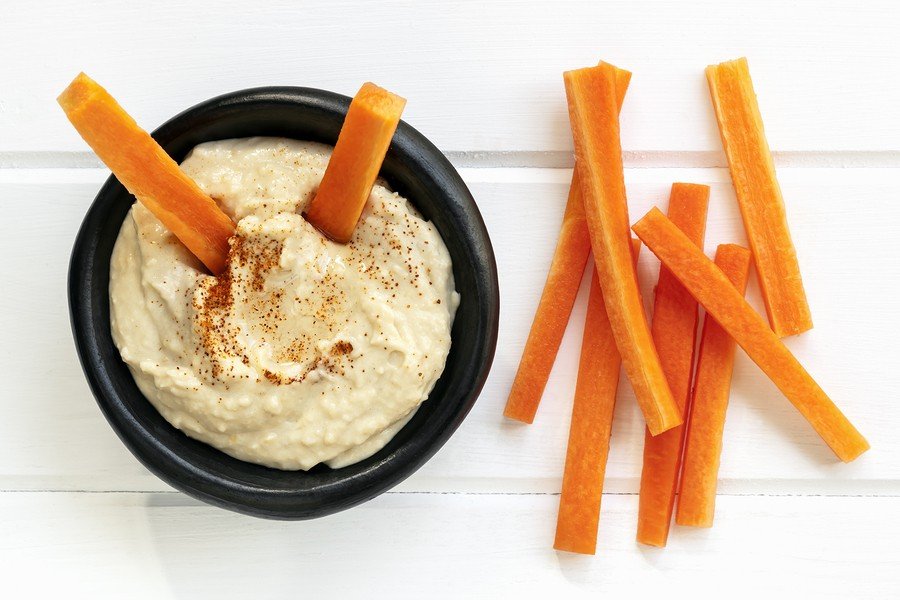
These recipes are easy to make, and your guests will absolutely love them. I am featuring a roasted cauliflower hummus recipe, paleo bacon deviled eggs, honey garlic wings with a ranch dressing, a Paleo-ish nacho recipe served with raw cheese and guacamole, and some cassava flour brownies for dessert!
Just because you follow a paleo diet doesn't mean you can't enjoy some Super Bowl appetizers. Give these recipes a try and let me know which ones you like best!
Roasted Cauliflower Hummus
- 1 head of cauliflower cut into florets
- 1/2 cup organic tahini
- 2-3 lemons (juiced)
- 4 cloves of garlic (chopped)
- 2 tsp. ground cumin
- 1 1/2 tsp. sea salt
- 1/3 cup warm water
- 1/2 cup organic extra virgin olive oil + more for cooking the cauliflower
- Start by preheating the oven to 400 degrees F and cutting the cauliflower into florets. Add to a parchment lined baking sheet and drizzle with olive oil. Bake for 30-35 minutes or until soft.
- Once the cauliflower is cooked, add the florets along with the remaining ingredients to a food processor and process until smooth.
- Enjoy as a dip with sliced veggies or grain-free tortilla chips.
Paleo Bacon Deviled Eggs

- 8 hard-boiled eggs
- 3/4 cup homemade paleo mayo OR Primal Kitchen Mayonaise
- 1 Tbsp. dijon mustard
- 4 slices of organic nitrate-free bacon (cooked and crumbled)
- 1 pinch of paprika
- 1 pinch of salt
- Start by peeling the hard-boiled eggs and cutting them in half. Remove the yolk and then put them into a mixing bowl.
- Mash the egg yolks and add in the mayo, mustard, and salt. Stir well.
- Fill the egg white halves with the yolk mixture and then top with the cooked and crumbled bacon and a pinch of paprika.
- Serve right away or store in the fridge until ready to serve.
Honey Garlic Chicken Wings

Honey Garlic Glaze
- 1/3 cup raw honey
- 2 garlic cloves (minced)
- 1/8 tsp. cayenne pepper
- 2 tsp. fresh ginger (grated)
- 2 Tbsp. coconut aminos
- 1 tsp. melted coconut oil
- Pinch of sea salt
Wings:
- 2 lbs. boneless chicken wings
- 1 tsp. melted coconut oil
- Salt & pepper to taste
- Paleo ranch dressing for serving (see recipe below)
- Start by preheating the oven to 400 degrees F and lining a large baking sheet with parchment paper.
- Next, add the wings to a large mixing bowl and toss with the 1 tsp. of melted coconut oil. Season with salt and pepper. Place in the oven and cook for about 35 minutes or until cooked through and crispy.
- While you have the chicken wings in the oven, prep the glaze by heating a large skillet over medium heat and add all the ingredients. Bring to a boil and boil for 2-3 minutes until it starts to thicken up.
- Once the wings are cooked, remove from the oven and then add them back to the large mixing bowl. Toss with the honey ginger glaze.
- Serve with homemade paleo style ranch dressing and enjoy as a delicious super bowl appetizer.
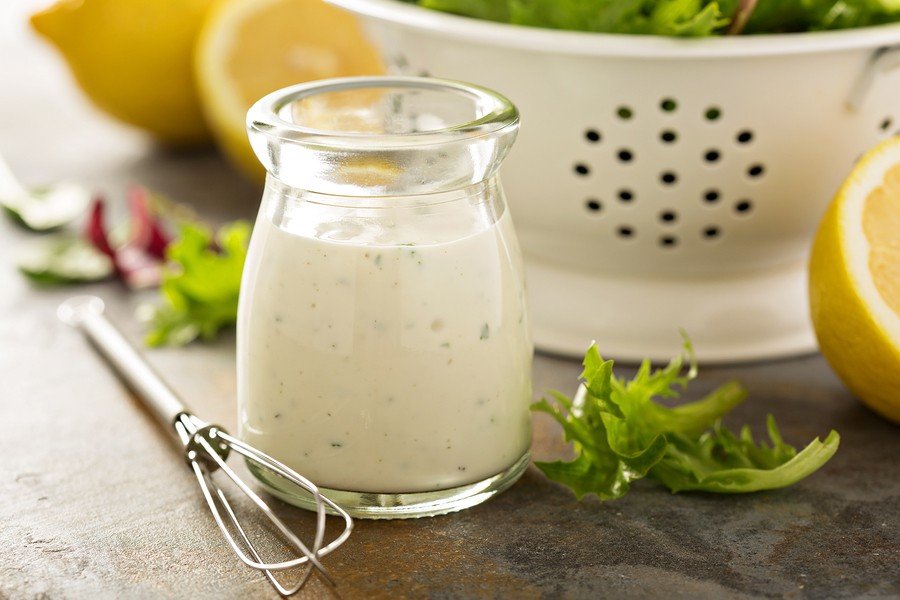
Paleo Ranch Dressing
- 1/2 cup of homemade mayo (OR 1/2 cup of Primal Kitchen Mayo)
- 1/4-1/2 cup full-fat coconut milk (add more or less depending on the desired consistency)
- 1 tsp. dried parsley
- 2 cloves of garlic (minced)
- 1 tsp. dried onion powder
- 1 tsp. freshly chopped dill OR 1/2 tsp. dried dill
- 2 tsp. freshly chopped chives OR 1 tsp. dried chives
- Salt & pepper to taste
- Add all ingredients to a food processor and blend until creamy.
- Serve with the honey garlic chicken wings.
Paleo-ish Nachos
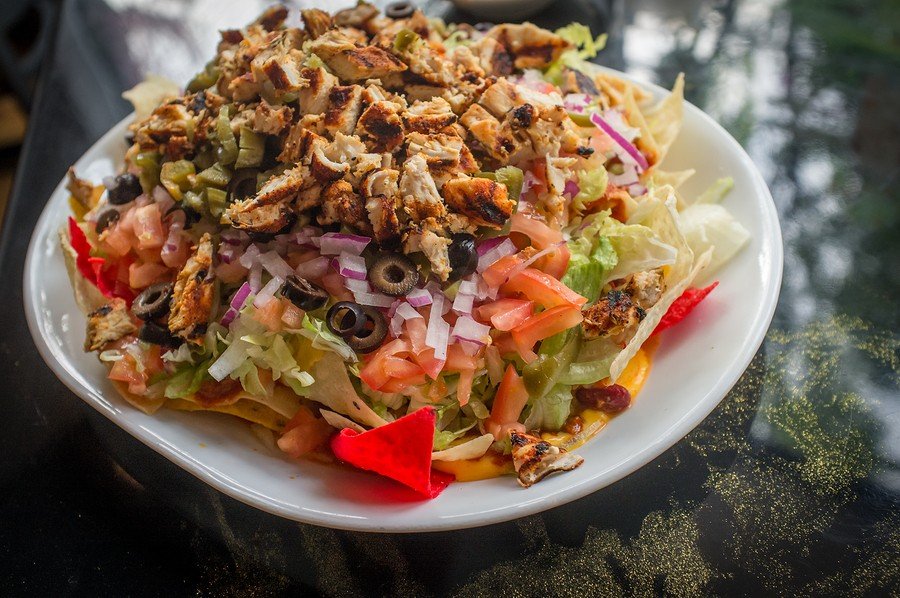
- 4 boneless skinless chicken breasts
- 1 cup of organic valley raw cheddar cheese (shredded)
- 2 Tbsp. organic taco seasoning
- 1 Tbsp. chili powder
- 1/2 29 ounce can of no sugar added organic tomato puree
- 1 bag of Siete grain-free tortilla chips
- Coconut oil for cooking
- Diced tomatoes for topping
- Guacamole for topping (recipe below)
- 1 red onion (chopped)
- 1/2 cup pitted olives (sliced )
- 1 green bell pepper (seeded and diced )
- Start by seasoning the chicken breasts with the taco seasoning and chili powder.
- Next, preheat a large skillet over medium heat with the coconut oil and cook the chicken breasts on both sides until cooked through.
- Let the chicken cool for 10 minutes and then shred using two forks. Add back to the skillet along with the tomato puree and stir to coat the shredded chicken.
- Add the chips to a large baking dish and top with the shredded chicken, shredded raw cheddar cheese, chopped red onion, sliced olives, and diced green pepper.
- Bake in a 350-degree oven until the cheese starts to melt.
- Enjoy while warm.
- Once cooked, top with the diced tomatoes, and guacamole.
Guacamole
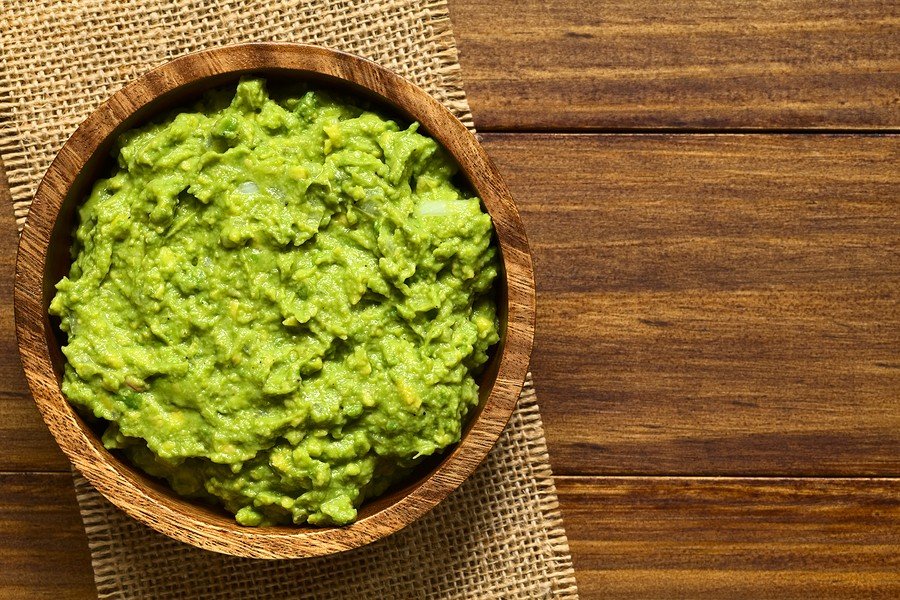
- 3 ripe avocados
- 1/2 onion (diced)
- 1/2 cup of fresh cilantro (stems removed)
- 1 clove of garlic (minced)
- Juice from 1/2 lemon
- 1/2 small jalapeno pepper (seeded and finely diced)
- Start by slicing the avocados in half and removing the pit. Scoop into a large mixing bowl.
- Mash the avocado with a fork and add in the remaining ingredients and mix well.
- Enjoy right away with grain-free tortilla chips
Cassava Flour Brownies
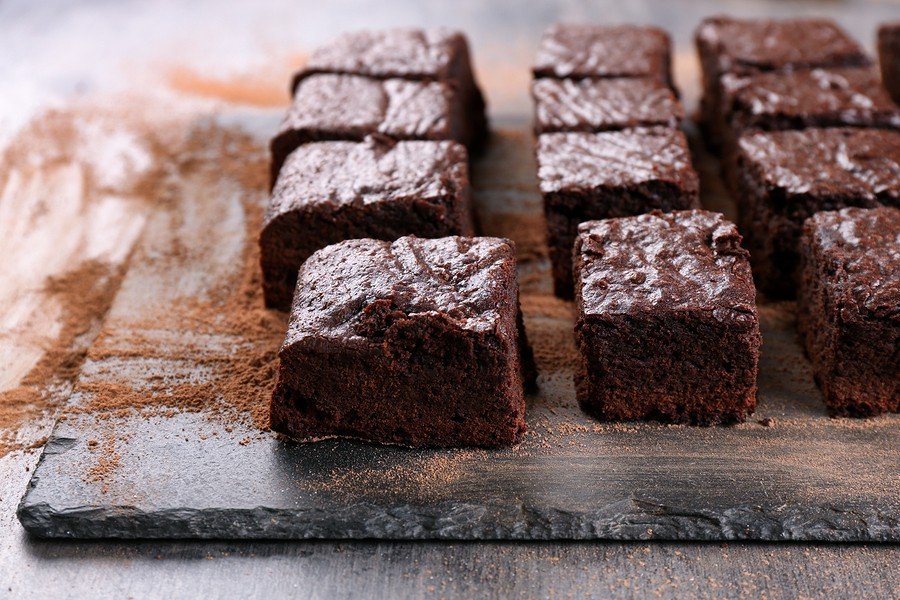
- 1 cup unsweetened chocolate chips
- 5 tbsp coconut oil
- 1 cup maple sugar
- 1/4 cup Otto's Cassava Flour
- 2 tbsp unsweetened cocoa powder
- 1/4 tsp salt
- 2 eggs
- 1 tbsp pure vanilla extract
- Preheat oven to 350F and line an 8X11 baking dish with parchment paper.
- Melt chocolate chips and coconut oil in a saucepan on low just until melted.
- Combine the cassava flour, cocoa powder, maple sugar, and salt in a mixing bowl.
- Whisk the egg and vanilla in a separate bowl.
- Add melted chocolate and eggs to the large mixing bowl with dry ingredients. Mix to form a smooth batter.
- Pour the batter into the parchment-lined dish.
- Bake for 35-50 mins. The cooking time will vary depending on your pan as well as oven.
- Cool before slicing.
For a homemade Paleo mayonnaise recipe, click here.