
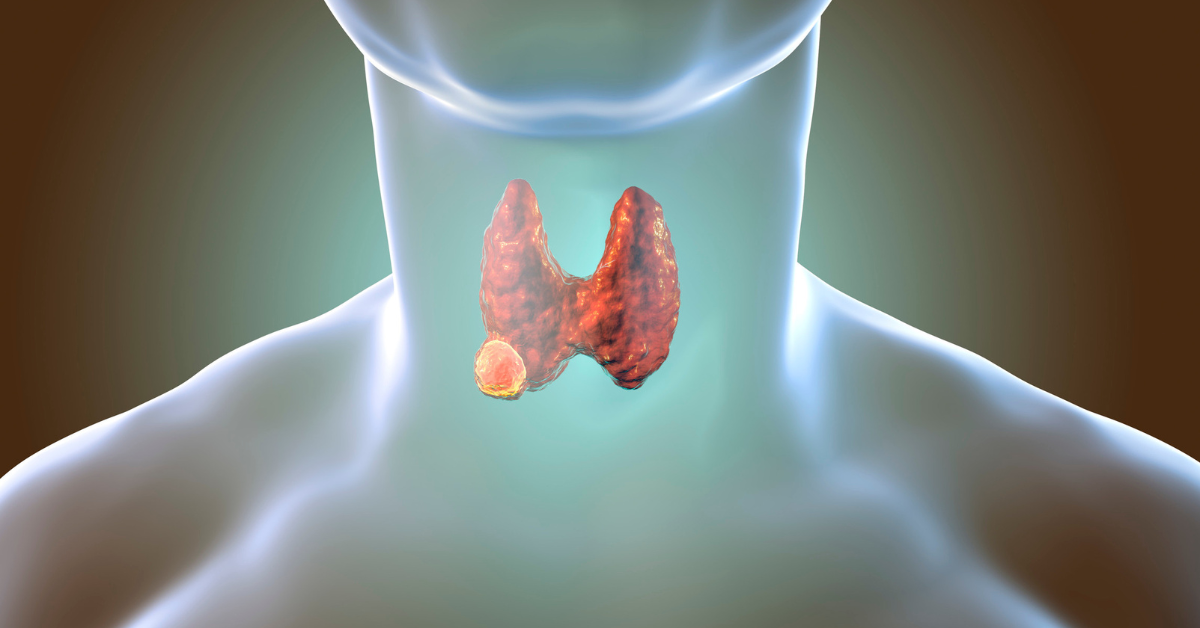
The Overlooked Link Between Mycotoxins and Endocrine Disruption
Understanding mycotoxins and hormone disruptors, and practical ways to support your balance.
When I was exposed to mold for the first time, I had no idea how deeply it would affect me. Initially, I noticed the usual symptoms – sinus issues, headaches, and fatigue. But then the hormone symptoms started creeping in: relentless exhaustion, mood swings, and that foggy, anxious feeling that wouldn’t quit.
Looking back, those were the earliest red flags my body was sending me that something was seriously off.
What’s frustrating is that many practitioners overlook this hidden link.
Because mold illness isn’t just about breathing problems or sinus issues, it can hijack your endocrine system, messing with thyroid function, adrenal balance, and sex hormones in ways that leave you exhausted, anxious, and off-kilter.
This post is about connecting those dots. I want to show you how mycotoxins, those toxic byproducts of mold, can disrupt your hormones and, most importantly, what you can do now to start regaining your balance and energy.
How Mold Disrupts Hormones: A Quick Overview
Before we dig deeper, let’s quickly refresh how mold and its mycotoxins disrupt hormones.
When mycotoxins enter your body, they don’t just irritate your lungs or sinuses; they can interfere directly with your endocrine system, the network of glands that produce and regulate hormones. (1)
This disruption throws your hormonal balance out of whack, affecting everything from thyroid function to adrenal health and sex hormone production.
But it doesn’t stop there. Mycotoxins can also damage your mitochondria, the tiny power plants inside your cells, leaving you low on energy and less able to manage stress. (2)
When mitochondria aren’t functioning well, hormone production and regulation suffer too.
On top of that, mold exposure often triggers systemic inflammation. (3) This chronic inflammation floods your body with stress signals that further scramble hormone signals and disrupt feedback loops.
The result? Hormone imbalance that can look like fatigue, mood swings, weight gain, and more.
Understanding these root causes helps explain why mold illness often feels so overwhelming, and why addressing just one piece won’t get you back to balance.
The Hormone Systems Mycotoxins Hit the Hardest
Now that we’ve looked at how mycotoxins disrupt hormones, let’s talk about where the biggest damage happens.
Mycotoxins don’t just create vague hormonal chaos; they target specific systems in the body that regulate everything from stress response to reproductive function.
This is often where people start to feel like they’re falling apart for no obvious reason.
One month, your period’s a mess. The next, you’re dealing with anxiety and sleep issues. Soon after, your thyroid is underperforming, and your blood sugar levels are bouncing all over the place.
If that sounds familiar, you’re not alone.
These symptoms can feel disconnected, but they’re often all pointing back to the same root: mycotoxins disrupting your body’s hormonal command centers.
Here’s how that plays out in the real world.
Thyroid Disruption: Slowing the Body’s Engine
Your thyroid is highly sensitive to toxins, and mycotoxins can interfere with hormone production, conversion, and signaling.
They can block the conversion of T4 to T3, interfere with thyroid receptor sensitivity, and add inflammatory stress that suppresses overall thyroid function. (4)
Real-world impact? You might feel tired no matter how much you sleep. Cold hands and feet. Dry skin. Hair thinning. Maybe your labs are “normal,” but you know something’s off.
I remember that exact frustration during my own mold recovery – fighting to get out of bed while doctors insisted everything looked fine.
Adrenals + HPA Axis: A Constant State of Overdrive
The hypothalamic-pituitary-adrenal (HPA) axis is the communication highway that controls how your body responds to stress.
Mycotoxins can dysregulate this system, leading to irregular cortisol patterns – too high at night, too low in the morning, or flatlined entirely. (5)
This translates into that wired-but-tired feeling, poor sleep, burnout, and mood swings. I’ve been there, lying awake at 2 a.m., exhausted but buzzing, and dragging through the day like I hadn’t slept at all.
Mycotoxins essentially “confuse” your brain’s stress signals, leaving your system overreacting or shutting down.
Sex Hormones: Estrogen, Progesterone & Testosterone on a Rollercoaster
Sex hormone imbalances are incredibly common in mold-exposed patients. I’ve seen it in my own story and my practice – irregular cycles, low libido, mood swings, and hormone therapy that never quite works.
Mycotoxins are often the missing piece.
Certain mycotoxins, like zearalenone, mimic estrogen and can trigger estrogen dominance. (6) Others disrupt how your body makes hormones by damaging the mitochondria and slowing steroid hormone production. (7)
This is especially true for progesterone, which is already sensitive to stress and low energy availability.
In both men and women, mycotoxins can also interfere with testosterone and DHEA production, leading to fatigue, mood shifts, and reduced muscle tone. (8) And chronic inflammation makes things worse by blocking hormone receptors, even when your levels look “normal.”
The bottom line: if mycotoxins are clogging up the system, your hormones won’t find their rhythm, no matter how many supplements you try.
Insulin & Metabolic Function: Blood Sugar Chaos
If you’ve noticed blood sugar swings, stubborn weight gain, or fatigue after meals since your mold exposure, you’re not imagining things.
Mycotoxins can directly disrupt insulin sensitivity and glucose metabolism, setting the stage for metabolic dysfunction. (9)
Research indicates that certain mycotoxins, such as ochratoxin A and aflatoxin B1, can disrupt insulin signaling pathways and harm pancreatic beta cells, the cells responsible for producing insulin.
Over time, this increases your risk for insulin resistance, even if you’re eating well and staying active.
Add in chronic inflammation and mitochondrial dysfunction, and your cells become less efficient at using fuel.
This can lead to energy crashes, increased fat storage (especially around the midsection), and intense carb cravings, common in mold illness, but often misattributed to poor willpower or diet.
I often remind patients that mold doesn’t just affect your environment; it also affects how your body uses energy. Getting blood sugar back in balance often starts with addressing mycotoxin load, not just tweaking your macros.
When your hormones are disrupted on multiple levels, from their production to your body's response, it’s no wonder the symptoms feel scattered and confusing.
Let’s take a closer look at how this shows up in real life.
Hormone Symptoms That Might Be Mold-Driven

Hormone symptoms often appear long before mold is ever identified as the root cause. Many of my patients (myself included) spent years chasing hormone fixes – progesterone creams, adrenal supplements, thyroid meds – without realizing their systems were reacting to something deeper.
Mycotoxins can throw off your body’s ability to regulate hormones, resulting in symptoms that shift from month to month or even day to day.
It’s one reason why mold-related hormone dysfunction can be so hard to pin down.
Here are some of the most common hormone-related signs I see in mold-exposed patients:
- Fatigue that doesn’t improve with rest
- PMS, heavy periods, or irregular cycles
- Hot flashes or night sweats (even in younger women)
- Low libido
- Weight gain, especially around the belly
- Crashes after meals or constant hunger
- Anxiety, irritability, or mood swings
- Difficulty sleeping or waking up wired at night
- Thyroid symptoms even with “normal” labs
If you’re checking several of these boxes and nothing else has worked, it may be time to look at mold more closely.
What You Can Do Right Now to Support Hormone Balance

If your hormones feel out of whack and mold is a concern, there are steps you can take right now to ease the pressure on your system and start moving in the right direction.
1. Lower Your Exposure
Reducing mycotoxin load begins with your environment.
If you suspect a moldy home or workspace, consider proper testing (ERMI is a reliable option) and take steps to limit your time in high-risk areas.
Simple shifts, like running a HEPA and carbon filter purifier or removing shoes at the door, can help lower your daily exposure.
2. Support Gentle Detox
Many mold illness patients eventually benefit from binders, liver support, bile flow nutrients, and antioxidants like glutathione, but this isn’t the place to start on your own.
Diving into heavy detox too soon can backfire if your body isn’t ready.
Instead, focus on gentle detox habits that prepare your system: stay well-hydrated, eat fiber-rich foods, and build in regular sweating through sauna sessions, gentle exercise, or Epsom salt baths.
Adding lymphatic drainage techniques, such as dry brushing or gentle massage, can also help support your body’s natural clearing pathways without overwhelming them.
These simple practices help your body gradually clear toxins without overwhelming it.
3. Balance Blood Sugar and Hormone Inputs
Blood sugar swings can make hormone imbalances worse.
Aim for regular meals that include protein, healthy fats, and slow-digesting carbohydrates to maintain steady energy and balanced hormones.
Specific nutrients are especially beneficial here: magnesium supports relaxation and insulin regulation, while B vitamins aid in energy production and the stress response. Additionally, adaptogenic herbs like ashwagandha or rhodiola can gently support your body’s ability to handle stress.
Together, these nutrients provide a foundation that helps stabilize your hormones and calm the adrenal system.
4. Care for Your Nervous System
Mold toxins can keep your body stuck in a constant “fight or flight” mode, which throws your hormone balance completely off. Helping your nervous system shift into a calmer state is key.
Simple practices, such as deep breathing exercises, gentle yoga, or spending time in nature, can signal safety to your brain and lower stress hormones.
Vagus nerve exercises, such as humming, splashing cold water on the face, or practicing slow, paced breathing, are especially effective at activating your body’s relaxation response.
Prioritizing restful sleep and setting aside quiet, screen-free time also gives your nervous system a much-needed break, helping your hormones find their natural rhythm again.
These strategies don’t replace a full mold recovery protocol, but they can lay a strong foundation. Supporting your body at this level makes everything else work better and helps you start feeling more like yourself again.
When to Get Help
If you’re still struggling with hormone symptoms despite lifestyle shifts, it’s a sign your body might need deeper mold support.
Mold-related hormone issues often won’t fully clear until the underlying mycotoxin load and immune challenges are addressed.
Don’t ignore odd or persistent symptoms just because they feel confusing or don’t fit a typical pattern. They’re your body’s way of asking for attention.
If you want a clearer roadmap to navigate the impact of mold on your hormones, my book offers practical guidance and real-world insights to help you move forward with confidence.
Connecting the Dots Between Hormones and Mycotoxins
If you’ve been chasing hormone symptoms without relief, it’s time to consider what’s underneath it all.
Mycotoxins don’t just affect your lungs or sinuses; they can throw off your thyroid, your stress response, your cycle, and your metabolism.
This is deeper than hormones “just being off.” This is your body reacting to an internal threat it hasn’t been able to escape.
You’re not imagining things. And you’re not alone.
I’ve walked this road too. And while the path can feel overwhelming at first, I want you to know: small steps matter. Every choice to reduce exposure, nourish your body, or calm your system is a step toward balance.
However, the real shift happens when we stop chasing symptoms and start targeting the root cause.
If you’re ready to take the next step, I invite you to order my book, The Complete Mold Detox: The Definitive Guide to Healing Your Body from Mold Illness and Mycotoxins.
Your body is built to recover, and this book is your call to action. It’s an invitation to finally face the silent enemy that’s been stealing your energy and rewrite the story of your health.
You don’t have to stay stuck in survival mode. Let’s get you back to living.
Resources
- https://pmc.ncbi.nlm.nih.gov/articles/PMC10535190/
- https://pubmed.ncbi.nlm.nih.gov/30180298/
- https://pubmed.ncbi.nlm.nih.gov/34830149/
- https://pmc.ncbi.nlm.nih.gov/articles/PMC5545575/
- https://pubmed.ncbi.nlm.nih.gov/2544045/
- https://pmc.ncbi.nlm.nih.gov/articles/PMC9862602/
- https://jivfww.scholasticahq.com/article/132398-the-role-of-mycotoxins-in-reproductive-health-mechanisms-evidence-and-clinical-implications
- https://pmc.ncbi.nlm.nih.gov/articles/PMC6784030/
- https://pubmed.ncbi.nlm.nih.gov/39923202/

Your Gut After Mold: What Happens When Your Microbiome Turns Against You
The science behind mold-induced dysbiosis and why it keeps driving inflammation, leaky gut, and immune dysregulation long after exposure.
You did the hard part. You got out of the moldy home, office, or school. Now, you started working on detox. Maybe you’ve even changed your diet, added in binders, and started a protocol.
And yet…the symptoms are still there.
This is one of the most frustrating and confusing parts of mold illness recovery. You remove the exposure, but your body doesn’t bounce back the way you expected.
You’re still reacting. You still feel inflamed.
While mold exposure is known for its impact on inflammation, immune function, and detox pathways, there’s another piece that often gets overlooked: the gut microbiome.
Mold and the mycotoxins that come with it can disrupt the balance of microbes in your gut in ways that don’t just resolve with time. This microbial imbalance, or dysbiosis, can keep driving inflammation, contribute to leaky gut, and make it harder for your body to move forward.
So, let’s look at what happens to the gut after mold exposure, how to recognize the signs of mold-related dysbiosis, and what you can do to support your microbiome without overwhelming your system.
Because when the gut is supported, everything else starts to shift.
How Mold Disrupts the Gut Microbiome
The gut often gets left out of the mold conversation, but it’s one of the most deeply affected systems. Even if you never ate anything moldy, your microbiome felt the hit.
That’s because mold exposure doesn’t just stay in your sinuses or lungs. Mycotoxins move through your system, triggering inflammation and stress that ripple through the entire body, including the gut.
One of the first things to go? Microbial diversity.
You lose key players like Akkermansia, Bifido, and Lacto strains, and in their place, less helpful – and sometimes even inflammatory – microbes take over. (1, 2)
This shift doesn’t just mess with digestion. It also changes how your immune system behaves.
The gut and immune system are in constant conversation, and when mold disrupts that crosstalk, it can push your immune response into overdrive.
Hello, food sensitivities, chronic inflammation. Hello, vicious cycle.
And when the gut lining itself gets damaged (thanks, mycotoxins), you’re looking at leaky gut layered on top of it all.
So no, your gut hasn’t “just not caught up yet.” It’s been hit hard. And it needs attention.
Signs of Mold-Related Dysbiosis
If your gut hasn’t felt “normal” since your mold exposure, it’s not a coincidence. Dysbiosis after mold is incredibly common, and it rarely looks the same for everyone.
For some, it’s the sudden onset of food sensitivities. Foods you used to tolerate just fine – eggs, avocado, sauerkraut – now leave you feeling bloated, brain-fogged, or flaring.
For others, it’s the stubborn constipation, loose stools, or that feeling like food just sits there after you eat.
But the signs go beyond digestion.
Post-mold dysbiosis can show up as:
- Unexplained fatigue that doesn’t match your activity level
- Mood changes (anxiety, irritability, even panic) linked to meals or flares
- Histamine intolerance symptoms, like flushing, heart palpitations, or hives
- Persistent nutrient deficiencies despite supplementation
- Weird reactions to probiotics or prebiotics (especially histamine-producing strains)
If you’ve done stool testing, you might see low diversity, low levels of beneficial species, an overgrowth of gram-negative bacteria, or high markers of inflammation like calprotectin or secretory IgA.
This isn’t just about an “off” gut. Mold throws the whole system into imbalance, and your microbiome ends up on the front lines.
When you know what to look for, the gut starts making a lot more sense.
Why Gut Issues Stall Recovery
By now, it’s clear that mold doesn’t just disrupt the gut; it also rewires how your entire system responds to food, supplements, and stress. But here’s where things get tricky: even after you’re out of the moldy environment, your gut might still be stuck in survival mode.
And that can quietly sabotage your recovery.
A damaged gut lining and microbial imbalance don’t just affect digestion. They change how your body handles everything – from toxins to treatments.
When the gut is inflamed or leaky, it often leads to reabsorption of mycotoxins through the enterohepatic circulation. (3) In other words, your liver dumps toxins into the gut, and instead of getting rid of them, your body takes them right back in.
That alone can keep symptoms smoldering.
At the same time, dysbiosis makes the gut hypersensitive. You might find yourself reacting to binders, antimicrobials, probiotics, and even gentle foods. Not because those tools are bad, but because your gut isn’t ready.
The more inflamed it is, the less tolerance it has for change.
This also means your immune system stays on high alert. That’s a huge reason why histamine issues persist and why minor exposures or stressors can trigger major flares.
So if you’ve plateaued or felt worse during a detox, it might not mean you’re doing too much. It could mean you skipped a step.
Until your gut can regulate, absorb, and let go again, the rest of your recovery has a much harder time working.
How to Support the Gut After Mold
If you’ve felt like nothing’s working or like every step forward comes with a crash, it might be time to shift the goal. Instead of “fighting” mold or fixing the gut all at once, the real magic often happens when you slow down and work with your body’s pace, not against it.
The gut has its own timeline. And after mold, that timeline may need more space, more gentleness, and a lot more trust.
Here’s where to start:
Rebuild microbial diversity, slowly. Start with gentle, supportive herbs like ginger, chamomile, and fennel, which can encourage microbial balance and soothe the gut without adding stress. If tolerated, low-fermentable, whole-food fiber sources like zucchini, carrots, or lightly cooked greens can also help support diversity without overwhelming a sensitive system.
Choose probiotics wisely. Broad-spectrum, high-dose probiotics can backfire when the gut is inflamed or histamine-prone. Instead, start with low-histamine strains, such as Lactobacillus rhamnosus GG, Bifidobacterium infantis, or Bacillus coagulans, and listen closely to how your body responds.
Soothe the gut lining. Nutrients like L-glutamine, zinc carnosine, deglycyrrhizinated licorice (DGL), and marshmallow root can help calm inflammation and support tissue repair.
Use binders that don’t overwhelm. Instead of diving into aggressive detox, try gentle binders like chlorella, bentonite clay, or modified citrus pectin. Even here, less is often more.
What to skip?
Aggressive gut-clearing protocols or antimicrobials that don’t account for your current resilience. If the gut isn’t ready, those “kill” strategies can cause more harm than good.
Stool testing, like the GI-MAP or other tools we use in our virtual practice, can offer a clearer picture of what’s really going on. It can reveal low diversity, inflammatory markers, or imbalances in key species. This type of data helps personalize your plan and move forward with greater clarity, rather than relying on trial and error.
Recovery isn’t a race. It’s a conversation. And your gut is always trying to tell you what it needs next.
When to Focus on the Gut
You’ve seen how mold can disrupt the microbiome, inflame the gut lining, and throw the whole system off balance. But it’s not always obvious when the gut needs to take center stage in your recovery.
If you’re still feeling stuck, even after leaving mold behind and starting treatment, this is your reminder to zoom out and ask:
Is my gut ready for the work I’m asking it to do?
Here are a few signs it might be time to shift your focus:
- You’re reacting to everything – foods, supplements, even binders
- Detox protocols bring more flares than relief
- Digestive symptoms haven’t improved (or are getting worse)
- Histamine intolerance is still running the show
- You feel like your progress keeps stalling or backtracking
These signs don’t mean you’re doing something wrong. They just mean your gut might be the missing link.
And when you support the gut (on its terms, at its pace), everything else tends to move forward with less resistance.
Ready to Go Deeper? Start Here
If you’ve made it this far, you already know that gut repair isn’t a side note in mold recovery. It’s a foundational piece.
Mold exposure can quietly wreck the microbiome, weaken the gut lining, and keep your immune system stuck in overdrive long after you’ve left the source.
We’ve covered how that happens, what signs to watch for, and how to start supporting your gut without pushing your body too far, too fast.
But let’s be clear: this is just one part of the picture.
Mold illness isn’t one thing. It’s a full-body, multi-system disruption. And recovery takes more than symptom management or detox protocols; it requires strategy, timing, and a deeper understanding of how everything is interconnected.
If you're ready to dig deeper and truly understand how mold impacts every part of your health, I invite you to order my book, The Complete Mold Detox: The Definitive Guide to Healing Your Body from Mold Illness and Mycotoxins.
This book is more than a guide – it’s a lifeline.
A roadmap to help you stop chasing symptoms, support your body at the root level, and finally move toward lasting change.
And if you know you’d benefit from a more personalized approach, consider a one-on-one consultation.
Together, we’ll look at your history, symptoms, and your goals – and create a personalized plan that works with your body, not against it.
Schedule a consult and take the next step toward clarity, momentum, and true progress.
Resources
- https://pmc.ncbi.nlm.nih.gov/articles/PMC7761905/
- https://pubmed.ncbi.nlm.nih.gov/29535978/
- https://pubmed.ncbi.nlm.nih.gov/12162761/