
How To Boost Mold Recovery with Vagus Nerve Toning
When helping my patients recover from mold illness, I zero in on the big hitters: leaving behind the moldy environment, detoxing your body, and making dietary changes.
Those steps are absolutely crucial!
But there are other powerful tools in your recovery toolbox. Enter the vagus nerve.
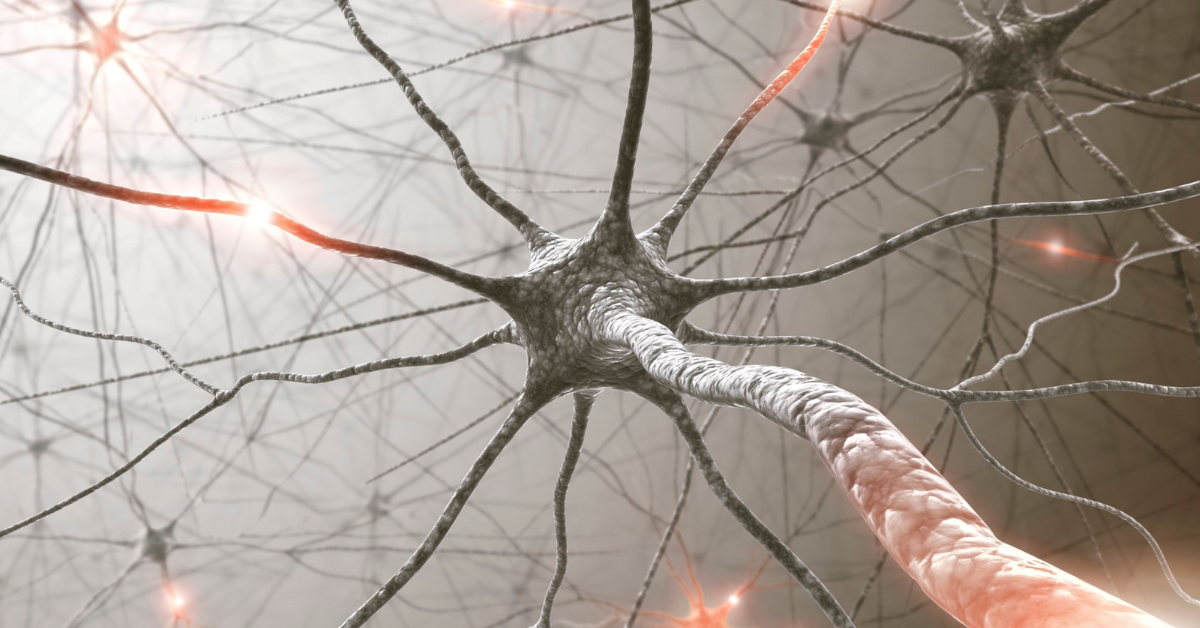
This incredible nerve is like your body’s superhighway for healing. It’s crucial for calming inflammation, supporting detox pathways, and helping your body switch into repair mode. (1)
When you focus on vagus nerve toning, somatic therapy, and brain training, you can take your recovery to the next level.
Let’s look at some simple, actionable ways to boost your vagus nerve, release tension, and retrain your brain – because healing from mold illness is not just about what you eat or how you detox; it’s about supporting your whole body and mind on this journey.
What Is the Vagus Nerve and Why Is It Key in Mold Recovery?
The vagus nerve is like your body’s superhighway for healing, sending signals back and forth between your brain and vital organs – think heart, lungs, and gut. It’s constantly working behind the scenes, helping to regulate digestion, heart rate, and inflammation levels. (2)
But its real magic comes from its role in activating your parasympathetic nervous system – the “rest and digest” mode your body needs to repair and recover. (3)
When mold invades your system, it’s not just your immune response that goes haywire. Chronic inflammation can keep your body stuck in survival mode, also known as fight-or-flight.
When your vagus nerve is working well (we call that having good vagal tone), it acts like a signal to flip the switch back to calm, rest, and healing (4). But if your vagus nerve is struggling, your body can stay trapped in that hypervigilant state, unable to fully recover.
Boosting vagal tone helps shift your body out of this constant alarm state, turning off the inflammation, supporting detox pathways, and restoring balance to your immune system. (5)
Why Vagus Nerve Health Matters
So, what exactly does good vagal tone mean for your overall health?
It’s about much more than just feeling calm; it’s linked to a host of vital functions, including:
- Decreasing Blood Pressure
- Reducing Heart Rate
- Lowering Inflammation or Pain
- Managing Stress and Anxiety
- Regulating Mood
- Transferring Sensory Information
- Delivering Information Between the Brain and Gut
- Regulating Swallowing and Speech
Basically, nurturing your vagus nerve is a holistic approach to health that can profoundly impact your recovery from mold illness. Focusing on improving your vagal tone addresses your symptoms and supports your body’s ability to heal itself.
Symptoms and Causes of Poor Vagal Tone
When vagal tone is low, it means the vagus nerve isn't functioning at its best. This can leave your body stuck in a fight-or-flight mode, making it difficult to recover from mold illness and other chronic conditions.
Common symptoms of poor vagal tone include:
- Chronic fatigue
- Digestive issues like bloating, constipation, or poor digestion
- Anxiety or depression
- High or irregular heart rate
- Difficulty regulating emotions
- Poor stress tolerance
- Frequent headaches or migraines
- Brain fog or difficulty concentrating
These symptoms indicate that the vagus nerve isn’t communicating effectively between the brain and the body, keeping you in a constant state of stress and inflammation.
Causes of Poor Vagal Tone
Several factors can contribute to poor vagal tone, including:
- Chronic stress: Prolonged stress can weaken the parasympathetic nervous system, leaving the vagus nerve unable to properly regulate relaxation and healing.
- Inflammation: Mold exposure, chronic illness, or gut imbalances can trigger ongoing inflammation, impairing vagus nerve function.
- Trauma: Physical or emotional trauma can disrupt the body’s ability to maintain proper vagal tone.
- Poor gut health: Since the vagus nerve is a key player in the gut-brain axis, issues like leaky gut or dysbiosis can negatively affect vagal tone.
- Sedentary lifestyle: Lack of physical activity can weaken vagal tone over time, as movement stimulates the vagus nerve and promotes a healthy parasympathetic response.
- Toxin exposure: Ongoing exposure to environmental toxins, including mold, can disrupt vagus nerve signaling and keep the body in a heightened state of stress.
How to Improve Vagal Tone and Support Mod Recovery
Now that you understand the vital role the vagus nerve plays in mold illness recovery – and how poor vagal tone can hold you back – it’s time to focus on practical steps you can take to boost your vagal tone.
Here are some highly effective, actionable ways to tone your vagus nerve and accelerate recovery.
Breathwork and Diaphragmatic Breathing
Slow, deep breathing from your diaphragm is one of the simplest and most powerful ways to activate your vagus nerve. (6, 7)
Aim for slow, controlled breaths where your belly expands on each inhale. This type of breathing signals to your body that it's safe to relax, promoting parasympathetic activity.
Try this: Practice 4-7-8 breathing – inhale for 4 seconds, hold for 7, and exhale for 8. Repeat for several minutes daily to help reduce stress and improve vagal tone.
Cold Exposure
Exposing your body to cold temperatures can stimulate the vagus nerve and improve tone. (8)
Start small by splashing cold water on your face, or take short cold showers to get your body used to the sensation. Over time, this practice can help your body better regulate its stress responses.
Try this: End your shower with 30 seconds of cold water. Gradually increase the time as you get used to the cold.
Humming, Chanting, or Singing
The vagus nerve is connected to your vocal cords, so activities like humming, chanting, or singing can stimulate the nerve and promote relaxation. (9) These exercises can also help relieve tension in the neck and throat, which can affect vagus nerve function.
Try this: Sing along to your favorite song, or hum softly for a few minutes a day. Chanting "Om" is another option to directly activate the vagus nerve.
Garling
It may sound simple, but gargling water vigorously can stimulate the vagus nerve. The action triggers a gag reflex, which sends signals along the nerve to help tone it over time.
Try this: Gargle with water for 30 seconds once or twice a day, especially after brushing your teeth.
Mindfulness and Meditation
Mindfulness and meditation practices help reduce stress and anxiety, promoting parasympathetic activity and calming the nervous system. Regular meditation can improve vagal tone over time by encouraging your body to stay relaxed more often. (10)
Try this: Start with just 5 minutes of mindfulness meditation each day, focusing on deep, slow breathing and bringing your attention to the present moment. Gradually increase your time as it becomes part of your routine.
Somatic Therapy
Somatic therapy focuses on reconnecting your mind and body to release stored tension, trauma, and stress that disrupt vagal tone. (11) By incorporating movement-based practices such as yoga, tai chi, or somatic experiencing, you can help calm the nervous system and improve the body’s ability to heal.
Try this: Start a simple yoga or tai chi practice at home, or work with a somatic therapist to identify exercises that help release stress and improve vagal tone.
Brain Retraining
Brain training techniques are designed to help you recover from chronic stress, trauma, and illness by rewiring maladaptive stress and trauma responses in the brain.
Retraining programs teach your brain to shift away from ingrained stress patterns, which can directly improve vagus nerve function and overall resilience.
Try this: Explore brain retraining programs like Primal Trust, which guide you through daily exercises that help reprogram the brain’s stress response and promote healing.
Acupuncture
Acupuncture has been shown to stimulate the vagus nerve and improve parasympathetic function, making it a valuable tool for those looking to boost their vagal tone. (12) This traditional therapy can help regulate the body's stress responses, reduce inflammation, and support overall recovery.
Try this: Find a qualified acupuncturist experienced in vagus nerve stimulation to add this practice to your recovery toolkit.
Integrating Vagus Nerve Toning into Your Mold Recovery
Vagus nerve toning can be a game changer for mold recovery. To get started, focus on small, easy steps you can fit into your daily routine. Here’s how:
Start Small
Pick one or two practices, like deep breathing or cold exposure. Consistency is key, so aim for short, daily practice to gradually improve your vagal tone.
Combine with Habits
Incorporate vagus nerve exercises into things you already do. For example, gargle after brushing your teeth or hum while doing chores. Little actions can make a big difference over time.
Somatic Therapy for Release
Working with a certified somatic therapist can be incredibly effective in releasing stored stress and promoting deep relaxation. While simple movements like yoga or stretching are a great start, having expert guidance can help you navigate the deeper layers of stored trauma and tension. Personally, I incorporate somatic therapy into my own healing practice and have found it to be a powerful tool for resetting my nervous system.
Try Brain Retraining
Brain retraining programs like Primal Trust help rewire stress responses that may linger after mold exposure. Set aside just 15 minutes a day to practice rewiring your brain.
Prioritize Rest
Rest is essential for vagal health. Add in mindfulness or meditation for a few minutes each day to reset your nervous system and support recovery.
Track Progress
Keep a journal of how you feel after each vagus nerve toning session. Over time, you’ll likely notice improvements in your stress levels and overall well-being.
Empower Your Recovery with Vagus Nerve Healing
Healing from mold illness is about more than just removing the exposure – it's about supporting your body's recovery systems, including your vagus nerve. By incorporating simple, actionable steps to improve vagal tone, you can promote better healing, reduce stress, and start feeling more like yourself again.
Ready to dive deeper into your mold recovery journey?
Schedule a consultation to explore how vagus nerve toning and other personalized strategies can help you overcome mold illness and achieve lasting wellness.
Curious if mold is affecting your health?
Take my FREE Mold Quiz to discover your risk and learn how a tailored plan can help you regain your vitality.
Resources
- https://www.ncbi.nlm.nih.gov/pmc/articles/PMC5859128/
- https://my.clevelandclinic.org/health/body/22279-vagus-nerve
- https://my.clevelandclinic.org/health/body/23266-parasympathetic-nervous-system-psns
- https://www.ncbi.nlm.nih.gov/pmc/articles/PMC4107166/
- https://www.ncbi.nlm.nih.gov/pmc/articles/PMC9093220/
- https://www.ncbi.nlm.nih.gov/pmc/articles/PMC6189422/
- https://pubmed.ncbi.nlm.nih.gov/19249921/
- https://www.ncbi.nlm.nih.gov/pmc/articles/PMC6334714/
- https://www.ncbi.nlm.nih.gov/pmc/articles/PMC3099099/
- https://www.psychologytoday.com/us/blog/the-athletes-way/201602/mindfulness-meditation-and-the-vagus-nerve-share-many-powers
- https://pubmed.ncbi.nlm.nih.gov/10686263/
- https://pubmed.ncbi.nlm.nih.gov/24359451/
How to Detoxify Your Body: Supporting Natural Detox Pathways for Histamine Intolerance and Mold Illness
If you’re looking to improve your health, there’s one process you can’t afford to overlook: detoxification.
Your body’s natural way of clearing out toxins is essential for staying healthy, especially if you’re dealing with histamine intolerance or mold illness. When your detox pathways aren’t functioning at their best, it’s like trying to clean a house with a clogged vacuum—it just doesn’t work.
Supporting your body’s detox pathways is the foundation of any healing journey. Whether it’s your liver, kidneys, skin, or lungs, each plays a crucial role in filtering out the junk that could be dragging you down. (1)
By giving these systems the support they need, you’re not just managing symptoms—you’re giving your body the tools to heal.
In this blog, I’ll walk you through how detoxification works, what happens to your body during the process, the benefits of supporting your natural detox pathways, and some practical tips to help you get started.
If you’re ready to give your body the reset it deserves and start feeling like yourself again, let’s dive in.
Understanding Detoxification: The Purpose of Detoxification
Detoxification is your body’s ingenious way of cleaning house. It’s a natural process that works tirelessly to remove harmful substances and maintain balance. (2)
Imagine it as your body’s built-in clean-up crew, breaking down toxic compounds into less harmful forms so they can be efficiently whisked away.
You see, we’re constantly exposed to a barrage of toxins from our environment, food, and even personal care products. In an ideal world, our bodies can effortlessly handle this toxic load. However, for those struggling with histamine intolerance and mold illness, the detoxification process can become overwhelmed. This can lead to a buildup of toxins, contributing to a range of symptoms.
If your body is struggling to keep up with the toxic load, you may experience: (3)
- Unexplained fatigue
- Sluggishness, weakness, and lethargy
- Brain fog and trouble concentrating
- Mood swings, anxiety, or depression symptoms
- Bloating and indigestion
- Aches and pains
- Frequent illness
- Skin issues like breakouts, redness, or sensitivity

So, what can we do to support this essential bodily function?
Let’s dive into the specifics of how our bodies detoxify and explore ways to enhance this vital function.
The Body’s Natural Detox Pathways
Your body is a remarkable machine equipped with several systems dedicated to keeping you clean and healthy. When it comes to detoxification, four primary organs take center stage: the liver, kidneys, skin, and lungs.
Let’s explore how these hardworking organs contribute to your body’s natural detoxification process.
Liver: The Detox Powerhouse
Your liver is often called the body’s chemical factory.
It’s a true workhorse when it comes to detoxification. This incredible organ filters your blood, breaking down harmful substances into less toxic forms that can be safely eliminated. (4)
The liver operates in two primary phases:
- Phase 1: Toxins are transformed into more water-soluble substances.
- Phase 2: These transformed substances are combined with other compounds to make them even easier to eliminate.
A healthy liver is essential for efficient detoxification and overall well-being.
Kidneys: The Filtration System
Imagine your kidneys as your body’s personal filtration system. They work tirelessly to filter blood, removing waste products and excess fluids. These waste products are then excreted from your body in urine. (5)
The Skin: Your Body’s Largest Organ
Your skin is more than just your body’s largest organ; it’s also a vital part of your detoxification system. Through sweating, your skin helps release toxins and impurities. (6)
Maintaining healthy skin is essential for effective detoxification. Practices like regular cleansing, moisturizing, and protecting your skin from environmental stressors can support this process.
Lungs: The Breath of Detox
Your lungs play a vital role in detoxification by expelling volatile compounds and toxins through exhalation. Deep, consistent breathing helps maximize lung function and supports the body’s natural cleansing process. (7)
These four organs work together to form a robust detoxification system. By understanding their roles, you can take steps to support their function and optimize your body’s natural cleansing abilities.
What Happens to Your Body During Detox?
Detoxification is a continuous process that occurs throughout your body. It's a multi-step process involving three key phases:
Phase 1: Bioactivation
Imagine your body as a recycling plant. In the first phase, bioactivation, your cells modify toxins into a more manageable form, similar to bagging up garbage. This makes them easier to handle and prepare for elimination.
Phase 2: Conjugation
In the second phase, conjugation, your body adds a chemical tag to the bioactivated toxins. Think of this as tying a tag on the garbage bag. This tag makes the toxins water-soluble, allowing them to be more easily transported out of your body.
Phase 3: Transport
Once the toxins are prepared, the third phase, transport, kicks in. Your body's transportation systems, including your liver, kidneys, lungs, and skin, work together to eliminate these toxins.
As your body works to eliminate toxins, you may experience temporary symptoms. These are often a normal part of detoxification as your body adjusts to the increased workload.
Some common symptoms include:
- Fatigue: As your body works to eliminate toxins, it may require more energy, leading to fatigue.
- Headaches: Increased toxin elimination can sometimes cause headaches.
- Mood swings: Hormonal fluctuations during detoxification can contribute to mood changes.
- Skin reactions: Your skin may become more sensitive or experience breakouts as it works to eliminate toxins.

It’s important to remember that these symptoms are typically temporary and usually subside as your body adjusts to the detoxification process.
Benefits of Detoxification
Detoxification is particularly beneficial for those with histamine intolerance and mold illness because it directly targets the root causes of their symptoms.
For histamine intolerance, detox helps reduce the accumulation of histamines and other inflammatory compounds in the body. By clearing these out, you can help alleviate symptoms like headaches, skin rashes, and digestive issues.
In the case of mold illness, detoxification is crucial for removing mycotoxins – harmful compounds produced by mold – that can wreak havoc on your body. These toxins can lead to a range of symptoms, from brain fog to chronic fatigue, and impair your immune system. Enhancing your detox pathways can better eliminate these toxins, reducing their impact on your health and promoting recovery.
Beyond these specific conditions, detoxification supports overall health by:
- Improving liver function
- Boosting energy levels
- Promoting clearer skin
- Rebalancing hormones
- Enhancing digestion
- Supporting immune function
With the benefits of detoxification clear, the next step is to explore how you can effectively support your body's natural detox pathways.
Let’s dive into some practical tips for getting started.
Tips for Effective Detoxification

Supporting your body’s natural detox processes doesn’t have to be complicated. Small, consistent actions can help your body eliminate toxins, leading to improved energy, clearer skin, and overall better health.
Let’s explore some gentle and effective strategies to support detoxification.
Stay Hydrated:
Staying properly hydrated ensures your kidneys can efficiently flush toxins from your system.
A good guideline is to drink half your body weight in ounces each day. For example, if you weigh 150 pounds, aim for 75 ounces of water.
Eat a Nutrient-Dense Diet:
Fuel your detox pathways with liver-supporting foods like cruciferous vegetables (broccoli, Brussels sprouts), garlic, and beets. These foods help your liver break down toxins more efficiently.
Incorporating antioxidant-rich foods such as berries, nuts, and leafy greens can further enhance your body’s ability to detox.
Exercise Regularly:
Regular physical activity promotes sweating, one of the body’s natural ways to eliminate toxins.
Exercises like walking, cycling, or yoga can improve circulation, aiding in removing toxins through the skin, lungs, and lymphatic system.
Aim for at least 30 minutes of moderate exercise most days of the week.
Practice Proper Breathing Techniques:
Deep breathing exercises can support lung detoxification by helping to expel carbon dioxide and other toxins from the body.
Try techniques like diaphragmatic breathing or alternate nostril breathing, which cleanse the lungs and reduce stress, a critical factor in maintaining optimal detoxification.
Support Skin Health:
Your skin is a powerful detox organ. Support it by practicing dry brushing before showers to stimulate lymphatic drainage and exfoliate dead skin cells.
Regular sauna sessions can promote sweating and toxin elimination, while exfoliation can keep your skin healthy and capable of releasing impurities.
Try Epsom Salt Baths
Epsom salt baths provide magnesium sulfate, which helps relax muscles, support the liver, and soothe the nervous system. Soaking for 20 minutes a few times a week can aid relaxation and detoxification, and it’s an easy way to enhance your routine.
Incorporate Castor Oil Packs
Applying castor oil packs to the abdomen promotes circulation and supports liver function. This simple practice helps improve digestion and supports the lymphatic system in eliminating waste.
For best results, try placing a warm castor oil pack over your liver area for 30–60 minutes several times per week.
Consider Gentle Lymphatic Support
Stimulating your lymphatic system can enhance detoxification by helping to move toxins out of the tissues. Techniques like gentle stretching, rebounding, or even massage can support lymphatic flow.
Dry brushing, as mentioned, is also an excellent addition to help lymphatic drainage.
Use Infrared Sauna Therapy
Infrared saunas can penetrate the skin deeply, promoting toxin elimination through sweat.
Starting with short sessions (10-15 minutes) a few times a week and gradually increasing your time can help your body acclimate to this powerful detoxification tool without feeling overly drained.
Detoxification – Your Foundation for Healing
Supporting your natural detox pathways isn’t just a step in the process – it’s the foundation for all healing.
Whether you’re dealing with histamine intolerance, mold illness, or simply aiming to improve your overall well-being, enhancing your body’s ability to detoxify is essential.
By prioritizing hydration, a nutrient-rich diet, regular exercise, and skin care, you’re setting the stage for lasting health and vitality.
Schedule a consultation today for personalized guidance on enhancing your body’s natural detox pathways.
Together, we’ll create a tailored plan that supports your detoxification process, helping you manage histamine intolerance, combat mold illness, and build a solid foundation for your overall wellness.
Let’s work together to ensure your detox journey is effective and aligned with your health goals so you can feel your best every day.
Resources:
- “1 Overview, Essential Concepts, and Definitions in Detoxification - Detoxification and Substance Abuse Treatment.” NCBI, https://www.ncbi.nlm.nih.gov/books/NBK64119/. Accessed 20 August 2024.
- ““Detoxes” and “Cleanses”: What You Need To Know.” National Center for Complementary and Integrative Health, https://www.nccih.nih.gov/health/detoxes-and-cleanses-what-you-need-to-know. Accessed 20 August 2024.
- Link, Rachael. “How to Detox Your Body: 9 Steps, Including Best Foods.” Dr. Axe, 2 October 2023, https://draxe.com/nutrition/how-to-detox-your-body/. Accessed 20 August 2024.
- “In brief: How does the liver work? - InformedHealth.org.” NCBI, 28 February 2023, https://www.ncbi.nlm.nih.gov/books/NBK279393/. Accessed 20 August 2024.
- “Anatomy of the Urinary System.” Johns Hopkins Medicine, https://www.hopkinsmedicine.org/health/wellness-and-prevention/anatomy-of-the-urinary-system. Accessed 20 August 2024.
- “Decreased Skin-Mediated Detoxification Contributes to Oxidative Stress and Insulin Resistance.” NCBI, https://www.ncbi.nlm.nih.gov/pmc/articles/PMC3415238/. Accessed 20 August 2024.
- “Metabolic Functions of the Lung, Disorders and Associated Pathologies.” NCBI, 30 August 2016, https://www.ncbi.nlm.nih.gov/pmc/articles/PMC5012236/. Accessed 20 August 2024.