
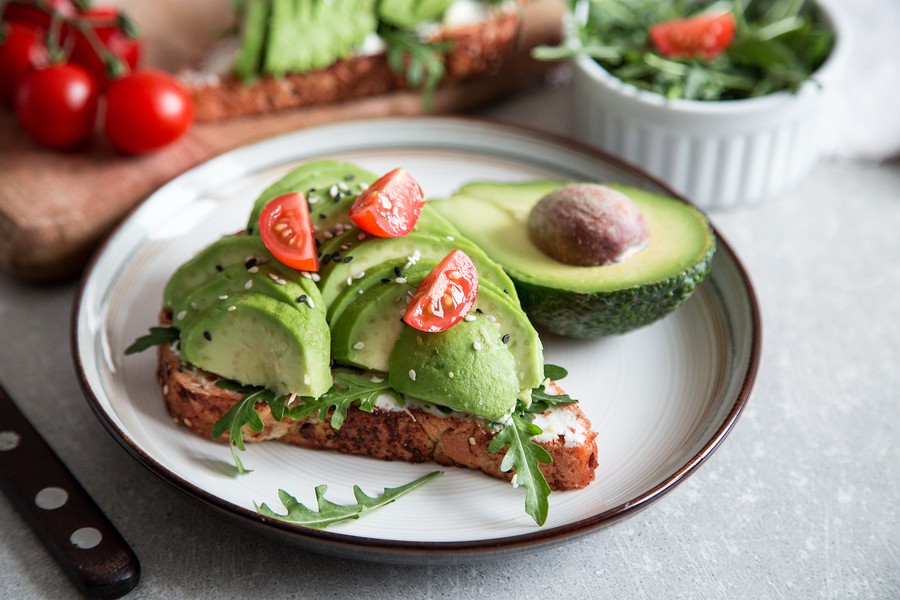
Why Your New Diet May Be Making You Sick
Did you just recently start a Whole 30, Paleo, or Keto diet, only to find that now you’re feeling worse than you did before?! As it turns out, many of these “healthy” foods that are integral components of many of these diets are also very high in extrinsic histamines, which can cause a problem for someone with a “histamine intolerance.” But what exactly does this mean?
It is important to note that histamine is an integral and required part of a healthy immune system – the goal is never to rid your body of histamines entirely. It is an important neurotransmitter and it creates necessary inflammation during any sort of immune system response, whether it’s related to injury, disease, or other foreign matter. Histamine levels of 0.3 to 1.0 nanograms per milliliter (ng/mL) in plasma are considered to be normal (1). Histamine, among many other chemical inflammatory mediators, is released from mast cells. Mast cells are located in connective tissue, like the lining of the gut, skin and other sites in the body. These cells play a very important role in helping defend these tissues from disease by releasing chemical "alarms", like histamine, to areas of the body where they are needed.
For example, if someone is extremely “allergic” to peanuts, the slightest taste can trigger an immense histamine response. This response results in systemic inflammatory signals – to your nose, throat, mouth, gut, skin, and lungs. This “allergic reaction” caused by histamine is likely why this inflammatory chemical gets such a bad reputation.
Like anything, too much of a good thing is a problem, and when we accumulate too many histamines and our bodies can’t break them down fast enough, that’s when we begin to see symptoms and are diagnosed as “histamine intolerant.” We all technically have some degree of “histamine intolerance,” but it is important to remember that it is a dynamic process, affected by allergic reactions, diminished genetic ability to clear histamine (decreased Diamine oxidase AKA DAO, the enzyme that breaks down histamine, production), compromised gut health (leaky gut, gut infections, irritable bowel syndrome), lifestyle (stress and ingestion of substances that block DAO, like NSAIDS and alcohol), and food that is high in histamines (2,3). Consider this quote from Chris Kresser:
Histamine intolerance is unlike other food allergies or sensitivities in that the response is cumulative, not immediate. Imagine it like a cup of water. When the cup is very full (high amounts of histamine in the diet), even a drop of additional water will cause the cup to overflow (symptoms activated). But when the cup is less full, it would take more water (histamine) to cause a response. This makes histamine intolerance tricky to recognize.
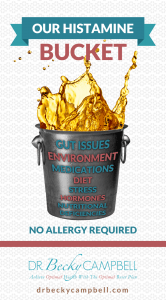
Think of your tolerance to histamine like a bucket. When you’re stressed at work, taking NSAIDs (ie. Advil) to get rid of the headache you have to make it through the day, not sleeping well, and too tired to cook yourself a decent meal, you are more at risk for your “bucket” to overflow, resulting in the “allergic reaction-type” symptoms that you would expect (3). We would label this as a histamine intolerance – you are not clearing the histamine in your body fast enough – but that doesn’t mean you’ll have these symptoms forever! I really like how this phenomena is described by Dr. Janice Joneja:
A person with histamine intolerance will typically experience a constant fluctuation in the signs and symptoms of histamine excess in response to changing conditions. For example, when a person is experiencing allergy to airborne allergens such as seasonal pollens, the histamine released in the allergic response alone might put them into the symptom range. In such a case, avoiding histamine-associated foods will no longer relieve their symptoms because their total level of histamine will remain above their limit of tolerance. This explains the observation that during their “pollen allergy season” many people find themselves reacting to foods (usually histamine-rich foods) that they could normally eat with impunity (1).
As mentioned by Kresser and Joneja, histamine intolerance is not so much of a diagnosis as it is a collection of a bunch of symptoms. It is now believed that Mast Cell Activation Disorder (MCAD) is a more accurate depiction of what is happening in patients who have been diagnosed with “histamine intolerance.” Mast cells are located in most tissues of the human body, especially in connective tissue, skin, and the digestive, cardiovascular, nervous, and reproductive systems. When the body is exposed to perceived threats, mast cells quickly secrete chemicals, like histamine, interleukins, prostaglandins, cytokines, and other various chemicals stored in cells to address the issue. Both local and systemic effects are the result, such as increased permeability of blood vessels, that will cause increased inflammation and swelling, smooth muscle contractions that may lead to heart palpitations and stomach cramps, and increased mucous production that will cause increased sneezing and coughing. We initially only thought that mast cells were related to allergies, but now we know that they likely play a much larger role in over-activation of the immune system as well as the development of other autoimmune disorders, especially though involving antibodies, probably related to the presence of more environmental toxins and chemicals. MCAS has been linked to the development of allergies, asthma, autism, autoimmune diseases (Hashimoto’s thyroiditis, lupus, multiple sclerosis, rheumatoid arthritis), eczema, Celiac disease, chronic fatigue syndrome, chronic inflammatory response syndrome (CIRS), fibromyalgia, food allergies, GERD, infertility, IBS, migraines, anxiety/depression, and postural orthostatic tachycardia syndrome (POTS) (4).
Overactive mast cells can cause a variety of symptoms including: skin rashes, swelling, flushed skin, itching, abdominal pain, nausea/vomiting, diarrhea, wheezing/shortness of breath, heart palpitations, anxiety, headaches, brain fog, low blood pressure, and fatigue.
The good news is there are many foods that do act as natural antihistamines and mast cell stabilizers! Looking for foods that contain ascorbic acid, quercetin, vitamin B6, omega-3 fatty acids, and riboflavin can help reduce the amount of histamine you are producing.4
Sometimes, at least while you are experiencing a flare-up of your MCAS, it may be helpful to eliminate foods known to contain high histamine content. Foods may naturally have more histamine content, while others foods accumulate more histamine as they age. Please notice that many of the foods listed below are primary staples in any Whole 30, Paleo, or keto diet! Histamine-rich foods include:
- Fermented alcoholic beverages, like wine, champagne, and beer
- Fermented foods like sauerkraut, vinegar, soy sauce, kefir, yogurt, kombucha (don't shoot the messenger!)
- Foods high in vinegar like pickles, mayonnaise, olives
- Cured meats like bacon, salami, pepperoni, deli meats, hot dogs
- Soured foods like sour cream, sour milk, buttermilk
- Dried and citrus fruits
- Aged cheeses
- Nuts
- Vegetables like avocados, eggplant, spinach, tomatoes
- Any smoked fish and certain fish species like mackerel, mahi-mahi, tuna, anchovies, sardines
- Any processed foods (preservatives contain high amounts of histamines).5
It is important to remember that ingesting histamine is not the only cause for an increase in histamine in your body. Once an immune response is complete, there needs to be enzymes to break down the histamine and other chemical mediators that were released. Diamine oxidase is the enzyme that is primarily responsible for breaking down histamines. Once broken down, they are excreted through your urine via the kidneys. Usually, sufficient DAO in the small intestines means that the histamine you ingest is broken down before it causes a problem. However, if you are DAO deficient, histamine isn’t being broken down as readily, resulting in an increase in histamine levels. If you experience this increase in histamine for a prolonged period of time, the result is Mast Cell Activation Disorder, chronic inflammatory, and histamine sensitivity.
To increase your DAO levels, an option is to take DAO supplements (Histamine Block from Seeking Health) with meals. However, keep in mind these supplements are not able to enter your bloodstream and will therefore only be able to break down histamines that you are consuming and not the histamine that is being produced by your mast cells. Including omega-3 fatty acids, saturated fats, phosphorus, calcium, zinc, magnesium, iron, and vitamin B12 in your diet are also way in which to naturally improve your DAO levels. See below for examples of food that will contain high levels of each of the above, I am only including low histamine sources in this list.

It is also important to avoid DAO-blocking foods. If you think you are having trouble with histamine, you should absolutely avoid alcohol. Not only is it a histamine-rich food, but it also blocks your DAO pathways. If you continue to develop histamine sensitivity, the “flushed face” response will continue to get worse and worse with time!6,7
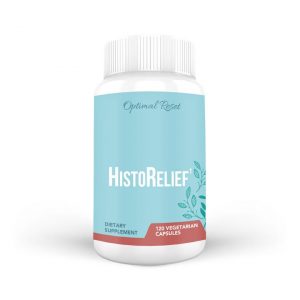
Another natural option I recommend to patients is a supplement called histo-relief, which includes quercetin (a mast cell stabilizer) as one of its primary ingredients. This supplement supports immune function, as well as the body’s response to food and environmental factors. I have seen many of my patients become a lot more tolerant to food when adding this supplement to their daily regimen. Certain probiotics also limit histamine production – look for items with Lactobacillus rhamnosus and bifidobacter.4
I think it is helpful for people to realize that they are not alone – histamine intolerance is not something that Western medicine typically recognizes. It is important to recognize these symptoms don’t have to be forever and are also not just about what you eat. Yes, you may just have started on a diet where you are eating a ton of new foods, many of them very histamine-rich, but you also have to take into consideration your environment? What season is it? Are you stressed? Have you been sick or been on antibiotics? All of these things can overflow your histamine “bucket” and make it so even if you are watching your foods, it may not be enough to control your histamine response if your “bucket” is also almost overflowing. Maybe instead of your high histamine diet, you try a low histamine reset diet while working on the underlying causes before reintroducing histamine-rich foods. Maybe you add in some yoga and meditation to help control your stress levels. Figure out why your histamine may be elevated and then make the changes required. If you’ve already tried this and hit a roadblock, please feel free to set up a consultation with me. I would love to help you get a grip on your symptoms and take your life back!
Bye Bye avocado toast....at least for now!
Sources
- Dr. Janice Joneja. Histamine intolerance. https://www.histamine-sensitivity.com/histamine_joneja.html. Accessed 3/24/19.
- John O’Connor. Don’t fear the fridge! Histamine intolerance is bigger than food. https://www.mygenefood.com/dont-fear-fridge-histamine-intolerance-bigger-food/. Accessed 3/24/19.
- Chris Kresser. Could Your Histamine Intolerance Really Be Mast Cell Activation Disorder? https://chriskresser.com/could-your-histamine-intolerance-really-be-mast-cell-activation-disorder/. Accessed 3/31/19.
- Jill Carnahan. Mast Cell Activation Syndrome (MCAS): When Histamine When Histamine Goes Haywire. https://www.jillcarnahan.com/2016/10/31/mast-cell-activation-syndrome-mcas-when-histamine-goes-haywire/. Accessed 3/31/19.
- Dr. David Jockers. Are You Suffering From Histamine Intolerance? https://drjockers.com/suffering-histamine-intolerance/. Assessed 3/24/19.
- Jill Carnahan. Boost Your DAO Levels to Fight Histamine. https://www.jillcarnahan.com/2018/03/19/boost-your-dao-levels-to-fight-histamine/. Accessed 3/31/19.
- https://www.ncbi.nlm.nih.gov/pubmed/10344773
- http://www.mastcellaware.com/mast-cells/about-mast-cells.html

* These statements have not been evaluated by the Food and Drug Administration. This product is not intended to diagnose, treat, cure or prevent any disease. If you are pregnant, nursing, taking medication, or have a medical condition, consult your physician before using this product.
The Leaky Gut-Autoimmune Disease Connection
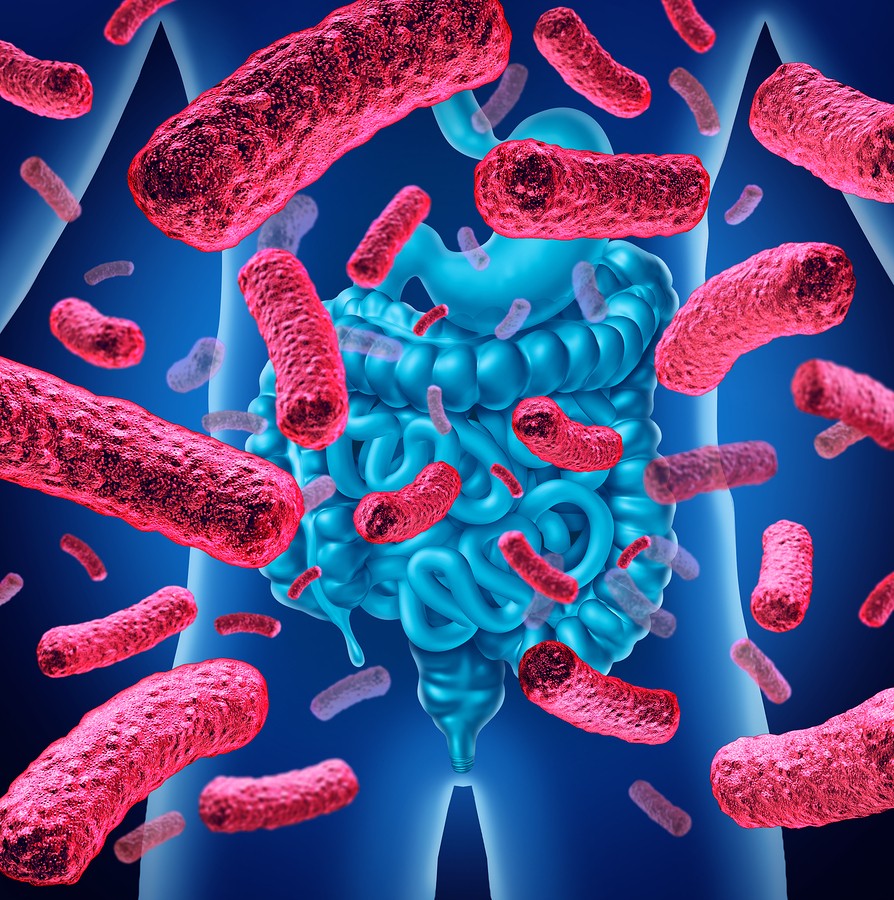
If you’ve been reading my recent blog posts, you’ve probably figured out that the gut is involved in EVERYTHING. If the gut isn’t doing it’s job, the homeostasis of your entire body will be off. To review, a leaky gut is an intestinal permeability syndrome where the gut lining is damaged. With leaky gut, food particles, bacteria, and environmental toxins seep into the bloodstream. This influx of foreign material into the blood causes the immune system to go into overdrive (1).
The small intestine is home to the gastrointestinal associated lymphoid tissues (GALT), which comprises 70-80% of our immune system. It makes sense that the immune system would base its headquarters here because it is connected to our mouth—where the majority of foreign matter would be entering our bodies. The gut lining is essentially “the wall” (no politics here) that protects our blood stream. The GALT, when working correctly, will target and destroy unwanted organisms that have made their way into the small intestine. When the GALT gets backlogged, high levels of inflammation is the result, causing damage to the intestinal lining. This means that particles that normally wouldn’t be allowed into the bloodstream by the GALT will pass inspection, resulting in an additional inflammatory response as white blood cells rush to the area where partially-digested food particles and microbes have entered the bloodstream in order to prevent a bigger systemic issue. Obviously this increased systemic inflammation will affect other organs and organ systems, as we will discuss below.

What Causes a Leaky Gut?
One could argue that we did this to ourselves. Our modern lifestyle has been inundated with toxic foods, medications, infections, chemicals, and chronic stress built in. Inflammatory foods include dairy, grains, and eggs, and toxic foods include things like sugar, alcohol, and GMOs. The presence of any of these things in our diets may be major contributors to leaky gut.
The most common types of infections are yeast infections, intestinal parasites, and small intestinal bacteria overgrowth (SIBO). Essentially, the “bad bacteria” take over our gut, and this imbalance can also contribute to the degradation of the gut wall. Environmental toxics can also play a role in leaky gut, like the presence of mercury (heavy metal toxicity), plastics, and BPAs. Toxins can also include some of the medications we take on a daily basis, including NSAIDS, steroids, antibiotics, birth control, and antacids. Chronic stress directly causes inflammation and potentially, the development of leaky gut syndrome. Continual stress will decrease the effectiveness of your immune system, making it more difficult for your body to fight bacteria and viruses, leading to more systemic inflammation, including the gut lining.

Leaky Gut and Autoimmune Diseases
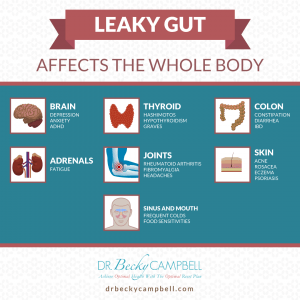
Assuming you have a leaky gut, think about all the toxins and food particles entering your bloodstream. Your immune system is tagging them as “foreign matter” and “dangerous.” It creates a system-wide inflammatory response to address the intruders. If your gut continues to be “leaky,” your immune system continues to send more and more inflammation to the area to try to get rid of the foreign material. Eventually, it cannot keep up with demands and begins sending waves of inflammation even without a threat being present. This leads to autoimmune conditions as your own tissues and organs become the target of your own immune system.
Your immune system will begin producing antibodies against the foreign substances in your blood—the problem is many of the invaders look very similar to your body’s own cells. Because of this, your immune system will start sending out antibodies to attack your own tissues. This is called “molecular mimicry.” The type of autoimmune condition that manifests (and of course, there may be more than one) depends on the tissues being attacked. If the joints are being affected, rheumatoid arthritis is the result. If it’s the thyroid gland, the result is usually Hashimoto’s or Graves’. If it’s the gut lining, Crohn’s or colitis may develop (2).
Steps to Repair a Leaky Gut
REMOVE the problem. Get rid of the things that are negatively affecting your GI tract by not putting inflammatory foods, like alcohol, caffeine, gluten, dairy, corn, soy, eggs, or sugar, in your body until you can figure out which foods you are sensitive to.
RESTORE, REINOCULATE, and REPAIR. The good news is food is medicine! By eating certain foods and adding back in the good bacteria, you can help your body seal a leaky gut. Like anything, some of these foods will work for some and not for others, so make sure you are paying attention to how you feel on certain foods. If they make you feel crappy, cut them out and try something else! Because of that, it may be best to try just one new food at a time, not adding more than one new food every 72 hours or so, until you can figure out which ones work for you and which ones don’t (3).
- Bone Broth
Bone broth has nutrients that can calm an overactive immune system while also providing the raw building blocks to produce more cells, specifically for immune function. Conveniently, bone broth can be made from anything that has bones, like chicken, turkey, beef, lamb, venison, or fish.
- Coconut Oil
Coconut oil is a natural source of medium chain triglycerides that improve the body’s fat burning capabilities and reduce inflammation, which will help with healing the small intestine lining in leaky gut syndrome. It is also a good source of lauric acid, which works as an anti-microbial agent. It’s easy to cook with and adds a something special to your shakes or your morning coffee pick-me-up. If you can’t stand the taste or smell of coconut, MCT oil is also a good alternative with all the same benefits as coconut oil.
- Coconut Butter
Coconut butter will provide you with all the benefits of using coconut oil, but will also throw in the coconut flour, where all the fiber is located. The fiber acts as an exceptional prebiotic, which will improve your gut health by feeding a healthy microbiome.
- Apple Cider Vinegar
This is a fermented tonic that works as a natural anti-microbial to destroy bad bacteria that is associated with acid reflux and stomach ulcers. It helps “pre-digest” meats and veggies, which will reduce stress on the digestive system. It also will help with the production of digestive juices, like hydrochloric acid, bile, and pancreatic enzymes needed for the break down of foods.
- Ghee
Ghee is a clarified butter where all the lactose, casein, and whey are removed. Many people with a leaky gut have sensitivities to the removed ingredients, making ghee an excellent choice for their steamed veggies instead of butter. Ghee is full of gut supportive nutrients, including butyric acid that reduces gut inflammation.
- Beef Gelatin/Collagen Peptides
Both gelatin and collagen are the main ingredients in bone broth and are therefore rich in the proteins that form our gut and skin.
- Ginger
Just skip the “-bread cookie.” Ginger has many essential oils that are strong anti-bacterial, anti-viral, anti-fungal, and anti-parasitic formulas. It also protects our body’s stores of antioxidants and glutathione, which eliminates free radicals, which limits the formation of cancer cells and helps destroy already formed cancer cells. It is one of the best natural anti-nausea agents as well.
- Peppermint
Peppermint is a carminative herb that helps ease gut pain related to leaky gut syndrome and increase peristalsis for movement of food and waste through the digestive system. The menthol portion of peppermint is a muscle relaxer that assists in relaxing the smooth muscle of the gut when it is overactive, which may help with irritable bowel syndrome, indigestive, and acid reflux.
- Fermented foods
These provide the body with microorganisms, organic acids, and B vitamins to improve the digestive process. Examples of fermented foods include: sauerkraut, pickles, and kefir.
- Pumpkin seeds
Pumpkin seeds are a good source of zinc, B vitamins, and magnesium, all of which help contribute to digestive function. They also are a natural anti-parasitic agent (2).
Again, I cannot stress enough that addressing gut health is the first step for anyone who has been diagnosed with an autoimmune disease.

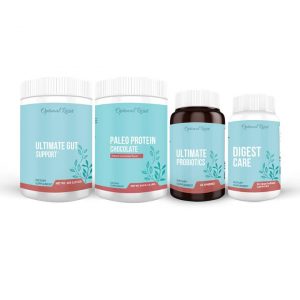
Sometimes, no matter what you try, your body just needs a little additional support to achieve a healthy gut. This is why I like to recommend my Leaky Gut Support Kit. This 4-step formula includes:
Ultimate Gut Support: Ultimate Gut Support offers comprehensive support for optimum gastrointestinal health and function. The lining of the gut must have proper permeability and integrity so it can not only absorb nutrients, but also prevent toxins, allergens and microbes from gaining access to the blood stream. Maintaining gut health is the key to maintaining overall wellness.
Paleo Protein Vanilla (available in chocolate too): Paleo Protein is a novel, great-tasting, dairy-free protein powder, yielding 21 grams of protein per serving. It contains HydroBEEF™, a highly concentrated, bone broth protein isolate, produced through an exclusive proprietary process that allows the protein to be hydrolyzed into more peptides, resulting in easier absorption and assimilation. This product contains beef from animals raised in Sweden without hormones or antibiotics, and is free of any GMO grains, grasses, and/or ensilage.
Ultimate Probiotic: Ultimate Probiotics is designed to offer support for proper flora in the gastrointestinal tract. It uses patented delivery and shelf stability technology to ensure maximum potency and viability. This is achieved using the latest techniques designed to protect fragile probiotic organisms from harsh stomach acid and deliver the highest number of live organisms to the intestinal tract.
Digest Care: is comprised of a proprietary blend of digestive enzymes along with betaine HCl to support optimal digestion of proteins, fats, and carbohydrates. This product contains the special protease DPP IV (dipeptidyl peptidase IV), which aids in the breakdown of the peptides gluteomorphin (from gluten) and casomorphin (from casein). Digest Care also includes the enzyme lactase, which helps break down the dairy sugar lactose. The use of Digestzymes™ before meals may be helpful when patients experience gas and bloating after eating, constipation, or a feeling of fullness after eating only a small quantity of food.*
It will help you Restore, Reinoculate, and Repair your gut so we can get you back to feeling your very best!
 Order yours here!
The Gut and the Thyroid
In order to have a properly working thyroid, you must have a healthy gut. If you are continuously struggling with leaky gut, inflammation, infections, heartburn, indigestion, or chronic constipation or diarrhea, you will never be able to optimize thyroid function.
In almost 90% of Americans, hypothyroidism is caused by Hashimoto’s, an autoimmune disease of the thyroid gland, as discussed in previous blog posts. Since we know that most of the immune systems lives in the GI tract, poor gut health would be an excellent way to trigger and exacerbate symptoms of Hashimoto’s. Sometimes it’s easy to get stuck on the lab numbers and the dose of hormone you need to regulate your lab values, but it’s important to remember that the number doesn’t matter if our gut and/or immune system aren’t functioning properly.
However, the door swings both ways. Improving thyroid function can also help with digestive function. Both T3 and T4 protect the gut lining, so low levels of either of these hormones can help cause leaky gut. Because of this, it is clearly not enough to just address either the thyroid or the GI tract; sometimes it’s a dual battle for optimal recovery.
So if our digestive tract wasn’t already doing enough, it is important to note that it also helps to produce active thyroid hormones. Approximately 20% of thyroid function depends on the conversion of T4 to T3 in the small intestine via good bacteria. When your diet is subpar and/or causing an inflammatory reaction in your GI tract, dysbiosis is the result, which can be described as an “overcrowding” of bad bacteria within the small intestine. Infections within the gut reduce thyroid hormone levels, dull thyroid receptor site binding, increase the amount of inactive T4, decrease TSH, and perpetuate the presence of autoimmune thyroid diseases. Studies have found a connection between the presence of Yersinia enterocolitica and those with Hashimoto’s disease. Yersinia enterocolitica is a bacterium that is usually present in undercooked pork, contaminated water, meat, or milk and causes symptoms of food poisoning. Generally, people infected with it can get rid of it on their own, but in some cases, the bacteria decide they want to stay for a while and start rapidly reproducing in the gut. Yersinia’s molecular makeup is so similar to that of your thyroid receptors that your antibodies start attacking your thyroid as well as the Yersinia bacteria in a molecular mimicry reaction (4,5). The presence of Yersinia enterocolitica antibodies is 14-fold greater in patients with Hashimoto’s, suggesting a link between this bacterium and autoimmune thyroid conditions (5,6).
Hypothyroidism can also be blamed for decreased stomach acid (hypochlorhydria). Without stomach acid, food cannot be digested properly, so it is left in the stomach undigested. The small intestine wants no part of this, so it tries to send the putrid mess back up into the esophagus where it came from, causing heartburn. As the poorly digested food eventually makes it way back down in the digestive tract, it leads to intestinal inflammation and causes leaky gut.
In a properly working gall bladder, bile is secreted to help break down fats, which aids in mineral absorption and helps prevent inflammation of the GI tract via caustic stomach acid. Hypothyroidism essentially slows down gall bladder function, increasing the risk of painful gallstones. Decreased gallbladder function also decreases the liver’s detoxification abilities. Now T4 isn’t being converted to T3 and excess estrogen isn’t being excreted appropriately. Please see the Liver-Thyroid Link article on my blog from last week for more details! This will increase the number of thyroid-binding proteins in the bloodstream, preventing the thyroid hormones from binding to the cells that require their services, causing hypothyroidism (5).

If you take away anything from this post, remember this: keeping your gut happy will keep your thyroid hormones in check! Some may need to supplement with thyroid replacement hormones, but the more you can heal yourself by natural means with real food, the better you will feel in the long run. Now go grab some pumpkin seeds!

Sources
- Natural Endocrine Solutions. SIBO and Thyroid Health. https://www.naturalendocrinesolutions.com/articles/sibo-thyroid-health/. Accessed 1/29/19.
- Dr. Jockers. Top 10 Foods to Heal Leaky Gut Syndrome. https://drjockers.com/10-foods-heal-leaky-gut-syndrome/. Accessed 2/9/19.
- Dr. Amy Myers. The Leaky Gut and Autoimmune Connection. https://www.amymyersmd.com/2017/10/leaky-gut-autoimmune-connection/. Accessed 2/9/19.
- Dr. Amy Myers. The Infection-Thyroid Connection. https://www.amymyersmd.com/2015/08/the-infection-thyroid-connection/. Accessed 2/9/19.
- Dr. K. News. Good thyroid health depends on good gut health. https://drknews.com/good-thyroid-health-depends-on-good-gut-health/. Accessed 2/9/19.
- Chatzipanagiotou, S., Legakis, J.N., Boufidou, F., Petroyianna, V., Nicalaou, C. Prevalence of Yersinia plasmid-encoded outer protein (Yop) class-specific antibodies in patients with Hashimoto’s thyroiditis. Mar 2001(7)3:138-43.