Histamine Intolerance and ADHD: The Connection
Can histamine intolerance make my ADHD worse? Can histamine intolerance cause ADHD? Are histamine intolerance and ADHD connected? You would be surprised to know how often I get these questions. It’s time to address it.
Over the years, I’ve worked with many people who had both histamine intolerance and ADHD. I myself was diagnosed with ADHD. As you know, I also have mast cell activation syndrome (MCAS). In my practice, I’ve often found that addressing histamine intolerance or MCAS helped to improve their symptoms of ADHD and other brain and mental health symptoms.
In this article, you will learn what ADHD is. You will learn about the symptoms of ADHD, the types of ADHD, and the diagnosis of ADHD. I will briefly go over histamine intolerance and its symptoms. Then we will dive deep into the connection between histamine intolerance and ADHD. You will learn about how histamine may play a role in the connection between food allergies and ADHD, food additives and ADHD, neuroinflammation and ADHD, pyrroles and ADHD, antihistamine and ADHD. Finally, I will offer my top natural solutions for histamine intolerance and ADHD.
What Is ADHD?
Attention-deficit/hyperactivity disorder (ADHD) is one of the most common neurodevelopment and mental disorders in childhood. However, ADHD not only affects children but adults as well. ADHD is often first diagnosed during childhood. Symptoms and related challenges can often last well into adulthood as well. ADHD diagnosis during adulthood is also increasingly common (1, 2, 3, 4).
According to the American Psychiatric Association, about 8.4 percent of children and 2.5 percent of adults have ADHD (1). Many children and adults may also experience undiagnosed ADHD or experience several symptoms and challenges of ADHD without meeting the official criteria (2, 3, 4).
Symptoms of ADHD
Symptoms of ADHD are generally characterized by (1, 2, 3, 4):
- Inattention: Being unable to stay focused
- Hyperactivity: Excess movement that is not appropriate in the situation
- Impulsivity: Acting hastily without thinking or self-control
Symptoms of ADHD may include the following (1, 2, 3, 4):
- Overlooking or missing details in school work or work
- Having difficulty sustaining attention on certain tasks, including reading, lectures, or staying on topic during conversations
- Having a difficult time organizing activities or tasks, including time management, meeting deadlines, keeping things in order, or keeping tasks in sequence
- Having a difficult time following instructions, staying on tasks, or finishing school assignments, work, chores, or other tasks
- Getting sidetracked easily
- Forgetting daily activities and commitment, including errands, chores, appointments, and calls
- Daydreaming a lot
- Making seemingly careless mistakes
- Losing things easily, such as glasses, wallets, pencils, tools, paperwork, or cell phones
- Having difficulty listening when spoken to directly
- Not enjoying or avoiding tasks that need sustained mental energy, including homework, filling out forms, and long readings
- Fidgeting and squirming a lot, especially when seated
- Standing up or leaving their seat when remaining seated is required
- Being on the go and moving all the time
- Running around or climbing things when inappropriate (in children)
- Feeling restless
- Talking a lot and very rapidly
- Finishing other people’s sentences or answering questions before the question was completely raised
- Having difficulty in playing or working on hobbies quietly
- Interrupting or intruding on others and having difficulties waiting their turn
- Having a difficult time getting along with others

ADHD can seriously interfere with a child’s schoolwork and outside of school activities and with the professional career of adults. It may impact one's home life, relationships, and social life as well. It may cause distress and interfere with normal or expected functioning (1, 2, 3, 4).
Types of ADHD
Not everyone with ADHD presents all symptoms. Some may be more hyperactive and others may be more inattentive than others. Types of ADHD include (2):
- Predominantly inattentive presentation: Children or adults with this type of ADHD have a difficult time staying on task, following instructions, following conversations, paying attention to details, or finishing tasks. They get distracted easily and are often forgetful. This type used to be called ADD, which is now an outdated term.
- Predominantly hyperactive-impulsive presentation: Children or adults with this type of ADHD are more likely to fidget a lot, talk excessively, feel restless, speak or act at inappropriate times, interrupt or intrude on others, act impulsively, and be always on the go. Children may run, climb, or jump on things constantly and get more injuries than their peers.
- Combined presentation: Children or adults in this type experience both the inattentive and the hyper-impulsive presentation of ADHD equally.
Diagnosis of ADHD
There is no lab test for the diagnosis of ADHD. Diagnosis usually involves a medical evaluation, looking at symptoms, understanding the person’s experiences, and in children, getting information from parents, teachers, and other adults in the child’s life.
Since some symptoms may be signs of anxiety, depression, learning disabilities, sleep problems, or other issues, it’s important to work with a qualified professional, rule out other issues, and make the correct diagnosis. ADHD may also coexist with anxiety, depression, autism, obsessive-compulsive disorder (OCD), learning disabilities, and other issues. The official diagnosis is made by using the American Psychiatric Association’s Diagnostic and Statistical Manual, Fifth Edition (DSM-5) diagnostic standards (4).
Conventional treatment of ADHD usually involves a combination of medication and therapy. Medications for ADHD are created to act on brain chemicals to allow the person to have better control of their impulses and actions. However, ADHD medications can lead to side effects, misuse, addictions, and dependence. Over time, they may also become less effective. It is not surprising that many parents of children with ADHD or adults with ADHD choose to go without medication or actively work on the reduce or getting off ADHD medication (2, 3).
Therapy and other support options are available for children, adults with ADHD, and family members. Therapy and support for those with ADHD may involve behavioral therapy, cognitive-behavioral therapy, behavioral classroom management and accommodation, stress management strategies, and support groups. For parents and family members parenting skills training, family and marital therapy, and support groups may be available as support (2, 3).
Though these therapy methods, strategies, and accommodations may be helpful, by ignoring dietary and lifestyle choices, they may be missing a beat. In the next sections, I will go over how histamine intolerance may affect your symptoms of ADHD. If histamine intolerance or other dietary or health factors are making your ADHD worse, therapy alone won’t be effective.
What Is Histamine Intolerance
Histamine is a chemical produced by your body. It is part of your immune response when getting rid of allergens. Histamine also supports your digestion by releasing hydrochloric acid to break down food and bacteria. It serves an essential role in your brain health by serving as a chemical messenger between your brain and the rest of your body.
Generally speaking, histamine is not a problem but essential for your health. However, histamine can turn into an issue if there is too much of it. If your body is releasing too much histamine, but it’s unable to break down all the excess histamine, histamine build-up occurs.
Histamine intolerance means that there is too much histamine in your body. In a healthy body, there are enzymes to break down excess histamine and prevent build-up. But if you have too much histamine due to mast cell activation issues, the lack of DAO enzyme, high-histamine foods, stress, or other reasons, your body won’t be able to break everything down. This can lead to histamine intolerance. Histamine intolerance can affect your entire body, including your gut, brain, lungs, and cardiovascular system. Because histamine intolerance can affect your entire body and cause widespread symptoms (5).
Symptoms of Histamine Intolerance
Symptoms of histamine intolerance may include:
- Headaches and migraines
- Fatigue
- Congestion and runny nose
- Hives
- Rashes, eczema, psoriasis, and other skin symptoms
- Asthma attacks
- Crawling skin sensation on skin or scalp
- Flushing
- Diarrhea and other digestive issues
- Low blood pressure
- Hypertension
- Racing heart rate
- Dizziness or vertigo
- Abnormal menstrual cycle and premenstrual syndrome (PMS)
- Sleep issues
- Brain fog and forgetfulness
- Irritability and mood imbalances
- Anxiety or panic attacks
The Connection Between Histamine Intolerance and ADHD
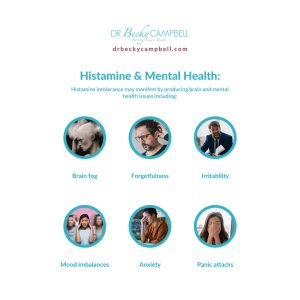
As you can see, histamine intolerance may manifest by producing brain and mental health issues, including brain fog, forgetfulness, irritability, mood imbalances, anxiety, or panic attacks. The question is whether histamine intolerance can contribute to or increase symptoms of ADHD.
I get this question all the time. Based on my professional experience and recent studies, my answer is, yes, in some cases, histamine intolerance may worsen ADHD. I personally have MCAS and have been diagnosed with ADHD when I was a child. I have worked with numerous patients with symptoms of histamine intolerance and ADHD. At my practice, I’ve found that addressing histamine intolerance or MCAS can often improve ADHD as well.
The potential connection between histamine intolerance and ADHD is not surprising. Histamine intolerance can seriously impact your brain and mental health.
Our mast cells release inflammatory chemicals, such as histamine. When our body cannot break down these chemicals due to MCAS or histamine intolerance, it can lead to a lot of inflammation in your body. It may specifically lead to neuroinflammation which can affect your brain and mental health.
There can be a big disruption in your glial cells. Your glial cells play a really important role in your brain function and central nervous system. Neuroinflammation can break down the blood-brain barrier (BBB) and aggravate the hypothalamic-pituitary-adrenal or HPA axis.
Let’s look into this further. First, I want to go over the connection between your brain health and histamine and then uncover the possible connection between histamine intolerance and ADHD.
Histamine, Brain Health, and Mental Health
Your brain is incredibly complex yet absolutely fascinating. Histamine in your brain can come from both mast cells and neurons. Your brain doesn’t have many mast cells, which means most of the histamine comes from histamine-releasing neurons in your hypothalamus. From there, these neurons, histamine, can travel to other areas and affect your entire brain. Histamine then can attach to different receptors in a variety of other regions of your brain. This can lead to over-stimulation and histamine intolerance all over your brain (6, 7).
Histamine intolerance happens when there is too much histamine and your body is unable to break it down. In most of your body, the diamine oxidase (DAO) enzyme is responsible for the breakdown of any excess histamine. In your brain, this job of histamine breakdown is done by the histamine N-methyltransferase (HNMT) enzyme.
It first forms t-type methylhistamine, which gets broken down by monoamine oxidase B (MAOB) and aldehyde dehydrogenase. If there isn’t enough HNMT enzyme or there is an issue with this process, your body won’t be able to break down all the histamine properly, which may lead to histamine intolerance and related symptoms (8).
Histamine allows your brain to create homeostasis by helping to regulate stimuli related to various brain-related activities, including (9):
- The sleep-wake cycle
- Stress response
- Pain perception
- Neurotransmitter regulation
- Satiety, taste perception, and feeding behaviors
- Addictive behaviors
- Memory formation
- Motivation and goal-setting behaviors

As you can see, histamine intolerance can have a serious impact on your brain health and mental health. You may learn more about the connection between your brain health and histamine intolerance by reading this article. I’ve also written about how histamine intolerance may trigger or increase the symptoms of mental health issues, such as anxiety, in this article. Does this mean that histamine intolerance can increase symptoms of ADHD as well? Let’s get into it.
Histamine and ADHD
Now that you understand the connection between histamine intolerance and brain health let’s get into the nitty-gritty of the connection between histamine intolerance and ADHD.
Allergies and ADHD
According to a 2018 study published in Science Reports, there may be a connection between allergy symptoms and ADHD. Researchers were looking at how certain biochemical factors and health issues, such as allergies, inflammations, and neurotransmitters, may be linked to ADHD and an increased risk of the disorder (10).
They looked at 216 children with ADHD and 2016 children without ADHD as a control. Researchers used the International Study of Asthma and Allergies in Childhood questionnaire and various blood tests as a measure. They found that allergic symptoms, including rhinitis and eczema, and increased biomarkers of allergic responses were associated with the risk of ADHD.
Additionally, they also found that iron deficiency may be linked to ADHD as it may lead to an insufficient supply of neurotransmitters. They found that low folate, vitamin B6, and vitamin B12 levels, lower 5-HT levels, low serotonin markers, parasitic infections, and inflammation were also common in children with ADHD and should be considered during treatment.
Not only that there is a link between increased histamine release, histamine intolerance, and allergies, but parasitic infections, inflammations, and vitamin deficiencies can increase the risk of mast cell activation issues and histamine intolerance.
Food Additives, HNMT, and ADHD
Following a high-histamine diet or a diet that may cause allergic, histamine reactions can increase the risk of histamine intolerance. It turns out, such a diet may also increase the risk of symptoms of ADHD.
A 2017 randomized, double-blinded, placebo-controlled trial published in Lancet has looked at 153 3-year-old and 144 8-to-9-year-old children to understand the connection between food additives and ADHD symptoms (11). Children were given either a drink with artificial food additives or a placebo. Researchers found that artificial colors or sodium benzoate preservatives or both may increase hyperactivity in children.
To understand the harmful effects of artificial ingredients and food additives, there was a follow-up study in 2010 published in The American Journal of Psychiatry (12). The study has found that ADHD symptoms were in fact, triggered or increased by food additives. They found that these symptoms were moderated by two histamine degradation polymorphisms HNMT T939C and HMT Thr105Ile, in both age groups, and also DAT1 polymorphism in the 8-to-9-year-old group. What does this mean?
As I mentioned earlier, a healthy body and well-functioning HNMT system can clean out histamine and reduce histamine build-up effectively. However, if there isn’t enough HNMT enzyme or there is an issue with this process, your body won’t be able to break down all the histamine properly, which may lead to histamine intolerance and related symptoms (8). If the gene codes and HNMT activities are less efficient, it will increase allergic reactions, other histamine-mediated issues, and histamine intolerance.
According to this particular study, children who had issues with their genes that regulate their histamine system were more likely to experience hyperactivity and ADHD symptoms when given food additives. Their ADHD symptoms were increased by allergic stimulus or in some cases, it may be possible that their symptoms were simply a histamine reaction to a food allergy and not ADHD (12).
These are not the only studies that point out a link between HNMT, histamine, and ADHD. A 2019 study published in the International Journal of Molecular Sciences has also found that polymorphism of the HNMT gene and decreased HNMT activity may contribute to increased symptoms of ADHD, migraines, schizophrenia, and Parkinson’s disease (13).
Neuroinflammation and ADHD
Furthermore, mast cell activation may increase neuroinflammation and ADHD symptoms. A 2020 review published in Experimental and Therapeutic Medicine has found mast cell-mediated neuroinflammation may contribute to ADHD (14). Mast cells release inflammatory factors which interact with your glial cells and neurons.
Increased release of these inflammatory factors may interrupt the BBB and the HPA axis, cause neuroinflammation, and lead to brain function issues. Researchers found that these inflammatory processes may increase symptoms of ADHD. However, further research is needed to clearly understand the potential link between mast cells and symptoms of ADHD.
Histamine, Pyrroles, and ADHD
Histamine levels may be useful as an additional diagnostic measure. A 2015 review published in Clinical Medical Reviews and Case Reports has found that high histamine levels are common in those with ADHD (15). They also found that increased pyrroles levels were more prevalent in those with higher histamine levels than those without. Pyrroles are a chemical compound used as a diagnostic measure for mental disorders by psychiatrists. Improving pyrroles may help to improve symptoms of ADHD and other mental health issues.
The study has found that gut microbiome imbalance, poor zinc, magnesium, vitamin B3, and vitamin C levels, and poor zinc-to-copper ratio were also linked to increased pyrrole levels and symptoms of ADHD. Addressing these markers may help to improve pyrrole levels, histamine intolerance, and ADHD symptoms.
Antihistamines and ADHD
Lastly, some studies suggest that using antihistamine medications in ADHD may help to improve symptoms. A 2004 study published in the Journal of Allergy and Clinical Immunology has found that using cetirizine (Zyrtec), a common antihistamine allergy-medication, has helped to improve hyperactivity and inattention in children with ADHD and allergies (16). A 2016 study published in the Journal of Immunology Research has found that using the combination of cetirizine and methylphenidate, a stimulant, has helped to improve symptoms of both ADHD and allergic rhinitis (17).
These studies suggest that increased histamine levels may play a role in ADHD symptoms and reducing histamine may help. However, using antihistamines has its risks and problems. Antihistamines medications may temporarily put a bandaid on your symptoms, but they will not eliminate the root cause of the issue. This means that symptoms will keep coming back and may become increasingly difficult to address with antihistamines.
Antihistamines may also lower your body’s ability to create enzymes that break down histamine naturally. This decreases your body’s ability to deal with excess histamine. Being on these medications for too long can make it more difficult to support your body’s natural ability to reduce histamine intolerance.
Furthermore, these medications can have side effects and can interrupt your body’s balance in the long run. Antihistamines may cause dizziness, dry mouth, drowsiness, irritability, decreased appetite, or blurry vision. They may not be right or need precautions for people with diabetes, overactive thyroid, epilepsy, asthma, other breathing issues, glaucoma, high blood pressure, or heart disease (18, 19).
Moreover, using antihistamines for ADHD is a controversial subject even in the medical and science community. According to a 2017 study published in the European Journal of Allergy and Clinical Immunology, using antihistamines may actually increase symptoms of ADHD (20). Unless you are someone with a very serious case of MCAS that does need to stay on medications, finding natural solutions to support your body through diet, lifestyle, and supplementation, and reducing histamine intolerance and related symptoms naturally without risks and side effects is a safer idea.
Natural Solutions for ADHD and Histamine Intolerance
To improve histamine intolerance and reduce histamine-related ADHD symptoms, I recommend the following natural solutions:
Low-Histamine, Anti-Inflammatory, and Nutrient-Dense Diet
To improve your brain health by addressing histamine intolerance, I recommend that you follow a nutrient-dense and low-histamine diet. Remove all histamine foods for one to three months, then slowly re-introduce them one by one following The 4-Phase Histamine Reset Plan. If you want to go a step further, you should join my Histamine Reset Online Program.
Remove inflammatory foods, including refined sugar, refined oils, canned and processed meat, artificial ingredients, junk food, and highly processed foods. Avoid high-histamine foods, such as fermented food (eg. sauerkraut, kimchi, fermented vegetables, kombucha, etc), aged food (eg. aged cheese, processed meat, canned fish, etc), over-ripe fruits and vegetables, leftovers, and foods that are naturally high in histamine (eg. avocadoes, eggplant, spinach, dried fruits, etc). Avoid foods that may trigger histamine releases, such as tomatoes, most citrus, bananas, most nuts, and dairy. Avoid foods that may block the DAO-enzyme, including black tea, green tea, alcohol, and energy drinks.
Eat a nutrient-dense, anti-inflammatory, and low-histamine diet rich in greens, vegetables, herbs, spices, fruits, healthy fats, and organic meat. Low-histamine foods include most fresh leafy greens and vegetables, non-citrus fruits, such apples, pear, papaya, and grapes, fresh grass-fed meat, pasture-raised poultry and eggs, and wild-caught fish, olives, extra-virgin olive oil, ghee, coconut oil, leafy herbs, and herbal tea. In addition to these recipes, I recommend all the low-histamine recipes in my other two low histamine cookbooks, Low Histamine Cooking in Your Instant Pot and Fifty One Low Histamine Air Fryer Recipes. They are all simple, easy to make, low-histamine, gluten-free, Paleo-friendly, and super healthy. The instant pot and air fryer are amazing tools to help cook food quickly so that it does not release a lot of histamine. The longer you cook food, the more histamine it releases.
Support Your Gut
Since gut microbiome imbalance and parasitic infections may increase chronic inflammation, histamine intolerance, brain imbalances, and ADHD symptoms, I recommend supporting your gut beyond diet (5, 10, 15). Along with a gut-friendly anti-inflammatory diet, I recommend working with a functional medicine practitioner (like me) to test your gut and see if opportunistic bacteria, yeast overgrowth, parasites, H. pylori and/or leaky gut can be what is driving your histamine issue.
Try Some Supplements for Histamine Intolerance
I recommend HistoRelief. It is a synergistic blend of nutrients that provides natural support to balance your immune response. This blend features Tinofend®, a patented and clinically researched extract derived from the plant Tinospora cordifolia, which has a powerful ability to support immune regulation and immune response. As a result, it boosts your body’s ability to fight histamine-related symptoms. It includes quercetin, nettle leaf, vitamin C, and bicarbonate salt to help inhibit histamine release, support normal histamine metabolism, and improve immune health.
Reduce Your Histamine Bucket and Improve Your Lifestyle
It’s not only your diet that can add to your histamine bucket but lifestyle and environmental factors as well.
Low Stress and Improve Sleep
Stress, poor sleep, a lack of exercise, and environmental toxin exposure are all things to address. These issues can all increase the risk of histamine intolerance, chronic inflammation, and symptoms. Some of these factors may also contribute to ADHD specifically.
A 2003 study published in the Journal of Physiology has found that stress may increase histamine release in your gastrointestinal mast cells (21). Stress may also directly contribute to ADHD symptoms. A 2015 study published in the International Journal of Neuropsychopharmacology has found that adults with ADHD have an increased cortisol response to stress (22). Stress and poor sleep can increase the risk of histamine intolerance, chronic inflammation, and health issues. Reducing your stress levels is critical. I recommend practicing meditation, journaling, breathwork, guided visualizations, and gratitude. Get 7 to 9 hours of restful sleep every night.
Move Your Body
A 2014 review study published in Frontiers in Physiology has found that exercise may help to improve stress (23). On the other hand, a lack of exercise may contribute to chronic inflammation, increased stress, histamine intolerance, and chronic symptoms. A 2009 review published in Trends in Neuroscience has found that exercise may affect your brain health (24). A 2017 review published in the Journal of Neural Transmission has found that both cardiovascular and non-cardiovascular exercise may benefit those with ADHD (25). Move your body regularly without over exercising. I recommend getting 10K -15K steps per day along with resistance and strength training to a level that makes you feel good after, not exhausted.
Reduce Environmental Toxin Exposure
Beyond addressing stress, sleep, and exercise, you need to reduce the environmental toxins that you encounter every day. A 2021 research published in Environmental Sciences Europe has found that toxin exposure may contribute to chemical intolerance, mast cell activation, and histamine intolerance (26). Remove conventional cleaning, hygiene, and beauty products, and use organic, natural, and homemade alternatives instead. Avoid fabric that may irritate your skin. If you are allergic to any metals, avoid wearing them, and choose surgical steel, silver, or gold instead. Make sure that your house is free from mold and use a high-quality air filtration system to reduce toxins in your indoor air.
Try Supplements to Support Your Mental Health
Certain vitamin and mineral deficiencies, including low folate, vitamin B3, vitamin B6, vitamin B12, vitamin C, magnesium, and zinc levels, and a poor zinc-to-copper ratio have been linked to ADHD (10, 15). You may benefit from eating more foods rich in vitamin B, such as leafy greens, eggs, fresh seafood, liver, beef, pork, and poultry, foods rich in vitamin C, such as guavas, kiwi, broccoli, and bell pepper, foods rich in magnesium, such as spinach, hemp seeds, chia seeds, pumpkin seeds, Brazil nuts, and beet greens, and foods rich in zinc, such as spinach, sesame seeds, pumpkin seeds, and meat. You may also benefit from supplementing with vitamin B12, a vitamin B complex, vitamin C, magnesium, and zinc.
A 2015 study published in Mental Illness has found that omega-3 supplements may help to improve mental health (27). According to a 2006 review published in the International Reviews in Psychiatry, omega-3 fatty acids may help to improve the symptoms of ADHD (28). A 2017 study published in the Journal of Lipids has also found that omega 3 fatty acids may offer therapeutic benefits for children and young individuals with ADHD (29). You may benefit from eating foods rich in omega-3 fatty acids, such as fresh fish, hemp seeds, chia seeds, and flax seeds, as well as, from taking a daily omega-3 fish oil supplement.
A 2007 study published in the Journal of Child and Adolescent Pharmacology has found that acetyl-l-carnitine (ALC) may benefit those with ADHD (30). According to a 2015 review published in Adolescent Psychiatry (Hilversum), rhodiola rosea and ginkgo biloba may help to improve symptoms of ADHD as a non-pharmacological treatment option (31). The same review has found that melatonin may also be beneficial for those with ADHD, especially if they are struggling with sleep issues. You may benefit from supplementing with ALC, rhodiola, ginkgo biloba, or melatonin.
Before starting with a supplement protocol, however, I recommend that you consult with your healthcare provider to see what supplements are right for you. I highly recommend working with a functional medicine practitioner who is knowledgeable in non-pharmaceutical approaches to guide your journey. Hint: Our team is always happy to guide you, just reach out here.
Mind-Body Practices and Therapy
A 2015 review published in Adolescent Psychiatry (Hilversum) has found that mind-body practices may be highly beneficial for those with ADHD (31). Meditation, mindfulness, paced breathing, yoga, tai chi, gi gong, neurofeedback, and other approaches have been shown to help with impulsivity, hyperactivity, emotional reactivity, and aggressiveness. They help with self-regulation, staying in the present moment, staying focused, and neuronal activity. For some individuals, working with a therapist can be highly beneficial in achieving cognitive shifts, behavioral changes, overall function, and general mental well-being.
Look at ADHD as a Superpower
Improving and supporting your health on a physical, mental, emotional, and spiritual level is critical. Nothing can outsmart healthy nutrition, good sleep, movement, low-stress levels, and a healthy mindset. However, you don’t have to fight and wish away all your ADHD characteristics. It’s time for a mindset shift. It’s time to embrace ADHD as your superpower.
People with ADHD are generally very empathetic, full of energy, imagination, and creativity, are very spontaneous, have a great sense of humor, have great problem-solving skills, are great at hyper-focusing, are able to think outside the box, and very resilient. These are fantastic skills and characteristics that you need to embrace. Show yourself some love and let your superpowers shine.
Final Thoughts
ADHD is one of the most common neurodevelopment and mental disorders in childhood and is an increasingly common diagnosis in adults as well. Symptoms of ADHD can seriously impact one’s school, work, home, and social life. Medications for ADHD can often cause side effects, lead to misuse, abuse, or dependence, and often become ineffective in the long term. Therapy may be beneficial, however, it’s not always enough.
To successfully address ADHD, we need to look at nutritional and lifestyle factors and potential underlying health issues. For some people, addressing histamine intolerance may be the missing link to improve symptoms of ADHD. If you are dealing with histamine intolerance and ADHD, I recommend following my tips outlined in this article to improve your symptoms naturally.
If you are dealing with histamine intolerance, MCAS, or ADHD, I invite you to schedule a consultation with us. We can help identify the root cause of your condition and recommend a personalized treatment plan to repair your body and regain your health and well-being. Schedule your consultation here. You can also get started on your own with my Histamine Online Program.
Sources:
1. What is ADHD? APA. Link Here
2. Attention-deficit/hyperactivity disorder. NIH. Link Here
3. What is ADHD? CDC. Link Here
4. Symptoms and diagnosis of ADHD. CDC. Link Here
5. Maintz L, Novak N, Histamine and histamine intolerance, The American Journal of Clinical Nutrition, Volume 85, Issue 5, May 2007, Pages 1185–1196. Link Here
6. Shan L, et al. Interactions of the histamine and hypocretin systems in CNS disorders. Nat Rev Neurol . 2015;11(7):401–413. Link Here
7. Bolam, P., & Ellender, T. Histamine and the striatum. Neuropharmacology. Volume 106, July 2016, Pages 74-84. Link Here
8. Haas HL, et al. Histamine in the nervous system. Physiol Rev . 2008;88(3):1183–1241. Link Here
9. Brown, R. E., Stevens, D. R., & Haas, H. L. (2001). The physiology of brain histamine. Progress in Neurobiology, 63(6), 637–672. Link Here
10. Wang, LJ., Yu, YH., Fu, ML. et al. Attention deficit–hyperactivity disorder is associated with allergic symptoms and low levels of hemoglobin and serotonin. Sci Rep 8, 10229 (2018). Link Here
11. McCann D, Barrett A, Cooper A, Crumpler D, Dalen L, Grimshaw K, Kitchin E, Lok K, Porteous L, Prince E, Sonuga-Barke E, Warner JO, Stevenson J. Food additives and hyperactive behaviour in 3-year-old and 8/9-year-old children in the community: a randomised, double-blinded, placebo-controlled trial. Lancet. 2007 Nov 3;370(9598):1560-7. doi: 10.1016/S0140-6736(07)61306-3. Erratum in: Lancet. 2007 Nov 3;370(9598):1542. PMID: 17825405
12. Stevenson J. The Role of Histamine Degradation Gene Polymorphisms in Moderating the Effects of Food Additives on Children's ADHD Symptoms. 2010. The American Journal of Psychiatry. Link Here
13. Yoshikawa T, Nakamura T, Yanai K. Histamine N-Methyltransferase in the Brain. Int J Mol Sci. 2019 Feb 10;20(3):737. doi: 10.3390/ijms20030737. PMID: 30744146
14. Song Y, Lu M, Yuan H, Chen T, Han X. Mast cell-mediated neuroinflammation may have a role in attention deficit hyperactivity disorder (Review). Exp Ther Med. 2020 Aug;20(2):714-726. doi: 10.3892/etm.2020.8789. Epub 2020 May 25. PMID: 32742317
15. Mirokova N. Clinical Test of Pyrroles: Usefulness and Association with Other Biochemical Markers. 2015. Link Here
16. I. Melamed, B.G. Bender, M.Z. Wamboldt, The benefit of using ceterizine (Zyrtec) with stimulant in children with comorbid allergy and ADHD, Journal of Allergy and Clinical Immunology, Volume 113, Issue 2, Supplement, 2004, Link Here
17. Melamed I, Heffron M. Attention Deficit Disorder and Allergic Rhinitis: Are They Related? J Immunol Res. 2016;2016:1596828. doi: 10.1155/2016/1596828. Epub 2016 Oct 31. PMID: 27872863
18. Antihistamines for Allergies. Medline Plus. Link Here
19. Antihistamines.NHS. Link Here
20. Increased attention-deficit/hyperactivity symptoms in atopic dermatitis are associated with history of antihistamine use. Allergy. 2017. Link Here
21. Eutamene H, Theodorou V, Fioramonti J, Bueno L. Acute stress modulates the histamine content of mast cells in the gastrointestinal tract through interleukin-1 and corticotropin-releasing factor release in rats. J Physiol. 2003 Dec 15;553(Pt 3):959-66. doi: 10.1113/jphysiol.2003.052274. Epub 2003 Oct 10. PMID: 14555722
22. Margarida Corominas-Roso, PhD, Gloria Palomar, MD, Roser Ferrer, Alberto Real, MD, Mariana Nogueira, PhD, Montserrat Corrales, Miguel Casas, MD, PhD, Josep Antoni Ramos-Quiroga, MD, PhD, Cortisol Response to Stress in Adults with Attention Deficit Hyperactivity Disorder, International Journal of Neuropsychopharmacology, Volume 18, Issue 9, July 2015, pyv027, Link Here
23. Childs E, de Wit H. Regular exercise is associated with emotional resilience to acute stress in healthy adults. Front Physiol. 2014 May 1;5:161. doi: 10.3389/fphys.2014.00161. PMID: 24822048
24. van Praag H. Exercise and the brain: something to chew on. Trends Neurosci. 2009 May;32(5):283-90. doi: 10.1016/j.tins.2008.12.007. Epub 2009 Apr 6. PMID: 19349082
25. Den Heijer AE, Groen Y, Tucha L, Fuermaier AB, Koerts J, Lange KW, Thome J, Tucha O. Sweat it out? The effects of physical exercise on cognition and behavior in children and adults with ADHD: a systematic literature review. J Neural Transm (Vienna). 2017 Feb;124(Suppl 1):3-26. doi: 10.1007/s00702-016-1593-7. Epub 2016 Jul 11. PMID: 27400928
26. Miller, C.S., Palmer, R.F., Dempsey, T.T. et al. Mast cell activation may explain many cases of chemical intolerance. Environ Sci Eur 33, 129 (2021).LInk Here
27. Komori T. The Effects of Phosphatidylserine and Omega-3 Fatty Acid-Containing Supplement on Late Life Depression. Ment Illn. 2015 Apr 1;7(1):5647. doi: 10.4081/mi.2015.5647. PMID: 26266022
28. Richardson AJ. Omega-3 fatty acids in ADHD and related neurodevelopmental disorders. Int Rev Psychiatry. 2006 Apr;18(2):155-72. doi: 10.1080/09540260600583031. PMID: 16777670
29. Derbyshire E. Do Omega-3/6 Fatty Acids Have a Therapeutic Role in Children and Young People with ADHD? J Lipids. 2017;2017:6285218. doi: 10.1155/2017/6285218. Epub 2017 Aug 30. PMID: 28951787
30. Arnold LE, Amato A, Bozzolo H, Hollway J, Cook A, Ramadan Y, Crowl L, Zhang D, Thompson S, Testa G, Kliewer V, Wigal T, McBurnett K, Manos M. Acetyl-L-carnitine (ALC) in attention-deficit/hyperactivity disorder: a multi-site, placebo-controlled pilot trial. J Child Adolesc Psychopharmacol. 2007 Dec;17(6):791-802. doi: 10.1089/cap.2007.018. PMID: 18315451
31. Sharma A, Gerbarg PL, Brown RP. Non-Pharmacological Treatments for ADHD in Youth. Adolesc Psychiatry (Hilversum). 2015;5(2):84-95. doi: 10.2174/221067660502150430154937. PMID: 27489754

Menstruation, PMS, PMDD, and Histamine
Menstruation, PMS, PMDD, and Histamine
Cramps, bloating, fatigue, headaches, irritability, and mood swings. Yeap, your period is coming. Most women are familiar with these common symptoms of premenstrual syndrome (PMS). While for some, these symptoms are mild, for others, they are more severe. Some women also experience premenstrual dysphoric disorder (PMDD), characterized by very severe symptoms the weeks before their period.
You may be familiar with PMS symptoms, but did you know that they may be triggered by histamine intolerance? Since your hormonal health, estrogen levels, and histamine levels can be connected, it is not surprising that histamine intolerance can trigger PMS symptoms and other menstruation issues.
In this article, you will learn about the menstrual cycle. I will discuss what PMS and PMDD are and their symptoms. You will understand the connection between histamine intolerance, PMS, and PMDD. You will learn about histamine and histamine intolerance. I will also discuss the connection between estrogen dominance and histamine intolerance and how this link may increase PMS and PMDD symptoms. Finally, I will recommend some natural solutions for histamine intolerance, estrogen dominance, PMS, and PMDD.
What Is The Menstrual Cycle
The menstrual cycle is a natural hormonal process that the female body goes through every month. It starts at puberty, around age 12 on average, and ends with menopause around age 50 to 55. The goal of the menstrual cycle is to prepare your body for a possible pregnancy and shed unnecessary tissue if pregnancy doesn’t happen. The menstrual cycle is about 28 days on average, but for some women, it is longer or shorter than that. Tracking your cycle can help to notice any changes in the length of your normal cycle. Changes may mean hormonal or other health issues (1, 2).
Before we talk about menstruation and histamine, I want to go over the four phases of the menstrual cycle. I know we’ve all learned about this in health class, but it’s always good to have a reminder.
Follicular Phase
The follicular phase starts on the first day of your period and ends at the start of ovulation. Early in this phase, your hypothalamus sends a message to your pituitary gland to release the follicle-stimulating hormone (FSH). The FSH’s job is to trigger your ovaries to produce 5 to 20 small follicles with immature eggs. Usually, only one egg matures; however, sometimes, two eggs can mature during the same cycle. Any extra follicles get reabsorbed into your body. During the follicular phase, there is an increase in estrogen, and your uterine lining also thickens to prepare your body for a potential pregnancy. The follicular phase lasts for 16 days on average. However, it may depend on the person. It may go anywhere from 11 to 27 days.
Ovulation
Ovulation means that it is the end of the follicular phase. Increased estrogen levels lead to the release of luteinizing hormones (LH) that cause ovulation. Remember that egg maturing during the last phase? During ovulation, your ovary sends this mature egg down your fallopian tube to your uterus. This egg is ready to be fertilized by sperm at this time. Ovulation is critical for pregnancy so tracking your cycle and knowing when ovulation occurs is important if you are trying to get pregnant. During ovulation, your basal body temperature rises, and your discharge thickens. Ovulation tends to happen around day 14 if you have a 28-day cycle. However, it may be different if you have a long or short cycle, which makes understanding your cycle important. Ovulation lasts for 12 to 48 hours. Unfertilized eggs die and dissolve after.
Luteal Phase
After ovulation, the luteal phase is next. After the follicle phase, the egg follicle turns into a corpus luteum, which releases a lot of progesterone and some estrogen to help a fertilized egg implant. If you get pregnant during ovulation, your body will start producing human chorionic gonadotropin (hCG) to allow the corpus luteum to stay healthy and your uterine lining thick to support a healthy early pregnancy. HCG is also a hormone that pregnancy tests look for. However, if you don’t get pregnant and the egg doesn’t get fertilized during ovulation, the corpus luteum shrinks and reabsorbs, which will lead to a decrease in estrogen and progesterone. At this time, your body is getting ready for menstruation (your period), and you may experience symptoms of premenstrual syndrome (PMS), including bloating, breast tenderness, headaches, cravings, weight gain, and mood changes.
Menstruation
Though most women are preoccupied with this phase, menstruation is only one stage of your menstrual cycle. This is when you get your period. If you are not pregnant, estrogen and progesterone levels will drop. The thickened uterine lining will start shedding along with other unwanted tissues, blood, and mucus. Depending on the person, a normal period may last anywhere from 3 to 7 days. Everyone is different, however, if you are experiencing anything unusual, including unusually long, short, light, heavy, or painful periods, it is important that you visit your doctor. Cramps, bloating, breast tenderness, mood swings, and headaches may also occur during this time, especially during the first couple of days of your period. Again, while some discomfort is normal, if you notice anything unusual, it is important to look into it. Addressing underlying histamine intolerance can also help to reduce both PMS and menstrual symptoms and other abnormalities.

What Is PMS?
I probably don’t have to introduce you to premenstrual syndrome (PMS). About 3 in every 4 menstruating women experience some symptoms associated with PMS before their periods. Symptoms are usually predictable and can vary from physical to emotional issues. For some women, they are mild, while for others, it can be intense and greatly interfere with their life (3).
Emotional Symptoms of PMS
Emotional and behavioral symptoms of PMS may include
- Irritability
- Mood swings
- Anger
- Crying spells
- Tension
- Anxiety
- Depression
- Insomnia or sleep issues
- Appetite changes
- Cravings, especially for sugar
- Poor concentration
- Social withdrawal
- Changes in libido
Physical Symptoms of PMS
Physical signs and symptoms of PMS may include:
- Bloating
- Breast tenderness
- Migraines or headaches
- Weight gain from fluid retention
- Fatigue
- Joint or muscle pain
- Diarrhea or constipation
- Acne or skin issues
- Alcohol intolerance
- Headaches or migraines
Symptoms of PMS can last into the first few days of your period along with abdominal cramping and pain.

What Is PMDD?
Premenstrual dysphoric disorder (PMDD) is similar but much more severe and more rare than PMS. It affects about 5 percent of menstruating women. Symptoms can be very severe and downright debilitation for a week or to a week before your period.
PMDD is a condition similar to PMS that also happens a week or two before your period starts as hormone levels begin to fall after ovulation. PMDD causes more severe symptoms than PMS, including severe depression, irritability, and tension (4).
Symptoms of PMDD
Symptoms of PMDD may be similar to symptoms of PMS but are much more debilitating. They may include:
- Mood swings
- Crying often
- Tension
- Anxiety
- Panic attacks
- Depression
- Feelings of sadness and despair, even suicide in some
- Irritability
- Anger
- Low energy and fatigue
- Problems focusing
- Insomnia and sleep issues
- Feeling out of control
- Food cravings
- Binge eating
- Cramps and bloating
- Breast tenderness
- Muscle and joint pain
- Migraines and headaches

What Is Histamine
You probably know about histamine from anti-histamine medications for allergies and histamine intolerance. Looking at the ‘anti’ part of anti-histamine, you may think that histamine is a bad thing. But histamine is not bad at all. It is very much necessary for your body’s healthy functioning.
Histamine is a chemical that supports your body to get rid of allergens as part of your immune response. Histamine also releases hydrochloric acid to break down food and bacteria and helps your digestion. It also serves as a chemical messenger between your brain and the rest of your body and supports your brain and mental health.
What Is Histamine Intolerance?
Healthy levels of histamine and a healthy histamine response are important. Having too much histamine can become a serious problem, though. If your body is releasing too much histamine and your body is unable to keep up and break down all the excess histamine, it will lead to histamine buildup.
Histamine intolerance means that there is too much histamine in your body. In a healthy body, your body sends enzymes to break down excess histamine and prevent build-up. If you have too much histamine or you don’t have enough of these enzymes, it won’t be able to break everything down, which can lead to histamine intolerance. Histamine intolerance can affect your entire body, including your gut, brain, lungs, and cardiovascular system (5).
Symptoms of Histamine Intolerance
Since histamine intolerance may affect your entire body and symptoms can be widespread. Symptoms may differ from person to person. You may only experience a few symptoms, or you may experience most or all symptoms of histamine intolerance. Your symptoms may only cause mild discomfort or annoyance but may also be severe, interrupting your everyday life.
Some symptoms, including headaches, migraines, skin issues, brain fog, fatigue, and sleep issues, may be similar to symptoms of PMS and PMDD. Having histamine intolerance and symptoms of histamine intolerance may trigger or amplify symptoms of PMS or PMDD. I will get into the connection between histamine intolerance, menstruation, PMS, and PMDD in the next section. But first, let’s look at the symptoms of histamine intolerance.
Symptoms of histamine intolerance include the following:
- Itchy skin, eyes, ears, and nose
- Eczema or other types of dermatitis
- Hives
- Red eyes
- Facial swelling
- Crawling sensation on the skin or the scalp
- Tightness in the throat
- Difficulty regulating body temperature
- Sudden drop in blood pressure when standing up
- Low blood pressure
- Fast heart rate
- Heart palpitations
- Dizziness or vertigo
- Difficulty falling asleep or sleep issues
- Fatigue
- Confusion
- Brain fog
- Irritability
- Anxiety or panic attacks
- Congestion or runny nose
- Seasonal allergies
- Asthma
- Migraines and headaches
- Acid reflux
- Diarrhea
- Abnormal menstrual cycle
- Premenstrual syndrome (PMS)
Menstruation, PMS, PMDD, and Histamine
It’s important to note that histamine and histamine intolerance may not be the only culprit behind PMS and PMDD. Estrogen imbalance, abnormal response to progesterone, high prolactin, iodine deficiency, chronic inflammation, and neurosteroid change sensitivity, and other factors may play a role. If histamine intolerance is the issue behind your symptoms, you will likely experience at least some symptoms typically connected to histamine that may be relieved with the help of antihistamines, including migraines or headaches, anxiety, or mood swings outside of PMS, breast tenderness, skin issues, or painful periods.
Histamine and histamine intolerance may play a role in PMS, PMDD, and menstrual pain in various ways. Estrogen dominance and hormonal imbalance can cause histamine intolerance and disrupt your menstrual cycle. I will discuss that connection the next section. But first, let’s understand how histamine intolerance itself can affect your menstrual cycle even if you are not dealing with estrogen dominance or hormonal imbalance.
A 2002 study published in Ginekol Poland has found that to allow your uterine muscles to contract during menstruation, histamines are being released before and during your period. If you already have histamine intolerance, this increased histamine may be too much for your body and can increase cramps and other PMS, PMDD, and menstrual symptoms (6).
Another study published in the European Journal 01 Obstetrics & Gynecology and Reproductive Biology has found that your mast cells and histamine release can be linked to excessive uterine bleeding. This may explain heavy periods and increased cramps and pain before and during your period (7).
According to a 1987 study published in Medical Hypotheses, histamine intolerance can also result in benign fibrocystic changes in the breast, which may result in breast tenderness and pain associated with PMS, PMDD, and menstruation. Histamine intolerance can generally increase pain, fatigue, anxiety, mood swings, and poor concentration, which may be amplified before or during menstruation (8).
Histamine Intolerance and Estrogen Dominance
Estrogen dominance is another common underlying factor that can contribute to increased symptoms of PMS and PMDD. I’ve written about the histamine-estrogen connection in this article. Histamine, estrogen, and progesterone are closely linked in your body. They need to be in balance for ideal health and function.
Estrogen plays many roles in your body, including stimulating mast cells to make more histamine. By stimulating your mast cells, estrogen can increase the chances of a histamine response and histamine intolerance. Though men can also develop estrogen dominance and histamine intolerance, women are at a higher risk. This is not surprising since women tend to have more estrogen than men, which can increase the risk of histamine intolerance as well.
According to a 2012 study published in Frontiers in Immunology, estradiol, a form of estrogen, can affect mast cells and trigger asthma (9). A 2013 study published in Current Opinions in Allergy and Clinical Immunology has found that estrogen may increase the risk of histamine-triggered allergies and asthma (10).
If your estrogen levels are normal and you are leading a healthy lifestyle, keeping your histamine levels at bay may not be an issue. However, if you are dealing with estrogen dominance and/or histamine intolerance, this can turn into a vicious cycle.
Estrogen will trigger your mast cells to release histamine. Increased histamine levels will lead to higher estrogen levels. As a response, all that excess estrogen will prompt your mast cells to create even more histamine, which will lead to even more estrogen in your body. As this cycle continues, it will lead to more and more symptoms of histamine intolerance and estrogen dominance.
The connection between estrogen dominance and histamine intolerance may explain why you are experiencing more histamine-related symptoms during specific times of your cycle. When your estrogen levels are higher right before your period, you will be more likely to experience symptoms of histamine intolerance. Estrogen dominance can also trigger histamine intolerance and symptoms before or during your period.
Recommendations for Menstrual Symptoms, PMS, PMDD, and Histamine Intolerance
Menstruation is a natural part of a woman’s life. It doesn’t mean that you have to deal with severe PMS or PMDD symptoms. If you address underlying estrogen dominance and histamine intolerance, you don’t have to deal with uncomfortable symptoms anymore. You can take control of your health through simple natural methods. Here is what I recommend:
Remove Xenoestrogens
Xenoestrogens are artificial hormone-mimicking compounds that mimic the effects of estrogen and contribute to estrogen excess or prevent the beneficial effects of natural estrogen in your body. Xenoestrogens can increase estrogen dominance and related issues, including histamine intolerance and symptoms of PMS or PMDD. I recommend that you remove xenoestrogen-containing products, including conventional cleaning, body, and beauty products, and choose natural and organic alternatives.
Avoid Birth Control Pills and Hormone Replacement Therapy
Hormonal contraceptives with estrogen, hormone replacement therapy, and some other hormonal medications with estrogen can increase estrogen dominance, histamine intolerance, and related symptoms. Consult your doctor about getting off or reducing hormonal contraceptives, hormone replacement therapy, and other hormone-based prescription medications to reduce your symptoms of PMS, PMDD, estrogen dominance, and histamine intolerance.
Lower Your Histamine
Estrogen dominance and estrogen imbalance can result in histamine intolerance, which may increase your risk or severity of PMS or PMDD. I recommend that you work with a functional health practitioner (hint: my team and I) to check for histamine intolerance. If you are dealing with symptoms of histamine intolerance, I recommend that you follow my Histamine Reset Plan outlined in my Histamine Online Program.
Eat an Anti-Inflammatory & Low-Histamine Diet
I recommend following a low-histamine, anti-inflammatory, nutrient-dense, whole foods diet. Remove inflammatory foods, including refined sugar, refined oils, canned and processed meat, artificial ingredients, junk food, and highly processed foods. Remove high-histamine foods. Follow a nutrient-dense, anti-inflammatory, and low-histamine diet rich in greens, vegetables, herbs, spices, fruits, healthy fats, and organic meat. Try new recipes. I recommend all the low-histamine recipes in The 4-Phase Histamine Reset Plan and Low Histamine Cooking in Your Instant Pot.
Move Your Body
A lack of movement can also increase the risk of hormonal imbalance and histamine intolerance. Moving your body is a great way to reduce stress, improve detoxification, boost your mood, and support your overall health. Stay active throughout the day by dancing to your favorite songs, taking a stroll in the park, stretching regularly, and playing with your kids or pets. Exercise at least 20 to 30 minutes five days a week and move your body regularly. I recommend getting 10 to 15K steps in a day if you can. Add resistance and strength training to your routine. If you follow cycle syncing, I recommend moderate-intensity workouts, such as pilates, power yoga, and strength training the week before your period, and light movements, including Kundalini yoga, Tai Chi, pilates, and walks in nature during your period.
Reduce Stress and Improve Sleep
Stress and poor sleep are major contributing factors to hormonal imbalance and histamine intolerance. To reduce stress and improve sleep, I recommend practicing breathwork, meditation, positive affirmation, journaling, yoga, grounding, and time in nature for stress and anxiety reduction. Taking an Epsom salt bath is another great way to relax your muscles, calm your mind, and detoxify your body. Make sure to sleep at least 7 to 9 hours a night.
Improve Your Gut Health
Your gut health affects your entire body. Poor gut flora can increase your risk of histamine intolerance and hormonal imbalance, and related symptoms. Poor gut health may increase digestive symptoms before and during your period, including ‘period poop’. Along with a gut-friendly anti-inflammatory diet, I recommend working with a functional medicine practitioner (like me) to test your gut and see if opportunistic bacteria, yeast overgrowth, parasites, H. pylori and/or leaky gut can be what is driving your histamine issue.
Try Cycle Syncing
Cycle syncing means that you are using the hormonal fluctuations during each phase of your menstrual cycle to your advantage by eating different foods and engaging in different activities depending on where you are within your cycle. Cycling syncing may be a great option if you are experiencing symptoms of PMS or PMDD. It may be right for you if you are experiencing fatigue, depression, anxiety, or cravings, or are generally not feeling yourself around your period or during other parts of your cycle. It may be helpful if you have polycystic ovarian syndrome (PCOS), low libido, estrogen dominance, or low energy, are overweight or obese, or are trying to conceive.
Though there is not much scientific evidence to back this, there is no shortage of anecdotal evidence. Millions of women have tried, and used cycle syncing and claim that it has changed their life. Cycle syncing is entirely safe and natural. You have nothing to lose by trying it and so much to gain if it works for you. Considering your cycle when choosing your meals, workouts, and other activities helps you stay mindful and in tune with your body’s needs every single day. To learn more about how to practice cycle syncing and what to eat, how to move, and what to try during each phase of your menstrual cycle, I recommend reading this article on cycle syncing with detailed tips.
Use Di-Indole Methane (DIM), Sulforaphane, or Calcium-D-Glucarate
If you are experiencing estrogen dominance but your estrogen metabolism pathways are out, such as having a high 4-OH pathway), I recommend DIM-Evail, a Di-Indole methane (DI) supplement to improve your estrogen levels and estrogen metabolism. DIM is an extract derived from broccoli. It helps your body to neutralize reactive estrogen metabolites, such as estrone and estradiol. It also helps the production of non-reactive estrogen and improves your estrogen balance. However, DIM is not always right if you are in menopause or your estrogen levels are low for any other reasons. If your estrogen levels are low, using DIM can be problematic. DIM can also be problematic if they have a slow COMT gene activity.
If your estrogen levels are low, I recommend sulforaphane instead. Sulforaphane comes from broccoli sprouts. It helps to support estrogen metabolism. It helps to redirect 4-OH estrogen from going down the wrong pathway and reduce the risk of oxidative damage. I recommend BroccoBlend for sulforaphane. The bioavailability of this supplement is not dependent on myrosinase produced by intestinal bacteria, making BroccoBlend especially effective for individuals with GI flora that produce negligible amounts of this enzyme.
If you have trouble metabolizing estrogen in the gut, I recommend Calcium-D-Glucarate. Calcium D-Glucarate is calcium bound tod-glucaric acid, which is a natural compound produced in small amounts by the human body and is abundantly found in various plant foods such as broccoli, cabbage, kale, apples, oranges, and grapefruit. It helps to support the body's natural elimination of excess steroid hormones and toxins. Calcium-d-glucarate assists in the detoxification process as it forms conjugates with unwanted estrogenic hormones and environmental toxins, which are then eliminated from the body instead of being reabsorbed.
If you want to find out what is going on specifically with your estrogen metabolism, I recommend getting a Dutch test we offer at our office. If you are not sure where your issue lies, working with a practitioner is the best way to determine which one of these supplements may work the best for your body. We are always happy to help at our practice.
Check Out the Health Babes’ Guide to Balancing Your Hormones
To learn more about your hormones and learn how to improve your hormonal health naturally, I recommend our book (co-authored by Dr. Krystal Hohn and myself) The Health Babes’ Guide to Balancing Your Hormones: A Detailed Plan with Recipes to Support Mood, Energy Levels, Libido, and More. This book is not only full of information but with an easy-to-follow plan and easy-to-make, delicious hormone-friendly recipes.

If you are not sure where your issue lies, working with a practitioner is the best way to determine which one of these supplements may work the best for your body. We are always happy to help at our practice.
Final Thoughts
Most menstruating women are familiar with the symptoms of PMS. Yet most of them don’t know that histamine intolerance can make their symptoms worse. Since your hormonal health, estrogen levels, and histamine levels can be connected, it is not surprising that histamine intolerance can trigger PMS symptoms and other menstruation issues. I recommend that you try my natural solutions for histamine intolerance, estrogen dominance, PMS, and PMDD to improve your symptoms and overall well-being.
If you are dealing with symptoms of PMS, PMDD, menstrual problems, histamine intolerance, or estrogen dominance, I invite you to schedule a consultation with us. We can help identify the root cause of your condition and recommend a personalized treatment plan to repair your body and regain your health and well-being. Schedule your consultation here. I also recommend that you check out my Histamine Online Program.