

5 Powerful Natural Strategies to Revitalize Your Thyroid Health
Ever feel completely drained, no matter how much sleep you get? Or maybe you’ve been gaining weight for no reason and struggling to think clearly – like your brain is stuck in a fog. If that sounds familiar, your thyroid health might be to blame.
This little butterfly-shaped gland in your neck does a lot behind the scenes.
It controls your metabolism, energy levels, and hormone balance, meaning when it’s not working correctly, you feel it – even if you don’t realize it’s the root cause. (1)
The frustrating part?
Thyroid imbalances are incredibly common but often get brushed off as stress, aging, or just “how things are.”
But here’s the good news: there are natural, effective ways to support your thyroid so you can start feeling like yourself again.
In this blog, I’ll walk you through five powerful strategies to help nourish your thyroid, boost your energy, and get your health back on track – without relying on quick fixes or guesswork.
Understanding Your Thyroid: The Body’s Metabolic Powerhouse
Your thyroid may be small, but don’t let its size fool you – it’s one of the hardest-working glands in your body.
This butterfly-shaped gland sits right at the base of your neck and plays a key role in metabolism, energy production, and hormone regulation. Essentially, it’s like the control center for how your body uses energy, influencing everything from your temperature to your brain function.
But the thyroid doesn’t work alone. It takes direction from two other key players: the hypothalamus and the pituitary gland.
Think of the hypothalamus as your body’s built-in thermostat. It’s constantly monitoring your blood for the right balance of hormones, nutrients, and neurotransmitters to keep everything running smoothly. (2)
When the hypothalamus senses that you need more thyroid hormone – maybe because it’s cold outside or your activity level increases – it sends a signal called thyrotropin-releasing hormone (TRH) to the pituitary gland. The pituitary then releases thyroid-stimulating hormone (TSH), which tells your thyroid to get to work producing hormones. (3)
Here’s where the magic happens:
- The thyroid produces two main hormones, T3 (triiodothyronine) and T4 (thyroxine). About 93% of what the thyroid makes is T4, while only 7% is T3 – but don’t let those numbers fool you. T3 is the active form of thyroid hormone, meaning it’s what your cells actually use. (4)
- T4 acts more like a reserve supply – it travels through the bloodstream to places like the liver and gut, where it’s converted into active T3 when needed.
- About 60% of T4 gets converted into T3 in the liver, but if the liver is sluggish, this process doesn’t work as efficiently. (5)
- Another 20% gets turned into reverse T3 (rT3), which is inactive, and the final 20% relies on healthy gut bacteria to be converted into usable T3 – which is why gut health plays a big role in thyroid function. (6)
In short, your thyroid, brain, liver, and gut all work together to keep your metabolism humming.
But when something throws off this delicate balance – whether it’s stress, nutrient deficiencies, or chronic inflammation – your thyroid can slow down, leading to symptoms like fatigue, weight gain, and brain fog.
5 Powerful Natural Strategies to Revitalize Your Thyroid Health
By now, you know just how much your thyroid influences your energy, metabolism, and overall well-being.
But here’s the good news – there are effective, natural ways to support thyroid function and keep it running smoothly.
Whether you’re dealing with hypothyroidism, Hashimoto’s, or just want to optimize your thyroid health, the key is addressing the root causes – nutrient deficiencies, inflammation, stress, and gut health imbalances.
The following five strategies will help you nourish your thyroid, balance your hormones, and reclaim your energy.
1. Nourish Your Thyroid with Essential Nutrients
Fueling your thyroid with the right nutrients is crucial for truly supporting it. While many vitamins and minerals play a role in overall health, a few stand out for their effect on thyroid function.
Let’s look at the nutrients that should be part of your thyroid-supporting diet: selenium, iodine, zinc, iron, and vitamin D.
Selenium
Selenium is one of the most important nutrients for thyroid health, and it doesn’t get enough attention. This mineral helps protect the thyroid from oxidative stress and inflammation, especially if you have Hashimoto’s thyroiditis. (7, 8)
While iodine is often emphasized for thyroid function, too much iodine can actually exacerbate inflammation in the thyroid. Selenium helps to balance iodine levels, preventing this problem.
To incorporate more selenium into your diet, enjoy a couple of Brazil nuts a day. Grass-fed beef, beef liver, and organic chicken are also excellent sources of selenium.
Eating these foods regularly is a safer way to get selenium, as long-term supplementation could cause side effects like digestive upset or fatigue.
Iodine
Iodine is a crucial building block for thyroid hormones, and it’s essential to have enough of it in your diet. However, too little or too much iodine can lead to thyroid issues. (9)
It’s important to strike the right balance, particularly if you have autoimmune conditions like Hashimoto’s. (10)
If you’re unsure about your iodine levels, it’s best to check with your doctor, especially if you're prone to thyroid imbalances.
Good food sources of iodine include seaweed (like nori or kelp), iodized salt, and fish. Just be mindful not to overdo it.
Zinc
Zinc is important in converting T4 (the inactive thyroid hormone) into T3 (the active form), so it’s a must-have for thyroid health. (11, 12)
A zinc deficiency can impair thyroid function, leading to sluggish metabolism and low energy. (13)
You can boost your zinc intake with pumpkin seeds, grass-fed beef, chickpeas, and cashews.
Iron
Iron is essential for overall health and helps maintain healthy blood circulation. A lack of iron can lead to fatigue, which can make thyroid-related symptoms even worse. Low iron levels can also affect thyroid function, as the body needs iron to produce thyroid hormones effectively. (14)
Great sources of iron include spinach, lentils, red meat, and pumpkin seeds. If you have trouble absorbing iron, consider pairing iron-rich foods with vitamin C to enhance absorption.
Vitamin D
Vitamin D is another critical nutrient for thyroid function. It helps regulate immune health, which is particularly important if you have autoimmune thyroid conditions like Hashimoto’s. (15)
Studies have shown that people with low vitamin D levels are more likely to experience thyroid dysfunction, especially if they have an autoimmune component.
You can get vitamin D from sunlight, fatty fish (like salmon and mackerel), and egg yolks. If you're not getting enough from your diet or sun exposure, you might want to consider a vitamin D supplement – but it’s best to check your levels first.
Putting It All Together
Incorporating these essential nutrients into your daily diet is a simple yet powerful way to support your thyroid. A whole-foods-based diet that includes selenium, iodine, zinc, iron, and vitamin D can help optimize your thyroid functions, improving metabolism, energy levels, and overall well-being.
If you find it challenging to get all of these nutrients from food alone, consider supplementing with a high-quality product like Optimal Reset Ultimate Thyroid Support. Adding a well-rounded supplement like this to your routine can fill in any gaps and provide your thyroid with the support it needs to thrive.
2. Reduce Stress and Balance Cortisol Levels
Chronic stress is one of the biggest threats to your thyroid health. When stress levels are high, your body releases cortisol, the “stress hormone,” to help manage the physiological effects of stress.
While cortisol is necessary in short bursts (think: in the face of danger), chronic stress can wreak havoc on your thyroid and overall hormone balance.
The Connection Between Stress and Thyroid Health
When your body is in a constant state of stress, it triggers an ongoing production of cortisol.
High cortisol levels can interfere with thyroid hormone production and disrupt the conversion of T4 to the active thyroid hormone, T3. Elevated cortisol can also dampen your immune system, making it harder to regulate autoimmune conditions like Hashimoto’s thyroiditis.
In addition, stress tends to elevate blood sugar levels, which can further strain thyroid function.
Your body needs a balance of nutrients and hormones to function optimally, and when cortisol is high, it can throw everything out of sync.
Practical Tips to Manage Stress
To support your thyroid, it’s crucial to lower your stress levels and restore balance to cortisol. Here are some strategies to help you manage stress and promote better thyroid health:
- Practice Mindfulness: Mindfulness practices, like meditation and deep breathing, activate the body’s relaxation response, lowering cortisol and promoting balance.
- Exercise Smartly: Moderate-intensity exercise, like walking or yoga, helps manage stress without raising cortisol levels.
- Prioritize Sleep: Aim for 7-9 hours of sleep nightly to keep cortisol in check. A calming bedtime routine can improve sleep quality.
- Vagus Nerve Toning: Stimulating the vagus nerve helps activate the body’s parasympathetic nervous system, reducing cortisol and calming the stress response.
- Spend Time Outdoors: Sunlight exposure can lower cortisol and boost mood. Even a short walk in nature can help manage stress.
3. Support Your Gut for Better Thyroid Function
Your gut is at the heart of thyroid health. A healthy gut can improve nutrient absorption, support hormone regulation, and lower inflammation – all crucial for optimal thyroid function.
An imbalanced gut, on the other hand, can worsen thyroid issues and increase autoimmune reactions like those seen in Hashimoto’s.
Gut Health and Thyroid Function
The gut is responsible for converting about 20% of T4 to T3, so if your gut isn’t functioning properly, it can directly impact your thyroid. Also, poor gut health can lead to inflammation, a known trigger for autoimmune conditions like Hashimoto’s.
Gut Health Tips for Thyroid Health
- Eat a Fiber-Rich Diet: Fiber-rich foods like vegetables and fruits support healthy digestion and feed beneficial gut bacteria, which help convert T4 to T3.
- Incorporate Fermented Foods: Include foods like sauerkraut, kimchi, yogurt, and kombucha (if tolerated) to support a healthy balance of gut bacteria and reduce inflammation. If you’re sensitive to histamine, fermented foods can actually worsen symptoms. In these cases, it’s best to avoid fermented foods and focus on other gut-friendly options like cooked vegetables, prebiotic fibers, and targeted probiotics.
- Stay Hydrated: Drink plenty of water to support digestion and overall gut function, aiming for at least 8 cups a day.
- Consider Probiotics: Adding a high-quality probiotic supplement can help improve gut health and reduce inflammation, promoting better thyroid function.
4. Detox Your Liver for Hormone Conversion
The liver is essential in converting thyroid hormones and detoxifying the body. A sluggish liver can impair the conversion of T4 to the more active T3, leading to hypothyroid symptoms like fatigue and brain fog.
Detoxing the liver can support thyroid health and help ensure your body efficiently processes hormones.
The Liver's Role
The liver converts about 60% of T4 into T3, essential for energy, metabolism, and overall thyroid health. A compromised liver can reduce the efficiency of this process, causing sluggish hormone conversion.
Regular detoxification helps your liver eliminate toxins and improves thyroid hormone function.
Liver Detox Tips
- Eat Liver-Supporting Foods: Focus on foods that support liver health, such as cruciferous vegetables (broccoli, cauliflower, kale), beets, and turmeric. These foods are rich in antioxidants and compounds that promote liver detoxification.
- Incorporate Epsom Salt Baths: Epsom salt baths are an excellent way to support liver detoxification and relieve stress. Magnesium-rich Epsom salts help relax the body and help the liver eliminate toxins. Soaking in a warm bath for 15-20 minutes a few times a week can work wonders.
- Use Castor Oil Packs: Castor oil packs applied to the liver area can support detoxification, reduce inflammation, and promote circulation. Soak a cloth in castor oil and place it over the liver (right side of your body). This helps stimulate liver function and ease toxin elimination.
- Support Lymphatic Drainage with Dry Brushing: Dry brushing stimulates your lymphatic system, which supports detoxification and promotes healthy circulation. Simply use a natural bristle brush to gently brush your skin upward toward your heart, focusing on areas like your arms, legs, and abdomen.
- Enjoy Infrared Sauna Sessions: Infrared saunas help you sweat out toxins and promote deep detoxification. Regular sessions can support the liver and overall detox process, helping to improve hormone conversion and reduce inflammation. Aim for 15-20 minutes per session, a few times a week.
5. Support Your Thyroid with Regular Exercise
Exercise isn’t just great for your overall health; it’s also vital for supporting your thyroid.
Regular physical activity helps improve thyroid function by boosting circulation, increasing the conversion of T4 to T3, and promoting overall hormone balance. It also helps reduce the stress that can wreak havoc on your thyroid, particularly by lowering cortisol levels.
How Exercise Affects Thyroid Health
Regular, moderate exercise can enhance your thyroid function by supporting the conversion of thyroid hormones and boosting metabolism. Exercise also helps reduce stress and prevent weight gain, which are often linked to thyroid imbalances.
Exercise Tips for Thyroid Health
- Focus on Consistency: Aim for 30 minutes of moderate-intensity exercise most days of the week. This could include walking, biking, swimming, or strength training.
- Mix It Up: To maintain balance, incorporate a combination of cardio, strength training, and flexibility exercises like yoga.
- Avoid Overexertion: While exercise is crucial, overtraining can increase cortisol and undermine thyroid health. Focus on recovery days and avoid pushing yourself too hard.
- Try Low-Impact Activities: Activities like yoga, tai chi, and walking can help promote thyroid health while reducing stress on the body.
Take Charge of Your Thyroid Health Today
Taking action to care for your thyroid is essential, but it can sometimes feel overwhelming.
That’s why I created the 30-Day Thyroid Reset Plan, a comprehensive guide to help you incorporate these strategies into your daily routine.
This book is your step-by-step guide to understanding thyroid health and taking action to restore balance:
- A day-by-day plan to lower inflammation and optimize thyroid health
- Evidence-based strategies for gut health, stress resilience, and detox support
- My favorite thyroid-friendly recipes to nourish your body with healing foods
If you're ready to take control of your thyroid health, the 30-Day Thyroid Reset Plan is the perfect resource to help you feel better, faster.
And if you’d like more personalized support, I’d love to work with you one-on-one.
Schedule a consultation today, and let’s create a tailored plan to meet your unique needs.
Your thyroid health is within your reach – you don’t have to do this alone. Let’s get started!
Resources
- https://my.clevelandclinic.org/health/body/23188-thyroid
- https://www.ncbi.nlm.nih.gov/books/NBK525993/
- https://www.ncbi.nlm.nih.gov/books/NBK500006/#:~:text=The%20hypothalamus%20releases%20thyrotropin%2Dreleasing,%2Dstimulating%20hormone%20(TSH).
- https://pmc.ncbi.nlm.nih.gov/articles/PMC8006411/
- https://www.ncbi.nlm.nih.gov/books/NBK285545/
- https://www.sciencedirect.com/topics/pharmacology-toxicology-and-pharmaceutical-science/reverse-triiodothyronine#:~:text=The%20thyroid%20hormone%20T4%20is,Thomas%20and%20Williams%2C%201999).
- https://pubmed.ncbi.nlm.nih.gov/37033262/
- https://pubmed.ncbi.nlm.nih.gov/38243784/
- https://pubmed.ncbi.nlm.nih.gov/25591468/
- https://pubmed.ncbi.nlm.nih.gov/30891786/
- https://pubmed.ncbi.nlm.nih.gov/30982439/
- https://pubmed.ncbi.nlm.nih.gov/17541266/
- https://pubmed.ncbi.nlm.nih.gov/33409921/
- https://pubmed.ncbi.nlm.nih.gov/38004184/
- https://pubmed.ncbi.nlm.nih.gov/34425794/

Understanding Herxheimer Reactions In Mold Illness: A Complete Guide
How To Prevent or Minimize Herxing
If you're on a healing journey from mold illness, you might have heard the term "herxing." Maybe you're even experiencing it right now. First, let me assure you: while herxheimer can be pretty terrible and sometimes even scary, it's actually a sign that your body is responding to treatment.
As a functional medicine provider who has guided numerous patients through mold recovery, I want to help you understand exactly what's happening in your body and how to navigate this challenging but important healing phase.
Think of herxing like spring cleaning for your body.
Just as cleaning a dusty attic initially kicks up more dust before the space becomes cleaner than ever, your body goes through a similar process during mold treatment. While challenging, this temporary increase in symptoms is part of your path to wellness.
In this guide, we'll explore everything you need to know about herxing: what's happening in your body, what symptoms to expect, and most importantly, how to make this healing phase more comfortable.
Let's start with a deeper understanding of exactly what a Herxheimer reaction is and why it occurs.
What is a Herxheimer Reaction?
A Herxheimer reaction (nicknamed "herxing") happens when your treatment starts effectively killing off mold in your body. (1)
As these harmful organisms die, they release toxins that temporarily overwhelm your body's natural detoxification systems – kind of like a traffic jam on your body's cleanup highways.
Dermatologists Karl Herxheimer and Adolf Jarisch first identified this reaction, which is also known as a "die-off reaction" or "healing crisis." While these names might sound alarming, understanding what's happening in your body can help you confidently navigate this phase.
Let's be honest: herxing can be intense!
When mold dies off, it releases a surge of toxins, inflammatory compounds, and cellular debris that flood your system.
Your liver, lymphatic system, and other detox organs suddenly have to process this toxic overload – like asking your cleanup crew to handle a month's worth of work in just a few days.
For most people, herxing symptoms peak within the first few days to weeks of treatment. The intensity and duration can vary significantly from person to person, depending on factors like:
- Your overall toxic burden
- The strength of your detoxification pathways
- The type and intensity of your treatment protocol
- Your body's individual healing response
While it might be tempting to stop treatment when herxing occurs, it's important to understand that this reaction, though uncomfortable, is typically temporary.
However, this doesn't mean you have to suffer through intense symptoms – there are many ways to support your body during this process, which we'll explore in detail throughout this guide.
Common Symptoms of Herxing
During a Herxheimer reaction, patients may experience a variety of symptoms, including: (2)
Physical Symptoms
- Temporary worsening of existing symptoms
- Fatigue and muscle weakness
- Headaches and brain fog
- Joint and muscle pain
- Flu-like symptoms (fever, chills)
- Skin issues (rashes, itching)
- Digestive disturbances
Cognitive and Emotional Symptoms
- Increased anxiety
- Mood swings
- Difficulty concentrating
- Sleep disturbances
- Temporary memory issues
These symptoms typically appear within a few days of starting treatment and can last anywhere from a few days to several weeks, depending on various factors, including your toxic load and detoxification capacity.

Why Does Herxing Occur?
Let me explain what's actually happening in your body during a herxing reaction.
Imagine your body is like a house where toxic mold has taken up residence. When we start treatment, it's like hiring a really effective cleaning crew that goes in and starts eliminating that mold.
Great news, right? Well, yes, but there's a catch.
When mold dies, it doesn't just disappear. Instead, it breaks apart and releases all sorts of toxic substances into your system.
Think of it like deep cleaning a dusty attic—before things get better, the air gets thick with dust. Except in this case, what’s being stirred up isn’t just dust—it’s mycotoxins and other inflammatory compounds that wreak havoc in your body.
Your body is going through something similar, but instead of dust, it's dealing with: (3, 4)
- Mycotoxins – toxic byproducts released by mold that enter your bloodstream and disrupt your system
- Fragments of mold cells – leftover debris from mold that can still trigger an immune response
- Inflammatory compounds – chemicals your body produces as it reacts to mold and mycotoxins
- Stored toxins – other harmful substances mold created while thriving in your system
Now, your body has amazing natural cleaning systems – primarily your liver, kidneys, and lymphatic system. These systems are like your body's sanitation department, working 24/7 to process and remove toxins.
Under normal circumstances, they handle this job beautifully. But when mold die-off releases a massive surge of mycotoxins all at once, these systems can get overwhelmed.
Think of it like trying to push too much paper through a shredder – the shredder still works, but it might jam up if you try to process too much at once.
Your body's detox pathways can experience a similar kind of backup. This temporary overload is what creates those herxing symptoms you're experiencing.
The good news? This process, while uncomfortable, is actually a sign that the treatment is working.
Your body isn't broken – it's just temporarily overwhelmed by its own success at eliminating the mold.
Understanding this can help you feel more confident about what's happening and why you feel the way you do.
In the next sections, we'll talk about practical ways to support these natural detox systems and make this process easier on your body. Think of it as giving your internal cleaning crew some extra help during a particularly big job.
Preventing or Minimizing Herxheimer Reactions
Now for the part you've been waiting for – how to make this process easier on yourself.
While we can't always prevent herxing entirely (sometimes it's just part of the healing journey), there's a lot we can do to make it more manageable.
1. The "Low and Slow" Approach
Think of starting treatment like getting into a cold pool. You could jump in all at once (brr!), or you could ease in gradually.
I always recommend the gradual approach:
- Start with lower doses of treatments
- Give your body time to adjust
- Slowly increase as your body shows it can handle more
2. Support Your Body's Cleanup Crew
Before we even start treatment, let's make sure your body's natural detox systems have everything they need:
- Stay hydrated (think of it as providing a clear path for toxins to exit)
- Get your sleep (this is when your body does its best cleanup work)
- Keep moving gently (Gentle movement, like walking or stretching, helps your lymphatic system, which doesn’t have its own pump)
- Support lymphatic drainage (dry brushing, rebounding, and massage can help move toxins out more efficiently)
- Sweat it out (infrared sauna, Epsom salt baths, or a good workout can help flush toxins through your skin)
- Support your liver with appropriate supplements
- Keep things moving through your digestive system (constipation is like a traffic jam for toxins)
3. Create a Healing Environment
Your body has enough to deal with during treatment without adding extra challenges:
- Make your home a clean, mold-free zone (yes, this matters!)
- Consider using air purifiers (think of them as extra support for your lungs)
- Keep your space well-ventilated
- Use appropriate binders as recommended (these are like sponges that help soak up toxins)
How To Manage Active Herxheimer Reactions
Sometimes, despite our best efforts, herxing still hits hard.
Here's your action plan for when that happens:
Immediate Relief Strategies
-
- Hydration
- Water is your best friend right now
- Add some electrolytes if you're feeling particularly drained
- Sip on detox-supporting teas like dandelion root or milk thistle
- Gentle Movement
- A light walk can do wonders (think: helping your lymphatic system do its job)
- Simple stretching, gentle yoga, or rebounding
- Deep breathing exercises (helps calm your system and support detox)
- Hydration
- Vagus Nerve Toning
This incredible nerve connects your brain to many of your organs and plays a huge role in helping your body recover and detox. When we tone (or exercise) this nerve, we're basically helping your body shift from "fight or flight" into "rest and digest" mode, which is exactly where you want to be during detox.
- Extra Detox Support
- Epsom salt baths (like a spa day for your cells)
- Infrared sauna sessions if you tolerate them (think of it as helping your body sweat out the bad stuff)
- Binders as prescribed (your personal cleanup crew)
When to Reach Out for Help
While herxing is normal, there are times when you should definitely give me (or your healthcare provider) a call.
Think of these as your "red flag" moments:
- Severe allergic reactions
- Breathing difficulties
- Dizziness that won't quit
- Heart racing more than usual
- Signs of dehydration (really dark urine, severe thirst, dizziness)
- High fever
- Intense stomach pain

Long-term Management Strategies
Healing from mold illness is more like a marathon than a sprint, and just like any long-distance runner, you need a sustainable strategy.
Think of this as your roadmap for the journey ahead – one that acknowledges both the challenges and the victories along the way.
The key to long-term success is finding your own perfect pace.
In my years of practice, I've learned that pushing too hard too fast often backfires, while moving too slowly can delay healing. This might mean adjusting your treatment protocol from time to time, and that's completely normal.
Some days you might feel ready to take bigger steps forward, while other days might require a gentler approach. Listen to your body – it's usually pretty good at telling us what it needs.
Living your best life during treatment isn't just possible – it's necessary.
This means creating sustainable habits that support your healing while still allowing you to enjoy your daily life. While a clean living environment is crucial, you don't need to become obsessive about it. Instead, focus on making your home a sanctuary that supports your healing.
When it comes to diet, think nourishment rather than restriction. Find ways to eat that energize your body and support its detoxification processes, but don't stress about every single bite.
Stress management deserves special attention because it's not just about feeling calmer – it's about supporting your body's healing processes.
This might mean learning to meditate, finding joy in gentle movement, or simply taking time each day to do something that makes you smile. Remember, stress reduction isn't selfish – it's a crucial part of your treatment plan.
Physical activity should feel good and supportive, not exhausting.
Some days, this might mean a yoga class or a walk in nature; other days, it might mean gentle stretching at home. The key is consistency over intensity. Your body is already working hard to heal; your job is to support it, not stress it.
Throughout this journey, remember that healing isn't linear.
You'll likely have days when you feel great and days when you wonder if you're making progress at all. This is normal and expected.
What matters is the overall trend, not the day-to-day fluctuations.
Your healing journey is unique, and what works for someone else might not be exactly right for your situation. That's why staying in tune with your body is so important: It ensures you're always moving in the right direction, even if the path sometimes zigzags a bit.
You’ve Got This!
Remember, herxing might not be fun, but it's often part of the healing process. Think of it as evidence that your treatment is working – your body is fighting the good fight!
With the right support and strategies, you can get through this phase and come out stronger on the other side.
Every person's journey with mold illness and herxing is unique, just like every person's path to healing looks a little different. The key is finding what works for you and remembering you're not alone in this process. We're here to support you every step of the way.
Have questions? Feeling unsure? That's completely normal. Don't hesitate to reach out – we're here to help you navigate this journey successfully.
If you’re ready for expert guidance, schedule a new patient consultation so we can create a personalized plan to help you heal with confidence.
And if you’re looking for a complete roadmap to recovery, pre-order my new book, The Complete Mold Detox – the definitive guide to healing your body from mold illness and mycotoxins.
Resources
- https://pubmed.ncbi.nlm.nih.gov/32491752/
- https://www.ncbi.nlm.nih.gov/books/NBK557820/
- https://pmc.ncbi.nlm.nih.gov/articles/PMC4488002/
- https://pmc.ncbi.nlm.nih.gov/articles/PMC5239707/

How to Manage Hashimoto’s Thyroiditis: Simple Steps for Lasting Relief
Natural Ways to Improve Thyroid Function, Boost Energy, and Regain Your Health
Living with Hashimoto’s Thyroiditis can feel like you’re constantly swimming against the current – fatigue that’s hard to shake, weight that seems to cling no matter what, and a brain that feels foggy no matter how much sleep you get.
If this sounds all too familiar, you're not alone. It’s frustrating when you’re doing everything “right” and still can’t get your body to cooperate.
But here’s the thing: You don’t have to accept feeling stuck.
There are real, natural ways to manage Hashimoto’s and get your thyroid – and your life – back on track.
The steps to feeling better are often simpler than you might think, and they’re within your control.
In this post, I’m sharing practical, easy-to-implement strategies that can help you boost thyroid function, restore your energy, and finally feel like yourself again.
Let’s dive into the actionable steps that can truly make a difference in your thyroid health journey.
What Happens in Hashimoto’s Thyroiditis?
Hashimoto's Thyroiditis is an autoimmune condition where your immune system, which is supposed to protect you from harmful invaders like bacteria and viruses, actually begins attacking your thyroid gland. (1, 2, 3) In the case of Hashimoto’s, the immune system mistakenly identifies the thyroid as a threat, causing inflammation and damage over time.
The thyroid gland plays a huge role in regulating your metabolism, energy levels, and overall body function.
It produces hormones like T3 and T4, which tell every cell in your body how to function. So when your thyroid is under attack, it struggles to produce the right amount of these hormones, leading to what we call hypothyroidism – which is just a fancy word for low thyroid function. (4)
When the thyroid isn’t working properly, everything from metabolism to energy levels can take a hit. This can cause a ripple effect throughout your body, impacting a variety of functions, including:
- Metabolism: Your metabolism may slow down, leading to unexplained weight gain, even if you’re eating the same or less than usual. (5) If you feel like your metabolism has just come to a screeching halt, you're not imagining it – it’s your thyroid struggling to keep up.
- Energy Levels: You may feel like you’ve been dragging through each day, no matter how much rest you get. Fatigue is one of the most common symptoms, and it can hit you hard, leaving you feeling like you're running on empty. (6)
- Skin, Hair, and Nails: Low thyroid function can lead to dry skin, brittle nails, and thinning hair. If you notice that your skin feels rough or your hair is falling out more than usual, this could be another sign that your thyroid isn’t functioning as it should. (7)
- Mood and Mental Clarity: Hypothyroidism can also affect your mood and mental clarity. Many people with Hashimoto’s report feeling sluggish, depressed, or forgetful – this is because your brain isn’t getting the energy it needs to function properly. (8)
Common Hashimoto’s Symptoms to Watch For: (9)
- Fatigue: If you feel like you’re always exhausted, even after a full night’s sleep, it’s one of the most common and frustrating symptoms of Hashimoto’s.
- Weight Gain: Unexpected weight gain or difficulty losing weight despite your best efforts can be a sign of thyroid imbalance.
- Cold Sensitivity: Feeling cold all the time, even when others are comfortable, is a telltale sign that your metabolism may be slowing down.
- Constipation: A sluggish thyroid can slow down your digestive system, leading to constipation and discomfort.
- Dry Skin & Hair: If your skin has become dry and your hair is thinning or brittle, your thyroid may not produce enough hormones to keep your skin and hair healthy.
- Brain Fog: Struggling to focus, remember things, or feeling mentally “cloudy” is a common symptom that many people with Hashimoto’s experience.
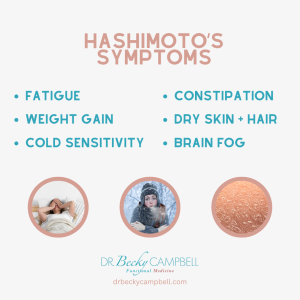
Although these symptoms might seem unrelated, they all relate to the thyroid. Because the thyroid regulates so many important functions, an imbalance can throw the entire body off track.
Common Triggers of Hashimoto’s
Autoimmune diseases like Hashimoto’s are complex, and researchers still don’t have all the answers about why they develop. What we do know is that it’s rarely just one thing.
Instead, a combination of factors often creates the perfect storm for the immune system to go rogue. Poor diet, chronic infections, high toxic load, stress, and nutrient deficiencies are just a few of the culprits that can push the immune system into overdrive, leading it to attack the thyroid.
Let’s break down some of the most common triggers:
Gut Health
The gut is at the heart of your immune system. In fact, about 70-80% of your immune system resides in your digestive tract. When the gut is out of balance, whether due to leaky gut, infections, or imbalances in gut bacteria, it can lead to systemic inflammation and immune system dysfunction. This is particularly relevant for Hashimoto’s, as an unhealthy gut can trigger the immune system to mistakenly attack the thyroid. Healing your gut is an essential step in reducing inflammation, calming the immune system, and improving thyroid health.
Poor Diet and Food Sensitivities
The food you eat plays a huge role in how your immune system functions. Diets high in processed foods, refined sugars, and unhealthy fats can contribute to chronic inflammation, which can fuel autoimmune activity.
Beyond that, many people with Hashimoto’s are sensitive to common inflammatory foods like gluten, dairy, soy, and even certain grains. (10) These foods can cause an immune response that worsens thyroid inflammation, making symptoms worse.
Chronic Infections
Certain viral or bacterial infections may trigger autoimmune conditions like Hashimoto’s. The Epstein-Barr virus (the virus behind mono), H. pylori (a gut infection), and even chronic sinus infections have been linked to autoimmune thyroid disease.
These infections can create immune system confusion, leading it to mistakenly target the thyroid in the process.
If you’ve dealt with frequent infections or have a history of mono, this could be a piece of the puzzle.
High Toxic Load
We are exposed to toxins daily – from pesticides in food to chemicals in skincare to pollutants in the air. Some people, especially those with genetic variations that make detoxification less efficient, have a harder time clearing these toxins from their bodies.
Heavy metals, mold exposure, and endocrine-disrupting chemicals (like BPA and phthalates) can put extra stress on the thyroid and immune system, contributing to Hashimoto’s symptoms.
Physical, Mental, and Emotional Trauma
Trauma – whether physical (like a car accident), mental (like chronic anxiety), or emotional (like losing a loved one) – can act as a powerful trigger for autoimmune disease.
Stressful events can send the nervous system into overdrive, causing widespread inflammation and dysregulation of the immune system.
Many people with Hashimoto’s can pinpoint a major life event that seemed to set their symptoms in motion.
Chronic Stress
Let’s be real – stress is a part of life. But chronic, unrelenting stress can wreak havoc on the thyroid.
When you’re constantly in fight-or-flight mode, your body produces excess cortisol, which can interfere with thyroid hormone production and conversion.
Over time, high cortisol levels can suppress the immune system, while low cortisol can leave you more vulnerable to infections, contributing to autoimmunity.
Poor Sleep
Sleep is when your body repairs and restores itself, and not getting enough can throw off the delicate balance of your immune system.
Studies show that chronic sleep deprivation increases inflammation and can make autoimmune conditions worse. (11)
If you’re skimping on sleep, struggling with insomnia, or waking up feeling exhausted no matter how long you sleep, it could be making your Hashimoto’s symptoms worse.
Nutritional Deficiencies
Your thyroid needs certain nutrients to function properly, and deficiencies in key vitamins and minerals can contribute to Hashimoto’s.
Low levels of iodine, selenium, zinc, vitamin D, B12, and iron are common in people with Hashimoto’s. These nutrients are essential for thyroid hormone production, immune balance, and energy metabolism.
If you’ve been dealing with unexplained fatigue, hair loss, or brain fog, checking for deficiencies could be a game-changer.

What to Test for Hashimoto’s
If you suspect Hashimoto’s, getting the right lab work is essential for an accurate diagnosis and effective treatment plan. Unfortunately, many conventional doctors only check thyroid-stimulating hormone (TSH) levels, which can miss underlying thyroid dysfunction – especially in the early stages.
To get a complete picture of your thyroid health, you need a comprehensive thyroid panel, which includes:
TSH
TSH is produced by the pituitary gland and tells your thyroid how much hormone to make. A high TSH can indicate an underactive thyroid, while a low TSH suggests an overactive one.
However, TSH alone doesn’t tell the whole story, so additional testing is necessary.
T4 and Free T4 (Thyroxine)
T4 is the inactive form of thyroid hormone that your body needs to convert into T3 (the active form).
Free T4 measures how much unbound, usable T4 is circulating in your system. Low levels can indicate hypothyroidism, but normal levels don’t always rule out a problem.
T3 and Free T3 (Triiodothyronine)
T3 is the active thyroid hormone that enters cells and regulates metabolism, energy, and brain function.
Free T3 is the unbound, available version of T3. Many people with Hashimoto’s have difficulty converting T4 into T3, leaving them with symptoms despite “normal” lab results.
Reverse T3 (rT3)
Reverse T3 is a blocking form of T3 that can prevent active thyroid hormone from doing its job.
High rT3 levels can indicate chronic stress, inflammation, or poor T4-to-T3 conversion.
Thyroid Antibodies (TPO & TG Antibodies)
- Thyroid Peroxidase (TPO) Antibodies: Elevated levels indicate that your immune system is attacking the enzyme needed to produce thyroid hormones.
- Thyroglobulin (TG) Antibodies: These target a protein involved in thyroid hormone production. High TG antibodies further confirm an autoimmune thyroid condition.
Normal Ranges of Thyroid Lab Tests
While reference ranges can vary, optimal thyroid function typically falls within these ranges:
- TSH: 1 – 2 mIU/L
- Free T4: 1.0 – 2.0 ng/dL
- Free T3: 3.0 – 4.0 pg/mL
- Reverse T3: Below 15 ng/dL
- TPO Antibodies: Below 35 IU/mL (optimal is as low as possible)
- TG Antibodies: Below 20 IU/mL
Comprehensive Blood Work
Since Hashimoto’s is an autoimmune condition, it’s critical to look beyond just thyroid labs and assess overall inflammation, nutrient status, and immune function.
Here are additional tests that provide valuable insights:
- Vitamin D: Low vitamin D is common in Hashimoto’s and can worsen immune dysfunction. Ideal levels are 50-80 ng/mL.
- CBC & Comprehensive Metabolic Panel (CMP): These check for anemia, liver and kidney function, and blood sugar regulation.
- Homocysteine: Elevated levels indicate poor methylation, which can contribute to inflammation and cardiovascular risk.
- High-Sensitivity C-Reactive Protein (CRP-hs): This measures systemic inflammation, often elevated in autoimmune diseases.
- Magnesium: Essential for thyroid function, energy production, and stress resilience. Low levels are common but often overlooked.
Testing for Gut Infections: The GI-MAP Stool Test
Gut health and Hashimoto’s are deeply connected.
Leaky gut, bacterial imbalances, and chronic infections can all contribute to autoimmune activity.
The GI-MAP stool test is one of the most advanced ways to identify:
- H. pylori (a bacteria linked to autoimmune issues)
- Candida overgrowth
- Dysbiosis (imbalanced gut bacteria)
- Leaky gut markers
- Parasites and pathogens
Since over 70% of your immune system is in your gut, identifying and addressing gut infections is a key step in managing Hashimoto’s and restoring balance to your body.
Simple Steps for Managing Hashimoto’s Thyroiditis
Managing Hashimoto’s isn’t about chasing symptoms – it’s about creating the right environment for your body to function optimally.
The good news? Small, intentional changes can have a big impact on how you feel.
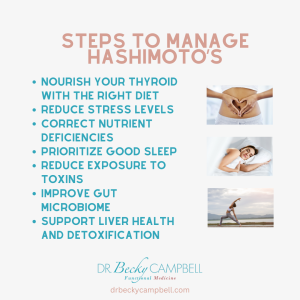
Here are key steps to start supporting your thyroid and overall health:
1. Nourish Your Thyroid with the Right Diet
What you eat can either calm inflammation or fuel the fire.
A thyroid-friendly diet focuses on:
- Anti-inflammatory foods: Load up on leafy greens, colorful veggies, wild-caught fish, and healthy fats like avocado and olive oil.
- High-quality protein: Grass-fed meats, organic poultry, and wild fish help stabilize blood sugar and provide essential amino acids.
- Gluten & dairy elimination: Many with Hashimoto’s are sensitive to gluten and dairy, which can trigger immune reactions.
- Balanced blood sugar: Eating protein, fat, and fiber at every meal can help prevent sugar crashes and keep energy levels steady.
2. Reduce Stress Levels
Chronic stress can damage the thyroid and immune system by increasing cortisol, suppressing thyroid function, and worsening inflammation.
Stress reduction is non-negotiable for managing Hashimoto’s.
- Daily movement: Yoga, walking, or stretching can help lower stress hormones.
- Mindfulness & breathwork: Deep breathing or guided meditation calms the nervous system.
- Set boundaries: Say no to things that drain your energy and prioritize rest.
3. Correct Nutrient Deficiencies
Many people with Hashimoto’s are low in key nutrients that support thyroid function, including:
- Selenium: Helps reduce thyroid antibodies (found in Brazil nuts and sardines).
- Zinc: Supports T4 to T3 conversion (found in oysters, beef, pumpkin seeds).
- Iron: Essential for thyroid hormone production (check ferritin levels).
- Magnesium: Helps with stress, sleep, and inflammation.
- Vitamin D: Low levels are linked to increased autoimmune activity.
If you’re unsure whether you’re getting enough of these nutrients, consider supplementing with a high-quality thyroid supplement like this one I recommend, which is packed with these essential nutrients.
4. Prioritize Good Sleep
Poor sleep is a stressor that can worsen fatigue, increase inflammation, and disrupt hormone balance. Aim for 7-9 hours of quality sleep per night.
- Set a bedtime routine: Reduce blue light, avoid caffeine in the afternoon, and keep a consistent schedule.
- Support melatonin production: Magnesium, herbal teas, and a dark room can help.
5. Reduce Exposure to Toxins
Every day, we’re exposed to endocrine-disrupting chemicals that can interfere with thyroid function.
Reduce your toxic burden by:
- Switching to clean beauty and skincare products
- Filtering your drinking water to remove heavy metals and fluoride
- Avoiding plastics (especially for food storage)
- Using natural cleaning products instead of harsh chemicals
6. Improve Gut Microbiome
A diverse and balanced gut microbiome helps regulate the immune system and reduce autoimmunity. Support your gut with:
- Probiotic-rich foods: Fermented veggies, kefir (if tolerated), or a high-quality probiotic supplement.
- Prebiotics: Foods like garlic, onions, and asparagus feed good gut bacteria.
- Fiber: Helps move toxins out and supports gut health.
7. Support Liver Health and Detoxification
Your liver plays a huge role in thyroid hormone conversion and toxin elimination. When it’s sluggish, your body struggles to clear out excess hormones, chemicals, and inflammatory byproducts.
- Eat cruciferous vegetables (broccoli, cauliflower, Brussels sprouts) to support detox pathways.
- Stay hydrated to flush out toxins.
- Encourage bile flow with liver-loving herbs like milk thistle and dandelion root found in Bile Support.
- Support a balanced inflammatory response with my Liver Love supplement, which promotes detoxification and healthy liver function.
By making small, consistent changes, you can take control of your health and start feeling better.
Managing Hashimoto’s is a journey, but with the right strategies, you can restore balance, boost energy, and improve your quality of life.
How “The 30-Day Thyroid Reset Plan” Can Support Your Journey
Managing Hashimoto’s can feel overwhelming, but the good news is that small, intentional changes can have a huge impact on your health.
Throughout this blog, we’ve covered the importance of getting the right lab tests to fully understand your thyroid function, identifying and addressing common triggers like chronic stress, gut infections, and nutrient deficiencies, and making simple lifestyle shifts to reduce inflammation, support detoxification, and optimize your thyroid.
By focusing on these areas, you can start taking back control of your health and feeling like yourself again.
But knowing what to do and actually putting it into practice are two different things – that’s where the 30-Day Thyroid Reset Plan comes in.
This book is your comprehensive guide to understanding thyroid disease and taking action to restore your health. Inside, you’ll find:
- A step-by-step 30-day plan designed to lower inflammation and balance your thyroid
- Science-backed strategies to support gut health, stress resilience, and detox pathways
- My favorite thyroid-friendly recipes so you can nourish your body with delicious, healing meals
If you’re ready to take control of your health, the 30-Day Thyroid Reset Plan gives you everything you need to start feeling better.
And if you want personalized support to dive deeper into your healing journey, I’d love to work with you one-on-one.
Schedule a new patient consultation today, and let’s create a plan tailored to your unique needs.
Your thyroid can heal, and you don’t have to do this alone. Let’s get started
Resources
- https://www.mayoclinic.org/diseases-conditions/hashimotos-disease/symptoms-causes/syc-20351855
- https://www.niddk.nih.gov/health-information/endocrine-diseases/hashimotos-disease
- https://www.thyroid.org/hashimotos-thyroiditis/
- https://pubmed.ncbi.nlm.nih.gov/28336049/
- https://pubmed.ncbi.nlm.nih.gov/35743024/
- https://pmc.ncbi.nlm.nih.gov/articles/PMC4451242/
- https://pmc.ncbi.nlm.nih.gov/articles/PMC10214500/
- https://pubmed.ncbi.nlm.nih.gov/25122491/
- https://www.ncbi.nlm.nih.gov/books/NBK459262/
- https://pubmed.ncbi.nlm.nih.gov/30213697/
- https://www.nature.com/articles/s42003-021-02825-4

The Role of Progesterone in Perimenopause: What You Need to Know
Understanding Progesterone’s Role in Perimenopause – and What Happens When It Drops
One day, you’re feeling like yourself – energetic, clear-headed, and in control. The next? You’re waking up at 3 a.m. for no reason, snapping at your family over the smallest things, and wondering why your jeans suddenly feel tight. Your cycle is getting unpredictable, your anxiety is creeping up, and your usual go-to wellness habits just aren’t cutting it anymore. If this sounds familiar, you’re not alone. These are classic signs of perimenopause – the hormonal shift no one warns you about. It often sneaks up in your early 40s, bringing a wave of symptoms that many women chalk up to stress, aging, or just “something feeling off.” But at the root of it all is a sharp decline in estrogen & progesterone, but we are going to focus on progesterone for now.
It is a powerhouse hormone that does far more than support fertility. It plays a critical role in keeping estrogen in check, promoting restful sleep, calming the nervous system, and even regulating inflammation.
When levels start to drop in perimenopause, the effects can be dramatic – think mood swings, insomnia, heavy periods, and even worsening histamine intolerance.
Here, I’ll explore why progesterone matters, what happens when it starts to decline, and most importantly – how to restore balance naturally.
So, whether you're looking to ease symptoms or better understand your body’s hormonal shifts, you’re in the right place.
What Is Progesterone and Why Does It Matter?
When most people think of progesterone, they associate it with pregnancy and fertility. And while it does play a crucial role in reproduction, its influence extends far beyond that.
Progesterone is a key balancing hormone, working behind the scenes to keep multiple systems in check – from your brain to your immune system.
Here’s why this hormone is essential for overall health:
- Regulating the Menstrual Cycle – Progesterone is the yin to estrogen’s yang. After ovulation, it rises to prepare the body for a potential pregnancy. If conception doesn’t happen, progesterone levels drop, triggering your period. When it's levels decline in perimenopause, estrogen can become dominant, leading to irregular cycles, heavier bleeding, and worsened PMS symptoms. (1)
- Calming the Nervous System – Often called the “chill hormone,” progesterone has a natural calming effect on the brain. It stimulates GABA, the neurotransmitter responsible for relaxation and deep sleep. (2, 3) When levels drop, you may notice increased anxiety, irritability, and those dreaded 3 a.m. wake-ups.
- Supporting Brain Function – Beyond its role in stress relief, it protects cognitive function. It helps stabilize neurotransmitters like serotonin and dopamine, reducing the risk of mood swings and brain fog. (4)
- Keeping Inflammation in Check – It plays a direct role in immune regulation, helping to control inflammatory responses in the body. This is especially relevant for women with histamine intolerance or mast cell activation syndrome (MCAS), as progesterone can naturally stabilize mast cells and reduce histamine release. (5, 6)

What Happens When Progesterone Drops in Perimenopause?
Throughout a typical menstrual cycle, progesterone follows a distinct pattern: It rises after ovulation and peaks in the luteal phase (the second half of the cycle). As perimenopause sets in, ovulation becomes irregular, and since ovulation is the primary trigger for progesterone production, levels start to decline.
But it’s not just a slow, gentle drop.
It can fluctuate wildly before settling into a steady decline, creating a hormonal roller coaster that leaves many women feeling out of balance.
When progesterone is low, estrogen often dominates, leading to a state known as estrogen dominance – not because estrogen is too high, but because it isn’t there to keep it in check.
This imbalance can contribute to:
- Mood Swings & Anxiety – Without progesterone’s calming effect on the nervous system, anxiety can skyrocket. (7) Many women describe feeling “wired but tired,” with racing thoughts, increased irritability, and a shorter fuse.
- Insomnia & Poor Sleep Quality – Since progesterone promotes GABA activity (your brain’s relaxation neurotransmitter), its decline often results in trouble falling or staying asleep. (8) If you find yourself waking up between 2-4 a.m., low progesterone could be a factor.
- Heavy, Irregular, or Painful Periods – Progesterone’s job is to counterbalance estrogen and keep uterine lining growth in check. When progesterone drops, estrogen can stimulate excessive buildup, leading to heavier, more painful, or unpredictable periods. (9)
- Increased Inflammation & Histamine Sensitivity – It naturally stabilizes mast cells, helping to regulate histamine release. When levels drop, inflammation can increase, and histamine intolerance symptoms – such as headaches, skin flushing, sinus congestion, and digestive issues – can worsen.
- Brain Fog & Memory Issues – Many women in perimenopause experience forgetfulness and mental cloudiness. This isn’t just “getting older” – progesterone plays a role in protecting brain function and supporting neurotransmitter balance.
- Breast Tenderness & Water Retention – Higher estrogen relative to progesterone can lead to fluid retention, bloating, and sore, swollen breasts – especially in the second half of the cycle.
- Worsening PMS & PMDD – If you’ve always struggled with PMS or premenstrual dysphoric disorder (PMDD), progesterone’s decline can make symptoms even more intense. Mood swings, irritability, and fatigue may feel amplified.

Why Addressing Progesterone Decline Matters
It isn’t just about managing symptoms – it’s about long-term health.
When levels drop, it can set off a chain reaction that impacts multiple systems in the body. Chronic progesterone deficiency can contribute to:
-
- Higher cortisol levels, keeping the body stuck in fight-or-flight mode
- Increased risk of osteoporosis, since progesterone supports bone formation
- More systemic inflammation, which affects gut health, immune function, and cardiovascular health
- Poor histamine clearance, as progesterone helps regulate mast cells and supports the DAO enzyme that breaks down histamine – meaning lower levels can trigger more histamine-related reactions.
How to Support Healthy Progesterone Levels Naturally
While declining progesterone is a natural part of perimenopause, that doesn’t mean you have to suffer through the symptoms.
The right lifestyle, nutrition, and supplement strategies can help support your body’s ability to produce and balance progesterone – naturally.
1. Prioritize Stress Management
Chronic stress is one of the biggest progesterone disruptors. That’s because your body steals progesterone to make cortisol (your stress hormone). Over time, this can leave you in a state of constant progesterone depletion.
Ways to lower stress and support progesterone:
- Daily mindfulness or meditation – Even five minutes of deep breathing can reduce cortisol.
- Gentle movement – Yoga, walking, and strength training help manage stress without overtaxing the body.
- Nervous system regulation – Practices like vagus nerve exercises, acupuncture, or EFT tapping can help calm the stress response.
2. Eat to Support Progesterone Production
Your body needs specific nutrients to make and metabolize hormones properly. A diet rich in whole foods can help maintain hormonal balance.
Key progesterone-supporting nutrients:
- Magnesium – Helps lower cortisol and supports progesterone synthesis. Found in leafy greens, pumpkin seeds, dark chocolate, and nuts.
- Vitamin B6 – A crucial cofactor in it's production. Get it from wild-caught salmon, poultry, bananas, and chickpeas.
- Zinc – Supports ovarian function and progesterone release. Found in oysters, beef, pumpkin seeds, and cashews.
- Healthy fats – Cholesterol is the building block of progesterone. Prioritize avocado, olive oil, coconut oil, and wild-caught fish.
Foods to limit: Processed foods, sugar, alcohol, and inflammatory seed oils (canola, soybean, etc.) can contribute to hormonal imbalance.
3. Support Ovulation (Even If You’re in Perimenopause)
Ovulation is key for progesterone production. While it becomes more irregular in perimenopause, certain habits can help encourage regular ovulation for as long as possible.
- Avoid over-exercising – Excessive high-intensity workouts can deplete this hormone.
- Balance blood sugar – Insulin resistance can disrupt ovulation. Focus on protein, fiber, and healthy fats with meals.
- Get enough sleep – Aim for 7-9 hours of high-quality sleep, as poor sleep can throw off hormone production.
4. Use Herbal & Nutritional Supplements
Certain herbs and nutrients have been shown to support progesterone levels naturally:
- Vitex (Chaste Tree Berry) – Helps promote ovulation and increase progesterone levels over time.
- Myo-Inositol – Supports ovarian function and progesterone production, especially in those with insulin resistance.
- Magnesium L-Threonate – This highly absorbable form of magnesium crosses the blood-brain barrier, making it particularly beneficial for reducing stress, improving sleep, and supporting cognitive function during perimenopause.
- B6 + Zinc – B6 is important for progesterone synthesis and neurotransmitter balance, while zinc supports ovarian function and hormone regulation.
5. Consider Bioidentical Progesterone (If Needed)
For some women, lifestyle and nutritional strategies may not be enough to restore progesterone balance. This is where bioidentical hormone replacement therapy (BHRT) can be an option.
Unlike synthetic hormones, bioidentical progesterone is structurally identical to what your body naturally produces, making it a gentler and more effective choice for symptom relief. It can help with sleep, anxiety, mood stability, and even histamine-related issues by supporting mast cells and promoting a more balanced inflammatory response.
The Connection Between Progesterone, Histamine Intolerance, and MCAS
I’ve already touched on this, but it’s worth calling out directly – if you’re dealing with histamine intolerance or mast cell activation syndrome (MCAS), perimenopause can feel like a perfect storm.
It naturally stabilizes mast cells and helps keep histamine levels in check.
But when levels drop? Hello, headaches, flushing, anxiety, and sleep struggles.
If your histamine symptoms have ramped up in perimenopause, it’s not in your head—it's in your hormones.
Supporting progesterone naturally may help bring things back into balance and take the edge off those frustrating reactions.
How Mold Exposure Disrupts Progesterone and Perimenopause
Mold exposure is another one of those sneaky things that can throw your entire system off – including your hormones. Mycotoxins from mold act as endocrine disruptors, suppressing progesterone and worsening perimenopausal symptoms.
If you’ve been exposed to mold, you might notice heavier periods, more intense anxiety, brain fog, or worsening histamine issues – all classic signs of low progesterone.
If this sounds familiar, addressing mold exposure is just as important as supporting your hormones.
Detox strategies, binders, and environmental cleanup can go a long way in helping your body rebalance.
Rebalancing Progesterone for a Smoother Perimenopause
It is more than just a fertility hormone – it’s essential for keeping your entire system balanced. As levels drop in perimenopause, the ripple effects can be overwhelming, from disrupted sleep and mood swings to increased histamine reactions and worsened inflammation. But the good news?
You’re not powerless in this process.
Focusing on key lifestyle strategies, targeted nutrition, and smart supplementation can help you support healthy progesterone levels and make this transition much smoother.
And if you suspect deeper imbalances – whether from mold exposure, histamine intolerance, or other underlying issues – getting the right guidance can make all the difference.
A consult is the first step toward lasting wellness. we’ll explore your unique needs and get you on the path to reclaiming your health.
Let’s take that next step together – you deserve it!
Resources.
- https://pubmed.ncbi.nlm.nih.gov/11392026/
- https://pubmed.ncbi.nlm.nih.gov/16574382/
- https://pubmed.ncbi.nlm.nih.gov/17579609/
- https://pubmed.ncbi.nlm.nih.gov/32722286/
- https://pubmed.ncbi.nlm.nih.gov/36933040/
- https://pubmed.ncbi.nlm.nih.gov/17166400/
- https://pubmed.ncbi.nlm.nih.gov/32723604/
- https://pubmed.ncbi.nlm.nih.gov/21289261/
- https://pmc.ncbi.nlm.nih.gov/articles/PMC5585876/