
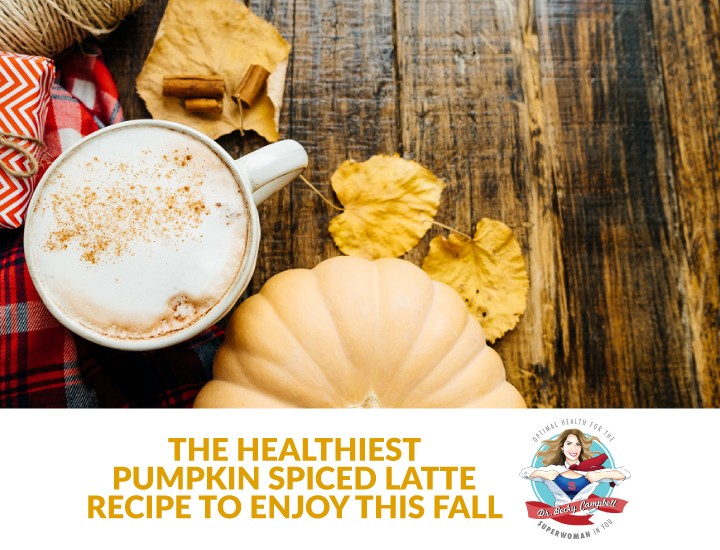
The Healthiest Pumpkin Spiced Latte Recipe To Enjoy This Fall
Pumpkin season is in full swing which also means pumpkin spiced lattes are hitting the shelves of every coffee shop you find. While pumpkin spiced lattes may sound like a nice way to welcome in the fall season, they don't come without consequence. These lattes are loaded with sugar and unnecessary ingredients. The good news is that you can still enjoy a mug of this delicious latte by whipping up the healthiest pumpkin spiced latte recipe you will come across this season.
I have developed a recipe keeping flavor in mind while also boosting the nutritional value of this favorite recipe. Before I share it with you, I want to talk about why stopping at your local coffee shop and picking up one of these drinks may cost you more than just the $5 price tag.
Sugar in The Traditional Pumpkin Spiced Latte
Did you know that in a grande sized pumpkin spiced latte you will consume 50 grams of sugar? While many people may think that swapping certain ingredients such as milk or sugar for things like coconut milk or almond milk would cut down on sugar intake that's not always the case. Many cafes still use non-dairy milk options that contain added sugar as well.
The Healthiest Pumpkin Spiced Latte This Fall
Instead of downing a cup of sugar and unnecessary ingredients, try making a healthier version with ingredients that will actually benefit your health. My pumpkin spiced latte recipe contains the following superfood ingredients making it the healthiest pumpkin spiced latte recipe you can enjoy this fall.
Coconut Milk: Coconut milk is not only what makes this pumpkin spiced latte super creamy, but it also adds some impressive health benefits. Coconut milk is dairy free making it a great option for those with a dairy allergy or sensitivity, is a rich source of minerals, and is known to help improve digestion. Coconut milk is also great for the immune system as coconut milk is rich in lauric acid giving it its antibacterial and antiviral properties.
Pure Pumpkin Puree: Instead of using sweetened pumpkin puree, choose pure pumpkin puree for added health benefits. Pumpkin is great for digestive health, and it is also an excellent source of dietary fiber.
Pure Maple Syrup: Instead of sugar, this pumpkin spice latte is sweetened with pure maple syrup. While this natural sweetener should still be used in moderation, it is much better for you than regular table sugar. Pure maple syrup contains antioxidants, as well as zinc and manganese which are great for boosting the immune system.
Serves: 1
Ingredients:
- 1 cup of brewed coffee
- 1/2 cup of full-fat coconut milk (cream only, save the liquid portion to use in smoothies)
- 2 Tbsp. pure pumpkin puree
- 1 Tbsp. pure maple syrup
- 1 tsp. pumpkin pie spice
- 1/4 tsp. pure vanilla extract
Directions:
- Start by brewing the coffee and then adding all ingredients to a high-speed blender. Blend until combined.
- Pour into a stockpot and heat over low/medium heat whisking until warm.
- Sprinkle with extra pumpkin pie spice and enjoy right away.
*For a caffeine free version, use decaf coffee or swap with 1 cup of unsweetened almond milk.

If you are suffering from weight gain, fatigue, hair loss and more, click here to schedule a phone call with me, so I can find out where you’ve been, where you want to get to, and how I can help you get there.
I know exactly where you are because I've been there myself...I remember being so tired that I could barely function. I gained 30 pounds out of nowhere and had a severe case of brain fog. I also started to get severe anxiety and panic attacks. I was driven and motivated...until I wasn't. I didn't know what was happening to me. All I wanted was to get my life back...
Finally, I learned about functional medicine and found a practitioner that I hoped could help me. They ran specialized tests that were far different than I had ever had before. When I got the results back, it turned out I had candida, parasites, high cortisol, the Epstein Bar Virus and many food intolerances. I also had an issue with my thyroid that no one found before because they were using the conventional medicine lab ranges which are way too broad....which I now know is one of the leading causes of hypothyroid misdiagnosis.
I went through treatment of all of these things and it completely changed my life. I immediately lost the 30 pounds I had gained plus more, I had a lot more energy, and my brain fog was gone. I felt amazing and knew that I wanted to help people find the underlying causes of their symptoms and disease.

The SIBO and the Thyroid Connection
Are you experiencing stomach pains, diarrhea, digestive discomfort, gas, fatigue, or other uncomfortable digestive or body symptoms? You may have SIBO. Small intestinal overgrowth (SIBO) is a condition caused by too much bacteria in your small intestine. While SIBO can lead to a list of symptoms, it may also increase your risk of other health conditions, including thyroid conditions. Yes, that’s right, SIBO and thyroid dysfunction are connected in many cases, and it’s critical that you address both through a holistic treatment approach.
In this article, I will explain what SIBO is. You will learn about its symptoms and causes. I will explain everything you need to know about SIBO and thyroid diagnosis at a functional medicine doctor. You will understand the connection between SIBO and thyroid dysfunction. I will discuss traditional and functional medicine approaches to SIBO and thyroid dysfunction. I will offer my top natural solutions for SIBO and thyroid health.
What Is SIBO?
Small intestinal bacterial overgrowth (SIBO) is a serious condition characterized by too much bacteria in your small intestine. It happens when bacteria that normally would only grow only in other areas of your gut, start growing in your small intestines as well. Your small intestine is the longest part of your digestive tract. This is also the part where nutrients get absorbed into your bloodstream. It is not surprising that SIBO can have serious consequences. It can lead to nutrient malabsorption, malnutrition, damage to the stomach lining, and a list of unwanted symptoms fro diarrhea to abdominal pain. SIBO may also lead to a variety of other health issues. For example, SIBO and your thyroid are closely connected and I regularly see SIBO in thyroid patients. Later in this article, we will discuss the connection between SIBO and thyroid dysfunction (1, 2, 3, 4).
Symptoms of SIBO
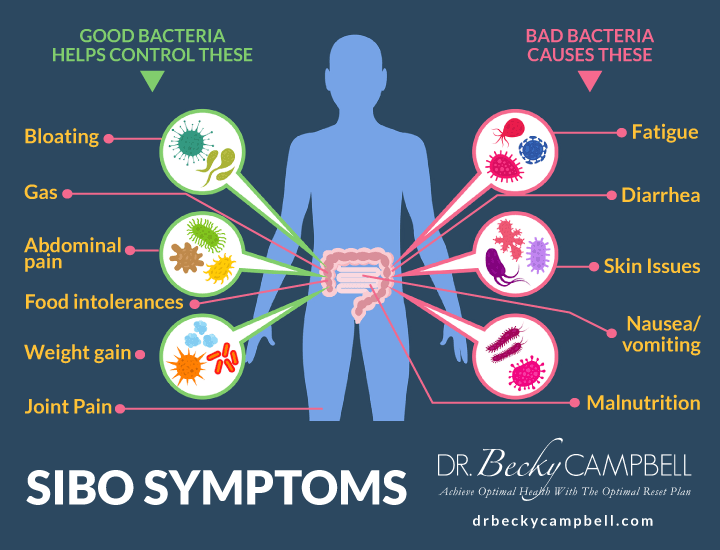
The symptoms that come with SIBO are often similar to conditions such as Irritable Bowel Syndrome. Here are some of the commonly seen symptoms:
-
- Bloating
- Gas
- Abdominal pain or cramping
- Malnutrition
- Diarrhea
- Constipation
- Nausea or vomiting
- Belching
- Food intolerances
- Weight loss
- Joint pain
- Fatigue
- Skin issues
- B12 deficiency
- Fat malabsorption
- Chronic pain and health issues
The microorganisms and metabolic waste in your gut due to SIBO can be challenging to your health, which can lead to abdominal pain, nausea, gas, diarrhea, constipation, belching, and other gut health symptoms. However, SIBO can lead to an array of health issues. It is connected to irritable bowel syndrome and has been associated with fibromyalgia, Celiac disease, autoimmune conditions, chronic fatigue, neuromuscular issues, liver problems, gallstones, rosacea, gastritis, and thyroid dysfunction. Later in this article, you will learn more about how your thyroid and SIBO connected (5, 6).
Causes of SIBO
SIBO may develop for a variety of reasons. Some of the causes and risk factors of SIBO include (7, 8, 9, 10, 11, 12):
- Complications of abdominal surgery, such as gastric bypass for obesity or gastrectomy for stomach cancer and peptic ulcers
- Structural problems in and around your small intestine, such as scars and bulging pouches of tissue
- Certain medication, including pharmaceutical drugs for Celiac disease, Crohn’s disease, diabetes, radiation enteritis, and scleroderma
- Low stomach acid that can lead to poor digestion and malabsorption
- Poor gut motility
- Intestinal neuropathy, or damage to nerves and muscles in the gut
- Diverticulosis
- History of radiation therapy of the abdomen
- Diabetes
- Crohn’s disease, scleroderma, or intestinal lymphoma involving the small intestine
- An abnormal passageway, or fistula between two segments of the bowel
SIBO Diagnosis
The breath test is the most commonly used test for SIBO which measures the concentration of hydrogen and methane in your breath. Before the test, you have to fast for 12 hours then breathe into a small balloon and repeat it every 15 minutes for 3 hours. Modern medicine practices tend to only use this test for SIBO. Functional medicine practitioners, like myself, take a more comprehensive approach.
Along with the breath test, there are two tests that can help us to understand your gut health better. An organic acid test is a simple urine test that looks at metabolic biomarkers to detect mitochondrial issues, toxicity, neurotransmitter disruption, B vitamin deficiencies, bacterial overgrowth, and yeast overgrowth. A comprehensive stool analysis helps us understand your large intestinal health better. Individuals with SIBO often also struggle with bacteria, parasites, yeast overgrowth, and gut flora imbalance in their large intestines as well. Remember, it is important to look at your entire good health and address it all, not only your small intestines and SIBO.
In my practice, after going through your symptoms and health history, I do a comprehensive analysis looking at all kinds of markers to understand the state of your health and potential root causes in order to create an individualized comprehensive treatment plan. Whenever a patient comes to my practice with gastrointestinal symptoms I will always check for gut infections, and this includes SIBO. Being that the gut bacteria in our gut plays such a crucial role in the health of every other part of the body, including the thyroid addressing gut health is one of the most important steps in feeling better.
SIBO and Your Thyroid
So, what does SIBO have to do with the thyroid? First and foremost, gut health and thyroid health are connected. Having thyroid issues such as hypothyroidism can actually cause SIBO. When you are dealing with a thyroid condition such as hypothyroidism, your thyroid is not performing the way that it should be. This means that your metabolic processes slow down and this includes digestion.
One of the most common symptoms of hypothyroidism is constipation. Unfortunately, being chronically constipated can lead to an overgrowth of harmful bacteria. A 2017 study has found that those with constipation-predominant SIBO (SIBO-C) also had thyroid panels with characteristics of hypothyroidism compared to the control group. Not only that, but many people who suffer from hypothyroidism also have lower levels of stomach acid, HCL. HCL helps us digest food so when we do not have enough it can be easy for the pathogenic bacteria in the gut to grow.
There is another connection between SIBO and the thyroid and that is the opposite of what we were just talking about. SIBO can also lead to hypothyroidism. A 2017 study found that hypothyroidism and T4 therapy were linked to a 2.6 and 3.0 times higher risk of SIBO. Since about 21 percent of T4 to T3 conversion occurs in the gut, problems can occur when you do not have optimal gut flora. When your gut is dealing with an overgrowth of harmful bacteria this can cause issues with the T4 to T3 conversion which can then lead to hypothyroidism.
The SIBO and thyroid connection is huge and unfortunately, it can lead to hypothyroidism but hypothyroidism can also lead to bacterial overgrowth. A 2007 study found that 54 percent of participants with hypothyroidism also had SIBO. The best thing to do if you suspect you have either one of these conditions is to work with a functional medicine practitioner, like myself, to get the proper testing to uncover if SIBO is affecting the health of your thyroid. In my practice, I offer extensive gut health testing, and based on your test results, I develop an individualized plan to address each patient’s unique health needs.
But why is it better to work with a functional medicine doctor and take on a holistic approach instead of working with a traditional medicine practitioner? Great question, I will go over everything that you need to know about traditional medicine and functional medicine approach to SIBO and thyroid health (13, 14, 15, 16).

Traditional Medicine Approach to SIBO
Unlike the functional medicine approach that I practice, traditional medicine doesn’t take a holistic approach and doesn’t look at underlying root causes of your symptoms and health problems. Dietary, lifestyle, and environmental factors are often ignored.
If SIBO is detected in a traditional medical practice there is a good chance that a patient will be prescribed antibiotics. The problem with this is that even with the use of antibiotics, SIBO can be very difficult to get under control and a healing dietary and lifestyle protocol need to be put into place. Not including dietary changes can make getting SIBO under control very difficult and you will learn why, so keep reading.
Research has found that people with SIBO who were only prescribed antibiotics actually had a higher recurrence rate. The problem here is that prescription antibiotics may not be enough to really deal with this digestive condition at its source. Dietary, lifestyle, and environmental factors need to be taken into consideration to achieve full recovery and health (17).
The great news is that there is a different way of going about getting SIBO under control and that’s with the use of functional medicine. Let’s take a look at how a functional medicine approach to dealing with SIBO is much different from the traditional medical approach.
Functional Medicine Approach to SIBO & Thyroid Dysfunction
In functional medicine, we use a holistic approach to addressing disease including things like thyroid disease and gut infections. The first step we take is to offer the proper testing to determine if SIBO is causing some or even all of your symptoms. Through these tests, we can uncover the potential root causes of your SIBO and address them appropriately. We will also understand how your other health issues, including thyroid dysfunction, may be connected to SIBO, and create a personalized holistic treatment.
After the test results come back, I often work with patients to eliminate certain foods from their diets such as sugar, refined carbohydrate, gluten, and alcohol. I also recommend a soil-based probiotic supplement. These are important for overall gut health as they will help to give the healthy bacteria in your gut a boost while your body is working to rid itself of the harmful bacteria overgrowth that may be occurring in the small intestine.
We also work on addressing specific dietary needs and come up with a lifestyle plan to get the SIBO under control as quickly and efficiently as possible. It takes some patience to get SIBO under control but with the right changes, it can be done. If you are also dealing with thyroid dysfunction or other health issues along with SIBO, we continue using the same holistic approach which includes testing, dietary and lifestyle changes, and supplementation.
The SIBO & FODMAPS Diet
The FODMAPS diet is a specific dietary approach that many people with SIBO find very beneficial. This diet focuses on removing FODMAPS from the diet.
FODMAPS are fermentable oligosaccharides, disaccharides, monosaccharides, and polyols. Don’t worry about understanding what each of those terms mean. Just know that FODMAPS are fermentable short-chained carbohydrates and they are not very well absorbed in the gut. They are sugars that are found in certain foods and in those with SIBO they can make symptoms worse. These foods can actually ferment in the digestive tract which is the very last thing you want when you are already dealing with bacterial overgrowth. When these foods ferment, they can feed the bacterial overgrowth and then make your SIBO symptoms worse or make it much more difficult to get this condition under control.
While some people find this diet helpful, I do not typically use this diet in my practice. Instead, I stick with a diet high in foods like this and typically have great success with this approach:
- Eggs
- Grass-fed beef
- Grass-fed lamb
- Free-range chicken & turkey
- Wild-caught fish
- Cucumbers
- Lettuce
- Carrots
- Bananas
- Oranges
- Blueberries
- Coconut oil
- Avocado oil
- Sprouted nut butter

Natural Solutions for SIBO & Thyroid Dysfunction
If you are experiencing symptoms of SIBO and may also have thyroid dysfunction, don’t worry. You can improve your health naturally with some simple yet effective natural solutions. Here are the natural solutions for SIBO and thyroid dysfunction I recommend.
Eat an Anti-Inflammatory, Gut-Friendly Diet
The natural approach to improving SIBO and thyroid imbalance always starts with an anti-inflammatory diet. To tackle SIBO, it is critical that you eliminate sugar, gluten, and refined carbs. Eat smaller meals instead of large ones. Eat 5 to 6 times a day instead of 2 to 3 times. Remove other inflammatory foods, such as caffeine, refined oils, grains, pasteurized dairy, artificial sweeteners, conventional animal products, junk food, and processed foods.
Eat plenty of greens, vegetables, herbs, spices, and fruits. Eat healthy fats, such as avocado oil, coconut oil, avocados, and sprouted nut butter. Consume high-quality organic animal protein such as grass-fed beef and lamb, free-range, pasture-raised poultry and eggs, and wild-caught fish. Add bone broth and glycine-rich foods, including oxtail, beef shanks, brisket, and chuck roast. Eat plenty of fermented foods, such as sauerkraut, yogurt, kefir, and kimchi for gut health, unless you have histamine intolerance or don’t tolerate probiotic-rich fermented foods well. Drink plenty of clean, purified water.
Take Soil-Based Probiotics
Probiotic supplementation can help to improve gut barrier strength and integrity, lower pathogenic bacteria levels, modulate the immune system, and decrease inflammation throughout the body. Your small-intestines are not supposed to have too much bacteria in it. However, most probiotics contain strains of lactobacillus or bifidobacterium which can add fuel to the fire and compromise your SIBO recovery because they release in your small intestine as well. This is where soil-based probiotics or SBO probiotics come in. Soil-based probiotics do not contain lactobacillus or bifidobacterium strains, yet they still provide all the benefits of a probiotic. I recommend MegaSporeBiotic, a probiotic supplement created without lactobacillus or bifidobacterium (18, 19, 20, 21, 22, 23).
Try Natural Antibiotic Herbal Supplements
Modern medicine treats SIBO with antibiotics. However, there are some natural herbal supplements with antibiotic properties that can support your SIBO recovery. Berberine is a plant alkaloid derived from Oregon grape root and other herbs. It has been known to destroy bacteria and microbes, lower inflammation, and improve your gut lining. Grapefruit seed extract (GSE) is full of anti-oxidant, disease-fighting, antibacterial, and antiviral properties that may benefit your gut health. Oregano oil is a potent antioxidant with natural antibiotic and pathogen-fighting properties that can help to destroy pathogenic bacteria, yeast, and viruses, and improve your gut health (24, 25, 26, 27, 28, 29, 30, 31, 32, 33, 34).
Try Digestive Enzymes
Digest Care is comprised of a proprietary blend of digestive enzymes along with betaine HCl to support optimal digestion of proteins, fats, and carbohydrates. This product contains the special protease DPP IV (dipeptidyl peptidase IV), which aids in the breakdown of the peptides gluteomorphin (from gluten) and casomorphin (from casein). Digest Care also includes the enzyme lactase, which helps break down the dairy sugar lactose. The use of Digestzymes™ before meals may be helpful when patients experience gas and bloating after eating, constipation, or a feeling of fullness after eating only a small quantity of food.
Improve Your Lifestyle
Chronic stress, poor sleep, and poor lifestyle choices can lead to and increase the symptoms of both gut health issues and thyroid dysfunction. Lower your stress levels and learn to cope with stress better. Practice meditation, journaling, gratitude, breathwork, and yoga. Take healing baths or get a massage. Engage in relaxing activities and spend time with loved ones and positive people. Spend time in nature. Make sure to get some ‘me-time’ in daily, even if it’s just a few minutes. Exercise regularly and lead an active lifestyle. Make sure to get 7 to 9 hours of quality sleep each night.
Try a 30-Day Thyroid Reset
If you are experiencing thyroid dysfunction as a result of or along with SIBO, I recommend a 30-day thyroid reset. To learn more about the Paleo-style anti-inflammatory diet I recommend or if you have Hashimoto’s or another thyroid disease, I recommend reading and following the recommendations in my book, The 30-Day Thyroid Reset Plan: Disarming the 7 Hidden Triggers That are Keeping You Sick. You will learn everything you need to know about thyroid disease. I offer a 30-day plan to improve your health and my favorite thyroid-friendly recipes to nourish your body with delicious meals.
Final Thoughts
Small intestinal overgrowth (SIBO) is a common condition caused by too much bacteria in your small intestine leading to abdominal pain, gas, belching, diarrhea, and a list of other symptoms. it may also increase your risk of other health conditions, including thyroid conditions. SIBO and your thyroid health are connected and SIBO and thyroid issues need to be both addressed. Follow my natural solutions for SIBO and thyroid dysfunction to repair your body and regain your health naturally.
If you are dealing with symptoms of SIBO, Hashimoto’s disease, or other thyroid issues, I invite you to schedule a consultation with me. I can help to identify the root cause of your condition and recommend a personalized treatment plan to repair your body and regain your health and well-being. Schedule your consultation here.
Sources:
1. Small Intestinal Bacterial Overgrowth: Roles of Antibiotics, Prebiotics, and Probiotics Link Here
2. Bures J, Cyrany J, Kohoutova D, et al. Small intestinal bacterial overgrowth syndrome. World Journal of Gastroenterology : WJG. 2010;16(24):2978-2990.
3. Camp JG, Kanther M, Semova I, Rawls JF. Patterns and scales in gastrointestinal microbial ecology. Gastroenterology. 2009 May;136(6):1989-2002. PMID: 19457423
4. Sachdev AH, Pimentel M. Gastrointestinal bacterial overgrowth: pathogenesis and clinical significance. Therapeutic Advances in Chronic Disease. 2013;4(5):223-231.
5. Posserud I, Stotzer PO, Björnsson ES, Abrahamsson H, Simrén M. Small intestinal bacterial overgrowth in patients with irritable bowel syndrome. Gut. 2007 Jun;56(6):802-8. Epub 2006 Dec 5. PMID: 17148502
6. Kirsch M. Bacterial overgrowth. Am J Gastroenterol. 1990 Mar;85(3):231-7. PMID: 2178395
7. Dukowicz AC, Lacy BE, Levine GM. Small Intestinal Bacterial Overgrowth: A Comprehensive Review. Gastroenterology & Hepatology. 2007;3(2):112-122.
8. Small intestinal bacterial overgrowth (SIBO). Mayo Clinic. Link Here
9. Sachdev AH, Pimentel M. Gastrointestinal bacterial overgrowth: pathogenesis and clinical significance. Ther Adv Chronic Dis. 2013 Sep;4(5):223-31. PMID: 23997926
10. Lombardo L, Foti M, Ruggia O, Chiecchio A. Increased incidence of small intestinal bacterial overgrowth during proton pump inhibitor therapy. Clin Gastroenterol Hepatol. 2010 Jun;8(6):504-8. PMID: 20060064
11. Wang Y-B, Liu J, Yang Z-X. Effects of intestinal mucosal blood flow and motility on intestinal mucosa. World Journal of Gastroenterology : WJG. 2011;17(5):657-661.
12. Roland BC, Ciarleglio MM, Clarke JO, Semler JR, Tomakin E, Mullin GE, Pasricha PJ. Small Intestinal Transit Time is Delayed in Small Intestinal Bacterial Overgrowth. J Clin Gastroenterol. 2014 Oct 14. PMID: 25319735
13. Patil AD. Link between hypothyroidism and small intestinal bacterial overgrowth. Indian J Endocrinol Metab. 2014 May;18(3):307-9. doi: 10.4103/2230-8210.131155. PMID: 24944923
14. Nay J, Menias CO, Mellnick VM, Balfe DM. Gastrointestinal manifestations of systemic disease: a multimodality review. Abdom Imaging. 2015;40(6):1926-1943. Link Here
15. Brechmann T, Sperlbaum A, Schmiegel W. Levothyroxine therapy and impaired clearance are the strongest contributors to small intestinal bacterial overgrowth: Results of a retrospective cohort study. World J Gastroenterol. 2017;23(5):842-852. Link Here
16. Lauritano EC, Bilotta AL, Gabrielli M, et al. Association between hypothyroidism and small intestinal bacterial overgrowth. J Clin Endocrinol Metab. 2007;92(11):4180-4184. Link Here
16. Konrad P, Chojnacki J, Kaczka A, et al. [Thyroid dysfunction in patients with small intestinal bacterial overgrowth]. Polski Merkuriusz Lekarski : Organ Polskiego Towarzystwa Lekarskiego. 2018 Jan;44(259):15-18. Link Here
17. Bures J, Cyrany J, Kohoutova D, Förstl M, Rejchrt S, Kvetina J, Vorisek V, Kopacova M. Small intestinal bacterial overgrowth syndrome. World J Gastroenterol. 2010 Jun 28;16(24):2978-90. doi: 10.3748/wjg.v16.i24.2978. PMID: 20572300
18. Small Intestinal Bacterial Overgrowth: Roles of Antibiotics, Prebiotics, and Probiotics Link Here
19. Hamvas J. [Proton-pump inhibitor therapy and small bowel bacterial contamination]. Orv Hetil. 2012 Aug 19;153(33):1287-93. PMID: 22890175
20. Gaon D, Garmendia C, Murrielo NO, de Cucco Games A, Cerchio A, Quintas R, González SN, Oliver G. Effect of Lactobacillus strains (L. casei and L. Acidophillus Strains cerela) on bacterial overgrowth-related chronic diarrhea. Medicina (B Aires). 2002;62(2):159-63. PMID: 12038039
21. Hosoi T, Ametani A, Kiuchi K, Kaminogawa S. Improved growth and viability of lactobacilli in the presence of Bacillus subtilis (natto), catalase, or subtilisin. Can J Microbiol. 2000 Oct;46(10):892-7. PMID: 11068675
22. Hong HA, Duc le H, Cutting SM. The use of bacterial spore formers as probiotics. FEMS Microbiol Rev. 2005 Sep;29(4):813-35. PMID: 16102604
23. Permpoonpattana P, Hong HA, Khaneja R, Cutting SM. Evaluation of Bacillus subtilis strains as probiotics and their potential as a food ingredient. Benef Microbes. 2012 Jun 1;3(2):127-35. PMID: 22433662
24. Yu HH, Kim KJ, Cha JD, Kim HK, Lee YE, Choi NY, You YO. Antimicrobial activity of berberine alone and in combination with ampicillin or oxacillin against methicillin-resistant Staphylococcus aureus. J Med Food. 2005 Winter;8(4):454-61. PMID: 16379555
25. Pérez-Rubio KG, González-Ortiz M, Martínez-Abundis E, Robles-Cervantes JA, Espinel-Bermúdez MC. Effect of berberine administration on metabolic syndrome, insulin sensitivity, and insulin secretion. Metab Syndr Relat Disord. 2013 Oct;11(5):366-9. PMID: 23808999
26. Dixit PV, Parihar G, Jain DK, Jaiswal P. Increased serotonergic neurotransmission is not responsible for the anticompulsive effect of berberine in a murine model of obsessive-compulsive disorder. Behav Pharmacol. 2012 Oct;23(7):716-21. PMID: 22890212
27. Li G, Wang X, Jiang T, Gong J, Niu L, Li N. Berberine Prevents Intestinal Mucosal Barrier Damage During Early Phase of Sepsis in Rat through the Toll-Like Receptors Signaling Pathway. The Korean Journal of Physiology & Pharmacology : Official Journal of the Korean Physiological Society and the Korean Society of Pharmacology. 2015;19(1):1-7.
28. Jayaprakasha GK, Girennavar B, Patil BS. Radical scavenging activities of Rio Red grapefruits and Sour orange fruit extracts in different in vitro model systems. Bioresour Technol. 2008 Jul;99(10):4484-94. PMID: 17935981
29. Manthey JA. Biological properties of flavonoids pertaining to inflammation. Microcirculation. 2000;7(6 Pt 2):S29-34. PMID: 11151968
30. Heggers JP, Cottingham J, Gusman J, Reagor L, McCoy L, Carino E, Cox R, Zhao JG. The effectiveness of processed grapefruit-seed extract as an antibacterial agent: II. Mechanism of action and in vitro toxicity. J Altern Complement Med. 2002 Jun;8(3):333-40. PMID: 12165191
31. Kavanaugh NL, Ribbeck K. Selected Antimicrobial Essential Oils Eradicate Pseudomonas spp. and Staphylococcus aureus Biofilms. Applied and Environmental Microbiology. 2012;78(11):4057-4061.
32. Barbour EK, Dankar SK, Shaib HA, Kumosani T, Azhar E, Masaudi S, Iyer A, Harakeh S. Antimicrobial profile of essential oils extracted from wild versus cultivated Origanum ehrenberjii against enteric bacteria. J Infect Dev Ctries. 2014 Oct 15;8(10):1344-9. PMID: 25313614
33. Eng W, Norman R. Development of an oregano-based ointment with anti-microbial activity including activity against methicillin-resistant Staphlococcus aureus. J Drugs Dermatol. 2010 Apr;9(4):377-80. PMID: 20514796
34. Yap PSX, Yiap BC, Ping HC, Lim SHE. Essential Oils, A New Horizon in Combating Bacterial Antibiotic Resistance. The Open Microbiology Journal. 2014;8:6-14.
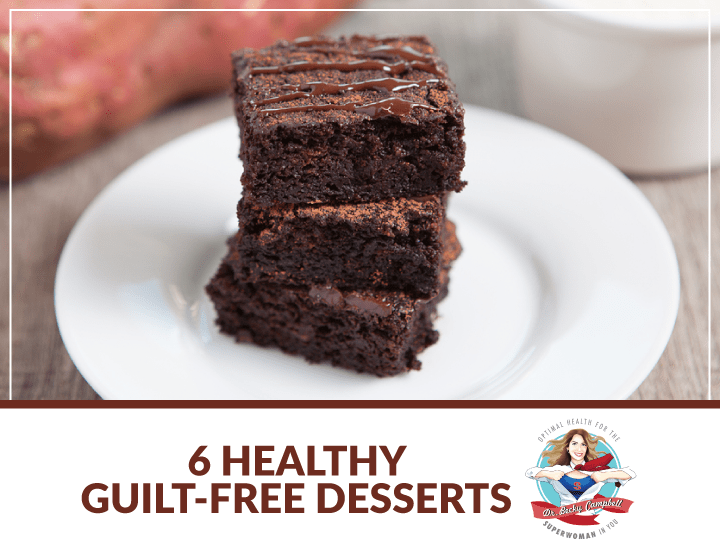
6 Healthy Guilt-Free Desserts
[et_bloom_inline optin_id=optin_2]Eating healthy doesn’t mean giving up everything decadent and indulgent. In fact, there are healthy ways to make some of the most delicious desserts guilt-free.
I often get asked if starting a Paleo style diet and removing gluten, dairy, and sugar from the diet leaves any room for some of my patient's favorite foods. The answer is yes, and I am going to share six of my favorite ways to make guilt-free desserts.
Life is too short not to enjoy delicious food so keep reading to learn how to do so while still staying on track with your healthy eating plan.
Six Healthy Guilt-Free Desserts
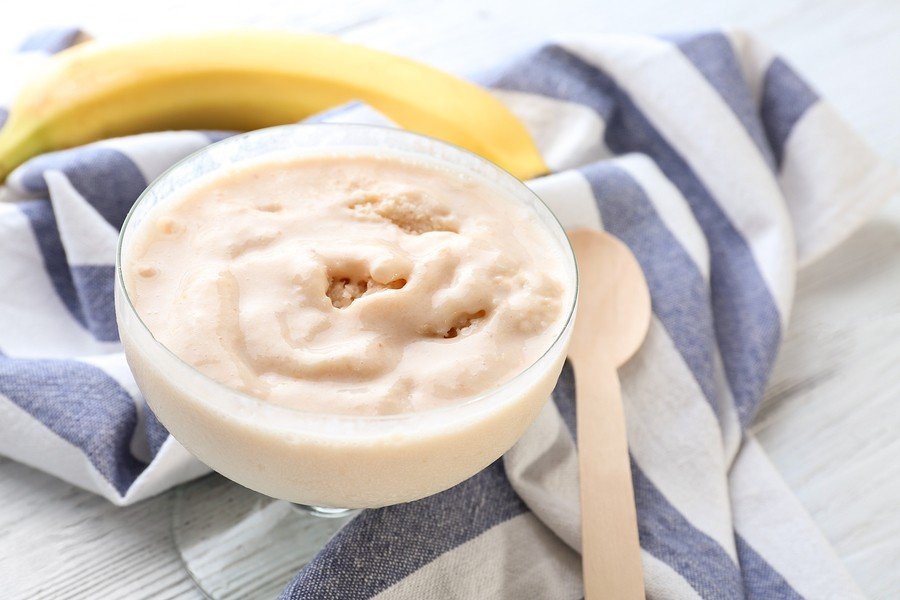
#1 Banana Ice Cream
This is one of my go-to guilt-free desserts. It is easy, perfect for the warmer months when those ice cream cravings kick in, and it only requires a handful of ingredients. Banana ice cream has also gained some serious popularity after people started to realize just how delicious it can be and how whipped bananas closely resemble soft serve ice cream.
The great thing about this guilt-free dessert option is that you can easily customize it to your liking. If you love chocolate ice cream, you can add in some raw unsweetened cocoa powder for a chocolatey twist. If you love mint chip ice cream, add in some pure peppermint extract and a handful of raw unsweetened cocoa nibs.
Banana ice cream is made by simply tossing a frozen banana into a food processor with a splash of unsweetened almond or coconut milk and blending until a soft serve ice cream consistency is formed. Customize it to your taste and enjoy.
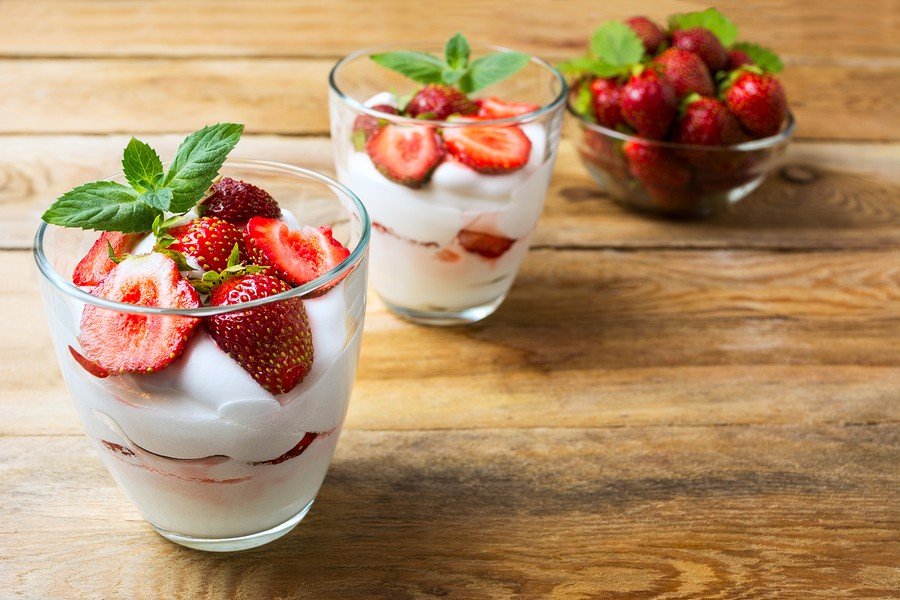
#2 Berries & Coconut Cream
Another guilt-free dessert option is taking the standard berries and cream recipe and turning it into a healthy coconut cream and berry recipe.
To make this quick and healthy dessert, simply whip up some unsweetened coconut cream in a food processor to form a whipped cream consistency and serve with some fresh berries. That’s it! You now have a delicious guilt-free dessert that doesn’t add unnecessary amounts of sugar plus this recipe is dairy free and packs in a nice dose of fiber and antioxidants from the berries.
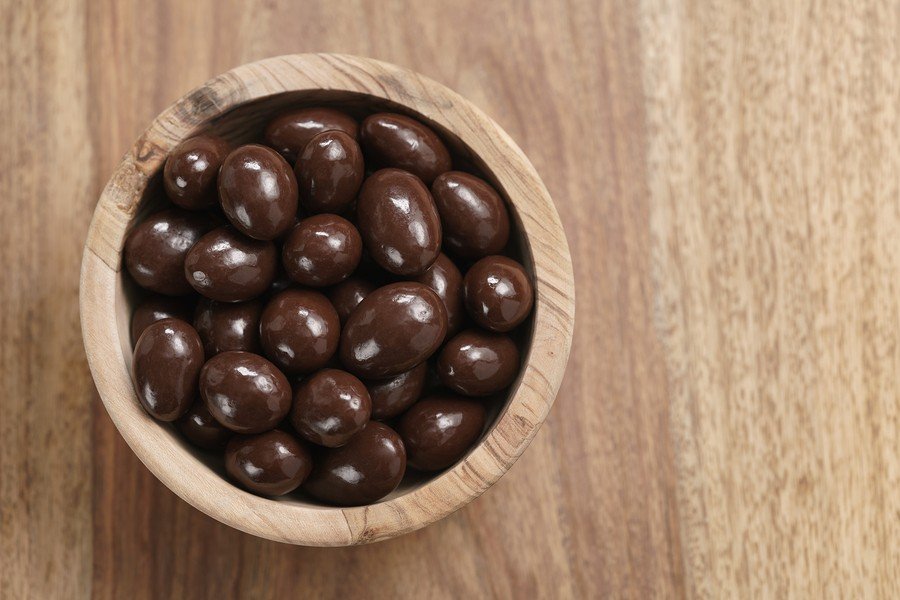
#3 Chocolate Covered Nuts
Another great option when you are craving something sweet is chocolate covered nuts. Now, I am not talking about the ones that you can buy from the store that are loaded with sugar. I am talking about making your own at home which is actually much easier than it sounds!
To make your own, all you need are some soaked almonds (you can soak the almonds overnight) some unsweetened dark chocolate, and just a small amount of coconut oil. Melt the coconut oil and dark chocolate together and drizzle this over the soaked almonds. Set in the refrigerator and then enjoy as a guilt-free treat.
#4 Sweet Potato Brownies
Who doesn’t love a good brownie for dessert? The problem is that traditional brownies are full of sugar, artificial ingredients, and gluten which is not something you would want to include as part of a healthy diet. However, this doesn’t mean that you can never enjoy a brownie again it just means that you have to get creative with how you make your brownie recipes.
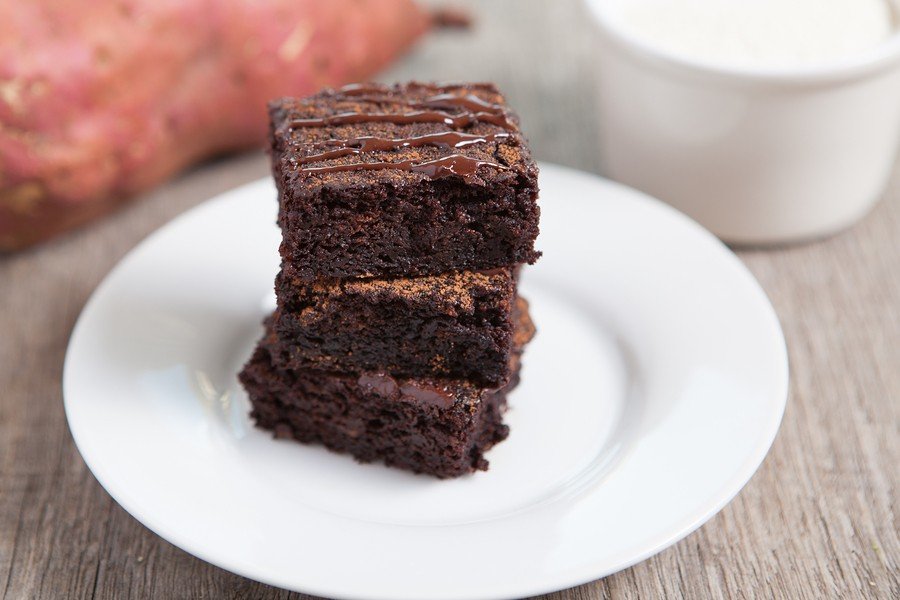
My favorite way to make a guilt-free brownie is using sweet potatoes, unsweetened cocoa powder, coconut flour, and some other nutritious ingredients. See my full recipe below.
Ingredients:
1 sweet potato cooked and mashed
3 eggs
¼ cup pure grade B maple syrup
¼ cup sifted coconut flour
¼ cup melted coconut oil
1 ½ Tbsp. unsweetened cocoa powder
2 Tbsp. cocoa nibs
½ tsp. baking soda
Directions:
1. Start by preheating your oven to 350 degrees F and greasing a baking dish with coconut oil.
2. Next, add the cooked sweet potato to a mixing bowl and mash. Add in the eggs and maple syrup and whisk.
3. Add in the remaining ingredients and mix well to combine.
4. Pour the batter into the baking dish and bake for 30-40 minutes or until a toothpick inserted into the center comes out clean.
5. Allow the brownies to cool before slicing.
6. Enjoy.
#5 Coconut Flour Cookies
Another great way to use coconut flour is to make cookies. Coconut flour is a great alternative to traditional flour as it’s gluten-free and far more nutritious. You can get creative with your cookie recipes and swap regular flour out for coconut flour just keep in mind that you will need far less coconut flour as it is much more absorbent.
One of my favorite ways to use coconut flour in a cookie recipe is to make traditional chocolate chip cookies with coconut flour, unsweetened cocoa nibs, and pure grade B maple syrup instead of sugar.

#6 Vanilla Maple Bites
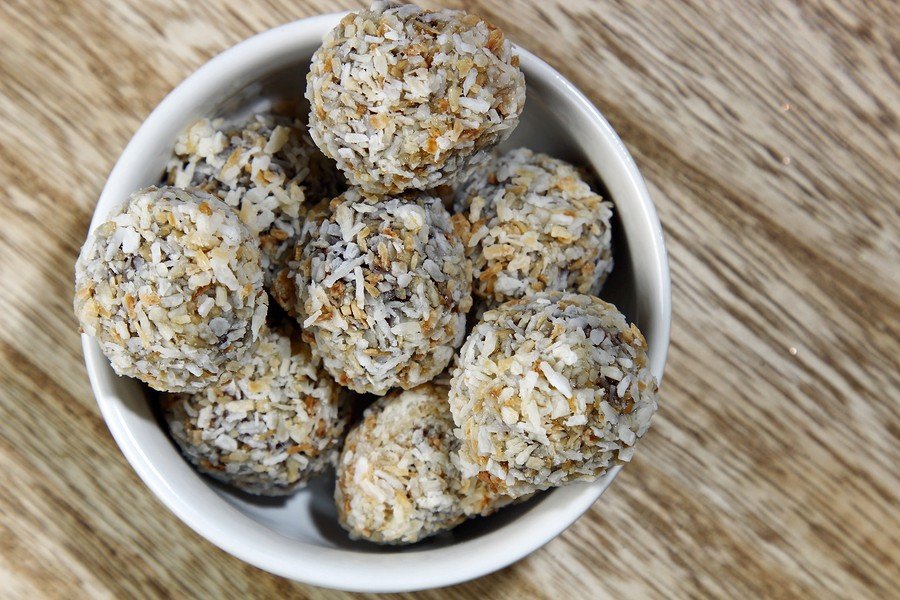
Energy bites are all the craze lately, and there are so many variations you can make. One of my favorite guilt-free dessert recipes are these vanilla maple bites. These are great for when you need a quick sweet treat or when you are craving something sweet after dinner.
This recipe calls for 20 soaked and pitted Medjool dates, ¼ cup pure grade B maple syrup, ¾ cup raw and soaked cashews, 1 Tbsp. pure maple syrup, and a pinch of sea salt. Simply place all the ingredients into a food processor and blend until the mixture comes together. Form into about 20 bite sized rounds roll in some unsweetened shredded coconut and store in the refrigerator.
If you find yourself craving something sweet try one of these quick, simple, and delicious guilt-free desserts instead. You will find that healthy eating doesn’t mean you can’t enjoy the occasional sweet treat it just means that there are healthier ways to enjoy them. Give these recipes a try, and you may be surprised at how much they satisfy that sweet tooth craving. Plus, you won’t have to worry about feeling guilty after eating them. It’s a win, win!
If you are suffering from weight gain, fatigue, hair loss and more, click here to schedule a phone call with me, so I can find out where you’ve been, where you want to get to, and how I can help you get there.
I know exactly where you are because I've been there myself...I remember being so tired that I could barely function. I gained 30 pounds out of nowhere and had a severe case of brain fog. I also started to get severe anxiety and panic attacks. I was driven and motivated...until I wasn't. I didn't know what was happening to me. All I wanted was to get my life back...
Finally, I learned about functional medicine and found a practitioner that I hoped could help me. They ran specialized tests that were far different than I had ever had before. When I got the results back, it turned out I had candida, parasites, high cortisol, the Epstein Bar Virus and many food intolerances. I also had an issue with my thyroid that no one found before because they were using the conventional medicine lab ranges which are way too broad....which I now know is one of the leading causes of hypothyroid misdiagnosis.
I went through treatment of all of these things and it completely changed my life. I immediately lost the 30 pounds I had gained plus more, I had a lot more energy, and my brain fog was gone. I felt amazing and knew that I wanted to help people find the underlying causes of their symptoms and disease.