

Help! I’m Having a Histamine Reaction
Do you occasionally experience a stuffy nose or watery eyes after you finish a meal? Or do some foods cause you to break out in hives or give you uncomfortable digestive symptoms? If you answered yes to either of these questions, you may be experiencing a histamine reaction.
The good news is that when you experience a histamine reaction, there are things you can do right away to help ease your symptoms and improve your response.
Here are my top seven strategies for dealing with a histamine reaction.
Distinguishing Between an Allergy and Histamine Intolerance
Allergies and histamine intolerance can be hard to distinguish because they simply have so much in common. Allergies and histamine intolerance can both cause similar symptoms, such as skin rashes, itching, runny nose, and digestive issues. However, the underlying mechanisms and triggers are different.
An allergy is an immune system response to a substance, such as pollen, food, or animal dancer. When a person with allergies is exposed to an allergen, their immune system overreacts and produces an antibody called immunoglobulin E (IgE), which triggers the release of histamine and other chemicals. This can lead to common allergy symptoms such as hives, swelling, itching, and breathing difficulties.
On the other hand, histamine intolerance occurs when a person’s body has difficulty breaking down histamine, a naturally occurring compound found in some foods and produced by the body. This can lead to an excess of histamine in the body, which can cause symptoms similar to those of an allergy.
To distinguish between an allergy and histamine intolerance, you must identify the trigger and underlying mechanism causing the symptoms. Allergy testing can be done to identify specific allergens that cause a reaction. In contrast, histamine intolerance is diagnosed by tracking symptoms after consuming foods high in histamine or other triggers, such as alcohol, certain medications, or stress.
Read more about how you can keep your allergies under control by tackling the root cause.
What is a histamine reaction?
A histamine reaction is the body’s response to the release of histamine, a chemical mediator released in response to allergens, infections, or other triggers. Histamine is released by specific immune cells, such as mast cells and basophils, and it can cause various symptoms depending on the trigger, location, and amount of histamine released.
In addition to histamine release during an allergic reaction, histamine can also be released in response to certain infections or as part of the body’s immune response. For example, histamine is released during an inflammatory response, which can cause redness, warmth, and swelling at the site of infection or injury.
Histamine can also cause symptoms in people with histamine intolerance. This occurs when the body has difficulty breaking down histamine, leading to excess histamine in the body. This can cause headaches, flushing, digestive issues, and skin rashes.
Symptoms of a histamine reaction?
Symptoms of a histamine reaction can vary depending on the underlying cause and the amount of histamine released. Here are some common symptoms associated with histamine reactions:
Allergic Reactions: Histamine is released in response to an allergen, causing symptoms such as:
- Itchy, watery eyes
- Runny or stuffy nose
- Sneezing
- Skin rashes, hives, or itching
- Swelling, particularly of the face, lips, and tongue
- Difficulty breathing, wheezing, or coughing
Histamine Intolerance: Histamine intolerance occurs when the body has difficulty breaking down histamine, leading to excess histamine in the body, causing symptoms such as:
- Headaches, migraines
- Digestive issues, such as bloating, diarrhea, or abdominal pain
- Skin rashes, itching, or flushing
- Low blood pressure
- Heart palpitations
- Anxiety or panic attacks
Inflammatory Response: Histamine is released as part of the body’s immune response, leading to symptoms such as:
- Redness, warmth, and swelling at the site of injury or infection
- Pain or tenderness at the site of injury or infection
- Fever or chills
Root Causes of a Histamine Reaction
The root causes of a histamine reaction can vary depending on the type of reaction and your specific triggers. Here are some common causes of a histamine reaction:
Allergies and inflammation:
Histamine reactions are often associated with allergic reactions and inflammatory responses, which occur when your immune system mistakenly identifies a harmless substance as a threat and produces histamine in response.
Histamine intolerance:
This occurs when your body has difficulty breaking down histamine, leading to excess histamine in the body. This can be caused by a deficiency of the enzyme diamine oxidase (DAO), which breaks down histamine in the digestive tract, or by an imbalance of histamine and other neurotransmitters in the body.
Dietary sources:
Some foods are naturally high in histamine or can trigger the release of histamine in the body. These include fermented foods, such as sauerkraut, aged cheeses, wine, and certain fruits and vegetables, such as citrus fruits and tomatoes. Because histamine can be surprisingly high in healthy and all-natural foods, I created my low-histamine cookbook to help inspire your low-histamine cooking.
Methylation deficiency:
Methylation is involved in the breakdown of histamine, and a deficiency in methylation (from MTHFR gene mutations or nutrient deficiencies such as folate, B12, or B6) may lead to decreased clearance of histamine and production of neurotransmitters, leading to a buildup of histamine in the body.
Gut flora imbalance:
Gut flora, the community of microorganisms in the digestive tract, breaks down histamine in the body. When the balance of gut flora is disrupted, the ability to break down histamine may be compromised, leading to increased histamine levels in the body.
Estrogen dominance:
Evidence suggests that estrogen dominance can increase histamine production in specific cells, leading to increased histamine levels in the body.
Environmental triggers:
Exposure to certain substances in the environment, such as environmental toxins or mold, can cause the immune system to release histamine, leading to a range of symptoms such as itching, hives, nasal congestion, and more.
Medications:
Some medications, such as NSAIDs and antibiotics, can cause the release of histamine in the body or interfere with the breakdown of histamine.
Stress:
Emotional or physical stress can trigger histamine release in the body.
Identifying the specific triggers of a histamine reaction can be challenging and may require working with a healthcare professional specializing in histamine. But once you identify the underlying cause, appropriate treatment and management strategies are available to help you minimize or prevent histamine reactions.

Top 7 Strategies for Managing a Histamine Reaction
Now that you have a little more insight into what may be causing your histamine reaction, it’s time to learn how to stop a histamine creation and clear histamine from the body fast.
Here are my top tips for managing the symptoms of a histamine reaction.
1. Use Mast Cell Stabilizers
Mast cell stabilizers are medications used to prevent or reduce the release of histamine and other inflammatory mediators from mast cells. They work by stabilizing the membranes of mast cells, which prevents the release of histamine and other inflammatory molecules in response to allergens or other triggers, helping to calm your reaction.
When selecting a mast cell stabilizer, it’s important to choose a supplement specially formulated to address histamine intolerance, such as HistoRelief, which contains a synergistic blend of nutrients that helps balance your immune response during a histamine reaction.
2. Increase DAO Enzymes
Diamine oxidase (DAO) is an enzyme that helps break down histamine in the body. Because DAO is primarily produced in the small intestines, it is crucial to maintain a healthy gut for optimal DAO function. In addition, some nutrients, such as vitamin C, vitamin B6, copper, and zinc, are essential for the production and function of DAO, and deficiencies in these nutrients can contribute to low DAO levels.
In a pinch, DAO supplements can help increase DAO levels in the body and help break down histamine from food. But while DAO supplements can be helpful for some people, they may not be effective for everyone. Trying other natural methods to increase DAO enzymes may be a better option for controlling histamine reactions during their occurrence.
3. Apply a Cool Compress
For skin reactions, applying cool compresses or taking cool baths can help to reduce inflammation and itching, while moisture can help to soothe dry or irritated skin. It’s important to avoid using hot or warm compresses, as they can exacerbate the symptoms of a histamine reaction. Try applying a cool compress to an affected area for 10-15 minutes, repeating several times a day as needed.
4. Practice Stress Management Techniques
Emotional or physical stress activates the immune system and increases inflammation, triggering a histamine reaction in some individuals. Managing stress through techniques such as deep breathing, meditation, exercise, or yoga can help reduce the frequency and severity of histamine reactions.
5. Sleep It Off
Getting enough sleep is essential for overall health and can help reduce histamine reactions. While sleeping, the body repairs and regenerates tissues, reduces inflammation, and reduces stress, all of which can help reduce the severity of a histamine reaction.
6. Ginger
A low-histamine diet is one of the best long-term strategies for preventing histamine reactions. However, if you’re experiencing a histamine reaction consuming antihistamine foods can help calm the reaction while it’s happening. And one of the most potent known antihistamine and anti-inflammatory foods is ginger.
If you’re experiencing a histamine reaction, try chewing on fresh ginger, drinking ginger tea, or cooking with ginger to help quickly reduce inflammation and support digestion.
7. Use Other Natural Remedies
Several natural treatments may help manage a histamine reaction. Here are some of my favorite options:
Quercetin. Quercetin is a plant-based compound in foods such as onions, apples, and berries. It has anti-inflammatory properties and can help stabilize mast cells. Quercetin supplements are available in most health food stores.
Nettle Leaf. Nettle Leaf is a natural antihistamine that can help to reduce allergy symptoms such as sneezing, itching, and congestion. It can be taken in team form or as a supplement.
Vitamin C. Vitamin C is an antioxidant that can help to reduce inflammation and stabilize mast cells. It is found in many fruits and vegetables, such as citrus fruits, bell peppers, and broccoli as well as in supplement form.
It’s important to note that, in some cases, histamine reactions can be severe and require emergency medical attention. If you experience symptoms such as difficulty breathing, swelling of the face or throat, or a rapid heartbeat, you should seek immediate medical attention.

Preventing Future Histamine Reactions
I believe having a toolkit of strategies for dealing with a histamine reaction is essential. And while my top seven tips for managing a histamine reaction are an excellent place to start, they will not provide you with the deep and lasting healing you deserve.
Long-lasting healing is only possible when you identify and treat the root cause of your histamine reactions. When you work with us, we partner to identify the underlying patterns contributing to your symptoms and devise a plan to provide lasting outcomes. Our revolutionary care model allows you to give your body the care and love it needs to feel like yourself again.
Are you experiencing histamine issues?
Let’s talk!
Schedule a new patient consultation today to get started.
Want more?
Try our Histamine Reset Online Program to begin healing your body on your time.
Resources I
- "Allergy Symptoms | AAFA.org." https://aafa.org/allergies/allergy-symptoms/. Accessed 12 Apr. 2023.
- "Histamine Intolerance: The Current State of the Art - PMC - NCBI." 14 Aug. 2020, https://www.ncbi.nlm.nih.gov/pmc/articles/PMC7463562/. Accessed 12 Apr. 2023.
- "Histamine and histamine intolerance - ScienceDirect.com." https://www.sciencedirect.com/science/article/pii/S0002916523280533?via%3Dihub. Accessed 12 Apr. 2023.
- "Allergies: Overview - InformedHealth.org - NCBI Bookshelf." 23 Apr. 2020, https://www.ncbi.nlm.nih.gov/books/NBK447112/. Accessed 12 Apr. 2023.
- "Histamine Intolerance—The More We Know the Less We ... - NCBI." 29 Jun. 2021, https://www.ncbi.nlm.nih.gov/pmc/articles/PMC8308327/. Accessed 12 Apr. 2023.
- "What is an inflammation? - InformedHealth.org - NCBI Bookshelf." 23 Nov. 2010, https://www.ncbi.nlm.nih.gov/books/NBK279298/. Accessed 12 Apr. 2023.
- "Role of Histamine in Modulating the Immune Response and ... - NCBI." https://www.ncbi.nlm.nih.gov/pmc/articles/PMC6129797/. Accessed 12 Apr. 2023.
- "Histamine Intolerance in Clinical Practice - Peirson Center for Children." https://www.peirsoncenter.com/uploads/6/0/5/5/6055321/maintz2006.pdf. Accessed 12 Apr. 2023.
- "Histamine Intolerance: The Current State of the Art - PMC - NCBI." 14 Aug. 2020, https://www.ncbi.nlm.nih.gov/pmc/articles/PMC7463562/. Accessed 12 Apr. 2023.
- "Estrogen effects in allergy and asthma - PMC - NCBI." https://www.ncbi.nlm.nih.gov/pmc/articles/PMC3537328/. Accessed 17 Apr. 2023.
Resources II
- "The Effects of Environmental Toxins on Allergic Inflammation - PMC." 15 Oct. 2014, https://www.ncbi.nlm.nih.gov/pmc/articles/PMC4214967/. Accessed 17 Apr. 2023.
- "Impact of mold on mast cell-cytokine immune response - PubMed." https://pubmed.ncbi.nlm.nih.gov/30043558/. Accessed 17 Apr. 2023.
- "[Drug hypersensitivity in patients with presumed histamine ... - PubMed." https://pubmed.ncbi.nlm.nih.gov/31282837/. Accessed 12 Apr. 2023.
- "Acute stress modulates the histamine content of mast cells in ... - NCBI." https://www.ncbi.nlm.nih.gov/pmc/articles/PMC2343625/. Accessed 12 Apr. 2023.
- "Mast Cell Stabilizer - an overview | ScienceDirect Topics." https://www.sciencedirect.com/topics/nursing-and-health-professions/mast-cell-stabilizer. Accessed 12 Apr. 2023.
- "Histamine Intolerance Originates in the Gut - PMC - NCBI." 12 Apr. 2021, https://www.ncbi.nlm.nih.gov/pmc/articles/PMC8069563/. Accessed 17 Apr. 2023.
- "Diamine oxidase supplementation improves symptoms in patients ...." 24 May. 2019, https://www.ncbi.nlm.nih.gov/pmc/articles/PMC6859183/. Accessed 12 Apr. 2023.
- "Ginger extract versus Loratadine in the treatment of allergic rhinitis." https://www.ncbi.nlm.nih.gov/pmc/articles/PMC7171779/. Accessed 12 Apr. 2023.
- "Quercetin and Its Anti-Allergic Immune Response - PMC - NCBI." 12 May. 2016, https://www.ncbi.nlm.nih.gov/pmc/articles/PMC6273625/. Accessed 12 Apr. 2023.
- "Nettle extract (Urtica dioica) affects key receptors and enzymes ...." https://pubmed.ncbi.nlm.nih.gov/19140159/. Accessed 12 Apr. 2023.
- "Impact of oral vitamin C on histamine levels and seasickness." https://pubmed.ncbi.nlm.nih.gov/25095772/. Accessed 12 Apr. 2023.

7 Natural Ways to Clear Histamine From the Body
If you suffer from symptoms of histamine intolerance like hives, headaches, or GI symptoms, one of the best things you can do is work to prevent, control, or stop a histamine reaction. And the best way to do that is by clearing histamine from your body so that it has room for the unavoidable histamine that is part of our daily lives. From diet to lifestyle choices and supplements, here are my top 7 ways to naturally clear histamine from the body.
What is histamine?
Histamine is a molecule produced by the body’s immune and nervous systems involved in various physiological processes, including allergic reactions, inflammation, gastric acid secretion, and neurotransmission.
Histamine, stored in specialized cells called mast cells, is released in response to injury or invasion by foreign substances such as allergens, bacteria, and viruses, causing a range of symptoms, including itching, swelling, redness, and increased mucus production.
What is histamine intolerance?
Histamine intolerance is when a person experiences various symptoms after consuming foods or drinks high in histamine or exposure to environmental factors that cause histamine release. This is due to the body’s inability to break down and eliminate excess histamine effectively.
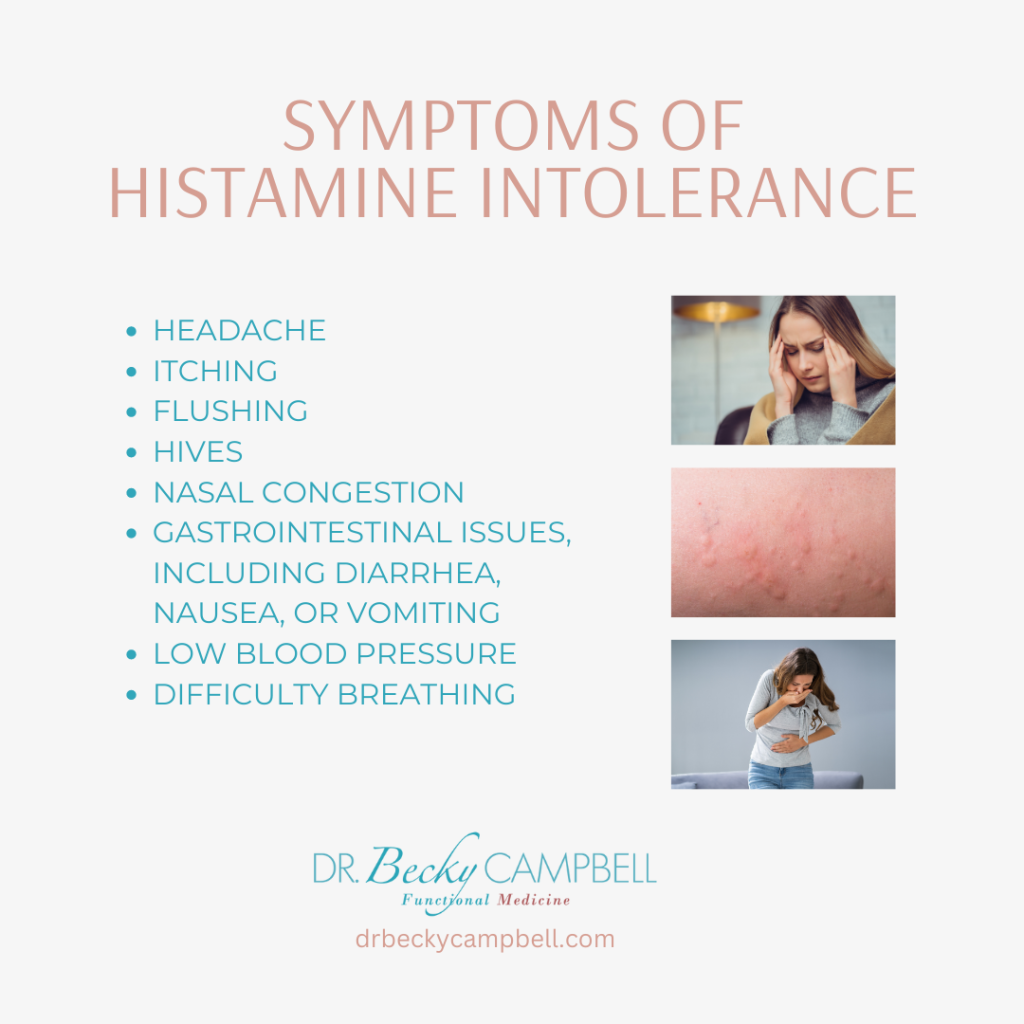
Symptoms of histamine intolerance can vary widely but may include the following:
- Headache
- Itching
- Flushing
- Hives
- Nasal congestion
- Gastrointestinal issues, including diarrhea, nausea, or vomiting
- Low blood pressure
- Difficulty breathing
Causes of Histamine Intolerance
The exact cause of histamine intolerance is not fully understood, but it is a multifactorial condition related to genetics, diet, and lifestyle. And the underlying cause can vary from person to person.
Some factors that may contribute to histamine intolerance include:
Histamine-rich Foods
Certain foods, such as aged or fermented foods, cured meats, canned fish, and certain fruits and vegetables, can contain high levels of histamine, which can trigger symptoms in people with histamine intolerance.
Enzyme Deficiencies
Enzymes in the body typically break down histamine, including diamine oxidase (DAO) and histamine N-methyltransferase (HNMT) enzymes. If these enzymes are not functioning properly, histamine can accumulate in the body and cause symptoms of histamine intolerance.
Medications
Some medications, such as nonsteroidal anti-inflammatory drugs (NSAIDs), can inhibit the activity of DAO, leading to an accumulation of histamine in the body.
Gastrointestinal Disorders
People with gastrointestinal disorders, such as inflammatory bowel disease, leaky gut syndrome, or SIBO, may have reduced DAO activity and increased histamine levels, leading to histamine intolerance.
Stress
Chronic stress can lead to an increase in histamine release, exacerbating histamine intolerance symptoms.
Genetics
Some people may be genetically predisposed to histamine intolerance, as certain genetic variations can affect the activity of DAO and HNMT enzymes.
Underlying Medical Conditions
Certain medical conditions, such as mast cell activation syndrome (MCAS) and autoimmune disorders, can increase histamine levels in the body and lead to the development of histamine intolerance.
Hormones
Hormonal changes, such as those that occur during menstruation or pregnancy, can affect histamine levels in the body and trigger symptoms of histamine intolerance.

7 Natural Ways to Clear Histamine From the Body
Clearing histamine from the body can help alleviate a range of unpleasant symptoms and prevent severe allergic reactions. By reducing histamine levels through natural methods such as diet, exercise, and stress management, individuals with allergies or histamine intolerance can improve their quality of life while avoiding potentially dangerous allergic reactions.
Here are 7 natural ways to clear histamine from the body:
1. Eat a low histamine diet.
Some foods, such as aged cheeses, fermented foods, processed meats, shellfish, nuts, citrus fruits, chocolate, and tomatoes, are high in histamine. By avoiding these foods and opting for fresh fruits, vegetables, and lean proteins, you can reduce your intake of histamine or foods that can trigger the release of histamine.
2. Take a high-quality probiotic.
Research suggests that certain strains of high-quality probiotics, such as Lactobacillus rhamnosus, Bifidobacterium lactis, and Lactobacillus plantarum, may help to reduce histamine levels in the body. These probiotics improve gut health, reduce inflammation, and promote the growth of beneficial bacteria that can help break down histamine.
3. Incorporate a DAO supplement.
DAO supplements are dietary supplements that can break down histamine when the body’s natural DAO production is insufficient. Even though the research to support DAO supplements for people with histamine intolerance is limited, it’s believed that using DAO supplements can help break down excess histamine in the digestive system, preventing it from being absorbed into the bloodstream and causing unwanted symptoms.
4. Utilize natural antihistamines.
Natural antihistamines found in certain herbs and supplements can help alleviate histamine intolerance symptoms by blocking the effects of histamine on the body. Natural antihistamines that may be helpful with histamine intolerance include the following:
- Quercetin: A flavonoid found in foods such as onions, apples, and berries.
- Vitamin C: A natural antihistamine that can help to reduce inflammation and support immune function.
- Nettle leaf: A natural antihistamine that can help to reduce allergy symptoms.
- Butterbur: A plant with natural antihistamine properties available in supplement form.
- Omega-3 fatty acids: Omega-3 fatty acids found in fatty fish or fish oil supplements can help to reduce inflammation in the body, which may help to alleviate allergy-like symptoms.
These natural antihistamines can be found in many supplements, but we recommend Optimal Reset Histo Relief. Optimal Reset HistoRelief combines many of these natural antihistamines along with proprietary blends that help support the immune system while helping support healthy histamine levels in the body.
5. Drink plenty of water.
Drinking enough water is essential for overall health and can help manage histamine intolerance symptoms. Here’s how drinking water can help with histamine intolerance:
- Histamine is a byproduct of many cellular processes in the body and needs to be eliminated through urine. Drinking enough water can help to flush out histamine (along with other toxins) from the body and prevent it from building up and triggering symptoms.
- Dehydration can trigger the release of histamine in the body, leading to symptoms such as headaches and skin irritation.
- Proper digestion is important for managing histamine intolerance because poorly digested foods can trigger histamine release. Staying hydrated can help support proper digestion.
6. Focus on decreasing your stress.
Stress is a common trigger for histamine intolerance symptoms, as it can increase inflammation and trigger histamine release. So, managing stress through meditation, yoga, or deep breathing exercises can help reduce histamine levels.
7. Sweat them out.
Regular sweat sessions (i.e., exercise) increase blood flow and lymphatic drainage, which can help to remove histamine from the body. Still, choosing the right type of exercise for your body is important. Here are some tips for exercising with histamine intolerance:
- Choose low-impact activities: High-impact activities such as running and jumping can increase histamine release and trigger symptoms. Instead, try incorporating lower-impact activities such as yoga, swimming, or walking. I also always recommend incorporating resistance training with rests between each set.
- Gradually increase activity levels: If you’re not accustomed to regular exercise, it’s important to increase your activity levels gradually. This prevents overexertion and the release of histamine.
- Consider the timing for exercise: Many people with histamine intolerance find that exercising in the morning can be beneficial when histamine levels are naturally lower. But it’s important to listen to what feels good for your body.
How long does it take to lower histamine levels?
The time it takes to lower histamine levels in the body can vary depending on the individual and the cause of the histamine intolerance. In some cases, such as exposure to a histamine-rich food, symptoms may resolve within a few hours to a few days.
However, it may take longer for those with chronic histamine intolerance to lower histamine levels and alleviate symptoms. Making dietary and lifestyle changes, such as those mentioned above, can gradually help lower histamine levels over time, but only when you get to the root cause of your histamine intolerance will you find full recovery.
It’s important to remember that lowering histamine levels is not a quick fix and may require ongoing management to prevent symptoms from recurring. And if you have any underlying health conditions or are taking medications that affect histamine levels, it’s important to work with your healthcare provider to identify the root cause and determine the best course of treatment for you.
Clear Histamine and Reset Your Body
Deep and lasting healing is only possible when the root causes of illness are addressed. Understanding the core systems of the body, how they are related, and how your function can be restored can prevent and even reverse histamine intolerance.
These 7 natural ways to clear histamine from your body are a great way to start. But resetting your body for true healing can require further investigation and support to uncover the root cause of your symptoms.
When you work with us, we partner to identify the underlying patterns contributing to your symptoms and devise a plan to provide lasting outcomes. Our revolutionary care model allows you to provide your body with the care and love it needs to feel like yourself again.
Schedule a new patient consultation today to get started.
Still preparing for a consultation? Try our Histamine Reset Online Program to begin healing your body on your time.
Resources
- "Histamine Intolerance: The Current State of the Art - PMC - NCBI." 14 Aug. 2020, https://www.ncbi.nlm.nih.gov/pmc/articles/PMC7463562/. Accessed 30 Mar. 2023.
- "Biochemistry, Histamine - StatPearls - NCBI Bookshelf." 8 May. 2022, https://www.ncbi.nlm.nih.gov/books/NBK557790/. Accessed 30 Mar. 2023.
- "Histamine and histamine intolerance - Oxford Academic." 1 May. 2007, https://academic.oup.com/ajcn/article/85/5/1185/4633007. Accessed 30 Mar. 2023.
- "Histamine Intolerance Originates in the Gut - PMC - NCBI." 12 Apr. 2021, https://www.ncbi.nlm.nih.gov/pmc/articles/PMC8069563/. Accessed 30 Mar. 2023.
- "What we know about nonsteroidal anti-inflammatory drug ... - NCBI." 31 Mar. 2016, https://www.ncbi.nlm.nih.gov/pmc/articles/PMC4855107/. Accessed 30 Mar. 2023.
- "Histamine drives severity of innate inflammation via ... - NCBI." 24 Jan. 2018, https://www.ncbi.nlm.nih.gov/pmc/articles/PMC5976516/. Accessed 30 Mar. 2023.
- "Acute stress modulates the histamine content of mast cells in ... - NCBI." https://www.ncbi.nlm.nih.gov/pmc/articles/PMC2343625/. Accessed 30 Mar. 2023.
- "Genes of the Histamine Pathway and Common Diseases." 2 Feb. 2018, https://link.springer.com/article/10.1134/S1022795418010088. Accessed 30 Mar. 2023.
- "Role of Histamine in the Pathogenesis of Autoimmune Disease." https://link.springer.com/article/10.1007/BF03259251. Accessed 30 Mar. 2023.
- "Estrogen effects in allergy and asthma - PMC - NCBI." https://www.ncbi.nlm.nih.gov/pmc/articles/PMC3537328/. Accessed 30 Mar. 2023.
- "Is There a Diet for Histamine Intolerance?." https://www.jandonline.org/article/S2212-2672(14)01454-3/pdf. Accessed 30 Mar. 2023.
- "Probiotic Therapy as a Novel Approach for Allergic Disease - NCBI." https://www.ncbi.nlm.nih.gov/pmc/articles/PMC3448073/. Accessed 30 Mar. 2023.
- "Diamine oxidase supplementation improves symptoms in patients ...." 24 May. 2019, https://www.ncbi.nlm.nih.gov/pmc/articles/PMC6859183/. Accessed 30 Mar. 2023.
- "Quercetin and Its Anti-Allergic Immune Response - PMC - NCBI." 12 May. 2016, https://www.ncbi.nlm.nih.gov/pmc/articles/PMC6273625/. Accessed 30 Mar. 2023.
- "Impact of oral vitamin C on histamine levels and seasickness." https://pubmed.ncbi.nlm.nih.gov/25095772/. Accessed 30 Mar. 2023.
- "Nettle extract (Urtica dioica) affects key receptors and enzymes ...." https://pubmed.ncbi.nlm.nih.gov/19140159/. Accessed 30 Mar. 2023.
- "The effects of butterbur on the histamine and allergen cutaneous ...." https://pubmed.ncbi.nlm.nih.gov/14989395/. Accessed 30 Mar. 2023.
18. "Exploring the Effects of Omega-3 and Omega-6 Fatty Acids ... - NCBI." 6 Feb. 2016, https://www.ncbi.nlm.nih.gov/pmc/articles/PMC4783952/. Accessed 30 Mar. 2023.

Stuffed Zucchini
Stuffed Zucchini
- 2 medium zucchini
- 2 tbsp olive oil
- 1/2 yellow onion (chopped)
- 2 cloves garlic (diced finely)
- 1/4 lb ground beef (grass fed)
- 3/4 tsp cumin
- 1 tbsp dried mint
- 1/2 tsp salt
- 1/2 tsp pepper
- 1 cup cauliflower (riced)
- 2 tbsp fresh dill (plus more to garnish)
- Preheat the oven to 400 degrees.
- Cut zucchinis in half lengthwise and carefully scoop out the centers with a spoon, being careful not to break through the skin. Roughly chop the scooped out zucchini flesh and set aside. Place the hollowed zucchini halves into a baking dish.
- Add the olive oil to a medium sauté pan over medium heat. Add the onions to the pan and cook for 3-4 minutes until they begin to soften. Add the garlic to the pan and cook for another 1-2 minutes then add the roughly chopped zucchini and cook until softened. Add the ground beef to the pan and cook, breaking apart with a wooden spoon, until well browned, around 8-10 minutes. Add the cumin, dried mint, salt and pepper and stir well to combine. Remove the pan from the heat and stir in the cauliflower rice and fresh dill.
- Spoon the filling into the hollowed zucchinis, mounding them high and then drizzle with additional olive oil. Cover the baking dish with parchment lined baking foil and cook for 25-30 minutes. Zucchini should be tender and pierced easily with a knife but not mushy and falling apart. Garnish with additional fresh dill.

Histamine Intolerance, Autoimmunity, and Multiple Sclerosis
Did you know that multiple sclerosis (MS) affects about 1 million people in the United States? Multiple sclerosis is an autoimmune disease that affects your brain and spinal cord. It involves an immune-mediated process that involves an abnormal immune response that attacks your central nervous system (CNS) which is made up of your spinal cord, brain, and optic nerves. Symptoms of multiple sclerosis can affect your motor function, eye health, neurological function, and other areas of your health.
You may wonder why am I talking about multiple sclerosis as a functional medicine doctor who specializes in histamine intolerance. My interest is not surprising considering that research suggests that there is a connection between histamine intolerance and autoimmune diseases, such as multiple sclerosis. I regularly see patients who visit my practice because they have done all the steps to address their autoimmune disease yet are still dealing with a variety of chronic symptoms. The answer usually lies in histamine intolerance. Once we address that, they usually see a decrease in symptoms and improved health. If you are still dealing with symptoms despite your effort to recover, histamine intolerance may just be your answer too.
In this article, you will learn what histamine intolerance is. You will understand its main root causes and the most common symptoms. You will learn about autoimmune disorders. I will discuss what autoimmune disorders are, what are the underlying causes and most common symptoms of autoimmune disorders, and how they are diagnosed. You will learn about the connection between autoimmune disorders and histamine intolerance. You will learn about multiple sclerosis. I will discuss what multiple sclerosis is, what are the main causes and most common symptoms of MS, and how it’s diagnosed. I will share my top recommendations to address histamine intolerance naturally if you have any multiple sclerosis or any other autoimmune disease.
What Is Histamine Intolerance
You’ve probably heard about histamine from anti-histamine medications prescribed for allergies. Because of the ‘anti’ part of the word ‘anti-histamine’, histamine gets a bad rap, when in fact, it's actually incredibly important for your health and well-being.
Histamine is an important part of your immune system. It is a critical chemical that is responsible for a variety of functions in your body, including getting rid of allergens as part of your immune response, communicating with your brain, and triggering stomach acid release to aid digestion. Under normal circumstances, your body releases DAO enzymes to take care of and breakdown any build-up of any excess histamine, however, if you don’t have enough DAO enzymes or if you have more histamine that these enzymes can handle, it will result in excess histamine.
Histamine intolerance means that your body has too much histamine, more than it can handle, which can lead to various health issues. Histamine intolerance can affect your entire body, including your gut, brain, lungs, cardiovascular system, and hormonal health. It can lead to inflammation, immune health issues, autoimmune reactions, and symptoms all over your body. Histamine intolerance can manifest in a variety of ways, including hormonal issues, migraines, headaches, skin problems, digestive issues, sleep disturbances, bladder problems, anxiety, fast heart rate, blood sugar issues, seasonal allergies, and more (1).
Symptoms of Histamine Intolerance
Symptoms of histamine intolerance may differ from person to person. They may affect your entire body. Symptoms of histamine intolerance may include:
- Fatigue
- Sleep disturbances or insomnia
- Headaches or migraines
- Diarrhea
- Nausea or vomiting
- Acid reflux
- Other digestive issues
- Congestion or runny nose
- Eczema, psoriasis, and other skin issues
- Hives
- Flushing
- Facial swelling or other tissues swelling
- Red eyes
- Tightness in the throat
- Asthma attacks
- Seasonal allergies and hay fever
- Crawling sensation on the skin or scalp
- Low blood pressure
- Hypertension
- Tachycardia or fast heart rate
- Heart palpitations
- Drop in blood pressure when standing up
- Vertigo or dizziness
- Anxiety
- Panic attacks
- Confusion
- Irritability
- Mood fluctuations
- Abnormal menstrual cycle
- Premenstrual syndrome (PMS)
- Abnormal menstrual cycle
- Bad morning sickness or hyperemesis gravidarum
Causes of Histamine Intolerance
Histamine intolerance doesn’t just happen out of nowhere. There are a variety of factors that may set you up for histamine intolerance. During your treatment plan, we can uncover potential root causes of your histamine intolerance and address them to achieve a full recovery and optimal health.
The main root cause of histamine intolerance include:
- Mast cell activation syndrome (MCAS)
- Gluten intolerance
- Leaky gut syndrome
- Gut infections
- Inflammatory digestive disease
- Nutrient deficiencies
- Genetic mutations
- Certain medications
What Are Autoimmune Disorders
Your immune system’s job is to defend against foreign pathogens, like viruses, bacteria, yeast, and toxins, and even cancer cells. Under normal circumstances, a healthy immune system is able to protect your body from disease and infection through an immune response. It produces antibodies that help to destroy pathogens. It basically releases an army of fighting cells to attack and destroy any foreign invaders that may harm you.
If you have an autoimmune disease, your body is no longer able to distinguish between its own healthy cells, unhealthy cells, and foreign invaders. It means that your immune system is malfunctioning and mistakenly attacks its own healthy cells, tissues, and organs.
Having an autoimmune disorder may result in the destruction of body tissue, changes in organ function, and the abnormal growth or function of an organ. Depending on the autoimmune disorder you are dealing with, it may affect only one or multiple organs and tissues. Autoimmune disorders may affect your joints, connective tissues, muscles, skin, endocrine glands, such as your thyroid or pancreas, blood vessels, red blood cells, and brain. These come with an array of symptoms for fatigue, pain, skin issues, digestive problems, to practically any other chronic symptoms. Autoimmune diseases can seriously weaken your bodily functions. They can be debilitating and in some cases even life-threatening when left untreated (2, 3).
Causes of Autoimmune Disorders
While the exact cause of autoimmune disorders is not yet completely understood, there are multiple factors that may play a role (2, 3, 4, 5, 6):
- Being female over being male
- Genetics and family history
- Eating an inflammatory diet
- Pesticides, mercury, and other toxic exposure
- Poor gut microbiome imbalance
- Infections, including gut infections and chronic infections
- Chronic stress
- Ultraviolet radiation

Common Autoimmune Disorders
While there are hundreds of autoimmune disorders out there, the most common autoimmune disorders include (7):
- Hashimoto’s thyroiditis
- Graves’ disease
- Celiac disease
- Multiple sclerosis
- Systemic lupus erythematosus (SLE)
- Rheumatoid arthritis (RA)
- Inflammatory bowel diseases (IBD), such as Crohn’s disease and ulcerative colitis
- Psoriasis and psoriatic arthritis
- Addison’s disease
- Sjögren’s syndrome
- Type 1 diabetes
- Pernicious anemia
- Myasthenia gravis
- Autoimmune vasculitis

Symptoms of Autoimmune Disease
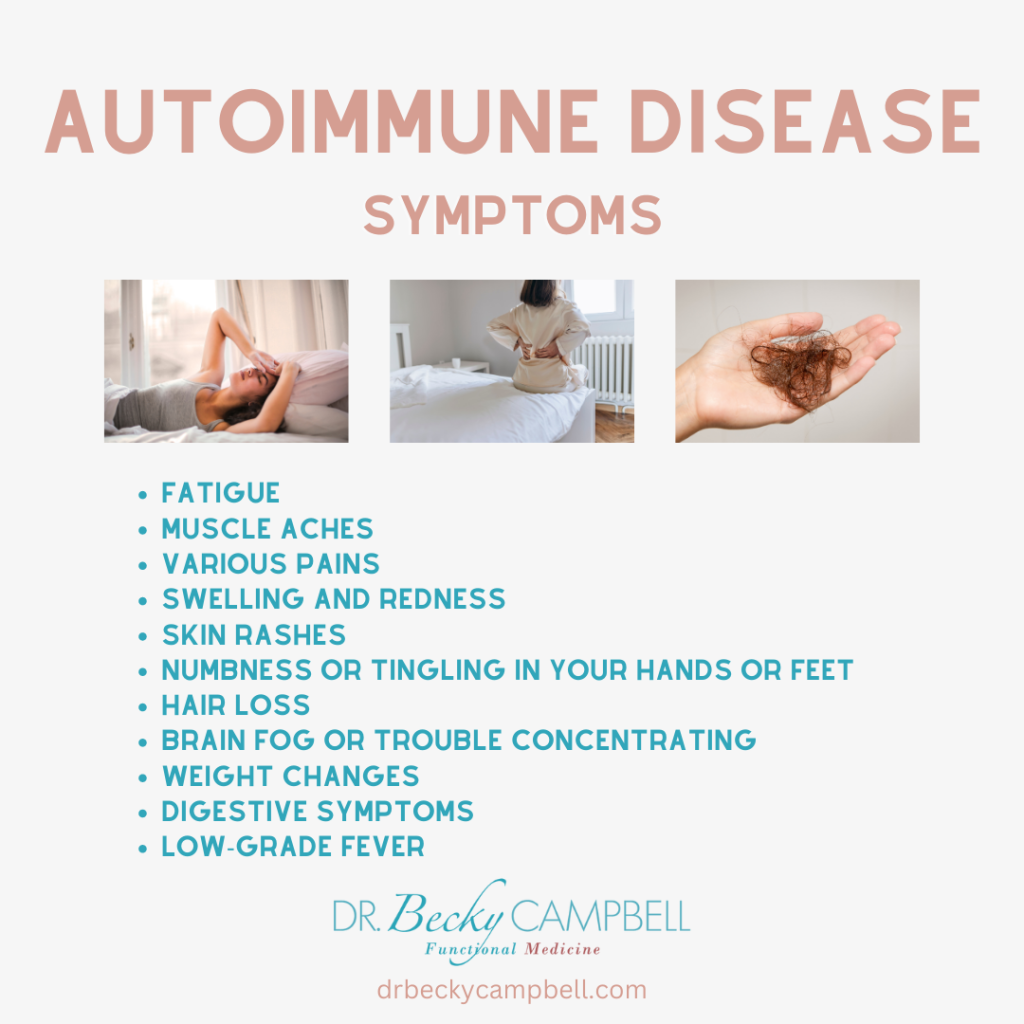
Symptoms of an autoimmune disease can vastly differ depending on which autoimmune condition you are dealing with. However, early symptoms of many autoimmune conditions may be similar. Early symptoms of autoimmune disease may include:
- Fatigue
- Muscle aches
- Various pains
- Swelling and redness
- Skin rashes
- Numbness or tingling in your hands or feet
- Hair loss
- Brain fog or trouble concentrating
- Weight changes
- Digestive symptoms
- Low-grade fever
Again, your symptoms may vary depending on your autoimmune disease. Symptoms often go in periods of flare and remission. Many of these symptoms may also mimic other chronic health issues, including fibromyalgia, Lyme’s disease, chronic fatigue syndrome, non-autoimmune thyroid disease, non-autoimmune digestive issues, or non-autoimmune skin issues, or other health issues, including histamine intolerance, mast cell activation syndrome, or food sensitivities. Working with a healthcare practitioner, getting the appropriate testing, and receiving the right diagnosis is critical for an appropriate treatment protocol and recovery.
Diagnosis of an Autoimmune Disease
After going through your health history, symptoms, and a physical exam, your doctor will likely order a variety of tests. An antinuclear antibody test (ANA) is commonly used as a first step to determine if you have an autoimmune disorder. Other blood tests may also be used to look for specific antibodies or inflammation. Depending on the type of autoimmune disease you have, other tests, including imaging, may be used for a proper diagnosis and appropriate treatment.
What Is Multiple Sclerosis
Multiple sclerosis (MS) is an autoimmune disease and a nervous system disease that affects your brain and spinal cord. It affects about 1 million people in the United States alone. It is the most common, non-traumatic cause of neurological disability among young people in both North-America and Western-Europe. MS involves an immune-mediated process that involves an abnormal immune response that attacks your central nervous system (CNS) which is made up of your spinal cord, brain, and optic nerves. This results in inflammation within your CNS that also damages the myelin sheath, a fatty material that surrounds, insulates and protects your nerve fibers and nerve cells.
MS can result in a variety of issues. When the myelin sheath or nerve fibers are harmed or destroyed, it can negatively affect or even stop important messages within your CNS. Multiple sclerosis refers to multiple areas of scarring because of the scar tissue that develops in the damaged areas of your CNS. Any damage that occurs within your CNS can result in a variety of neurological symptoms. Symptoms and the severity of symptoms may differ from person to person, the progress of the disease, and the success of their treatment (8, 9, 10, 11).
Causes of Multiple Sclerosis
The causes of MS are not completely understood yet, but the combination of genetic, environmental, immunological, dietary, and lifestyle factors may all play a role. Causes of multiple sclerosis may include (12, 13, 14, 15):
- Genetics and family history
- Abnormal immune response
- Vitamin D deficiency
- Smoking
- Obesity
- Chronic infections, including the Epstein-Barr Virus (EBV), human herpes virus, Chlamydia pneumonia, and measles
- Environmental allergies
- Heavy metals and other toxins
- Gut dysbiosis
- Mitochondrial dysfunction
- Eating an inflammatory diet
- Chronic stress
- Geographic and socioeconomic factors
- Lyme disease

Symptoms of Multiple Sclerosis
Symptoms of multiple sclerosis may affect your motor functions, vision, and other areas of your health. These may include:
- Numbness or weakness in one or more limbs, usually one on the side or your legs and trunk
- Electric-shock sensations that happen with certain neck movements, such as moving your neck forward, which is also referred to as the Lhermitte sign
- Tremors
- Unsteady gait
- Lack of coordination or balance
- Muscle weakness
- Dizziness
- Tingling in parts of your body
- Pain in parts of your body
- Fatigue
- Blurry vision
- Partial or complete vision loss typically affecting one eye at a time
- Prolonged double vision
- Thinking and memory problems
- Trouble organizing thoughts
- Slurred speech
- Mood swings and irritability
- Problems with bladder, bowel, and sexual functions

Diagnosis of Multiple Sclerosis
The timely diagnosis of multiple sclerosis is critical to prevent permanent neurological damage and start appropriate treatment as soon as possible. Diagnosis of multiple sclerosis involves a variety of tests. After going through your medical history and symptoms, your doctor may order a neurological exam, eyes exam, various imaging, and sometimes a spinal tap. Various blood tests may be used to rule out other autoimmune and chronic health conditions (16).
Histamine Intolerance and Autoimmunity
You might’ve noticed that the symptoms of histamine intolerance and common symptoms of autoimmunity overlap. Certain possible causes of histamine intolerance and autoimmune diseases, including gut microbiome balance, chronic infections, an inflammatory diet, and toxin exposure, also overlap.
Can some of your autoimmune symptoms be contributed to or enhanced by histamine intolerance? Is there a connection between histamine intolerance and autoimmunity? Can histamine intolerance be the missing link in the understanding and treatment of autoimmune conditions?
Research suggests that both histamine and your mast cells that release histamine play an active role in the development and symptoms of autoimmune diseases. Many autoimmune conditions, including multiple sclerosis, rheumatoid arthritis, and Hashimoto’s thyroiditis are all characterized by increased mast cell activity, histamine release, and inflammatory agent activity.
According to a 1994 study published in Clinical Immunotherapy, histamine may play a role in autoimmune diseases. The study explains that “histamine participates in the regulation of the immune response via binding to specific histamine receptors expressed on cells of immune origin. Histamine may be involved in the development of autoimmune disease via a pathological change in its regulation of the expression of MHC class II restriction antigens by action on histamine H2 receptors.” Researchers suggest that mast cell stabilizing drugs or specific histamine H2 receptor antagonists may be beneficial in reducing autoimmune activity (17).
A 2015 review published in Mediators of Inflammation explains that autoimmune diseases and allergic diseases share similarities, including a hypersensitive immune response that ends up destroying your own body. Mast cells can counteract T regulatory (Treg) cell function. Mast cells and histamine release have also been shown to promote inflammation in both multiple sclerosis and rheumatoid arthritis. The review suggests that targeting mast cells may be a new treatment option for certain autoimmune diseases (18).
A 2012 study published in Biochimica et Biophysica Acta (BBA) has also connected mast cell activity to autoimmunity. The study explains that your mast cells are innate immune cells that also contribute to pathogenic responses that contribute to autoimmune diseases, such as multiple sclerosis, rheumatoid arthritis, and bullous pemphigoid. Mast cell histamine response is necessary during an encounter with an allergen or an infection. Similar to this role, they also play a role when inflammation occurs. Mast cells are necessary for the recruitment of neutrophils, which make up 40 to 70 percent of your blood cells, around the area of inflammation. While the role of mast cells in recruiting neutrophils is necessary and beneficial in infections, when it comes to inflammation related to autoimmune settings, it can become highly problematic. Neutrophils can promote local vascular permeability which allows inflammatory cells to enter and contribute to the destruction of tissues (19).
Histamine Intolerance and Multiple Sclerosis
Much of the research on the relationship between histamine intolerance and autoimmune diseases has been done on multiple sclerosis. To understand the connection, you have to understand that there are four types of histamine categorized based on their ability to bind to protein: H1, H2, H3, and H4.
Types of Histamine Receptors
- H1 Histamine Receptor: The H1 histamine receptor plays a role in your allergic response. It is allocated throughout your peripheral nervous system, especially in smooth muscles. It plays a role in causing blood vessel dilation promoting blood vessel permeability, stimulating sensory nerves. H1 receptor activation can also cause sneezing, nasal congestion, and runny nose. It can also prevent potassium channels in neuronal cell membranes which leads to the depolarization of neurons and higher neural excitation, which increases the number of neurotransmitters being released by a neuron (20).
- H2 Histamine Receptor: The H2 histamine receptor is located on the parietal cells in your heart, stomach, vascular smooth muscle, and immune cells. H2 receptor activation causes gastric acid release, neutrophil, and basophil activation, T cell stimulation, and increases the activity of the natural killer cells. Together with H1 histamine receptors, H2 activity can cause a runny nose and sinus swelling (20).
- H3 Histamine Receptor: The H3 histamine receptor is found on nerve cells that contain histamine. H3 receptors spread out across your central nervous system, especially in your hippocampus, hypothalamus, thalamus, cortex, caudate nucleus, and olfactory tubercle. This may help the regulation of dopamine, norepinephrine, GABA, and other neurotransmitters in both the peripheral and central nervous systems (20).
- H4 Histamine Receptor: The H4 histamine receptor is located on your immune cells and tissues, including the bone marrow, peripheral blood leukocytes, and the spleen, as well as the colon, liver, and lungs. It may help the movement of disease-fighting white blood cells, and eosinophils, and may upregulate adhesion molecules (20).
Histamine, Histamine Receptors, and Multiple Sclerosis
A 2010 study published in Neuropharmacology has discussed that histamine may play a critical role in the pathophysiology of MS. Histamine can change the blood-brain barrier permeability which can increase infiltrated cells in the central nervous system and cause neuroinflammation. The paper also states that histamine may also play a protective role in MS. It seems that while H1 and H4 histamine receptors may make MS worse, H2 and H3 receptors may help (21).
A 2013 study published in Fluids and Barriers in CNS has looked at the cerebrospinal fluid (CFS) histamine analysis of 36 19-year-old MS patients. They found that the CSF histamine levels were significantly higher in participants with MS than in participants of the control group. These results suggest that histamine may play a factor in multiple sclerosis and chronic inflammatory diseases that affect the central nervous system (22).
A 2018 study published in the American Journal of Clinical and Experimental Immunology, on the other hand, has found lower than healthy histamine and diamine oxidase (DAO) enzyme levels in participants with relapsing-remitting MS. The study enrolled 50 relapsing-remitting MS patients of 41 years of age and used an enzyme-linked immunosorbent assay (ELISA) test to determine serum levels of both histamine and DAO enzyme levels. Results suggest that while too much histamine can be a problem, too low histamine levels may not be ideal for MS patients. Since both studies were relatively small, further studies are needed for more insight (23).
A 2012 review published in Frontiers in Systems Neuroscience has also looked at the connection between histamine and neuroinflammation. Many studies that aim to understand MS use the murine model of experimental autoimmune encephalomyelitis (EAE), an animal model for brain inflammation. Models have found that histamine may play an important regulatory role in MS and EAE (24).
A deficiency in mast cells has also been linked to lower severity of MS. Since fewer mast cells mean lower histamine production, this may mean that less histamine may lead to less severity of symptoms. Looking at EAE models, histamine participates in both the development and the progression of EAE by modulating T lymphocytes, chemotaxis, adhesion molecule expressions, and cytokine behavior. All of these factors play a key role in autoimmune disease and MS. Different histamine receptors may also play a different role (24).
H1 and H2 receptors modulate cytokine and chemokine production, while H4 modulates chemotaxis. While H2 can downregulate both Th1 and Th2 immune responses, H1 can promote a Th1 response. H3 receptors are mostly confined to the CNS where they restrict the release and synthesis of histamine and control neurotransmitter release. It seems that H3 plays a role as central control of cerebrovascular tone and may reduce the susceptibility to neuroinflammatory diseases. The removal of H3 seems to actually may cause more severe symptoms of EAE (24).
The H4 receptor is a common target for both asthma and autoimmune disease treatment strategies. H4 can increase inflammation and cause the progression of pathological responses. Introducing H4 antagonists can reduce inflammation in both allergies and autoimmune conditions. However, it seems that H4 may act differently depending on its activation on different hematopoietic cells. We need further research to completely understand the role of the H4 histamine receptor, other histamine receptors, and mast cells in autoimmunity and multiple sclerosis (24).
Natural Solutions for Histamine Intolerance
Do you have multiple sclerosis or other autoimmune health issues and also experiencing symptoms of histamine intolerance? Here is what I recommend to improve your health naturally:
Eat a Low-Histamine Diet
To improve histamine intolerance, I recommend that you start with your diet. Follow a low-histamine nutrition plan. Start by eliminating all high-histamine foods for one month, then slowly re-introduce them one by one following The 4-Phase Histamine Reset Plan.
I developed the 4-Phase Histamine Reset Plan to help people like you who are dealing with histamine intolerance and related health issues. This reset plan is a simple, easy-to-follow yet refined system. You have to follow each step carefully to see results so it is critical that you understand and follow each step properly.
To understand each step and guide your recovery, I recommend that you read my book, The 4-Phase Histamine Reset Plan: Getting to the Root of Migraines, Eczema, Vertigo, Allergies, and More. In this book, I explain everything about histamine intolerance and each phase of the plan in detail. I will also share my favorite delicious low-histamine recipes to nourish your body and support your health. Don’t worry, eating a low-histamine diet doesn’t have to be boring. I trust that you will love these recipes as much as my patients and my family does. Pick up a copy, today to learn more about The 4-Phase Histamine Reset Plan and my recommendations.
Reduce Stress and Improve Your Lifestyle
Chronic stress and poor lifestyle choices are silently damaging our health every day. They can trigger histamine intolerance and autoimmunity and amplify your histamine intolerance, autoimmune, and multiple sclerosis symptoms. While following a low-histamine diet, I recommend that you also improve your lifestyle.
Make sure to get 7 to 9 hours of quality sleep. Move your body throughout the day and exercise regularly. Spend time in nature. Reduce your stress levels through meditation, guided visualizations, breathwork, progressive relaxation, journaling, and yoga. Seek out uplifting activities and try new hobbies. Find a supportive community and spend time with supportive friends and family. Make sure that you also have some quality ‘me-time’ every day. No matter how busy you are, even if it’s just 5 - 10 minutes a day, it’s important to have some time just for yourself.
Beyond chronic stress, poor sleep, and a lack of movement, bringing toxic products in our lives is another poor lifestyle choice that can contribute to histamine intolerance and autoimmunity. To reduce your toxic load, eliminate toxic personal care and cleaning products as well and instead use organic, natural, or homemade products. Avoid the use of plastics and opt for paper, cloth, glass, wood, bamboo, and stainless steel appliances, tools, and products instead whenever you can.
Try Supplements for Histamine Intolerance
I recommend my Histamine Essential Kit for anyone with histamine intolerance. This kit includes Optimal Reset Liver Love, Optimal Reset HistoRelief, and Optimal Reset Optimal Multi™.
Optimal Reset Liver Love
Liver Love is a synergistic formula designed to support healthy liver function made with a blend of botanical and mushroom extracts, along with N-Acetyl-L-Cysteine (NAC).
- N-Acetyl-L-Cysteine: N-Acetyl-L-Cysteine helps with antioxidant support, detoxification, liver and kidney health, mental health, respiratory health, blood sugar levels, and fertility.
- Reishi (full spectrum): Reishi mushroom supports immune function, liver health, energy levels, mental health, normal blood sugar levels, and heart health.
- Cordyceps: Cordyceps supports immune health, liver function, energy levels, normal blood sugar, levels, and heart health.
- Milk Thistle: Milk thistle helps liver health, brain function, bone health, optimal blood sugar levels, and skin health.
- Chinese Skullcap Extract: Chinese skullcap extract helps with a healthy stress response, relaxation, neuroprotection, circulatory health, and normal blood sugar levels.
- Schisandra Extract: Schisandra extract supports liver health, immune function, healthy blood pressure, optimal blood sugar levels, and the reduction of menopausal symptoms.
- Burdock Extract: Burdock extract offers antioxidant and detoxification benefits and supports your skin health.
Optimal Reset Histo Relief
HistoRelief is a synergistic blend of nutrients, such as quercetin, nettle leaf, and vitamin C, and Tinofend® that provides natural support to help balance the immune response during allergy and support your immune system and optimal histamine metabolism.
- Vitamin C: Vitamin C supports the proper functioning of the immune system and the growth, development, and repair of your tissues.
- Potassium: Potassium helps fluid balance, nerve signaling, muscle function, healthy blood pressure, and normal electrolyte levels.
- Sodium: Sodium supports fluid balance, muscle contractions, nerve signaling, and optimal electrolyte levels.
- Tinofend®: Tinofend® is a patented and clinically researched extract derived from the plant Tinospora cordifolia that helps to regulate key immune mediators and supports the immune system
- Nettle Extract: Nettle extract helps to lower inflammation and reduce the symptoms of hay fever and seasonal allergies.
- Quercetin: Quercetin helps to lower inflammation, reduce symptoms of seasonal allergies and hay fever, and support normal blood sugar levels.
- Bicarbonate Salts: Bicarbonate salts help to relieve heartburn and indigestion and support bowel cleansing.
Optimal Reset Optimal Multi
Optimal Multi is a superior multi that contains optimal amounts of many nutrients not easily obtained in most diets.
- Vitamin A: Vitamin A supports your immune system, eye health, skin health, bone health, and reproductive health.
- Vitamin C: Vitamin C supports the proper functioning of the immune system and the growth, development, and repair of your tissues.
- Vitamin D: Vitamin D supports your immune health, bone and muscle health, dental health, brain function, and mental health.
- Vitamin E: Vitamin E helps to lower oxidative stress and support your immune system, skin health, and eye health.
- Thiamine: Thiamine or vitamin B1 supports optimal energy levels, brain health, and muscle, nerve, and heart function.
- Riboflavin: Riboflavin or vitamin B2 supportive digestive, liver, nerve, muscle, eye, skin, and adrenal health.
- Niacin: Niacin or vitamin B3 supports brain and mental health, healthy cholesterol and triglyceride levels, brain function, normal blood sugar levels, and skin health.
- Vitamin B6: Vitamin B6 supports your mood, mental health, brain health, cardiovascular health and may help with symptoms of PMS and pregnancy.
- Folate: Folate or vitamin B9 supports your energy levels, brain function, digestion, liver health, heart health, skin, hair, and nails.
- Vitamin B12: Vitamin B12 supports your energy levels, brain health, heart health, mental health, bone health, skin, hair, and nails.
- Biotin: Biotin, also known as vitamin B8 or vitamin H, supports your hair, skin, eyes, nervous system, and liver health.
- Pantothenic Acid: Pantothenic acid or vitamin B5 supports your energy levels, immune system, blood pressure, cholesterol, mental health, skin, hair, and nails.
- Iodine: Iodine supports your thyroid health, immune function, cognitive function, and neurodevelopment during pregnancy.
- Zinc: Zinc supports your immune system, cell signaling, wound healing, protein synthesis, DNA synthesis, and gene expression.
- Selenium: Selenium supports the immune system function, brain health, thyroid function, and heart health.
- Manganese: Manganese helps to reduce inflammation and support immune health, blood sugar levels, and bone health.
- Chromium: Chromium supports healthy blood sugar and triglyceride levels and helps your weight loss goals.
- Molybdenum: Molybdenum is a mineral found in organ meats, legumes, and supports dental, metabolic, immune, and gut health.
- High gamma mixed tocopherols: High gamma mixed tocopherols supports skin, heart, gastrointestinal, brain, and bone health.
- Alpha lipoic acid: Alpha-lipoic acid (ALA) promotes nerve function, lowers inflammation, supports heart health, and reduces the aging of the skin.
- Boron: Boron helps the development of strong bones, muscle health, testosterone levels, and cognitive function.

Final Thoughts
Multiple sclerosis (MS) affects about 1 million people in the United States and the most common, non-traumatic cause of neurological disability in young adults. Multiple sclerosis is an autoimmune disease that affects your brain and spinal cord and can lead to symptoms affecting your motor function, eye health, neurological function, and other areas of your health. Research suggests that mast cells, histamine, and histamine intolerance may play a role in the development, progression, and severity of the symptoms of multiple sclerosis and other autoimmune disorders. Addressing histamine intolerance may support your recovery and help to reduce or eliminate symptoms that you may experience despite following MS or autoimmune protocols diligently. Follow my recommendations to recover from histamine intolerance to reduce your symptoms and improve your health.
If you are dealing with histamine intolerance and autoimmune disease or multiple sclerosis, I invite you to schedule a consultation with us. We can help to identify the root cause of your condition and recommend a personalized treatment plan to repair your body and regain your health and well-being. Schedule your consultation here. I also recommend that you check out my Histamine Online Program.
Sources:
1. Maintz L, Novak N. Histamine and histamine intolerance. Am J Clin Nutr. 2007 May;85(5):1185-96. doi: 10.1093/ajcn/85.5.1185. PMID: 17490952
2. Autoimmune disorders. MedlinePlus. Link Here
3. Autoimmune diseases. NIH. Link Here
4. Scott M. Hayter, Matthew C. Cook, Updated assessment of the prevalence, spectrum and case definition of autoimmune disease, Autoimmunity Reviews, Volume 11, Issue 10,201. Link Here
5. Goris A. The Immunogenetic Architecture of Autoimmune Disease. Link Here
6. Sternberg EM, Chrousos GP, Wilder RL, Gold PW. The stress response and the regulation of inflammatory disease. Ann Intern Med. 1992 Nov 15;117(10):854-66. PMID: 1416562
7. Autoimmune disease list. AARDA. Link Here
8. How many people live with MS? National Multiple Sclerosis Society. Link Here
9. Definition of MS. National Multiple Sclerosis Society. Link Here
10. Multiple sclerosis. MedlinePlus. Link Here
11. Multiple sclerosis information page. NIH. Link Here
12. What causes MS? National Multiple Sclerosis Society. Link Here
Resources
13. Agmon-Levin N, Theodor E, Segal RM, Shoenfeld Y. Vitamin D in systemic and organ-specific autoimmune diseases. Clin Rev Allergy Immunol. 2013 Oct;45(2):256-66. PMID: 23238772
14. Proal AD, Albert PJ, Marshall TG. The human microbiome and autoimmunity. Curr Opin Rheumatol. 2013 Mar;25(2):234-40. PMID: 23370376
15. Mao P, Reddy PH. Is multiple sclerosis a mitochondrial disease? Biochimica et biophysica acta. 2010;1802(1):66-79.
16. Diagnosing MS. National Multiple Sclerosis Society. Link Here
17. Nielsen, H.J. Role of Histamine in the Pathogenesis of Autoimmune Disease. Clin. Immunother. 1, 250–257 (1994). Link Here
18. Yunzhi Xu, Guangjie Chen, "Mast Cell and Autoimmune Diseases", Mediators of Inflammation, vol. 2015, Article ID 246126, 8 pages, 2015. Link Here
19. Margaret E. Walker, Julianne K. Hatfield, Melissa A. Brown,New insights into the role of mast cells in autoimmunity: Evidence for a common mechanism of action?, Biochimica et Biophysica Acta (BBA) - Molecular Basis of Disease,Volume 1822, Issue 1, 2012, Pages 57-65, Link Here
20. Histamine mechanism. New Medical Life Sciences. Link Here
21. Jadidi-Niaragh F, Mirshafiey A. Histamine and histamine receptors in pathogenesis and treatment of multiple sclerosis. Neuropharmacology. 2010 Sep;59(3):180-9. doi: 10.1016/j.neuropharm.2010.05.005. Epub 2010 May 21. PMID: 20493888
22. Kallweit U, Aritake K, Bassetti CL, Blumenthal S, Hayaishi O, Linnebank M, Baumann CR, Urade Y. Elevated CSF histamine levels in multiple sclerosis patients. Fluids Barriers CNS. 2013 May 9;10:19. doi: 10.1186/2045-8118-10-19. PMID: 23659456
23. Rafiee Zadeh A, Falahatian M, Alsahebfosoul F. Serum levels of histamine and diamine oxidase in multiple sclerosis. Am J Clin Exp Immunol. 2018 Dec 20;7(6):100-105. PMID: 30697467
24. Passani Maria Beatrice, Ballerini Clara. Histamine and neuroinflammation: insights from murine experimental autoimmune encephalomyelitis. Frontiers in Systems Neuroscience. Volume 6. 2012. Link Here

What’s the Connection Between EMF and Your Mast Cells + What to Do About EMF Hypersensitivity
Relying on WiFi, scrolling your phone, and using technology are part of your everyday life. Chances are, you are reading this on your phone, tablet, laptop, or computer. But did you know that EMF may harm your health?
Unfortunately, we can’t completely escape EMFs. Technology is part of our lives. This does not mean that you shouldn’t get smarter about it. You can still learn more about the risks of EMFs and reduce your exposure to improve your health.
There is increasing evidence suggesting that EMF hypersensitivity and EMF-related symptoms may be connected to mast cell activation. In this article, I want to discuss this connection in detail. I will go over what EMFs are, the types of EMFs, and the symptoms of EMF hypersensitivity. You will learn more about mast cells and mast cell activation. I will discuss how sensitivity to and symptoms related to EMFs may be connected to mast cell activation. Finally, I will offer some simple strategies to reduce EMF exposure, calm your mast cells, and improve your health
What Are EMFs
You’ve probably heard about the potential harm of EMFs. But what are EMFs? Many people throw this term around without having a full understanding of what EMFs mean.
Electric and magnetic fields or EMFs for short are also known as radiation. EMFs are invisible areas of energy linked to electrical power, man-made light, and also natural light.
Not all EMFs are the same. There are two major types of EMFs: non-ionizing and ionizing. Non-ionizing EMFs are low-level radiation and ionizing ones cause high-level radiation. Since ionizing radiation is high-level radiation, it can be way more harmful to your health, even from singular exposure. Though some believe that non-ionizing radiation is safe, it can also be harmful and lead to chronic symptoms and health issues. Non-ionizing EMF may be particularly problematic when you are exposed to it on a regular basis (1, 2, 3).
Non-ionizing radiation includes:
- Microwave ovens
- Cell phones and tablets
- Laptops and computers
- Bluetooth devices
- WiFi routers
- House energy meters
- Power lines
- MRI imaging
Ionizing radiation includes:
- X-rays
- Ultraviolet lights (UV)

Are EMFs Harmful?
The potential harm of EMF exposure is a controversial topic, to say the least. Most people know about the risks of high-frequency radiation. When you get an x-ray, your doctor will ask about the possibility of pregnancy, because x-rays may endanger the baby’s health. Your radiologist will put a shield over the non-examined part of your body and will talk behind a protected area during imaging to ensure protection from radiation.
Most people are also aware of the potential risks of UV damage from the sun. We know to put on sunscreen, avoid staying out in the sun too long, especially mid-day, and wear protective clothing.
Yet, when it comes to low-frequency radiation, most people are unaware of the risks. We are talking about objects and tools we use every single day, such as cell phones, laptops, WiFi, other electronics, and microwaves. They have to be safe, right?!
Though research is still ongoing regarding the potential risks of low-level radiation, the World Health Organization’s International Agency for Research on Cancer (IARc) states that it may be carcinogenic and harmful to your health (4). Let’s look at what the research says.
Though there are not yet enough studies on the potential harms of EMF, some research suggests that cell phones, WiFi, microwaves, and powerlines may increase your health risks. A 2013 study published in Case Reports in Science Medicine has found that women keeping their cell phones in their bras may increase their risk of developing breast cancer in the same area (5).
The Environmental Health Trust states that WiFi use and EMF exposure may lead to an increase in toxic burden. They believe that it may impact your brain health and lead to a higher risk of fatigue, weakness, dizziness, concentration issues, and anxiety (6). According to a 2017 research published in BioMed Research International, WiFi may increase the risk of brain cancer (7).
According to a 2015 animal study published in Cell Journal, WiFi may reduce sperm motility and fertility in men (8). According to a 2018 review published in Environmental Research, WiFi use may increase oxidative stress, neuropsychiatric issues, cellular DNA damage, sperm and testicular damage, endocrine issues, and calcium overload (9).
According to a 2011 review published in Experimental Oncology, regularly using microwave ovens may increase the risk of cancer from radiation (10). The World Health Organization (WHO) recommends that staying further from your microwave instead of in front of it is a good practice as it may lower radiation exposure (11). I recommend ditching your microwave completely.
According to the United States Environmental Protection Agency (EPA), currently we don’t have any federal regulations for controlling residential or occupational exposure to power lines in the United States (12). Yet, according to a 1979 study published in the Journal of Epidemiology and a 2005 study published in BMJ, powerlines may increase the risk of cancer in childhood have linked power lines to an increased risk of childhood cancer (13, 14). The further you are from power lines, the lower your risk is. If you live in an area where there are powerlines near your home, you may call your power company to bury the line to increase the level of protection.
Symptoms of Chronic EMF Exposure and EMF Hypersensitivity
When it comes to EMF, we all have different sensitivity levels. Some people are more sensitive than others. However, symptoms may develop over time due to chronic exposure. This means that even if you are not yet experiencing negative effects from EMFs, over time you may start to develop symptoms.
Since EMF symptoms tend to resemble chronic symptoms of other chronic health issues, it may be difficult for your health practitioner to pinpoint the problem. This may be particularly an issue because conventional health practitioners tend to be unaware of the risks of EMF exposure.
EMF exposure may affect your brain health, nervous system, energy levels, and entire body. Symptoms can be widespread, anywhere from mild to severe. While ionizing radiation seems to be riskier, you may experience issues from long-term exposure to non-ionizing radiation. You may also be hypersensitive to EMFs and experience more immediate and more severe symptoms than others.
Possible symptoms of EMF exposure and EMF hypersensitivity may include but are not limited to:
- Fatigue
- Insomnia
- Sleep problems
- Brain fog
- Memory issues
- Concentration issues
- Headaches or migraines
- Mood changes
- Anxiety
- Depression
- Dizziness
- Irritability
- Restlessness
- Muscle pains
- Blood sugar issues
- Loss of appetite
- Weight loss
- Weight gain
- Obesity
- Hormonal issues
- Infertility
- Tinnitus
- Tingling
- Burning skin
As you may notice many of these symptoms are similar to signs and symptoms of various chronic health issues. Simply looking at your symptoms, it can be difficult to know if your symptoms are due to EMF exposure or not. In most cases, symptoms are a result of a variety of problems.

In the next sections, I will discuss how EMFs may affect your mast cells and how mast cell activation issues may play a role in your symptoms. Generally speaking, reducing your EMF exposure is critical for reducing your risks of EMF-related issues and supporting your health. It’s important that along with reducing your EMF exposure, you follow a healthy, nutrient-dense diet, and healthy lifestyle, get plenty of sleep, and reduce environmental toxin exposure. At the end of this article, I will discuss some tips for improving your health, but first, let’s get into the connection between EMFs and mast cells.
EMFs and Mast Cells
Before I get into the connection between EMF exposure and mast cell activation, let’s go over what mast cells and mast activation syndrome are.
What Is Mast Cell Activation Syndrome
Your mast cells are essential for your immune and overall health. They are white blood cells that store histamine and other inflammatory mediators. They are located in your digestive tract, respiratory tract, urinary tract, skin, and blood.
When your body is attacked by an allergen, toxin, or other triggers, it will lead to mast cell activations. Your mast cells will cause an allergic response and release histamine along with other chemicals. This protective mechanism is essential for your immune health.
However, if your mast cells become dysregulated or overactive, it can turn into a serious issue. Mast cell activation syndrome (MCAS) means that your mast cells become activated even at inappropriate times when there is no danger. They become triggered by normally safe factors. If you have MCAS it means that your mast cells release too much histamine and other chemicals. This can lead to a variety of symptoms and affect your entire body. You may develop MCAS due to a variety of triggers, including mold, chemicals, toxins, heavy metals, allergens, medications, infections, viruses, food, and alcohol.
Symptoms of MCAS may include the following:
- Rashes
- Hives
- Itching
- Heart palpitations
- Low blood pressure
- Headaches
- Chest pain
- Weight changes, including rapid weight loss or weight gain
- Digestive trouble, including diarrhea, nausea, and vomiting
- Loss of appetite or low appetite
- Anxiety
- Fatigue
- Vision changes
- Weakness
- Dizziness

The Connection Between EMFs and Mast Cell Activation
A 2009 paper published in Pathophysiology has explained how EMFs may affect your immune system and mast cell physiology (15). The author discussed the phenomenon of electro-hypersensitivity or electromagnetic hypersensitivity (EHS). This refers to hypersensitivity to EMFs. If you are hypersensitive to EMFs, you may experience acute reactions and chronic symptoms related to EMFs. According to the paper, if you are dealing with multiple chemical sensitivity or environmental illnesses, you may be more likely to develop EMF hypersensitivity too (15, 16, 17). A 2000 study published in Medical Hypotheses has found that about 5 percent of the population is affected by EMF hypersensitivity (18). However, others believe it may be closer to 20 percent.
According to this 2009 paper, EMFs may disturb your immune system. Just like other allergens and toxins, EMFs may disrupt your immune system and trigger various allergic and inflammatory responses causing a hypersensitivity reaction. Now, as you already know, when your immune system gets attacked by allergens, toxins, or infections, it will trigger mast cell activation and the release of histamine and other chemicals. This is the cause of allergic reactions.
If your immune system is constantly triggered, it may lead to increased mast cell activation and ongoing histamine release, causing histamine intolerance and chronic symptoms. According to the paper, EMF exposure may increase the size and quality of mast cells, increase the rate of mast cell degranulation, and increase mast cell migration and infiltration in people with EMF hypersensitivity (15).
A 2000 review published in Medical Hypotheses has also found that EMFs may increase mast cell activation, which will release inflammatory mediators causing EMF-related symptoms (19). For example, researchers argue that cardiac mast cells are responsible for cardiac function-related symptoms from EMFs due to degranulation upon EMF exposure.
A 2001 study published in the Journal of Cutaneous Pathology has found that even sitting in front of your personal computer or television can lead to EMF-related mast cell reactions and symptoms (20). According to a 2000 research published in Cell Biology International, using your microwave may also affect your mast cells and cause related issues (21).
A 2006 paper published in Electromagnetic Biology and Medicine has found that people with EMF hypersensitivity have an increased number of mast cells, increased histamine levels, and other increased mast cell markers (22). A 2019 animal study published in the International Journal of Morphology has also found that cell phones may increase mast cell count and mast cell degranulation which may cause sleep issues and headaches (23).
EMFs may also disrupt your gut microbiome. EMF may increase the risk of microbiome imbalance and create an environment where C diff and other bad bugs like to grow. A 2021 study published in Ecotoxicology and Environmental Safety has found that EMF exposure may affect the proportions of 6 different bacteria in your gut, increase the risk of gut microbiome imbalance, and lead to related neurobehavioral issues, including depression (24). Poor gut microbiome imbalance may increase mast cell activation and histamine intolerance (25, 26). This may increase MCAS-related chronic symptoms.
Moreover, according to a 2004 study published in Microbiolohichnyi Zhurnal, mold and yeast may grow faster in EMF-affected environments (27). According to a 2000 paper published in Medical Hypotheses, those with EMF hypersensitivity also commonly have mold infections (28). Mold illness and EMF hypersensitivity also have similar symptoms. This is important to note since mold is one of your main mast cell triggers and a common underlying issue is seen in MCAS and histamine intolerance (29). EMFs may increase mold growth and the risk of mold illness, mold illness may increase mast cell activation, which in turn, may increase EMF hypersensitivity.
As you see, EMF exposure, especially in EMF hypersensitivity, may increase mast cell activation and the risk of MCAS. However, having MCAS may also increase your risk of EMF hypersensitivity. If you have MCAS, it means that your mast cells are overreacting to environmental triggers. They may start reacting to environmental triggers that are not problematic for others. This may explain why you may be more sensitive to EMFs if you have MCAS. It also means that addressing both chronic EMF exposure and mast cell activation is important to reduce EMF-related symptoms.

Recommendations for EMF Protection and Mast Cell Health
Unfortunately, it’s impossible to completely eliminate EMF exposure. However, you can take steps to reduce your EMF exposure, lower the risk of mast cell activation issues, and protect your health. Here is what I recommend:
Reduce Your Daily EMF Exposure Levels
Decreasing your EMF exposure from devices and other EMF sources is the first step. Here is what you may try:
- Keep your phone and other devices on airplane mode unless you are using them or need them on.
- Turn off your cell phone, tablet, and other electronic devices at night and keep them out of your bedroom.
- Decrease your WiFi use by using hard-wire internet connection instead of WiFi whenever it’s an option and turning off your WiFi router at night or when you are not using it.
- Try not to use your cell phone while charging.
- Use hard-wire headsets instead of Bluetooth devices.
- When using your electronic devices, keep them away from your body as far as possible.
- Use your landline or face-to-face communication instead of your cell phone, Zoom, or other internet-based communication whenever possible.
- Try using an anti-radiation cell phone pouch or sleeve.
- Don’t forget to take digital detox days.
- Stop using your microwave.
- Sleep as far from any large appliances and circuit breakers as you can.
- Only get x-rays when it’s absolutely warranted.
- Ground your body by walking or standing on grass, soil, or sand barefoot or soaking your feet in natural water, such as the sea, lakes, or rivers (30)
- Try using PEMF mats and an infrared sauna to reduce inflammation and chronic symptoms (31).
Reduce Your Mast Cell Triggers
EMF is not the only thing that can trigger your mast cells. There are many factors that may trigger mast cell activation. Most mast cell triggers tend to come from your environment. Common triggers of MCAS include mold, allergens, chemicals, toxins, heavy metals, viruses, and stress. Reducing your mast cell triggers may help to reduce your symptoms of mast cell activation and histamine intolerance.
Eat an Anti-Inflammatory, Low-Histamine Diet
Histamine intolerance is a common consequence of MCAS. Following a high-histamine diet may further trigger histamine intolerance. I recommend following a low-histamine diet for at least several months until your symptoms improve.
Remove inflammatory foods from your diet, including refined sugar and carbs, refined oil, artificial ingredients, additives, deep-fried foods, sugary drinks, junk food, and overly processed foods. Follow a nutrient-dense diet rich in greens, vegetables, herbs, sprouts, organic grass-fed meat, organic, pasture-raised eggs and poultry, and fresh wild-caught fish. Choose organic whenever available.
Remove high-histamine foods and foods that can increase your histamine load. High-histamine foods that you should avoid include age cheese (e.g., goat cheese), citrus fruits, canned and cured meat (e.g., pepperoni, salami, bacon, lunch meat, hot dogs, and canned meat), dried fruits (e.g., apricots, dates, raisins, figs, and prunes), fermented foods (e.g., kefir, sauerkraut, soy sauce, and vinegar), fermented alcohol (e.g., beer, wine, and champagne), legumes (e.g., beans, lentils, soy, and peanut), certain nuts (e.g., cashew and walnuts), soured foods (e.g., buttermilk, sour milk, sour cream), smoked fish and certain types of fish (e.g., mackerel, mahi-mahi, anchovies, sardines, tuna, and fish sauce), certain vegetables (e.g., avocados, tomatoes, eggplant, and spinach), vinegar-containing foods (e.g., pickles and olives), and all overly processed foods because of the high histamine load from preservatives.
Avoid histamine-liberating foods that are low in histamine but trigger histamine release in your body, including alcohol, nuts, bananas, papaya, pineapple, strawberries, tomatoes, chocolates, wheat germ, cow’s milk, shellfish, and many artificial preservatives and dyes. Avoid DAO enzyme-blocking foods and drinks, such as alcohol, black tea, green tea, mate tea, and energy drinks.
Low-histamine foods
Choose low-histamine foods, including organic animal protein, most greens, vegetables, and fresh fruits (except as listed earlier), and healthy fats, such as coconut oil, grass-fed butter, ghee, and organic extra-virgin olive oil. Try new recipes. I recommend all the low-histamine recipes in The 4-Phase Histamine Reset Plan: Getting to the Root of Migraines, Eczema, Vertigo, Allergies and More and my recipe books, Fifty One Low Histamine Air Fryer Recipes and Low Histamine Cooking in Your Instant Pot. My book also has a detailed list of low- and high-histamine foods you can and cannot eat.
Try Some Mast Cell-Stabilizing and Histamine-Reducing Foods and Supplements
You can boost the benefits of your anti-inflammatory, low-histamine diet by adding some foods that may help to reduce your levels of histamine and stabilize your mast cells. Quercetin helps to reduce histamine. Add quercetin-rich foods to your diet, such as grapes, apples, cranberries, black plums, cherries, black currants, chokeberries, blueberries, olive oil, cruciferous vegetables, kale, romaine lettuce, chicory greens, red leaf lettuce, cabbage, sprouts, asparagus, snap peas, peppers, and red onion. You may also try a quercetin supplement.
I also recommend adding foods that can help to stabilize your mast cells, including onion, peaches, nettle, apples, chamomile, moringa, watercress, Thai ginger, and fiber-rich foods. You may also try a DAO enzyme supplement to support histamine breakdown and HistoRelief.
HistoRelief is a synergistic blend of nutrients that provides natural support to balance your immune response. This blend features Tinofend®, a patented and clinically researched extract derived from the plant Tinospora cordifolia, which has a powerful ability to support immune regulation and immune response. As a result, it boosts your body’s ability to fight interstitial cystitis symptoms. It includes quercetin, nettle leaf, vitamin C, and bicarbonate salt to help inhibit histamine release, supports normal histamine metabolism, and improves immune health.
Improve Your Gut Health
Your gut microbiome health is closely connected to mast cell activation and histamine intolerance. Gut health issues, including leaky gut syndrome, small intestinal bacterial overgrowth (SIBO), candida, and other gut infections are common underlying issues in mast cell activation and histamine intolerance. EMF exposure may also increase gut microbiome imbalance and gut infections.
Addressing any gut health issues and improving gut microbiome imbalance may help to improve your chronic symptoms and help to regain your health. Along with a gut-friendly anti-inflammatory diet, I recommend that you take a high-quality probiotics supplement to support your gut microbiome balance. For further gut-supporting supplements and a specific gut-health protocol, I recommend working with a functional medicine practitioner, like us.
Reduce Your Histamine Bucket
If you are dealing with symptoms of histamine intolerance, reducing high-histamine foods is not enough. High stress, poor sleep, not moving your body, and high toxin exposure may add to your toxin load. Stress and toxins may also cause mast cell activation. Improving these areas of your lifestyle may help to reduce your histamine bucket and lower the risk of mast cell activation.
Reduce Your Stress Levels
Chronic stress can increase mast cell activation and histamine intolerance. To decrease your stress levels, I recommend practicing breathwork, meditation, positive affirmation, journaling, yoga, grounding, and time in nature for stress and anxiety reduction. Taking an Epsom salt bath is another great way to relax your muscles, calm your mind, and detoxify your body.
Get Enough Sleep Sleep
Inadequate and poor sleep is another major underlying issue behind histamine intolerance. Chronic EMF exposure may also increase sleep issues and fatigue. Improving your sleep is absolutely essential for your health. Your goal should be to sleep at least 7 to 9 hours a night. Lower your stress levels throughout the day but especially in the evening time to support sleep. Take a bath, read a good book, listen to some music, journal, try coloring, and spend time with your family. Avoid sugar, alcohol, and heavy food in the evening. Sleep on a supportive mattress with comfortable and supportive pillows and blankets, and quality, organic cotton sheets.
Move Your Body
A lack of movement may also increase the risk of histamine intolerance and chronic health issues. Moving your body is a great way to reduce stress, improve detoxification, and improve your overall health. Move your body throughout the day. Stretch regularly. Take a stroll in the nearby park. Find creative ways to incorporate movement, such as an impromptu dance session, learning a new TikTok dance, playing with your kids or pets, taking the stairs, trying a treadmill desk, or practicing chair yoga. Exercise at least 20 to 30 minutes five days a week and move your body regularly. I recommend getting 10 to 15K steps in a day if you can. Add resistance and strength training to your routine.
Remove Toxins
Toxin overload can lead to mast cell activation, histamine intolerance, chronic inflammation, and related chronic symptoms. It’s critical that you lower your daily exposure to environmental toxins. Choose purified water over tap water. Use a high-quality air filtration system for better indoor air. Choose natural, organic, and homemade cleaning, personal hygiene, and beauty products instead of conventional brands loaded with chemicals. Choose glass, bamboo, wood, organic cotton, silicon, and other natural alternatives instead of plastic. Avoid BPA plastic completely. Choose organic food whenever possible and avoid overly processed packaged foods. If you must buy non-organic produce, follow the Dirty Dozen, Clean 15 list, and always wash and peel non-organic vegetables and fruits.
Reduce Mold Exposure and Address Any Mold-Related Issues
Since EMFs may increase mold growth, mold may increase mast cell activation, and mold illness and EMF hypersensitivity may co-occur, you need to remove mold from your home, reduce mold exposure, and address any potential mold issues.
Remove Mold from Your Home and Reduce Mold Exposure
First things first, if you have mold in your home, you need to remove it (unless you can move to a mold-free home!). If the mold-affected area is over 10 square feet or 1 square meter, call a professional mold remediation specialist. The problem is bigger than you can handle on your own. However, if you are only dealing with a smaller area, you can probably take care of it yourself.
You may try these self-removal options to take care of your mold problem:
- Try a mix of one teaspoon of baking soda and 2 cups of water to use on affected surfaces
- Use undiluted white vinegar on hard surfaces in your bathroom and kitchen
- Use a 50/50 mix of ammonia-water solution as a spray. Leave it on the affected surface for 2 to 3 hours then rinse it well.
- Use a bleach solution mix (one cup of bleach mixed with a gallon of water) on affected areas without rinsing.
- NEVER mix all-purpose cleaners or bleach with ammonia. They can create toxic fumes that can be dangerous to your health.
Don’t forget about addressing any underlying problems that may drive mold:
- Remove any moldy and old rugs, carpeting, paint, or wallpaper
- Clean or dispose of any moldy shower curtains, clothing, and other items
- Fix moisture leaks and water damage issues
- Reduce indoor humidity and keep it between 30 and 50 percent
- If you hang your clothes to dry, ideally, do it outside
- Always wipe down wet tiles after you shower
- Keep the detergent compartment of your washing machine open
- Make sure your home is ventilated well
- Use a high-quality indoor air filtration system
- Check your indoor plants and keep the mold off of them
- Clean and repair the roof gutters of your home
- Direct any rain or melted snow or ice away from your house
- Keep your home clean
- Check for signs of mold growth regularly and address any mold immediately
A word on exposure at work:
Unfortunately, mold exposure may happen at your workplace. At least half of the buildings in North America are affected by mold. This can be difficult if you are unknowingly exposed. If you can use a high-quality air filtration system at your office or office area. Talk to HR and encourage them to do regular mold checks and use prevention strategies. If you notice any signs of mold, speak with HR immediately. If there is an ongoing mold issue at your job, you may want to consider looking for new employment if it’s possible.
Get Tested for Mold Toxicity
If you have symptoms of mold toxicity or have been exposed to mold, it is important to get tested. Working with a functional medicine doctor, like myself, can help you with this. Just schedule a consultation today.
Detoxify Your Body from Mold
If you have been affected by chronic mold exposure and mold toxicity, you need to detoxify your body from mold.
- Hydrate well: Start your day with 16 to 32 ounces of water and drink throughout the day. Water helps the elimination process.
- Support detoxification through sweating: Exercise and move your body regularly. Use infrared sauna therapy for further support.
- Support your gut: Support your gut health and digestion with ProBiota HistaminX probiotics. Seek functional medicine support for a more personalized gut-supporting protocol.
- Follow a gut-friendly diet: Follow an anti-inflammatory, gut-friendly, low-histamine, nutrient-dense diet as outlined earlier.

Final Thoughts
Symptoms related to EMF exposure and your mast cells may be connected. Underlying mast cell activation issues are not uncommon in EMF-related health issues. If you are dealing with chronic symptoms, I recommend looking into potential underlying mast cells and histamine-related issues and addressing them as well.
If you are dealing with symptoms of MCAS or histamine intolerance, I invite you to schedule a consultation with us. We can help identify the root cause of your condition and recommend a personalized treatment plan to repair your body and regain your health and well-being. Schedule your consultation here. You can also get started on your own with my Histamine Online Program.

Sources I:
- Electric and magnetic fields. NIH. Link Here
- Radiation: electromagnetic fields. WHO. Link Here
- EMF (electric and magnetic fields). CDC. Link Here
- IARC CLASSIFIES RADIOFREQUENCY ELECTROMAGNETIC FIELDS AS POSSIBLY CARCINOGENIC TO HUMANS. WHO. Link Here
- West JG, Kapoor NS, Liao SY, Chen JW, Bailey L, Nagourney RA. Multifocal Breast Cancer in Young Women with Prolonged Contact between Their Breasts and Their Cellular Phones. Case Rep Med. 2013;2013:354682. doi: 10.1155/2013/354682. Epub 2013 Sep 18. PMID: 24151509
- WIRELESS RADIATION/ELECTROMAGNETIC FIELDS INCREASES TOXIC BODY BURDEN. Environmental Health Trust. Link Here
- Calberg M. Evaluation of Mobile Phone and Cordless Phone Use and Glioma Risk Using the Bradford Hill Viewpoints from 1965 on Association or Causation. 2017. Link Here
- Shih YW, O'Brien AP, Hung CS, Chen KH, Hou WH, Tsai HT. Exposure to radiofrequency radiation increases the risk of breast cancer: A systematic review and meta-analysis. Exp Ther Med. 2021 Jan;21(1):23. doi: 10.3892/etm.2020.9455. Epub 2020 Nov 9. Retraction in: Exp Ther Med. 2021 May;21(5):472. PMID: 33262809
- Martin L. Pall, Wi-Fi is an important threat to human health, Environmental Research, Volume 164, 2018. LInk Here
- Yakymenko I, Sidorik E, Kyrylenko S, Chekhun V. Long-term exposure to microwave radiation provokes cancer growth: evidences from radars and mobile communication systems. Exp Oncol. 2011 Jun;33(2):62-70. PMID: 21716201
- Radiation: Microwave ovens. WHO. Link Here
- Radiation Resources Outside of EPA. EPA. Link Here
- Wertheimer N, Leeper E. Electrical wiring configurations and childhood cancer. Am J Epidemiol. 1979 Mar;109(3):273-84. doi: 10.1093/oxfordjournals.aje.a112681. PMID: 453167
- Childhood cancer in relation to distance from high voltage power lines in England and Wales: a case-control study. BMJ 2005. Link Here
- Johanson O. Disturbance of the immune system by electromagnetic fields—A potentially underlying cause for cellular damage and tissue repair reduction which could lead to disease and impairment. Link Here
Sources II:
- Radiation and health. WHO. Link Here
- Dieudonné M. Electromagnetic hypersensitivity: a critical review of explanatory hypotheses. Environ Health. 2020 May 6;19(1):48. doi: 10.1186/s12940-020-00602-0. PMID: 32375774
- Gangi S, Johansson O. A theoretical model based upon mast cells and histamine to explain the recently proclaimed sensitivity to electric and/or magnetic fields in humans. Med Hypotheses. 2000 Apr;54(4):663-71. doi: 10.1054/mehy.1999.0923. PMID: 10859662
- Gangi S, Johansson O. A theoretical model based upon mast cells and histamine to explain the recently proclaimed sensitivity to electric and/or magnetic fields in humans. Med Hypotheses. 2000 Apr;54(4):663-71. doi: 10.1054/mehy.1999.0923. PMID: 1085966
- Johansson O, Gangi S, Liang Y, Yoshimura K, Jing C, Liu PY. Cutaneous mast cells are altered in normal healthy volunteers sitting in front of ordinary TVs/PCs--results from open-field provocation experiments. J Cutan Pathol. 2001 Nov;28(10):513-9. doi: 10.1034/j.1600-0560.2001.281004.x. PMID: 11737520
- Harvey C, French PW. Effects on protein kinase C and gene expression in a human mast cell line, HMC-1, following microwave exposure. Cell Biol Int. 2000;23(11):739-48. doi: 10.1006/cbir.1999.0436. PMID: 10736198
- JOhanson O. Electrohypersensitivity: State-of-the-Art of a Functional Impairment. Link Here
- Tumkaya. The Effects of Mobile Phone Exposure on Mast Cells in Rat Dura Mater. 2019. Int J Morph. Link Here
- Luo X, Huang X, Luo Z, Wang Z, He G, Tan Y, Zhang B, Zhou H, Li P, Shen T, Yu X, Yang X. Electromagnetic field exposure-induced depression features could be alleviated by heat acclimation based on remodeling the gut microbiota. Ecotoxicol Environ Saf. 2021 Nov 15;228:112980. doi: 10.1016/j.ecoenv.2021.112980. Epub ahead of print. PMID: 3479402
- Shimbori C, De Palma G, Baerg L, Lu J, Verdu EF, Reed DE, Vanner S, Collins SM, Bercik P. Gut bacteria interact directly with colonic mast cells in a humanized mouse model of IBS. Gut Microbes. 2022 Jan-Dec;14(1):2105095. doi: 10.1080/19490976.2022.2105095. PMID: 35905313
Reources III:
- Triana GMast Cells in Gut and Brain and Their Potential Role as an Emerging Therapeutic Target for Neural Diseases. Link Here
- Voĭchuk SI, Podgorskiĭ VS, Gromozova EN. Vliianie radiochastotnogo élektromagnitnogo izlucheniia na fiziologicheskie osobennosti Saccharomyces cerevisiae UKM Y-517 [Effect of radio-frequency electromagnetic radiation on physiological features of Saccharomyces cerevisiae strain UCM Y-517]. Mikrobiol Z. 2004 May-Jun;66(3):51-7. Russian. PMID: 15456218
- Anttila K. Mycotoxins, fungus and 'electrohypersensitivity'. Med Hypotheses. 2000 Sep;55(3):208-14. doi: 10.1054/mehy.1999.1045. PMID: 10985910
- Kritas SK, Gallenga CE, D Ovidio C, Ronconi G, Caraffa Al, Toniato E, Lauritano D, Conti P. Impact of mold on mast cell-cytokine immune response. J Biol Regul Homeost Agents. 2018 Jul-Aug;32(4):763-768. PMID: 30043558
- Sokal K, Sokal P. Earthing the human body influences physiologic processes. J Altern Complement Med. 2011 Apr;17(4):301-8. doi: 10.1089/acm.2010.0687. Epub 2011 Apr 6. PMID: 21469913
- Hussain J, Cohen M. Clinical Effects of Regular Dry Sauna Bathing: A Systematic Review. Evid Based Complement Alternat Med. 2018 Apr 24;2018:1857413. doi: 10.1155/2018/1857413. PMID: 29849692