

Hormone Imbalance-What Can Be Causing It?
Hormone Imbalance Fast Facts
There are many different types of hormones in our bodies like estrogen, progesterone, adrenaline, testosterone, cortisol and insulin. Hormones, also known as chemical messengers, control many processes in the body like reproduction, growth, metabolism, responding to stress and more. Glands like the adrenals, thyroid and pituitary secrete these hormones and any imbalance can cause major health problems.
Symptoms
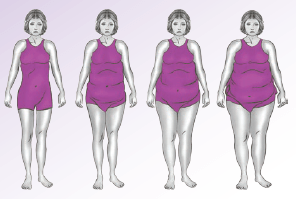
- -Weight gain, especially belly fat and loss of muscle mass
- -Fatigue
- -Trouble sleeping
- -Anxiety and/or depression
- -Low sex drive
- -Insomnia or un-refreshing sleep
- -Cravings
Some physicians choose to use the replacement model when helping patients who are struggling with hormone imbalance. The replacement model is giving the patient a synthetic or non-synthetic (think progesterone cream) form of whatever hormone they are low in. The problem with this is that it is not really fixing the problem, and can often have dangerous side effects. In the functional medicine model we are looking at the underlying causes of hormone imbalance rather than a replacement model. If you can find what is driving the body not to function properly, your body will do what it is supposed to do on it’s own once the underlying cause has been treated. Some functional medicine practitioners will use a combination of the two approaches if absolutely necessary.
Causes
-Gut issues like bacterial overgrowth can actually cause you to have excess estrogen or estrogen deficiency
-HPA axis dysfunction, which is the hypothalamic pituitary adrenal axis, regulates your adrenal, thyroid and sex hormones. If you are under stress, your cortisol can be elevated and this can lead to hormone resistance
-Insulin surges, which come from improper blood sugar control, can increase testosterone, which can lead to PCOS and infertility.
-Foods that we eat play a big role in hormone imbalance as well. Growth hormones are given to cattle to make them gain weight faster and produce more milk. This is one of the reasons you see girls going through puberty at a very early age these days.
How to Balance Your Hormones
-Make sure you are eating a diet low in inflammatory foods like:
- Dairy
- Sugar
- Industrial seed oils
- Grains
-Make sure you are eating anti-inflammatory foods like:
- Leafy greens
- Wild caught salmon
- Coconut oil
- Blueberries
-Get your adrenal, thyroid and sex hormones tested properly. There are specific tests that can give you very accurate and detailed values of these hormones. Make sure you receive the proper treatment from your individual results, not everyone needs the same treatment.
-Have thorough testing done to check for gut infections including SIBO and infections like bacterial overgrowth, fungal overgrowth and parasites in the colon.
-Make sure you are getting 7-8 or more hours of sleep per night
Prognosis
Once you can find the underlying cause of hormone imbalance the body will usually rid itself of these symptoms. There may be specific cases where the patient has to use a replacement method along with some of the treatment options listed above. Most of the time I find that patients can have a full recovery using the more natural methods.
If you are suffering from any health related issues, I am currently accepting new patients. To start the testing process and discover what is driving your health issues and to get on the road to recovery call our office at +1 (866) 498-1958 to schedule your initial consultation. If it is after our normal hours of operation you can click here to leave us a message. Please only leave a message if you would like a call back to schedule a consultation.
Sources:
Abbott, J (2015, September). Chemical Messengers: How Hormones Help Us Sleep.
Axe, J (2015) Ten Ways to Balance Hormones Naturally.
Kresser, C (2015, July) What Causes Hormone Imbalance.
[sc name="Below all post"]

Body Type - How it Can Be Related to Your Health
Although calories and specific foods can play a major role in weight they are not the only contributing factors, read below to see what else can lead to weight gain.

Many people mistakenly think you can lose weight by just eating fewer calories or exercising more. If only it was that simple! Your body has 6 fat burning hormones and 3 fat storing hormones. Diet and exercise DON’T actually burn fat, they trigger your organs and glands to release hormones that burn fat. This is why some people regardless of their diet and exercise habits gain weight, while others do nothing at all and have the kind of body you dream of. For various reasons, your organs and glands may have become weak or damaged and your body will secrete less fat burning hormones. As a result, there are 4 distinct body types and each type has its unique look and set of symptoms. Over time, as that specific organ and hormone system spiral out of balance, your symptoms can worsen.
The Adrenal Body Type
 The adrenal glands are little glands that sit on top of your kidneys and are responsible for the “fight or flight” response. When the adrenal glands are over stimulated they get out of balance and affect your sleep-wake cycle. It often feels as if it is hard to turn off your thoughts and you find it difficult to fall asleep and stay asleep despite the fact during the day you feel exhausted.
The adrenal glands are responsible for the release of a stress hormone called cortisol. When the levels of this hormone are elevated, research has shown it can cause weight gain in the midsection, leading to belly fat.
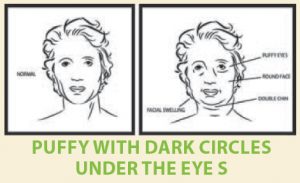 Swelling and rounding of the face, puffy eyes, very dark circles and a double chin can develop because of adrenal dysfunction. The Adrenal Body type can also result in facial hair and swelling of the ankles. It is common if you suffer from the Adrenal Body type to suffer from anxiety and feelings of severe exhaustion. It is also common for the Adrenal body type to rely on caffeine and sweets to get through the day, especially in the afternoon. Once the Adrenals become exhausted you will start having difficulty waking up, concentrating or even remembering simple tasks.
The Liver Body Type
 The Liver Body type may suffer from blood sugar issues (like diabetes or insulin resistance), high blood pressure, and elevated cholesterol levels. You may also begin to suffer from the accumulation of toxins. These toxins can seep into your joint capsules causing painful joints (arthritis). These toxins can also cause you to suffer from allergies, skin problems, hives and bad body odor. Toxic accumulation can also lead to poor memory, headaches or migraines, and you will often wake up an hour or two before your alarm clock goes off. When you are a Liver Body type, you crave fatty foods, fried foods, and alcohol but feel worse after having them. You may suffer from hemorrhoids, feel the sensation of fullness after eating and burp after meals.
The Thyroid Body Type
 It makes hormones that regulate your rate of metabolism. If you are a “Thyroid Body” type, you may notice that you mysteriously gain weight all over your body even though nothing has changed in your life. With the Thyroid Body you can develop sagging skin under the arms, chin or midsection and experience hair loss, especially the outer third of the eyebrows.

When the thyroid isn’t functioning well your body starts to feel cold, especially the hands and feet. In an effort to stay warm you are always wearing extra clothes and even socks to bed. When the thyroid is at fault, your energy levels drop and your legs and arms can start to feel heavy. Many times, if you suffer from thyroid problems, you are more prone to suffer from depression. In an effort to improve your mood and increase your energy you will crave carbohydrates like breads, pastas, crackers, juice, and so on. Unfortunately, eating these foods can make the problem worse.
The Ovary Body Type
 When the ovaries are to blame for your problems you will notice signs of hormonal imbalance which include: PMS (premenstrual syndrome), irregular menstrual cycles, early menopause, excessive or absent menstrual cycles and occasional constipation. The Ovary Body type often craves chocolate or dairy products. If you are menopausal, an ovary malfunction can lead to hot flashes and night sweats. You will start to develop “saddlebags” or a “pear” shaped lower half.
If you are suffering from any health related issues, I am currently accepting new patients. To start the testing process and discover what is driving your health issues and to get on the road to recovery call our office at +1 (866) 498-1958 to schedule your initial consultation. If it is after our normal hours of operation you can click here to leave us a message. Please only leave a message if you would like a call back to schedule a consultation.
[sc name="Below all post"]
HPA-Axis Dysfunction - How Stress Can Cause Weight Gain, Fatigue, Sleeplessness and More
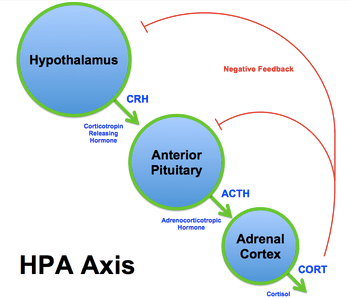
To understand this we must first understand what the HPA-axis is and what happens when it is not functioning properly (HPA axis dysfunction). The hypothalamic-pituitary-adrenal axis is responsible for helping us adapt to stress. In response to stress, cortisol is released for several hours after encountering the stressor. Cortisol is a hormone that is made by the adrenal glands and is best known for its involvement in the fight or flight response. We need cortisol for the body to function properly, but when we are constantly stressed the HPA axis gets desensitized to the negative feedback loop that is necessary telling it to “calm down”, leading to chronic stress on the hypothalamus, pituitary gland and adrenal glands (4).

Adapted from: Wikipedia Hypothalamic-pituitary-adrenal axis. (2016, August 13)
Retrieved from: https://en.wikipedia.org/wiki/Hypothalamic–pituitary–adrenal_axis
What Causes HPA Axis Dysfunction?
It is important to understand that many different aspects of our lifestyle can cause HPA axis dysfunction. Any event that causes wear and tear on the body is a stressor. This can be physiological, emotional, physical, environmental etc. If someone does not feel emotionally stressed and they don’t have any physical stress that they know about, they can still have something like a gut infection or food intolerance that will cause their body stress, therefore causing HPA axis dysfunction.

In the book “The Role of Stress and the HPA Axis in Chronic Disease Management”, Dr. Guilliams talks about the four categories of stressors that lead to chronic HPA Axis dysregulation. There is perceived stress, circadian disruption, glycemic dysregulation, and inflammatory signaling.
Perceived Stress
The HPA axis can easily be triggered by signals outside the body that are non-physical, which the brain perceives as threatening. Things like public speaking, financial and relationship trouble, work stress etc. are called “perceived” stressors because how people perceive the event has the ability to affect HPA axis function.
Circadian Disruption
Circadian rhythms are physical, mental and behavioral changes that follow a roughly 24-hour cycle, responding primarily to light and darkness in an organism's environment (2). The HPA axis is intimately tied to the mechanisms controlling circadian rhythm. Unfortunately, most people have the ability to ignore these important cues when choosing their work, social, sleeping and entertainment schedules (1). What this means is that working the night shift and sleeping during the day, not getting enough sunlight during the day, and the use of electronics at night, can lead to HPA axis dysfunction as well as many different metabolic dysfunctions like obesity and insulin resistance.
Glycemic Dysregulation
Glycemic dysregulation is the inability of your body to regulate your blood sugar levels, which can lead to hyper or hypoglycemia. Poor diet, lack of exercise and lack of sleep can not only dysregulate the HPA axis but it can cause glycemic dysregulation. Cortisol is very important for regulating glucose. When stress happens, the body raises cortisol levels and therefor can raise blood sugar levels. The rising epidemic of insulin resistance, obesity, and their related metabolic disorders has a complex cause-and-effect relationship with the increase of stress-related disorders.
Inflammatory Signaling
Cortisol is a powerful anti-inflammatory steroid. When someone has chronic inflammation, his or her body will signal the HPA axis to secrete more cortisol in order to decrease the inflammation. The increase in cortisol downregulates inflammatory pathways within tissues and immune cells through genomic and non-genomic signaling. This suppresses most other immune functions, which explains so many of the side effects of prednisone and other steroid drugs (3). Inflammation from food allergies, obesity, rheumatic diseases, or anywhere can be a HPA axis stressor.
How Do We Support the HPA Axis?
Supporting the HPA axis is extremely important in chronic disease management. It is important to understand that you must support the central nervous system, the adrenal glands and the way in which cortisol signaling functions within the tissue. This is achieved by removing as many known stressors as possible. In addition:
- Stay away from inflammatory foods like gluten, sugar, grains and dairy
- Avoid food sensitivities and allergies
- Get tested and treated for any infections like SIBO, yeast overgrowth etc. that may be causing stress on the body.
- Use tools like mindfulness training and yoga to help with the way you perceive stress.
- Get plenty of sunlight and fresh air during the day and stay away from electronics like TV, cell phones, computers and artificial house lights at night.
- Consider supplementing with adaptogenic herbs, Vitamin C, B vitamins and phosphatidyl serine (I recommend you work with a skilled practitioner to find out which supplements are right for you).
- Have adrenal gland hormones like cortisol, DHEA and sex hormones tested by a skilled practitioner so they can create a specific treatment protocol for you.
If you are suffering from any health related issues, I am currently accepting new patients. To start the testing process and discover what is driving your health issues and to get on the road to recovery call our office at +1 (866) 498-1958 to schedule your initial consultation. If it is after our normal hours of operation you can click here to leave us a message. Please only leave a message if you would like a call back to schedule a consultation.
Sources:
Guilliams, T. The Role of Stress and the HPA Axis in Chronic Disease Management. Point Institute, 2015. Print
Circadian Rhythms Fact Sheet. (2016, April 6).
Kresser, Chris. “HPA-D:Etiology.” Adapt Framework Level 1, kresserinstitute.com
Greenfield, B. (2016) Two Ways Your Brain Breaks and Exactly What You Can Do About It Part 2.
[sc name="Below all post"]

Summer Is Here! Time To Eat Your Greens...and Your Fruit!
One thing I like to encourage my patients to do is to try and incorporate more greens into their diet, as we all know, this can get very boring very quick.
Many people struggle with what to actually put in their salads besides the regular boring-old lettuce, tomato, and cucumber. I, especially around summer time, like to incorporate LOTS of color into my salads. I like not only incorporating different colors, but also different textures as well...crunchy, crisp, and creamy. I find it makes salad making more fun, creative, and delicious!

Summer is here! so have fun dressing up your greens!
We have a gorgeous summer salad here with grilled organic chicken for protein, toasted slivered almonds for crunch, fresh strawberries for a bit of sweetness, and raw grass fed goat cheese for a creamy tangy flavor that brings it all together.
For dressing I used a mix of balsamic vinegar, olive oil, a splash of grade B maple syrup and a little salt.
Enjoy!
Check Out http://www.agrilicious.org/
To find local & raw grass fed goat cheese near you!
Mercury Toxicity
Mercury Toxicity Fast Facts
Mercury is a common environmental contaminant that can be very harmful to our bodies. I am finding this to be the route cause of many symptoms when looking for the underlying causes of chronic illness. Mercury comes in three forms:
- Organic mercury: also known as methylmercury, is the type of mercury found in the seafood we eat. Especially large fish like swordfish, tilefish, shark, tuna, sea bass and king mackerel. This type of mercury has a high absorption rate and the ability to cross the blood-brain barrier and hide out in the brain tissue.
- Inorganic mercury: this type of mercury usually enters the body through the skin or orally. It has been found in skin lightening creams, laxatives and soaps.
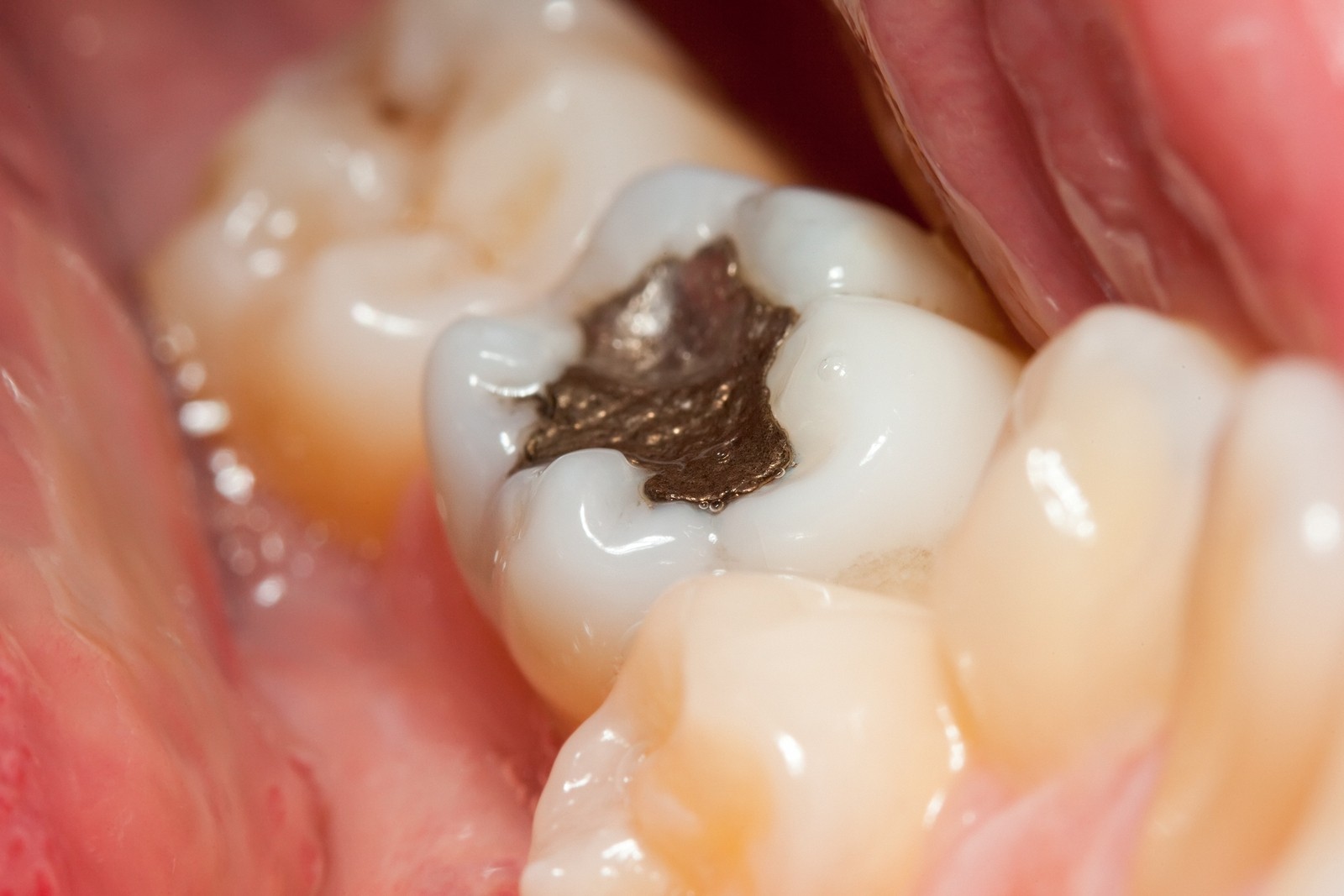
- Elemental mercury: this form of mercury is found in amalgam or “silver” fillings in the mouth. We inhale small amounts of mercury vapor and it goes into the tissues in our bodies. This can affect the nervous, immune, digestive and respiratory systems in the body.

Symptoms
Mercury toxicity can cause a wide range of symptoms, including but not limited to:
- Anxiety
- Autoimmune disease
- Brain fog
- Cardiovascular disease
- Depression
- Fatigue
- Headaches
- Hair loss
- Hormone dysregulation
- Multiple chemical sensitivities
- Neuropathy
Diagnosis
There are multiple methods of diagnosing mercury toxicity. Some practitioners rely on hair testing alone and others do not believe in using hair to find out accurate levels of mercury. I prefer the mercury tri-test, which looks at mercury in the blood, hair and urine. Dr. Christopher Shade, a mercury and glutathione expert from the University of Illinois created this method.
Treatment
Treatment for mercury toxicity involves building up the glutathione system in our bodies and using key detoxifying agents to remove the mercury from the body. The approach is to gradually introduce these to the body and dose to a high therapeutic level then back down. Dr. Shade’s protocol (which I use in my practice) involves five days on and 2 days off for about 3 months.
Prognosis
Once the mercury has successfully been removed from the body a full recovery can occur. This process alone can cause relief from the symptoms listed or may be paired with other treatments for other underlying causes of these symptoms.
If you are suffering from any health related issues, I am currently accepting new patients. To start the testing process and discover what is driving your health issues and to get on the road to recovery call our office at +1 (866) 498-1958 to schedule your initial consultation. If it is after our normal hours of operation you can click here to leave us a message. Please only leave a message if you would like a call back to schedule a consultation.
Sources:
Nett, A (2014, August). Could Mercury Toxicity Be Causing Your Symptoms? Retrieved from https://chriskresser.com/could-mercury-toxicity-be-causing-your-symptoms/
Mercola, J (2001, March). Mercury Toxicity and Systemic Elimination Elements. Retrieved from http://www.mercola.com/article/mercury/mercury_elimination.htm
Murphy, J (2012). Three Types of Mercury. Retrieved from http://holisticdentistry.ie/three-forms-of-mercury.html
[sc name="Below all post"]

Pulled Pork
Pulled Pork a quick & easy meal the whole family can enjoy? Say it isn't so!
This easy recipe will be a crowd pleaser...make for upcoming summer pic-nic's or just a quick way to throw something together to spend more time with the family.

Serves 4-5
You'll need:
- 2 1/2 lbs of boston butt
- 4 whole carrots
- 2 Celery stalks roughly chopped
- 1 large sweet onion roughly chopped
- Vegetable stock- just enough to cover the bottom of the pan
- Minced garlic (2 tsp)
Preheat oven to 300
Rub one side of meat with salt & pepper, minced garlic, you can add other seasonings depending on your taste (ie: Oregano, Thyme, Cayenne Pepper).
Throw meat into deep dish pan, along with celery, carrots, and onion.
Fill pan about an inch with vegetable stock
Bake covered for roughly 6-7 hours
Take out of oven and shred all the meat and vegetables together.
I like to serve with coleslaw.
Enjoy!
- 2 1/2 lbs of boston butt
- 4 whole carrots
- 2 Celery stalks roughly chopped
- 1 large sweet onion roughly chopped
- Vegetable stock- just enough to cover the bottom of the pan
- Minced garlic (2 tsp)
- Preheat oven to 300
- Rub one side of meat with salt & pepper, minced garlic, you can add other seasonings depending on your taste (ie: Oregano, Thyme, Cayenne Pepper).
- Throw meat into deep dish pan, along with celery, carrots, and onion.
- Fill pan about an inch with vegetable stock
- Bake covered for roughly 6-7 hours
- Take out of oven and shred all the meat and vegetables together.
- I like to serve with coleslaw.