
What Are Biofilms and Why You Need to Know About Them
Have you ever felt like your chronic symptoms just won’t let up, no matter how many changes you make or treatments you try?
Whether it’s relentless gut issues, sinus problems that won’t budge, or the frustrating brain fog that follows you everywhere, it can feel like you’re fighting an invisible enemy.
Here’s a little secret that might just change the way you approach your health: biofilms.
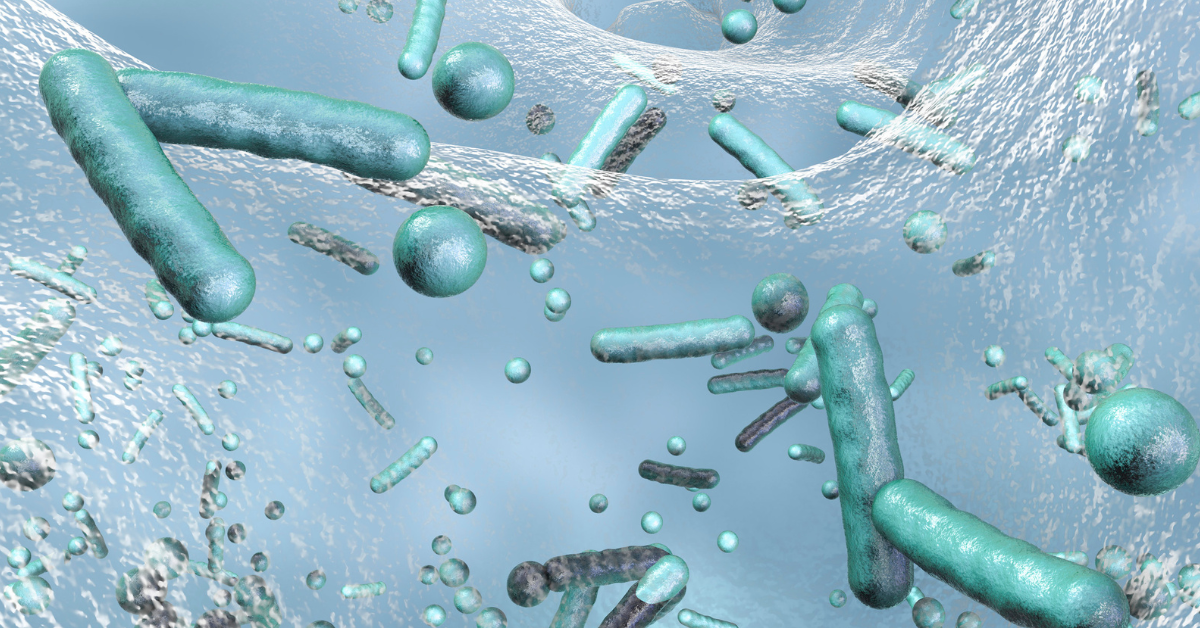
These microscopic, slimy structures are the ultimate secret weapon for bacteria, fungi, and other microbes. (1) They’re like a forcefield, shielding pathogens from your immune system and making them resistant to treatments.
But biofilms aren’t just fascinating little ecosystems – they’re also a major player in chronic illnesses like Mast Cell Activation Syndrome (MCAS), histamine intolerance, and mold illness.
If you’ve been feeling stuck, this hidden layer of microbial defense might be the missing piece of the puzzle.
In this blog, we’re peeling back the layers (literally and figuratively) to explore what biofilms are, why they matter, and how you can break through them to reclaim your health. By the end, you’ll understand these microscopic troublemakers and have actionable steps to start tackling them.
Let’s dive in – biofilms have been hiding long enough.
What Are Biofilms?
Let’s start with a mental picture. Imagine you’ve left a glass of water in the sink for a few days. When you finally get around to cleaning it, you notice a slick, slimy film clinging to the inside. That’s a biofilm – only instead of dirty dishes, these slimy fortresses form inside your body, creating a protective hideout for bacteria, fungi, and other microbes.
In simple terms, a biofilm is a tiny, self-sustaining microbial community. These microbes stick together and construct a shield-like matrix from sugars, proteins, and DNA – a sort of microbial superglue. (2) This matrix anchors them to surfaces in your body, such as your gut lining, sinuses, or skin, and work together to survive, defend themselves from your immune system, and even communicate with one another to adapt and grow. (3)
Here’s where things get tricky: Once microbes are in a biofilm, they become much harder to kill. That protective shield makes them up to 1,000 times more resistant to antibiotics and antimicrobials. Even your body’s natural defenses can struggle to break through. (4)
Why Do Biofilms Matter?
The resilience of biofilms has real consequences for your health. They’re not just microbial shields; they actively disrupt your body’s ability to heal and maintain balance.
By clinging to the gut lining, biofilms can compromise the intestinal barrier, leading to leaky gut and systemic inflammation. This barrier dysfunction can set off a cascade of problems, from poor nutrient absorption to impaired detoxification pathways. Toxins like histamines, mold byproducts, and heavy metals can become trapped, further taxing your system. (5, 6)
Biofilms also create a haven for harmful microbes to persist, even in the face of treatments.
They can sustain chronic infections, amplify inflammation, and weaken your immune system’s defenses. (7)
Left unchecked, they create an environment where chronic illness thrives, keeping you stuck in a frustrating cycle of symptoms.
Breaking down biofilms is more than a tactical strike against microbes; it’s a key step in freeing your body to detoxify, absorb nutrients, and heal effectively. Addressing these fortresses can be the turning point in your journey to better health.
Biofilms and Chronic Illness: How They Keep You Stuck
We’ve already touched on how biofilms can disrupt detoxification processes, gut health, and immune function, but the relationship between biofilms and chronic illness is deeper than interference. These resilient microbial fortresses are often at the root of persistent health issues that don’t seem to resolve with conventional treatments.
Here’s why: Biofilms are like a microbe’s version of an underground bunker. They protect harmful pathogens from your body’s defenses and resist treatments that might otherwise be effective. This protection allows infections to linger long past the typical recovery period, leading to persistent symptoms like fatigue, brain fog, and joint pain. Even when you take antibiotics or antifungals, the biofilm’s protective shield makes it hard for these treatments to reach the microbes inside.
But biofilms do more than harbor pathogens – they actively contribute to the chronic illness cycle.
In the case of mold illness, for example, biofilms can protect mold spores and mycotoxins from being cleared by the immune system, worsening symptoms like brain fog, inflammation, and respiratory issues.
They can also trap histamines, which play a significant role in symptoms of mast cell activation syndrome (MCAS), causing flare-ups of symptoms like headaches, hives, and digestive distress.
This persistence in the face of treatment often leads to an unfortunate cycle. The longer the biofilm exists in your body, the more it perpetuates inflammation, immune dysfunction, and toxic overload.
This means the root cause of many chronic illnesses – whether related to mold, infections, or other conditions – can be biofilms.
They don’t just contribute to illness – they prolong it.
What’s even more challenging is that biofilms can create a sort of “feedback loop” with your immune system.
When biofilms persist, the immune system remains in a heightened state of alert, leading to chronic inflammation. Over time, this inflammation damages tissues and organs, making it harder for the body to heal and increasing susceptibility to further infections and illnesses.
Breaking Down Biofilms: What Can You Do?
There is good news here!
You can take actionable steps to reduce and break down biofilms using a combination of targeted foods, enzymes, and supplements. A holistic approach can help your body dismantle these microbial fortresses and support detoxification, immune function, and healing.
Let’s look at some key strategies that may work for you.
Dietary Strategies to Reduce Biofilms
Certain foods have natural biofilm-busting properties. By adding these to your diet, you can help disrupt biofilm formation and support overall health:
- Manuka honey and propolis: These powerful natural substances have been shown to break down biofilms while supporting immune function. They may also inhibit histamine release, relieving those sensitive to histamines. (8, 9, 10)
- Ginger and garlic: These antimicrobial powerhouses help break down biofilm and support overall gut health, while ginger can also act as an anti-inflammatory to help with histamine intolerance. (11, 12)
- Coconut oil: Contains caprylic acid, which disrupts fungal biofilms and has anti-inflammatory benefits. (13)
- Apple cider vinegar: The acetic acid in vinegar may help break down biofilms, plus it has been known to aid digestion and support a balanced gut microbiome. (14)
- Olive oil: Rich in oleic acid, olive oil can help reduce biofilm formation and inflammation. It also supports the gut by promoting healthy microbiota, which may further support your immune system. (15)

Enzyme-Based Biofilm Disruption
Certain enzymes can also be incredibly effective at breaking down biofilms. These enzymes target the sticky matrix that holds the biofilm together, making it easier for your body to eliminate trapped microbes and toxins.
Common enzymes to consider include:
- Nattokinase and serrapeptase: Both are proteolytic enzymes that may help break down the proteins in biofilms. (16, 17)
- Lumbrokinase: A fibrinolytic enzyme that may help clear out biofilms and improve overall circulation.
Supplements to Help Reduce Biofilm Formation
In addition to dietary strategies, certain non-herbal and herbal supplements can offer targeted support in breaking down biofilms.
These supplements interfere with biofilm formation, support immune function, and enhance detoxification. While each supplement offers unique benefits, incorporating them into your routine may help restore balance, clear toxins, and support your body's healing processes.
As always, it’s essential to consult a healthcare provider before adding new supplements to your regimen.
Non-Herbal Supplements for Biofilm Disruption
- Zinc: Supports immune function and may interfere with the biofilm matrix, helping to reduce its formation. (18)
- Magnesium: Can aid in breaking down biofilms and support cellular repair, promoting overall healing. (19)
- NAC (N-acetylcysteine): A potent antioxidant that may help degrade biofilms and reduce oxidative stress. (20)
- Chitosan: This fiber supplement can bind to biofilms, potentially pulling them apart and preventing microbial growth. (21)
- EDTA: A chelating agent that can help remove minerals that microbes rely on, weakening their ability to form biofilms. (22)

Herbal Supplements for Biofilm Disruption
- Curcumin (Turmeric): Known for its anti-inflammatory properties, curcumin also helps disrupt biofilms and supports immune health. (23)
- Berberine: This alkaloid has been shown to interfere with bacterial adhesion and biofilm formation. (24)
- Oregano oil: Contains carvacrol, which has antimicrobial properties that can help reduce biofilm integrity. (25)
- Boswellia: Known for its anti-inflammatory effects, Boswellia may also disrupt biofilm formation, especially in the gut. (26)
- Neem: This herb has potent antimicrobial and anti-inflammatory properties, which may help reduce biofilm growth. (27)

My Favorite Biofilm Buster
After exploring dietary strategies and supplements, it’s time to highlight one of my favorite tools for tackling biofilms: BioFilm Max.
This supplement combines powerful enzymes like Nattokinase and Serrapeptase with other biofilm-busting ingredients, helping break down the stubborn microbial barriers contributing to chronic symptoms.
I typically introduce BioFilm Max when a patient is ready to target biofilms more aggressively – often after we’ve laid the groundwork with dietary changes and basic supplements.
For mold illness patients, this product is a game-changer.
It helps to clear the biofilm that shelters mold toxins, enabling the body to detox more effectively. Many of my patients find significant relief after incorporating it into their routine, and it’s become a staple in my approach to supporting mold recovery.
As always, timing and dosage are essential, so I recommend working with a healthcare provider to tailor the use of BioFilm Max to your specific needs. This is not just about taking a supplement – it’s part of a comprehensive strategy to restore balance and promote healing from the inside out.
Additional Tips For Reducing Biofilm Formation
- Follow a nutrient-dense, anti-inflammatory diet: Focus on whole foods like leafy greens, vegetables, and quality proteins. Avoid inflammatory foods like processed sugars and refined carbs.
- Support detox pathways: Regularly engage in activities that support liver function, such as drinking plenty of water, sweating through exercise or saunas, using castor oil packs, and enjoying Epsom salt baths.
- Maintain oral hygiene: Brush and floss regularly, use a tongue scraper, and consider oil pulling to reduce oral biofilm.
- Prioritize gut health: Incorporate bone broth for its collagen-promoting amino acids, L-Glutamine to support gut lining repair, collagen peptides for anti-inflammatory benefits, and high-quality probiotics to balance the gut microbiome. This combination nurtures a healthy gut and enhances the body's natural healing process.
- Limit exposure to toxins: Minimize environmental toxins, including mold, and keep your living space well-ventilated and free from moisture buildup.
Conquering Biofilms for Better Health
Biofilms might be invisible, but their impact on your health is undeniable. These slimy shields not only protect harmful microbes but also block your detox pathways, fueling chronic illness. You can dismantle biofilms and supercharge your recovery by using a strategic mix of nutrient-dense foods, supplements, and detox-friendly practices.
You don’t have to navigate this alone.
A personalized plan can make all the difference in overcoming biofilms and reclaiming your health. Schedule your consultation today and take the first step toward lasting wellness!
Resources
- https://pmc.ncbi.nlm.nih.gov/articles/PMC2732559/
- https://pubmed.ncbi.nlm.nih.gov/37091673/
- https://pubmed.ncbi.nlm.nih.gov/37712058/
- https://pmc.ncbi.nlm.nih.gov/articles/PMC9576500/
- https://pubmed.ncbi.nlm.nih.gov/36644597/
- https://pubmed.ncbi.nlm.nih.gov/35406643/
- https://pubmed.ncbi.nlm.nih.gov/33102249/
- https://pmc.ncbi.nlm.nih.gov/articles/PMC3970805/
- https://pubmed.ncbi.nlm.nih.gov/19308800/
- https://pubmed.ncbi.nlm.nih.gov/24347888/
- https://journals.plos.org/plosone/article?id=10.1371/journal.pone.0076106
- https://journals.asm.org/doi/10.1128/aac.49.1.473.2005
- https://pmc.ncbi.nlm.nih.gov/articles/PMC6811426/
- https://pubmed.ncbi.nlm.nih.gov/26155378/
- https://pubmed.ncbi.nlm.nih.gov/25976122/
- https://pubmed.ncbi.nlm.nih.gov/26044292/
- https://pubmed.ncbi.nlm.nih.gov/16757752/
- https://pubmed.ncbi.nlm.nih.gov/23509865/
- https://pubs.rsc.org/en/content/articlelanding/2015/ra/c5ra00027k#!divAbstract
- https://pubmed.ncbi.nlm.nih.gov/25339490/
- https://pubmed.ncbi.nlm.nih.gov/24013184/
- https://pmc.ncbi.nlm.nih.gov/articles/PMC1393226/
- https://onlinelibrary.wiley.com/doi/10.1155/2014/186864
- https://www.sciencedirect.com/science/article/abs/pii/S0924857908005797
- https://pubmed.ncbi.nlm.nih.gov/17374894/
- https://pmc.ncbi.nlm.nih.gov/articles/PMC3066120/
- https://pubmed.ncbi.nlm.nih.gov/24347888/

Chemical Sensitivity 101: Taking Control in a Trigger-Filled World
Living with chemical sensitivity can feel like you're always on high alert – like walking through a world full of invisible landmines. One moment, you’re perfectly fine, and the next, you’re dealing with a headache, skin irritation, or brain fog that hits out of nowhere.
For those of us with multiple chemical sensitivity (MCS), it’s not just an inconvenience; it’s a daily challenge that can turn everyday activities into survival mode. (1)
I get it – managing MCS is no easy feat.
It's frustrating when something as simple as a scented candle or a cleaning product can leave you feeling miserable while the people around you seem unaffected.
In this guide, I’ll break down what chemical sensitivity is, what causes it, how to identify it, and – most importantly – how to manage it so you can live your life with fewer triggers and more peace of mind.
If you’ve been struggling with MCS, I’m here to help you make sense of it and give you the tools to feel better.
Let’s dive in!
What is Multiple Chemical Sensitivity
In simple terms, MCS means that your body reacts strongly to low levels of chemicals that don’t bother most people. These can be everyday substances like cleaning products, synthetic fragrances, paint fumes, or pesticides. (2)
What’s frustrating is that these aren’t “big” exposures – often, it’s the trace amounts that send your system into overdrive.
Imagine trying to dodge these triggers when they’re practically everywhere: at work, in stores, even in your own home.
For someone with MCS, that’s the reality. It’s not about overreacting; it’s a real, physiological response that can make life feel unpredictable and challenging.
Here’s where it gets tricky: we don’t know exactly what causes MCS, and there’s no single culprit.
For many, MCS starts with a specific exposure – maybe a prolonged period in a moldy environment, a job involving chemicals, or a major toxic event that “primes” the system.
After that, it’s like the body’s alarm bells are stuck on high alert, reacting to even the smallest exposures.
But that’s not the whole story. Gut health often plays a significant role.
Conditions like leaky gut – where the lining of the gut becomes permeable – can allow toxins and inflammatory compounds to leak into the bloodstream, further overloading the immune and detoxification systems. A weakened gut barrier can amplify sensitivities, leaving the body less equipped to handle everyday exposures.
On top of that, there’s often a genetic component. Some people are naturally less efficient at processing or detoxifying chemicals due to genetic variations, meaning their systems struggle to clear out toxins like others.
Add to this any underlying health issues – like mold illness, histamine intolerance, MCAS, or gut dysfunction – and you’ve got a perfect storm for developing MCS.
It’s a complex condition with roots that are personal and unique to each person.
The Signs and Symptoms of Chemical Sensitivity
The symptoms of MCS can feel like they’ve come out of nowhere and may sometimes seem almost random. What’s tricky is that they often overlap with other conditions, making MCS hard to pin down.
For some, symptoms spike right after exposure to a chemical – maybe it’s a strong cleaner, scented product, or fresh paint. For others, the onset is delayed, leaving them wondering, "Wait, what did I even do to feel this way?"
The good news? The symptoms generally subside once you’re back in a cleaner environment, though that’s sometimes easier said than done.
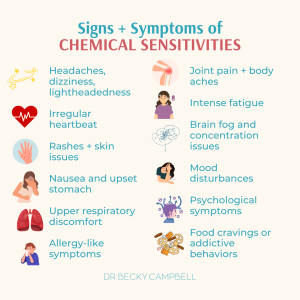
Here are some of the more common signs and symptoms people experience with MCS: (3, 4)
- Headaches, dizziness, and lightheadedness – These are some of the most immediate signals your body sends when it’s not happy with a chemical exposure. Headaches can range from a dull throb to a full-blown migraine, making it hard to focus on anything else.
- Irregular heartbeat – Some people notice their heart racing or an irregular rhythm, which can be alarming if you don’t realize it’s connected to a trigger.
- Rashes and skin issues – Chemical exposure can sometimes cause itching, hives, or unexplained skin rashes. These aren’t just irritating; they’re visible reminders of your body's sensitivity to its surroundings.
- Nausea, indigestion, and stomach upset – Your digestive system can get involved too, especially if the exposure was through something ingested or inhaled.
- Upper respiratory discomfort – This includes everything from a scratchy throat and cough to difficulty breathing, chest tightness, and even asthma-like symptoms, which make it hard to ignore the effects of certain chemicals.
- Allergy-like symptoms – Runny eyes, sneezing, and a sore throat can mimic seasonal allergies, leaving you wondering if it’s the pollen outside or something in the air at home.
- Joint pain and body aches – Sometimes, people with MCS experience unexplained joint pain, known as arthralgia, which can be frustrating when it seems unrelated to any physical activity or injury.
- Intense fatigue – Fatigue that feels bone-deep and won’t go away with sleep is common in MCS. It’s as though your body is using every ounce of energy to fight off these environmental invaders.
- Brain fog and concentration issues – Cognitive symptoms like forgetfulness, poor focus, and a general sense of mental “fuzziness” are classic signs of MCS and can make even simple tasks feel overwhelming.
- Mood disturbances – It’s not just physical symptoms – MCS can take a toll on mental health, too. Some people experience heightened anxiety, feelings of depression, or even mood swings that seem to come out of nowhere.
- Psychological symptoms – In rare cases, MCS can trigger more intense psychological reactions, including agitation or hyperactivity. These can make social interactions challenging and add another layer of difficulty to managing the condition.
- Food cravings or addictive behaviors – MCS can even mess with appetite, leading to unusual food cravings, binging, or addictive-type behaviors. Your body might crave comfort, especially when it feels under constant chemical “attack.”
How is Multiple Chemical Sensitivity Diagnosed?
Diagnosing MCS isn’t straightforward. Symptoms vary so widely that no two cases look exactly alike, and because MCS affects so many systems in the body, it can easily be misinterpreted or dismissed by practitioners unfamiliar with the condition.
Conventional testing often comes back “normal,” leading some patients to feel as if they’re imagining their symptoms – or worse, to be told that directly.
But here’s what we do know: the causes of MCS seem to be a mix of factors. (5, 6)
Research suggests some people may have an overactive immune response, mistakenly interpreting low-level chemicals as threats, triggering a cascade of allergy-like symptoms.
Others may struggle with impaired detoxification, making it harder for their bodies to clear out even small amounts of chemicals, leading to a buildup that overwhelms the system.
Another emerging theory is limbic system kindling, where chemicals stimulate activity in the brain's limbic system, heightening sensitivity.
And finally, nervous system inflammation may play a role, altering how our neurons respond to chemical stimuli and making even a mild scent feel intense.
Diagnosing multiple chemical sensitivity involves taking a deep dive into the factors contributing to your body’s heightened reactions. Functional medicine approaches this by looking at your overall toxic burden, gut health, detoxification pathways, and how environmental exposures might be overwhelming your system.
Rather than focusing solely on the symptoms, the goal is to identify and address the root causes – whether it’s lingering mycotoxins, heavy metal exposure, or an overburdened microbiome.
To get a clearer picture of your toxic burden and underlying triggers, I often recommend targeted testing. These functional medicine tests help identify specific environmental toxins, gut imbalances, or other factors contributing to your chemical sensitivity:
- GPL-TOX: This comprehensive test screens for 173 environmental pollutants in a simple urine sample, including markers for mitochondrial damage like Tiglylglycine. It’s an excellent starting point for understanding how exposure to non-metal toxins affects your health.
- Enviro-TOX Panel: A step further, this panel combines the GPL-TOX test, Organic Acids Test (OAT), and Glyphosate Test to give a broad picture of how environmental chemicals and metabolic imbalances may be impacting your body.
- MycoTOX: If mold exposure is suspected, this urine test screens for mycotoxins – dangerous compounds produced by certain molds that can significantly disrupt your immune system and overall health.
- Heavy Metals Testing: Using blood, hair, or urine samples, this test measures levels of metals like mercury, lead, and arsenic, which can accumulate in the body and exacerbate chemical sensitivity. I often use Quicksilver Scientific’s testing options for their accuracy and depth.
- Stool Testing: The health of your gut plays a crucial role in how your body processes and eliminates toxins. Stool testing can reveal gut imbalances, leaky gut syndrome, and microbial dysbiosis that may contribute to MCS. Supporting gut health is often a key step in reducing sensitivity.

Each test provides actionable insights, allowing us to create a personalized plan to reduce your toxic burden and restore balance.
Identifying the culprits behind your symptoms allows us to take steps to support your body’s detox pathways, calm inflammation, and build resilience against future exposures.
Tips for Managing Multiple Chemical Sensitivity
Once MCS is identified, what’s next? Is there a way to manage it, or are we left dodging chemical triggers indefinitely?
While living with MCS isn’t always easy, there are strategies to help regain control, minimize reactions, and, most importantly, keep you feeling as well as possible.
Start with Your Environment: Creating a “Safe Zone”
Your home should be your safe haven, and for those with MCS, creating a low-toxicity environment is crucial.
Here are some practical steps:
- Switch to Fragrance-Free and Natural Products – Choose unscented or hypoallergenic cleaning supplies, laundry detergents, and personal care items. Look for “free and clear” labels, and try natural alternatives whenever possible.
- Improve Indoor Air Quality – Invest in high-quality air purifiers with HEPA filters, which can remove common indoor pollutants and allergens. Open windows for ventilation if outdoor air quality allows, and consider adding some air-purifying plants.
- Go Low-VOC on Furniture and Paint – When possible, use low-VOC (volatile organic compound) or zero-VOC paints, furniture, and building materials. VOCs are often the culprits behind strong chemical smells in new items.
- Limit Exposure to Plastic – Plastics can emit harmful compounds, especially when heated. Opt for glass, metal, or ceramic containers for storage and cooking.
Diet and Detox: Supporting Your Body’s Defenses
Some people with MCS find that dietary changes can help reduce their symptoms, especially if combined with strategies that support detoxification:
- Opt for an Anti-Inflammatory Diet – Focus on whole foods like fresh fruits, vegetables, lean proteins, and healthy fats. Reducing processed foods, sugar, preservatives, and artificial additives can help reduce inflammation and lower your toxic load, which may ease MCS symptoms.
- Restore Gut Integrity – Support your gut with healing foods like bone broth, fermented vegetables, and fiber-rich plants. Incorporate supplements such as probiotics, prebiotics, and glutamine to repair and strengthen the gut lining, reducing inflammation and toxin absorption.
- Support Detox Pathways – Detoxification support can help your body clear out environmental toxins more efficiently, which might ease MCS symptoms. Consider gentle, targeted approaches like Epsom salt baths, which can aid in magnesium absorption and relaxation; castor oil packs, known for supporting liver health and aiding lymphatic flow; gentle lymphatic support through dry brushing or lymphatic drainage massage; and infrared sauna therapy, which encourages sweating to help the body release toxins.
- Hydrate Regularly – Staying well-hydrated supports all body systems, especially the liver, kidneys, and lymphatic system, in processing and removing toxins.
Mind-Body Techniques: Calming Your Nervous System
Living with MCS can feel like being on high alert 24/7, so finding ways to support your mental well-being is just as important:
- Mindfulness and Relaxation – Techniques like deep breathing, progressive muscle relaxation, and meditation can help reduce stress and calm the nervous system, which may lessen the severity of reactions.
- Limbic System Retraining – Programs focusing on limbic system retraining (like Primal Trust) aim to “retrain” the brain’s response to triggers, potentially reducing sensitivity over time. Some people with MCS find these techniques effective in managing symptoms.
- Pacing and Self-Care – Knowing when to rest and setting boundaries around activities that expose you to potential triggers can help keep your body’s stress levels down. Give yourself permission to decline events or tasks that may jeopardize your health.
Finding Balance and Hope
Living with Multiple Chemical Sensitivity (MCS) can feel like an ongoing challenge, but with time, support, and the right strategies, managing symptoms and reclaiming control over your life is entirely possible.
The journey requires patience, lifestyle adjustments, and a continual commitment to self-care – but each step forward brings you closer to balance and resilience. Many find that, over time, they can reduce the frequency and severity of their reactions, carving out a life that works for them on their own terms.
Ready to take control of chemical sensitivity?
Schedule a consultation to uncover personalized strategies for managing MCS, supporting detox, and building resilience in a trigger-filled world.
Resources
- https://www.hopkinsmedicine.org/health/conditions-and-diseases/multiple-chemical-sensitivity
- https://pubmed.ncbi.nlm.nih.gov/35053790/
- https://pmc.ncbi.nlm.nih.gov/articles/PMC8773480/
- https://www.ncbi.nlm.nih.gov/books/NBK234808/
- https://www.aafp.org/pubs/afp/issues/1998/0901/p721.html#:~:text=Multiple%20chemical%20sensitivity%20(MCS)%20is,toxic%20effects%20and%20neurobiologic%20sensitization.
- https://www.sciencedirect.com/topics/medicine-and-dentistry/multiple-chemical-sensitivity
- https://www.ncbi.nlm.nih.gov/books/NBK234795/?report=reader#!po=50.0000

Navigating Intermittent Fasting with Histamine Intolerance: What You Need to Know
If you’re like me, you’re always on the lookout for ways to optimize your health. I’ve experimented with various approaches over the years – some have worked wonders, while others, well, not so much!
One tool that has caught a lot of attention lately is intermittent fasting (IF). While I don’t currently have histamine intolerance, I’ve struggled with it in the past, so I know firsthand how challenging it can be to navigate new health strategies while managing symptoms.
That’s why, in today’s blog, I want to talk about the intersection of intermittent fasting and histamine intolerance.
Is IF a good idea if histamine is a problem for you?
How does fasting impact your histamine levels?
And most importantly, how can you make intermittent fasting work for you rather than against you?
I’ll break down the science behind intermittent fasting, explain how it might affect histamine levels, and offer some practical tips so you can decide if this approach is right for you.
Let’s dive in and look at how you can find balance with intermittent fasting, even when histamine intolerance is part of your journey.
What is Intermittent Fasting?
Intermittent fasting (IF) is a pattern of eating where you alternate between periods of fasting and eating. (1)
Unlike traditional diets that tell you what to eat, IF focuses more on when you eat.
The goal isn’t necessarily to reduce calories, though that can happen naturally, but to give your body a break from constant digestion and allow it to tap into other processes, like fat burning and cellular repair. (2)
Here are some common methods:
- 16/8 Method: This is probably the most popular. You fast for 16 hours and eat during an 8-hour window. This might come naturally to you if you don’t feel hungry first thing in the morning. You simply skip breakfast and have your first meal around noon, then eat until about 8 PM.
- 5:2 Method: This one is a bit different. Instead of focusing on daily fasting, you eat normally for 5 days of the week and then dramatically reduce your calories (usually around 500–600 calories) for 2 non-consecutive days. It can be less restrictive, especially if daily fasting feels too overwhelming.
- Eat-Stop-Eat: In this method, you fast for 24 hours once or twice a week. For example, you might finish dinner at 7 PM and not eat again until 7 PM the next day. This approach requires a bit more planning but can be effective for some people.

You don’t need to choose the strictest method right out of the gate. In fact, I always recommend easing into fasting to see how your body responds.
You might find that a 12-hour fasting window (also known as time-restricted eating) is enough to give you the benefits of IF without feeling deprived. The beauty of intermittent fasting is that it can be tailored to suit your needs, so you don’t have to feel boxed in by one method.
It’s also important to note that intermittent fasting isn’t about starving yourself – it’s about giving your body the opportunity to function more efficiently. During the fasting period, your body isn’t busy processing food, so it can focus on other things, like balancing blood sugar, burning fat, and even reducing inflammation.
But of course, as with any new approach to health, especially if you have a condition like histamine intolerance, you need to listen to your body. Fasting can feel different for everyone, and it’s essential to find a rhythm that works for you, not against you.
The Science Behind Intermittent Fasting
Intermittent fasting works because it taps into several key biological processes that benefit your body.
Here’s a breakdown of the science behind it:
- Improved Insulin Sensitivity
Fasting decreases insulin levels, helping your body become more responsive to this hormone. By giving your body a break from constant eating, IF improves blood sugar regulation and reduces the risk of insulin resistance, which is linked to type 2 diabetes. (3)
- Autophagy: Cellular Clean-Up
During fasting, your body kicks off a process called autophagy, where it clears out damaged cells and proteins. (4) This "cellular clean-up" helps promote longevity and may reduce the risk of diseases like Alzheimer's and Parkinson’s.
- Fat Burning and Hormonal Balance
After about 12 hours of fasting, your body starts burning fat for energy instead of glucose. (5) This shift boosts fat loss, and fasting also increases hormones like norepinephrine, which raises your metabolic rate and helps your body use fat more efficiently.
- Reduced Inflammation and Oxidative Stress
Fasting lowers inflammation, a key contributor to many chronic diseases. It also helps reduce oxidative stress, protecting cells and DNA from damage. This can slow aging and lower the risk of conditions like cancer. (6, 7)
How Intermittent Fasting Can Impact Histamine Intolerance
If you’re living with histamine intolerance, you’ve probably already experienced how sensitive your body can be to different foods, stress, and even environmental factors.
So, where does intermittent fasting fit into this picture?
Can giving your digestive system a break actually help balance your histamine levels, or is it something to approach cautiously?
Like most things, it’s a bit of both.
Intermittent fasting has some promising benefits that could ease histamine-related symptoms but also comes with potential risks.
Understanding how fasting affects histamine production, your gut, and even your nutrient intake will help you make an informed decision.
Let’s explore how intermittent fasting can impact histamine intolerance, from reducing histamine production to navigating potential pitfalls like stress-induced histamine release.
Reduced Histamine Production
Some studies suggest that fasting may help reduce overall histamine production. (8) Fasting lowers inflammation and promotes autophagy, which may help the body regulate histamine levels more efficiently.
Since inflammation and oxidative stress are common triggers for histamine release, fasting’s ability to reduce these factors might ease symptoms of histamine intolerance.
Digestive Reset
Fasting gives your digestive system a break, allowing it time to rest and recover.
This "digestive reset" can be beneficial for those with histamine intolerance, as constant digestion, especially of high-histamine foods, can overwhelm the body. Reducing meal frequency allows your gut lining to repair and your body to manage histamine more effectively.
Metabolic Health and Histamine
Fasting’s positive impact on metabolic health – like improved insulin sensitivity and fat burning – can indirectly help manage histamine intolerance. A well-functioning metabolism reduces stress on the body, potentially lowering inflammation and histamine triggers.
However, fasting should be approached cautiously, as metabolic stress from prolonged fasting can also be a trigger for some.
Potential Risks
On the flip side, fasting can also stimulate histamine release in some cases.
When blood sugar drops too low during prolonged fasting, it can trigger the release of stress hormones like cortisol, which in turn can increase histamine levels. For some individuals, this might worsen symptoms of histamine intolerance, leading to headaches, hives, or digestive discomfort.
It’s also essential to be mindful of what you eat during your eating windows. Nutrient timing is crucial because fasting can make you more sensitive to what you consume.
Choosing low-histamine foods during your eating period can help prevent symptom flare-ups. It’s also important to ensure you’re not missing out on critical nutrients, like vitamin C and B6, which play a role in histamine breakdown.
Tips for Intermittent Fasting with Histamine Intolerance
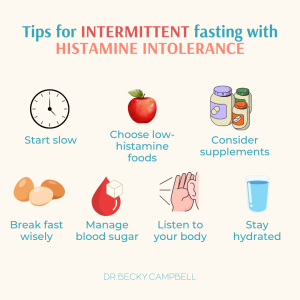
If you’re considering intermittent fasting and managing histamine intolerance, here are some quick tips to help you get started safely:
- Start Slow: Begin with a shorter fasting window (e.g., 12 hours) and gradually increase it as your body adapts.
- Choose Low-Histamine Foods: Stick to low-histamine options during your eating windows to avoid triggering symptoms.
- Stay Hydrated: Drink plenty of water during fasting to help flush out histamine and keep your body balanced.
- Break Your Fast Wisely: When breaking your fast, avoid high-histamine foods like fermented, processed, or leftover items – opt for fresh, whole foods.
- Manage Blood Sugar: During eating windows, ensure your meals are balanced with protein, healthy fats, and fiber to maintain stable blood sugar and reduce stress-induced histamine release.
- Listen to Your Body: If you notice a flare-up of symptoms, adjust your fasting schedule or duration. Fasting shouldn’t worsen your symptoms.
- Consider Supplements: Nutrients like vitamin C and B6 can support histamine breakdown – consider incorporating them into your routine.
Ready to Transform Your Health?
Intermittent fasting can be a game-changer for managing histamine intolerance, but it’s essential to approach it with care.
Start slowly, choose wisely, and listen to your body to reap the benefits.
For a more guided approach, check out my Histamine Reset Online Program. It offers a step-by-step guide to eliminating high-histamine foods and healing your gut and includes an 80-recipe meal plan perfect for managing histamine intolerance.
Need personalized support?
Schedule a consult with me and my team to create a tailored plan just for you.
Ready to get started?
Explore the Histamine Reset Online Program today!
Resources
- https://pubmed.ncbi.nlm.nih.gov/31881139/
- https://pubmed.ncbi.nlm.nih.gov/29754952/
- https://www.ncbi.nlm.nih.gov/pmc/articles/PMC4250148/
- https://pubmed.ncbi.nlm.nih.gov/30172870/
- https://www.ncbi.nlm.nih.gov/pmc/articles/PMC5783752/
- https://www.ncbi.nlm.nih.gov/pmc/articles/PMC4257368/
- https://pubmed.ncbi.nlm.nih.gov/37634143/
- https://www.ncbi.nlm.nih.gov/pmc/articles/PMC4190937/