

Cycle Syncing: Synching Your Health and Your Menstrual Cycle
Being a woman is a dynamic experience. Thanks to the ever-changing cascade of hormones, you’ve probably noticed that your mood, energy levels, and cravings are constantly changing throughout the month. The practice of cycle syncing uses this dance of hormonal shifts to your benefit.
The truth is that you are never in the same hormonal state twice a month. Every day is different. If you think about it, eating the same thing, doing the same workout, and engaging in the same activities day in and day out as your body is going through its natural hormonal fluctuations sounds counter-productive.
You don’t have to swim against the current. You can tune in with your hormonal fluctuation throughout the month. Navigating these changes can help you feel your best every day of the month. By planning your workouts, nutrition, and other activities according to your cycle, you support your hormonal health and create optimal function.
In this article, I want to talk about cycle syncing. What is cycle syncing? Who can benefit from cycle syncing? How cycle syncing may help with hormonal imbalance? And how to practice cycle syncing? You will get answers to all your cycle syncing questions.
What Is Cycle Syncing?
If you are a woman, I don’t have to introduce hormonal fluctuations to you. On certain days of the month, you are full of energy. Other days, you just want to curl up on the couch. Some days following a healthy diet feels easy. Other days, you are craving chocolate or other comfort foods.
These changes are not just in your head. They may be connected to your menstrual cycle. And this is not a bad thing. Let me explain.
A 2008 study published in Archives of Gynecology and Obstetrics has found that hormonal fluctuations throughout your monthly menstrual cycle play an enormous role in your emotions, thought processes, appetite, energy, cognition, creativity, and other functions in your body (1).
Researchers found that women experience higher self-esteem and a higher level of well-being during the middle of the cycle but are more likely to experience anxiety or depression before their period. Sounds familiar? I bet you can relate.
This is when cycle syncing can play a role. You don’t have to be a slave to your hormones. You can use them to your advantage by eating different foods and engaging in different activities depending on where you are within your cycle.
Is cycle syncing scientifically proven, though? Good question. The truth is that there is not enough evidence to support the benefits of cycle syncing. There aren’t many studies on the topic, and most of them are old or weak.
However, there isn’t a shortage of anecdotal evidence. Millions of women have tried this practice and feel that it has changed their lives. Cycle syncing is entirely safe and natural. You have nothing to lose by trying it and so much to gain if it works for you.
Who Can Benefit from Cycle Syncing?
Cycle syncing is completely safe for anyone to try. Chances are, most menstruating women can benefit from practicing cycle syncing. However, there are certain women that cycle syncing may help the most.
Women who may benefit from cycle syncing include those with the following conditions or issues:
- Polycystic ovarian syndrome (PCOS)
- Being overweight or obese
- Having low energy
- Wanting to conceive
- Having low libido
- Estrogen dominance

If you are experiencing fatigue, depression, anxiety, cravings, or are generally not feeling yourself around your period or during other parts of your cycle, cycle syncing may be a great idea for you. Considering your cycle when choosing your meals, workouts, and other activities, helps you stay mindful and in tune with your body’s needs every single day.
Framework for Cycle Syncing
Before we talk about how to practice cycle syncing, I want to go over the four phases of the menstrual cycle. I know many of us learned about this in health class, but it’s always good to have a reminder.
Follicular Phase
The follicular phase starts on the first day of your period and ends at the start of ovulation. Early in this phase, your hypothalamus sends a message to your pituitary gland to release the follicle-stimulating hormone (FSH). The FSH’s job is to trigger your ovaries to produce 5 to 20 small follicles with immature eggs. Usually, only one egg matures, however, sometimes two eggs can mature during the same cycle. Any extra follicles get reabsorbed into your body. During the follicular phase, there is an increase in estrogen, and your uterine lining also thickens to prepare your body for a potential pregnancy. The follicular phase lasts for 16 days on average, however, it may depend on the person, and may go anywhere from 11 to 27 days.
Ovulation
Ovulation means that it is the end of the follicular phase. Increased estrogen levels lead to the release of luteinizing hormones (LH) that cause ovulation. Remember the egg maturing during the last phase? During ovulation, your ovary sends this mature egg down your fallopian tube to your uterus. This egg is ready to be fertilized by sperm at this time. Ovulation is critical for pregnancy so tracking your cycle and knowing when ovulation occurs is crucial if you are trying to get pregnant. During ovulation, your basal body temperature rises, and your discharge thickens. Ovulation tends to happen around day 14 if you have a 28-day cycle. However, it may be different if you have a long or short cycle, which makes understanding your cycle important. Ovulation lasts for 12 to 48 hours. Unfertilized eggs die and dissolve afterward.
Luteal Phase
After ovulation, the luteal phase is next. After the follicular phase, the egg turns into a corpus luteum, which releases a lot of progesterone and some estrogen to help a fertilized egg implant. If you get pregnant during ovulation, your body will start producing human chorionic gonadotropin (hCG) to allow the corpus luteum to stay healthy and your uterine lining will thicken to support a healthy early pregnancy. HCG is also a hormone that pregnancy tests look for. However, if you don’t get pregnant and the egg doesn’t get fertilized during ovulation, the corpus luteum shrinks and reabsorbs, leading to a decrease in estrogen and progesterone. At this time, your body is getting ready for menstruation (your period), and you may experience symptoms of premenstrual syndrome (PMS), including bloating, breast tenderness, headaches, cravings, weight gain, and mood changes.
Menstruation
Though most women are preoccupied with this phase, menstruation is only one stage of their menstrual cycle. This is when you get your period. If you are not pregnant, estrogen and progesterone levels will drop. The thickened uterine lining will start shedding along with other unwanted tissues, blood, and mucus. Depending on the person, a normal period may last anywhere from 3 to 7 days. Everyone is different, however, if you are experiencing anything unusual, including unusually long, short, light, heavy, or painful periods, it is critical that you visit your doctor. Cramps, bloating, breast tenderness, mood swings, and headaches may also occur during this time, especially during the first couple of days of your period. Again, while some discomfort is normal, it is important to look into it if you notice anything unusual.
Hormonal Imbalance, Estrogen Dominance, and Cycle Syncing
Estrogen dominance means that you have elevated levels of estrogen or hormone imbalances in your body. I wanted to touch on this for a moment because it is a common problem I see in my practice that can affect your symptoms, energy, and mood throughout the month.
Symptoms of Estrogen Dominance
Estrogen dominance may result in a variety of symptoms, including:
- Premenstrual symptoms (PMS)
- Endometriosis
- Menstrual cramps
- Infertility
- Fatigue
- Hot flashes
- Decreased libido
- Headaches
- Depression
- Excessive menstruation
- Uterine fibroids
- Fibrocystic breasts
- Thyroid issues
- Breast, uterine, ovarian, prostate, or colon cancer
The Cause of Estrogen Dominance
There are a variety of factors that may increase your risk of estrogen dominance and related symptoms, including:
- Chronic stress
- High body fat and obesity
- Poor diet high in inflammatory, refined, and processed foods and low in greens, vegetables, fruits, healthy fats, and clean protein
- Lack of exercise and sedentary lifestyle
- Hormone replacement therapy
- Environmental estrogens (xenoestrogens)
Addressing these underlying causes and improving your diet and lifestyle can help to balance your hormones, improve estrogen dominance, and reduce your symptoms. Cycle syncing may support these changes and health improvements.
Cycle Syncing
Everyone’s cycle is different. Tracking your cycle can help you to understand yours. Creating a calendar based on your own cycle can help you plan your workouts, meals, self-care practices, social engagements, and other activities.
How does this work? Read on.
Exercise and Cycle Syncing
Pushing harder and fighting through pain is not always good for you when working out. Your hormones and energy fluctuate throughout the month. Mixing up your exercise routine based on your menstrual cycle may help support your body without compromising your health.
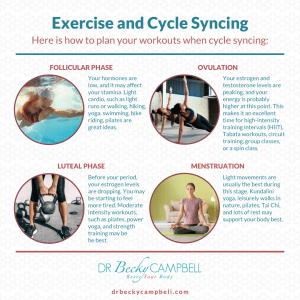
Here is how to plan your workouts when cycle syncing:
- Follicular phase: Your hormones are low, and it may affect your stamina. Light cardio, such as light runs, hiking, and flow-based yoga are great ideas.
- Ovulation: Your estrogen and testosterone levels are peaking, and your energy is probably higher at this point. This makes it an excellent time for more intense weight training, high-intensity training intervals (HIIT), Tabata workouts, circuit training, group classes, or a spin class.
- Luteal phase: Before your period, your estrogen levels are dropping. You may be starting to feel more tired. Moderate intensity workouts, such as pilates, power yoga, and lighter levels of strength training may be the best.
- Menstruation: Light movements are usually the best during this stage. Kundalini yoga, leisurely walks in nature, pilates, Tai Chi, and lots of rest may support your body best.
The key is to always listen to your body. If you are feeling good, you can push yourself a little bit more. But if you are tired or feeling off, it’s okay to ease your workouts a bit. I do believe the weight training is important for everyone, just at the level that your body can handle.
Nutrition and Cycle Syncing
Your nutrition is incredibly important for your health. But different foods may affect you differently through your cycle.
Most importantly, no matter what stage you are in during your cycle, avoid inflammatory foods. I am talking about refined sugar, refined oils, additives, artificial ingredients, junk food, processed food, caffeine, and alcohol. Avoid these foods and focus on whole foods nutrition instead. Eat regularly, every 3 to 4 hours (unless you do better otherwise), to help balance your blood sugar levels and avoid cortisol spikes or mood swings.
Follow these nutrition tips throughout the month while cycle syncing:
- Follicular phase: Add foods that support estrogen metabolization like cruciferous veggies (broccoli, etc.) , such as anti-inflammatory and antioxidant-rich foods, including hemp seeds, chia seeds, kale, sugar snap peas, carrots, artichokes, sprouts, strawberries, blueberries, and apples will help to build energy.
- Ovulation: Support your liver and load up on anti-inflammatory foods, such as beets, carrots, apples, and cruciferous vegetables. These foods offer anti-aging benefits and protection from environmental toxins. Hydrating and fiber-rich fruits and vegetables, such as grapefruit, berries, peaches, plums, grapes, cucumber, radishes, bell pepper, and greens can support your energy levels during this phase.
- Luteal phase: Add foods that help to produce serotonin and support your mood, like leafy greens. Prepare for menstruation with iron-rich foods, such as dark leafy greens, red meat, and seafood. Load up on magnesium-rich foods, including pumpkin seed, almonds, sunflower seeds, spinach, and in limited amounts, dark chocolate (if tolerated) to reduce fatigue and improve libido. At this time, I recommend that you also increase your magnesium supplement dose. Avoid alcohol, added salt, artificial sweeteners, carbonated drinks, and dairy.
- Menstruation: Since you are losing blood, restoring your iron levels with iron-rich foods, such as dark leafy greens, red meat, and seafood is critical. Anti-inflammatory herbs, such as turmeric, ginger, cinnamon, garlic, parsley, and rosemary, and omega-3-rich anti-inflammatory foods, such as fish, seafood, hemp seeds, chia seeds, and flax seeds may help to reduce cramps.

Remember, everyone’s body and nutritional needs are different. For example, if you have histamine intolerance, you need to follow a low-histamine diet and avoid high-histamine foods even while cycle syncing. Working with a functional health medicine practitioner (hint: my team and I!) can help you make the right nutritional decision based on your individual needs and health issues.
Improve Your Libido and Sex Life
From emotional stress to hormones, a lot can affect your libido and sex life. Estrogen dominance and high testosterone, both of which are very common for PCOS, can decrease your libido significantly. Too much cortisol, your main stress hormone, can also reduce your sex hormone and rob your libido.
Here is how cycle syncing can help:
- Follicular phase: During this stage, most women experience a lower sex drive. Creative foreplay, touching, and massaging may be preferred.
- Ovulation: Your estrogen and testosterone levels are at their peak. This is also the time when your body is ready to conceive. Whether ‘baby making’ is your goal or not, chances are, this is when you are the most interested in sex. This is a perfect time for spontaneity, trying new things, and keeping things exciting.
- Luteal phase: During this time, you may need a bit more stimulation to reach an orgasm. Trying out new positions or even some sex toys may be fun.
- Menstruation: While orgasms may help relieve your cramps, having sex during your period is a personal choice. Some women prefer to stay away from sex and prefer cuddles or resting instead. Listen to your body and support it with good nutrition.

Remember, good nutrition that supports your hormonal health is critical. Eating a healthy diet, reducing stress, leading a healthy lifestyle, and following these cycle syncing sexy suggestions can help you get your libido back and to have a creative sex life.
Fertility and Cycle Syncing
Cycle syncing may help your fertility. A 2007 study at Harvard University has found that diet and exercise habits may help to improve fertility. They followed 17,544 women and looked at factors of ovulatory infertility. They found that women who ate a diet rich in fiber, iron, plant protein, and high-fat dairy had better fertility scores than others. They were also more likely to take multivitamins and had a lower BMI than those with lower fertility scores (2).
Focusing on good nutrition and a healthy lifestyle according to your menstrual cycle may improve your hormonal health and fertility. I recommend a diet rich in greens, vegetables, low-glycemic fruits, herbs, healthy fats, and clean protein to support your hormones and improve your fertility.
How to Start Cycle Syncing?
Everyone’s body and everyone’s cycle is different. It is important that you track your cycle and understand your symptoms throughout the month. There are some great apps available that can help if you are not into pen and paper. It can take up to 3 months to really figure out the length of each phase of your cycle.
It’s important that you understand any health issue that may also be affecting your cycle, moods, energy levels, and other symptoms. Working with a functional medicine practitioner can help you uncover any health issues you may be dealing with.
Understanding your cycle and health challenges will help you to start your cycle syncing journey. Follow the recommendations in this article. Listen to your body and make modifications if needed as you go.
Check Out the Health Babes’ Guide to Balancing Your Hormones
To learn more about your hormones and learn how to improve your hormonal health naturally, I recommend our book (co-authored by Dr. Krystal Hohn and myself) The Health Babes’ Guide to Balancing Your Hormones: A Detailed Plan with Recipes to Support Mood, Energy Levels, Libido, and More. This book is not only full of information but with an easy-to-follow plan and easy-to-make, delicious hormone-friendly recipes.
Final Thoughts
Cycle syncing is a practice that helps you tune in with your hormonal fluctuation throughout the month. Navigating these changes and planning your workouts, nutrition, and other activities according to your cycle can help you feel your best every day of the month. I recommend that you give cycle syncing a try to optimize your health and well-being.
If you are dealing with symptoms of estrogen dominance or hormonal imbalance, I invite you to schedule a consultation with us. We can help to identify the root cause of your condition and recommend a personalized treatment plan to repair your body and regain your health and well-being. Schedule your consultation here.

Sources
- Farage MA, Osborn TW, MacLean AB. Cognitive, sensory, and emotional changes associated with the menstrual cycle: a review. Arch Gynecol Obstet. 2008 Oct;278(4):299-307. doi: 10.1007/s00404-008-0708-2. Epub 2008 Jul 1. PMID: 18592262
- Changes to Diet and Lifestyle May Help Prevent Infertility from Ovulatory Disorders. Harvard. Link Here

Histamine Intolerance and Your Gut
My patients with gut health issues, such as leaky gut syndrome, Candida overgrowth, SIBO, other gut infections, Crohn’s disease, and ulcerative colitis, often experience symptoms of histamine intolerance as well. This is not surprising.
Your gut is connected to everything in your body. Gut health issues, including leaky gut syndrome, gut infections, and inflammatory bowel disease can trigger histamine intolerance. If you have symptoms of both gut health problems and histamine intolerance, it is critical that we address both so you can recover your health and reclaim your life.
In this article, you will learn everything about leaky gut syndrome, gut infections, and inflammatory bowel disease. You will understand what they are, what their symptoms are, and what causes them. I will discuss the connection between your gut, gut health issues, and histamine intolerance. Lastly, I will offer my best natural solutions for gut health and histamine intolerance.
What Is Leaky Gut Syndrome
Leaky gut is a condition in which the barrier of your intestines becomes ‘leaky’. A healthy gut lining has tiny holes that allow nutrients to pass through but block toxins and invaders. However, in people with leaky gut syndrome, these holes become too large and allow undigested food, bacteria, and toxins to pass through.
When these harmful and foreign substances pass through your intestinal barrier, it can increase inflammation, trigger an autoimmune reaction, and cause a variety of symptoms and complaints from fatigue to digestive discomfort. Leaky gut syndrome can make it difficult to absorb nutrients and lead to mineral and vitamin deficiencies. Leaky gut syndrome can also cause low DAO enzyme production. DAO is responsible for breaking down excess histamine in your body. Not having enough increases your risk of histamine intolerance.

Symptoms of Leaky Gut Syndrome
Symptoms of leaky gut syndrome may include:
- Various food sensitivities
- Fatigue
- Headaches
- Bloating
- Weight gain
- Skin problems
- Joint pain
- Thyroid issues
- Anxiety & depression
Causes of Leaky Gut Syndrome
The causes of leaky gut syndrome include:
- Dietary: Alcohol, gluten, sugar, processed food, casein, lectin
- Infections: Bacterial overgrowth, yeast overgrowth, parasites, and H. pylori
- Medications: Antibiotics, antacids, corticosteroids
- Stress: Increased cortisol
- Hormonal: Decreased thyroid hormones and sex hormones such as estradiol, progesterone, and testosterone
- Autoimmune disease & inflammation: Autoimmune disease and intestinal inflammation are also known contributors
- Bacterial imbalances: Gut dysbiosis, an imbalance between the healthy as well as the pathogenic bacteria in the gut

What Are Gut Infections
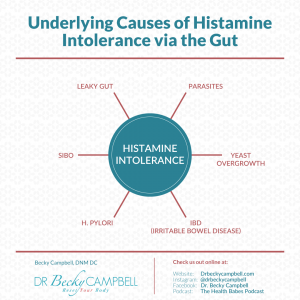
Microbial and fungal infections are one of the top potential underlying causes of histamine intolerance. Helicobacter Pylori infection, small intestinal bacterial overgrowth (SIBO), Candida, small intestinal fungal overgrowth (SIFO), and parasites are some of the top gut infections that you need to be aware of.
Helicobacter Pylori
Helicobacter pylori or H. pylori is a common strain of bacteria that nearly half of our population carries, often without knowing about it. H. pylori can infect your stomach lining and lead to ulcers and other gastrointestinal issues. H. pylori can also decrease your stomach acid levels. It has been linked to autoimmunity, fatigue, mineral deficiencies, and liver problems. H. pylori infection can trigger increased histamine release that your body won’t be able to keep up which may cause histamine intolerance.
Symptoms of H. Pylori
Symptoms of H. pylori infection may include:
- Nausea
- Frequent burping
- Bloating
- Unexplained weight loss
- Loss of appetite
- Abdominal pain
- Aching or burning sensation in your abdomen
Causes of H. Pylori
Causes of H. pylori infection may include:
- Contaminated food and water
- Person to person contact (saliva, vomit, and fecal matter)

SIBO
Small intestinal bacterial overgrowth (SIBO) refers to bacterial overgrowth in the small intestines. Under healthy circumstances, your small intestines have relatively few bacteria, but if you have SIBO, there is an overgrowth. SIBO can lead to stomach acid issues, improper digestion, and digestion symptoms. Certain bacteria, including the one connected to SIBO, can also produce histamine leading to histamine release and too much histamine that your body won’t be able to keep up with setting you up for histamine intolerance.
Symptoms of SIBO
Symptoms of SIBO may include:
- Nausea
- Vomiting
- Diarrhea
- Bloating
- Malnutrition
- Weight loss
- Joint pain
- Fatigue
- Skin conditions such as acne, eczema, and rashes
- Asthma
- Depression

Causes of SIBO
Causes of SIBO may include:
- Aging
- Chronic pancreatitis
- Diabetes
- Diverticulosis
- A structural defect in the small intestine
- Injury
- Fistula
- Intestinal lymphoma
- Scleroderma
- Recent abdominal surgeries
- Immune system disorders
- Celiac disease: Can be a major trigger as it leads to poor small intestinal functioning
- The use of certain medications: Immunosuppressants, PPI’s

Candida and SIFO
Candida and other fungal overgrowth is another top underlying cause of histamine intolerance. Candida is a fungus that in small amounts is beneficial for your health. It helps nutrient absorption and digestion. However, in excess, it can break down your intestinal lining, cause leaky gut syndrome, lead to toxin release, increase inflammation, and cause a variety of symptoms. Candida and fungal overgrowth can occur anywhere in your gut. Small intestinal fungal overgrowth (SIFO) refers to a specific overgrowth that occurs in your small intestines. Candida and fungal overgrowth may trigger histamine release. If the DAO enzyme is unable to keep up with excess histamine, it can lead to histamine intolerance and a list of health issues.
Symptoms of Candida and Fungal Overgrowth
Symptoms of Candida and fungal overgrowth may include:
- Exhaustion and fatigue
- Brain fog
- Anxiety, depression, and mood swings
- Oral thrush
- Chronic sinus infection
- Vaginal and urinary tract infections
- Digestive issues
- Skin problems
- Hormonal imbalances
- Headaches and migraines

Causes of Candida and Fungal Overgrowth
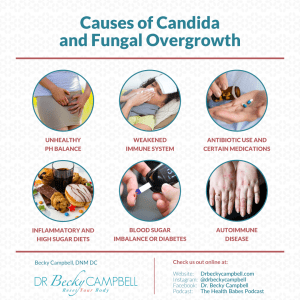
Causes of Candida and fungal overgrowth may include:
- Unhealthy pH balance
- Weakened immune system
- Antibiotic use and certain medications
- Inflammatory and high sugar diets
- Blood sugar imbalance or diabetes
- Autoimmune disease
Parasites
Parasites include worms and protozoa that can trigger digestive issues, histamine release, and a variety of health issues. Worms are parasites that you may acquire from contaminated unwashed fruits and vegetables or uncooked or undercooked meat. Worms include roundworms, pinworms, tapeworms, and hookworms. When you ingest their eggs, they end up hatching inside you. Their fecal matter can get absorbed in your bloodstream leading to an array of issues, including malnutrition and organ damage. Protozoa parasitic infections come from contaminated water and can lead to digestive issues and dehydration. If you have a parasitic infection, your mast cells will release histamine to fight the infection. Too much histamine, however, can lead to histamine intolerance.
Symptoms of Parasites
Symptoms of parasites may include:
- Digestive health issues (nausea, diarrhea, gas, constipation, yeast infection, etc)
- Chronic allergies
- Skin issues
- Anxiety, depression, confusion
- Fatigue
- Weight loss
- Appetite changes
- Anemia
- Rectal itching
- Circles under the eyes
- Bad breath
Causes of Parasitic Infections
Causes of parasitic infections may include:
- Contaminated water
- Unwashed fruits and vegetables
- Uncooked and undercooked meat

What Are Inflammatory Bowel and Digestive Diseases
Inflammatory bowel diseases (IBD) are chronic inflammatory conditions that affect the digestive tract. Crohn’s disease and ulcerative colitis are the two common IBDs that people suffer from. Crohn’s disease can affect any of all areas of your gut and most commonly affects your colon and small bowel, whereas ulcerative colitis affects your colon or large intestine only. IBDs are closely linked to low DAO enzymes due to increased inflammation in the body. IBDs can also increase histamine release as a part of your body’s defense mechanism. No wonder that IBDs can increase your risk of histamine intolerance.
Symptoms of Crohn’s Disease
Symptoms of Crohn’s disease may include:
- Urgent need to move the bowels
- Constipation
- Diarrhea
- Abdominal cramping
- Abdominal pain
- Rectal bleeding
- Weight loss
- Loss of appetite
- Fatigue
- Fever
Symptoms of Ulcerative Colitis
Symptoms of ulcerative colitis may include:
- Weight loss
- Fatigue
- Diarrhea
- Abdominal pain
- Abdominal cramping
- Inability to have bowel movements despite the urge
- Rectal bleeding and pain
Causes of IBDs
Causes of IBDs may include:
- Poor inflammatory diet
- Unhealthy and inflammatory lifestyle choices
- Chronic stress
- Poor microbiome health
- Food sensitivities
- Genetics and family history
Histamine Intolerance and Your Gut: The Connection
I’ve mentioned throughout this article that all these gut health issues can trigger histamine release and cause histamine intolerance. To help you understand this further, I want to dig deeper a little bit.
Increase in Food Sensitivities and Histamine Intolerance
SIBO, gut dysbiosis, and gut health issues can increase food sensitivities. As your body’s defense to food sensitivities, it may increase histamine release and cause histamine intolerance. Food sensitivities can also increase your risk of leaky gut syndrome and inflammation, which can further trigger an inflammatory response and related histamine intolerance.
Dysbiosis, SIBO, and Histamine Intolerance
Your gut is full of histamine receptors. The problem is that if you are dealing with gut health issues and gastrointestinal diseases, the expression of these histamine receptors can be altered (1).
According to a 2018 study published in the Journal of Physiological Pharmacology, both leaky gut syndrome and gut inflammation can lead to a gut bacterial imbalance that may contribute to histamine intolerance. In fact, a 2016 study published in the Canadian Journal of Gastroenterology and Hepatology has found that about 30 to 55 percent of people with digestive issues also have histamine intolerance due to the overgrowth of histamine producing bacteria (3, 4).
According to a 2010 study published in the Archives of Pathology & Laboratory Medicine, SIBO, which is a specific type of gut dysbiosis can lead to a lower or loss of tolerance to dietary histamine. A 2010 review published in the World Journal of Gastroenterology notes that the symptoms of histamines and SIBO often overlap indicating that at least some people have both conditions (4, 5).
Histamine Producing Bacteria, SIBO, and Histamine Intolerance
While SIBO can certainly trigger histamine intolerance, not everyone with SIBO has histamine intolerance. A build-up in histamine-producing bacteria in the small intestine can increase the likelihood of histamine intolerance. Certain bacteria, including L. bulgaricus and L. casei have been specifically linked to increased histamine production. Taking probiotics with lactic acid-based bacterial strains can add fuel to the fire if you have SIBO and histamine intolerance. If you have SIBO, opting for soil-based probiotics is a safer idea without feeding symptoms of SIBO (6).
Low Levels of DAO Enzyme and Histamine Intolerance
Intestinal inflammation and gut infections can contribute to decreased DAO enzymes. Since it’s responsible for breaking down histamine, the DAO enzymes are very important for preventing histamine intolerance and its symptoms. Past studies have found that low DAO enzyme levels and histamine intolerance may be associated with IBDs and leaky gut syndromes.
According to a 1990 study published in Agent Actions, low DAO enzyme levels are linked to Crohn’s disease, while a 1995 study published in the International Archives of Allergy and Immunology has linked low DAO enzyme levels to ulcerative colitis. According to a 2018 study published in the Journal of Physiology and Pharmacology, histamine intolerance may be associated with leaky gut syndrome (7, 8, 9).
High-Histamine Foods and Histamine Intolerance
If your diet is high in high-histamine foods, histamine-liberating foods, and DAO-enzyme-blocking goods, you may overstep your body’s boundaries and exceed your body’s ability to break down excess histamine. This histamine build-up that can cause histamine intolerance can contribute to increased inflammation and gut health symptoms that may further feed and trigger that cycle of gut health issues and histamine intolerance (10).
Stress, Mast Cell Stimulation, and Histamine Intolerance
Chronic stress can contribute to both histamine intolerance and gut health issues. Prolonged emotional stress can increase symptoms of SIBO, cause digestive discomfort, negatively affect your gut microbiome, and stimulate mast cell production. Mast cells are white blood cells that serve regulations of your immune system. They can be found throughout your body’s connective tissues and your gastrointestinal tract.
Your mast cells are responsible for the secretion of histamine and the release of other cytokines. As chronic stress stimulates mast cell production, it can also stimulate increased histamine release, especially in the gut. This can specifically contribute to the ongoing cycle of histamine intolerance, inflammation, gut infections, and gut health symptoms.
What Is Histamine Intolerance?
Histamine is a chemical that is responsible for a number of functions in your body, including removing allergens as part of your immune response, communicating with your brain, and triggering stomach acid release to aid digestion. Histamine intolerance means that you have too much histamine which can lead to various health issues.
In a healthy body, as a natural part of your immune response, your body releases DAO enzymes to break down the build-up of histamine. If you have too much histamine, your body won’t be able to keep up and won’t be able to break down all the histamine build-up properly. Histamine intolerance affects your entire body, including your gut, brain, lungs, cardiovascular system, and hormonal health and can cause a variety of issues, including digestive problems, headaches, skin problems, hormonal issues, sleep disturbances, bladder problems, anxiety, and more.
Natural Solutions for Gut Health Issues and Histamine Intolerance
Are you dealing with leaky gut syndrome, SIBO, gut infections, parasites, Crohn’s disease, ulcerative colitis, or other gut health issues and symptoms of histamine intolerance? Here is what I recommend to improve your health naturally:
Eat a Low-Histamine, Gut-Friendly Diet
To improve histamine intolerance and gut health issues, I recommend that you eat an anti-inflammatory, nutrient-dense, and low-histamine diet. Start by eliminating all high-histamine foods for one month, then slowly re-introduce them one by one following The 4-Phase Histamine Reset Plan.
The 4-Phase Histamine Reset Plan is a plan that I developed to help people like you who are dealing with histamine intolerance and related health issues. It is a simple yet refined system and it is important that you understand and follow each step properly.
To understand each step and guide your recovery, I recommend that you read my book, The 4-Phase Histamine Reset Plan: Getting to the Root of Migraines, Eczema, Vertigo, Allergies and More where I explain everything about histamine intolerance and each phase of the plan in detail and share delicious low-histamine recipes to nourish your body and support your health. Pick up a copy, today to learn more about the plan and my recommendations.
For extra recipes to support a low histamine diet using an air fryer, try out my book Fifty-one Low Histamine Air Fryer Recipes.
Reduce Stress and Improve Your Lifestyle
Since chronic stress and poor lifestyle choices can trigger histamine intolerance and increase gut health issues, I recommend that you follow a healthy and anti-inflammatory lifestyle that doesn’t cause increased histamine. Get plenty of sleep. Exercise regularly. Reduce your stress levels through meditation, breathwork, journaling, yoga, time in nature, quality me-time, and uplifting activities with friends and family. Along with dietary changes, it’s important that you eliminate toxic personal care and cleaning products as well and instead use organic, natural, or homemade products.
For very sensitive people that seem to have trouble tolerating a lot of foods and/or supplements, I highly recommend this The Gupta Course, for brain retraining. Here is Ashok Gupta on our Health Babes podcast explaining his method. Take a listen!
Try Supplements for Histamine Intolerance
I recommend HistoRelief. It is a synergistic blend of nutrients that provides natural support to balance your immune response. This blend features Tinofend®, a patented and clinically researched extract derived from the plant Tinospora cordifolia, which has a powerful ability to support immune regulation and immune response. As a result, it boosts your body’s ability to fight histamine-related symptoms. It includes quercetin, nettle leaf, vitamin C, and bicarbonate salt to help inhibit histamine release, support normal histamine metabolism, and improve immune health.
Final Thoughts
Having both gut health issues and histamine intolerance is common. I see it in my practice all the time. Gut health issues, including leaky gut syndrome, gut infections, and inflammatory bowel disease can trigger histamine intolerance. If you have symptoms of both gut health problems and histamine intolerance, it is critical that we address both so you can recover your health, regain your vitality, and reclaim your life.
If you are dealing with gut health issues and histamine intolerance, I invite you to schedule a consultation with us. We can help to identify the root cause of your condition and recommend a personalized treatment plan to repair your body and regain your health and well-being. Schedule your consultation here.
