

Exercise and Histamine Intolerance: How to Make Working Out Safe For You
Practical Tips and Strategies for Safe and Enjoyable Workouts with Histamine Intolerance
Picture this: You step into your gym, ready to conquer your workout. You hop onto a treadmill, excited to break a sweat, but you're hit with a whirlwind of sensations before you even reach your normal walking pace. Lightheadedness washes over you, your fingers and toes tingle uncomfortably, and the alarming thought of blacking out starts creeping in.
Take a moment to pause and catch your breath because I’ve been right there with you!
I understand the frustration and disappointment when all you want to do is exercise, but histamine intolerance decides to rear its ugly head. The flushing, dizziness, itchy skin, and feeling faint. Trust me, I’ve experienced it firsthand, and it can be disheartening to realize that a mere five minutes of exercise can trigger a cascade of symptoms.
But let me assure you, you are not alone in the journey. Exercise can pose a challenge for many people struggling with histamine intolerance. The very activities that should invigorate and empower us become stumbling blocks on our fitness journey.
However, I want you to know that there is hope. I’ve had to discover alternative ways to exercise that would keep me safe and help me enjoy my workouts. It may feel daunting stepping back into the gym, considering the reactions we’ve experienced in the past, but trust me; it is possible to create a workout routine that accommodates your histamine intolerance.
I’ll share the lessons I’ve learned, the strategies I’ve implemented, and the tips that have helped me transform my exercise routine. Together, we’ll explore ways to make working out safe, enjoyable, and, yes, even fun again, despite histamine intolerance.
Exercise and Histamine Intolerance
In 1935, researchers stumbled upon a connection between exercise and histamine levels. In an animal study, they observed that histamine levels would rise in response to exercise, and the intensity and duration of the physical activity played a crucial role in this histamine surge.[1]
Fast forward to today, and the scientific community continues to uncover the complexities of this connection, reinforcing the notion that exercise can indeed impact histamine levels in our bodies.
What is exercise-induced histamine release?
Exercise-induced histamine release refers to the phenomenon where physical activity triggers the release of histamine (a chemical compound naturally present in our cells) into our bodies.[2]
When we work out, our bodies undergo changes like increased blood flow, elevated heart rate, and heightened metabolism. These changes can trigger histamine release from mast cells, leading to those frustrating symptoms of histamine intolerance. Here’s the tricky part: everyone’s different, so specific exercises or environmental factors might make your histamine response worse than others.
What’s the connection between exercise and histamine intolerance?
Now that we’ve covered what exercise-induced histamine release is, you may be wondering what’s causing your histamine reactions in the first place.
Let’s explore some of the most common ways histamine intolerance can impact your workout.
Excess Histamine Release
When we exercise, our bodies undergo various physiological changes that have the potential to stimulate mast cells, leading to the release of histamine. These mast cells, known for their involvement in immune responses, can be activated by factors like the physical stress placed on the body, increased blood flow, elevated heart rate, and temperature fluctuations we experience during exercise.[3]
Inflammation
Even at moderate intensity, exercise causes tiny tears in muscle fiber, which triggers a mast cell response that can lead to inflammation, a natural response to repair damaged tissues and promote healing. However, this inflammatory response can be heightened in people with histamine intolerance, potentially exacerbating symptoms.[4]
Exercise Intensity
The intensity of physical activity can impact the extent of histamine release and the symptoms you experience. Higher-intensity exercises, like HIIT workouts, tend to stimulate a more significant release of histamine, potentially leading to more pronounced symptoms. Moderate-intensity exercises, such as jogging, cycling, or brisk walking, can still elicit a histamine response, particularly in people with heightened sensitivity to histamine.
Temperature and Humidity
Environmental factors, such as high temperature or humidity levels during exercise, can stimulate histamine release and exacerbate symptoms in people with histamine intolerance. Sweating and dehydration caused by high temperatures can trigger histamine release, while high humidity impedes the body’s natural cooling mechanism and can lead to increased histamine release. In addition, changes in temperature and humidity can increase the presence of allergens in the environment, further stimulating your histamine release.
High-Histamine Workout Equipment
Some workout equipment, such as foam rollers or exercise mats made from certain materials, can potentially contain high levels of histamine-releasing substances. Coming into contact with such equipment during exercise can contribute to histamine intolerance symptom flare-ups.

Common Symptoms of Histamine Intolerance During Exercise
Histamine intolerance can manifest in various symptoms during exercise. While each person’s symptoms are unique, here are some common signs to be aware of: [5] [6]
- Skin reactions: Itchy skin, hives, redness, flushing, or a rash are common symptoms of histamine intolerance during exercise. These reactions can occur on different body parts, such as the face, neck, chest, or limbs.
- Respiratory symptoms: Histamine release can lead to respiratory issues during exercise, including nasal congestion, sneezing, runny nose, difficulty breathing, wheezing, or asthma-like symptoms.
- Gastrointestinal issues: Histamine intolerance can affect the digestive system, resulting in abdominal pain, bloating, gas, diarrhea, or even nausea and vomiting during or after exercise.
- Headaches and migraines: Intense physical activity may trigger histamine-related headaches or migraines. These headaches can range from mild to severe and may persist for hours or even days.
- Dizziness and lightheadedness: Some people with histamine intolerance may experience dizziness, lightheadedness, or a feeling of imbalance during exercise.
- Fatigue and brain fog: Histamine intolerance may contribute to fatigue and mental fogginess, making it difficult to sustain energy and focus during exercise.
The onset and duration of histamine intolerance during exercise can vary. Some people may experience immediate reactions during exercise, while others may notice symptoms hours or even days later. The intensity of symptoms can also fluctuate, depending on your exercise intensity, duration, and sensitivity.
Why do I have exercise intolerance and others don’t?
The experience of exercise intolerance in people with histamine intolerance can occur for various reasons. One possible reason for the variation in exercise intolerance is the efficiency of histamine clearance mechanisms. Variations in the body’s ability to break down and eliminate histamine can affect how efficiently histamine is processed. Some people have compromised histamine clearance pathways, leading to an accumulation of histamine and an increased response exercise.
Underlying health conditions can also contribute to exercise intolerance. Coexisting conditions like allergies, asthma, or autoimmune disorders can enhance the body’s response to histamine, increasing the likelihood of exercise intolerance.
Lastly, each person has a different threshold for histamine intolerance, and those with a lower threshold may experience symptoms and exercise intolerance even with lower levels of histamine release. On the other hand, individuals with a higher threshold may tolerate exercise better without significant symptoms.

Will I be able to work out again with histamine intolerance?
Yes, it’s possible!
When it comes to histamine intolerance, it’s important to approach exercise with care and not push yourself to the absolute limit. Finding the right balance in terms of exercise intensity, duration, and frequency is crucial.
One of the best things you can do is control your environment until you get to a place where you can exercise without any symptoms. That means skipping the gym or yoga studio if you can and instead working out at home where you can control what you’re near, what smells are there, how hot it is, what surface you're on, etc.
Still trying to figure out where to start? I find these exercises to be best for patients with histamine intolerance:
- Yoga
- Pilates
- Barre
- Walking
- Swimming
- Bike riding
- Resistance training (my personal favorite)
Keep in mind that ultimately, exercise may not directly address histamine intolerance, but it can indirectly benefit overall health, immune function, stress reduction, and weight management, improving the general management of your histamine intolerance symptoms. So we do not want to stop exercising!
4 Practical Tips and Strategies to Reduce a Histamine Response During Exercise
Here are four practical tips and strategies that you can implement to help reduce your histamine response during exercise:
- Take the Time to Warm-Up and Cool-Down: Before diving into your workout, give your body a proper warm-up. This can help minimize any sudden histamine release when you start exercising. Take a few minutes to stretch after your workout as well. This gradual transition can work wonders in reducing any post-workout histamine-related symptoms.[7]
- Choose Low-Histamine Foods: Pay attention to what you eat before and after your workout, as certain foods can trigger histamine release. Choose low-histamine options such as fresh fruits, veggies, and fresh animal (preferred) proteins.
- Hydrate: Staying properly hydrated is crucial for managing histamine intolerance.[8] Drink plenty of water throughout the day and especially during workouts. Adequate hydration supports your body’s natural processes and can help reduce histamine-related symptoms.
- Focus on Gradual Progression and Listen to Your Body: Take a gradual approach to increasing exercise intensity and duration. Avoid sudden leaps in activity that can trigger a higher histamine response. Pay close attention to how your body reacts to different levels of exercise intensity to find a balance that allows for safe and enjoyable exercise.
These practical tips and strategies can help minimize histamine-related symptoms during workouts. However, histamine intolerance is as unique as you are, so it’s all about tuning in and listening to your body’s signals. Feel free to experiment, seek guidance, and tailor these strategies to fit your needs. With a little trial and error, you'll find an exercise routine that supports your well-being while managing histamine intolerance effectively.
Find Relief from Histamine Intolerance
It’s possible to find relief from histamine intolerance!
I did!
And when I pieced together the puzzle of my histamine intolerance, it was life-changing. Today, I can eat most foods without problems and enjoy regular workouts. Plus, most of my symptoms are gone because I addressed the underlying causes of my inability to break histamine down properly!
You, too, can experience similar relief from the puzzling and debilitating symptoms of histamine intolerance, and I can teach you how!
Discover what is driving your histamine intolerance symptoms and how to support your body by scheduling a consultation today.
Not sure if you’re ready for a consultation? Try our Histamine Reset Online Program to begin healing your body on your time.
Resources
[1] "Appearance of histamine in the venous blood during muscular ...." https://pubmed.ncbi.nlm.nih.gov/16994722/. Accessed 11 Jul. 2023.
[2] "Sustained postexercise vasodilatation and histamine receptor ...." 29 Jul. 2012, https://physoc.onlinelibrary.wiley.com/doi/full/10.1113/expphysiol.2012.066605. Accessed 11 Jul. 2023.
[3] "what happens after we exercise? - PubMed." https://pubmed.ncbi.nlm.nih.gov/22872658/. Accessed 11 Jul. 2023.
[4] "Elevation of histidine decarboxylase activity in skeletal muscles and ...." https://pubmed.ncbi.nlm.nih.gov/11080067/. Accessed 11 Jul. 2023.
[5] "The Intriguing Role of Histamine in Exercise Responses - PMC - NCBI." https://www.ncbi.nlm.nih.gov/pmc/articles/PMC5161583/. Accessed 11 Jul. 2023.
[6] "Sustained postexercise vasodilatation and histamine receptor ...." https://pubmed.ncbi.nlm.nih.gov/22848080/. Accessed 11 Jul. 2023.
[7] "A single dose of histamine-receptor antagonists before downhill ...." https://www.ncbi.nlm.nih.gov/pmc/articles/PMC5401952/. Accessed 11 Jul. 2023.
[8] "Dehydration affects exercise-induced asthma and anaphylaxis - PMC." 28 Oct. 2019, https://www.ncbi.nlm.nih.gov/pmc/articles/PMC6834710/. Accessed 11 Jul. 2023.

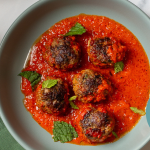
Lamb Meatballs with Roasted Red Pepper Sauce
Lamb Meatballs with Roasted Red Pepper Sauce
For the Meatballs
- 1 lb Ground Lamb
- 1/2 Of a Small Onion, Minced
- 3/4 tsp Salt
- 1/2 tsp Cumin
- 1/4 tsp Pepper
- 2 tbsp Minced Fresh Parsley
- 1 tsp Minced Fresh Mint (plus extra mint to garnish)
- 2 tbsp Almond Flour ((optional, omit if almond flour is not well tolerated))
- 1 tsp Olive Oil (for searing)
For the Sauce
- 2 cups Roasted Red Peppers
- 1 Garlic Clove (grated on a microplane)
- 2 tbsp Olive Oil
- 1/4 cup Water
- 1 pinch Salt and Pepper (to taste)
- Combine all ingredients for the meatballs except the olive oil in a large bowl. Gently mix together with your hands until uniform and then form into golf ball sized balls and flatten slightly so no longer round. Place meatballs on a plate or sheet tray until ready to cook.
- Prepare the red pepper sauce by pulsing the red peppers, garlic, olive oil, and salt and pepper in a food processor or blender until mostly smooth with a little texture. Add the water a few tablespoons at a time until you have a sauce that’s about as thick as a tomato sauce. Pour the pepper sauce into a 9 inch baking dish and set aside.
- Preheat the oven to 375 degrees and heat a large cast iron skillet over medium heat. Heat 1 teaspoon of olive oil in the skillet and begin to sear the meatballs until golden brown- about 3-4 minutes per side. You may have to work in batches to avoid crowding the pan. As the meatballs finish, transfer them to the baking dish with the red pepper sauce.
- When all of the meatballs are in the baking dish place it in the oven and bake for 30-35 minutes until the sauce is bubbly and the meatballs are cooked through with an internal temperature of 165.
- Remove from the oven and garnish with fresh mint.

Chicken Thighs with Creamy Ginger Turmeric Sauce
Chicken thighs with creamy ginger turmeric sauce

- 1 tbsp Ghee
- 1 1/2 lbs Bone-In, Skin-On Chicken Thighs
- 1 Yellow Onion
- 1 Clove Garlic (thinly sliced)
- 1 tsp Fresh Ginger
- 3/4 tsp Turmeric
- 1/2 tsp Salt (plus more for chicken)
- 1/4 tsp Black Pepper (plus more for chicken)
- 1 cup Coconut Milk
- 1/2 cup Cilantro Leaves
- Heat a medium skillet overmedium high heat and add ghee to the pan. Pat chicken thighs dry with a papertowel and season both sides with salt and pepper. Carefully add the chicken,skin side down to the pan and sear until golden brown and crisp- about 5minutes. Flip the chicken and cook for an additional 3-4 minutes on the otherside then transfer chicken to a plate. Lower the heat and add the sliced onionsto the pan. Cook, stirring occasionally for 2-3 minutes until beginning tosoften. Add the garlic to the pan and cook for an additional minute or two. Addthe fresh ginger and turmeric along with ½ teaspoon salt and ¼ teaspoon pepperto the pan. Stir well and cook for another 1-2 minutes until the ginger beginsto cook.
- Deglaze the pan with ¾ cup ofcoconut milk and ¼ cup of water, scraping the pan with a wooden spoon. Bringthe mixture to a simmer and then add the chicken back to the pan, skin side up.Simmer undisturbed for 25-35 minutes or until the chicken has fully cookedthrough to 170 degrees.
- Remove from the heat and addthe cilantro and the remaining ¼ cup of coconut milk to the pan.

Low Histamine Diet: Is a Low Histamine Diet a Lifelong Commitment?
Understanding the Duration and Realistic Expectations of Following a Low Histamine Diet
Living with histamine intolerance can be incredibly challenging. From the exhausting journey of obtaining a diagnosis to the ongoing management of symptoms, it’s a path that requires perseverance and resilience. As someone who has experienced a histamine intolerance diagnosis firsthand, I understand the frustrations and the long road to finding effective solutions.
One common approach to managing histamine intolerance is adopting a low histamine diet. A low histamine diet aims to minimize the intake of histamine-rich foods and alleviate symptoms. However, considering a low histamine diet raises an important question: Is a low histamine diet a lifelong commitment, or is it only a temporary measure?
Understanding the long-term implications of this dietary approach is crucial if you have histamine intolerance. By delving into the root causes and gaining insights into real-life experiences, you can gain some clarity on whether you’ll need to adhere to a low histamine diet indefinitely or if there is room for flexibility.
Understanding Histamine Intolerance
Histamine intolerance is a condition where the body has difficulty processing histamine, a chemical that plays important roles in our body, such as regulating our immune system, aiding digestion, and transmitting messages between cells in the nervous system.[1] In people with histamine intolerance, the body struggles to effectively break down histamine, resulting in its buildup. This can lead to a range of symptoms as the excess histamine interacts with your different body systems.

Common Symptoms of Histamine Intolerance:
- Hives
- Flushing
- Itchy skin
- Eczema and other skin rashes
- Abdominal pain or cramping
- Bloating
- Diarrhea or constipation
- Nausea and vomiting
- Sneezing
- Runny or congested nose
- Itchy, watery eyes
- Asthma-like symptoms or difficulty breathing
- Recurrent headaches or migraines
- Fatigue or lack of energy
- Brain fog or difficulty concentrating
- Irregular heartbeat
- Anxiety or mood swings
Histamine intolerance symptoms can vary in severity and frequency from person to person. If you suspect you have histamine intolerance, talk with your healthcare provider for a diagnosis and guidance. Or schedule a consultation to receive one-on-one support.
Low Histamine Diet
If you’re new to a low histamine diet, let’s start by reviewing what it entails and how it can benefit you. A low histamine diet is a dietary approach aimed at reducing the intake of foods that are high in histamine or that trigger the release of histamine in the body to help you find relief from histamine-related symptoms.[2]
While following a low histamine diet may seem overwhelming at first, with time and guidance, it becomes easier to identify suitable food choices and create a well-balanced eating plan that will meet your needs. In exploring the low histamine diet, you will learn about histamine-rich foods to avoid and discover alternative options that will help you regain control over your well-being.

Foods to Avoid: High Histamine Foods and Histamine-Releasing Substances
Following a low histamine diet starts by becoming aware of high-histamine foods and histamine-releasing substances that can trigger your histamine intolerance symptoms. High histamine foods naturally contain higher levels of histamine, while histamine-releasing substances are known to stimulate the release of histamine in the body. These foods and substances can contribute to histamine accumulation and exacerbate symptoms such as skin rashes, digestive issues, headaches, respiratory problems, and more.
High histamine foods and histamine-release substances include: [3]
High Histamine Foods
- Aged cheeses
- Sauerkraut, kimchi, and kombucha
- Fermented alcoholic beverages – wine, beer, and champagne
- Deli meats
- Smoked or cured meats
- Shellfish such as shrimp, lobster, and crab
- Canned or processed fish such as tuna, sardines, and anchovies
- Pickles and relishes
- Vinegar-based dressing and condiments such as ketchup and mustard
- Citrus fruits such as oranges, lemons, limes and grapefruits
- Strawberries, pineapples, avocados, and bananas
- Spinach, tomatoes, and eggplants
- Soy sauce
- Miso paste
- Tempeh
- Peanuts
- Walnuts & cashews
- Sesame seeds
- Dark chocolate
- Cocoa powder, cinnamon, curry, allspice
Histamine-Releasing Substances
- Alcohol (especially red wine and beer)
- Caffeine (specifically coffee, black tea, mate tea, and green tea)
- Food additives such as artificial preservatives and flavor enhancers
Individual tolerance to histamine-containing foods can vary from person to person. Some people may need to strictly avoid these high-histamine foods. Others may tolerate them in moderation. If you’re new to a low histamine diet, I suggest keeping a food diary to monitor your body’s response to different foods. This can help you identify specific triggers and customize your dietary approach.
Foods to Include: Low Histamine Alternatives and Nutrient-Rich Options
When following a low histamine diet, it’s important to focus on incorporating foods that are low in histamine while still providing essential nutrients for optimal health. Including nutrient-rich options help support your overall health and ensures you get the necessary vitamins, minerals, and antioxidants.
Low histamine alternatives and nutrient-rich options include: [4]
- Freshly cooked chicken, turkey, and beef (beef is usually aged and may not always be well tolerated)
- Fresh fish (non-canned)
- Apples, pears, and berries (except strawberries)
- Leafy greens like lettuce, kale, and Swiss chard
- Red onion is high in quercetin
- Cherries
- Broccoli, cauliflower, and zucchini
- Olive oil or Coconut oil
- Basil, parsley, and cilantro
- Turmeric, ginger, and cumin
- Oregano, thyme, and rosemary
- Sunflower seeds (in moderation)
- Herbal teas – Chamomile, Peppermint, or Rooibos

Benefits and Limitations of the Low Histamine Diet
The low histamine diet offers several potential benefits to help you manage your symptoms and improve your overall well-being. By reducing the intake of histamine-rich foods and histamine-release substances, you may experience a decrease in a wide range of symptoms:
- Eczema and other skin rashes
- Hives
- Itching
- Flushing or redness of the skin
- Digestive issues like bloating and diarrhea
- Abdominal pain and cramping
- Headaches
- Migraines
- Sneezing and runny or congested nose
- Itchy, watery eyes
- Coughing or wheezing
- Dizziness or lightheadedness
- Low blood pressure
- Moods swings and irritability
- Anxiety and nervousness
One of the primary advantages of the low histamine diet is that it provides a structured approach to identifying and avoiding dietary triggers. By carefully selecting foods low in histamine, you can gain better control over your symptoms and overall health.
Following this dietary plan can be challenging and require significant eating and lifestyle adjustments. The diet restricts a variety of commonly consumed foods, which can make eating out more difficult. Plus, not everyone finds symptom relief by following a low histamine diet. Finding the balance between avoiding triggers and maintaining a nutritionally diverse diet can vary from person to person.
Remember that the low histamine diet will not address the underlying root cause of your histamine intolerance, such as gut health issues, hormone imbalances, environmental toxins like mold, or vitamin deficiencies. Only when you address these underlying factors will you be able to stop eating a low-histamine diet.
Is the low histamine diet a lifelong commitment?
The question of whether a low histamine diet is a lifelong commitment largely depends on your specific circumstances and how effectively you can address any underlying root causes.
Ideally, if you address your underlying root causes of histamine intolerance and make necessary lifestyle modifications, you can experience an improved ability to tolerate higher histamine foods and have more foods to choose from. It is possible to get better entirely and not need to follow a low histamine diet forever!
Factors Influencing the Duration of a Low Histamine Diet
Various factors influence the duration of a low histamine diet and may vary from person to person. Some key factors that can play a role in determining how long you’ll need to adhere to the low histamine diet include:
- Intensity and frequency of histamine-related symptoms
- Identifying and addressing the underlying causes
- Your sensitivity to histamine
- The way you breakdown histamine
- Personal response and trial-and-error to food reintroduction
- Overall health and well-being
As a reminder, the duration of a low histamine diet is not set in stone and may evolve over time.
The Role of Underlying Causes for Long-Term Treatment
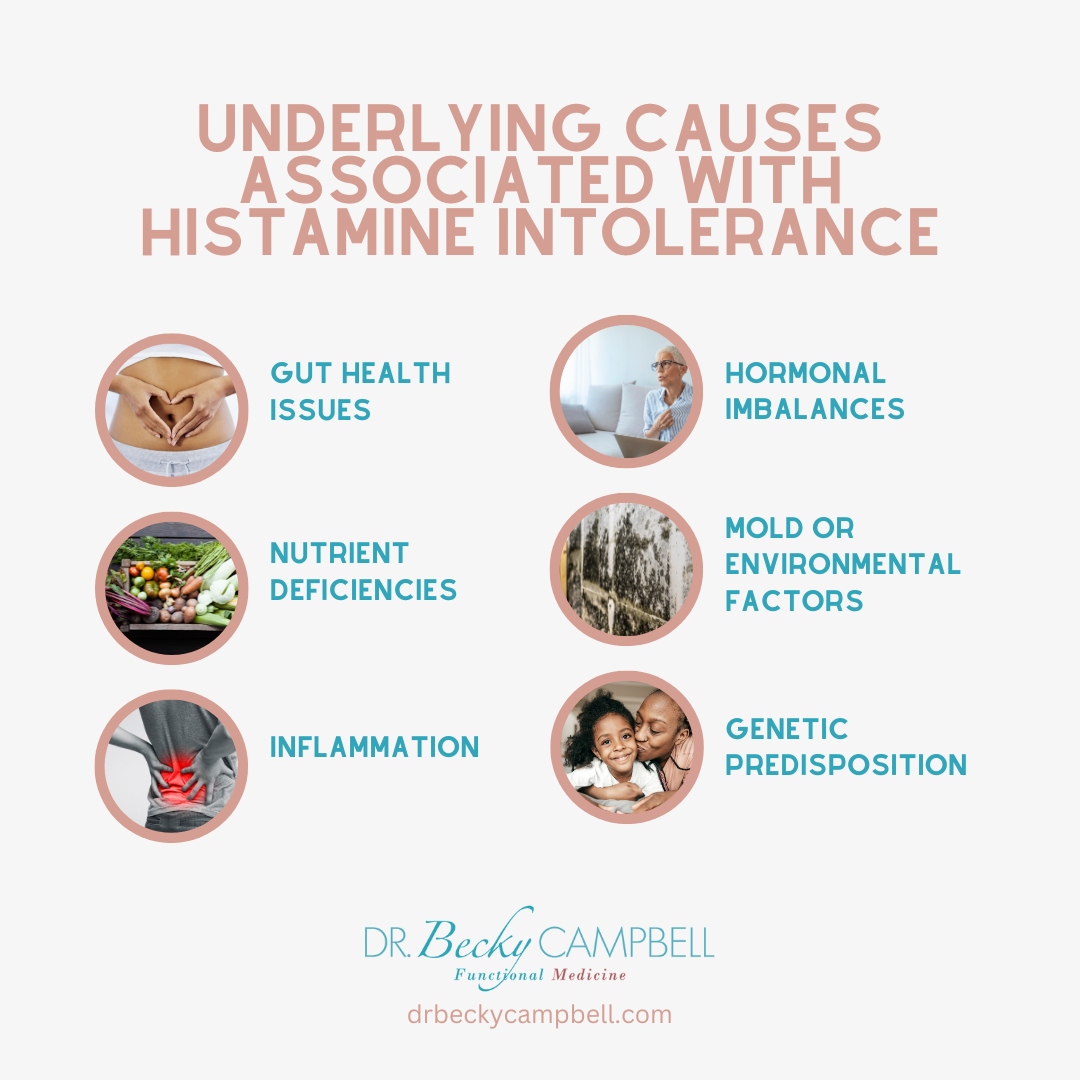
Understanding and addressing the underlying causes of histamine intolerance is crucial for long-term treatment and management. While following a low histamine diet can provide symptom relief, it will not address your intolerance's root cause. Here are some of the underlying causes associated with histamine intolerance: [5] [6] [7] [8]
- Gut health issues
- Hormonal imbalances
- Nutrient deficiencies
- Enzyme deficiencies
- Mold and environmental factors
- Inflammation and immune dysregulation
- Stress, anxiety, and other emotional factors
- Genetic predisposition
Identifying and addressing these underlying factors, with the guidance of someone that knows how to help you (hint: my team), can help you manage your histamine intolerance more effectively and help you work towards a more inclusive diet.
Navigating Histamine Intolerance and a Low Histamine Diet
I believe that having a comprehensive approach, including a low histamine diet, is essential for effectively managing histamine intolerance. While adopting a low histamine diet can be a valuable starting point, it is important to recognize that it may not provide the profound and long-lasting healing you deserve.
Long-lasting healing is only possible when you identify and treat the root cause of your histamine reactions. When you work with us, we partner to identify the underlying patterns contributing to your symptoms and devise a plan to provide lasting outcomes. Our revolutionary care model allows you to give your body the care and love it needs to feel like yourself again.
Are you experiencing histamine issues?
Let’s talk!
Schedule a new patient consultation today to get started.
Want more?
Try our Histamine Reset Online Program to begin healing your body on your time.
Resources
- "Histamine Intolerance: The Current State of the Art - PMC - NCBI." 14 Aug. 2020, https://www.ncbi.nlm.nih.gov/pmc/articles/PMC7463562/. Accessed 14 Jul. 2023.
- "Low-Histamine Diets: Is the Exclusion of Foods Justified by Their ...." 21 Apr. 2021, https://www.ncbi.nlm.nih.gov/pmc/articles/PMC8143338/. Accessed 14 Jul. 2023.
- "Histamine intolerance and dietary management: A complete review." https://www.elsevier.es/en-revista-allergologia-et-immunopathologia-105-articulo-histamine-intolerance-dietary-management-a-S0301054616300775. Accessed 14 Jul. 2023.
- "Histamine Intolerance—The More We Know the Less We ... - NCBI." 29 Jun. 2021, https://www.ncbi.nlm.nih.gov/pmc/articles/PMC8308327/. Accessed 14 Jul. 2023.
- "Histamine Intolerance Originates in the Gut - PMC - NCBI." 12 Apr. 2021, https://www.ncbi.nlm.nih.gov/pmc/articles/PMC8069563/. Accessed 14 Jul. 2023.
- "Histamine Intolerance—A Kind of Pseudoallergic Reaction - PMC." 15 Mar. 2022, https://www.ncbi.nlm.nih.gov/pmc/articles/PMC8945898/. Accessed 14 Jul. 2023.
- "Role of Histamine in Modulating the Immune Response and ... - NCBI." https://www.ncbi.nlm.nih.gov/pmc/articles/PMC6129797/. Accessed 14 Jul. 2023.
- "Acute stress modulates the histamine content of mast cells in ... - NCBI." https://www.ncbi.nlm.nih.gov/pmc/articles/PMC2343625/. Accessed 14 Jul. 2023.