

What is Functional Medicine?
https://www.youtube.com/watch?v=Mrf5MYJTJig
Working as a Functional Medicine Practitioner, I often get asked the question, what is functional medicine? How is functional medicine any different than modern day medicine seen today and what exactly is a functional medicine doctor?
In this article, I am going to break down how it’s different and how you can benefit from working with a functional medicine practitioner.
What is Functional Medicine?
I like to define functional medicine as having a well-rounded approach to working with patients and helping them get to the root cause of their illness.
I also use the following words to define functional medicine at its core:
- Investigative. Addresses symptoms by focusing on the underlying cause of the problem, which leads to more profound and longer lasting results.
- Holistic. Envisions the body as an interconnected whole that is in dynamic relationship to its environment, and recognizes the importance of these connections in health and disease.
- Safe. Treatments have mild or no side effects, and other unrelated complaints often improve spontaneously.
- Patient-centered. Treats the patient, not the disease. Treatments are highly individualized based on patient needs.
- Participatory. Patient is respected, empowered, educated and encouraged to play active role in healing process.
- Integrative. Combines the best of both modern and traditional medicines and emphasizes importance of diet and lifestyle.
- Restorative. Tests and treatments designed to promote optimal function, prevent and reverse disease, and improve quality of life.
- Preventative. Guided by the ancient Chinese saying, “The superb physician treats disease before it occurs.”
- Evidence-based. Based on the latest research from peer-reviewed medical journals, and uncorrupted by corporate and political interests.
Functional medicine is much more about getting to the bottom of your health issues and uncovering your root cause. It’s very different from modern day medicine where prescriptions are written just to provide a band aid for symptoms. In functional medicine, we focus on the patient and not the disease as each patient is going to present with something different. We also incorporate both modern and traditional approaches to get the best possible outcome for each individual patient.
It's about looking at the whole picture and getting each patient involved.
Who is Functional Medicine For?
Many of the patients I see in my practice have gone down the modern medical route. They have seen dozens of doctors, done hundreds of tests, and taken a handful of medications with little to no relief from their symptoms. Many patients come to me when they feel like no one else has truly listened to what they have gone through.
While functional medicine is for patients who have searched endlessly for answers to their health issues, functional medicine can also be for anyone who is just starting the process of uncovering their health issues.
Functional medicine is for anyone who wants to take an investigative, safe, holistic approach to their health. Functional medicine is for anyone who doesn’t want to rely on unnecessary drugs and other medical interventions for the rest of their lives. This approach is for anyone who wants to play an active role in their health instead of being pushed out of the doctor’s office after a 5-minute visit. A functional medicine approach works well for someone who is willing to make the dietary and lifestyle changes necessary for their health.
Conditions We Work With
Functional medicine doesn’t just focus on treating one particular condition. Functional medicine practitioners work with a wide range of health conditions. In my practice, I specialize in thyroid health but have worked with patients with all of the following conditions as well:
- Acne
- Adrenal disorders
- Anxiety
- Arthritis
- Asthma
- Autoimmune disease
- Cardiovascular disease
- Chronic fatigue
- Chronic sinusitis
- Chronic infections
- Depression
- Diabetes
- Digestive disorders (IBD, IBS, GERD/Reflux)
- Eczema/psoriasis
- Elevated cholesterol
- Environmental and food allergies
- Fatigue
- Female disorders (PMS, Menopause, Infertility, PCOS)
- Fibromyalgia
- Histamine Intolerance
- Hormonal imbalances
- Interstitial cystitis
- Mast cell activation syndrome
- Mercury and heavy metal toxicity
- Metabolic syndrome, pre-diabetes, insulin resistance
- Migraines and headaches
- MS (Multiple Sclerosis)
- Osteoporosis
- Overweight and obesity
- Sleep disorders and insomnia
- Stress
- Thyroid disorders
If you are suffering from weight gain, fatigue, hair loss and more, click here to schedule a phone call with me, so I can find out where you’ve been, where you want to get to, and how I can help you get there.
I know exactly where you are because I’ve been there myself…I remember being so tired that I could barely function. I gained 30 pounds out of nowhere and had a severe case of brain fog. I also started to get severe anxiety and panic attacks. I was driven and motivated…until I wasn’t. I didn’t know what was happening to me. All I wanted was to get my life back…
Finally, I learned about functional medicine and found a practitioner that I hoped could help me. They ran specialized tests that were far different than I had ever had before. When I got the results back, it turned out I had candida, parasites, high cortisol, the Epstein Bar Virus and many food intolerances. I also had an issue with my thyroid that no one found before because they were using the conventional medicine lab ranges which are way too broad….which I now know is one of the leading causes of hypothyroid misdiagnosis.
I went through treatment of all of these things and it completely changed my life. I immediately lost the 30 pounds I had gained plus more, I had a lot more energy, and my brain fog was gone. I felt amazing and knew that I wanted to help people find the underlying causes of their symptoms and disease.

What is an Autoimmune Disease and Would you Know if you Had One?
Autoimmune diseases are on the rise, and more and more Americans are being diagnosed every single day. However, what is an autoimmune disease? What does this term mean, and how do you know if you have one?
Autoimmune diseases are complex and can take years to diagnose. In fact, many people will see an average of six doctors over a span of four years before they are diagnosed with an autoimmune disease. (1) Why? This is due to a number of things. For one, there are countless autoimmune diseases, and many have similar symptoms. Some autoimmune diseases may also be asymptomatic making it hard to be diagnosed until years down the road.
In this article, I am going to answer the question what is an autoimmune disease, talk about some of the most commonly diagnosed autoimmune conditions, and some steps you can take today.
What is an Autoimmune Disease?
Autoimmune diseases are extremely complex; they cause your immune system to attack healthy cells in your body as opposed to protecting them. When you have a healthy immune system and autoimmune disease is not present, your immune system works to protect your body from both disease and infection. However, with autoimmune conditions, this overactive immune response can affect different areas of your body and can even cause changes in organ function. (2) For example, with Hashimoto’s thyroiditis, the autoimmune condition specifically attacks the thyroid. This can lead to thyroid dysfunction.
Autoimmune conditions can occur in an isolated area of the body, or they can impact more than one organ or body tissue at one time.
Autoimmune Disease Symptoms
Another reason why autoimmune diseases are so complex has to do with the fact that these conditions can present themselves a number of ways. The list of symptoms is extensive and it all depends on the type of condition one is suffering from.
Here are some of the most common symptoms associated with these conditions:
- Fatigue
- Fever
- Brain fog
- Asthma
- Weight gain or loss
- Muscle pain/weakness
- Stomach complaints
- Skin complaints
- Frequent colds
What Causes Autoimmune Disease?
While these conditions are often considered mysterious, there is more information coming out about them every day.
It is thought that autoimmune conditions can run in the family. If you have family members with autoimmune disease, then you may be at a greater risk.
Some of the other triggers could include bacteria, viruses, chemical and environmental irritants, as well as drugs.
Leaky gut is another autoimmune trigger. Seeing that nearly 80% of the immune system lies in the gut, having leaky gut can trigger an autoimmune disease to occur. Leaky gut means that the tight junctions that are supposed to hold your gut lining together have loosened up and thus allowed all sorts of toxins, bacteria, and even undigested foods into your bloodstream. (3) Since these particles are not supposed to be in your bloodstream, your immune system goes into attack mode. An inflammatory response is then triggered. When you have leaky gut, this occurs on a daily basis, and your immune system is strained and stressed to the max. Over time your immune system can start attacking your own body tissues which is when autoimmune disease starts.
The Most Commonly Seen Autoimmune Diseases
With nearly 80 different types of autoimmune diseases, it’s impossible to talk about every single one in a blog post, but some of them are definitely more prevalent than others.
Here are some of the most commonly seen autoimmune diseases:
- Rheumatoid arthritis
- Systemic lupus erythematosus
- Scleroderma
- Psoriasis
- Hashimoto’s disease
- Vitiligo
- Celiac disease
- Addison’s disease
- Graves disease
- Sjögren’s syndrome
- Type 1 diabetes
How to Diagnose an Autoimmune Disease
As mentioned before, autoimmune diseases can take years to diagnose and often times many different doctor visits. Autoimmune diseases take detective work to uncover which is why it’s so important you go to a practitioner with experience working with autoimmune conditions.
Since not all autoimmune conditions present themselves with symptoms, and everyone’s condition will be unique, testing must be done.
Some of the standard tests offered include:
- Antinuclear antibody (ANA) test: This test takes a look at the presence of autoantibodies. A high level of these autoantibodies can point to certain autoimmune conditions including lupus, and scleroderma.
- Inflammation and organ function tests: These tests are often ordered to check on the function of specific organs.
- C-reactive protein (CRP): An elevation usually means there is inflammation happening in your body.
- Erythrocyte sedimentation rate: Indirectly measures the inflammation in your body. (3)
- Urinalysis
- Comprehensive metabolic panel
Autoimmune Disease Treatment
Unfortunately, there is no one quick fix. Living with an autoimmune disease means balancing your health in more than one area. It’s important to know that just taking one approach to improving your health will likely not lead to remission. It’s critical to take all aspects into account. This means taking a look at your diet, activity level, lifestyle choices, and stress levels. Without a healthy balance of all of these things, flare-ups and symptoms could spiral out of control.
While rheumatologists will often look to medications to keep symptoms at bay, there are things you can do as well. Being that there is no cure for autoimmune diseases taking your health into your own hands is so important.
Here are some treatment steps in treating an autoimmune condition:
- Daily stress reduction
- A healthy sleep schedule
- An anti-inflammatory gluten free diet
- Exercise
- Avoiding known triggers: Including food and environmental triggers
- Taking vitamins and appropriate supplements
- Holistic approaches: Acupuncture, chiropractic care, meditation
Autoimmune Disease & Gut Health
With all of my autoimmune patients, I focus heavily on gut health. Supporting the gut is a huge part of supporting overall health and the immune system. In fact, a large part of the immune system lies in the gut so getting tested for gut infections including Sibo, dysbiosis, yeast overgrowth, and leaky gut is important and then treating the underlying gut infection takes priority when dealing with an autoimmune disease.
Autoimmune Disease Diet
While no one diet fits all, I have found that many people with autoimmune conditions do well on a Paleo style diet. This dietary approach removes inflammatory foods from the diet including gluten, sugar, and dairy. These are all foods that many people suffering from autoimmune conditions have a hard time tolerating, even if they do not realize it. There are other foods like eggs and nightshade vegetables that some people may need to stay away from, but this can be determined on a case by case basis.
While having an autoimmune disease can make you feel like you have no control over your health, you do! By taking charge of what you put in your body, you can help calm that inflammatory immune response in the body. Ultimately the foods you eat will dictate how many flare-ups you have and your ability to go into remission.
I encourage all of my clients whether they suffer from autoimmune conditions or not to focus on a nutrient dense diet.
Along with diet, stress levels, exercise, and sleep are all integral parts of healing.
If you are suffering from weight gain, fatigue, hair loss and more, click here to schedule a phone call with me, so I can find out where you’ve been, where you want to get to, and how I can help you get there.
I know exactly where you are because I’ve been there myself…I remember being so tired that I could barely function. I gained 30 pounds out of nowhere and had a severe case of brain fog. I also started to get severe anxiety and panic attacks. I was driven and motivated…until I wasn’t. I didn’t know what was happening to me. All I wanted was to get my life back…
Finally, I learned about functional medicine and found a practitioner that I hoped could help me. They ran specialized tests that were far different than I had ever had before. When I got the results back, it turned out I had candida, parasites, high cortisol, the Epstein Bar Virus and many food intolerances. I also had an issue with my thyroid that no one found before because they were using the conventional medicine lab ranges which are way too broad….which I now know is one of the leading causes of hypothyroid misdiagnosis.
I went through treatment of all of these things and it completely changed my life. I immediately lost the 30 pounds I had gained plus more, I had a lot more energy, and my brain fog was gone. I felt amazing and knew that I wanted to help people find the underlying causes of their symptoms and disease.
Sources
- Amy Sarah Marshall (2014). The Detective Work of Autoimmune Disease
- Krisha McCoy. WebMD. Diagnosing an Autoimmune Disorder
- Health Line. Autoimmune Disease
[sc name="Below all post"]

The Top 9 Foods For Hashimoto’s
https://youtu.be/rrEJ_RlOpIg
Food plays an integral role in our overall health, including the health of our thyroid. In this article, I am going to talk about the top 9 foods you should be eating if you have Hashimoto’s. These foods support the thyroid, nourish the body, and don’t trigger inflammation.
A huge part of getting into remission means taking a good hard look at the foods you consume on a daily basis. Diet plays an even more important role when dealing with an autoimmune health condition, especially because most people with autoimmune conditions also suffer from leaky gut. This is a huge reason why the foods on this list not only support thyroid health but gut health as well. Autoimmune disease and leaky gut go hand in hand. The bottom line is that the more severe the autoimmune disease, the worse the leaky gut. (1) It’s a vicious cycle because leaky gut can cause flare-ups when dealing with autoimmune conditions which can then go on to damage the gut lining even further.
This is just one of the many reasons a healthy diet is essential to treating Hashimoto’s disease. Not only for gut health but for inflammatory reasons as well. When your thyroid is already inflamed, the last thing you want to do is consume inflammatory foods. It’s like adding fuel to the fire. By following a diet appropriate for Hashimoto’s disease you can remove many of the inflammatory foods from your diet and help your body go into remission. Remember that setting the foundation of health starts with our food choices!
Before I talk about specific foods to add to your diet, here are some of the dietary recommendations I share with my clients starting a Hashimoto’s style diet:
- Eliminate gluten
- Eliminate dairy
- Significantly reduce or completely eliminate sugar
- Eliminate fried and processed foods commonly found in the Standard American Diet
To read more about the best diet for Hashimoto’s, check out my article here.
Now that you know the basics behind an autoimmune supporting diet, let’s take a look at the top nine foods you should be eating if you have Hashimoto’s:
The Top 9 Foods for Hashimoto's
1. Organic Vegetables
Vegetables are an essential part of a healthy diet. They contain powerful antioxidants to help keep inflammation at bay. They are also rich sources of essential vitamins and minerals to help nourish your body. While vegetables are healthy, it’s important to buy organic whenever possible. Conventional fruits and veggies are sprayed with harmful herbicides and pesticides which can cause even more harm to our endocrine systems. Buying organic ensures you steer clear of these harmful toxins.
The one thing to keep in mind when it comes to vegetables is that nightshade vegetables such as tomatoes, eggplant, peppers, and potatoes can cause flare-ups in many people with thyroid conditions. Many people will need to eliminate them at first, and some may be able to reintroduce them down the road. Goitrogenic vegetables such as broccoli, cauliflower, kale, cabbage, and Brussels sprouts should also be avoided in their raw state. In large amounts, goitrogenic vegetables are thought to slow down thyroid function. For this reason, these vegetables are best consumed when cooked.
2. Low Sugar Fruits
While cane and artificial sugars are off limits when trying to restore thyroid health, fruits can make a great addition to a healthy diet. Strive to enjoy low sugar fruits and enjoy a piece of fruit with a healthy fat such as nuts or seeds to help keep blood sugar levels at bay. Fruits are another rich source of vitamins, minerals, and antioxidants and they make the perfect healthy dessert. Some low sugar fruits include things like berries, apples, pears, and cherries.
3. Green Plantains
While maybe not the most popular fruit of choice, these plantains should make their way onto your shopping list! Green plantains contain resistant starch which feeds the good bacteria in the gut.
4. Fermented Foods
Fermented foods are excellent for gut health. Remember that taking care of your gut is an essential part of getting into remission. Enjoy foods such as sauerkraut, kimchi, unsweetened coconut yogurt, and water kefir. These foods pack in a healthy dose of healthy bacteria to keep your gut happy.
5. Grass Fed and Pasture Raised Animal Products
Protein is going to be an important part of your new healing diet. Keep in mind that although animal products can be a great addition to your diet, not all meats are created equal. The best option is grass-fed and pasture raised. Conventionally raised animal products are pumped full of antibiotics, steroids, and hormones. As you can imagine, this can cause imbalances in your body which is the last thing you want when trying to heal your body. If you are unable to purchase grass-fed and pasture raised 100% of the time, second best is organic. The most important thing is to completely avoid factory-farmed animal products.
6. Bone Broth
One of the best things to consume for gut health is bone broth! Bone broth is rich in the amino acids l-proline and l-glycine, rich in collagen and a handful of important nutrients. Bone broth is great for leaky gut as it helps to heal the gut lining. The best way to enjoy bone broth is when you make it yourself. It only takes a handful of ingredients and a stockpot or slow cooker. I have a recipe posted here.
7. Coconut Oil
Healthy fat is going to be an important part of your healing diet. Coconut oil can help heal the gut and provide energy which is important for anyone with Hashimoto’s. Coconut oil is rich in caprylic and lauric acid which helps support a healthy metabolism and can help fight fatigue. (2)
8. Wild Caught Fish
Wild-caught fish can provide you with a healthy dose of omega-3 fatty acids EPA/DHA. These fatty acids are needed for proper thyroid function as well as hormone balance. Omega-3 fatty acids are also very anti-inflammatory. Be sure to opt for wild-caught fish VS farm raised as farm-raised fish tend to be high in inflammatory omega-6 fatty acids not to mention their chemical and antibiotic content.
9. Seaweeds
While this may not sound like the most appetizing food choice, you can make a delicious seaweed salad using dried seaweed. Seaweed is a rich source of iodine which helps to prevent iodine deficiencies.
Food can truly be medicine we just have to know how to use it. Suffering from Hashimoto’s means there is a greater demand for a healing and nourishing diet. When you pay attention to the foods you consume you are more likely to give your body the foods it needs to repair. While diet is only one piece to a very complex puzzle, looking at your food choices is a great place to start. Try adding these top 9 foods for Hashimoto’s into your diet to get started on your healing journey!
To learn more about the Paleo-style anti-inflammatory diet I recommend or if you have Hashimoto’s or another thyroid disease, I recommend reading and following the recommendations in my book, The 30-Day Thyroid Reset Plan: Disarming the 7 Hidden Triggers That are Keeping You Sick. You will learn everything you need to know about thyroid disease. I offer a 30-day plan to improve your health and my favorite thyroid-friendly recipes to nourish your body with delicious meals abundant in these top 9 Hashimoto's-friendly foods.
If you are dealing with symptoms of Hashimoto’s disease or other thyroid issues, I invite you to schedule a consultation with me. I can help to identify the root cause of your condition and recommend a personalized treatment plan to repair your body and regain your health and well-being. Schedule your consultation here.
Sources
(1) K News (2015). Autoimmune gut-repair diet
(2) Axe. Natural Remedies for Hashimoto’s Disease
[sc name="Below all post"]

The Best Hashimoto Diet
Diet plays an integral role in every aspect of health, so it only makes sense that there is a specific diet for Hashimoto’s thyroiditis. Specific dietary strategies can greatly reduce symptoms, and even possibly eliminate the need for medications. Food is just one of the things we can take control of. It’s up to us to decide what we feed our body. If you suffer from Hashimoto’s dietary choices are even more important. I am going to share a Hashimoto diet plan with you to help get you on the right track with your thyroid health.
The Importance of Diet
 Diet is not only important when you suffer from an autoimmune disease but in every other area of your health. When you make healthier dietary choices, you are less likely to suffer from certain health conditions. When you eliminate your known trigger foods, autoimmune conditions have the potential to go into remission.
With Hashimoto’s disease, eliminating your food triggers is such an important piece to healing from this condition. The last thing you want is to add more inflammation to your already inflamed thyroid.
Let’s take a look at the Hashimoto’s diet I recommend as well as some of the dietary changes I recommend all people with Hashimoto’s make.
Diet for Hashimoto’s Thyroiditis
While no one diet fits all, the diet I recommend my clients following when dealing with Hashimoto’s disease is a Paleo style diet. This dietary approach removes many of the commonly consumed inflammatory foods which allows the overactive immune system time to settle and the thyroid to heal.
A Paleo style diet works so well because it removes many of the foods that don’t mix well with this autoimmune thyroid condition. Let’s look at these foods more closely:
Gluten
 Gluten is something that absolutely should be removed from the diet when dealing with Hashimoto’s
disease. Gliadin is a protein found in gluten which happens to resemble the thyroid gland once ingested. This is where problems come in with those who suffer from thyroid disease. When this protein passes through the gut lining and into the bloodstream, the body attacks this protein. Not only is the immune system on a path of destruction for gliadin, but for the thyroid as well.
Another problem with gluten is that the immune system can respond to gluten for up to 6 whole months after consumption! This is why it’s so important to completely eliminate gluten, and not just reduce it. With a Paleo diet, gluten is completely out of the question.
What to Eat Instead of Gluten?
Quinoa, amaranth, buckwheat, teff, wild rice, and millet are fantastic gluten-free options. Sweet potatoes and Yukka are other great alternatives. If you want some pasta, zoodles (zucchini noodles) are a fantastic option. Try lettuce wraps, collard green wraps instead of bread, wraps, and buns. Toast some sweet potato slices instead of gluten-filled bread.
Dairy
Another food item eliminated from this Hashimoto’s diet approach is dairy. One of the many issues with dairy is the fact that cow’s milk contains different proteins than the proteins found in human milk which can be a huge issue for anyone who suffers from digestive issues which a large majority of those with autoimmune disease do. An immune response can be triggered by these foreign proteins and cause chaos in the body. When dealing with Hashimoto’s, it’s a good idea to eliminate dairy. Eliminating dairy can help heal the gut and the immune system at the same time.
What to Eat Instead of Dairy?
Almond milk, cashew milk, hazelnut milk, and hemp milk are fantastic dairy-free milk options. Make sure to buy organic, unsweetened varieties without additives or make your own. For healthy fats, try avocados, nut cheeses, or nut butter instead of cheese. If you are looking for a cheesy flavor without cheese and dairy, sprinkle a bit of nutritional yeast on your meals and salads.
Sugar
A Paleo style diet urges you to eliminate all processed and artificial sugars. This is great news for those with Hashimoto’s as sugar does not work well when trying to heal from this condition.
One of the many reasons sugar should be out of the question is the concern for balancing your blood sugar. Anyone who is looking to reduce or even eliminate Hashimoto’s symptoms will need to work hard to balance their blood sugar. The issue with blood sugar imbalances is that many people will consume large amounts of carbohydrates to feel better. When you consume carbs to try to boost your energy levels, you may be causing your blood sugar to spike too suddenly at the same time. It’s a vicious cycle you do not want to be a part of.
What to Eat Instead of Sugar?
When you first go sugar-free, it will be emotionally difficult for the first couple of weeks. The good news is that your body will adjust to this new way of eating. You will feel more energetic and healthy, and you won’t be missing sugar at all. If you want some sweetness in your life, low-glycemic index fruits, such as strawberries, raspberries, and blueberries, and sweet vegetables, such as beets, sweet potatoes, and carrots will satisfy your sweet tooth. For sweeteners, you can use a bit of monk fruit or stevia without disrupting your blood sugar levels.
The Paleo Diet Can Help
The Paleo Diet is a fantastic approach if you are dealing with Hashimoto’s or other thyroid conditions. The Paleo approach urges you to remove sugar, gluten, and dairy from your diet, and choose a more natural and healthier way of eating.
By following the Hashimoto’s diet based on Paleo principles to improve your Hashimoto’s, you will be consuming fewer calories, more protein, and more healthy fats to keep your blood sugar levels steady throughout the day. You will learn how to manage your blood sugar levels by using food as fuel. It seems so simple but you can feel better just by trying a few simple dietary modifications.
If you have Hashimoto’s or another thyroid disease, I recommend reading and following the recommendations in my book, The 30-Day Thyroid Reset Plan: Disarming the 7 Hidden Triggers That are Keeping You Sick. You will learn everything you need to know about thyroid disease. I offer a 30-day plan to improve your health and my favorite thyroid-friendly recipes to nourish your body with delicious meals.
Final Thoughts
Health starts with the foods we choose to eat. The sooner you balance your diet, the faster you can balance your health and get well. Addressing your dietary choices is an important part of overcoming Hashimoto’s thyroiditis. Working with a functional medicine practitioner, like myself, who has extensive experience in thyroid health, can guide your journey and help you with a personalized Hashimoto’s diet using Paleo principles.
If you are dealing with symptoms of Hashimoto’s disease or other thyroid issues, I invite you to schedule a consultation with me. I can help to identify the root cause of your condition and recommend a personalized treatment plan to repair your body and regain your health and well-being. Schedule your consultation here.

The Top 5 Hashimoto Symptoms
https://youtu.be/a9Gcb049AcU
Hashimoto’s thyroiditis is the most common form of inflammation of the thyroid and affects about 14 million Americans in the United States (1). Hashimoto's symptoms are also often overlooked which is just one reason why it’s crucial to know the symptoms of this condition so that it can be addressed.
The symptoms linked to Hashimoto’s thyroiditis could easily be misdiagnosed. You will want to be your own advocate here and also see a functional medicine practitioner who has extensive experience in working with those with thyroid conditions.
Let’s dive in and talk about what Hashimoto’s is and the five Hashimoto’s symptoms everyone should know about!
What is Hashimoto’s Thyroiditis?
Hashimoto’s thyroiditis is an autoimmune thyroid condition that was discovered in 1912. This is a condition in which immune cells attack healthy tissue. With this thyroid condition, the immune cells will directly target the thyroid. As a result, inflammation of the thyroid can occur.
While Hashimoto’s thyroiditis can affect anyone, women are seven times more likely to develop this condition. Women are also more likely to suffer from other autoimmune conditions.
When you suffer from a thyroid condition such as Hashimoto’s, your thyroid may be unable to make enough thyroid hormone which can lead to hypothyroidism. Hashimoto’s is often to blame when it comes to developing hypothyroidism.
There are many complications associated with Hashimoto’s. It’s important to get this condition under control as soon as possible and address the cause at its source. Not only can this condition lead to hypothyroidism, but it can also cause so much inflammation that a goiter develops.
If you think you may suffer from this condition and want to learn more about the symptoms and warning signs, keep reading.
The Top 5 Signs of Hashimoto's
Here are five Hashimoto's symptoms everyone should know about. Knowing about these symptoms will help address the issue at the source.
#1 Goiter
Goiters can develop due to inflammation of the thyroid which is why they are often present with Hashimoto’s thyroiditis. Not all goiters cause symptoms so you may not know you have one unless you get checked by your physician. Other goiters may cause symptoms. Common symptoms include throat tightness, coughs, and even difficulty breathing depending on the size of the goiter. This is one of the telltale signs of Hashimoto’s, if you notice swelling around your thyroid, it’s important to get this checked out.
#2 Fatigue
This is one of the most common symptoms of this autoimmune thyroid condition. Fatigue can often be brushed off if you don’t go to a practitioner who has experience in thyroid health. Fatigue that is linked to thyroid dysfunction usually means you are so fatigued that you do not have the energy to do the things you used to do. It just becomes too difficult to sustain your energy. (2)
#3 Weight Gain
This is one of the most frustrating symptoms associated with Hashimoto’s thyroiditis. Many people try everything and do all the right things to lose weight but just can’t seem to shed a pound. If you struggle with weight loss despite putting in lots of effort, it may be time to check your thyroid. The reason behind this is that our thyroid plays a major role in the health of our metabolism. When our thyroid function is impaired, so is our metabolism. Thyroid issues can make it much more difficult to burn calories. While medications are usually always an option with Hashimoto’s, there are also diets such as the Paleo diet and exercise as well as lifestyle changes that can significantly help improve your chances of weight loss and improve Hashimoto’s at the same time.
#4 Increased Sensitivity to Cold
If you notice that you are always colder than everyone else around you and have a hard time adjusting to cooler temperatures, your thyroid may be to blame. The thyroid is referred to as the body's thermostat. Checking your thyroid function at your routine wellness visit and discussing any concerns of being too cold all the time is an important step in ruling out thyroid conditions.
#5 Constipation
While not something anyone likes to talk about, addressing it is an essential part of living a healthy lifestyle. If you suffer from constipation, you may be surprised to find out that the thyroid does play a role here. Hypothyroidism which is often caused by Hashimoto’s thyroiditis can cause body systems to slow down. This includes both digestion as well as elimination which can lead to constipation. Many people with thyroid conditions such as Hashimoto’s and hypothyroidism may suffer from this unwanted symptom. With diet modifications, this too can be remedied, but it’s important to also address the cause of the disease at its source.

Solutions for Hashimoto’s
Are you ready to live life without these top Hashimoto’s symptoms? Diet is your superpower that can help you regain your health and well-being. I recommend a Paleo-style Hashimoto’s diet with plenty of greens, vegetables, fruits, healthy fats, and clean protein. It’s a simple approach outlined in my 30-Day Thyroid Reset Plan.
If you have Hashimoto’s or another thyroid disease, I recommend reading and following the recommendations in my book, The 30-Day Thyroid Reset Plan: Disarming the 7 Hidden Triggers That are Keeping You Sick. You will learn everything you need to know about thyroid disease. I offer a 30-day plan to improve your health and my favorite thyroid-friendly recipes to nourish your body with delicious meals.
If you are dealing with symptoms of Hashimoto’s disease or other thyroid issues, I invite you to schedule a consultation with me. I can help to identify the root cause of your condition and recommend a personalized treatment plan to repair your body and regain your health and well-being. Schedule your consultation here.
Sources
- Kresimira (Mira) Milas MD. Endocrine Web. Symptoms of Hashimoto’s Thyroiditis
- Mercola (2008) What is Thyroid-Related Fatigue?

Histamine Intolerance 101
Histamine intolerance is a complex condition that not everyone has heard about. However, it’s an important topic to discuss as it affects more people than you may think.
Before we talk about the intolerance itself, it’s important to understand what histamine is. While histamine is naturally found in certain foods, it is also a compound that is found in the cells of the body. (1) Histamine is a very important part of the immune system and also plays a role in inflammation in the body. We also need histamine in order to digest food, move our bowels, boost exercise performance, increase attention, and get blood as well as nutrients and oxygen delivered to different parts of the body. (2) With the right amount of histamine, the body is able to perform these functions as it should.
However, the problem occurs when there is too much histamine. When your histamine levels increase, your tolerance decreases. At this point, histamine can cause a wide variety of symptoms, and these symptoms can vary depending on where it is released in the body.
Histamine Intolerance
Now that you have a general idea as to what histamine is and what role it plays in the body let’s talk about what histamine intolerance is. Histamine intolerance is thought to be due to a build-up of histamine in the body. When there is a build-up of histamine in the body, symptoms can occur.
In someone who does not have histamine intolerance, histamine is broken down within the body by the enzymes DAO and HNMT. With histamine intolerance, there could either be a genetic or a simple impairment in either or both of the enzymes responsible for the histamine breakdown leading to histamine build-up.
Causes of Histamine Intolerance
While it’s hard to pinpoint exactly what causes histamine intolerance, the impairment of DAO or HNMT is a major cause of this condition as is having impaired intestinal function. The enzyme DAO is produced in the intestine so any impairment to the intestine could result in a lack of the DAO enzyme impairing histamine breakdown.
This is a major reason why those who suffer from gastrointestinal conditions seem to suffer from histamine intolerance more often. The condition is commonly found in those who suffer from IBS, inflammatory bowel disease, celiac disease as well as SIBO.
Another cause could be due to certain medications that impair the DAO enzyme.
There are many other potential causes of histamine intolerance including:
- Environmental causes such as pollen and dust mites
- Excessive alcohol intake
- A diet too high in fermented foods, too much protein, and consuming aged foods
- Hormonal excess, particularly estrogen
- Adrenal dysfunction
- Lack of sleep
- Stress & anxiety
- Nutrient deficiencies
- Gut infections & more
Symptoms of Histamine Intolerance
Some of the most common symptoms of histamine intolerance are as follows:
- Headaches
- Diarrhea
- Eczema or hives
- Irregular heartbeat
- Low blood pressure
- Wheezing
- Runny nose
- Heartburn
- Premenstrual syndrome
- Seasonal allergies
- Food allergies
- Asthma
- Motion sickness
- Nausea
- Vomiting
- Irritability
- Loose stool
- Chest tightness

Histamine intolerance commonly goes undiagnosed because many of the symptoms mimic an allergic reaction. However, the two aren’t the same.
Histamine intolerance is not mediated by IgE like a food allergy would be. This is why skin allergy testing is not an accurate way of diagnosing histamine intolerance; those tests would likely come out to be negative.
Symptoms associated with histamine intolerance are also not always immediate as they would be with a food allergy. Symptoms, however, can be triggered at any time when histamine has reached a certain level within the body. This is also why identifying certain foods as culprits can prove to be difficult.
How to Diagnose Histamine Intolerance
Histamine intolerance can be difficult to diagnose, but with the right practitioner, you could get to the bottom of the cause of your symptoms.
There is no true diagnostic test for histamine intolerance other than blood and urine screening to measure both histamine and DAO levels.
Related disorders such as allergies, mast cell disorders, and gastrointestinal conditions are also looked at while trying to diagnose this condition. Once other conditions are ruled out, a histamine elimination diet could be started to see if symptoms improve when histamine-rich foods are eliminated from the diet.
If symptoms improve, this could be a telltale sign that you may be suffering from histamine intolerance.
Treatment Options for Histamine Intolerance
While diet is an integral part of healing from histamine intolerance, there are other treatment options that come into play.
- Low histamine diet: Avoid foods such as fermented or smoked meats, dried fruits, citrus fruit, legumes, gluten, cinnamon, chocolate, fermented milk products
- Adequate sleep
- A healthy exercise routine
- Stress reductions
- Medications in certain circumstances
- Supplements such as quercetin
- Environmental changes: Clean air ducts, air purifiers
Another natural option I recommend to patients is a supplement called histo-relief. This supplement supports immune function, as well as the body's response to food and environmental factors, and aids in gastrointestinal function and antioxidant processes. I love this supplement because it's made from natural compounds to naturally support the body.
It’s important to know that while treating histamine intolerance can be difficult with restrictive low-histamine diets, the condition does tend to improve once underlying conditions are addressed. Many of these conditions are related to digestive health, which is why it’s critical to work with a practitioner who has experience with this condition and someone who is going to take an integrative approach to treating the condition. All systems in the body need to be supported or histamine intolerance may not get any better.
If you are suffering from weight gain, fatigue, hair loss and more, click here to schedule a phone call with my team, so we can find out where you’ve been, where you want to get to, and how we can help you get there.
I know exactly where you are because I’ve been there myself…I remember being so tired that I could barely function. I gained 30 pounds out of nowhere and had a severe case of brain fog. I also started to get severe anxiety and panic attacks. I was driven and motivated…until I wasn’t. I didn’t know what was happening to me. All I wanted was to get my life back…
Finally, I learned about functional medicine and found a practitioner that I hoped could help me. They ran specialized tests that were far different than I had ever had before. When I got the results back, it turned out I had candida, parasites, high cortisol, the Epstein Bar Virus and many food intolerances. I also had an issue with my thyroid that no one found before because they were using the conventional medicine lab ranges which are way too broad….which I now know is one of the leading causes of hypothyroid misdiagnosis.
I went through treatment of all of these things and it completely changed my life. I immediately lost the 30 pounds I had gained plus more, I had a lot more energy, and my brain fog was gone. I felt amazing and knew that I wanted to help people find the underlying causes of their symptoms and disease.
Sources
Amy Burkhart. Histamine Intolerance: Could it be causing your symptoms?
Dr. Lynch (2015) Histamine Intolerance, MTHFR and Methylation.

Conventional Dairy vs. Raw Dairy
The Dangers of Conventional Dairy Plus the Important Facts About Raw Dairy
Dairy is a hot topic, and for those of you who follow a Paleo diet, chances are you have eliminated dairy from your diet already, however understanding why dairy can be damaging to health is an important step in living a healthy lifestyle.
For years, modern television would broadcast commercials promoting the health benefits of milk, encouraging children to consume milk to build strong bones. Some commercials even went as far as having professional athletes advertise the benefits of milk. Many of these commercials are still run today. The USDA food pyramid also portrays milk as a healthy food.
However, is milk really that healthy? Why is it that so many people are lactose intolerant or allergic to dairy products?
For one, nearly 75% of the world’s population is actually unable to digest milk along with other dairy products. (1) Not only that, but there are many misconceptions about the fact that milk is the best way to get calcium into your diet.
Many people believe that they must consume dairy in order to build strong bones, but that’s not what research is showing. According to a Nurses’ Health Study, drinking milk and consuming dairy doesn’t reduce fracture risk, in fact, it may increase the risk.
Pretty shocking, right? This is just another example as to how certain foods can be marketed as “healthy” when in reality there is a lot more we need to learn about them.
Let’s dive in. I am going to share some of the dangers of consuming conventional dairy products, and some alternative ways to get calcium into your diet.
The Dangers of Conventional Dairy
When I talk about conventional milk, I am talking about most of the dairy products you will find at your grocery store.
Conventional dairy is filled with antibiotics, hormones, and steroids all of which can cause significant harm to your health.
Here are some of the dangers of consuming conventional milk and dairy products:
- Hormone Exposure: Many dairy products are filled with hormones including pituitary, steroid, hypothalamic, and thyroid hormones. (2) When you consume milk that’s been pumped with hormones, you risk throwing your own hormonal balance off.
- rBGH (Recombinant Bovine Growth Hormone): You have likely seen rBGH printed on dairy milk products and many products are now striving to be rBGH-free, but not all products This is a hormone that is injected into cows in order to increase their milk production. The problem with this hormone is that it’s genetically engineered and has been linked to various cancers including breast, and colon cancer.
- Antibiotics: This has become a very common concern when it comes to conventional dairy products. Antibiotics, in general, can be extremely damaging to gut health and when you consume antibiotics via dairy products on a regular, or maybe even daily basis you risk compromising many aspects of your health. Cows are given antibiotics because many of the conventionally fed cows are so sick they have to be pumped with drugs in order to keep producing milk. These drugs then wind up in your daily glass of milk.
The Alternative
While many people may decide to eliminate dairy from their diet altogether, especially if they cannot tolerate it, there is an alternative option, and this is to include raw dairy products into your diet.
Raw dairy and full-fat dairy products have proven to contain some powerful health benefits, and don’t contain all of the harmful additives like conventional dairy products do.
The first reason why raw milk is a much better option is the fact that these cows are fed what they would naturally eat in the wild. They eat grass, not grains! Since these cows are grazing on grass, they have higher amounts of conjugated linoleic acid (CLA) as well as essential fatty acids in their raw milk products. (3)
Choosing raw milk ensures that you are not consuming milk from a cow that’s been fed food so far removed from what their bodies could naturally tolerate. This eliminates the need for antibiotics, steroids, as well as other drugs.
Here are some of the other health benefits of consuming raw milk:
- Tolerance: Many people who have a hard time digesting conventional dairy products do better with raw dairy. While the reason behind this is not entirely clear, The Weston A. Price Foundation found that 80% of 700 families who had been dealing with lactose intolerance no longer had any issues with dairy when they switched to raw milk.
- The Benefits for Children: Many studies in Europe have found that introducing raw milk during childhood could have impressive health benefits in the protection against asthma, and allergies. Again, the exact reason behind this is unknown; speculation is that one reason could be the higher amounts of omega-3 fatty acids found in raw full-fat milk as well as antimicrobial benefits not present in conventional milk options.
- Higher Levels of Fat-Soluble Vitamins: Another surprising benefit of raw milk is its concentration of fat-soluble vitamins, which are important for both heart health as well as cancer prevention. Fat-soluble vitamins also help to balance hormones naturally.
- Excellent Source of Butyrate: Butyrate is a short chain fatty acid which has been shown to help assist in conditions related to inflammation, and metabolism. Not only that, but the CLA levels in raw milk have been shown to help reduce body fat as well as lower high cholesterol levels. (4)
Getting Enough Calcium
Getting enough calcium is essential to health, and not just bone health. We also need calcium for heart health, nerve signaling as well as muscle contractions.
The great news is that if you choose to keep raw dairy out of your diet, as well as the toxic conventional milk products, there are ways you can get that 600 mg of calcium into your daily diet.
Here are some great sources of calcium that don’t include dairy:
- Bone-in fish
- Bone broth
- Dark leafy greens
- Blackstrap molasses
- Sesame seeds
- Almonds
If you are suffering from weight gain, fatigue, hair loss and more, click here to schedule a phone call with me, so I can find out where you’ve been, where you want to get to, and how I can help you get there.
I know exactly where you are because I’ve been there myself…I remember being so tired that I could barely function. I gained 30 pounds out of nowhere and had a severe case of brain fog. I also started to get severe anxiety and panic attacks. I was driven and motivated…until I wasn’t. I didn’t know what was happening to me. All I wanted was to get my life back…
Finally, I learned about functional medicine and found a practitioner that I hoped could help me. They ran specialized tests that were far different than I had ever had before. When I got the results back, it turned out I had candida, parasites, high cortisol, the Epstein Bar Virus and many food intolerances. I also had an issue with my thyroid that no one found before because they were using the conventional medicine lab ranges which are way too broad….which I now know is one of the leading causes of hypothyroid misdiagnosis.
I went through treatment of all of these things and it completely changed my life. I immediately lost the 30 pounds I had gained plus more, I had a lot more energy, and my brain fog was gone. I felt amazing and knew that I wanted to help people find the underlying causes of their symptoms and disease.
Sources
Dr. Hyman. Dairy: 6 Reasons You Should Avoid It at all Costs.
Global Healing Center. (2009) The Dangers of Drinking Cow’s Milk.
Chris Kresser. (2012) Raw Milk Reality: Benefits of Raw Milk.
Dr. Axe. Raw Milk Benefits Skin, Allergies and Immunity.
[sc name="Below all post"]

Why Fat is Not the Enemy
Fats have received a bad rap over the past decade. For a while “low fat” diets were all the craze. Doctors and even nutritionists were recommending that everyone should follow a low-fat diet as a way to promote heart health and lose weight.
Now and days, things have changed, and many diets such as the Paleo diet emphasize the use of healthy fats such as avocados and coconut oil.
Over the past couple of years, we have found that fat is not something we should run from, our bodies actually rely on a certain amount of fat to work at their best. We have also learned that most of those low-fat options are packed full of sugar, and sugar is doing much more harm to our body than fat would.
Why We Need Fat
Did you know that the human brain is made up of nearly 60% fat? This is just one good reason to consume healthy fat. It’s important to feed our brain, and many brain-supporting foods are rich in healthy fats such as omega-3 fatty acids. By removing fat from your diet, you starve your brain of the nutrients it needs to function at its best.
Here are just a handful of other reasons we need fat in our diet to maintain optimal health:
- Saturated fats found in things like coconut oil and butter help support proper nerve signaling by acting on signaling messengers. These messengers directly affect metabolism, as well as control the proper release of insulin. (1)
- We need fats for a healthy immune system. Saturated fats play an especially important role here as adequate amounts will help the immune system recognize and then destroy foreign invaders.
- Did you know that a thin layer that coats the lungs is 100% saturated fatty acids? We need fats in our diet to protect this protective layer, or we could suffer from breathing difficulties.
The Number One Fat Myth
One of the most common concerns when it comes to fat consumption is that saturated fat raises cholesterol and causes heart disease.
While it’s important to talk about the rise in heart disease in the United States, it’s also important to understand that fat may not be the biggest problem here.
When it comes to saturated fat, numerous studies have been done, and no long-term study has found the connection between saturated fat intake and an increase in blood cholesterol levels. (2) There have been countless studies conducted on this association, and only one study found a weak correlation between saturated fat intake and cholesterol.
On the other hand, other studies have found that those on low-carbohydrate diets which are often very high in saturated fat don’t raise cholesterol but actually have benefits on cardiovascular disease risks.
As one last example, a very large study looking at 350,000 participants did not find any link between saturated fat intake and heart disease!
Fat Doesn’t Always Make Us Fat
Another common myth surrounding fat intake is that consuming fat will make us fat when in fact eating the right fats can actually help aid weight loss efforts.
Fat is a wonderful energy source which means that when we eat foods rich in healthy fats, we are more likely to become full more quickly and have sustained energy as opposed to snacking on refined carbohydrates and sugar. Fats can help fuel the body, provide us with energy, and help prevent overeating.
Many people starting a Paleo style diet or one that focuses on lots of nuts, seeds, coconut, and avocados don’t believe it's possible to consume all that fat and maintain a healthy weight. However, fat can help you achieve a healthy weight for quite a few reasons including:
- Human studies found that those who consumed a high-fat diet had a faster metabolism. Low-fat and high carbohydrate diets on the other hand spiked insulin and slowed the metabolism. (2)
- Hungry cells cause weight gain. When we restrict our calories, our bodies go into a starvation mode holding onto calories and storing fat. When we fuel our bodies with the right foods, and enough healthy fats your metabolism keeps running and you are better able to lose weight.
- Our hormones need fat. With hormone imbalances comes the potential for weight gain.
- Some of the most nutrient dense foods are rich in fat. When you focus on whole and natural food options and eliminate packaged foods, you are better able to maintain a healthy weight.
With all of this being said we need to talk about the good and the bad when it comes to fat because while some fats will help promote weight loss, others will do the exact opposite.
The Good & The Bad
While many fats are healthy, not all fats are created equal. Trans-fats and hydrogenated fats should be completely avoided as they can increase the risk of heart disease, can cause inflammation, and are detrimental to health. Here are some common places these damaged fats are found.
- Baked goods/pastries
- Certain crackers
- Margarine
- Vegetable shortening
- Packaged snacks
- Fried foods
- Coffee creamers
With that being said there are plenty of healthy fat options you should include in your diet! Here is a list of some fats that can help support health:
- Nuts
- Seeds
- Coconut oil
- Extra virgin olive oil
- Avocados
- Ghee
- Grass-fed butter
- Wild caught salmon
Many of these fats are rich in vitamins, minerals, and anti-inflammatory properties. You may be surprised to see butter on this list. However, real butter is rich in both omega-3 and omega-6 fatty acids which can help boost brain health as well as improve the health of your skin. (3) Ghee which is clarified butter is also another great option and has a high smoke point which makes it a great option for cooking. The thing to remember is to go with the whole and natural option. Grass-fed butter is what you want, not processed butter or margarine which is likely packed full of damaged fats and stripped of any health benefits.
With a Paleo style diet, you are likely to enjoy every item on this list while avoiding the toxic options. High carbohydrate diets and diets high in sugar are detrimental to health. We need to fear sugar and artificial ingredients much more than we need to fear healthy fat sources. Fuel your body with the nutrients it needs to thrive, and your health will thank you for it.
If you are suffering from weight gain, fatigue, hair loss and more, click here to schedule a phone call with me, so I can find out where you’ve been, where you want to get to, and how I can help you get there.
I know exactly where you are because I’ve been there myself…I remember being so tired that I could barely function. I gained 30 pounds out of nowhere and had a severe case of brain fog. I also started to get severe anxiety and panic attacks. I was driven and motivated…until I wasn’t. I didn’t know what was happening to me. All I wanted was to get my life back…
Finally, I learned about functional medicine and found a practitioner that I hoped could help me. They ran specialized tests that were far different than I had ever had before. When I got the results back, it turned out I had candida, parasites, high cortisol, the Epstein Bar Virus and many food intolerances. I also had an issue with my thyroid that no one found before because they were using the conventional medicine lab ranges which are way too broad….which I now know is one of the leading causes of hypothyroid misdiagnosis.
I went through treatment of all of these things and it completely changed my life. I immediately lost the 30 pounds I had gained plus more, I had a lot more energy, and my brain fog was gone. I felt amazing and knew that I wanted to help people find the underlying causes of their symptoms and disease.
Sources
Chris Kresser (2013). The Diet-Heart Myth: Cholesterol and Saturated Fat Are Not the Enemy.
Mercola (2009) 7 Reasons to Eat More Saturated Fat.
Mark Hyman M.D. Why Fat Doesn’t Make You Fat!
Dr. Axe. The 5 Best Healthy Fats for Your Body.
[sc name="Below all post"]

Why Eating Gluten Free is Not a Fad
Why Eating Gluten Free is Not a Fad!
Gluten free diets have become more and more popular, and this diet is certainly more than just a “fad.” In fact, a gluten-free diet is more beneficial to your health than you may think as gluten can cause problems for those who don’t suffer from any type of gluten intolerance.
When dealing with autoimmune conditions, digestive distress and thyroid disease, avoiding gluten is even more important.
Let’s take a look at what gluten does to the body and why it’s best to be avoided.
Non-Celiac Gluten Sensitivity
While going gluten free may have seemed like the “it thing to do” a few years back, gluten free eating is still going strong, and more research is backing up this diet. While Celiac disease used to be the only medically recognized reason for completely avoiding gluten, studies and researchers have found that gluten intolerance exists among those without clinically diagnosed Celiac disease and can come with a large range of symptoms including:
- Irritable Bowel Syndrome
- Fibromyalgia
- Skin Conditions
- Depression
- Ataxia
- Type 1 Diabetes
- Autism Spectrum Disorders
- Insulin Resistance & Inflammation
As you can see non-celiac gluten sensitivity can come with a wide range of symptoms and is often misdiagnosed. However, with more people being more in tune to what they are feeding their body, gluten sensitivity is starting to become a more common diagnosis.
However, this condition can still easily be overlooked. The problem is that many modern-day tests only screen for antibodies to a very specific fraction of the protein alpha-gliadin found in gluten. (1) However, we now know that people can react to many other components of wheat and gluten such as glutenin, WGA which are not as commonly tested.
If you suffer from one or more autoimmune disease, chronic digestive upset, skin conditions or even anxiety or depression, it's likely that gluten could be an issue and something worth investigating.
Gluten & The Autoimmune Connection
A phenomenon called molecular mimicry can pose serious issues for those with autoimmune conditions such as Hashimoto’s.
What happens is when your body is exposed to some type of invader such as gluten, your immune system goes to work memorizing its structure. This allows the immune system to develop a defense next time you ingest this pathogen. While this is an amazing process, the immune system can get pathogens confused with non-pathogens, and this immune response is not always perfect.
If a substance mimics a potential pathogen, your immune system may react. This is where things become problematic with ingesting gluten. Gluten happens to be structurally similar to many of our body tissues and in particular the thyroid. With autoimmune thyroid disease, each time gluten is ingested, the immune system will send out antibodies to attack the gluten while also attacking the thyroid. (2) This occurs because gluten and thyroid tissues closely resemble one another and remember that the immune system isn’t perfect. While it’s trying to attack the foreign invader, it attacks your own tissue instead.
To make matters worse, if you suffer from an autoimmune disease, you likely have leaky gut. The leaky gut allows even larger proteins to get into the bloodstream causing the immune system to be even more reactive.
Gluten & Leaky Gut
It’s quite possible for someone to react to gluten without being diagnosed with Celiac disease or even a gluten intolerance because gluten increases zonulin which can increase intestinal permeability. This permeability not only leads to leaky gut but autoimmune conditions and food sensitivities as well. With an increase in zonulin, it’s my professional opinion among many other Functional Medicine Practitioners that everyone should avoid gluten. Avoiding gluten can help protect the lining in the gut and thus decrease the risk of other conditions.
So, what is zonulin?
Zonulin is an inflammatory protein which opens and closes the junctions between the cells in the digestive tract lining. (3) This inflammatory protein is triggered by harmful bacteria and does have an important role in the body. For example, if you consume a food contaminated with pathogenic bacteria, zonulin would trigger the body to flush out the toxins through excretion via diarrhea.
The problem comes in when there is too much zonulin at the wrong times. In the food poisoning example, once the bacteria is flushed from the body, the zonulin levels drop, and then those tight junctions would close. With gluten consumption, the zonulin never gets the opportunity to drop causing those tight junctions to become permeable. This is where leaky gut comes in.
With leaky gut, food sensitivities can occur as can autoimmune conditions. It’s a vicious cycle that’s all triggered by gluten consumption.
Healing a Damaged Gut
If you’ve been consuming gluten, chances are your gut is going to need some TLC. The first step to doing so is to ditch gluten and avoid it completely. This will help heal those tight junctions in the gut while also reducing inflammation and even giving an overactive immune system time to relax.
There are other things you can do to begin healing your gut as well, and it all starts with the 4R Protocol:
- Remove: Remove the gluten & other food sensitivities from the diet.
- Replace: Add in things like digestive enzymes and high-quality, nourishing foods.
- Reinoculate: Restore the healthy bacteria in the gut with a high-quality probiotic supplement.
- Repair: Repairing the gut with necessary supplements and further dietary changes.
If you are suffering from weight gain, fatigue, hair loss and more, click here to schedule a phone call with me, so I can find out where you’ve been, where you want to get to, and how I can help you get there.
I know exactly where you are because I’ve been there myself…I remember being so tired that I could barely function. I gained 30 pounds out of nowhere and had a severe case of brain fog. I also started to get severe anxiety and panic attacks. I was driven and motivated…until I wasn’t. I didn’t know what was happening to me. All I wanted was to get my life back…
Finally, I learned about functional medicine and found a practitioner that I hoped could help me. They ran specialized tests that were far different than I had ever had before. When I got the results back, it turned out I had candida, parasites, high cortisol, the Epstein Bar Virus and many food intolerances. I also had an issue with my thyroid that no one found before because they were using the conventional medicine lab ranges which are way too broad….which I now know is one of the leading causes of hypothyroid misdiagnosis.
I went through treatment of all of these things and it completely changed my life. I immediately lost the 30 pounds I had gained plus more, I had a lot more energy, and my brain fog was gone. I felt amazing and knew that I wanted to help people find the underlying causes of their symptoms and disease.
Sources
NPR.Org (2015 A Protein In The Gut May Explain Why Some Can't Stomach Gluten.
Chris Kresser. 2015. When Gluten-Free Is Not a Fad.
Amy Myers M.D. (2017) 3 Important Reasons to Give Up Gluten If You Have an Autoimmune Disease.
[sc name="Below all post"]
High Cholesterol-The Real Cause

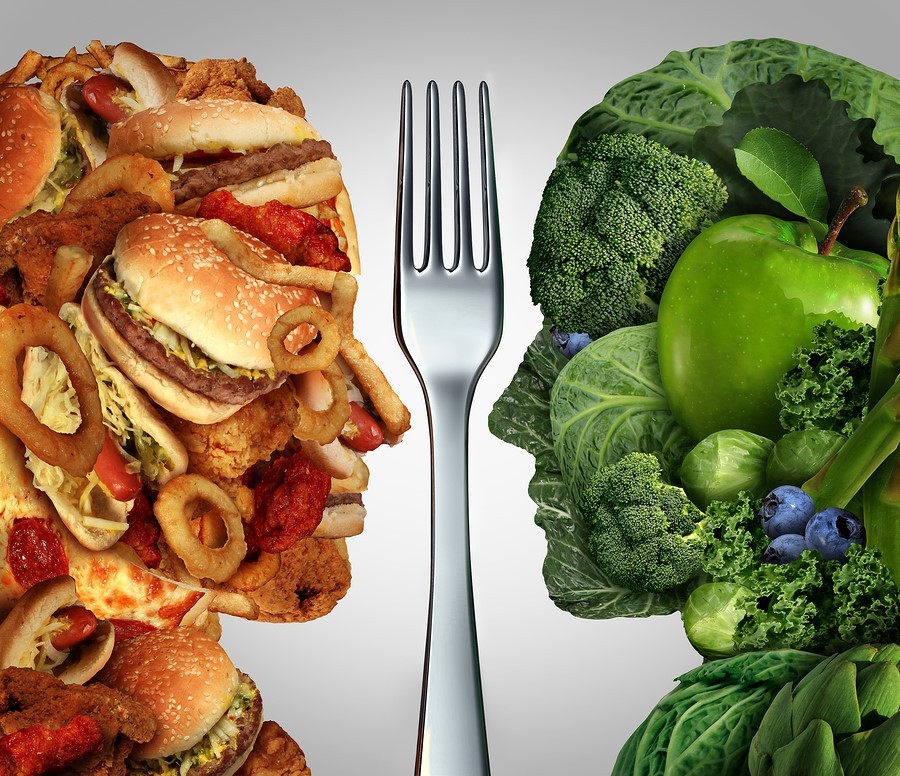
High cholesterol is something that many Americans suffer from, and modern day medicine is very quick to write a statin drug prescription, tell you to avoid fatty foods and send you on your way. The issue with this approach is that it’s out of date and may not necessarily be the best approach at all.
Getting to the root cause of the high cholesterol is one of the first steps to reversing it, not necessarily taking medications which could result in unwanted side effects.
More and more research is coming out stating that high cholesterol may not be caused by eating fat but may be influenced by other factors such as inflammation, thyroid issues, and even blood sugar imbalances.
What is High Cholesterol?
Before we talk about what high cholesterol is, let’s take a look at what role cholesterol plays in your health. Cholesterol is a naturally occurring substance that is made by the liver. The body requires cholesterol for proper cell functioning, nerve function, and our hormones need cholesterol as well. (1)
Cholesterol travels in lipids which are fatty acids of the blood stream which is also called plaque. The cholesterol can build up in the walls of the arteries which can pose significant health issues as it can reduce blood flow to various different areas of the body. This is where high cholesterol can pose a problem.
In a healthy person with no prevalence of high cholesterol, cholesterol levels are generally well balanced. In those with high cholesterol, there could be an imbalance in the HDL (high-density lipoproteins), and the LDL (low-density lipoproteins) Keep in mind that the LDL cholesterol is the kind you want less of, and the HDL is considered the healthy form of cholesterol. In those with high cholesterol, LDL levels may be high, and HDL levels may be low.
A healthy ratio of LDL to HDL cholesterol would average around a 2:1 ratio. Total cholesterol should also be less than 200mg/dL, with LDL cholesterol being below 70 mg-100/dL, and HDL should be around 60 mg/dL.
Why Conventional Markers of High Cholesterol May Not be the Most Accurate
When you go to your primary physician and obtain blood work, they will generally check your total cholesterol, LDL, and HDL cholesterol levels. However, these markers may not be the best way to assess for cardiovascular risks. New research has found that these markers may not actually be associated with heart disease. (2)
It’s now thought that the ratio of total cholesterol to HDL cholesterol as well as non-HDL cholesterol may be better predictors than just looking at total cholesterol levels or LDL cholesterol levels.
There are even newer cholesterol markers which may be even more predictive of cardiovascular risks such as the LDL particle number, HDL particle number, and lipoprotein(a) which give a much clearer idea as to total overall risk.
What are the Underlying Causes of High Cholesterol?
While modern day medicine has always pointed to a high-fat diet as being the primary cause of high cholesterol, the research is not there to support it. In functional medicine, we also look at high cholesterol as more of a symptom than a disease and attempt to get to the root cause of what’s causing this cholesterol spike so that we can stop it from happening.
Here are some of the underlying causes of high cholesterol:
- Metabolic dysfunction
- Chronic infections
- Gut dysbiosis
- Poor thyroid function: This even includes subclinical hypothyroidism.
- Blood sugar imbalances: Poor blood sugar balance can lead to thyroid issues which can result in high cholesterol
- Heavy metals or other environmental toxins
- Genetics
Why Fat May Not be to Blame
For years, saturated fats were seen as the cause of cardiovascular issues and increasing the risk for high cholesterol and heart disease, however, as it turns out sugar may be the real culprit here and another underlying cause of cholesterol issues.
Over the past couple of years, it’s become apparent that large sugar companies such as the Sugar Association have paid Harvard scientists large amounts of money to publish reviews on the research of sugar, fat, and heart disease. The sugar group handpicked the articles published and chose the ones that minimized the link between sugar, and it’s connection to heart health, and instead focused on the articles that negatively portrayed fats connection to heart health. These reports date back nearly 50 years, but it’s reported that the food industry still influences nutrition science today. We need to be aware that some reports may not be as transparent as one would think.
This plays an important role in understanding the connection between fat, sugar, and high cholesterol because the debate when it comes to these two food sources remains a discussion today. For years, American’s were urged to consume a low-fat diet in an attempt to promote heart health. However, many of these low-fat foods are loaded with sugar and only increase the prevalence of obesity and heart disease.
After speculations regarding sugar and research supporting its link to obesity, the American Heart Association, the World Health Organization, among other organizations are now warning that too much sugar can increase the risk of heart disease. (3)
Other studies have also shown that saturated fat generally does not affect blood cholesterol levels. (4) However, some people are very sensitive to saturated fat, and their cholesterol levels may increase with a higher saturated fat diet, while others it does not have this effect at all. It’s all a balance depending on each individual person. With that being said, the reason we worry about cholesterol is that high cholesterol levels have been linked to an increased risk of heart disease, but studies have not found a link between saturated fats and heart disease either. Some studies have even found that consuming saturated fat was actually associated with a reduced risk of stroke.
So, the question comes down to, have we been avoiding fat for all the wrong reasons, and unintentionally adding toxic sugar to our diet? Keep in mind that sugar may be the ultimate culprit here and not fat. Reducing fat and adding sugar is the exact opposite of what we needed to do to lower cholesterol and support a healthy heart.
A Functional Medicine Approach to Treating High Cholesterol
A functional medicine approach when dealing with high cholesterol is much different from a conventional treatment option. The first step is to determine what is causing the high cholesterol. If it’s poor thyroid function, we need to address thyroid function before the cholesterol levels can improve. Same goes for heavy metal toxicity, or any gut infections, or inflammation. Even with genetically inherited high cholesterol, we will go through any other potential factors such as SIBO, and hypothyroidism to see if there may be something else triggering the high cholesterol. Addressing diet is also an important step. It’s less about focusing on removing fats from your diet, and more about removing inflammatory foods, and foods that may be triggering an immune and inflammatory response. Getting the entire body in balance can ultimately help balance cholesterol levels.
If you are suffering from weight gain, fatigue, hair loss and more, click here to schedule a phone call with me, so I can find out where you’ve been, where you want to get to, and how I can help you get there.
I know exactly where you are because I’ve been there myself…I remember being so tired that I could barely function. I gained 30 pounds out of nowhere and had a severe case of brain fog. I also started to get severe anxiety and panic attacks. I was driven and motivated…until I wasn’t. I didn’t know what was happening to me. All I wanted was to get my life back…
Finally, I learned about functional medicine and found a practitioner that I hoped could help me. They ran specialized tests that were far different than I had ever had before. When I got the results back, it turned out I had candida, parasites, high cortisol, the Epstein Bar Virus and many food intolerances. I also had an issue with my thyroid that no one found before because they were using the conventional medicine lab ranges which are way too broad….which I now know is one of the leading causes of hypothyroid misdiagnosis.
I went through treatment of all of these things and it completely changed my life. I immediately lost the 30 pounds I had gained plus more, I had a lot more energy, and my brain fog was gone. I felt amazing and knew that I wanted to help people find the underlying causes of their symptoms and disease.
Sources:
Dr. Axe. Lower Cholesterol Naturally and Fast. Retrieved from https://draxe.com/lower-cholesterol-naturally-fast/
Chris Kresser. (2017) RHR: The Functional Medicine Approach to High Cholesterol. Retrieved from https://chriskresser.com/functional-medicine-approach-to-high-cholesterol/
Chris Kresser. (2014) RHR: Does your diet affect your cholesterol level? Retrieved from https://chriskresser.com/does-your-diet-affect-your-cholesterol-level/
NY Times. (2016) How the Sugar Industry Shifted Blame to Fat. Retrieved from https://www.nytimes.com/2016/09/13/well/eat/how-the-sugar-industry-shifted-blame-to-fat.html?_r=0
[sc name="Below all post"]