

Jicama Side Salad
Jicama Side Salad
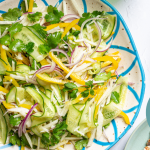
- 1 Large jicama, julienned
- 1 Yellow bell pepper, julienned
- 1/2 Red onion, sliced thin
- 1 Mini cucumber, sliced thin
- 1 cup Cilantro leaves
For the Dressing
- 1 small clove garlic, minced
- 1 tsp honey
- 2 tsp hot water
- 2 tbsp olive oil
- Pinch of salt and pepper
- To prepare the dressing add the honey and hot water to a small jarand stir to dissolve the honey. Add the minced garlic, a small pinch of saltand pepper and the olive oil. Shake to combine and set aside.
- Wash and slice all vegetables. They can be julienned or roughlydiced as long as they’re uniform in size. Add cilantro leaves to the bowl andthe dressing then toss to combine.
- This salad can be served with any protein of your choice and goesespecially well with a simple seared pork chop- cooked with just salt andpepper and then tossed into the salad.
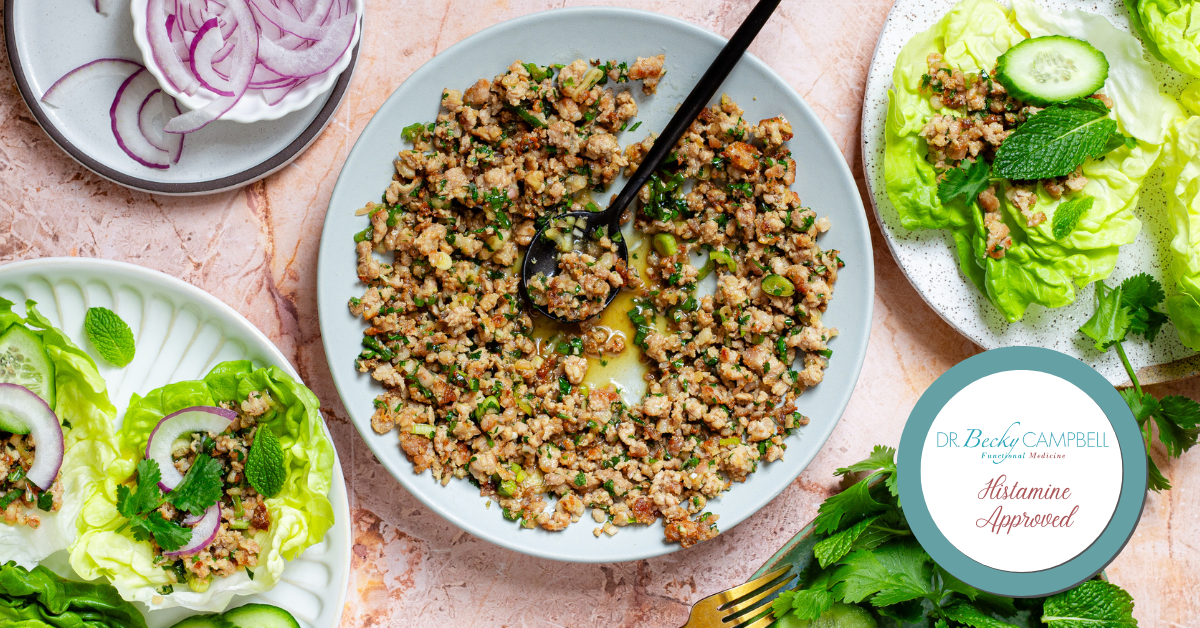
Pork Larb in Lettuce Cups
Pork Larb in Lettuce Cups
- 1 tsp Grated lemongrass from the innermost stalk of a 2” piece of lemongrass
- 1 tbsp Coconut sugar or maple syrup
- 2 tbsp Minced shallot
- Juice of 1 lime (optional)
- 1 Scallion, thinly sliced
- 1 tbsp Olive oil
- 1/2 lbs Ground pork
- 1/4 cup Roughly chopped cilantro leaves and stems, plus more for garnish
- 1/4 cup Roughly chopped mint leaves, plus more for garnish
- 1 head of Boston or bibb lettuce, leaves washed and separated
- 1/4 of a small red onion, thinly sliced
- 1 Mini cucumber, thinly sliced
- Peel the outermost stems fromthe lemongrass stalk and discard. Use a microplane to grate the more tenderinner part of the lemongrass. Add to a medium bowl with the coconut sugar ormaple syrup and 1 tablespoon of hot water. Stir to combine. Add the shallot,scallion and lime juice if using. If not using the lime juice add anothertablespoon of water to the bowl. Set aside.
- Heat a medium pan over mediumheat. Add the olive oil and then the ground pork. Cook, breaking apart with ametal spatula until the pork is well browned and completely broken into smallcrumbles. Season with a pinch of salt and pepper. Add the cooked pork to thebowl with the marinade and stir in the chopped herbs.
- Assemble by putting a smallscoop of the pork larb into each lettuce cup and topping with red onion,cucumber and fresh herbs.

Spanish Style Tortilla
Spanish Style Tortilla

- 3/4 cup Olive Oil
- 1 1/2 lbs Yukon Gold Potatoes
- 1 Small yellow onion, thinly sliced into halfmoons
- 8 Eggs
- 1 tsp Salt
- 1 tbsp Chopped parsley
- 1 tbsp Chopped chives
- Preheat oven to 400 degrees.
- Peel the potatoes and use amandoline or sharp knife to evenly slice the potatoes approximately 1/8” thick.
- Heat a 10” skillet with highsides over medium heat. Add the olive oil and heat to about 350 degrees orpotatoes begin to bubble when placed in oil. Working in 2-3 batches, cook thepotatoes in the oil for 4-5 minutes until very tender, flipping halfway through.You can cook several layers of potatoes at once but make sure they are notpiled above the oil. Keep an eye on the oil temperature and lower the heat ifnecessary to prevent browning. Drain potatoes and transfer to a paper towellined plate. Pat dry with additional paper towels and repeat with the remainingbatches of potatoes. Once finished reserve the olive oil for future use.
- While the potatoes are cooking,whisk together 8 eggs with ¾ teaspoon salt. Set aside.
- In a separate 8” non stickskillet, heat 1 teaspoon of the oil leftover from cooking the potatoes overmedium heat. While the pan is heating, add the cooked potatoes to the egg andgently fold to combine.
- When the pan is hot, add theonion and a small pinch of salt. Cook the onions, stirring occasionally untilvery tender but not browned- approximately 5 minutes. Transfer the onions tothe bowl with the eggs and potatoes and gently stir to combine.
- Return the 8” skillet to theheat and add an additional 1 tablespoon of reserved oil to the pan, swirling tocoat the bottom and sides. Allow the pan to heat for 3-4 minutes and thencarefully pour the egg and potato mixture into the pan. Use a spatula to spreadthe potatoes in an even layer. Allow to cook for 3-4 minutes until a crustbegins to form and you can see that the edges are beginning to brown. Transferthe pan to the oven for 5-6 minutes until edges appear fully set but thetortilla is still runny in the center. Remove from the oven and run a rubberspatula around the edges to separate from the pan, then very carefully invert aplate over the pan. Carefully and quickly flip the tortilla over and gentlyslide back into the pan. Return to the stove over medium low heat and cook foran additional 2-3 minutes. Use a spatula to gently lift one side to make surethe bottom is cooked and then slide the tortilla onto a plate. * If you prefernot to attempt to flip the tortilla, you can leave the tortilla in the oven tofully cook. This should take an additional 5-10 minutes. Remove from the ovenwhen the center is no longer raw and shiny but there is still a slight jiggle.
- Slide the tortilla onto aserving plate and allow to cool for 15-20 minutes before garnishing with herbs.This dish can be served any time of day but is especially great for breakfastor brunch served alongside your favorite protein.

Herb Roasted Turkey Tenderloin with Sage Roasted Apples and Vegetables
Herb Roasted Turkey Tenderloin with Sage Roasted Apples and Vegetables

- 1.5 lbs turkey tenderloin
- 5 tbsp olive oil, divided
- 1 tsp garlic powder
- 1 clove garlic ,minced
- 1 tbsp fresh thyme, chopped
- 1 tsp salt
- 1/2 tsp pepper
- 1 tart, crisp apple such as Honeycrisp, diced
- 1 onion, diced
- 1 bulb fennel, diced
- 2 tbsp chopped sage
- In a medium bowl or large Ziploc bag combine 3 tablespoons olive oil, garlic powder, minced garlic, thyme, salt and pepper. Add the turkey tenderloins to the marinade and allow to marinate for at least two hours and up to overnight.
- When ready to cook the turkey, preheat the oven to 375 degrees. Remove the turkey tenderloin from the marinade and allow to rest at room temperature while the oven preheats. Toss the remaining two tablespoons olive oil with the apple, onion, fennel and sage. Adda pinch of salt and pepper and transfer to a sheet tray. Place the turkey on a separate sheet tray and place both trays in the oven.
- Roast for 25-35 minutes until turkey is 165 degrees. Stir vegetables halfway through cooking and remove when tender and slightly browned, approximately 30 minutes.

Ginger Molasses Apple Cake
Ginger Molasses Apple Cake

- 1 tsp grass fed butter
- 1/3 cup coconut flour
- 1 1/2 cups cassava flour
- 1 tsp baking powder
- 1/2 tsp salt
- 2 tsp ground ginger
- 1/2 cup olive oil
- 3/4 cup molasses
- 1/4 cup coconut sugar
- 1 large egg
- 3/4 cup non-dairy milk
- 1 tart, crisp apple such as honey crisp, diced
- 2 tbsp maple syrup
- Preheat the oven to 350degrees. Line an 8 inch cake pan with parchment and grease the sides with butter.
- In a medium bowl, whisk together the coconut flour, cassava flour, baking powder, salt and ground ginger. Set aside.
- In a large bowl, whisk together the olive oil, molasses, coconut sugar, egg and non dairy milk until well combined. Whisk the dry ingredients into the molasses mixture until there are no streaks of flour remaining. Transfer the batter to the prepared cake pan and top with the diced apple.
- Place the cake pan in the oven and bake for 55-65 minutes or until a toothpick inserted in the center of the cake comes out clean. Remove from the oven and allow to cool. Brush maple syrup over the top of the cake before serving.

Braised Chicken with Greens
Braised Chicken with Greens

- 6 skin-on, bone-in chicken thighs
- 2 tbsp grassfed ghee or olive oil
- 3 shallots, cut into wedges lengthwise
- 1 bunch collard greens, ribs removed and roughly chopped
- 1 bunch swiss chard, ribs removed and roughly chopped
- 1 head of garlic, halved across equator
- Heat ghee or olive oil in a large high sided skillet. Season the chicken thighs with salt and pepper on both sides and then sear, skin side down for 4-5 minutes until golden brown. Flip the chicken and sear on the other side for 2-3 minutes and then remove toa plate.
- Add the garlic, face down into the oil to brown and then add the shallots to the pan. Toss occasionally until beginning to brown, around 3 minutes. Deglaze the pan with 2/3 cups water and use a wooden spoon to scrape the flavorful bits from the bottom of the pan. Add the greens in batches and toss until beginning to wilt. Season with a pinch of salt and pepper and then nestle the chicken back into the greens.
- Cover the pan and allow to cook for 15-20 minutes or until chicken is cooked through.

Dr. Becky’s Holiday Gift Guide
Elevate Your Holidays With Dr. Becky’s Guide to Holiday Gifting
One of my favorite things about the holidays is picking out just the right gifts for my favorite people. I get it – finding the perfect present is a challenge, whether it’s for your loved ones or even a little something for yourself! No worries, though – I’ve got your back! I’ve personally tried and tested every item on this list and know how useful they all are.
From the first sip of coffee in the morning to winding down for a good night’s sleep, I’ve put together some of my absolute favorite (and healthy) gift ideas. These gifts are also an excellent way to subtly introduce the people you love to healthier versions of some of their favorites.
While you’re shopping for others, you may want to treat yourself to some of these items, too!
Cheers to a happy, healthy holiday season!
Dr. Becky’s Holiday Gift Guide

Vuori Halo Performance Hoodie: Cozy Comfort for Active Days
This is, by far, my favorite lightweight jacket. I keep finding myself buying it in more colors because it is so cute and comfortable. I wear it with jeans, leggings, joggers or really anything.
I plan to give this to multiple people on my Christmas list this year!
Get Cozy with Vuori Halo Performance Hoodie

Purity Coffee: A Pure Start to the Day
Oddly enough, I only started drinking coffee this year. Coffee is full of really powerful antioxidants, but it gets a bad name because it can contain mold (mycotoxins) and pesticides. Not this brand! This specially crafted coffee is clean, organic, and mold-free, making it the perfect gift for any health enthusiast on your list who likes to start their day with a boost of energy and antioxidants.
I especially love their Protect blend, a light-medium roast organic coffee scientifically formulated for liver care and metabolic vitality, with the highest antioxidant activity! Plus, they have great holiday product sets, including trial-size bags of whole beans and a special holiday roast.
Learn more about what sets Purity Coffee apart and why it makes an excellent gift for the coffee lovers in your life. Plus, now through November 27th, you can get 20% off your order with the code DRBECKY20.
But that’s not all! As part of their Green Friday promotion, you can offset your order’s carbon footprint through EcoCart at checkout, and Purity will match that amount, contributing to a more sustainable and eco-friendly holiday season.
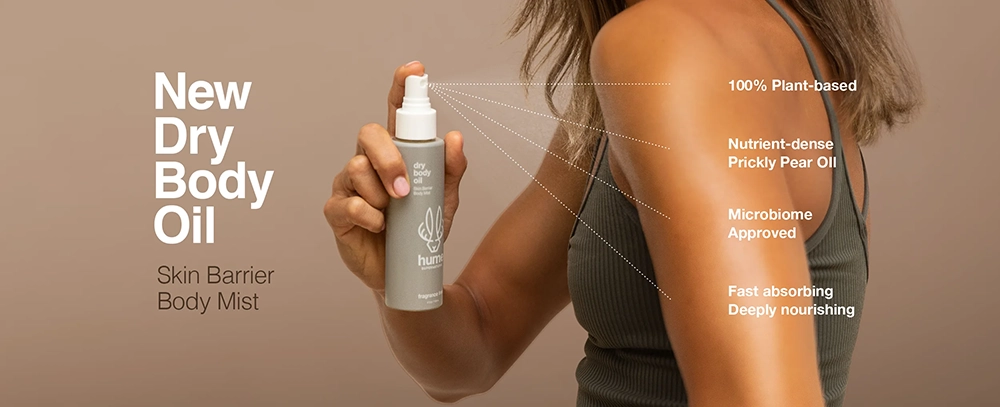
Hume Supernatural Body Oil Mist and All Body Deodorant
I am not one for anything with a smell, and I gave up on wearing lotion a long time ago. I also typically do not do well with natural deodorants, which can be super frustrating. This was all before the company Hume Supernatural came into my life! I am obsessed with their Body Oil Mist, which is super lightweight and has just a hint of a fantastic scent. The scent is not toxic, which is the best part! They all smell good, but I love the desert bloom scent so much I could eat it. They also have an unscented version if you are really sensitive.
Hume also has a Body Deodorant formulated without all the harmful chemicals and provides effective odor protection. This stuff really works and doesn’t give you the natural deodorant rash that many do.

Twilla Pillow and Body Pillow: Tailor Comfort for Restful Sleep
Experience the epitome of restful sleep with the Twilla Pillow and its larger (and must-have) counterpart, the Twilla Body Pillow. I used to wake up every morning with debilitating neck pain and headaches ever since I was in a car accident a few years ago, but I have found real relief with the Twilla Pillow. Thanks to the pillow's easy, customizable design, my neck pain and headaches are now a thing of the past.
As a self-proclaimed pillow snob, Twilla’s Pillow + Adjustment Pods system is a complete game changer. This pod system offers complete customization, allowing you to tailor your pillow to perfection by adding or removing Pods.
And I thought the pillow was awesome until I tried the Twilla Body Pillow. This larger-than-life pillow brings unparalleled support and comfort, providing versatility for side sleepers, back sleepers, or anyone who enjoys a combination of both. My kids and I all love the Twilla Body Pillow. It’s kind of like cuddling with a really soft person that doesn’t snore!
Embrace nights of uninterrupted, restorative sleep with the Twilla Pillow and Body Pillow’s commitment to personalized comfort, plus get 15% off when you use code Drbecky15.
Explore Twilla Pillow and Body Pillow Here
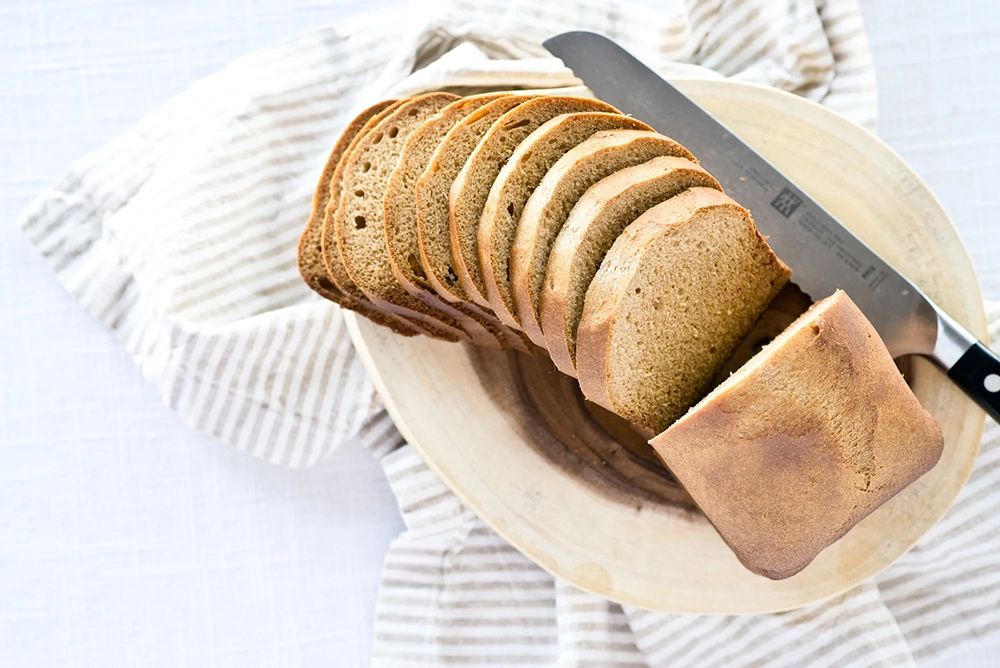
Legit Bread Company: Elevate Your Baking and Gift-Giving Experience
I can’t forget my favorite gluten and grain-free baking essentials from Legit Bread Company. You will want to offer to bring the cake to your holiday events this year with their new cake and frosting mixes that are so good no one will know how healthy they are!
And you know I wouldn’t leave out my histamine-intolerant friends. Legit and I teamed up to offer a histamine-friendly sweet bread mix that aligns with our dietary sensitivities and tastes delicious! Like really delicious!
Make sure you use the code DRBECKY10 at checkout for 10% off your order. There are so many amazing products on this line, and I recommend trying a variety of their products for yourself as well!
Explore Legit Bread Company Here
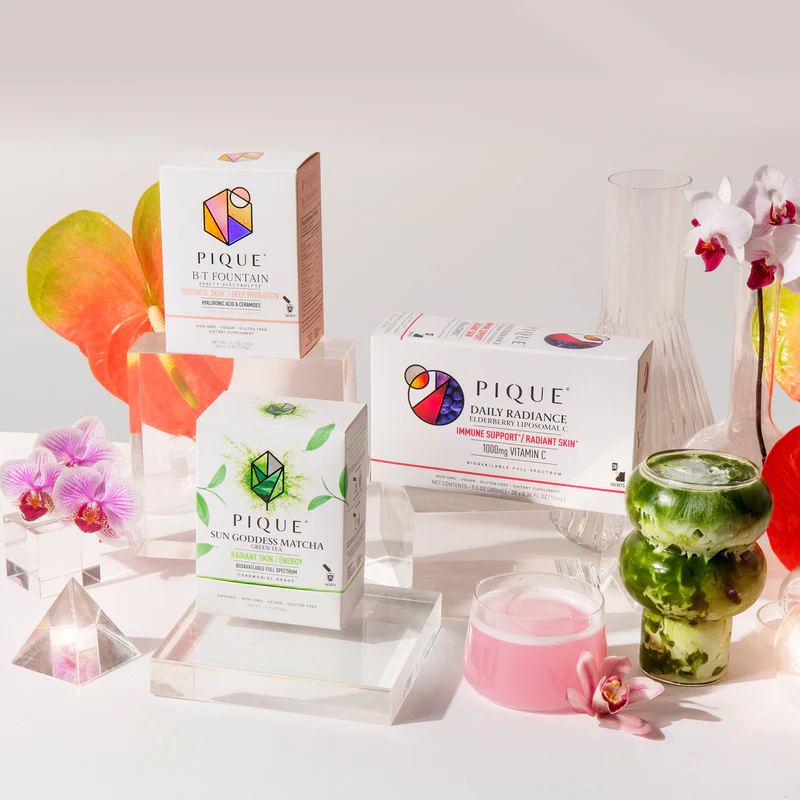
Pique Tea Set: A Refreshing Twist for Radiant Skin
You may have heard me talking about this new product recently. I can’t get enough of Pique’s teas – they taste delicious and have done wonders for my skin. The Double Radiant Skin duo is my fave; it’s not just tea; it’s a skincare ritual.
Indulge in the goodness of Pique’s high-quality teas while treating your skin to a daily dose of radiance. And if you want to add some wellness magic to your routine, don’t miss out on the BT Foundation – these beauty electrolytes have become a staple in my self-care routine, and I can’t recommend them enough.
Help transform your favorite tea enthusiast’s tea time into a moment of self-care with Pique, where the benefits are as approachable as the experience.

Joco Cup: Sip Sustainably
We all want to look cute while drinking coffee, but those plastic lids aren’t doing us any favors. In fact, the chemicals in plastic lids, plus the heat of coffee and tea, are a recipe for major hormone disruption. Now you can keep your coffee warm with a lid that isn’t hurting your hormones from a Joco Cups, where sustainability meets style. The Reusable Cup from Joco is my go-to because it is a glass cup with a silicone lid. So it’s completely safe to use with hot and cold drinks! Plus, it’s durable, stylish, and perfect for on-the-go sipping.
This holiday season, consider gifting the Joco Reusable Cup to your loved ones who appreciate a touch of sustainability in their everyday lives. But that’s not all – Joco offers a range of thoughtfully designed products, each contributing to a greener, more enjoyable lifestyle. Explore their collection, and make a conscious choice to sip sustainably.
Discover the Joco Reusable Cup

Liver Love Supplement: Show Your Liver Some Love This Holiday
Elevate your well-being this festive season with my Liver Love supplement – a gift not just for you but for your liver, too!
I personally can’t imagine my routine without it, and here’s why: Liver Love isn’t just a supplement; it’s a thoughtful gesture to your body’s powerhouse. Plus, the immune-supporting mushroom blend makes it the perfect companion for the holiday hustle.
Think of it as a present for your hard-working life, a touch of self-love in a bottle.
Sending You the Merriest – and Healthiest – of Holiday Seasons
Whether big or small, gifts are manifestations of our affection. And these wellness-inspired gift suggestions are not just thoughtful features; they’re a healthy choice for your loved ones, too!
I hope that you’ve discovered some inspiring gift ideas from this lineup! I know that many of these items will show up under my family’s tree.
But more than anything, my hope is to motivate and stand by my patients on their journey to health, happiness, and well-being during the holidays and throughout the year. I firmly believe that the ultimate gift you offer yourself and those you care about is the gift of good health and overall wellness. I hope this piece and the numerous resources on my blog and website inspire you to prioritize your health during this season and in the coming months and years!
From my family to yours, sending you the merriest and healthiest of seasons!

Could Heavy Metal Toxicity Be Contributing to Your Histamine Intolerance?
Heavy Metals and Their Potential Impact on Histamine Intolerance Symptoms
Have you ever considered your heavy metal exposure and how it may affect your health?
On a daily basis, various compounds make their way into our bodies from the environment. Many of these compounds we’re familiar with, like pollution, herbicides, pesticides, or hormones found in our meat. For the most part, we’re conscious of our exposure to these compounds and their impacts on our health.
Yet, there are other, less conspicuous compounds that we may not think about as much – heavy metals. These silent intruders can subtly seep into our lives, affecting our health without us even knowing it.
In this blog, we’ll look at some of the most prevalent heavy metals you might encounter, uncover where you are exposed to them, and review their potential effects on your health, especially if you’re dealing with histamine intolerance. Most importantly, we’ll review some practical ways to reduce your heavy metal levels.
What are heavy metals?
Heavy metals are a distinct group of elements known for their relatively high atomic weights, setting them apart from other elements on the periodic table.[1] What makes them noteworthy is their capacity to be toxic to living organisms, including humans. While these elements occur naturally in our environment, in substances like soil and air, our exposure to them has increased significantly.
The reasons for the increased exposure are multifaceted.[2] For instance, heavy metals like cadmium are used as fertilizers and pesticides and can make their way into soil and crops.
Electronic devices often contain heavy metals, like lead, in their components, and improper disposal can release them into the environment.
Many older homes have pipes and plumbing systems that contain lead, which can leach into our drinking water.
However, at the heart of the issue is the accumulation of these heavy metals within our bodies. When levels of heavy metals rise beyond the body’s capacity to manage them, it leads to what we call heavy metal toxicity.[3] This accumulation can occur in two primary ways: through acute, high-level exposures or continuous, lower-level exposure over an extended period.
So whether it’s a sudden influx of heavy metal or the gradual build-up of these elements over time, the result can be detrimental to your health, leading to a range of health issues and impacting conditions like histamine intolerance.

Common Toxic Metals
The most common types of metals harmful to humans are: [4] [5] [6]
- Lead exposure can lead to lead poisoning, affecting the nervous system, cognitive function, and various organs. It's often in old paint, water pipes, and contaminated soil.
- Mercury can damage the nervous system, leading to symptoms like tremors and memory problems. It's in certain fish, dental amalgam fillings, and industrial processes.
- Cadmium exposure can result from smoking, inhaling industrial fumes, or consuming contaminated foods. It can harm the kidneys, bones, and lungs.
- Arsenic is a naturally occurring element found in soil and water. Prolonged exposure to high levels of arsenic can lead to skin, lung, and bladder cancer.
- Aluminum is generally considered safe in low levels; exposure to high levels is associated with neurological disorders, such as Alzheimer's disease.
It’s important to keep in mind that not all heavy metals are harmful; some are essential for the proper functioning of our bodies. Elements like cobalt, copper, magnesium, iron, manganese, selenium, and zinc play vital roles in our health. Even chromium can contribute to our well-being when kept at safe levels.[7]
Mild exposure to more toxic metals doesn’t pose an immediate health risk, as our bodies have mechanisms to eliminate toxins. However, the real concern arises when your cumulative exposure to toxic substances reaches a point where it becomes too much for your body to handle safely.
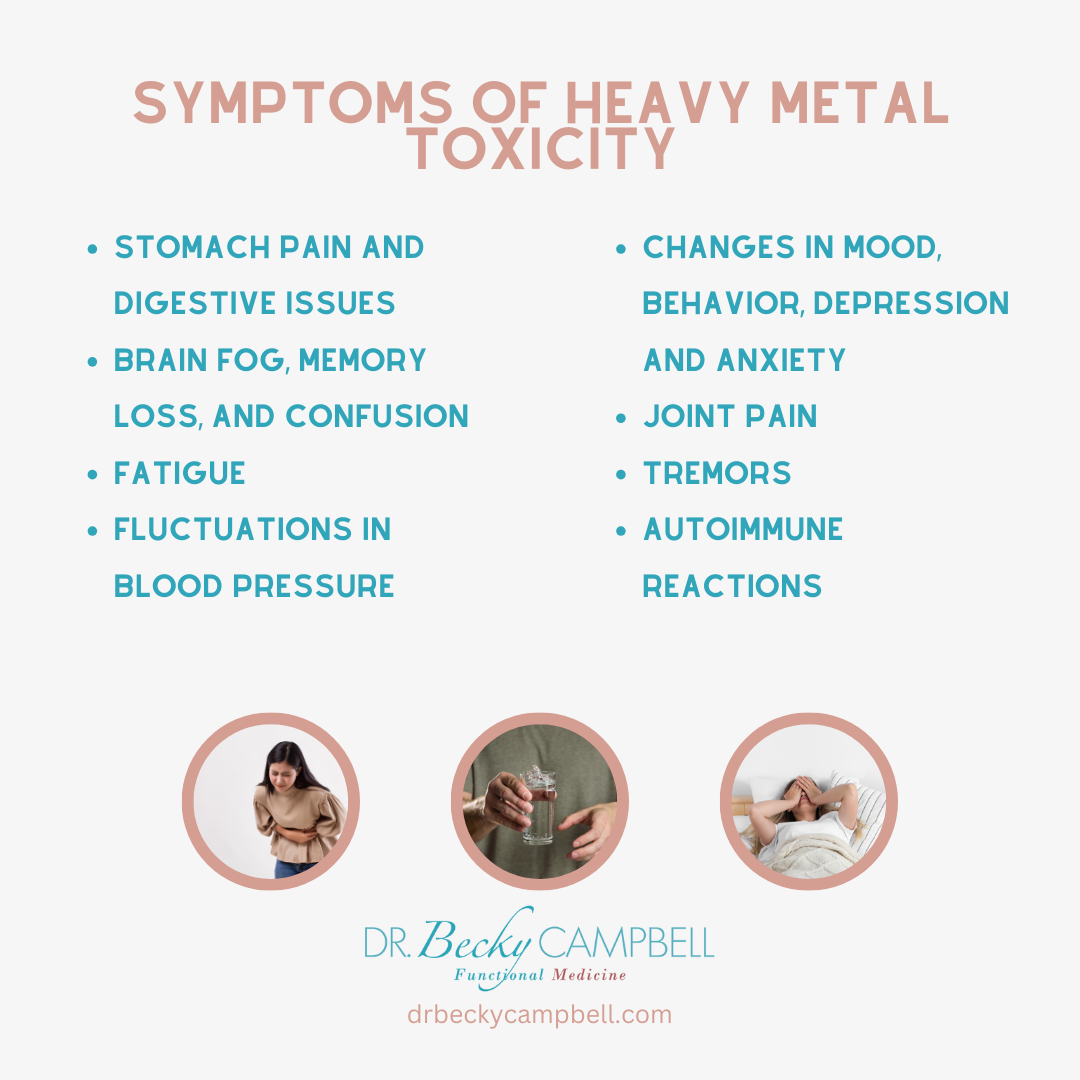
Symptoms of Heavy Metal Toxicity
Heavy metal toxicity comes with its share of chronic symptoms and a heightened risk of certain diseases.
Commonly reported symptoms include:
- Stomach pain and digestive issues
- Brain fog, memory loss, and confusion
- Fatigue
- Fluctuations in blood pressure
- Changes in mood and behavior, including depression and anxiety
- Joint pain
- Autoimmune reactions
- Tremors
These are just a handful of the symptoms, and the specific symptoms can vary depending on the type of metal responsible for the issue.
Heavy Metal Toxicity and Histamine Intolerance
The link between heavy metal toxicity and histamine intolerance hasn’t been extensively researched, but there are some ways heavy metal toxicity could interact with histamine intolerance:
- Gut Health: Heavy metals like lead and mercury can harm your gut, upsetting the balance of gut bacteria and the intestinal lining, leading to digestive issues. A healthy gut is essential for histamine metabolism because it’s where the DAO enzyme, responsible for breaking down histamine, is primarily produced. Any disturbances in gut health can also impact the body’s ability to efficiently process histamine, potentially compounding histamine intolerance symptoms.
- Immune System: Heavy metal toxicity can weaken your immune system, making you more prone to inflammation and immune reactions. A compromised immune system may worsen histamine-related symptoms since histamine intolerance involves an immune response to excess histamine.
- Oxidative Stress: Heavy metals can trigger oxidative stress in your body, leading to inflammation and immune system issues that can exacerbate histamine intolerance symptoms.
- Mast Cell Activation: Some research indicates that heavy metals can contribute to mast cell activation, which is closely linked to histamine intolerance. Mast cells release histamine and other inflammatory compounds when activated. If heavy metals stimulate mast cell activation, it could worsen histamine intolerance symptoms.

Natural Ways to Support Heavy Metal Levels for Histamine Intolerance
Exposure to toxic metals can stir up mast cells, increase the chances of mast cell activation troubles, and contribute to histamine intolerance symptoms.
Wondering how to look out for your health naturally? Here’s my advice:
Reduce Your Exposure to Toxic Metals
Taking action to reduce your exposure to harmful metals is essential in preventing potential triggers and minimizing the risk of additional symptoms. While this can be tough, even small steps to reduce your exposure can be beneficial. Start by doing your best to ensure your home is free of lead-containing metals, whether in paint, dust, or plumbing. Opt for cleaner and safer drinking water by using a water purification system instead of tap water. If your job carries a risk of heavy metal exposure, use all available protective measures. Lastly, select organic foods to minimize exposure to heavy metals and other contaminants.
Support Detoxification
Ensuring your body’s natural detoxification processes are well-supported is crucial for managing health issues related to toxic metals. It starts with proper hydration, aiding the elimination of toxins through urine and sweat. Regular exercise and using an infrared sauna can promote detoxification by encouraging sweat production. Incorporating gentle practices such as castor oil packs over the liver, Epsom salt baths, dry brushing, or lymphatic massage can also support your body’s detoxification effort.
A diet rich in diverse green vegetables provides essential nutrients and enhances your liver’s detoxification capabilities. You can also consider using toxin binders like activated charcoal and chlorella or supplements such as na-acetyl cysteine or glutathione to support your liver.
Follow an Anti-Inflammatory, Low Histamine Diet
A low histamine diet is a dietary approach aimed at reducing the intake of foods that are high in histamine or that trigger the release of histamine in the body to help you find relief from histamine-related symptoms. Begin by eliminating sources of inflammation from your diet, such as refined sugar, carbohydrates, refined oils, gluten, allergenic foods, artificial additives, canned and processed meats, and overlay processed items. Instead, shift your focus towards a low-histamine, whole-foods approach, incorporating fresh greens, vegetables, herbs, spices, and fruits and opting for organic, grass-fed meat and pasture-raised poultry and eggs.
Your Path to Better Health Starts Now
The reality of heavy metal-induced histamine intolerance is clear: confronting heavy metal issues head-on is your ticket to effective symptom management.
While this journey might seem overwhelming, these practice strategies are here to empower you to reclaim your comfort and well-being.
And I say this with confidence because I’ve helped numerous patients conquer heavy metal-induced histamine intolerance challenges – relief from those perplexing and draining symptoms is well within your reach!
So, let’s get started on this transformative journey and uncover the mysteries behind your histamine symptoms. Whether you’re ready to schedule a consultation today or prefer to kickstart your healing journey with my Histamine Reset Online Program, it’s here, waiting for you.
Remember, your journey to improved health begins right here, right now! Don’t hesitate to take that first step toward a more vibrant and comfortable life.
Resources
- "Heavy Metal - an overview | ScienceDirect Topics." https://www.sciencedirect.com/topics/chemistry/heavy-metal. Accessed 26 Oct. 2023.
- "Heavy metal toxicity and the environment - PubMed." https://pubmed.ncbi.nlm.nih.gov/22945569/. Accessed 26 Oct. 2023.
- "Heavy Metal Poisoning - Lead, Mercury, Arsenic and Cadmium." https://rarediseases.org/rare-diseases/heavy-metal-poisoning/. Accessed 26 Oct. 2023.
- "Toxic Mechanisms of Five Heavy Metals: Mercury, Lead, Chromium ...." 13 Apr. 2021, https://pubmed.ncbi.nlm.nih.gov/33927623/. Accessed 26 Oct. 2023.
- "The Health Effects of Aluminum Exposure - PMC - NCBI." 29 Sep. 2017, https://www.ncbi.nlm.nih.gov/pmc/articles/PMC5651828/. Accessed 26 Oct. 2023.
- "The Effects of Cadmium Toxicity - PMC - NCBI." 26 May. 2020, https://www.ncbi.nlm.nih.gov/pmc/articles/PMC7312803/. Accessed 26 Oct. 2023.
- "Toxicity, mechanism and health effects of some heavy metals." https://pubmed.ncbi.nlm.nih.gov/26109881/. Accessed 26 Oct. 2023.

Is Mold the Root Cause of Your Histamine Intolerance?
Exploring Histamine Intolerance and Its Link to Mold Exposure
If you’ve been dealing with histamine intolerance, you’re probably already familiar with the sneaky symptoms it can throw your way. But what you might not know is that there could be an unexpected cause: mold.
Mold isn’t just something you find in your bathroom. It can also mess with your health in ways you might not expect. The interesting part is how mold and histamine intolerance can intertwine.
You see, mold releases certain substances called mycotoxins, and these toxins can kick start a chain reaction in your body. When they come into play, your immune system responds by releasing histamine, which can trigger a host of familiar symptoms.
In this blog, I’ll break down the mold-histamine connection. We’ll explore how mold exposure can set off your histamine alarms and how it relates to histamine intolerance.
So, if you’ve ever wondered why your histamine intolerance symptoms seem to have a mind of their own or expect a mold exposure, stick around. I’m here to shed light on this intriguing connection and help you feel better.
Mold Allergies and Mold Toxicity
When it comes to mold exposure, it’s important to distinguish between mold allergies and mold toxicity because they can lead to very different sets of symptoms.[1] Mold, in its common form, can trigger a strong IgE (Immunoglobulin E) reaction in some people, resulting in typical allergy symptoms that you might be familiar with:
- Runny nose and nasal congestion
- Watery, itchy, red eyes
- Sneezing
- Coughing
- Itchy nose, roof of the mouth, or throat
- Swollen and puffy eyes
- Postnasal drip
These symptoms are the body’s way of reacting to the presence of mold spores that you have inhaled. However, mold toxicity is another side of mold exposure beyond these typical allergy symptoms.
Mold toxicity, often referred to as mold illness or Chronic Inflammatory Response Syndrome (CIRS), shifts the focus to a group of biotoxins produced by specific molds, such as Stachybotrys or Aspergillus, which can be more sneaky.[2] [3] These biotoxins can disrupt various bodily functions, including the immune, neurological, and hormonal systems, leading to many symptoms that often overlap with other chronic conditions. Mold toxicity can manifest as: [4]
- Profound fatigue
- Cognitive impairment
- Muscle pain
- Gastrointestinal issues
Mold toxicity isn’t an allergy; it represents a complex connection between the body and the toxic compounds released by certain molds, making it a more distinct and challenging health concern.

Identifying Mold Exposure
Mold can be tricky, often lurking in places we least expect it. In our homes, mold can sneak into damp basements, crawl spaces, or even hide behind the walls where a small leak went unnoticed. Workplaces aren’t immune either; office buildings with poor ventilation or areas prone to water leaks can become breeding grounds for mold. Plus, let’s not forget about other environments like gyms, schools, or stores – mold will likely grow wherever moisture hangs around.
Spotting mold isn’t always easy, but there are some telltale signs to watch out for.
- Visible Mold Growth: Obvious patches of mold on walls, ceilings, or floors, often appearing as discolored, fuzzy, or slimy spots.
- Musty Odor: A persistent, earthy, or damp smell, even if you can’t see visible mold.
- Water Stains: Discoloration or water stains on walls or ceilings.
- Humidity and Condensation: High indoor humidity levels or excessive condensation on windows can create conditions favorable for mold growth.
- Leaky Pipes or Roof: Any history of leaks can lead to mold if not addressed.
- Peeling Caulk or Grout: Mold can thrive in the moist environment of bathrooms and kitchens, causing caulk or grout to deteriorate and become discolored.
- Bubbling or Buckling of Flooring: Irregularities in flooring can indicate moisture issues that mold thrives on.
- Bubbling of Wallpaper or Paint: Unusual bubbling or warping of wallpaper or paint can be a sign of underlying moisture and potential mold growth.
The Mold-Histamine Connection
Now, let’s dive into how mold and histamine intolerance are connected.
Think of your immune system as your body’s defense mechanism. It goes into action mode when it senses a potential threat, like mold spores in the air. Mold spores can be inhaled, and your immune system recognizes them as invaders. In response, it releases histamine as part of its defense strategy.
Histamine’s job is to trigger responses that help your body fight off threats. For some people, the histamine response can become overwhelming. It’s not just the typical allergy symptoms; it can also lead to symptoms that extend far beyond the runny nose and itchy eyes – also known as histamine intolerance.
When I talk about the mold-histamine connection, I’m essentially saying that mold exposure can kickstart this histamine cascade in your body.[5] It can trigger histamine release just like an allergen would. The twist is that it doesn’t necessarily involve a typical allergic reaction; instead, it’s more about how your body handles histamine. For some people, this can lead to histamine intolerance, which shares similarities with mold-related allergies but operates on a different level.

Histamine Intolerance Symptoms Caused by Mold
Yes, histamine intolerance symptoms can be triggered or exacerbated by mold exposure!
Mold, especially certain types, can release mycotoxins into your environment, stimulating the release of histamine in the body, leading to a range of histamine intolerance symptoms.
Common histamine intolerance symptoms caused or worsened by mold exposure might include:
- Headaches
- Nasal Congestion and Sneezing
- Skin Issues
- Digestive Problems
- Respiratory Symptoms
- Fatigue
- Brain Fog
- Mood Swings
- Sleep Disturbances
- Dizziness and Vertigo
- Neurological symptoms
- Bladder Irritation (Interstitial Cystitis)

Strategies for Managing Mold-Induced Histamine Intolerance
To manage mold-induced histamine intolerance, you need to tackle both the mold issue and how your body reacts to histamine. Here are some practical strategies for managing mold-included histamine intolerance. [6]
1. Identify and Address Mold Sources
Start by checking for visible mold in your home or workplace, especially in damp areas like basements or bathrooms. If you can’t find the source, you may want to consider bringing in a professional mold inspector to help locate any hidden mold behind walls or in your HVAC system. If mold is present, it’s important to address it right away by removing any affected materials, fixing leaks, and improving ventilation.
2. Improve Indoor Air Quality
Following these simple steps can help you create a healthier indoor environment and reduce the risk of mold-related issues in the future.
- Ventilate Regularly: Ensure proper ventilation in your home by opening windows or using exhaust fans, especially in bathrooms and kitchens. Good airflow helps prevent moisture buildup.
- Use Air Purifiers: Consider using air purifiers equipped with HEPA filters. These devices can help capture mold spores and allergens, improving air quality.
- Control Humidity: Keep indoor humidity levels between 30-50%. Using a dehumidifier can be helpful in damp areas.
- Maintain HVAC Systems: Regularly inspect and maintain your heating, ventilation, and air conditioning (HVAC) systems. Clean or replace filters as recommended to prevent the circulation of mold spores.
3. Detoxify Your Body from Mold
If you’ve been dealing with the effects of chronic mold exposure and mold toxicity, it’s crucial to detoxify your body from mold. Here are some simple steps to get you started:
- Test for Mold Toxicity: Start by getting your body tested for mold toxicity to understand the impact of mold exposure on your health and quantify the level of toxins in your body.
- Stay Hydrated: Drinking plenty of water helps flush toxins from your system by supporting your kidneys, liver, and overall bodily functions. Plus, staying hydrated can ease common symptoms of mold-induced histamine intolerance. Aim for half of your body weight in ounces of water per day.
- Support Detoxification: Sweating, whether through exercise, traditional saunas, or infrared saunas, is a powerful way to eliminate toxins from your body. When you sweat, you release various waste products, including heavy metals, environmental pollutants, and excess histamine from your system.
Depending on a person's history and supplement tolerance, I use various other products to address mold, but these steps are a great place to start.
4. Maintain a Low-Histamine, Anti-Inflammatory Diet
Maintaining a low-histamine diet involves consciously choosing foods low in histamine content and avoiding those known to trigger histamine release or intolerance symptoms. Minimizing histamine intake through your diet can reduce the burden on your histamine-processing systems, allowing your body to manage mold-related histamine spikes better.
In addition, an anti-inflammatory diet rich in fresh fruits, vegetables, omega-3 fatty acids, and lean proteins can help mitigate overall inflammation, improving tolerance and better symptom control.
5. Support Your Gut Health
Chronic mold exposure and mold-related illnesses can contribute to gut infections and GI trouble. Prioritizing your gut health is crucial in such cases. To support your gut, opt for a nourishing diet that includes greens, vegetables, sprouts, low-glycemic index fruits, herbs, spices, grass-fed meat, pasture-raised poultry, wild-caught fish, and game meat.
6. Consider Histamine Supporting Supplements
Considering histamine-supporting supplements is a great strategy for managing mold-included histamine intolerance. These supplements, such as quercetin and nettle extract found in my HistoRelief supplement, can help stabilize histamine levels in your body and alleviate symptoms. Additionally, certain supplements, like DAO enzymes, may enhance your body’s ability to metabolize and process histamine efficiently.
Your Path to Better Health Starts Now
Here’s the truth about mold-induced histamine intolerance: tackling mold issues head-on allows you to manage your histamine intolerance effectively!
So, while navigating mold and histamine intolerance can be complex, you can actively work towards alleviating your discomfort with these practical strategies.
I know it’s possible because I conquered mold-induced histamine intolerance issues myself!
Finding relief from those puzzling and debilitating histamine intolerance symptoms is possible, and I’m excited to share how I did it!
So, join me on this journey. Find out what’s behind your histamine symptoms and how to support your body. Schedule a consultation today, or if you’re not quite ready, try my Histamine Reset Online Program – the same plan I’ve used to transform my patients’ lives, and it’s waiting for you to kickstart your healing journey.
Your path to better health starts right here, right now!
Resources
- "Mold Toxicity: Pathways, Diseases, & Interventions." https://www.ifm.org/news-insights/mold-toxicity-pathways-diseases-interventions/. Accessed 13 Sep. 2023.
- "Is Mold Toxicity Really a Problem for Our Patients? Part I ... - NCBI." https://www.ncbi.nlm.nih.gov/pmc/articles/PMC4898283/. Accessed 13 Sep. 2023.
- "Molds and mycotoxins: beyond allergies and asthma - PubMed." https://pubmed.ncbi.nlm.nih.gov/17405693/. Accessed 13 Sep. 2023.
- "save - Sci-Hub." https://sci-hub.se/https:/www.sciencedirect.com/science/article/abs/pii/0092656680900173. Accessed 13 Sep. 2023.
- "Impact of mold on mast cell-cytokine immune response - PubMed." https://pubmed.ncbi.nlm.nih.gov/30043558/. Accessed 13 Sep. 2023.
- "A Review of the Mechanism of Injury and Treatment Approaches for ...." https://www.ncbi.nlm.nih.gov/pmc/articles/PMC3654247/. Accessed 13 Sep. 2023.


DAO and Histamine: How to Naturally Increase DAO Enzymes
Natural Ways to Boost Your DAO Levels to Fight Histamine
Histamine – a word that might not have crossed your mind unless you’ve reached for an antihistamine during a hayfever fit. For many, it’s responsible for the occasional sneezes and runny nose during springtime.
But if histamine has been more than an occasional annoyance in your life, if you’ve battled severe allergies, histamine intolerance, or mast cell activation syndrome (MCAS), you’re probably familiar with the role histamine can play in your daily life.
In my practice, I’ve witnessed a rising tide of chronic illness, bringing with it an increase in cases of histamine intolerance and MCAS. The symptoms of these conditions can be overwhelming, but the good news is that we can do plenty to regain some control.
Before diving into the solutions that can help you regain control over your histamine intolerance, let’s first understand the pivotal role of the DAO enzyme in influencing histamine levels.
The Powerful DAO Enzyme
Diamine Oxidase (DAO) is an important enzyme responsible for the breakdown of histamine in the body.[1] While another enzyme called histamine N-methyltransferase (HNMH) also plays a role in histamine metabolism, DAO stands out for its remarkable efficiency.
DAO is primarily located in the kidneys and thymus, where it works to convert histamine into a form that can be easily excreted through the kidneys and urine. DAO is also found in the small intestine, where it works to break down histamine to prevent it from entering the body.
When you have a sufficient supply of DAO, nearly all of the histamine passing through your digestive tract is effectively broken down, and as a result, it doesn’t lead to any adverse reactions. However, if your DAO levels are insufficient, histamine can accumulate, potentially causing histamine sensitivity, chronic inflammation, or even mast cell activation syndrome if the problem persists.
Understanding DAO and Histamine
Histamine Intolerance occurs when the body produces an excess of histamine and struggles to effectively break it down, leading to its accumulation. This buildup can result in various persistent symptoms, such as allergy-like reactions, gastrointestinal problems, nasal congestion, and even asthma.
While diagnosing histamine intolerance often requires consulting a healthcare professional and recognizing common symptoms, digging deeper to identify the underlying root cause is crucial for effective symptom management.
One prevalent root cause of histamine intolerance is a deficiency in DAO enzymes. Research even suggests that DAO deficiency accounts for more than 70% of all histamine intolerance cases.[2]

Common Causes of DAO Deficiency
Two naturally occurring enzymes, DAO and HNMT, are required to maintain balanced histamine levels. However, when these enzymes are in short supply, or your body struggles to produce them adequately, it can accumulate histamine.
Several common causes can contribute to histamine accumulation and DAO deficiency, including: [3] [4]
- Genetics: Some people may inherit a genetic mutation that results in a deficiency of the DAO enzyme, making them more susceptible to histamine intolerance.
- Medications: Both prescription and over-the-counter medications can disrupt DAO enzyme levels.
- Hormonal Imbalances: Fluctuations or hormonal imbalances, such as estrogen and progesterone, can disrupt DAO enzyme production and function, reducing histamine breakdown efficiency, increasing inflammation, gut disturbances, and mast cell activation.
- GI Disorders: Conditions like Crohn’s disease, ulcerative colitis, Celiac disease, and SIBO may trigger inflammation in the body, mimicking histamine intolerance symptoms and impeding the production of sufficient DAO enzyme.
- Nutrient Deficiencies: A deficiency in essential nutrients like vitamin B6, vitamin C, zinc, or copper can increase the risk of or contribute to DAO deficiency.
- Eating Histamine-Rich Foods: Certain foods can hinder the DAO enzyme’s functioning by inundating the body with excessive histamine, overwhelming your enzyme’s capacity to break it down.
- Alcohol: Besides being high in histamine, alcohol acts as an inhibitor of the DAO enzymes, intensifying histamine-related symptoms.
- Green tea, black tea, and mate tea: contain catechins, which can act as DAO inhibitors, potentially impacting histamine breakdown.
7 Ways to Boost Your DAO Levels to Fight Histamine
In recent years, extensive research has focused on preventing DAO deficiency and understanding its connection to histamine intolerance. Promising strategies have emerged, offering hope for preventing and, in some cases, reversing histamine intolerance, marking significant progress in managing this condition.
1. Vitamin-Rich Foods and Supplements
Scientists have identified various nutrients that effectively boost DAO Enzymes levels. These nutrients include Omega-3 fatty acids, saturated fats, phosphorus, calcium, zinc, magnesium, iron, and vitamin B12.[5] Foods rich in these nutrients can help enhance DAO production.
For instance, Omega-3-rich foods like wild-caught salmon and mackerel stimulate DAO release, while healthy saturated fats found in grass-fed butter aid in this process. Walnuts and avocados are also rich in Omega-3, but they are also high in histamine. Additionally, when consuming fish for this purpose, it must be extremely fresh to reap the full benefits.
Other nutrients like phosphorus, calcium, and zinc can be obtained from almonds, broccoli, and grass-fed meat, all contributing to increased DAO levels. Deficiencies in zinc, copper, vitamin B6, and vitamin C have also been linked to inflammation and reduced DAO activity, meaning that supplementing with these nutrients can be valuable for improving histamine intolerance symptoms. Consider taking a low histamine multivitamin with minerals to meet these essential nutrient needs.
2. Adopt a Low Histamine Diet
In a recent study, they found that changing your diet is the first step in easing histamine intolerance symptoms.[6] Avoiding foods high in histamine allows your body to catch up and deal with the histamine already there. This study also showed that these dietary changes help DAO enzymes move better in your body.
If you’re not sure how the right diet can effectively lower your histamine levels and promote healthy DAO enzyme production, check out my “The 4-Phase Histamine Reset Plan” book to get a comprehensive plan that encompasses a low-histamine diet, liver care, gut support, and recipes and tips to help you experience life long results.
3. Avoid DAO-Blocking Foods
DAO-blocking foods can inhibit DAO enzymes' activity, impairing histamine breakdown and potentially triggering histamine intolerance symptoms. Here are some examples of DAO-blocking foods.
- Alcohol
- Aged and Fermented Foods
- Processed and Cured Meats
- Vinegar and Vinegar-Containing Foods
- Canned or Smoked Fish
- Artificial Food additives
- Leftovers
Individual tolerance to these foods can vary; some people with histamine intolerance may react more strongly than others.
4. Support Your Gut Health
Since a significant portion of DAO is generated in the digestive system, nurturing your gut health and bolstering beneficial bacteria with the help of a low-histamine probiotic can help mitigate histamine-related symptoms.
Probiotics work much like a supplement by boosting DAO production by reinforcing your digestive tract and maintaining a balanced gut microbiome.
5. Balance Your Fat Intake
When making dietary changes to support DAO, one of the most interesting findings pertains to the consumption of fats.[7] Notably, monounsaturated fats rich in Omega-9 fatty acids, such as oleic acid found in olive oil. The research indicates that Omega-9 fatty acids can significantly boost DAO enzyme release into the bloodstream, potentially alleviating histamine intolerance symptoms. On the other hand, Omega-6 fatty acids from sources like offal, fatty red meat, and certain dairy products have been linked to heightened histamine levels.
Balancing your fat intake involves reducing Omega-6 rich processed foods and vegetable oils while increasing Omega-3 fatty acids found in seafood. Try heat-stable oils like ghee and pressed coconut oil for high-temperature cooking, and include olive oil for lighter cooking.
6. Reduce Histamine Release
Reducing histamine release is a method I frequently use with my patients, using my HistoReliefe. While it doesn’t directly boost the DAO enzyme, it does provide your body with a respite from inflammation and damage, allowing the DAO enzyme to catch up and alleviate your symptoms.
By regulating the body’s natural histamine release, many of my patients find an increased tolerance for dietary histamine that they previously struggled with. This means that they have fewer dietary restrictions and a reduction in symptoms!
7. Try a DAO Supplement
One of the easiest ways to bolster your DAO enzyme levels involves using a natural DAO supplement, typically available in capsule form. These supplements provide a convenient way to alleviate histamine intolerance symptoms by facilitating the breakdown of incoming histamine.
It’s important to note that DAO supplements primarily work within your digestive tract, enhancing histamine breakdown from the foods you just ate. DAO supplements don’t directly increase internal DAO levels in your bloodstream, meaning they won’t break down histamine created by mast cells, nor will they cure histamine intolerance.
Find Relieve and Improve Histamine Intolerance Symptoms
These 7 ways to boost your DAO levels naturally are straightforward and can be easily incorporated into your daily routine. So, kickstart the process and start finding relief from your histamine intolerance symptoms.
Are you ready for an even deeper look at what’s behind your histamine intolerance symptoms? Do you want to provide your body with even more support?
Schedule a consultation today to get started.
And if you're not quite ready for a consultation, don’t worry. You can begin your healing journey at your own pace with our Histamine Reset Online Program.
Resources
- "Histamine Intolerance: The Current State of the Art - PMC - NCBI." 14 Aug. 2020, https://www.ncbi.nlm.nih.gov/pmc/articles/PMC7463562/. Accessed 21 Sep. 2023.
- "Prevalence of Genetic Diamine Oxidase (DAO) Deficiency in Female ...." 22 Feb. 2023, https://www.ncbi.nlm.nih.gov/pmc/articles/PMC10044988/. Accessed 21 Sep. 2023.
- "Histamine and histamine intolerance - PubMed." https://pubmed.ncbi.nlm.nih.gov/17490952/. Accessed 21 Sep. 2023.
- "Alcohol-histamine interactions - PubMed." https://pubmed.ncbi.nlm.nih.gov/10344773/. Accessed 21 Sep. 2023.
- "Effect of dietary fatty acid and micronutrient intake/energy ratio on ...." https://pubmed.ncbi.nlm.nih.gov/28606572/. Accessed 21 Sep. 2023.
- "Nutrients regulate diamine oxidase release from intestinal mucosa." https://pubmed.ncbi.nlm.nih.gov/9756524/. Accessed 21 Sep. 2023.
- "Nutrient-induced inflammation in the intestine - PMC - NCBI." https://www.ncbi.nlm.nih.gov/pmc/articles/PMC4520304/. Accessed 21 Sep. 2023.