

The Best Testing for Adrenal & Sex Hormones
So many people are struggling with hormone imbalance and do not have any idea where to start when it comes to evaluating hormone levels or getting a proper treatment plan to help combat this issue. Until recently, the testing available was not very accurate and the only available treatment options were hormone replacement therapy (HRT). HRT comes with risks, like an increase risk for cancer, and is not addressing the root cause of the imbalance.
Cortisol, our stress hormone, is a very important hormone in the body. Too little or too much cortisol can cause symptoms like weight gain (especially in the belly), fatigue, insomnia, brain fog and more. Measuring this important hormone is extremely important when trying to figure out how these symptoms started and how to get rid of them. However, measuring cortisol on a blood test is not very accurate. A blood test is only a snapshot in time and we really need to look at how cortisol rises and falls throughout the day.
A few years ago, holistic doctors started using a saliva test to help get a more accurate reading of cortisol levels by taking multiple samples throughout the day. This was a great idea which came with some issues. For one, collecting a tube full of saliva is not easy to do, especially multiple times throughout the day. Another issue with the saliva test is that it only measures free cortisol, which is only 1-3% of total cortisol in the body. This method, while more accurate than blood, still presents with many flaws.

Photo taken from Precision Analytic website
Enter the new kid on the block in ultimate hormone testing, the DUTCH test. Finally a test that looks at free cortisol plus total cortisol and breaks down sex hormone levels like estrogen, progesterone and testosterone more thoroughly than any other tests out there. Here is more info on this test from their website:
DUTCH vs. Saliva Testing
While the free cortisol pattern in saliva has clinical value, there is a significant missing piece to surveying a patient’s HPA-Axis function with saliva testing – measuring cortisol metabolites. To properly characterize a patient’s cortisol status, free and metabolized cortisol should be measured to avoid misleading results when cortisol clearance is abnormally high or low. Likewise with sex hormones, measuring estrogen and androgen metabolites gives a fuller picture for more precise clinical diagnosis of hormonal imbalances and HRT monitoring.
DUTCH vs. Serum Testing
While the most universally accepted testing method (due to the availability of FDA-cleared analyzers that are reliable and inexpensive), serum testing is lacking in some areas. Adrenal hormones cannot be effectively tested in serum because free cortisol cannot be tested throughout the day. There is also a lack of extensive metabolite testing (especially for cortisol and estrogens).
DUTCH vs. 24-Hour Urine Testing
There are two primary drawbacks to 24-hour urine testing of hormones. First, the collection is cumbersome, and as many as 40% of those who collect, do so in error (Tanaka, 2002). Secondly, dysfunction in the diurnal pattern of cortisol cannot be ascertained from a 24-hour collection. Some providers add saliva for daily free cortisol. DUTCH eliminates the need for two tests.
Here is an example of someone with very low free and total cortisol levels. Typical symptoms associated with this type of presentation are:
- Puffy face
- Weight gain
- Trouble staying asleep
- Afternoon fatigue
- and more....

While cortisol is an extremely important hormone to measure, the sex hormone levels are extremely important to measure as well. Estrogen dominance is a very common issue that I see more and more women struggling with each day and includes symptoms like:
- Weight gain (hips, waist and thighs mostly)
- PMS
- Fibrocystic breasts
- Low libido
- Fatigue
- Anxiety/depression
Here is what this looks like on this test:

The company I use to perform this test has also added an organic acids profile, measurements of neurotransmitter levels, melatonin levels (sleep) and more. I use this test on about 95% of the people that I work with one-on-one and I recommend it to everyone I know.
I used to require people to be a patient of mine to order this test, but I am offering it now to anyone that wants to order it HERE! Knowing what your body is doing through testing is crucial in getting better. There are a lot of people offering programs to get rid of symptoms, but it is best to find out what is actually causing the symptom first before you can know what program will work best for you. Once we get your results back from the testing, you can schedule a consult with me for a detailed plan on what your test results mean and how to best support your body.
If you are not ready to order the test and want to know how to best support overall hormone health, read this article on liver support to learn more.

The Fibromyalgia-Thyroid Connection
Fibromyalgia is a chronic disease characterized by widespread musculoskeletal pain, fatigue, sleep troubles, fibro fog, headaches, and other symptoms. Fibromyalgia is not fully understood yet in the medical community, but new research suggests that in many cases, thyroid disease can lead to fibromyalgia symptoms, while in other cases, the two can co-occur as a result of a mutual root cause. Uncovering potential underlying thyroid imbalances is key to your fibromyalgia treatment and recovery.
In this article, you will learn about fibromyalgia, various thyroid diseases, and their symptoms. You will understand the shared similarities between fibromyalgia and thyroid disease. I will explain the connection between fibromyalgia and your thyroid and discuss the common causes of fibromyalgia and thyroid disease. I will share the top testing methods I recommend. I will share my top natural solutions for fibromyalgia and thyroid disease, including dietary strategies, supplementation, and lifestyle changes, to help you repair your body and regain your health.
What Is Fibromyalgia?
Fibromyalgia is one of the less understood chronic health conditions. It is characterized by widespread musculoskeletal pain, as well as fatigue, sleep issues, mood disturbances, and memory problems. Some believe that pain sensations are amplified and affect how your brain processes pain signals. Fibromyalgia often develops after a physical trauma, significant emotional trauma or stress, infections, or surgery. However, in many cases, there isn’t one single event that leads to symptoms, instead, symptoms gradually accumulate and worsen as a result of a serious of issues. Fibromyalgia is more common in women. It affects 10 million Americans, with about 70 to 90 percent of them being women (1, 2).
Symptoms of fibromyalgia include:
- Widespread musculoskeletal pain
- Muscle and joint tenderness and pain
- Fatigue
- Headaches or migraines
- Sleep disturbances
- “Fibro fog” or cognitive difficulties
- Irritable bowel syndrome (IBS)
- Intestinal cystitis or painful bladder syndrome
What Is Thyroid Disease?
Your thyroid is a butterfly-shaped gland that is located on the front of your neck below your Adam’s apple area. Your thyroid health affects your entire body. Hence thyroid disease affects all parts of your body, including your cardiovascular, digestive, nervous, and reproductive system, adrenal glands, hormonal health, and mental health. Symptoms vary depending on the type of thyroid disease you have, however, many areas of your body tend to be affected in all cases.
There are a variety of forms of thyroid diseases. The problem may be an underactive or an overactive thyroid. Some thyroid diseases are autoimmune thyroid diseases. Hypothyroidism and Hashimoto’s disease have been particularly linked to and often seen together with fibromyalgia, however, you may develop fibromyalgia while having hyperthyroidism or Graves’ disease. Here are the different forms of thyroid diseases (1, 2):
Hyperthyroidism
Hyperthyroidism means that your thyroid is overactive. About one percent of women and somewhat fewer men suffer from this condition. The most common form of hyperthyroidism is Graves’ disease, an autoimmune thyroid disorder.
Symptoms of hyperthyroidism include:
- Restlessness
- Irritability
- Racing heart
- Sweating
- Nervousness
- Anxiety
- Trouble sleeping
- Shaking
- Thin hair
- Brittle hair and nails
- Muscle weakness
- Weakness
- With Graves’ disease: bulging eyes
Hypothyroidism
Hypothyroidism means that your thyroid glands are underactive and don’t produce enough thyroid hormones. The most common form of hypothyroidism is Hashimoto’s disease, an autoimmune thyroid disorder.
Symptoms of hypothyroidism include:
- Fatigue
- Memory problems
- Constipation
- Weight gain
- Dry skin
- Sensitivity to cold
- Weakness
- Slow heart rate
- Depression
Hashimoto’s Disease
Hashimoto’s disease affects about 14 million Americans. It is especially common in middle-aged women. It is the most common form of hypothyroidism. It is also an autoimmune disease, which means that your own body’s immune system mistakenly attacks your thyroid gland and destroys its hormone production ability. Hashimoto’s disease and fibromyalgia commonly occur together, and some of their symptoms overlap.
Symptoms of Hashimoto’s disease include:
- Fatigue
- Weight gain
- Depression
- Dry and thinning hair
- Dry skin
- Pale and puffy face
- Cold sensitivity
- Constipation
- Irregular menstrual cycle
- Heavy menstrual bleeding
- Enlarged thyroid or goiter
Graves’ Disease
Graves’ disease is the most common form of hypothyroidism. It is an autoimmune disorder, which means that your own body mistakenly attacks your thyroid gland leading to overproduction of the thyroid hormone. It is more common in women, especially in their 20s and 30s.
Symptoms of Graves’ disease include:
- Fatigue
- Irritability
- Anxiety
- Hand tremors
- Irregular or increased heartbeat
- Sweating
- Sleep trouble
- Diarrhea
- Changes in the menstrual cycle
- Goiter
- Bulging eyes
- Vision problems
Shared Similarities Between Fibromyalgia and Thyroid Disease
Thyroid disease, especially hypothyroidism, occurs together with fibromyalgia. Fibromyalgia and thyroid problems tend to affect a similar population. Though both fibromyalgia and thyroid disease can happen to anyone, they both predominantly affect women and are more likely to occur during childbearing and middle age. They also share many similar symptoms, including fatigue, sleep problems, muscle and joint pains, cognitive issues, depression, and anxiety.
The Fibromyalgia and The Thyroid Connection
From my experience and research, there are two ways fibromyalgia and thyroid problems are connected:
- Thyroid dysfunction may cause fibromyalgia.
- The overlapping underlying causes of the diseases may trigger the onset of both conditions.
Some research studies suggest that autoimmune thyroid disease may be the cause of fibromyalgia and widespread pain. According to one study, about 40 percent of those with thyroid autoantibodies also have fibromyalgia or chronic widespread pain. Inflammation and changes in the nervous system may be one of the connections and underlying issues between the problems (5, 6).
Why is this important? If you have fibromyalgia, it is critical that you and your doctor uncover potential underlying thyroid problems. If you are dealing with both fibromyalgia and thyroid imbalance, addressing the underlying thyroid dysfunction may help you to reduce or eliminate symptoms of both conditions and help you feel better now and in the long-term.
Unfortunately, many doctors are unaware of this crucial connection. It is important that you work with a functional health doctor, like myself, who is well-versed in both thyroid disease and fibromyalgia and can help to uncover and address potential connections. Thyroid issues don’t just go away on their own and worsen over time when not addressed. Fibromyalgia is also a chronic condition, and it is important that you address the root cause of the issue and address underlying thyroid issues if they are the cause or are linked to your symptoms.
The Common Causes of Fibromyalgia and Thyroid Disease
Hashimoto’s disease is an autoimmune thyroid condition, which means that your body turns against you, and autoantibodies damage your thyroid tissue. The underlying causes of fibromyalgia are not fully understood and present somewhat of a controversy. However, there are several underlying issues that may increase your risk or lead to both fibromyalgia and Hashimoto’s disease.
Autoimmunity
Hashimoto’s disease is an autoimmune disease, as supported by the presence of anti-thyroperoxidase (TPO) antibodies in your body. While fibromyalgia is not considered to be an autoimmune condition at this point, 2016 found a high degree of positivity in related thyroid antibody, anti‐TSH receptor antibody (TRA b) in participants with fibromyalgia. Other studies have found high levels of antibodies in fibromyalgia patients. Some researches even consider fibromyalgia to be a symptom of hypothyroidism (7).
Leaky Gut Syndrome
Your gut health is connected to everything. According to research, about seventy percent of fibromyalgia patients have leaky gut and it may be one of the main potential underlying causes of the disease. Leaky gut is also often one of the primary triggers of thyroid disease. It occurs when the intestinal barrier fails, allowing large protein molecules into your bloodstream leading to an immune response which opens the door to thyroid dysfunction, autoimmunity, and food intolerance (8).
SIBO
Small intestinal bacterial overgrowth (SIBO) has also been strongly linked to fibromyalgia. In fact, one hundred percent of patients with fibromyalgia tested positive for SIBO in a study at Cedars-Sinai Medical Center in Los Angeles. Looking deeper into the connection, a group of researchers further discovered that when patients with fibromyalgia and SIBO had their SIBO treated, their fibromyalgia significantly improved. Those who weren’t treated didn’t get better. This type of bacterial gut infection is a key trigger for thyroid problems, too, as it can reduce the conversion of T4 into T3, one of the thyroid hormones that essentially runs the show when it comes to thyroid health (9, 10).
Bacterial and Viral Infections
Viral and bacterial infections, including Lyme disease and the Epstein-Barr Virus (EBV), can often lead to fibromyalgia, autoimmune disease, and thyroid dysfunction. EBV can be dormant in your body for years then get suddenly activated due to any stress, illness, or event. EBV infections can lead to overactivation of your immune system and cause a variety of autoimmune conditions, including Hashimoto’s disease (11).
Suppression of the Hypothalamus
Your hypothalamus is the utility center of your brain that helps to maintain homeostasis by regulating your thyroid and other hormone levels, digestion, blood flow, blood pressure, sleep, temperature, and more. Suppression and dysfunctions of the hypothalamus may happen due to mitochondrial dysfunction in your hypothalamic cells. This can lead to a variety of symptoms and chronic health conditions, including both fibromyalgia and thyroid disease (12).
Trauma
There is increasing evidence that shows how trauma may play a role in the development of autoimmune disorders, fibromyalgia, and other chronic disease and pain conditions. Trauma can activate your immune system and lead to a hyperactive state causing autoimmunity or chronic symptoms. Trauma may also affect your perception of pain, cause tension in your body, increase depression and anxiety, and contribute to a variety of symptoms (13).
Hormonal Problems
A variety of hormonal problems may co-occur with both fibromyalgia and thyroid disease. Some of these hormonal issues, including low cortisol productions by your adrenal gland, may directly contribute to or increase your risk of thyroid issues and fibromyalgia.
Testing
So how can you find out if you have thyroid dysfunction? Unfortunately, if you’ve had thyroid tests done through your primary medical doctor and the tests showed normal blood values, this may not mean you should rule out a thyroid problem just yet. Download my Ultimate Thyroid Lab Guide to see what your tests really mean.
There are certain tests that are helpful for discovering the underlying causes of a potential thyroid and fibromyalgia problem. These include:
- Immunological testing
- Leaky gut testing
- SIBO breath testing
- Thyroid level check
- Dried urine testing
- Hormone testing
- Food sensitivity and allergy testing
- Stool testing
- Methylation testing
- Heavy metal testing
- Viral testing
With proper testing, you can get to the bottom of what’s truly going on and an individualized approach can be used to determine the best healing protocol that will work for you.

Natural Solutions for Fibromyalgia and Thyroid Disease
Whether you have fibromyalgia, thyroid disease, or both, there are certain natural solutions that can help to reduce your symptoms, repair your body, and improve your health. Here is what I recommend:
Eat a Thyroid-Friendly, Anti-Inflammatory Diet
The natural approach to improving fibromyalgia and thyroid imbalance always starts with an anti-inflammatory diet. Remove inflammatory foods, such as gluten, sugar, caffeine, refined oil, grains, pasteurized dairy, artificial sweeteners, conventional animal products, junk food, and processed foods. Eat plenty of greens, vegetables, herbs, spices, and fruits. Add anti-inflammatory herbs, such as turmeric and ginger to your meals. Eat healthy fats and high-quality organic animal protein. Add bone broth and glycine-rich foods, including oxtail, beef shanks, brisket, and chuck roast. Eat plenty of fermented foods, such as sauerkraut, yogurt, kefir, and kimchi for gut health, unless you have histamine intolerance or don’t tolerate probiotic-rich fermented foods well.
To learn more about the Paleo-style anti-inflammatory diet I recommend or if you have Hashimoto’s or another thyroid disease, I recommend reading and following the recommendations in my book, The 30-Day Thyroid Reset Plan: Disarming the 7 Hidden Triggers That are Keeping You Sick. You will learn everything you need to know about thyroid disease. I offer a 30-day plan to improve your health and my favorite thyroid-friendly recipes to nourish your body with delicious meals.

Take Thyroid- and Fibro-Supporting Supplements
There are a variety of vitamins, minerals, and herbal supplements that can support your thyroid, improve your gut health, reduce inflammation, support your body, and improve fibromyalgia and thyroid problems. These are the supplements I recommend daily:
- Magnesium glycinate or malate
- Vitamin D3/K2, such as Bio-DK-Mulsion
- An organic methylated vitamin B complex, such as B Complex Plus
- High-quality probiotics, such as Optimal Reset Microbe Synergy Complete (If you tolerate probiotics)
- Zinc picolinate or carnosine, such as Zn-Zyme Forte
- Adaptogenic herbs like ashwagandha found in Optimal Reset Adrenal Solutions
- Cod liver oil
- Curcumin Meriva
- Liver support, such as Optimal Reset Liver Love
Improve Your Lifestyle
Chronic stress, poor sleep, and poor lifestyle choices can lead to and increase the symptoms of both fibromyalgia and thyroid dysfunction. Make sure to reduce your stress levels and learn to cope with stress better. Practice meditation, journaling, gratitude, breathwork, and yoga. Take healing baths, get a massage, engage in relaxing activities, and spend time with uplifting people. Spend time in nature. Exercise regularly and lead an active lifestyle. Make sure to get 7 to 9 hours of quality sleep each night.
Final Thoughts
Fibromyalgia is an increasingly common chronic disease characterized by widespread musculoskeletal pain and other chronic symptoms affecting the entire body. Fibromyalgia and thyroid disease, especially hypothyroidism, often co-occur. In many cases, they share a common root cause and in many other cases, thyroid disease may be the cause of fibromyalgia. If you have fibromyalgia, it is important that you uncover and address potential underlying thyroid imbalances and address both to ensure recovery. Follow my natural solutions for fibromyalgia and thyroid disease to repair your body, regain your health, and reclaim your life.
If you are dealing with symptoms of fibromyalgia, Hashimoto’s disease, or other thyroid issues, I invite you to schedule a consultation with me. I can help to identify the root cause of your condition and recommend a personalized treatment plan to repair your body and regain your health and well-being. Schedule your consultation here.

Sources:
1. Fibromyalgia. Mayo Clinic. Link here
2. Prevalence. National Fibromyalgia Association. Link Here
3. Thyroid. Hormone Health Network. Link Here
4. Thyroid disease. Office of Women’s Health. Link Here
5. Ahmad J, Blumen H, Tagoe CE. Association of antithyroid peroxidase antibody with fibromyalgia in rheumatoid arthritis. Rheumatol Int. 2015;35(8):1415-1421. Link Here
6. Amino N. Autoimmunity and hypothyroidism. Baillieres Clin Endocrinol Metab. 1988;2(3):591-617. Link Here
7. Nishioka K., Uchida, T., Usui, C. et al. High prevalence of anti-TSH receptor antibody in fibromyalgia syndrome. International Journal of Rheumatic Diseases. 2017 Jun;20(6):685-690. Link Here
8. Goebel A, Buhner S, Schedel R, Lochs H, Sprotte G. Altered intestinal permeability in patients with primary fibromyalgia and in patients with complex regional pain syndrome. Rheumatology (Oxford). 2008;47(8):1223-1227. Link Here
9. Pimentel M. A link between irritable bowel syndrome and fibromyalgia may be related to findings on lactulose breath testing. Annuals of the Rheumatic Disease. Link Here
10. Wallace DJ, Hallegua DS. Fibromyalgia: the gastrointestinal link. Curr Pain Headache Rep. 2004;8(5):364-368. Link Here
11. Howley EK. Antiviral or Antiretroviral Drugs for Fibromyalgia?US Health News. Link Here
12. Goldenberg DL. Introduction: fibromyalgia and its related disorders. J Clin Psychiatry. 2008;69 Suppl 2:4-5. Link Here
13. Haviland MG, Morton KR, Oda K, Fraser GE. Traumatic experiences, major life stressors, and self-reporting a physician-given fibromyalgia diagnosis. Psychiatry Res. 2010 May 30;177(3):335-41. doi: 10.1016/j.psychres.2009.08.017. Epub 2010 Apr 10. PMID: 20382432

The Perfect Party Bread
The Perfect Party Bread
Mix the Simple Mills artisan bread per box directions and make two balls with the dough. Spread one of the balls of dough out on parchment lined pan. Top with Kite Hill chive spread then add the second ball of dough on top. You may need to put some olive oil in your hands when flattening out the dough so it doesn't stick. Add more of the chive cream cheese spread to the top layer of bread and add thinly sliced zucchini and thinly sliced red onion as shown in photo. Brush top with a little olive oil and sprinkle with oregano and a little salt, bake for about 25 min on 350.
Try not to eat the entire loaf yourself! You could also make this a single layer of the bread and make it bigger. Either way is delicious!

How Paleo Can Calm an Autoimmune Thyroid
Article contribution by Paleohacks online blog, written by Aimee McNew. PaleoHacks is a top source for amazing Paleo recipes, fitness tips, and wellness advice to help you live life to the fullest.
If you suffer from Hashimoto’s, you’re not alone. Here’s why repairing your gut is so important to finding relief - and how to do it correctly.
Hashimoto’s thyroid disease is the most common cause of hypothyroidism in the U.S., and it affects women five to 10 times more than men. (1) If you have Hashimoto’s disease, you’re probably wondering the best way to treat it. While autoimmune disease isn’t curable, your symptoms of autoimmunity can be put into remission. But for this to happen, you have to first know how you got there, and what to do next.
How Thyroid Autoimmunity Gets Triggered
Autoimmune disease begins when the immune system gets confused and attacks its own organs, joints, or tissue. The thyroid in particular is highly sensitive and is susceptible to many triggers for disease, including: (2, 3)
- Secondary infection from a primary autoimmune condition, many times fibromyalgia, multiple sclerosis, Celiac disease, or rheumatoid arthritis
- Viral infections, particularly Epstein-Barr
- Hormone shifts such as postpartum or menopause
- Environmental triggers like chemicals or toxin exposure
- Genetic mutations, such as MTHFR, that are switched “on”
- Leaky gut and food triggers, especially gluten, dairy, and soy
- Family history of Hashimoto’s or other thyroid disorders
While autoimmunity exists in many forms, Hashimoto’s is the most common form. Hypothyroidism occurs when the thyroid doesn’t produce enough hormone or when the body can’t activate or use the thyroid hormone that exists. When the immune system is not involved, this can often correct itself. However, in the case of Hashimoto’s, the immune system destroys thyroid tissue that can result in reduced ability to produce and convert hormones.
Research shows that as much as 79 percent of Hashimoto’s development is due to genetic factors alone, while remaining factors include stress, environment, lifestyle and viruses. (4)
Even when genetics are the most likely culprit, you still have to have something that turns “on” the gene. We are a complex system of DNA, and we have many genes that are in varying stages of being turned on and off. Lifestyle, diet, infections, and even stress can all influence how our genes respond to the environment, which can directly influence how our immune systems work.
When genetics combine with any other trigger, the immune system can be sensitized to the thyroid, slowly and often silently mounting its attack against the thyroid for years and even sometimes decades before symptoms become prominent. In many cases, symptoms are often written off as a part of a busy life or attributed to other conditions.
Once the immune system is in attack mode against the thyroid, it cannot be undone. However, you can take lifestyle steps to cool down the immune system’s attack and halt progression of the autoimmune disease, and even reverse negative symptoms associated with Hashimoto’s.
3 Steps to Calming the Immune System
While addressing Hashimoto’s can seem daunting, these essential steps can point you in the right direction of calming the immune system and relieving symptoms.
1.Eliminate Triggers
In order to halt the progression of Hashimoto’s and ease the immune system back into balance, it’s important to cut off any possible sources that could be fueling the immune system’s attack. Regardless of the cause, Hashimoto’s disease is always rooted in gut health.
Everything we eat is digested and absorbed into the gut. The small intestine is where most digestion takes place and where nutrients are taken into the bloodstream. In the case of leaky gut, the tightly regulated gateway system that keeps unwanted particles out of the bloodstream breaks down. That means partially digested food, chemicals, and viruses can all enter the bloodstream and alert the immune system to their presence.
Eliminating triggers associated with Hashimoto’s mean quitting dairy and gluten, even if you are not allergic to them. Why? Because the chemical components of these foods, at a cellular level, look similar to thyroid tissue. (5) This matters because if you eat these foods, they have easy access to your bloodstream, where your immune system will “see” them. Anything your immune system doesn’t recognize gets obliterated. Additionally, anything recognized as self that is found where it does not belong gets obliterated, too.
To eliminate triggers for Hashimoto’s, try the following:
- Stick to a diet free from gluten, dairy, and soy
- Assess your gut health and get tested for viruses like Epstein-Barr
- Manage stress
- Rebuild the Gut
After the triggers have been eliminated, it’s time to restore. Fortunately, gut repair is a simple process that involves taking in nutrients that help the body to build up gut tissue and to improve digestive function.
There are several nutrients that are particularly beneficial for boosting and building the gut:
Collagen: Found in bone broth and on its own as a supplement, collagen is a component of tissues found throughout the body. It is rich in amino acids, especially proline and glycine, that cut inflammation throughout the body, especially the gastrointestinal tract, and promotes tissue repair. (6)
Glutamine: An essential amino acid, glutamine is a required component for gut repair and health. It can be taken both during the repair phase and to help prevent recurrence. Glutamine is anti-inflammatory and acts as a sort of intestinal sunscreen: it coats the lining of the gut to keep inflammatory and damaging substances from leading to inflammation. The Ultimate Gut Support was designed to provide glutamine plus other essential nutrients to support the gut.
Probiotics: While the bad bacteria in the gut seem to thrive easily, good bacteria need to be regularly replenished. In a day and age where it’s less common to eat fermented food, probiotic supplements can step in and help bridge the gap.
Digestive enzymes: Undigested food particles can’t enter the bloodstream if they’re fully digested to begin with. Digestive enzymes can help the reduce overall burden on the digestive system, and should be taken before or with every meal to aid in the breakdown of proteins, fats, and carbs. I recommend 1-2 caps of Digest Care during each meal to support this process.
- Eat Nutrient-Dense Foods
Once you have removed triggers and worked to repair the gut, you need to supply the body with regular amounts of high-quality nutrients to support gut health and nourish the body in its quest to find balance after autoimmunity.
Foods that support both thyroid and gut health are anti-inflammatory, rich in healthy fats, low in refined carbs and sugar, and loaded with protein, which helps promote hormone stability in the body.
While many foods on a Paleo diet can offer this type of nutrient richness, there are certain ones that give more bang for their buck. The following five nutritionally rich “superfoods” are great for promoting a balanced thyroid and reducing autoimmunity.

5 Foods That Support Thyroid Health
Brazil Nuts: Rich in antioxidants and selenium, Brazil nuts can help to promote proper thyroid hormone conversion and activation in the tissues. They also increase glutathione, a master antioxidant that helps to lower thyroid antibodies that are commonly seen in Hashimoto’s. Just three Brazil nuts per day can provide all the selenium you need.
Sea Vegetables: While supplemental iodine can be a big no for Hashimoto’s, since it can perpetuate autoimmune reactivity, natural sources of iodine like seaweed and other sea vegetables can promote healthy thyroid functioning.
Broccoli: Most people with thyroid disease have probably heard the advice to avoid “goitrogens,” foods which can potentially lead to an enlarged thyroid or “goiter.” Broccoli and other cruciferous vegetables received this harmful label, but in reality, broccoli is one of the most anti-inflammatory foods that exist, and is rich in nutrients that suppress an overactive immune system. Unless you’ve been diagnosed with goiter, research shows no indication that cruciferous vegetables are harmful for Hashimoto’s. (7)
Salmon: Omega-3 fatty acids are one of the most potent anti-inflammatory foods that exist, and wild-caught salmon is one of the densest sources of this nutrient. While fish oil supplements can help, nothing replaces that actual impact of eating a diet rich in this seafood that is loaded with healthy fat, a moderate amount of vitamin D, and B12, which can help to promote a healthy immune system.
Pumpkin Seeds: Selenium is a nutrient required by the thyroid to produce hormone and is a relatively common borderline deficiency, especially in people with thyroid problems. Pumpkin seeds are a rich dietary source of selenium, which functions as an antioxidant in the body and helps to prevent damage to cells from inflammation and autoimmune attacks.
Article contribution by Paleohacks online blog, PaleoHacks is a top source for amazing Paleo recipes, fitness tips, and wellness advice to help you live life to the fullest.

How Too Much Exercise Can Make You Gain Weight
Until I turned 27, I had never had an issue with my weight. I was eating a healthy diet and exercising 6 days a week, doing high intensity training for over an hour each day. Yet I was gaining more and more weight, 30 pounds to be exact! I couldn’t understand why I was working so hard and getting the opposite results of all my efforts. I had some other symptoms creeping on too, like extreme fatigue and more and more hair loss. At first, I chalked it up to being in medical school and studying for about 5 hours a night after my 9-hour school days. Plus, all the doctors I went to for help with this told me I was fine.
At this point I was running about 5-6 miles a day and I started to get shin splints, making my runs very painful. I didn’t want to stop running because I was worried I was going to gain even more weight, but knew I had to rest for a while so my body could heal. I decided to start doing Pilates so that I could at least get some type of exercise in. After a couple weeks of doing Pilates with no running I started to lose some weight. This was so weird to me, I thought it had to be a fluke!
I decided at this point that there had to be something to this, so I went on a long search for an answer. This is when I found a functional medicine practitioner that did much more thorough testing than the other doctors I had been to that just blew me off. After thorough testing was done on my adrenal glands and my thyroid gland, I learned that my cortisol was really high. See, cortisol is the stress hormone that the adrenal glands produce. You will never guess what the biggest sign of high cortisol is…Yep, that’s right, weight gain!! The high intensity exercise I was doing was pushing my cortisol higher and since the adrenal glands and the thyroid gland work together, this was causing my thyroid to under function as well.
The adrenal glands and the thyroid gland run on the same axis, HPAT axis (Hypothalamic-Pituitary-Adrenal-Thyroid), so one can greatly affect the other. When cortisol is high, it not only can cause weight gain, but it can also cause fatigue, insomnia and a number of other unwanted symptoms. Strenuous exercise can cause an increase in cortisol levels. Strenuous exercise can also cause suppression of the immune system. Since about 97% of thyroid disease is autoimmune in nature, this can also cause strain on the thyroid gland leading to weight gain.

What is Considered Strenuous Exercise?
Having an elevated heart rate for more than a few minutes at a time is considered strenuous when there is adrenal insufficiency. You should be able to carry on a conversation the entire time you are training. Interval training is a better option because you are doing about 1 minute of high intensity training followed by a minute or so of rest. HIIT training and Tabata training are two popular methods of doing this type of burst training. For some with high cortisol and/or a thyroid condition, you may need to start with something like yoga or Pilates until the adrenal glands and thyroid gland have been supported for a period of time.
What Can You do to Support the Adrenal and Thyroid Glands?
Since these two glands respond so negatively to stress, this is where you must start when supporting these glands. There are many different types of meditation that more and more people are turning to for stress relief like mindfulness training, Vedic meditation, Ziva mediation and more. These types of mediation can help us teach or bodies to respond differently to the daily stresses of life. It has been scientifically proven to work and I highly urge you to give one of these a try. They usually consist of committing to 1-2 sessions of about 20 minutes of meditation each day. When people hear the word meditation, some think it is a spiritual process. It is actually more about brain and body retraining instead.
Next up is blood sugar control. Controlling your blood sugar with diet is key to controlling cortisol levels. Blood sugar greatly affects cortisol and vice versa. High cortisol tends to lead to high blood sugar, which again, can lead to weight gain. A diet low in sugar and higher in healthy fats like avocados, coconut oil, ghee and lean protein like chicken, turkey, grass-fed beef or bison, with tons of fibrous veggies like leafy greens, broccoli and cauliflower is the best way to do this.
How much sleep you get each night also plays a huge role in your weight. Sleep deprivation can raise cortisol levels and make you more prone to making bad choices with diet. Getting plenty of sunlight during the day and keeping things dark at night will help to keep your circadian rhythm in line, helping you achieve a good night’s sleep. Making sure you are in bed by 10pm is the best way to ensure that you will get an adequate amount of sleep. I recommend doing something calming like reading while diffusing some essential oils before bed instead of watching TV or working on your computer or phone.
Adaptogenic herbal supplements like ashwagandha and holy basil to name a few, can also help to keep cortisol levels from going too high or too low. Selenium rich foods like brazil nuts and organ meats and iodine rich foods like seaweed, raw dairy and eggs can give your thyroid the support it needs as well. I have also found taking adrenal and thyroid glandular supplements to be very beneficial to supporting these glands as well. I would recommend working with a functional medicine doctor to help you with dosing of these glandular supplements however because sometimes they can be too powerful and push the cortisol or adrenal hormones too high.

So, if you are like I was, and feel like all your hard work in the gym is not paying off, high cortisol may be the culprit. I recommend testing your cortisol levels using the DUTCH test which uses dried urine metabolites to determine your free and total cortisol levels. This test has the capability of measuring many other factors like sex hormone levels, oxidative stress levels, methylation status, neurotransmitter levels and more. I use this test in my practice and believe it is far more accurate than blood or saliva testing.

In "The 30-Day Thyroid Reset Plan", I talk more about what types of exercise are best for you cortisol levels. I also include a quiz to help you figure out if your cortisol levels are high and go in to great detail on what to do to support the adrenal and thyroid glands with my 30-day plan. Check it out here!

The Pros and Cons of the Keto Diet
What is the Keto Diet?
The ketogenic diet has exploded in popularity over the past couple of years. People are ditching carbs and sticking to a high-fat way of eating to help shed weight, but also gain control over certain health conditions. But, as with anything else, there are pros and cons of the keto diet which I am going to break down for you.
So, what exactly is the keto diet? The full name for this diet is the ketogenic diet. The goal of starting a ketogenic diet is to get your body into a state of ketosis where you are using ketone bodies for energy instead of carbs. This occurs when there is not enough glucose for the body to use, so your body will turn to an alternative fuel source, like fat. Your body will then take the fat stores, and your liver will break them down and then make glucose. During this process, ketones are formed and they can then be used as the alternative energy source your body is looking for.
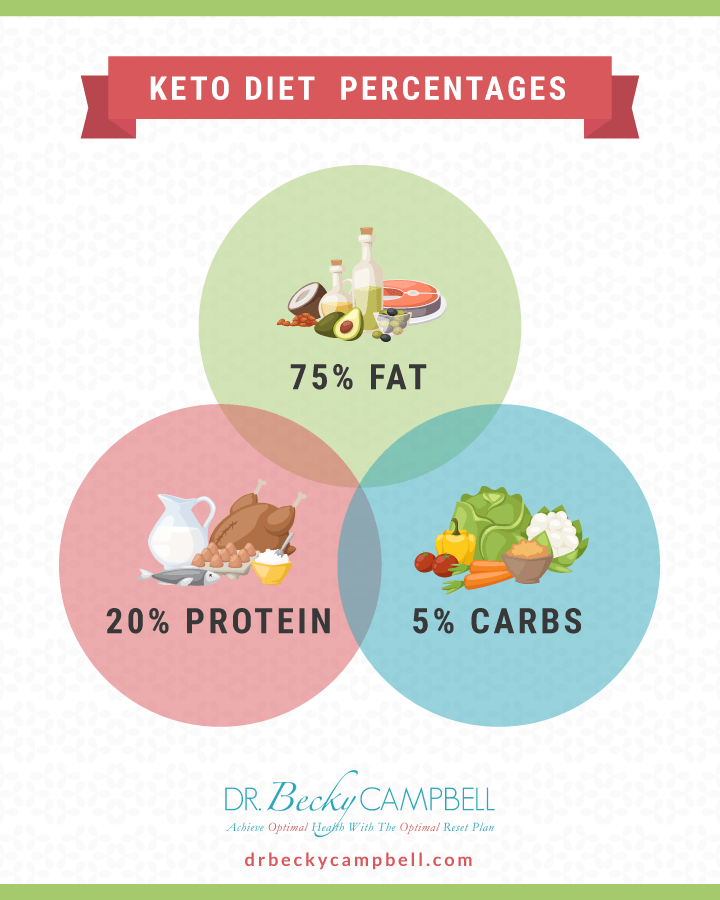
The diet primarily consists of fat. You will be getting roughly 75% of your daily calories from fat, 20% from protein, and less than 5% from carbs.
Why Do People Go Keto?
Why would someone want to get into a state of ketosis? Many people start a keto diet as a way to promote weight loss. When your body is burning fat vs. glucose, your body is literally burning its own fat stores which often results in weight loss. Getting into a state of ketosis is often associated with a decrease in appetite as well which is another reason people may start this diet to help support weight loss efforts.
There are other health reasons someone may start a ketogenic diet. Blood sugar regulation is a big one. When you are eliminating most of the carbohydrates from your diet, and consuming more fat, you may have an easier time stabilizing blood sugar levels. This can be especially helpful for someone who may have been consuming lots of refined carbohydrates. However, the key here is to stick to healthy fats, clean protein, and lots of non-starchy vegetables. Ditching carbs and sticking to a high-fat diet doesn’t mean you should eat just any type of fat. Quality is a key component of properly following the ketogenic diet.
Another major reason people may go on a ketogenic diet is to help control epilepsy. In fact, this diet was created as a way to help control seizures before medications were around! The keto diet has been used to help treat epilepsy since the 1920s. (1)
I have also seen those who suffer from migraine headaches do well on a ketogenic diet.
It’s Not One Size Fits All
As with any diet, I truly do not believe there is ever a one size fits all. While the ketogenic diet may be great for some, it is not going to work for others. Those who should not follow a ketogenic diet would include pregnant and breastfeeding moms, anyone who is significantly underweight, young children, those with metabolic disorders, gallbladder disease, or those who are prone to kidney stones. Keep in mind that this is not an all-inclusive list. I encourage you to always speak with your healthcare practitioner before starting any new diet.
Since I specialize in thyroid health, I have also found that thyroid patients do not usually do well on the keto diet, as it is important for them to get enough complex carbohydrates into their diet for proper thyroid function. This is also why people have been known to experience thyroid imbalance when they first go keto. The diet can throw your thyroid balance out of whack.
Those who have the lipoprotein(a) enzyme may also not be great candidates for this diet. Having this marker in the blood may be key in determining the risk of heart disease. Following a high-fat diet like the keto diet, may increase this marker not making it an ideal option for those who already have elevated Lp(a).
There may also be some people who may do well on the diet with some modifications. The approach I happen to like is Dave Asprey's, of Bulletproof, way to be Keto. The Bulletproof way is a cyclical keto diet and involves following a keto diet for 5-6 days a week, and then one day where you consume more carbs than usual. This helps to let your body know that it is not in a starvation mode, and refuels your body a bit. (2) I like this version of the keto diet because it also emphasizes the importance of consuming healthy fats as opposed to damaged fats. Some keto recipes you will find online are loaded with conventional dairy and damaged fats, and while they may be low in carbohydrates, these foods will still increase inflammation in the body. Instead, try consuming healthy fats like the ones listed in the chart below.

A cyclical ketogenic diet may also be very beneficial for those who are super active. When you are an athlete or have an intense workout routine, your body does well on carbs. I know there are many people that will not agree with the me on the need for carbs for athletes, but it is what I have observed with myself and with many of my patients. With that being said, I know there are also athletes that do well on a ketogenic diet, which is exactly why nothing is one size fits all.
Considerations to Keep in Mind
While the keto diet has been made to sound wonderful and a quick fix for weight loss, there are some things you will want to keep in mind. When you first start the ketogenic diet, you may go through something called the “keto flu.” This is when your body is going through a major transition from consuming carbs to significantly restricting them. Many people experience flu like symptoms, and some may even have side effects like poor sleep, extreme fatigue, and even hormone imbalances. Before you start a keto diet, work with a practitioner who can guide you in the right direction as to what you should be eating on a daily basis, and how to get through this unpleasant phase. For many, increasing their water intake, sipping on bone broth, and consuming more healthy fats can be very helpful.
Not everyone does well with this way of eating, and many people experience muscle cramping. Cramping often happens when the body is not getting what it needs. When you follow such a restrictive diet, your body may be missing vital nutrients, causing those unpleasant muscle cramps.
The Takeaway
While there are some benefits to this diet, I do not believe it is the best long-term diet. However, with the right modifications, like the Bulletproof Keto version, it may be beneficial for some. I also want to stress that the ketogenic diet can be very dangerous if you are not getting enough of what your body needs. I encourage you to work with a Functional Medicine Practitioner and talk about how to make this diet work for you if it is something you are interested in trying. Since you are almost eliminating an entire food group, it is so important to make sure you are getting the right balance of nutrition for your body to work at an optimal level.
If you are suffering from weight gain, fatigue, hair loss and more, click here to schedule a phone call with me, so I can find out where you’ve been, where you want to get to, and how I can help you get there.
I know exactly where you are because I’ve been there myself…I remember being so tired that I could barely function. I gained 30 pounds out of nowhere and had a severe case of brain fog. I also started to get severe anxiety and panic attacks. I was driven and motivated…until I wasn’t. I didn’t know what was happening to me. All I wanted was to get my life back…
Finally, I learned about functional medicine and found a practitioner that I hoped could help me. They ran specialized tests that were far different than I had ever had before. When I got the results back, it turned out I had candida, parasites, high cortisol, the Epstein Bar Virus and many food intolerances. I also had an issue with my thyroid that no one found before because they were using the conventional medicine lab ranges which are way too broad….which I now know is one of the leading causes of hypothyroid misdiagnosis.
I went through treatment of all of these things and it completely changed my life. I immediately lost the 30 pounds I had gained plus more, I had a lot more energy, and my brain fog was gone. I felt amazing and knew that I wanted to help people find the underlying causes of their symptoms and disease.
Resources
Ketogenic Diet. Epilepsy Society
Is the Full Ketogenic Diet Bulletproof? Bulletproof

Roasted Cabbage & Sausage
Cabbage is one of those veggies that isn't often included in the diet because it's not something that many people know how to cook or what recipes to add it to! I also didn't know how to add it to my diet until I started experimenting with recipes like this roasted cabbage and sausage recipe I am sharing with you today.
But, did you know that purple cabbage is full of vitamin C? This means that it is a tasty way to support your immune system. It's also super easy to cook and tastes delicious when paired with a protein and healthy fat.
Not only that, but purple cabbage is also full of phytonutrients which help reduce inflammation which is essential for overall health.
Cabbage is also excellent for digestive health because you can ferment this beautiful cruciferous veggie to make it a probiotic for the gut.
So what are you waiting for? Are you ready to add some cabbage to your diet?
Here is a roasted cabbage and sausage recipe that takes under an hour to make and makes a delicious side dish packed full of nutrition.
Roasted Cabbage & Sausage
- 1 head of red cabbage (thinly sliced)
- 2 Tbsp. olive oil
- 1 lb. of organic turkey sausage (sliced)
- 1 pinch of salt & pepper
- Freshly chopped herbs of choice (thyme or rosemary works well)
- Coconut oil for cooking
- Start by preheating the oven to 375 degrees F and lining a baking sheet with parchment paper.
- Add the chopped cabbage, olive oil, salt, pepper, and herbs to a mixing bowl and toss well.
- Transfer the cabbage to the baking sheet and bake for 30-45 minutes or until the cabbage is wilted.
- While the cabbage is cooking, preheat a medium skillet over medium heat with the coconut oil.
- Cook the sausage for about 10 minutes.
- When the cabbage is just about finished cooking (5-10 minutes left) add the cooked sausage to the oven.
- Allow to cool for a couple of minutes and enjoy!
5 Paleo Summer BBQ Recipes
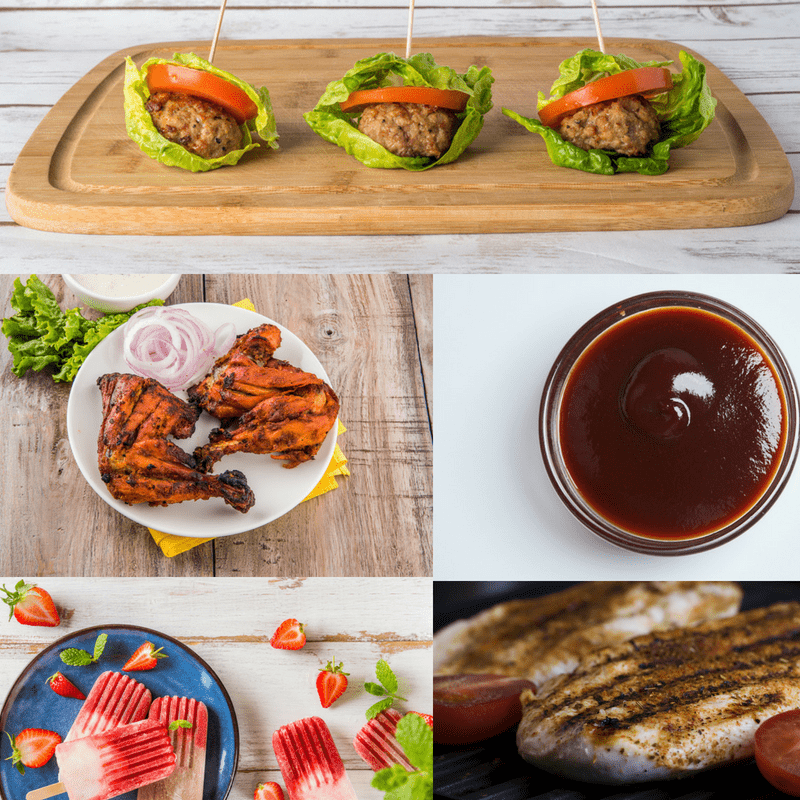
With the unofficial start to summer underway, you may be enjoying more time outside and of course, grilling and enjoying delicious food with friends and family. I know, I am which is what inspired me to create these 5 paleo summer BBQ recipes.
I understand just how stressful summer barbeques can be when you are following a paleo diet or even just trying to limit your sugar intake and eat healthier. Following a clean diet can make family gatherings stressful, as you know, there are always food temptations that are hard to turn down. This is why I wanted to put together my top five paleo summer BBQ recipes for you today. These are recipes you can enjoy all summer long!
These recipes are perfect for summer and something you can take to a BBQ or summer party. I promise that the whole family will enjoy them and you won't feel guilty about enjoying any of these recipes.
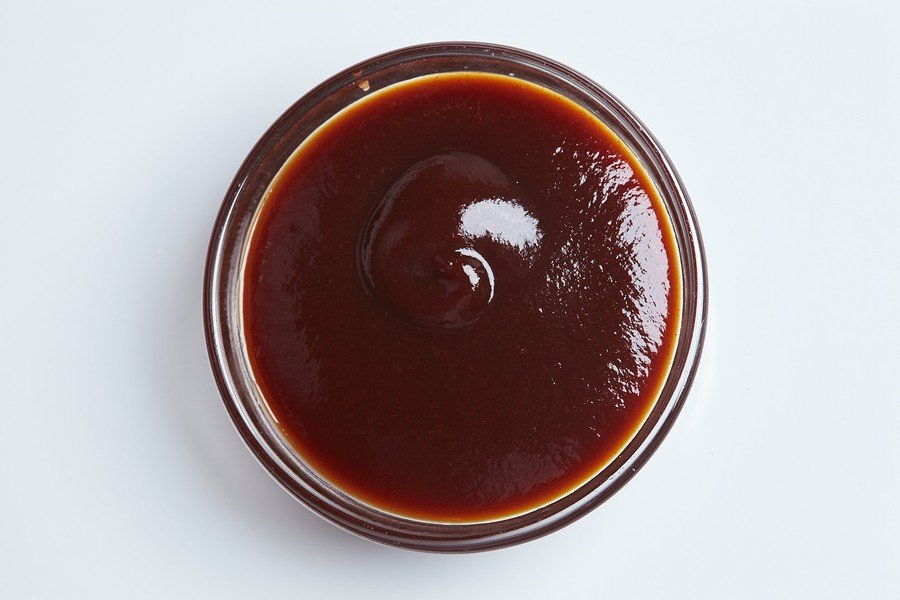
Paleo BBQ Sauce
- 2 cups no sugar added tomato puree
- ½ cup raw apple cider vinegar
- ¼ cup pure maple syrup
- 1 Tbsp. coconut aminos
- 1 tsp. paprika
- 1 Tbsp. chili powder
- ½ tsp. ground cloves
- 1 tsp. onion powder
- 1 tsp. garlic powder
- Pinch of salt and pepper
- Add all the ingredients to a stockpot over low/medium heat and stir.
- Cook for 1-2 hours, stirring frequently or until the sauce has thickened.
- Store in an airtight container in the fridge until ready to use.
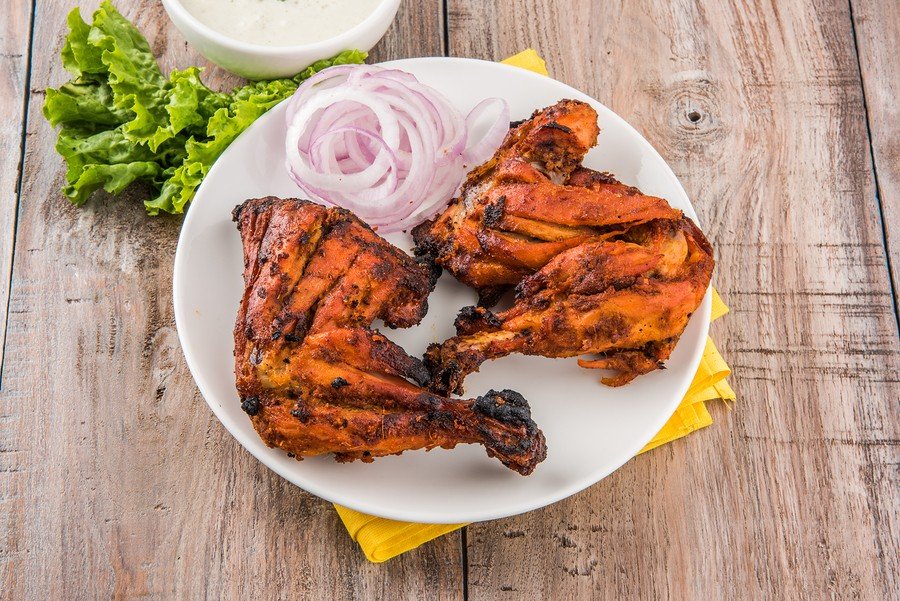
BBQ Chicken Thighs
- 3 lbs. of organic chicken thighs
- 1 cup of Paleo homemade BBQ sauce
- Extra salt & pepper to taste
- Coconut oil for cooking
- Start by adding the homemade BBQ sauce to a mixing bowl and add the chicken thighs. Be sure to cover both sides of the thighs thoroughly. Allow them to marinate for 30 minutes. Season with a pinch of extra salt and pepper if desired.
- Heat a gridded skillet over medium heat with coconut oil and cook the chicken thighs on both sides until browned and cooked through.
- Serve with a side of homemade sweet potato fries or steamed vegetables.
BLT Sliders
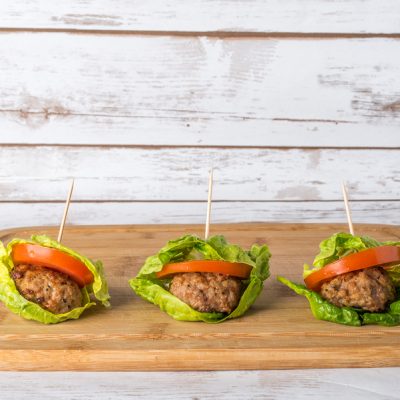
- 1 lb. of grass-fed beef
- 1 tsp. garlic powder
- 1 tsp. onion powder
- ½ tsp. sea salt
- ¼ tsp. black pepper
- Homemade paleo mayo for serving (See link below )
- Cooked bacon (tomato, and lettuce leaves for serving)
- Coconut oil for cooking
- Start by adding the ground beef, garlic powder, onion powder, salt, and pepper to a mixing bowl. Mix well.
- Form into 4 burger patties and preheat a large skillet over medium heat with coconut oil.
- Cook the burgers on both sides until browned and cooked to your liking.
- Serve with lettuce leaves as the “bun” and top with cooked bacon, tomato, and paleo mayo.
Adobo Pork Chops

- 4 bone-in pork chops
- 1 Tbsp. Paleo adobo seasoning (I like Primal Palate)
- Olive or for marinating
- Avocado or coconut oil for cooking
- Start by covering the pork chops with olive oil and seasoning with adobo seasoning.
- Next, preheat a gridded skillet over medium heat with avocado or coconut oil.
- Cook the pork chops for about 5 minutes on each side or until cooked through. Alternatively, you can cook these on the grill.
- Enjoy.
Strawberry Cream Popsicles

- 1 cup of full fat unsweetened coconut milk yogurt
- 1 cup of frozen strawberries
- 2 Tbsp. pure maple syrup
- 1 tsp. pure vanilla extract
- Popsicle molds
- Simply add all ingredients to a high-speed blender or food processor and blend until smooth.
- Transfer to popsicle molds and freeze until set.
- Enjoy.
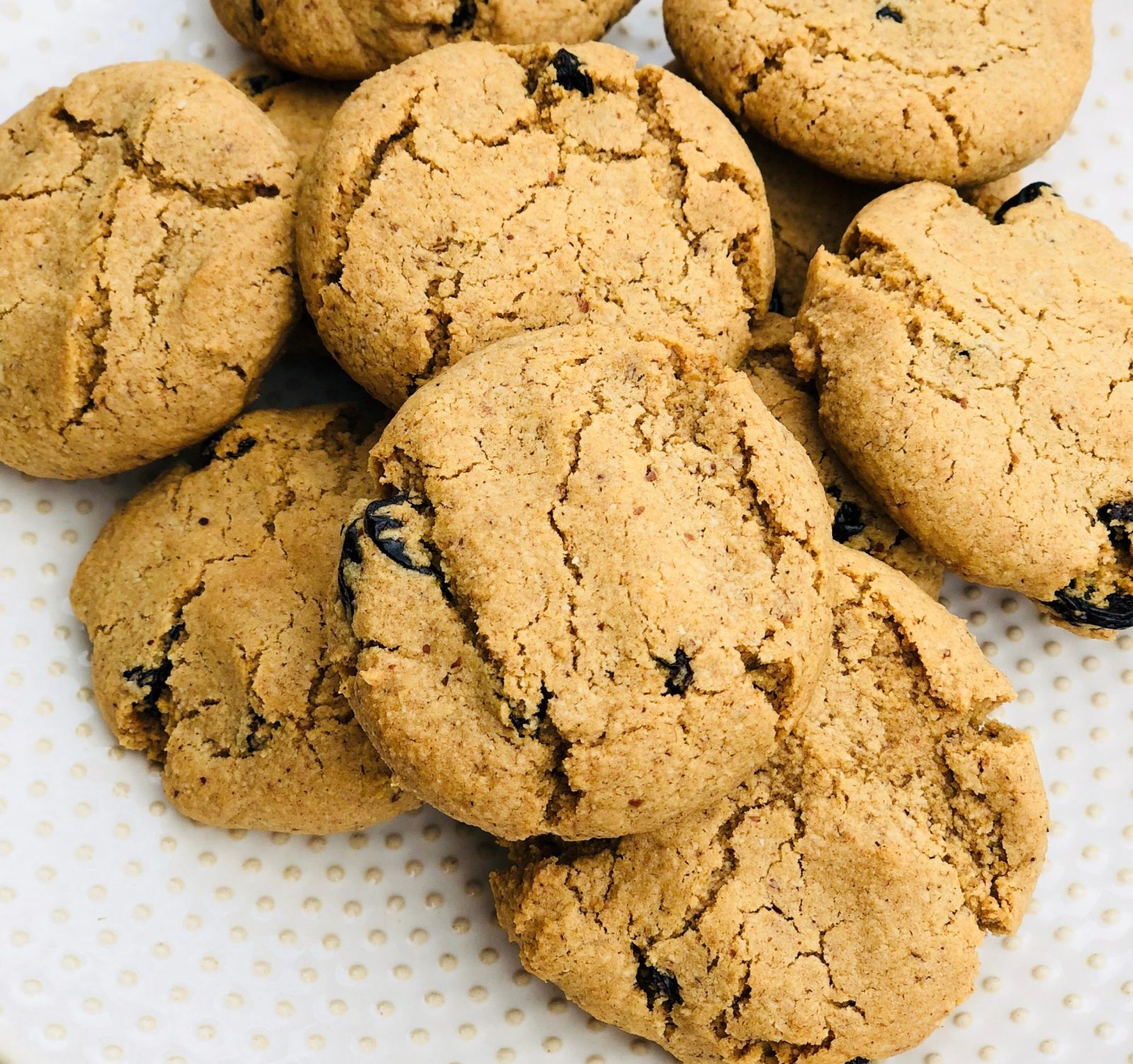
Paleo "Oatmeal" Raisin Cookies
I don't know about you but I love oatmeal raisin cookies! I would much rather have something like this than chocolate, but since I don't eat grains I have not been able to make oatmeal raisin cookies in quite a few years. I decided that enough was enough and I wasn't going to live my life any longer without oatmeal raisin cookies in it! I finally decided to make a grain free version, and to my surprise these came out better than the real thing!
I have always wanted to experiment with tigernut flour and was pleasantly surprised how amazing it is! I love to mix different grain free flours together so that you don't get any strong flavor like you can when using just one. Tigernut is great to use for those that are allergic to nuts or can't have them because they are following an autoimmune paleo diet. Tigernut is not a nut, it is a root vegetable that is gluten free, grain free, high in fiber, iron, potassium, protein, magnesium, zinc and vitamins E and C. Tigernuts contain natural sugar, healthy fats and have a high level of resistant starch, which reaches the colon intact. Resistant starch promotes prebiotic growth and supports a healthy immune and digestive track. It can also lower blood glucose levels and improves insulin sensitivity (1).Which means that these cookies are not only delicious, but they are actually good for you!
Paleo “Oatmeal” Raisin Cookies
1 ½ cups tiger nut flour
½ cup almond flour
2 tbsp. coconut flour
¾ cup maple sugar
1 tsp. cinnamon
¼ tsp. nutmeg
½ tsp. salt
1/2 tsp. baking soda
1/2 cup butter, softened
1 egg, room temperature
2 tsp. vanilla
½ cup raisins
1. With your hand mixer or stand up mixer cream the grass-fed butter, maple sugar, egg, and vanilla for about 15 seconds until smooth and fluffy.
2. Add the tiger nut flour, almond flour, coconut flour, baking soda and sea salt and mix again until combined, about 30 seconds. Scrape down the sides of the bowl if needed in order to incorporate all of the flour. Mix a few seconds more.
3. Fold in the raisins.
4. Place a small golf-ball sized balls of dough on a cookie sheet lined with parchment
5. Bake for 10 minutes, then remove and push down with the back of a spoon to flatten a bit. Return to the oven for 10 more minutes or until slightly golden around the edges.
Sources:
(1) Jennifer Harris. What is Tigernut Flour. Gluten Free Living Website

Slow Cooker Coconut Lemon Chicken
[embedyt] https://www.youtube.com/watch?v=C01doZ5lEKM[/embedyt]
With my new book "The 30-Day Thyroid Reset Plan" Coming out in just a few weeks, I wanted to share one of my favorite recipes with you from the book. I love the slow cooker because you can make nutritious food that tastes amazing with only a few minutes of preparation required! Using the crockpot also allows for the flavors to blend together for a long period of time, making them extra tasty! These ingredients were not only chosen because of their flavor, but also because of the many health benefits associated with each one. If you have read any of my blog posts in the past on leaky gut, you will know that it can be one of the biggest triggers for Hashimoto's. This is why I chose coconut for the base of this recipe!
Coconut Benefits
Coconut contains healing properties that are especially healing to the lining of the gut. Coconut contains lauric acid and caprylic acid which can kill the harmful yeast and bacteria that could be causing the leaky gut. Since the majority of the immune system lies in the gut, it is crucial to support the gut when you have any auto-immune disease like Hashimoto's.
Turmeric
Turmeric is a powerful anti-oxidant and anti-inflammatory spice in the main dish curry. In fact, it is argued by many to be the most powerful herb on the planet at fighting and potentially reversing disease. Since, Hashimoto's is an inflammatory disease, you can see why this is an essential addition to this dish.
Curry
Curry has some amazing health benefits as well. Preventing Alzheimer's disease and cancer, plus relieving pain & inflammation are only a few of it's amazing benefits! Curry is also known to help with liver toxicity and can be a natural antibacterial agent.
Lemon
Lemon has very powerful benefits that not many are aware of. Not only is lemon a good source of vitamin C but it also aids in digestion, helps prevent kidney stones, promotes hydration, improves skin quality and more!
Not only is the dish extremely flavorful, but it is filled with lots of extremely beneficial ingredients!
Slow Cooker Coconut & Lemon Chicken
1 can full-fat coconut milk (organic is best)
1 tbsp. curry powder
1/2 tsp. ground turmeric
1/2 tsp. sea salt
Pinch of black pepper
4 boneless chicken breasts
Juice of 1 lemon
2 garlic cloves, minced
1 small yellow onion, diced
-Start by whisking together the coconut milk (include the cream), curry, turmeric, salt, and pepper in a medium bowl.
-Next, add the chicken breasts to the base of a slow cooker and top with the coconut milk mixture, lemon juice, garlic and onion.
-Cook on low for 6-8 hours, or until the chicken is tender and can easily be shredded.
-Shred the chicken before serving and enjoy over cauliflower rice.
For more recipes to support your thyroid health pick up a copy of "The 30-Day Thyroid Reset Plan"!
