

Mast Cell Activation Syndrome, Postural Orthostatic Tachycardia Syndrome, and Ehlers-Danlos Syndrome: What is the Connection
Imagine it: you are a 35 year old female. You used to love to go to the gym, but have been diagnosed with Ehlers-Danlos Syndrome, and now you’re lucky if you can walk down the stairs without pain and open the car door without your shoulder, ankle, knee, hip, shoulder, or wrist cracking and possibly even dislocating. Usually, you’re so fatigued you can barely get through lunch, but on a good day, when you’re less tired than usual and you try to go to the gym, you get so dizzy when you’re trying to do your body weight squats, you usually can’t even finish the workout you had planned. What is the world is wrong with you and why can’t anyone help you figure it out?! The good news is recent studies are showing a connection between this disease trifecta, Mast Cell Activation Syndrome (MCAS), Postural Orthostatic Tachycardia Syndrome (POTS), and Ehlers-Danlos Syndrome (EDS). While there is no cure, it can be very manageable if you know how to figure out your underlying triggers. This is where I hope I come in! As someone with this syndrome combo, I not only can offer you a research/medical perspective, but I can also offer you my own personal journey and how to successfully navigate yours.
Mast Cell Activation Syndrome: What Is It and What Are The Symptoms?
Mast Cell Activation Syndrome (MCAS), otherwise known as Mast Cell Activation Disorder (MCAD), is an immunological condition in which mast cells release excessive amounts of chemical mediators, which can result in a myriad of physical symptoms. Remember that mast cells are a necessary part of the immune system – they are the “heros” that activate the immune system when the body perceives a foreign invader. They are present throughout your entire body, especially in areas where your body is likely to come into contact with material from the outside, like your skin, digestive, and respiratory systems. The problem is when these same mast cell cells perceive many different things as a threat. Normal everyday things can be triggers, like medications, foods, supplements, physical and/or emotional stress, very cold or very warm temperatures, pressure, noxious odors, exercise/exertion, chemicals, bug bites, trauma, or other environmental toxins/biotoxins, like mold. I had an unfortunate run-in with some black mold last year that had me laid up for nearly 6 months. Now that I know how bad of a trigger it is for me, I need to avoid it at all costs!

How Do You Manage MCAS?
Managing your MCAS really depends on how severe your initial symptoms are. Sometimes trying a low histamine diet, like the one found in the 4-Phase Histamine Reset Plan, can be helpful in getting your symptoms under control, and as you feel better, you may be able to start adding foods back in. Sometimes people like to supplement their diets with a mast cell stabilizer. Natural options include foods with ascorbic acid, quercetin, B vitamins, and omega-3 fatty acids. For this, I recommend HistoRelief, which will provide you with a synergistic blend of nutrients that provides natural support to help balance the immune response by allowing you to naturally stabilize your mast cells and also eat foods that you enjoy without a significant reaction. If you’re finding that you can only tolerate a handful of foods without a reaction, you may need to try some medication first in order to get your symptoms under control before you can really start figuring out what to avoid. Remember that histamine, one of the more common chemical mediators released by mast cells, binds to different receptors throughout the body. The medications that may be necessary are H1 (zyrtec, claritin etc.) and H2 (ie. pepcid AC, zantac) blockers, which mostly act on vessels in the brain to dampen your reaction to histamine. Although these medications can be a necessary first start for extreme cases, they reduce the enzyme (DAO enzyme) responsible for breaking down histamine in the body. I would not recommend using these without guidance from a mast cell specialist.
Postural Orthostatic Tachycardia Syndrome (POTS)
POTS is a condition caused by too little blood returning to the heart when moving from a lying down to a standing up position (orthostatic intolerance) with a rapid increase in heart rate (tachycardia). People with POTS usually have low blood volume and high levels of norepinephrine (a neurotransmitter released during stressful situations), indicating increased sympathetic nervous system activation. Other reported symptoms in people with POTS include:
- Blurred vision
- Lightheadedness, dizziness, and/or fainting
- Heart palpitations
- Headaches
- Difficulty concentrating
- Fatigue
- GI symptoms, such as nausea, cramps, bloating, constipation, diarrhea
- Shortness of breath
- Head, neck, or chest discomfort
- Feelings of weakness
- Sleep disorders
- Exercise intolerance
- Anxiety
- Cold or painful extremities
Unfortunately, the cause of POTS is not well understood. Episodes typically begin after major surgery, trauma, or a viral infection; in women, symptoms may be noticed after pregnancy or may worsen right before menstruation. The good news is most cases of POTS are very manageable and typically have a good prognosis with appropriate management. Given the variety of reasons someone may be diagnosed with POTS, there is no single treatment that is going to work for everyone. The purpose of pharmacological treatment is to improve low blood pressure and issues with the heart and vessels that may be contributing to symptoms. Lifestyle changes, like drinking more fluids, exercising, and avoiding triggers, may be all that is necessary for management. I had difficulty exercising with my POTS: I would try to go down into a squat or a lunge and immediately, I would get dizzy even though I’ve worked out for years. If this is the case for you as well, trust me, you are not alone. Please stay tuned for my next blog post for more details on Exercise Intolerance!

MCAS and Its Relationship to POTS
New research is suggesting significant overlap between Mast Cell Activation Syndrome and disorders of the autonomic nervous system (the nervous system that you have no control over and includes things like your heart rate and breathing). MCAS should be taken into consideration in patients with POTS when the rapid increase in heart rate upon standing is also associated with intermittent flushing. Prolonged standing in patients with both MCAS and POTS may also cause the associated flushing, as well as shortness of breath, headache, lightheadedness, diarrhea, nausea, vomiting, and excessive urination. MCAS is also likely if a urine sample produced within 4 hours of a flushing episode reveals abnormally high levels of methylhistamine.
Ehlers-Danlos Syndrome (EDS)
Ehlers-Danlos Syndromes are a group of disorders that affect the connective tissues of the body, including the skin, bones, blood vessels, and other organs and tissues, caused by various genetic defects in the structure, production, and/or processing of collagen and the extracellular matrix, which is a network of carbohydrates and proteins that support the structural integrity of the cell. Collagen is the major component of most of the body’s connective tissue and provides both the strength and flexibility for us to move, bend, and stretch without anything breaking or tearing. Mutations in these genes, as seen with EDS, will result in poor collagen strength or a collagen deficiency in our tissues. There are 13 different subtypes of EDS, which are named based on the area affected. While it is outside of the scope of this article to go into each individual type, there is some overlap in the common signs and symptoms. If you think you have this disorder, the best way to determine which genetic variant you have is to undergo genetic testing to confirm an EDS diagnosis. The most common types of EDS are the hypermobility (EDS-HT), otherwise known as EDS-III, and classical subsets. The hypermobile type affects as many as 1 in 5,000 to 20,000 people, while the classical type occurs in about 1 in 20,000 to 40,000 people. All other forms of Ehlers-Danlos syndrome are very rare.
EDS is a complex and multisystem disease process that will look different depending on what type of collagen is altered. The more common types of EDS affect the skin and joints and are relatively benign, but can range up to life-threatening issues with some of the rarer types. Remember not everyone with EDS will have all of these symptoms!
The most common EDS symptoms include:
- Joints: hypermobility (unusually large ranges of motion); increased incidence of joint dislocation; chronic joint pain
- Skin: very stretchy, fragile, increased bruising, “spider veins,” abnormal scarring and wound healing
- Bone: presence of osteoporosis, scoliosis from a young age
- Gastrointestinal: presence of hiatal hernias, downward displacement of internal organs in abdominal region (visceroptosis), changes in gut movement
- Eyes: small corneas, fragility
- Heart: arteries with tendencies to rupture, valve issues

MCAS and Its Relationship to EDS
So it makes sense that MCAS and EDS would be related simply because mast cells are found in connective tissues throughout the body: you can’t have one without the other. When mast cells are activated, they release a variety of chemical mediators, like histamine, proteases, cytokines, and growth factors, to name a few. These compounds will cause swelling and inflammation in the surrounding tissues, which is appropriate when there is an actual threat or foreign invader. However, when mast cells are overactive, they release an overabundance of these mediators, resulting in MCAS. Mast cells tend to adhere to proteins in the extracellular matrix called fibronectin and vitronectin; this pairing can result in an increased production and release of cytokines, one of the types of proinflammatory chemical mediators released by mast cells. It is possible that the gene defects that result in collagen mutations may also contribute to abnormal mast cell functioning.
AND FINALLY: How are Mast Cell Activation Syndrome, Postural Orthostatic Tachycardia Syndrome and Ehlers-Danlos Syndrome Connected?
Researchers have discovered a subpopulation of patients with EDS-HT (hypermobility subset) and POTS that also have been diagnosed with MCAS. Patients with EDS-HT and POTS also seemed to exhibit symptoms consistent with those you would typically find in someone with MCAS. However, the relationship between the three does remain somewhat murky. Some experts think EDS causes POTS. And others will tell you that MCAS causes both POTS and EDS. A recent study, led by Joshua Milner at the National Institute of Allergy and Infectious Diseases, took 96 people with EDS-HT and mast cell issues. POTS symptoms were also prevalent. All study participants had higher than expected tryptase in their blood. Tryptase is a protein and well-known mast cell mediator that is an integral part of an immune system reaction and may be related to many of the symptoms seen in patients with EDS-HT and POTS. Usually, people with mast cell problems have normal levels of tryptase. With further tests, Milner discovered a subset of patients that had an extra copy of the gene that codes for tryptase, TPSAB1. Two genes equals double the amount of tryptase protein. Going back through the DNA records, it appeared that people who had high tryptase levels also had the TPSAB1 gene mutation and were all living with symptoms that were very similar to those described when talking about EDS-HT, POTS, and MCAS. The interesting thing is about 30% of people don’t make tryptase at all, so maybe it’s not necessary? Maybe a potential treatment method for this disease trifecta is figuring out how to shut down the production of tryptase?
Recommendations for MCAS, POTS, and EDS
Here is what I recommend for improving the trifecta of MCAS, POTS, and EDS:
Reduce Your Mast Cell Triggers
EMF is not the only thing that can trigger your mast cells. There are many factors that may trigger mast cell activation. Most mast cell triggers tend to come from your environment. Common triggers of MCAS include mold, allergens, chemicals, toxins, heavy metals, viruses, and stress. Reducing your mast cell triggers may help to reduce your symptoms of mast cell activation and histamine intolerance.
Eat an Anti-Inflammatory, Low-Histamine Diet
Histamine intolerance is a common consequence of MCAS. Following a high-histamine diet may further trigger histamine intolerance. I recommend following a low-histamine diet for at least several months until your symptoms improve.
Remove inflammatory foods from your diet, including refined sugar and carbs, refined oil, artificial ingredients, additives, deep-fried foods, sugary drinks, junk food, and overly processed foods. Follow a nutrient-dense diet rich in greens, vegetables, herbs, sprouts, organic grass-fed meat, organic, pasture-raised eggs and poultry, and fresh wild-caught fish. Choose organic whenever available.
Remove high-histamine foods and foods that can increase your histamine load. High-histamine foods that you should avoid include age cheese (e.g., goat cheese), citrus fruits, canned and cured meat (e.g., pepperoni, salami, bacon, lunch meat, hot dogs, and canned meat), dried fruits (e.g., apricots, dates, raisins, figs, and prunes), fermented foods (e.g., kefir, sauerkraut, soy sauce, and vinegar), fermented alcohol (e.g., beer, wine, and champagne), legumes (e.g., beans, lentils, soy, and peanut), certain nuts (e.g., cashew and walnuts), soured foods (e.g., buttermilk, sour milk, sour cream), smoked fish and certain types of fish (e.g., mackerel, mahi-mahi, anchovies, sardines, tuna, and fish sauce), certain vegetables (e.g., avocados, tomatoes, eggplant, and spinach), vinegar-containing foods (e.g., pickles and olives), and all overly processed foods because of the high histamine load from preservatives.
Avoid histamine-liberating foods that are low in histamine but trigger histamine release in your body, including alcohol, nuts, bananas, papaya, pineapple, strawberries, tomatoes, chocolates, wheat germ, cow’s milk, shellfish, and many artificial preservatives and dyes. Avoid DAO enzyme-blocking foods and drinks, such as alcohol, black tea, green tea, mate tea, and energy drinks.
Choose low-histamine foods, including organic animal protein, most greens, vegetables, and fresh fruits (except as listed earlier), and healthy fats, such as coconut oil, grass-fed butter, ghee, and organic extra-virgin olive oil. Try new recipes. I recommend all the low-histamine recipes in The 4-Phase Histamine Reset Plan: Getting to the Root of Migraines, Eczema, Vertigo, Allergies and More and my recipe books, Fifty One Low Histamine Air Fryer Recipes and Low Histamine Cooking in Your Instant Pot. My book also has a detailed list of low- and high-histamine foods you can and cannot eat. I also recommend that you follow my Histamine Reset Plan outlined in my Histamine Online Program.
Try Some Mast Cell-Stabilizing and Histamine-Reducing Foods and Supplements
You can boost the benefits of your anti-inflammatory, low-histamine diet by adding some foods that may help to reduce your levels of histamine and stabilize your mast cells. Quercetin helps to reduce histamine. Add quercetin-rich foods to your diet, such as grapes, apples, cranberries, black plums, cherries, black currants, chokeberries, blueberries, olive oil, cruciferous vegetables, kale, romaine lettuce, chicory greens, red leaf lettuce, cabbage, sprouts, asparagus, snap peas, peppers, and red onion. You may also try a quercetin supplement.
I also recommend adding foods that can help to stabilize your mast cells, including onion, peaches, nettle, apples, chamomile, moringa, watercress, Thai ginger, and fiber-rich foods. You may also try a DAO enzyme supplement to support histamine breakdown and HistoRelief.
HistoRelief is a synergistic blend of nutrients that provides natural support to balance your immune response. This blend features Tinofend®, a patented and clinically researched extract derived from the plant Tinospora cordifolia, which has a powerful ability to support immune regulation and immune response. As a result, it boosts your body’s ability to fight interstitial cystitis symptoms. It includes quercetin, nettle leaf, vitamin C, and bicarbonate salt to help inhibit histamine release, supports normal histamine metabolism, and improves immune health.
Improve Your Gut Health
Your gut microbiome health is closely connected to mast cell activation and histamine intolerance. Gut health issues, including leaky gut syndrome, small intestinal bacterial overgrowth (SIBO), candida, and other gut infections are common underlying issues in mast cell activation and histamine intolerance. EMF exposure may also increase gut microbiome imbalance and gut infections.
Addressing any gut health issues and improving gut microbiome imbalance may help to improve your chronic symptoms and help to regain your health. Along with a gut-friendly anti-inflammatory diet, I recommend that you take a high-quality probiotics supplement to support your gut microbiome balance. For further gut-supporting supplements and a specific gut-health protocol, I recommend working with a functional medicine practitioner, like us.
Reduce Your Histamine Bucket
If you are dealing with symptoms of histamine intolerance, reducing high-histamine foods is not enough. High stress, poor sleep, not moving your body, and high toxin exposure may add to your toxin load. Stress and toxins may also cause mast cell activation. Improving these areas of your lifestyle may help to reduce your histamine bucket and lower the risk of mast cell activation.
Reduce Your Stress Levels
Chronic stress can increase mast cell activation and histamine intolerance. To decrease your stress levels, I recommend practicing breathwork, meditation, positive affirmation, journaling, yoga, grounding, and time in nature for stress and anxiety reduction. Taking an Epsom salt bath is another great way to relax your muscles, calm your mind, and detoxify your body.
Get Enough Sleep Sleep
Inadequate and poor sleep is another major underlying issue behind histamine intolerance. Chronic EMF exposure may also increase sleep issues and fatigue. Improving your sleep is absolutely essential for your health. Your goal should be to sleep at least 7 to 9 hours a night. Lower your stress levels throughout the day but especially in the evening time to support sleep. Take a bath, read a good book, listen to some music, journal, try coloring, and spend time with your family. Avoid sugar, alcohol, and heavy food in the evening. Sleep on a supportive mattress with comfortable and supportive pillows and blankets, and quality, organic cotton sheets.
Move Your Body
A lack of movement may also increase the risk of histamine intolerance and chronic health issues. Moving your body is a great way to reduce stress, improve detoxification, and improve your overall health. Move your body throughout the day. Stretch regularly. Take a stroll in the nearby park. Find creative ways to incorporate movement, such as an impromptu dance session, learning a new TikTok dance, playing with your kids or pets, taking the stairs, trying a treadmill desk, or practicing chair yoga. Exercise at least 20 to 30 minutes five days a week and move your body regularly. I recommend getting 10 to 15K steps in a day if you can. Add resistance and strength training to your routine.
Remove Toxins
Toxin overload can lead to mast cell activation, histamine intolerance, chronic inflammation, and related chronic symptoms. It’s critical that you lower your daily exposure to environmental toxins. Choose purified water over tap water. Use a high-quality air filtration system for better indoor air. Choose natural, organic, and homemade cleaning, personal hygiene, and beauty products instead of conventional brands loaded with chemicals. Choose glass, bamboo, wood, organic cotton, silicon, and other natural alternatives instead of plastic. Avoid BPA plastic completely. Choose organic food whenever possible and avoid overly processed packaged foods. If you must buy non-organic produce, follow the Dirty Dozen, Clean 15 list, and always wash and peel non-organic vegetables and fruits.
Final Thoughts
If you’ve taken anything from this article, I hope it is something along the lines of how complex and multifactorial these diseases are, and no one treatment is going to be effective for everyone. The good news is most of the time, this trifecta is very manageable. The bad news is it’s very individualized, and it may be a process of trial and error in figuring out what works best for you and your needs. Some people require medication and some don’t. Some have to be a low histamine diet for longer than others. The key is getting your body healthier, so you can tolerate more of the foods you love with natural mast cell stabilizers and no medications.
If you are dealing with symptoms of histamine intolerance, MCAS, POTS, or EDS, I invite you to schedule a consultation with us. We can help identify the root cause of your condition and recommend a personalized treatment plan to repair your body and regain your health and well-being. Schedule your consultation here. I also recommend that you check out my Histamine Online Program.

References
2) http://mentalfloss.com/article/87506/one-gene-mutation-links-three-mysterious-debilitating-diseases
4) https://rarediseases.info.nih.gov/diseases/9597/postural-orthostatic-tachycardia-syndrome
5) http://www.potsuk.org/mcas?fbclid=IwAR08BH1TXdapeABbqlHCTLPFC4BFEvwbtIc6DzzNP4-Z-KAv4IkW1b4uQKg
7) https://ghr.nlm.nih.gov/condition/ehlers-danlos-syndrome#statistics

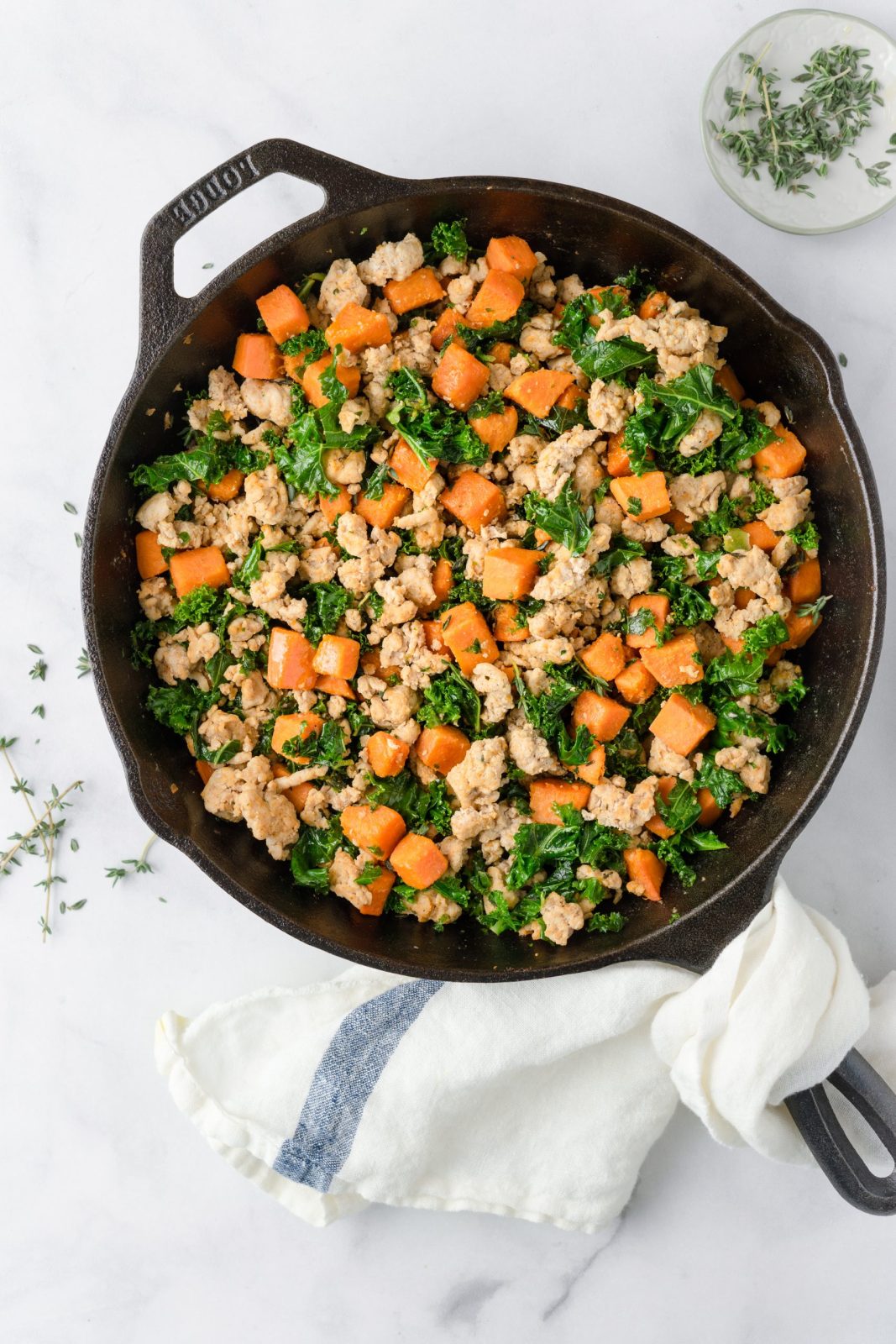
Anti-histamine Turkey, Kale & Sweet Potato Skillet
With more and more people learning that they suffer from histamine intolerance these days, I want to teach you some fast and healthy recipes to support inflammation and histamine levels in your body. This recipe is good for anyone that wants to add some healthy food that tastes great, not just those suffering from histamine intolerance. This recipe is Whole 30 & Paleo compliant and is great for those with thyroid disease & any other autoimmune diseases.
Thyme is an amazing herb that is not only anti-histamine, but it also has anti bacterial and anti inflammatory properties too! Kale is also high in quercetin, which is very good for helping to reduce histamine levels in the body.
- 1 tbsp extra virgin olive oil
- 16 oz. ground turkey
- 1 clove garlic (minced)
- 1 medium sweet potato (approx. 2 cups) (peeled, diced & cut into 1/2 in. pieces)
- 1/4 tsp sea salt
- 1 small bunch kale (approx. 2 cups) (stemmed & roughly chopped)
- 1 tbsp fresh thyme leaves
-
1. Heat olive oil in a large skillet or dutch oven, over medium heat. Add ground
turkey and garlic. Cook for about 10 minutes until browned, stirring
occasionally. Remove from pan and set aside.
2. Add sweet potato to same pan with salt and cook for
6-8 minutes until potatoes begin to soften, stirring throughout.
3. Add kale and garlic. Let cook, stirring frequently for a further 5 minutes.
4. Return turkey to the skillet, stirring to combine all ingredients for about 3-4
minutes. If necessary add a little more olive oil.
5. Garnish with fresh thyme and enjoy!
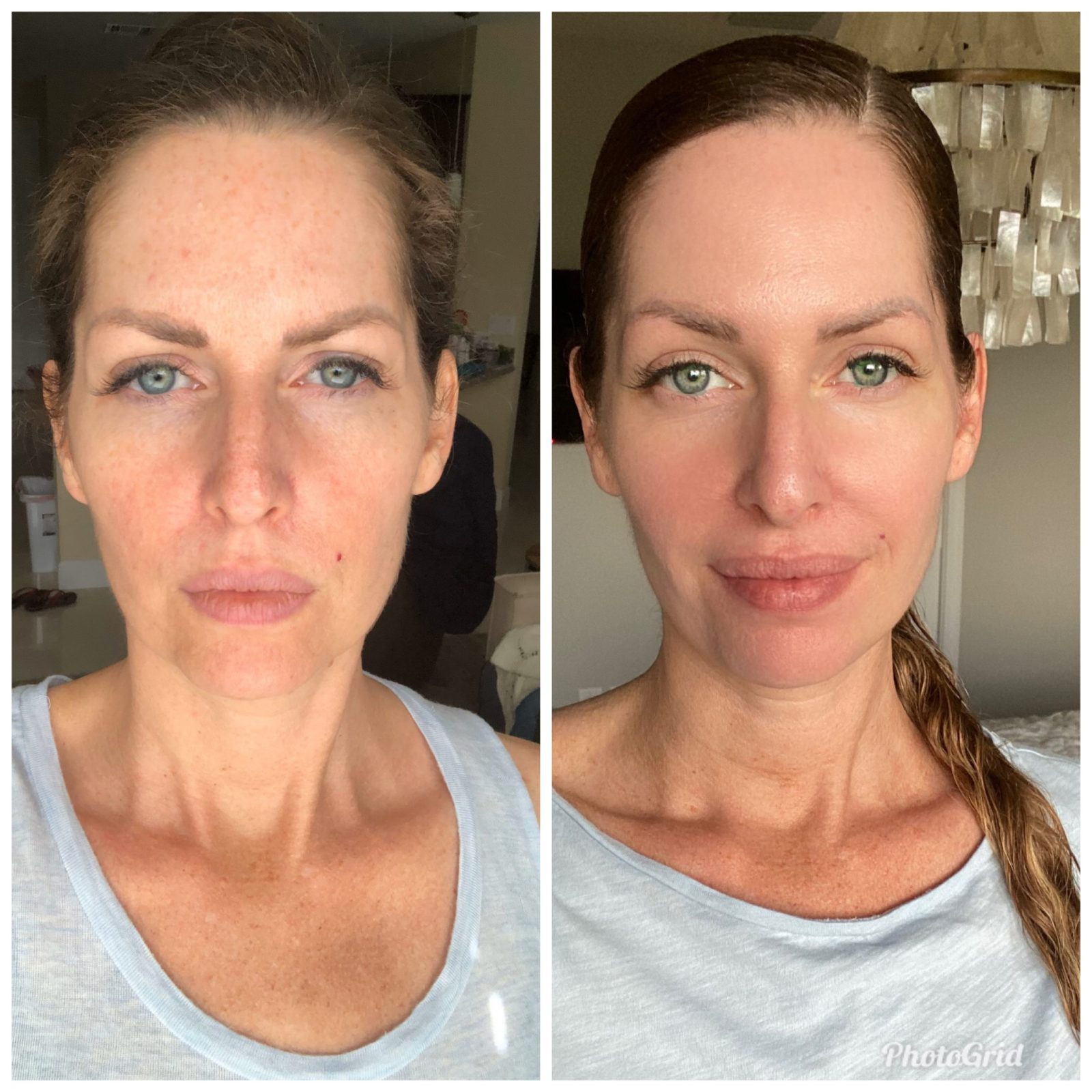
Safe Skincare & Makeup Routine
I get a lot of questions on social media asking me about my skincare and makeup routine.
 As I have stressed in the past, the best thing you can do for your skin is supporting your liver. For the best liver support, I use my Optimal Reset Liver Love daily, to keep my hormones in balance and keep my body from using my skin to push toxins out (this can create acne and more skin issues).
That being said, I love my skincare and makeup products too so I will share them with you here.
I can’t stress the importance of putting SAFE products on your skin! If you eat healthy and exercise, you can’t put harmful makeup and skincare products on your skin (your biggest organ) and expect to feel your best.
I’ve spoken in the past about the company beautycounter. I use them for about 90% of my products because they are safe and they work really well.
To start:

I wash my face day and night with Beautycounter's nourishing cream cleanser. I like this cleanser because it is extremely gentle and it works for all skin types. Being someone that has dealt with Histamine Intolerance my whole life, I have very sensitive skin. It took me a long time to find a face wash that didn't aggravate my sensitive skin.

Next up is moisturizer! I would be lying if I said I use one for the day and one for the night time. I use the same one for both. I love this moisturizer because it adapts to your skin type. Being someone with combination skin, this is ideal. This is the countermatch adaptive moisture lotion.

I use this peel at night because I have a lot of brown spots from growing up in Florida. It has really made a difference in the appearance of the spots and the texture of my skin. Plus, like most other peels, it is not harmful to your skin!
Moving on to makeup!...My favorite part! Being a makeup artist in my past, I am really picky about what makeup I will use. The fact is, most "natural" makeup, doesn't look good on. You can barely see it in fact. One of the many reasons I use what I use, is because it works!

First up is foundation! Remember those brown spots I told you about? Well, this covers them completely! It's also very moisturizing without feeling heavy. I use a moist beauty blender to apply this evenly. This is the Tint Skin Hydrating Foundation.

For eyeshadow, I go between the Beautycounter pallets depending on my mood! My favorite one is the Velvet Eyeshadow Pallet: Romantic

For Lips, I use almost all of their lipsticks and glosses. Knowing that I am putting safe products on my lips (which I am most likely eating), is very comforting to me. If you think about all the heavy metals and chemicals in most lipsticks, it's pretty insane.

For mascara, I do not use Beautycounter...I really like one from a company called Tarte. It's called lights, camera, action and is very low on the toxic makeup index. I order this online from Ulta with this link: https://www.ulta.com/lights-camera-lashes-4-in-1-mascara?productId=xlsImpprod2430021
I hope this helps, please let me know if you need any help finding what would work best for you!

Low Histamine Sheet Pan Fajitas
These easy sheet pan steak fajitas are the perfect weeknight meal. They bake in the
oven in just a few minutes and leave only one pan to clean! This recipe is also packed
with high quercetin foods that are great for a low histamine diet, such as bell peppers,
red onion and fresh cilantro. The steak can also be swapped out for chicken, just make sure
whichever protein you choose is fresh.
Following a special diet can make cooking for the whole family difficult, but this recipe is
a great crowd pleaser and easily customizable. Serve with lettuce wraps or your favorite
grain free tortillas.
- 1 lb Flank steak (thinly sliced)
- 3 Bell Peppers (orange, red, green) (thinly sliced)
- 1 Red onion (thinly sliced)
- 2 tbsp olive oil (extra virgin)
- 2 tsp chili powder
- 1 tsp dried cumin
- 1 tsp garlic powder
- 1/2 tsp sea salt
- 1 handful fresh cilantro (for serving)
-
Instructions:
1. Preheat your oven to 400 degrees and place your onion, peppers and steak on a large sheet pan.
2. Stir together the chili powder, cumin, garlic powder and salt in a small
bowl. Drizzle everything with olive oil, followed by the spice mixture. Use your
hands to toss until evenly coated.
3. Bake in the oven for 10-12 until steak is browned and just cooked through.
Serve with fresh cilantro and lettuce wraps.

Can Histamine Intolerance Cause Anxiety?
If you have been following my recent blog posts, you’re not going to be surprised that an overabundance of histamine can be related to the presence of anxiety, depression, and panic attacks in those with histamine intolerance or sensitivity. With those that suffer with histamine intolerance, anxiety can be caused by:
1) An unhealthy gut related to a histamine intolerance and/or
2) The presence of tachycardia (rapid heart beat) related to the over-activation of the sympathetic nervous system (part of the autonomic nervous system which activates what is often termed the fight or flight response).
Let’s look at the two scenarios in more detail
Remember there may be many reasons why histamine in our bodies is increased:
1) We’re producing too much histamine (like with mast cell activation syndrome, MCAS)
2) We’re eating too many histamine-rich or fermented foods that our bodies aren’t breaking down effectively
3) Our DAO enzyme capabilities are low and we aren’t able to break down histamines as fast as we’re producing it, and/or
4) We have small intestinal bacterial overgrowth (SIBO), which is defined as an overabundance of bacteria and an increase in histamine production from the proteins of undigested food. SIBO can cause a leaky gut, which is an intestinal permeability syndrome where the gut lining is damaged. With leaky gut, food particles, bacteria, and environmental toxins seep into the bloodstream and cause problems in the body, like chronic inflammation due to a persistent autoimmune response.
What does all of this have to do with anxiety?
Usually anxiety is blamed on a “chemical imbalance” in the brain, but as it turns out, this likely isn’t the whole story. Our brain and our GI tract communicate with each other via the vagus nerve, which is a cranial nerve that carries out very important functions in the brain like swallowing, taste and movement. This nerve can be activated by various compounds found in the gut, forming the basis for the conceptualization of the microbiome-gut-brain axis. Problems with these pathways result in neurotransmitter (chemical messengers) disruption, chronic inflammation, and overactivity of the hypothalamic-pituitary-adrenal axis (HPA-axis). The research suggests that a disrupted gut microbiome, which is a vast ecosystem of microbes that help us control our weight, fight infection, regulate our sleep, and so much more (9), may contribute to a variety of cognitive and mood disorders including anxiety, Parkinson’s disease, Alzheimer’s disease, ADHD, sensory processing disorder, obsessive compulsive disorder, schizophrenia, psychosis, and autism (1,2,3).

Gut microbes are capable of producing most of the neurotransmitters found in the brain, including GABA (responsible for reducing anxiety), serotonin (responsible for a feeling of well-being and happiness), dopamine (responsible for motivation) , and neurotransmitter modulators, like brain-derived neurotrophic factor (BDNF). Oddly enough, over 90% of our total serotonin and over 50% of our total dopamine are formed in the gut and not in the brain (4,5). Because of this, bacterial colonization is imperative to early brain development and continues to influence the brain throughout the lifespan. Think of the gut microbiota as an essential brain “peacekeeper.”
When we are stressed, our bodies release cortisol, which signals the nervous system to take action. This is more commonly referred to as our ‘fight or flight’ mode. This is what causes our sympathetic nervous system to take over, so all of our resources are pooled into energy conservation, meaning things like the digestive process shut down in order to make sure there are enough resources available for us to escape to survive. As the sympathetic nervous system stays activated, mast cells release more and more histamine into the bloodstream. More stress equals more histamine release.

Remember there are many different types of histamine receptors, but the most prevalent ones are the H3 histamine receptors. These are located in both the brain and throughout the body and are responsible for histamine synthesis and release. Histamine acts as a neurotransmitter in the brain, which can also affect the amount of mood altering neurotransmitters, like GABA, dopamine, and serotonin. An excessive amount of these chemical compounds will increase the amount of anxious and/or depressive feelings.
Excess histamine can also be associated with the presence of panic attacks. Anxiety or feelings of panic make sense when one considers the progression of a reaction to excessive histamine. Histamine causes the vasodilation, or widening of blood vessels, throughout the body. This is part of the job of the sympathetic nervous system: when you are in danger, the body needs to be sure that the resources it needs can be accessed quickly. What better way to do this than to make your blood flow faster?!
There is less resistance to the heart moving the blood throughout the body because of the widened vessels, so now you’ll see a decrease in blood pressure. In order to make sure that you are still getting a consistent level of blood to the newly widened vessels, your heart has to pump faster (tachycardia). So now, we are in a situation where your body has ensured that your heart needs to race in order to make sure the blood gets to the right place. You also may experience shortness of breath, dizziness, a pounding heart, flushing, and/or redness in the face – can we panic now? Because of the cumulative nature of more stress causing more histamine release, more stress and excessive histamine can also cause more panic attacks.
How to we get stress & histamine intolerance under control?
Keep in mind that stress does not cause histamine intolerance – it merely aggravates it. Figuring out a way to not only keep our histamine release under control in addition to identifying and managing stress effectively are going to be our keys to success.
- Magnesium Supplementation
Increased stress can deplete your magnesium levels and decreased magnesium can augment your reaction to stressful events. Magnesium is prevalent in many vegetables, nuts, and seeds, but taking a supplement may be an option during especially stressful times.
- Diet
Diet is one of best ways in which to keep your histamine levels under control. Start by treating any pathogens that may be present; no food you eat will help you if you have an underlying gut infection. Also consider eating more fiber as low fiber diet reduces microbial diversity, and add (see low histamine bone broth video below) bone broth to your diet in order to assist in repairing your gut integrity and reducing leaky gut symptoms. Similarly, in order to manage biological stress as well as calm stress-induced histamine levels, try a low histamine diet. You may not have to avoid histamine-rich foods forever, but it is a good idea until you can get your symptoms under control. Here is a great article to know what foods are high in histamine.
[embedyt] https://www.youtube.com/watch?v=2sAEvJHbIQQ[/embedyt]
- Avoid Allergens
While it isn’t always possible, avoiding known allergens that will trigger your allergic response may be helpful, so you don’t go over your histamine threshold. See my blog post on “Why Eating Healthy May Be Making You Sick” for more details on this.
- Polyphenols
Polyphenols are phytochemicals founds in most fruits and vegetables. Specific types of these chemicals are known mast cell stabilizers. For example, pomegranates contain both tannins and anthocyanin, which are two types of polyphenols. Apples also contain polyphenols, which inhibit the release of histamine from mast cells.
5. Diamine Oxidase
If your DAO levels are too low, you will be unable to effectively break down histamine. You can take DAO supplements (Histamine Block from Seeking Health) with meals. However, keep in mind these supplements are not able to enter your bloodstream and will therefore only be able to break down histamines that you are consuming and not the histamine that is being produced by your mast cells. Including omega-3 fatty acids, saturated fats, phosphorus, calcium, zinc, magnesium, iron, and vitamin B12 in your diet are also way in which to naturally improve your DAO levels. Also make sure you are avoiding DAO-blocking foods, especially alcohol, since it is also a histamine-rich food.

6. Vitamin B6
Vitamin B6 will also help you naturally increase the production of DAO. It is found in low histamine foods like many vegetables and poultry. It can also be taken as a supplement. Make sure you are taking it in its active form – pyridoxal 5’-phosphate – for maximal absorption and utilization.
- Mast Cell Stabilizers
Mast cell stabilizers will help you reduce both your biological stress and your internal histamine release. Looking for foods that contain ascorbic acid, quercetin, vitamin B6, omega-3 fatty acids, and riboflavin can help reduce the amount of histamine you are producing. Another natural option I recommend to patients is a supplement called histo-relief, which includes quercetin as one of its primary ingredients. This supplement supports immune function, as well as the body’s response to food and environmental factors. I also recommend my Histamine Support Kit, which will provide you with a synergistic blend of nutrients that will provide natural support to help balance the immune response, support the liver and support the gut lining, to allow you to widen your food choices without as intense of a reaction.6,7,8
It is imperative to determine if your anxiety and panic attacks are related to an actual chemical imbalance in the brain or an overabundance of histamine. Sometimes by modifying your diet and getting your stress under control, you can reduce your feelings of anxiety and panic and rediscover yourself. If you’ve already tried this and hit a roadblock, please feel free to set up a consultation with me. I would love to help you get a grip on your symptoms and take your life back!
References
- Dr. Chris Kresser. Your Gut Microbe and Anxiety: What’s the Connection? Accessed 4/13/19. https://chriskresser.com/your-gut-microbiome-and-anxiety-whats-the-connection/.
- Bruce-Keller, A.J., et al. Harnessing Gut Microbes for Mental Health: Getting from Here to There. Biol Psychiatry. 2018 Feb 1;83(3):214-223.
- Dinan, T.G., et al. The Microbiome-Gut-Brain Axis in Health and Disease. Gastroenterol Clin North Am. 2017 Mar;46(1):77-89.
- Sudo, N. Microbiome, HPA axis and production of endocrine hormones in the gut. Adv Exp Med Biol. 2014;817:177-94.
- Yano, J.M., et al. Indigenous bacteria from the gut microbiota regulate host serotonin biosynthesis. Cell. 2015 Apr 9;161(2):264-76.
- https://www.histamine-sensitivity.com/histamine-panic-joneja-03-15.html
- https://integrative-medicine.ca/when-excess-histamine-feels-like-a-panic-attack/
- https://factvsfitness.com/histamine-stress-histamine-release/
- http://www.nutritionnews.abbott/nutrition-as-medicine/the-role-of-the-microbiome-in-gut-health-.html
* These statements have not been evaluated by the Food and Drug Administration. This product is not intended to diagnose, treat, cure or prevent any disease. If you are pregnant, nursing, taking medication, or have a medical condition, consult your physician before using this product.
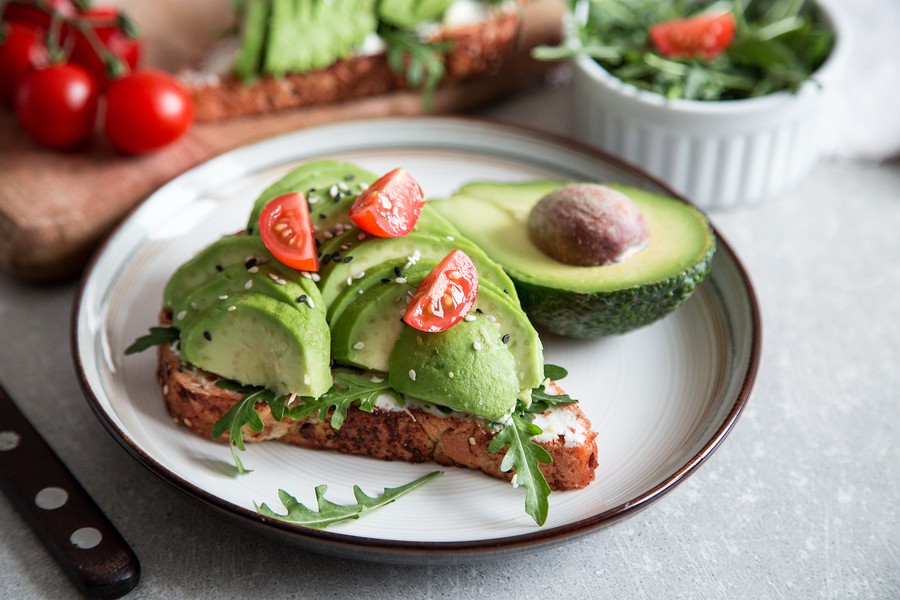
Why Your New Diet May Be Making You Sick
Did you just recently start a Whole 30, Paleo, or Keto diet, only to find that now you’re feeling worse than you did before?! As it turns out, many of these “healthy” foods that are integral components of many of these diets are also very high in extrinsic histamines, which can cause a problem for someone with a “histamine intolerance.” But what exactly does this mean?
It is important to note that histamine is an integral and required part of a healthy immune system – the goal is never to rid your body of histamines entirely. It is an important neurotransmitter and it creates necessary inflammation during any sort of immune system response, whether it’s related to injury, disease, or other foreign matter. Histamine levels of 0.3 to 1.0 nanograms per milliliter (ng/mL) in plasma are considered to be normal (1). Histamine, among many other chemical inflammatory mediators, is released from mast cells. Mast cells are located in connective tissue, like the lining of the gut, skin and other sites in the body. These cells play a very important role in helping defend these tissues from disease by releasing chemical "alarms", like histamine, to areas of the body where they are needed.
For example, if someone is extremely “allergic” to peanuts, the slightest taste can trigger an immense histamine response. This response results in systemic inflammatory signals – to your nose, throat, mouth, gut, skin, and lungs. This “allergic reaction” caused by histamine is likely why this inflammatory chemical gets such a bad reputation.
Like anything, too much of a good thing is a problem, and when we accumulate too many histamines and our bodies can’t break them down fast enough, that’s when we begin to see symptoms and are diagnosed as “histamine intolerant.” We all technically have some degree of “histamine intolerance,” but it is important to remember that it is a dynamic process, affected by allergic reactions, diminished genetic ability to clear histamine (decreased Diamine oxidase AKA DAO, the enzyme that breaks down histamine, production), compromised gut health (leaky gut, gut infections, irritable bowel syndrome), lifestyle (stress and ingestion of substances that block DAO, like NSAIDS and alcohol), and food that is high in histamines (2,3). Consider this quote from Chris Kresser:
Histamine intolerance is unlike other food allergies or sensitivities in that the response is cumulative, not immediate. Imagine it like a cup of water. When the cup is very full (high amounts of histamine in the diet), even a drop of additional water will cause the cup to overflow (symptoms activated). But when the cup is less full, it would take more water (histamine) to cause a response. This makes histamine intolerance tricky to recognize.
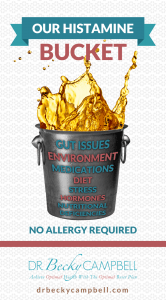
Think of your tolerance to histamine like a bucket. When you’re stressed at work, taking NSAIDs (ie. Advil) to get rid of the headache you have to make it through the day, not sleeping well, and too tired to cook yourself a decent meal, you are more at risk for your “bucket” to overflow, resulting in the “allergic reaction-type” symptoms that you would expect (3). We would label this as a histamine intolerance – you are not clearing the histamine in your body fast enough – but that doesn’t mean you’ll have these symptoms forever! I really like how this phenomena is described by Dr. Janice Joneja:
A person with histamine intolerance will typically experience a constant fluctuation in the signs and symptoms of histamine excess in response to changing conditions. For example, when a person is experiencing allergy to airborne allergens such as seasonal pollens, the histamine released in the allergic response alone might put them into the symptom range. In such a case, avoiding histamine-associated foods will no longer relieve their symptoms because their total level of histamine will remain above their limit of tolerance. This explains the observation that during their “pollen allergy season” many people find themselves reacting to foods (usually histamine-rich foods) that they could normally eat with impunity (1).
As mentioned by Kresser and Joneja, histamine intolerance is not so much of a diagnosis as it is a collection of a bunch of symptoms. It is now believed that Mast Cell Activation Disorder (MCAD) is a more accurate depiction of what is happening in patients who have been diagnosed with “histamine intolerance.” Mast cells are located in most tissues of the human body, especially in connective tissue, skin, and the digestive, cardiovascular, nervous, and reproductive systems. When the body is exposed to perceived threats, mast cells quickly secrete chemicals, like histamine, interleukins, prostaglandins, cytokines, and other various chemicals stored in cells to address the issue. Both local and systemic effects are the result, such as increased permeability of blood vessels, that will cause increased inflammation and swelling, smooth muscle contractions that may lead to heart palpitations and stomach cramps, and increased mucous production that will cause increased sneezing and coughing. We initially only thought that mast cells were related to allergies, but now we know that they likely play a much larger role in over-activation of the immune system as well as the development of other autoimmune disorders, especially though involving antibodies, probably related to the presence of more environmental toxins and chemicals. MCAS has been linked to the development of allergies, asthma, autism, autoimmune diseases (Hashimoto’s thyroiditis, lupus, multiple sclerosis, rheumatoid arthritis), eczema, Celiac disease, chronic fatigue syndrome, chronic inflammatory response syndrome (CIRS), fibromyalgia, food allergies, GERD, infertility, IBS, migraines, anxiety/depression, and postural orthostatic tachycardia syndrome (POTS) (4).
Overactive mast cells can cause a variety of symptoms including: skin rashes, swelling, flushed skin, itching, abdominal pain, nausea/vomiting, diarrhea, wheezing/shortness of breath, heart palpitations, anxiety, headaches, brain fog, low blood pressure, and fatigue.
The good news is there are many foods that do act as natural antihistamines and mast cell stabilizers! Looking for foods that contain ascorbic acid, quercetin, vitamin B6, omega-3 fatty acids, and riboflavin can help reduce the amount of histamine you are producing.4
Sometimes, at least while you are experiencing a flare-up of your MCAS, it may be helpful to eliminate foods known to contain high histamine content. Foods may naturally have more histamine content, while others foods accumulate more histamine as they age. Please notice that many of the foods listed below are primary staples in any Whole 30, Paleo, or keto diet! Histamine-rich foods include:
- Fermented alcoholic beverages, like wine, champagne, and beer
- Fermented foods like sauerkraut, vinegar, soy sauce, kefir, yogurt, kombucha (don't shoot the messenger!)
- Foods high in vinegar like pickles, mayonnaise, olives
- Cured meats like bacon, salami, pepperoni, deli meats, hot dogs
- Soured foods like sour cream, sour milk, buttermilk
- Dried and citrus fruits
- Aged cheeses
- Nuts
- Vegetables like avocados, eggplant, spinach, tomatoes
- Any smoked fish and certain fish species like mackerel, mahi-mahi, tuna, anchovies, sardines
- Any processed foods (preservatives contain high amounts of histamines).5
It is important to remember that ingesting histamine is not the only cause for an increase in histamine in your body. Once an immune response is complete, there needs to be enzymes to break down the histamine and other chemical mediators that were released. Diamine oxidase is the enzyme that is primarily responsible for breaking down histamines. Once broken down, they are excreted through your urine via the kidneys. Usually, sufficient DAO in the small intestines means that the histamine you ingest is broken down before it causes a problem. However, if you are DAO deficient, histamine isn’t being broken down as readily, resulting in an increase in histamine levels. If you experience this increase in histamine for a prolonged period of time, the result is Mast Cell Activation Disorder, chronic inflammatory, and histamine sensitivity.
To increase your DAO levels, an option is to take DAO supplements (Histamine Block from Seeking Health) with meals. However, keep in mind these supplements are not able to enter your bloodstream and will therefore only be able to break down histamines that you are consuming and not the histamine that is being produced by your mast cells. Including omega-3 fatty acids, saturated fats, phosphorus, calcium, zinc, magnesium, iron, and vitamin B12 in your diet are also way in which to naturally improve your DAO levels. See below for examples of food that will contain high levels of each of the above, I am only including low histamine sources in this list.

It is also important to avoid DAO-blocking foods. If you think you are having trouble with histamine, you should absolutely avoid alcohol. Not only is it a histamine-rich food, but it also blocks your DAO pathways. If you continue to develop histamine sensitivity, the “flushed face” response will continue to get worse and worse with time!6,7
Another natural option I recommend to patients is a supplement called histo-relief, which includes quercetin (a mast cell stabilizer) as one of its primary ingredients. This supplement supports immune function, as well as the body’s response to food and environmental factors. I have seen many of my patients become a lot more tolerant to food when adding this supplement to their daily regimen. Certain probiotics also limit histamine production – look for items with Lactobacillus rhamnosus and bifidobacter.4
I think it is helpful for people to realize that they are not alone – histamine intolerance is not something that Western medicine typically recognizes. It is important to recognize these symptoms don’t have to be forever and are also not just about what you eat. Yes, you may just have started on a diet where you are eating a ton of new foods, many of them very histamine-rich, but you also have to take into consideration your environment? What season is it? Are you stressed? Have you been sick or been on antibiotics? All of these things can overflow your histamine “bucket” and make it so even if you are watching your foods, it may not be enough to control your histamine response if your “bucket” is also almost overflowing. Maybe instead of your high histamine diet, you try a low histamine reset diet while working on the underlying causes before reintroducing histamine-rich foods. Maybe you add in some yoga and meditation to help control your stress levels. Figure out why your histamine may be elevated and then make the changes required. If you’ve already tried this and hit a roadblock, please feel free to set up a consultation with me. I would love to help you get a grip on your symptoms and take your life back!
Bye Bye avocado toast....at least for now!
Sources
- Dr. Janice Joneja. Histamine intolerance. https://www.histamine-sensitivity.com/histamine_joneja.html. Accessed 3/24/19.
- John O’Connor. Don’t fear the fridge! Histamine intolerance is bigger than food. https://www.mygenefood.com/dont-fear-fridge-histamine-intolerance-bigger-food/. Accessed 3/24/19.
- Chris Kresser. Could Your Histamine Intolerance Really Be Mast Cell Activation Disorder? https://chriskresser.com/could-your-histamine-intolerance-really-be-mast-cell-activation-disorder/. Accessed 3/31/19.
- Jill Carnahan. Mast Cell Activation Syndrome (MCAS): When Histamine When Histamine Goes Haywire. https://www.jillcarnahan.com/2016/10/31/mast-cell-activation-syndrome-mcas-when-histamine-goes-haywire/. Accessed 3/31/19.
- Dr. David Jockers. Are You Suffering From Histamine Intolerance? https://drjockers.com/suffering-histamine-intolerance/. Assessed 3/24/19.
- Jill Carnahan. Boost Your DAO Levels to Fight Histamine. https://www.jillcarnahan.com/2018/03/19/boost-your-dao-levels-to-fight-histamine/. Accessed 3/31/19.
- https://www.ncbi.nlm.nih.gov/pubmed/10344773
- http://www.mastcellaware.com/mast-cells/about-mast-cells.html
* These statements have not been evaluated by the Food and Drug Administration. This product is not intended to diagnose, treat, cure or prevent any disease. If you are pregnant, nursing, taking medication, or have a medical condition, consult your physician before using this product.
The Leaky Gut-Autoimmune Disease Connection
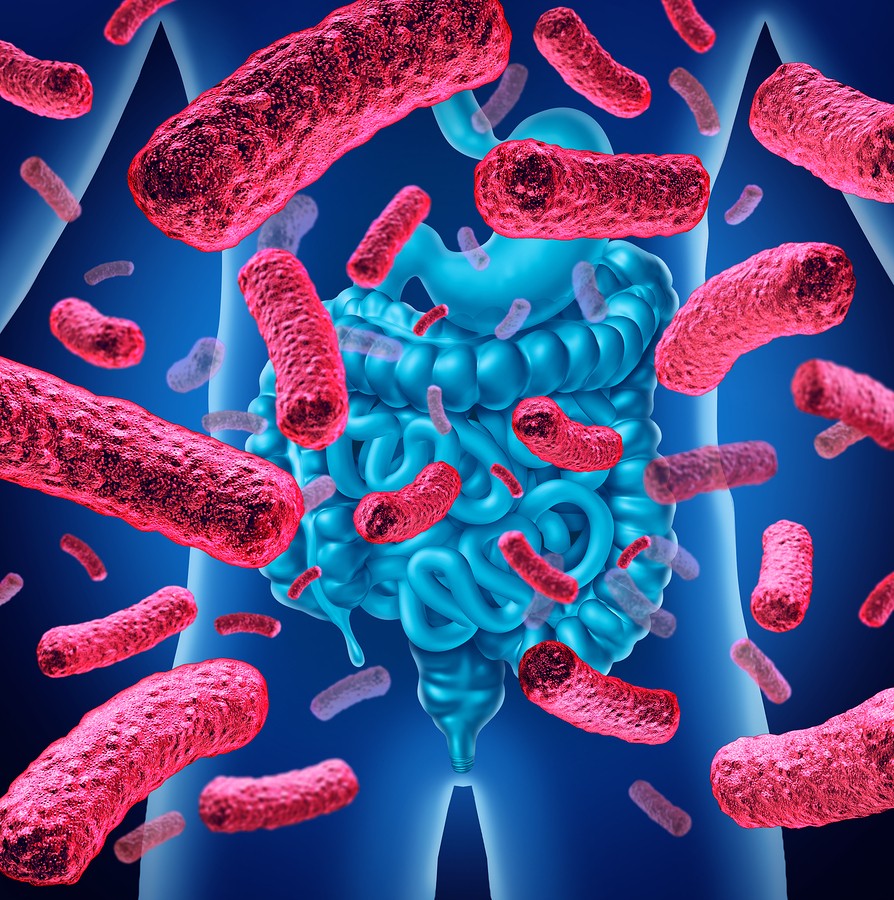
If you’ve been reading my recent blog posts, you’ve probably figured out that the gut is involved in EVERYTHING. If the gut isn’t doing it’s job, the homeostasis of your entire body will be off. To review, a leaky gut is an intestinal permeability syndrome where the gut lining is damaged. With leaky gut, food particles, bacteria, and environmental toxins seep into the bloodstream. This influx of foreign material into the blood causes the immune system to go into overdrive (1).
The small intestine is home to the gastrointestinal associated lymphoid tissues (GALT), which comprises 70-80% of our immune system. It makes sense that the immune system would base its headquarters here because it is connected to our mouth—where the majority of foreign matter would be entering our bodies. The gut lining is essentially “the wall” (no politics here) that protects our blood stream. The GALT, when working correctly, will target and destroy unwanted organisms that have made their way into the small intestine. When the GALT gets backlogged, high levels of inflammation is the result, causing damage to the intestinal lining. This means that particles that normally wouldn’t be allowed into the bloodstream by the GALT will pass inspection, resulting in an additional inflammatory response as white blood cells rush to the area where partially-digested food particles and microbes have entered the bloodstream in order to prevent a bigger systemic issue. Obviously this increased systemic inflammation will affect other organs and organ systems, as we will discuss below.

What Causes a Leaky Gut?
One could argue that we did this to ourselves. Our modern lifestyle has been inundated with toxic foods, medications, infections, chemicals, and chronic stress built in. Inflammatory foods include dairy, grains, and eggs, and toxic foods include things like sugar, alcohol, and GMOs. The presence of any of these things in our diets may be major contributors to leaky gut.
The most common types of infections are yeast infections, intestinal parasites, and small intestinal bacteria overgrowth (SIBO). Essentially, the “bad bacteria” take over our gut, and this imbalance can also contribute to the degradation of the gut wall. Environmental toxics can also play a role in leaky gut, like the presence of mercury (heavy metal toxicity), plastics, and BPAs. Toxins can also include some of the medications we take on a daily basis, including NSAIDS, steroids, antibiotics, birth control, and antacids. Chronic stress directly causes inflammation and potentially, the development of leaky gut syndrome. Continual stress will decrease the effectiveness of your immune system, making it more difficult for your body to fight bacteria and viruses, leading to more systemic inflammation, including the gut lining.

Leaky Gut and Autoimmune Diseases
Assuming you have a leaky gut, think about all the toxins and food particles entering your bloodstream. Your immune system is tagging them as “foreign matter” and “dangerous.” It creates a system-wide inflammatory response to address the intruders. If your gut continues to be “leaky,” your immune system continues to send more and more inflammation to the area to try to get rid of the foreign material. Eventually, it cannot keep up with demands and begins sending waves of inflammation even without a threat being present. This leads to autoimmune conditions as your own tissues and organs become the target of your own immune system.
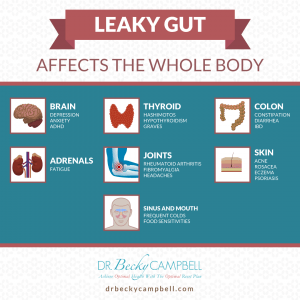
Your immune system will begin producing antibodies against the foreign substances in your blood—the problem is many of the invaders look very similar to your body’s own cells. Because of this, your immune system will start sending out antibodies to attack your own tissues. This is called “molecular mimicry.” The type of autoimmune condition that manifests (and of course, there may be more than one) depends on the tissues being attacked. If the joints are being affected, rheumatoid arthritis is the result. If it’s the thyroid gland, the result is usually Hashimoto’s or Graves’. If it’s the gut lining, Crohn’s or colitis may develop (2).
Steps to Repair a Leaky Gut
REMOVE the problem. Get rid of the things that are negatively affecting your GI tract by not putting inflammatory foods, like alcohol, caffeine, gluten, dairy, corn, soy, eggs, or sugar, in your body until you can figure out which foods you are sensitive to.
RESTORE, REINOCULATE, and REPAIR. The good news is food is medicine! By eating certain foods and adding back in the good bacteria, you can help your body seal a leaky gut. Like anything, some of these foods will work for some and not for others, so make sure you are paying attention to how you feel on certain foods. If they make you feel crappy, cut them out and try something else! Because of that, it may be best to try just one new food at a time, not adding more than one new food every 72 hours or so, until you can figure out which ones work for you and which ones don’t (3).
- Bone Broth
Bone broth has nutrients that can calm an overactive immune system while also providing the raw building blocks to produce more cells, specifically for immune function. Conveniently, bone broth can be made from anything that has bones, like chicken, turkey, beef, lamb, venison, or fish.
- Coconut Oil
Coconut oil is a natural source of medium chain triglycerides that improve the body’s fat burning capabilities and reduce inflammation, which will help with healing the small intestine lining in leaky gut syndrome. It is also a good source of lauric acid, which works as an anti-microbial agent. It’s easy to cook with and adds a something special to your shakes or your morning coffee pick-me-up. If you can’t stand the taste or smell of coconut, MCT oil is also a good alternative with all the same benefits as coconut oil.
- Coconut Butter
Coconut butter will provide you with all the benefits of using coconut oil, but will also throw in the coconut flour, where all the fiber is located. The fiber acts as an exceptional prebiotic, which will improve your gut health by feeding a healthy microbiome.
- Apple Cider Vinegar
This is a fermented tonic that works as a natural anti-microbial to destroy bad bacteria that is associated with acid reflux and stomach ulcers. It helps “pre-digest” meats and veggies, which will reduce stress on the digestive system. It also will help with the production of digestive juices, like hydrochloric acid, bile, and pancreatic enzymes needed for the break down of foods.
- Ghee
Ghee is a clarified butter where all the lactose, casein, and whey are removed. Many people with a leaky gut have sensitivities to the removed ingredients, making ghee an excellent choice for their steamed veggies instead of butter. Ghee is full of gut supportive nutrients, including butyric acid that reduces gut inflammation.
- Beef Gelatin/Collagen Peptides
Both gelatin and collagen are the main ingredients in bone broth and are therefore rich in the proteins that form our gut and skin.
- Ginger
Just skip the “-bread cookie.” Ginger has many essential oils that are strong anti-bacterial, anti-viral, anti-fungal, and anti-parasitic formulas. It also protects our body’s stores of antioxidants and glutathione, which eliminates free radicals, which limits the formation of cancer cells and helps destroy already formed cancer cells. It is one of the best natural anti-nausea agents as well.
- Peppermint
Peppermint is a carminative herb that helps ease gut pain related to leaky gut syndrome and increase peristalsis for movement of food and waste through the digestive system. The menthol portion of peppermint is a muscle relaxer that assists in relaxing the smooth muscle of the gut when it is overactive, which may help with irritable bowel syndrome, indigestive, and acid reflux.
- Fermented foods
These provide the body with microorganisms, organic acids, and B vitamins to improve the digestive process. Examples of fermented foods include: sauerkraut, pickles, and kefir.
- Pumpkin seeds
Pumpkin seeds are a good source of zinc, B vitamins, and magnesium, all of which help contribute to digestive function. They also are a natural anti-parasitic agent (2).
Again, I cannot stress enough that addressing gut health is the first step for anyone who has been diagnosed with an autoimmune disease.

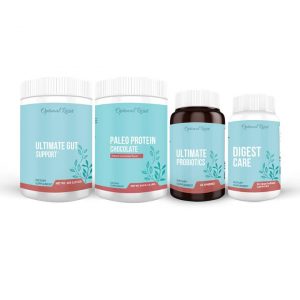
Sometimes, no matter what you try, your body just needs a little additional support to achieve a healthy gut. This is why I like to recommend my Leaky Gut Support Kit. This 4-step formula includes:
Ultimate Gut Support: Ultimate Gut Support offers comprehensive support for optimum gastrointestinal health and function. The lining of the gut must have proper permeability and integrity so it can not only absorb nutrients, but also prevent toxins, allergens and microbes from gaining access to the blood stream. Maintaining gut health is the key to maintaining overall wellness.
Paleo Protein Vanilla (available in chocolate too): Paleo Protein is a novel, great-tasting, dairy-free protein powder, yielding 21 grams of protein per serving. It contains HydroBEEF™, a highly concentrated, bone broth protein isolate, produced through an exclusive proprietary process that allows the protein to be hydrolyzed into more peptides, resulting in easier absorption and assimilation. This product contains beef from animals raised in Sweden without hormones or antibiotics, and is free of any GMO grains, grasses, and/or ensilage.
Ultimate Probiotic: Ultimate Probiotics is designed to offer support for proper flora in the gastrointestinal tract. It uses patented delivery and shelf stability technology to ensure maximum potency and viability. This is achieved using the latest techniques designed to protect fragile probiotic organisms from harsh stomach acid and deliver the highest number of live organisms to the intestinal tract.
Digest Care: is comprised of a proprietary blend of digestive enzymes along with betaine HCl to support optimal digestion of proteins, fats, and carbohydrates. This product contains the special protease DPP IV (dipeptidyl peptidase IV), which aids in the breakdown of the peptides gluteomorphin (from gluten) and casomorphin (from casein). Digest Care also includes the enzyme lactase, which helps break down the dairy sugar lactose. The use of Digestzymes™ before meals may be helpful when patients experience gas and bloating after eating, constipation, or a feeling of fullness after eating only a small quantity of food.*
It will help you Restore, Reinoculate, and Repair your gut so we can get you back to feeling your very best!
 Order yours here!
The Gut and the Thyroid
In order to have a properly working thyroid, you must have a healthy gut. If you are continuously struggling with leaky gut, inflammation, infections, heartburn, indigestion, or chronic constipation or diarrhea, you will never be able to optimize thyroid function.
In almost 90% of Americans, hypothyroidism is caused by Hashimoto’s, an autoimmune disease of the thyroid gland, as discussed in previous blog posts. Since we know that most of the immune systems lives in the GI tract, poor gut health would be an excellent way to trigger and exacerbate symptoms of Hashimoto’s. Sometimes it’s easy to get stuck on the lab numbers and the dose of hormone you need to regulate your lab values, but it’s important to remember that the number doesn’t matter if our gut and/or immune system aren’t functioning properly.
However, the door swings both ways. Improving thyroid function can also help with digestive function. Both T3 and T4 protect the gut lining, so low levels of either of these hormones can help cause leaky gut. Because of this, it is clearly not enough to just address either the thyroid or the GI tract; sometimes it’s a dual battle for optimal recovery.
So if our digestive tract wasn’t already doing enough, it is important to note that it also helps to produce active thyroid hormones. Approximately 20% of thyroid function depends on the conversion of T4 to T3 in the small intestine via good bacteria. When your diet is subpar and/or causing an inflammatory reaction in your GI tract, dysbiosis is the result, which can be described as an “overcrowding” of bad bacteria within the small intestine. Infections within the gut reduce thyroid hormone levels, dull thyroid receptor site binding, increase the amount of inactive T4, decrease TSH, and perpetuate the presence of autoimmune thyroid diseases. Studies have found a connection between the presence of Yersinia enterocolitica and those with Hashimoto’s disease. Yersinia enterocolitica is a bacterium that is usually present in undercooked pork, contaminated water, meat, or milk and causes symptoms of food poisoning. Generally, people infected with it can get rid of it on their own, but in some cases, the bacteria decide they want to stay for a while and start rapidly reproducing in the gut. Yersinia’s molecular makeup is so similar to that of your thyroid receptors that your antibodies start attacking your thyroid as well as the Yersinia bacteria in a molecular mimicry reaction (4,5). The presence of Yersinia enterocolitica antibodies is 14-fold greater in patients with Hashimoto’s, suggesting a link between this bacterium and autoimmune thyroid conditions (5,6).
Hypothyroidism can also be blamed for decreased stomach acid (hypochlorhydria). Without stomach acid, food cannot be digested properly, so it is left in the stomach undigested. The small intestine wants no part of this, so it tries to send the putrid mess back up into the esophagus where it came from, causing heartburn. As the poorly digested food eventually makes it way back down in the digestive tract, it leads to intestinal inflammation and causes leaky gut.
In a properly working gall bladder, bile is secreted to help break down fats, which aids in mineral absorption and helps prevent inflammation of the GI tract via caustic stomach acid. Hypothyroidism essentially slows down gall bladder function, increasing the risk of painful gallstones. Decreased gallbladder function also decreases the liver’s detoxification abilities. Now T4 isn’t being converted to T3 and excess estrogen isn’t being excreted appropriately. Please see the Liver-Thyroid Link article on my blog from last week for more details! This will increase the number of thyroid-binding proteins in the bloodstream, preventing the thyroid hormones from binding to the cells that require their services, causing hypothyroidism (5).

If you take away anything from this post, remember this: keeping your gut happy will keep your thyroid hormones in check! Some may need to supplement with thyroid replacement hormones, but the more you can heal yourself by natural means with real food, the better you will feel in the long run. Now go grab some pumpkin seeds!

Sources
- Natural Endocrine Solutions. SIBO and Thyroid Health. https://www.naturalendocrinesolutions.com/articles/sibo-thyroid-health/. Accessed 1/29/19.
- Dr. Jockers. Top 10 Foods to Heal Leaky Gut Syndrome. https://drjockers.com/10-foods-heal-leaky-gut-syndrome/. Accessed 2/9/19.
- Dr. Amy Myers. The Leaky Gut and Autoimmune Connection. https://www.amymyersmd.com/2017/10/leaky-gut-autoimmune-connection/. Accessed 2/9/19.
- Dr. Amy Myers. The Infection-Thyroid Connection. https://www.amymyersmd.com/2015/08/the-infection-thyroid-connection/. Accessed 2/9/19.
- Dr. K. News. Good thyroid health depends on good gut health. https://drknews.com/good-thyroid-health-depends-on-good-gut-health/. Accessed 2/9/19.
- Chatzipanagiotou, S., Legakis, J.N., Boufidou, F., Petroyianna, V., Nicalaou, C. Prevalence of Yersinia plasmid-encoded outer protein (Yop) class-specific antibodies in patients with Hashimoto’s thyroiditis. Mar 2001(7)3:138-43.
* These statements have not been evaluated by the Food and Drug Administration. This product is not intended to diagnose, treat, cure or prevent any disease. If you are pregnant, nursing, taking medication, or have a medical condition, consult your physician before using this product.

The Liver-Hormone Connection
The liver wants you to know that it’s kind of a really big deal. It is the largest gland in the body, carries out over 500 essential bodily tasks, and is the only organ with the capacity to regenerate. It lives above and to the right of the stomach and below the lungs and weighs about 3.5 pounds, the second largest organ after your skin.1
And if that’s not impressive enough, your liver also has contact with everything you eat, drink, breathe, or absorb into your bloodstream. It functions primarily as the body’s detox mechanism, making it critical to your overall health, including proper metabolism and hormone function.2 Of course if you’ve been following my blog, you’re already aware of these facts as well as what happens when the liver isn’t doing it’s job. Today we’re going to specifically focus on the liver’s role in hormone function and what that means for those of us with thyroid dysfunction.

The Liver-Gut-Thyroid Connection
There are many different players in the T4 (inactive thyroid hormone) to T3 conversion. Approximately 20% of this conversion occurs in the gut via intestinal sulfatase. Leaky gut will interrupt this conversion process and cause T3 levels to be lower than normal.3 Similarly, the liver also accounts for 20% of this conversion from T4 to T3. If the liver is not functioning appropriately, it will not only decrease the conversion process, but it will also decrease the ability of the body to process and eliminate environmental toxins, causing an influx of toxins to remain in the body and affect other vital organs, including the thyroid. This could elevate thyroid autoimmunity conditions, such as Hashimoto’s.4 I go into T4 to T3 conversion in great detail along with giving you a way to increase your T3 levels in my book The 30-Day Thyroid Reset Plan.
Estrogen Clearance
Now we’re going to leave the liver for a just a moment. Ladies, please join me on this brief intermission to discuss our primary sex hormone. Estrogen clearance is the ability of the body to break down estrogen and eliminate it from the body. This may sound like the liver’s job, and yes, that means you at least read from the beginning to this point! Estrogen that is not metabolized effectively and removed can become highly toxic.5
Estrogen Dominance
I am not talking about the strong, independent women that I know you all are here. Estrogen dominance actually refers to elevated levels of estrogen or hormone imbalances that can occur in both men (testosterone/estrogen) and women (progesterone/estrogen). Common symptoms of estrogen dominance in females are: thyroid dysfunction/nodules, decreased libido, irregular menses, breast tenderness, fibrocystic breasts, fogginess, insomnia, fatigue, weight gain, irritability, depression, cellulite, headaches (usually related to PMS), and decreased metabolism. Men also may experience some of the above symptoms, but may also notice larger hips, breast development, and mood changes, including excessive crying, and decreased testosterone.5

Factors That Contribute To Estrogen Dominance
Unfortunately, our modern lifestyle tends to lend itself to estrogen dominance. Chronic stress, obesity, poor diet, lack of exercise, use of contraceptives/hormone replacement therapy, environmental estrogen and more can all lead to elevated estrogen and/or hormone imbalances.
Chronic Stress
The adrenal glands are the primary player in the endocrine system related to our ability to handle stress by releasing cortisol (stress hormone) into the bloodstream. Prolonged, elevated cortisol levels guarantees that the liver is unable to discard and eliminate estrogen effectively. Elevated cortisol also leads to the depletion of progesterone via a process called “pregnenolone steal.” Pregnenolone, a precursor hormone to progesterone, is redirected from sex hormone production to be used to make more stress hormone. This increase in estrogen caused by liver dysfunction combined with a decrease in progesterone will lead to signs and symptoms of estrogen dominance.5 This can all be brought on by stressful events like being unhappy in your job, unhappy in your relationship, or even having stress that is not emotionally driven like gut infections, viruses and more .
Body Fat and Obesity
Along these same lines, fat cells have an enzyme that can convert cortisol into estrogen – estrogen is stored in fat. When you lose weight, there will be more estrogen in your bloodstream, causing a temporary estrogen dominance until your liver can clear it out. In men, an enzyme in body fat called aromatase, converts testosterone into estrogen. Elevated body fat levels results in increased aromatase and therefore, increased estrogen levels.5
Poor Diet
Unfortunately, heading to the middle of the grocery store and loading up on boxed and processed foods increases levels of substances that mimic estrogen function, which results in elevated estrogen levels.6 Similarly, eating habits, such as skipping breakfast and plentiful sugar and caffeine all day long, also affect our ability to manage stress and will likely result in an estrogen-dominant state. If you skipped “Chronic Stress” above, now would be a good time to head on back up the page! Caffeine in general increases estrogen release and causes depletion of magnesium, vitamin C, and vitamin B, which are key nutrients in liver function for eliminating toxic substances from the bloodstream.5
Lack of exercise
Exercising regularly improves estrogen clearance by increasing metabolism, minimizing fat storage, balancing blood sugar levels (improving our ability to cope with stress), and decreasing risk of breast cancer. Lack of exercise can also result in increased risk of depression, weight gain, decreased digestive function, and decreased energy, in addition to putting us at more risk for estrogen dominance.5
Hormone Replacement Therapy
Conventional hormone replacement therapy typically prescribes estrogen-only hormone supplementation without the addition of progesterone. If you’re absolutely looking to stay in an estrogen-dominant state, then this is a really simple way to do it! But before you do, please see the symptom list of estrogen dominance above. It is very important that you decide on the appropriate hormone combination for you, so before trying anything, consult with a healthcare professional that can help you make the best choice for your body, especially if you are also dealing with thyroid concerns.5
Environmental Estrogens
Xenoestrogens are chemicals that are found in our environment that mimic estrogen once in our body, giving our liver a big time job, especially if we also are stressed, don’t have time to cook or exercise, and aren’t at an appropriate BMI. Constant exposure to these xenoestrogenic compounds will inhibit our body from clearing excess estrogen effectively. There are many industrial chemicals, including plastics, especially when exposed to heat or acid, household products (fabric softeners, cleaning products), personal hygiene products (nail polish remover, surfactants found in condoms and contraceptive gels), and some makeup/perfumes that will function as estrogen once in our bodies. Heavy metal accumulation is something else to be considered. Mercury, lead, and aluminum in excess, like what is found in tooth fillings, cans, and processed foods, can block liver function and result is poor toxin filtration and higher estrogen concentration in the blood.5,6

Estrogen and Thyroid Function
You guessed it: too much estrogen has an affect on the delicate thyroid gland. Increased estrogen creates too many thyroid binding globulin proteins (TBG), which is the protein that transports thyroid hormones throughout the body via the bloodstream. Thyroid hormones bind to the excess TBG, resulting in a deficit of thyroid hormones to be used by the cells, which will present like a hypothyroidism. Thyroid dysfunction also results in inappropriate amounts of sex hormones being produced.5
The Role of the Liver in Estrogen Clearance
In order to properly eliminate excess estrogen from the bloodstream, the estrogen must be made water-soluble so it can be excreted via perspiration, urine, or feces. There are two pathways in the liver that will make this happen:
Phase I pathway—A fat-soluble molecule (so estrogen in this case) enters the liver. The liver modifies the chemical structure of the molecule in order to prepare it for excretion.
Phase II pathway—Additional molecules are added to the modified compound from Phase 1 so it can be excreted safely.
If these pathways are not working effectively, then estrogen will circulate back into the bloodstream in a more toxic form, unable to be cleared.5
Liver Love
And sometimes, no matter what you try, your body just needs a little additional support to achieve better liver-gut-thyroid harmony. I recommend Liver Love as a supplement to anyone struggling with thyroid imbalances, autoimmune conditions, elevated cortisol, poor blood sugar control, sluggish gut function, or any other liver or kidney conditions. It is a synergistic formula designed to support healthy liver function. It contains a blend of botanicals and mushroom extracts, as well as N-acetyl-L-cysteine and milk thistle, both of which have powerful antioxidant and liver-protective functions.
N-acetyl-L-cysteine
This is a precursor to a powerful antioxidant, which neutralizes free radicals and prevents toxin buildup.7 NAC has been shown to improve insulin sensitivity and help avoid post-meal spikes and crashes in blood sugar, which can assist your body in promoting a healthy stress response. Because of this, NAC also has a function in preventing autoimmune issues.8
Milk Thistle
Milk thistle contains a powerful antioxidant compound known as silymarin. One study determined that silymarin increased gluthathione (the precursor for this is NAC) content in the intestines and liver by up to 50%.9 Salymarin also protects the body from gamma radiation, which can be a major risk factor in certain cancers and thyroid conditions.10
Do It For Your Liver!
I think people sometimes just assume managing stress, eating healthy, and exercising are to avoid weight gain. But now, we can agree that it is so much more than that. There are so many factors you can control related to your hormone and thyroid health. Take Debby (please note: she is made up). Debby is a full-time lawyer with 3 kids with diagnosed hypothyroidism. She is stressed out of her mind (+1 estrogen, chronic stress) and has been for 3 weeks since she started working on a particular case the same week her 16 year old kid got suspended from school. She has been trying to come home from work to work more while also trying to help her 11 year old with her homework, resulting in her eating cans of Chef Boyardi for dinner (+2 estrogen, poor diet and environmental estrogen). She barely has time to cook, much less exercise—the last time she stepped foot in a gym was in 1984 (+1 estrogen, lack of exercise). She’s been feeling tired all the time too, even after attempting some thyroid-specific treatments, but recently was just placed on synthetic estrogen because she is also premenopausal (+1 estrogen, because she’s taking more estrogen than she can possibly get rid of!). She’s continued to gain weight (+1 estrogen, estrogen stored in body fat). Do you think poor Debby has an estrogen dominance?! Obviously, this is an extreme example, but think about how all those small little things can add up into a huge and overwhelming problem that affects your whole body and quality of life. It may be time for Debby to get herself some Liver Love (+1 Debby)!
Sources
- Newman, T. https://www.medicalnewstoday.com/articles/305075.php. Accessed 2/2/18.
- Women’s International Pharmacy. The Liver’s Role in Hormone Imbalance. https://www.womensinternational.com/portfolio-items/liver/. Accessed 2/2/18.
- Ebert, E.C. The thyroid and the gut. J Clin Gastroenterol. 2010 Jul;44(6):402-6. doi: 10.1097/MCG.0b013e3181d6bc3e.
- Huang, M.J, Liaw, Y.F. Clinical associations between thyroid and liver diseases. J Gastroenterol Hepatol. 1995 May-June;10(3):344-50.
- Dr. K News. Hormonal imbalances? Estrogen clearance is vital to healthy hormone function. https://drknews.com/hormonal-imbalances-estrogen-clearance-vital-healthy-hormone-function/. Accessed 2/2/18.
- Dr. Jockers. https://drjockers.com/estrogen-dominance/. Accessed 2/2/18.
- Kerksick, C., Willoughby, D. The Antioxidant Role of Gluthathione and N-Acetyl-Cysteine Supplements and Exercise-Induced Oxidative Stress. J. Int Soc Sports Nutr. 2005;2(2):38-44.
- Dr. Jockers. Thyro-Liver Protect. https://store.drjockers.com/products/thyroliver-protect. Accessed 2/2/18.
- Valenzuela, A., Aspillaga, M., Vial, S., Guerra, R. Selectivity of silymarin on the increase of the glutathione content in different tissues of the rat. Planta Med. 1989 Oct;55(5):420-2.
- Adhikari, M., Arora, R. The flavonolignan-silymarin protects enzymatic, hematological, and immune system against γ-radiation-induced toxicity. Environ Toxicol. 2016 jun;31(6):641-54. doi: 10.1002/tox.22076. Epub 2014 Nov 20.
* These statements have not been evaluated by the Food and Drug Administration. This product is not intended to diagnose, treat, cure or prevent any disease. If you are pregnant, nursing, taking medication, or have a medical condition, consult your physician before using this product.

The Thyroid-Histamine Connection
The Thyroid-Histamine Connection
They always say, “big things come in small packages.” Related to the human endocrine system, this is especially true. Just to put it in perspective, there are seven glands in each of us that regulate our human growth, development, metabolism, tissue and sexual function, reproduction, and mood. So basically everything we do. So now try to picture when something in that enormous communication network is malfunctioning. Trying to figure out what the problem is when one system coordinates so many of our involuntary bodily functions is somewhat overwhelming, right?! Don’t worry, that’s what I’m here for!

The Thyroid Gland
Lucky for us, there are mountains of research on the thyroid gland, one of the seven glands in the endocrine system, and we continue to make leaps and bounds in our knowledge of this gland and what may be throwing off our groove. If you’ve been reading my recent blog posts, I’m sure you’re well versed on the basic ins and outs of the thyroid. However, I do want to review a few topics that will be important in our later discussion of histamine.
Thyroid Disease
Not lucky for us, there are over 20 million people who have some form of thyroid abnormality. It affects people of all ages and all races, but does tend to affect women 5-8 times more than men. The 2 most common diseases are hyperthyroidism and hypothyroidism(1).
Hyperthyroidism
Hyperthyroidism occurs when the body creates too much of a thyroid hormone, resulting in all the cells in the body that respond to these hormones to “speed up.” Symptoms of hyperthyroidism include: increased irritability, muscle weakness, tremors, increased sweating, heart palpitations, weight loss, sleep disturbances, and heat sensitivity. The most common form of hyperthyroidism is called Graves’ disease, which is an autoimmune condition that causes hyperactivity of the thyroid gland. These patients will occasionally experience vision changes or eye irritation due to inflammation of the tissue around the eyes(1).
Hypothyroidism
Hypothyroidism is a gross under activation of the thyroid gland, which causes a decrease in overall metabolism and leads to chronic fatigue, weight gain, constipation, cold sensitivity, depression, reduced exercise tolerance, and irregular or heavy menses. Hashimoto’s thyroiditis is the most common cause of hypothyroidism in the United States. It is an autoimmune condition in which antibodies attack the thyroid gland, leading to decreased thyroid hormone production and gradual decreased thyroid function until hypothyroidism is the result(1).
It is especially hard to diagnose because there are no characteristic features of Hashimoto’s that make it discernible from hypothyroidism. This is what I was finally diagnosed with after years and years of tests with no answers. If this sounds like you, please know you are not alone, and I hope I just saved you some time and trouble!

Histamine
Sometimes, diagnosing a thyroid condition isn’t as simple as it sounds, which is why we need to change gears and add another player onto the field. Histamine is a chemical involved in the inflammatory process and produced by mast cells all over the body. Normally when you think of histamine, you think of allergies, and you would be correct; however, similar to the endocrine system, they seem to have their business in many different things. For example, in the stomach, histamine controls the production of hydrochloric acid (H2 receptors). In the brain and spinal cord (so the nervous system you don’t have any voluntary control over), histamine acts as a neurotransmitter, moving messages about sleep, appetite, and behavior all over the brain (H3 receptors). In the immune system, histamine functions as a vasodilator (H1 receptors). Histamine receptors are also found in the colon, liver, lung, small intestine, thymus, spleen, testes, tonsils and trachea (H4 receptors). In a normal immune response, when the body senses a threat, histamine receptors will secrete an increased amount of histamine. The release of histamine will cause vasodilation of the blood vessels, allowing white blood cells to travel faster to the area of the threat and address it (2,3).

Histamine Intolerance
Histamine isn’t necessarily a problem until we don’t have the means to break it down. Histamine intolerance is an imbalance between the amount of histamine released and the ability of the body to break down the accumulating histamine. DAO is the enzyme that is primarily responsible for breaking down histamines in the digestive tract of the body. Decreased DAO activity in addition to increased histamines may result in symptoms that are similar to one having an “allergic reaction” to something. Certain histamine-rich foods (See graphic below), as well as medications that cause excess histamine to be released and/or DAO enzymes to be blocked, can cause symptoms such as diarrhea, headaches, congestion, runny nose, breathing difficulties, low blood pressure, heart abnormalities, hives, asthma attacks, and skin issues like eczema or psoriasis, crawling sensations on the skin/scalp and more in people with a histamine intolerance. Because many of the symptoms of HIT mimic other conditions, it is likely that the presence of HIT in the general population is largely underestimated. As many as 20% of HIT symptoms occur when histamine-rich foods are used in combination with DAO inhibitors, like alcohol and other common medications, like anti-histamines, antidepressants or histamine blockers.3 In my book, The 30-Day Thyroid Reset Plan, I talk about potential triggers that could be affecting the thyroid. These triggers happen to be the mostly the same for histamine intolerance, so please feel free to check that out for more information about HIT.

The simplest thing to try if you think you have HIT is to eat fermented and other high histamine foods to see if your symptoms increase. If you consequently remove these foods for a week and see a difference in your symptoms, then it is likely you have a histamine intolerance. With thyroid issues alone, fermented foods are excellent choices but when someone is also dealing with histamine intolerance, we have to support the gut in a different way. Fermented foods obviously involve more bacteria, which can actually increased the histamine content of the foods you eat that may not actually be considered histamine-rich.4
You would also assume antihistamine drugs would be helpful, but because they reduce the amount of DAO you produce, they would be counterproductive in someone with HIT. Instead I recommend products with quercetin. Quercetin is a compound found in many fruits and vegetables that have natural anti-carcinogenic, anti-inflammatory, antiviral, antioxidant, and psychostimulant properties. Similarly, it also controls mast cell activity and has protective effects on the GI tract.5

A natural option I recommend to patients is a supplement called histo-relief, which include quercetin as one of its primary ingredients. This supplement supports immune function, as well as the body’s response to food and environmental factors. Using this can significantly reduce the symptoms of histamine intolerance and help you to tolerate more foods that can be contributing to your symptoms.

Why Are Some People More Susceptible to Histamine Intolerance?
There are several reasons someone may have decreased DAO activity. In my newest book, The 4-Phase Histamine Reset Plan, I go into all underlying causes and give you a detailed plan on how to stop histamine intolerance in it's tracks. For this article, I will go into the mot common reasons for the development of HIT. First, there may be a genetic abnormality in the DAO gene, which limits its production, and decreases the amount of DAO you can produce, causing an issue breaking down histamine. These genes won’t be fully expressed until adulthood, which explains why 80% of individuals with HIT are middle-aged women over 40.3,4 However, the primary explanation for HIT is poor gut health. Small intestinal bacterial overgrowth (SIBO) & leaky gut specifically. In SIBO, there is an overabundance of bacteria, which results in histamine production from the proteins of undigested food. Common symptoms include bloating, diarrhea, abdominal pain, and weight loss. Just to clarify, some bacteria in the small intestine is normal; however, the type of organism in addition to the amount is important here.6 Usually organisms in the small intestine are gram-positive, but with SIBO, it’s common to find more gram-negative bacteria, like E. Coli and Klebsiella pneumoniae.7 While most are familiar with the type of havoc E.Coli can cause, Klebsiella can cause mucosal damage to the intestinal walls and lead to nutrient absorption issues, causing more serious problems like malnutrition, osteoporosis, etc.8 With leaky gut, intestinal permeability causes inflammatory stress in the body which leads to decrease in the DAO enzyme production.

Histamine Intolerance & The Thyroid
So I know I have given you quite a large number of letters that stand for something else to remember, so let me recap thus far. Low thyroid levels (hypothyroidism) typically cause an increase in the number of mast cells, which are the cells responsible for the production of histamine. Low DAO production will decrease the amount of histamine you can break down. High histamine levels combined with low DAO, histamine-rich or fermented foods, may lead to small intestinal bacteria growth and potentially a histamine intolerance. Got it? Good. Let’s keep going.
In my experience, issues with the gut are the main cause for HIT because things like SIBO & leaky gut that can break down DAO. This effect is, of course, increased by any genetic abnormalities in the DAO gene, how much high histamine food you eat, as well as any thyroid issues that may also be present. The gut also plays a huge role in autoimmune disease and since a large majority of people with hypothyroidism have Hashimoto’s, issues with gut health are extremely important in both conditions and could be what primarily causes both issues.
One study looking at the relationship between SIBO and hypothyroidism reported that SIBO may be present in more than half of patients with hypothyroidism.9
Lauritano et al studied 90 subjects (hypothyroidism [n = 50] and control [n = 40]) and found that significantly higher numbers of patients (54%) with hypothyroidism have SIBO compared with the control group. While larger studies obviously need to be done on these correlations, patients with persistent GI issues and a diagnosis of hypothyroidism may require additional testing to check for SIBO.10
With leaky gut, food particles, bacteria, and environmental toxins seep into the bloodstream and cause problems in the body. This influx of foreign material into the blood causes the immune system to go haywire. The resulting tirade causes large amounts of inflammation that not only affects the particles the immune system is aiming for but also healthy issues, like the thyroid, brain, skin, and gut lining. This can result in chronic disease and autoimmune-type symptoms. There also seems to be a relationship between leaky gut and autoimmunity, which means that having SIBO might cause a leaky gut, which in turn may lead to Graves’ disease or Hashimoto’s thyroiditis.6
Final Thoughts
To sum it all up, thyroid issues can lead to histamine intolerance and high histamine levels can play a role the development of autoimmune thyroid disorders. I spent years and years wondering what could possibly be wrong with me, and as I discovered, it certainly wasn’t just a thyroid problem, which is why medication addressing just the hormonal imbalance did not fully fix my symptoms. I am hoping my experience with Hashimoto’s and HIT will help yours be shorter and easier and because of that, I always thoroughly check the gut and other things that can be an underlying trigger in all patients, whether they come to me with a thyroid issue, histamine intolerance or both. If you have been shuffled through the modern medical system, I would love to help you get a grip on your symptoms and take your life back. Please stay tuned for my new book coming out about histamine intolerance and in the meantime, feel free to schedule a consultation with me so we can get to the root of your issues!
To help your health journey with thyroid issues, histamine intolerance, and other chronic symptoms and health issues, I have written two books and dedicated my work to help people like you in my functional medicine practice.
If you have thyroid imbalances or thyroid disease, I recommend reading and following the recommendations in my book, The 30-Day Thyroid Reset Plan: Disarming the 7 Hidden Triggers That are Keeping You Sick. You will learn everything you need to know about thyroid disease. I offer a 30-day plan to improve your health and my favorite thyroid-friendly recipes to nourish your body with delicious meals.
If you have symptoms of histamine intolerance and want to understand each step of this simple yet refined histamine intolerance recovery system, I recommend that you read my book, The 4-Phase Histamine Reset Plan: Getting to the Root of Migraines, Eczema, Vertigo, Allergies and More where I explain everything about histamine intolerance and each phase of the plan in detail. You will also find my favorite low-histamine recipes to nourish your body.
If you are dealing with symptoms of thyroid issues or histamine intolerance, or are experiencing other chronic unexplained symptoms, I invite you to schedule a consultation with me. I can help to identify the root cause of your condition and recommend a personalized treatment plan to repair your body and regain your health and well-being. Schedule your consultation here.
Sources
- American Thyroid Association. https://www.thyroid.org/thyroid-information/ Accessed 1/22/2019.
- Maintz, L. and Novak, N. Histamine and histamine intolerance. The American Journal of Clinical Nutrition. Vol 85, Issue 5, 1 May 2007, pgs 1185-1196. https://doi.org/10.1093/ajcn/85.5.1185.
- Dr. David Jockers. Are You Suffering From Histamine Intolerance? https://drjockers.com/suffering-histamine-intolerance/. Assessed 1/26/19.
- Natural Endocrine Solutions. Histamine and Thyroid Health. https://www.naturalendocrinesolutions.com/articles/histamine-thyroid-health/. Accessed 1/29/19.
- Li, Y., Yao, J., Han, C., Yang, J., Chaundhry, M.T., Wang, S., Liu, H., Yin, Y. Quercetin, Inflammation and Immunity. Nutrients. 2016 Mar;8(3):167. doi: 10.3390/nu8030167.
- Natural Endocrine Solutions. SIBO and Thyroid Health. https://www.naturalendocrinesolutions.com/articles/sibo-thyroid-health/. Accessed 1/26/19.
- Pyleris, E., Giamarellos-Bourboulis, E.J., Tzivras, D., Koussoulas, V., Barbatzas, C., Pimental, M. The prevalence of overgrowth by aerobic bacteria in the small intestine by small bowel culture: relationship with irritable bowel syndrome. Dig Dis Sci. 2012 May;57(5):1321-9. doi: 10.1007/s10620-012-2033-7.
- Dukowicz, A.C, Lacy, B.E, Levine, G.M. Small Intestinal Bacterial Overgrowth: A Comprehensive Review. Gastroenterol Hepatol (NY). 2007 Feb; 3(2): 112–122.
- Almandoz, J.P., Gharib, H. Hypothyroidism: Etiology, diagnosis, and management. Med Clin North Am. 2012;96:203–21.
- Lauritano, E.C., Bilotta, A.L., Gabrielli, M., Scarpellini, E., Lupascu, A., Laginestra, A., et al. Association between hypothyroidism and small intestinal bacterial overgrowth. J Clin Endocrinol Metab. 2007;92:4180–4.
- Schneider E1, Leite-de-moraes M, Dy-M. Histamine, immune cells and autoimmunity. Adv Exp Med Biol. 2010;709:81-94.

The Top 4 Strategies to Support Your Health During the Holidays
When I first started working with people on their health journey, I always worried about how they would handle the pressure of the holidays. I noticed that some people would start "falling off the wagon" at the end of October with Halloween, and then carry that all the way to Christmas. Then they would put an enormous amount of pressure on themselves for the typical "New Year's resolution" of weight loss and health. This kind of approach can be very problematic because it carries with it a lot of guilt and unnecessary extremes for the new year.

Top 4 Strategies to Survive the Holidays
#1 Support your Liver:
I think that the plan to tackle the holidays needs to be to first prepare your body for the possibility that you may be eating some foods that could possibly cause some inflammation. This liver cleanse is one of the best strategies for preparing your body for anything inflammatory that may be coming your way and reducing hormone fluctuations that could cause that holiday weight gain.
#2 Make Smart Ingredient Swaps"
So let's talk about what I think a healthy way to handle the holidays looks like. Fortunately, there are so many amazing ways to make desserts these days because of all of the grain free flours out there like almond flour, cassava flour, coconut flour etc. You can replace almost any traditional dessert recipe with these flours and sweeteners like honey, maple syrup or coconut sugar and get an amazingly delicious, healthier version of the same dessert. I mention desserts because I think that is what tempt people the most during the holiday season. Here is an example of some healthier desert options for you to try.
#3 Eat Before you go!
If you are heading to a party and you don't know what is going to be served there, eat before you go. Yep, it's that simple! Then when you get there, you can just grab what you know your body responds well to and you won't be tempted to eat things that wreak havoc on your health.
Preparing your body for the holidays is important when you are on a journey to getting healthy. I don't want you to feel like you are missing out at all which is why tip #1 is very important. But some of you are struggling with some serious health issues and any little thing that goes wrong can severely tip the scale into the danger zone of bad health for you.
#4 Support Your Stress Axis (HPA-Axis)
For most people, the holidays unfortunately come with a lot of unwanted stress. With traveling or having family staying with you, cooking for days in the kitchen and attending holiday parties, it's no wonder that a lot of people can gain a few extra pounds even if they manage to eat well during this time. This is because extra stress causes our cortisol (stress hormone) levels to rise. With the rise in cortisol, comes a rise in weight fain, sleeplessness and fatigue. Supporting your HPA-Axis with tools like meditation, light to moderate exercise and adaptogenic herbs like this blend, can give your body the extra support it needs to get through the holidays with ease.
I created this Holiday Duo to support your body through the holiday! When you purchase these two products as a set, you receive 20% off of their original price! Here's what is included in the duo: Order HERE!
