

The Histamine and Blood Sugar Connection
[embedyt] https://www.youtube.com/watch?v=8WPsIyl3By0[/embedyt]
Do you ever feel tired after eating or experience a sugar drop and sudden hunger a few hours after a meal? You are not alone. I commonly see this in my patients with histamine intolerance and mast cell activation syndrome (MCAS).
It’s often overlooked yet there is a strong connection between histamine and your blood sugar. Research has shown that blood sugar imbalances can increase your histamine levels, while histamine intolerance and MCAS can contribute to insulin resistance and diabetes. Stabilizing your blood sugar is an absolutely critical aspect of improving histamine intolerance and MCAS symptoms.
In this article, I will discuss the connection between histamine and blood sugar. You will understand what blood sugar is and how it’s related to diabetes, prediabetes, and insulin resistance. You will understand everything about histamine, histamine intolerance, mast cells, and MCAS. I will explain the connection between your blood sugar, histamine intolerance, and mast cells. I will offer some natural strategies for histamine intolerance and blood sugar imbalances.
What Is Blood Sugar
Blood sugar or blood glucose is the main sugar (glucose) found in your blood. Blood glucose comes from the food you eat and caloric-drinks you consume. Your blood’s job is to carry this blood sugar around your body to your cell as the main source of energy. It does this with the help of a hormone called insulin that helps the sugar to move into your cells (1). Keeping your blood sugar at a healthy level is critical. Too high or too low blood sugar levels can present a problem.
Diabetes is a condition characterized by too high blood sugar levels. If you have type 1 diabetes, your body is unable to make insulin to deal with your blood sugar. In type 2 diabetes, your body is either not making enough insulin or doesn’t use it well. If you have prediabetes, it means that your blood sugar levels are too high but not high enough to have a diabetes diagnosis. If you have insulin resistance, it means that your body is unable to use insulin effectively. Insulin resistance is the precursor of diabetes. Insulin resistance and prediabetes are serious risk factors for developing diabetes (2).

Hypoglycemia, on the other hand, is a condition caused by low blood sugar. It’s characterized by hunger, shakiness, anxiety, sweating, pale skin, irregular heartbeat, tiredness, dizziness, and crankiness. Blood sugar drops and experiencing hypoglycemic episodes are common among people with diabetes. However, people without diabetes may experience it as well. You may experience reactive hypoglycemia a few hours after eating a meal or fasting hypoglycemia as a result of a medication or health condition. Even if you don’t have hypoglycemia, diabetes, or prediabetes, you may experience blood sugar changes that are problems due to your diet, lifestyle, and medications you take (3). These blood sugar changes may also affect your histamine levels.
What Is Histamine Intolerance and MCAS
Histamine is a chemical that is responsible for a variety of functions in your body. It helps to get rid of allergens as part of your immune response. It communicates with your brain and triggers stomach acid release to aid digestion. In a healthy body, your body releases enzymes (diamine oxidase or DAO enzymes) to break down any histamine build-up, however, if you have too much histamine due to dietary, lifestyle, environmental, and other factors, your body won’t be able to keep up and remove all the histamine. Histamine intolerance means that you have too much histamine which affects your entire body, including your gut, brain, lungs, cardiovascular system, and hormonal health. Histamine intolerance can cause a variety of symptoms and health issues hormonal issues, headaches, skin problems, digestive issues, sleep disturbances, anxiety, fast heart rate, seasonal allergies, and more (4).
When we talk about histamine and histamine intolerance, we must also take a moment to understand mast cell activation syndrome (MCAS). Your mast cells are white blood cells found in tissues throughout your body, including your skin, digestive tracts, urinary tract, respiratory tract, reproductive organs, and surrounding nerve. They are sometimes found in your blood as well due to certain infections and diseases that they may attempt to repair once the health danger is gone. Your mast cells play an important role in your immune system. They store inflammatory mediators, including histamine inside granules. When you experience an allergic reaction, your mast cells will cause an allergic response that will trigger the release of histamine and other chemicals.
MCAS is a complex health issue that may develop due to a variety of triggers, including mold, chemicals, toxins, heavy metals, allergens, medications, infections, viruses, food, and alcohol. MCAS affects a variety of systems across your body and can lead to a range of symptoms, including rashes, hives, itching, heart palpitations, low blood pressure, headaches, anxiety, fatigue, digestion issues, dizziness, weakness, and weight changes. Many of these symptoms overlap with histamine intolerance (5, 6, 7, 8).
The Histamine and Blood Sugar Connection
As you might have noticed, certain symptoms of histamine intolerance, including rapid heart rate, anxiety, fatigue, and sleep issues overlap. Histamine and blood sugar are closely connected. Blood sugar fluctuations can affect your entire body and they certainly affect your histamine levels. Histamine intolerance and MCAS may also contribute to the development of prediabetes and diabetes.
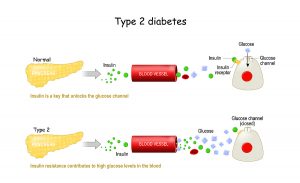
Histamine and DiabetesDiabetes is a metabolic disease. It is characterized by increased blood sugar caused by insulin resistance, the destruction of pancreatic beta cells, or the mixture of the two. Your diet, lifestyle, and various health factors can increase your risk of diabetes or directly impact diabetes. Histamine intolerance is one of these factors that may contribute to diabetes.
Research studies from the past four decades have shown the connection between histamine, blood sugar, and diabetes (9). A 1989 study published in Metabolism has found elevated histamine in those with diabetes (10). A 1990 study published in Metabolism and Cell Profeliation has found lower levels of histamine-degrading DAO enzymes in diabetic rats (11).
According to a 2010 study published in the American Journal of Pathology, histamine receptors (H1 and H2) may influence the regulation of blood sugar and lipid metabolism (12). A 2011 study published in Endocrinology has found that manipulating the H3 histamine receptor reduces blood sugar levels in diabetic mice (13). Furthermore, a 2012 study published in the ACS Medicinal Chemistry Letters and a 2018 study published in Pharmacological Research both found that targeting and inhibiting the H4 histamine receptor may be helpful for the treatment of diabetes and diabetic neuropathy (14, 15). Histamine intolerance may also increase the permeability of your blood vessels that can influence the symptoms and progression of diabetes. Clearly, the role of histamine intolerance should not be overlooked in the treatment of diabetes and vice-versa.
Mast Cell Activation and Diabetes
It is not only histamine intolerance, but mast cell activation syndrome (MCAS) can also contribute to diabetes and its symptoms. Mast cells are implicated in metabolic diseases, inflammation, and immune system issues. According to a 2016 study published in the Polish Journal of Pathology, mast cells should be taken into consideration during diabetes treatment (16).
According to a 2010 study published in the British Journal of Pharmacology, advanced glycation end products (AGEs) accumulated in people with diabetes, cardiovascular disease, cancer, and neurodegenerative disease, can activate mast cells and lead to histamine release (17). On the other hand, a 2012 study published in HHS Public Access has found that mast-cell stabilizer medications and antihistamines may be beneficial for reducing complications in those with diabetes (18).
It’s clear that there is a connection between diabetes, histamine, and mast cells. But what if you don’t have diabetes, but struggling with blood sugar fluctuations, insulin resistance, as well as, histamine intolerance or MCAS? Balancing your blood sugar is still a key step to your recovery and well-being.
Histamine Intolerance and Insulin Resistance
While there is a lot of research on the connection between histamine, mast cells, and blood glucose in those with diabetes, there isn’t any research on the connection in those without diabetes. A lot of people experience low, high, or unstable blood sugar, insulin resistance, or prediabetes without having full-blown diabetes.
In my practice, I see a lot of patients who experience blood sugar fluctuation before showing symptoms of insulin resistance or prediabetes. I also see a lot of patients with histamine intolerance and blood sugar fluctuations. A lot of people with histamine intolerance have low blood sugar and need to eat many small meals throughout the day. I also noticed that balancing your blood sugar can help to reduce or relieve symptoms of histamine intolerance.
Frequent blood sugar fluctuations can put enormous stress on your body, which can trigger histamine release and contribute to histamine intolerance and consequent symptoms. The good news is that with appropriate dietary strategies, lifestyle changes, and supplementation, you can balance your blood sugar and free yourself from symptoms of histamine intolerance.
Natural Solutions for Blood Sugar Imbalance and Histamine Intolerance
If you are dealing with blood sugar imbalance, histamine intolerance, or MCAS, there are a few natural strategies you can try. Here is what I recommend:
Measure Your Blood Sugar
I recommend that you try using a glucometer to test the stability of your blood sugar. This is an easy and inexpensive method to measure your blood sugar to support your treatment plan and see your progress. Based on your results, you can adjust your diet and lifestyle to support healthy blood sugar levels. If you are uncertain how to do this, a functional medicine doctor, like myself, can help you with a personalized nutrition plan to support your health.
Try Blood Sugar Regulating Herbs
While your diet and lifestyle are critical for stabilizing blood sugar levels, there are a variety of herbs that can help to support your blood sugar levels naturally. Some herbs I recommend include aloe vera, Nopales cactus, bitter melon, milk thistle, fenugreek, and ginger (19, 20, 21, 22, 23).
Be Smart with Sugar
If you have blood sugar issues or any health issues (or simply want to avoid health issues!), removing refined sugar and sugary processed foods is critical. You may notice though that The 4-Phase Histamine Reset Plan is not a no-sugar plan and I allow fruits and many scratchy vegetables, such as carrots or beets. If you have blood sugar issues or you find that these higher glycemic index fruits and vegetables are causing blood sugar imbalances and symptoms, you may want to reduce or remove higher glycemic index foods and choose low glycemic index fruits, such as berries and vegetables, such as cucumber or celery instead. For sweeteners, use stevia or monk fruit, which are natural and healthy options that do not disrupt your blood sugar levels.
Follow an Anti-Inflammatory and Low-Histamine Diet
Following an anti-inflammatory, antioxidant-rich, and nutrient-dense diet is important for your health. Reducing histamine may help to decrease histamine-related issues.
Remove inflammatory foods, including refined sugar, refined oils, canned and processed meat, artificial ingredients, junk food, and highly processed foods. Avoid high-histamine foods, such as fermented food (e.g., sauerkraut, kimchi, fermented vegetables, kombucha, etc.), aged food (e.g., aged cheese, processed meat, canned fish, etc.), over-ripe fruits and vegetables, leftovers, and foods that are naturally high in histamine (e.g., avocadoes, eggplant, spinach, dried fruits, etc.). Avoid foods that may trigger histamine releases, such as tomatoes, most citrus, bananas, most nuts, and dairy. Avoid foods that may block the DAO enzyme, including black tea, green tea, alcohol, and energy drinks.
Eat a nutrient-dense, anti-inflammatory, and low-histamine diet rich in greens, vegetables, herbs, spices, fruits, healthy fats, and organic meat. Low-histamine foods include most fresh leafy greens and vegetables, non-citrus fruits, such as apples, pear, papaya, and grapes, fresh grass-fed meat, pasture-raised poultry and eggs, and wild-caught fish, olives, extra-virgin olive oil, ghee, coconut oil, leafy herbs, and herbal tea. My book, The 4-Phase Histamine Reset Plan includes an extensive list of foods that you can eat and should avoid on a low-histamine diet.
If you are new to a low-histamine diet, remember to have fun experimenting with new foods and recipes. I promise low-histamine meals can be delicious. I recommend all the low-histamine recipes in The 4-Phase Histamine Reset Plan and my new recipe book, Fifty One Low Histamine Air Fryer Recipes. They are all simple, easy to make, low-histamine, gluten-free, Paleo-friendly, and super healthy. Not to mention how delicious they are — your family will love them too.
Reduce Your Histamine Bucket
If you are dealing with symptoms of histamine intolerance, reducing high-histamine foods is not enough. High stress, poor sleep, not moving your body, and high toxin exposure may add to your histamine load. Improving these areas of your lifestyle may help to reduce your histamine bucket and lower the risk of histamine-related issues.
Remove Toxins
Toxin overload can increase inflammation, histamine intolerance, and related symptoms. It’s critical that you lower your daily exposure to environmental toxins. Choose purified water over tap water. Use a high-quality air filtration system for better indoor air. Choose natural, organic, and homemade cleaning, personal hygiene, and beauty products instead of conventional brands loaded with chemicals. Choose glass, bamboo, wood, organic cotton, silicon, and other natural alternatives instead of plastic. Avoid BPA plastic completely. Choose organic food whenever possible and avoid overly processed packaged foods. If you must buy non-organic produce, follow the Dirty Dozen, Clean 15 list, and always wash and peel non-organic vegetables and fruits.
Reduce Your Stress Levels
Chronic stress may increase mast cell activation and histamine intolerance and histamine-related symptoms. To decrease your stress levels, I recommend practicing breathwork, meditation, positive affirmation, journaling, yoga, grounding, and time in nature for stress and anxiety reduction. Taking an Epsom salt bath is another great way to relax your muscles, calm your mind, and detoxify your body.
Get Enough Sleep Sleep
Inadequate and poor sleep may also increase stress. It may also trigger histamine and histamine-related issues. Improving your sleep is absolutely essential for your health. Your goal should be to sleep at least 7 to 9 hours a night. Lower your stress levels throughout the day but especially in the evening time to support sleep. Take a bath, read a good book, listen to some music, journal, try coloring, and spend time with your family. Avoid sugar, alcohol, and heavy food in the evening. Sleep on a supportive mattress with comfortable and supportive pillows and blankets, and quality, organic cotton sheets.
Move Your Body
A lack of movement may also increase the risk of histamine intolerance and related symptoms. Moving your body is a great way to reduce stress, improve detoxification, and improve your overall health. Move your body throughout the day. Stretch regularly. Take a stroll in the nearby park. Find creative ways to incorporate movement, such as an impromptu dance session, learning a new TikTok dance, playing with your kids or pets, taking the stairs, trying a treadmill desk, or practicing chair yoga. Exercise at least 20 to 30 minutes five days a week and move your body regularly. I recommend getting 10 to 15K steps in a day if you can. Add resistance and strength training to your routine.
Take HistoRelief
To support your body and reduce symptoms of histamine intolerance or MCAS, I recommend HistoRelief. This mast stabilizing supplement is a synergistic blend of nutrients including Tinofend®, quercetin, nettle leaf, vitamin C, and bicarbonate salts, that provides natural support to balance your immune response, inflammation reduction, and histamine release.
Support Your Gut
Your gut health affects your entire body. Gut flora imbalance can trigger both histamine intolerance and related symptoms. Gut microbiome inbalance may also increase blood sugar imbalances. Supporting your gut health is critical for your recovery. Along with a gut-friendly, low-histamine, anti-inflammatory diet, I recommend that you take a high-quality probiotics supplement, to support your gut microbiome balance.
Final Thoughts
There is a strong connection between histamine and your blood sugar. Blood sugar imbalance can increase your histamine levels, while histamine intolerance and MCAS can contribute to insulin resistance and diabetes. Stabilizing your blood sugar is essential for improving histamine intolerance and MCAS symptoms. Follow my tips for histamine intolerance, MCAS, and blood sugar imbalance to reduce your symptoms, increase your energy, and improve your health and well-being.
If you are dealing with symptoms of histamine intolerance and interstitial cystitis, I invite you to schedule a consultation with us. We can help identify the root cause of your condition and recommend a personalized treatment plan to repair your body and regain your health and well-being. Schedule your consultation here. I also recommend that you check out my Histamine Online Program.

Sources:
1. Blood sugar. MedlinePlus. Link Here
2. Diabetes. MedlinePlus. Link Here
3. Hypoglycemia. WebMd. Link Here
4.Maintz L, Novak N, Histamine and histamine intolerance, The American Journal of Clinical Nutrition, Volume 85, Issue 5, May 2007, Pages 1185–1196. Link Here
5. Afrin LB, Self S, Menk J, Lazarchick J. Characterization of Mast Cell Activation Syndrome. Am J Med Sci. 2017;353(3):207-215. Link Here
6. Frieri M, Patel R, Celestin J. Mast cell activation syndrome: a review. Curr Allergy Asthma Rep. 2013;13(1):27-32. Link Here
7. Akin C, Valent P, Metcalfe DD. Mast cell activation syndrome: Proposed diagnostic criteria. J Allergy Clin Immunol. 2010 Dec;126(6):1099-104.e4. doi: 10.1016/j.jaci.2010.08.035. Epub 2010 Oct 28. PMID: 21035176
8. Petra AI, Panagiotidou S, Stewart JM, Conti P, Theoharides TC. Spectrum of mast cell activation disorders. Expert Rev Clin Immunol. 2014;10(6):729-739. Link Here
9. Pini A, Obara I, Battell E, Chazot PL, Rosa AC. Histamine in diabetes: Is it time to reconsider? Pharmacol Res. 2016 Sep;111:316-324. doi: 10.1016/j.phrs.2016.06.021. Epub 2016 Jun 22. PMID: 27343700
10. Gill DS, Barradas MA, Fonseca VA, Dandona P. Plasma histamine concentrations are elevated in patients with diabetes mellitus and peripheral vascular disease. Metabolism. 1989 Mar;38(3):243-7. doi: 10.1016/0026-0495(89)90082-6. PMID: 2918844
11. Fogel, W.A., Chmielecki, C., Grałek, M. et al. Histamine metabolism in diabetic rats. Agents and Actions 30, 243–246 (1990). Link Here
12. Wang KY, Tanimoto A, Yamada S, Guo X, Ding Y, Watanabe T, Watanabe T, Kohno K, Hirano K, Tsukada H, Sasaguri Y. Histamine regulation in glucose and lipid metabolism via histamine receptors: model for nonalcoholic steatohepatitis in mice. Am J Pathol. 2010 Aug;177(2):713-23. doi: 10.2353/ajpath.2010.091198. Epub 2010 Jun 21. PMID: 20566747
13. Henry MB, Zheng S, Duan C, Patel B, Vassileva G, Sondey C, Lachowicz J, Hwa JJ. Antidiabetic properties of the histamine H3 receptor protean agonist proxyfan. Endocrinology. 2011 Mar;152(3):828-35. doi: 10.1210/en.2010-0757. Epub 2011 Jan 14. PMID: 21239440
43. Ashwin U. Rao, Ning Shao, Robert G. Aslanian, Tin-Yau Chan, Sylvia J. Degrado, Li Wang, Brian McKittrick, Mary Senior, Robert E. West, Shirley M. Williams, Ren-Long Wu, Joyce Hwa, Bhuneshwari Patel, Shuqin Zheng, Christopher Sondey, and Anandan Palani. Discovery of a Potent Thiadiazole Class of Histamine H3 Receptor Antagonist for the Treatment of Diabetes. ACS Medicinal Chemistry Letters 2012 3 (3), 198-202. Link Here
15. Pini A. Histamine H4 receptor antagonism prevents the progression of diabetic nephropathy in male DBA2/J mice. Pharmacological Research. Volume 128, February 2018, Pages 18-28. Link Here
16. Kempuraj D, Caraffa A, Ronconi G, Lessiani G, Conti P. Are mast cells important in diabetes? Pol J Pathol. 2016;67(3):199-206. doi: 10.5114/pjp.2016.63770. PMID: 28155967
17. Sick E, Brehin S, André P, Coupin G, Landry Y, Takeda K, Gies JP. Advanced glycation end products (AGEs) activate mast cells. Br J Pharmacol. 2010 Sep;161(2):442-55. doi: 10.1111/j.1476-5381.2010.00905.x. PMID: 20735427
18. Wang J, Shi GP. Mast cell stabilization: novel medication for obesity and diabetes. Diabetes Metab Res Rev. 2011 Nov;27(8):919-24. doi: 10.1002/dmrr.1272. PMID: 22069285
19. Mourad A. Beneficial effects of Aloe vera in treatment of diabetes: Comparative in vivo and in vitro studies. Bulletin of Faculty of Pharmacy, Cairo University, Volume 51, Issue 1, June 2013, Pages 7-11. Link Here
20. Ghorbani A. Best herbs for managing diabetes: a review of clinical studies. Braz. J. Pharm. Sci. vol.49 no.3 São Paulo July/Sept. 2013. Link Here
21. Voroneanu L, Nistor I, Dumea R, Apetrii M, Covic A. Silymarin in Type 2 Diabetes Mellitus: A Systematic Review and Meta-Analysis of Randomized Controlled Trials. J Diabetes Res. 2016;2016:5147468. doi: 10.1155/2016/5147468. Epub 2016 Jun 1. PMID: 27340676
22. Ranade M, Mudgalkar N. A simple dietary addition of fenugreek seed leads to the reduction in blood glucose levels: A parallel group, randomized single-blind trial. Ayu. 2017 Jan-Jun;38(1-2):24-27. doi: 10.4103/ayu.AYU_209_15. PMID: 29861588
23. Daily JW. Efficacy of ginger for treating Type 2 diabetes: A systematic review and meta-analysis of randomized clinical trials. Journal of Ethnic Foods. Volume 2, Issue 1, March 2015, Pages 36-43. Link Here

Oxalates, Salicylates, and Histamine Intolerance: What's the Connection?
[embedyt] https://www.youtube.com/watch?v=VTL9wbWWW18[/embedyt]
So you’ve cleaned up your diet, removed refined sugar, gluten, refined oils, processed foods, and junk food? You’ve even given up many high histamine foods. Yet, you are still experiencing symptoms, such as fatigue, joint and muscle pain, digestive issues, itching, skin problems, anxiety, depression, and so on. Oxalates and salicylates may be the culprit. They can both trigger histamine intolerance and lead to an array of unwanted symptoms. Let’s talk about oxalates and salicylates and what you can do about them.
In this article, you will learn everything you need to know about histamine, oxalates, and salicylates. You will learn about the symptoms of histamine, oxalate, and salicylates intolerance. You will get familiar with the list of high-histamine, high-oxalate, and high-salicylate foods. You will understand the connection between histamine, oxalate, and salicylate intolerance and your gut health. Finally, I will share my top recommendations to improve your health naturally.
What Is Histamine Intolerance
You are probably familiar with histamine from anti-histamine medications for allergies. Because of this anti-histamine context, many people think of histamine as a bad thing. Despite its bad rap, histamine is actually very important.
Histamine is a chemical responsible for a multitude of functions in your body, including getting rid of allergens as a part of your immune response, communicating with your brain, and triggering stomach acid release to aid digestion. While histamine is essential for your health, too much histamine can create a lot of problems. Histamine intolerance means that you have too much histamine which can lead to various health issues.
As a natural part of your immune response, your body releases enzymes to break down histamine build-up. Under normal circumstances, this shouldn’t present an issue. However, if you have too much histamine due to dietary, lifestyle, environmental, or certain health factors, your body won’t be able to keep up and won’t be able to break down the excess histamine properly. Histamine intolerance affects your entire body, including your gut, brain, lungs, cardiovascular system, and hormonal health. Histamine intolerance can manifest in a variety of ways, including hormonal issues, headaches, skin problems, digestive issues, sleep disturbances, bladder problems, anxiety, fast heart rate, seasonal allergies, and more (1).
Symptoms of Histamine Intolerance
Histamine intolerance may present itself in a variety of ways. Symptoms of histamine intolerance can often mimic other health issues making it easy to misdiagnose or miss.
Symptoms of histamine intolerance include:
- Diarrhea
- Migraines and headaches
- Eczema, psoriasis, and other skin issues
- Flushing
- Hives
- Crawling sensations on your skin or scalp
- Congestion or runny nose
- Low blood pressure
- High blood pressure
- Tachycardia or racing heart
- Fatigue
- Asthma attacks
- Abnormal menstrual cycle and menstrual issues
- Vertigo
- Anxiety
Sources of Histamine
If you are dealing with histamine intolerance, the most important part of your recovery process is to avoid high-histamine foods.
High-histamine foods include:
- Avocados
- Dried fruits
- Strawberries
- Tomatoes
- Bananas
- Eggplant
- Spinach
- Cashews
- Walnuts
- Vinegar
- Certain spices (eg. cloves, curry powder, nutmeg, paprika, cayenne, seasoning packets)
- Beans
- Alcohol
- Peanuts
- Soy
- Dairy
- Gluten
- Fermented foods
- Canned and cured meats
- Hard cheese
- Grains
Beyond Histamine
Natural treatment of histamine intolerance involves carefully following an anti-histamine diet and avoiding high-histamine foods. But what if it’s not enough and you are still experiencing symptoms? It may mean that you are also dealing with oxalate and/or salicylate sensitivity or intolerance. High-oxalate and high-salicylate foods can trigger similar symptoms and can trigger histamine intolerance in your body. Let’s learn more about oxalates and salicylates and what to do about them.
What Are Oxalates
Oxalates are naturally occurring molecules that are found in plants and humans. Because oxalates help to get plants to dispose of extra calcium, many plant foods are high in oxalates. For some people, this can cause a problem. Oxalates foods travel through your digestive tract, bind with calcium, magnesium, potassium, and other extra build-ups of minerals in your intestines then leave your body through stool or urine.
Too much oxalate can lead to oxalate intolerance and consequent health problems. One of the most common issues that too much oxalate can lead to is kidney stones. However, it can lead to an array of other issues. In a healthy body, Oxalobacter formigenes and Lactobacillus are there to serve as oxalate-degrading bacteria. But if you have a compromised gut flora due to a low-nutrient diet, nutrient deficiencies, antibiotic-use, gene mutations, liver or kidney problems, or chronic stress, your body will have a difficult time eliminating oxalates properly. If you are eating too many high-oxalate foods, it can lead to a build-up of oxalates followed by a list of symptoms and health consequences (2 3, 4, 5, 6, 7).

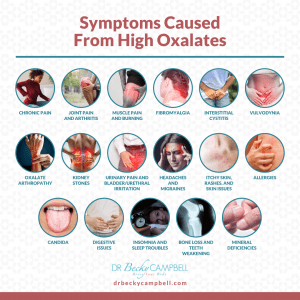
Symptoms of Excess Oxalates
Excess oxalates and your body’s inability to handle it can result in poor mineral absorption, inflammation, a compromised immune system, oxidative stress, poor mitochondrial function, cellular and tissue damage, and histamine release. This can result in an array of symptoms and health issues (8).
Symptoms of excess oxalates may include:
- Chronic pain
- Joint pain and arthritis
- Muscle pain and burning
- Fibromyalgia
- Interstitial cystitis
- Vulvodynia
- Oxalate arthropathy
- Kidney stones
- Urinary pain and bladder/urethral irritation
- Headaches and migraines
- Itchy skin, rashes, and skin issues
- Allergies
- Candida
- Digestive issues
- Insomnia and sleep troubles
- Bone loss and teeth weakening
- Mineral deficiencies
Sources of Oxalates
There are two kinds of oxalates your body may encounter: endogenous and exogenous. Endogenous oxalates come from within. Your body’s capability to create oxalates depends on your genetics and nutritional deficiencies. Deficiencies in vitamin B1 and B6 can increase oxalate production making it very important that you reduce your risk of vitamin B deficiencies.
Exogenous oxalates come from food that you eat and from your gut microbes. If you are experiencing symptoms of oxalate intolerance, it is important that you remove high-oxalate foods from your diet. Oxalates are found in fruits, vegetables, nuts, seeds, legumes, and grains, but not all of them are equally high in them (8).
High-oxalate foods include:
- Berries
- Kiwis
- Figs
- Purple grapes
- Potatoes
- Rhubarb
- Okra
- Beets
- Spinach
- Leeks
- Swiss chards
- Celery
- Plantains
- Sweet potatoes
- Olives
- Peanuts
- Cashews
- Almonds
- Soy products
- Wheat germ
- Quinoa
- Bran flakes
- Buckwheat
- Cacao
- Cocoa
- Chocolate
- Tea

What Are Salicylates
Salicylates are a group of chemicals. They are derived from salicylic acid. In natural forms, they are found in plant foods. They can also be found in cosmetic products, aspirin, toothpaste, medications, and food preservatives, usually in synthetic forms. They act as natural pesticides defending plants. In their natural forms, they are very important as they help to protect your body from fungus, insects, and other harmful elements.
High-salicylate foods and products don’t cause a problem for everyone, but in some, they can lead to salicylate intolerance and consequent symptoms and health issues. In a healthy body, your liver helps to detoxify excess salicylates, however, sluggish liver function may increase your risk of salicylate intolerance. Salicylates work similarly to oxalates. If your body reaches a high salicylate load and your body is unable to break all the excess salicylates down. Excess salicylates can also lead to an overproduction of leukotrienes. Leukotrienes are inflammatory mediators that can increase your risk of a variety of health issues, including asthma and inflammatory bowel disease. This can also lead to the inhibition of cyclooxygenase production. Cyclooxygenase is an enzyme that regulates leukotrienes production. This vicious cycle caused by salicylates can lead to an array of symptoms (9, 10, 11).
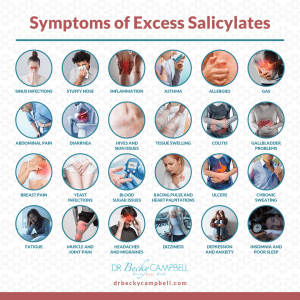
Symptoms of Excess Salicylates
Excess salicylates work very similarly in your body as excess oxalates. They can lead to inflammation, a compromised immune system, oxidative stress, poor mitochondrial function, cellular and tissue damage, and histamine release (more on that soon!). This can result in a list of symptoms and health issues (8).
Symptoms of excess salicylates may include:
- Sinus infections
- Stuffy nose
- Inflammation
- Asthma
- Allergies
- Gas
- Abdominal pain
- Diarrhea
- Hives and skin issues
- Tissue swelling
- Colitis
- Gallbladder problems
- Breast pain
- Yeast infections
- Blood sugar issues
- Racing pulse and heart palpitations
- Ulcers
- Chronic sweating
- Fatigue
- Muscle and joint pain
- Headaches and migraines
- Dizziness
- Depression and anxiety
- Insomnia and poor sleep
Sources of Salicylates
Salicylates are found in plant foods, however, not all plant foods are high in salicylates. Some high-salicylate foods are also high in oxalates and/or histamine (8).
High-salicylate foods include:
- Tomatoes
- Peppers
- Chilli
- Winter squash
- Broccoli
- Eggplant
- Sweet potatoes
- Cucumber
- Corn
- Spinach
- Dark leafy greens
- Seaweed
- Most herbs and spices
- Avocadoes
- Apples
- Melon
- Cherries
- Grapefruits
- Watermelon
- Most other fruits
- Food preservatives

Other than fruits, many commercial cosmetics and body products, including skin exfoliators, facewash, acne products, perfumes, and toothpaste contain salicylic acid, which is high in salicylates. If you have salicylate intolerance, it is important that you pay attention to these products as well. Since commercial cosmetics are high in toxins and promote histamine intolerance, even if salicylates are less of an issue for your body, I recommend that you remove all conventional body and beauty products, and replace them with organic, natural, and home-made alternatives.
Moreover, certain medications, including aspirin and over-the-counter drugs for digestion like Pepto-Bismol are high in salicylates. I recommend that you rely on safer natural support strategies to reduce your symptoms. Working with a functional medicine practitioner, like myself, can help you navigate this arena, uncover the root causes of your symptoms, and help safe and natural options to support your health and well-being.
Oxalate, Salicylate, and Histamine Intolerance
As you may notice, many symptoms of histamine intolerance overlap with symptoms of oxalate and/or salicylate intolerance. Certain high-histamine foods, such as spinach, are also high in oxalates and salicylates, but not all high-histamine, high-oxalate, and high-salicylate foods overlap. While many people notice improvements in their histamine intolerance symptoms after removing high-histamine foods, those with oxalate and salicylate intolerance also have to pay attention to high-oxalate and high-salicylate foods. But what is the connection between histamine, oxalates, and salicylates? It’s your gut! Let’s talk about it.
Gut health is critical for your overall health and well-being. It also plays a critical role in histamine intolerance. Leaky gut syndrome, gut infections, and nutrient deficiencies are some of the major causes of histamine intolerance. Moreover, histamine intolerance often manifests with gut health symptoms.
If you have a healthy gut, it will resist the absorption of oxalates and salicylates. However, if you are dealing with leaky gut syndrome and gut microbiome imbalance, it will be difficult. While a healthy gut microbiome has plenty of Oxalobacter formigenes to take care of excess oxalates, antibiotic use, a poor diet, and poor lifestyle choices can disrupt the healthy balance of your gut microbiome causing gut dysbiosis. If your body doesn’t have enough Oxalobacter formigenes, but has too many bad gut microbes, it won’t be able to get rid of excess oxalates.
Poor gut health may also result in poor digestion and inadequate bile flow. Bile is essential for fat absorption. In a healthy gut, oxalates bind with calcium forming calcium oxalate and eventually get released through bowel movements. However, due to poor bile formation and too much fat, calcium will bind to fat instead and your body will end up absorbing too many oxalates. Once oxalates are absorbed, there are two options. They either need to be removed with the help of your kidneys or your body needs to store them. The problem is that oxalates can bind to certain minerals, including magnesium, iron, copper, potassium, and calcium, and influence your metabolism, mitochondrial function, and inflammation levels.
Furthermore, yeast and mold can also create oxalates. An overgrowth of yeast and mold can lead to high oxalate as well. Mold and yeast can, however, also trigger histamine intolerance and mast cell activation syndrome (MCAS). It can also increase inflammation in the body, lead to poor gut health, and cause leaky gut syndrome. Inflammation and gut issues can further feed your body’s inability to take care of access histamines, oxalates, and salicylates.
Salicylate intolerance develops a very similar way to oxalate intolerance. Poor gut health may decrease your body’s ability to take care of excess salicylates. Poor liver function may inhibit the removal of salicylate buildup. Salicylate buildup, however, can trigger histamine inflammation, triggering further gut health issues, leaky gut syndrome, and histamine intolerance.
Leaky gut syndrome and gut health issues can lead to histamine intolerance, oxalate intolerance, and salicylate intolerance. On the other hand, histamine, oxalate, and salicylate buildup all lead to further inflammation, gut health issues, and leaky gut. As you can see, this can cause a never-ending vicious cycle, and it is important that you address all three issues to improve your health (2, 3, 4, 5, 6, 7, 9, 10, 11).
Solutions for Oxalate, Salicylate, and Histamine Intolerance
If you have histamine intolerance, dealing with symptoms of oxalate and salicylate build-up, and want to improve your health naturally, I have some simple natural solutions for you. This is what I recommend to my patients with histamine intolerance, oxalate intolerance, and salicylate intolerance.
Follow a Low-Histamine Diet
To improve histamine intolerance, I recommend that you eat an anti-inflammatory, nutrient-dense, and low-histamine diet. I recommend that you eliminate histamine foods for one to three months, then slowly re-introduce them one by one following The 4-Phase Histamine Reset Plan. Along with dietary changes, it’s important that you eliminate toxic personal care and cleaning products as well and instead use organic, natural, or homemade products.
The 4-Phase Histamine Reset Plan is a simple yet refined system, so it is critical that you understand and follow each step properly. To understand each step and guide your recovery, I recommend that you read my book, The 4-Phase Histamine Reset Plan: Getting to the Root of Migraines, Eczema, Vertigo, Allergies and More where I explain everything about histamine intolerance and each phase of the plan in detail and share delicious low-histamine recipes to nourish your body and support your health. Pick up a copy, today to learn more about the plan and my recommendations.
Follow a Low-Oxalate Diet
If you suspect that oxalates may be one of the culprits behind your symptoms, removing high-oxalate foods is very important. However, it is critical that you decrease your oxalate intake gradually. Removing all high-oxalate foods and lowering your intake too suddenly can lead to something called ‘dumping’, which means that oxalates are exciting your body too quickly. ‘Dumping’ can lead to increased symptoms. Lower your high-oxalate food intake slowly until you eliminate them. Once you’ve removed high-oxalate foods from your diet, stay on a low-oxalate plan for 2 to 3 weeks. Pay attention to your symptoms and see if you notice any reduction of symptoms or notice your symptoms disappearing.
After this eliminating phase, you may try to reintroduce high-oxalate foods into your diet, similar to the reintroduction phase in my The 4-Phase Histamine Reset Plan. If you notice that your symptoms have reduced or disappeared during the elimination phase but are returning during reintroduction, it means that oxalates are a problem for you, and you need to remove high-oxalate foods.
Follow a Low-Salicylate Diet
If you suspect that salicylates may be one of the causes of your symptoms, removing high-oxalate foods is very important. Unlike oxalates, salicylates don’t cause ‘dumping’ and you can remove high-salicylate foods right away. Stay on a low-salicylate meal plan for 2 to 3 weeks and watch your symptoms. If salicylates are a problem for you, you should notice your symptoms decrease or disappear.
After this eliminating phase, you may try to reintroduce high-salicylate foods into your diet, similar to the reintroduction phase in my The 4-Phase Histamine Reset Plan. If you notice that your symptoms have reduced or disappeared during the elimination phase but are returning during reintroduction, it means that salicylates are a problem for you, and you need to remove high-oxalate foods. Along with these dietary changes, it’s important that you eliminate toxic personal care products with salicylic acid as well and instead use organic, natural, or homemade products.
Support Your Liver
Your liver is critical for supporting the elimination of excess histamine, oxalates, and salicylates. This is why I recommend Optimal Reset Liver Love. This supplement is a powerful blend of botanical and mushroom extracts and N-Acetyl-L-Cysteine (NAC), a derivative of the amino acid cysteine. It supports healthy liver function, allows optimal estrogen detoxification, and supports your hormonal health naturally.
Support Your Gut
Since histamine intolerance, oxalate intolerance, and salicylate intolerance are all connected to your gut health, microbiome imbalance, and leaky gut syndrome, supporting your gut is essential for your recovery and well-being. Along with a gut-friendly, low-histamine, anti-inflammatory diet, I recommend that you take a high-quality probiotics supplement, to support your gut microbiome balance.
Reduce Histamine Intolerance
To improve histamine intolerance, I also recommend HistoRelief, a synergistic blend of nutrients that provides natural support to balance your immune response. This supplement includes Tinofend®, a patented and clinically researched extract derived from the plant Tinospora cordifolia, which is used for its powerful ability to support immune regulation and immune response. It also features quercetin, nettle leaf, vitamin C, and bicarbonate salts. Quercetin is a fantastic bioflavonoid with anti-inflammatory and antioxidant properties that naturally inhibits histamine release.
Final Thoughts
Histamine intolerance, oxalate intolerance, and salicylate intolerance have several common symptoms. They are also connected as they may all be all triggered by an unhealthy gut and lead to one another. To regain your health, it is important that you are addressing all three issues at the same time. Follow my tips to repair your body, improve your health, and reclaim your life.
If you are dealing with symptoms of histamine intolerance, oxalate intolerance, or salicylate intolerance, I invite you to schedule a consultation with us. We can help to identify the root cause of your condition and recommend a personalized treatment plan to repair your body and regain your health and well-being. Schedule your consultation here.

Sources:
1. Maintz L, Novak N, Histamine and histamine intolerance, The American Journal of Clinical Nutrition, Volume 85, Issue 5, May 2007, Pages 1185–1196. Link Here
2. Your health education. Low oxalate diet. UPMC. Link Here
3. Barr-Beare E, Saxena V, Hilt EE, Thomas-White K, Schober M, et al. (2015) The Interaction between Enterobacteriaceae and Calcium Oxalate Deposits. PLOS ONE 10(10): e0139575. Link Here
4. Brzica H, Breljak D, Burckhardt BC, Burckhardt G, Sabolic I. Oxalate: from the environment to kidney stones. Arh Hig Rada Toksikol. 2013;64:609–30. Link Here
5. Chai W, Liebman M, Kynast-Gales S, Massey L. Oxalate absorption and endogenous oxalate synthesis from ascorbate in calcium oxalate stone formers and non-stone formers. Am J Kidney Dis. 2004;44:1060–9. Link Here
6. Massey LK, Roman-Smith H, Sutton RA. Effect of dietary oxalate and calcium on urinary oxalate and risk of formation of calcium oxalate kidney stones. J Am Diet Assoc. 1993 Aug;93(8):901-6. Link Here
7. Embi A, Scherlag BJ, Embi PJ, Menes M, Po SS. Targeted cellular ionic calcium chelation by oxalates: Implications for the treatment of tumor cells. Cancer Cell Int. 2012 Dec 8;12(1):51. doi: 10.1186/1475-2867-12-51. PMID: 23216811
8. The Oxalates and Salyclicates Food List. Link Here
9. Duthie GG, Wood AD. Natural salicylates: foods, functions and disease prevention. Food Funct. 2011 Sep;2(9):515-20. Link Here
10. Sharma JN, Mohammed LA. The role of leukotrienes in the pathophysiology of inflammatory disorders: is there a case for revisiting leukotrienes as therapeutic targets? Inflammopharmacology. 2006 Mar;14(1-2):10-6. Link Here
11. Szczeklik A, Sanak M, Nizankowska-Mogilnicka E, Kiełbasa B. Aspirin intolerance and the cyclooxygenase-leukotriene pathways. Curr Opin Pulm Med. 2004 Jan;10(1):51-6. Link Here

Top 7 Herbs for Immune Support
Your immune system is your friend and protector. You have to support it so it can support your body and protect you from illness. The cold and flu season is approaching and we are in the midst of a pandemic. A healthy immune system is more important than ever. The good news is that supporting your immune system naturally is simple. There are several powerful herbs that can help.
In this article, you will learn about the importance of a healthy immune system. You will understand what factors can compromise your immune health and how to support your immune system through dietary and lifestyle strategies. I will share my top 7 herbs for immune support and better health and introduce my new immune-support supplement.
Importance of a Healthy Immune System
Your immune system is your friend and personal security guard that wants to protect you from illnesses and infections. It is absolutely essential for your health and well-being - and frankly, your survival.
Your immune system is a complex network of cells and tissues. They have one goal in mind: to protect you. They are on a constant lookout for invaders, such as viruses, bacteria, parasites, fungi, or other harm. Your immune system is always ready to safeguard you through an immune response. When cold and flu season hits or you encounter any other pathogens, your immune system’s job to defend you, reduce your risk of infection, illness, or disease, and support your recovery if you get sick.
It is no wonder that your immune system’s health is absolutely critical for your overall health. A compromised immune system becomes sluggish and slow to respond. It simply cannot protect you properly, which leaves you vulnerable to infections, illness, and disease. It is important that you understand what factor can compromise your immune system and how to protect it (1, 2, 3, 4).
Things That Can Compromise Your Immune System
There are a variety of dietary, lifestyle, and environmental factors that can compromise and hurt your immune system, including (5, 6, 7):
- Poor diet
- Poor sleep
- Dehydration
- Sedentary lifestyle
- Chronic stress
- Environmental toxins

Lifestyle Strategies for Immune Support
There are a variety of lifestyle strategies that you can employ to support your immune system, including:
- Remove immune-compromising foods, such as refined sugar, refined carbs, refined oils, processed foods, artificial ingredients, deep-fried foods.
- Eat plenty of immune-supporting foods, such as greens, vegetables, fruits, herbs, spices, healthy fats, and clean animal protein.
- Drink at least 10 glasses of purified water a day.
- Get 7 to 9 hours of quality sleep a night.
- Exercise and move your body regularly.
- Spend time in nature and get plenty of sunshine.
- Reduce your stress levels.
- Improve your indoor air-quality through air-filtration and removing any mold.
- Remove chemical-filled conventional products and choosing organic, natural, and home-made alternatives.
- Remove or reduce the use of plastic and opt for glass, bamboo, wood, stainless steel, ceramics, or cloth products instead.
- Add immune-supporting herbs and superfoods to your life. (Read on to learn more!)

7 Best Herbs for Immune Support
Eating a healthy diet, practicing healthy lifestyle strategies is incredibly important for your immune system. There are also a variety of herbs and superfoods that you can supplement with for maximum immune support. Here is what I recommend to boost your immune system:
Echinacea
Echinacea is a purple coneflower that has been used as an herbal remedy during cold and flu season. It is high in antioxidants and is known for its anti-inflammatory and immune-boosting properties.
A 2007 meta-analysis of 14 studies on echinacea has found that using echinacea may lower your risk of getting a cold by over 50 percent. Another meta-analysis from 2015 has found that echinacea may also reduce the re-occurrence and complications of viral respiratory infections. To experience the benefits of echinacea and support your immune system during cold and flu season, I recommend drinking echinacea tea regularly. You may try supplementing with echinacea-containing immune supplements for extra benefits (8, 9).
Astragalus Extract
Astragalus, also known as huáng qí or milkvetch, is an herb that has been used in Chinese medicine as an herbal remedy. While there are over 2,000 types of astragalus, only two species are used in supplements for their health benefits. It is used for immune support, upper respiratory infections, allergic rhinitis (hay fever), asthma, chronic fatigue syndrome, heart health, and chronic kidney disease.
Astragalus helps your immune system to protect you from harmful pathogens. Research has shown that it may boost white blood cell production and reduce the risk of illness. Various studies have demonstrated its potential ability to fight viral and bacterial infections. It may also help to reduce symptoms of season allergies, such as the runny nose and sinus congestion. It may also help to reduce symptoms of seasonal allergies, including runny nose and sinus congestion. It is available as a supplement (10, 11, 12,, 13, 14, 15).
Andrographis
Andrographis, also called the Indian echinacea, are a powerful herb used in Ayurvedic and Chinese medicine for its medicinal properties. The active compound of andrographis is called andrographolides are responsible for its anti-inflammatory, antioxidant, and antiviral properties. It has been used for infections, sinus infections, parasites, allergies, skin issues, and a list of other ailments.
According to 2014 research, Andrographis can be safely used for its anti-inflammatory, anti-infective, and antioxidant benefits. According to a 2017 meta-analysis, it may be effective for relieving upper-respiratory-tract symptoms. It is available in capsule and tincture format and as part of certain immune supplements (16, 17).
Green Tea Extract
Green tea is a delicious tea traditionally used in China and Japan but is enjoyed all around the world. It is well-known for its powerful antioxidant properties. According to a 2009 review, green tea has powerful antimicrobial properties that may inhibit the growth of viruses and bacteria and protect your body from infections and illness. Not to mention that sipping on a hot cup of green tea can be very soothing in cold and flu season. The only problem with green tea is caffeine for some.
While for many people, drinking green tea is not a problem. For those with histamine intolerance, the caffeine content of green tea can be an issue. This is where green tea extract comes in. Green tea is known to decrease the DAO enzyme that breaks down histamine. However, green tea extract removes caffeine from green tea making it safe for those with histamine intolerance and mast cell activation syndrome (MCAS). According to a 2014 study on mast cell stabilizing and anti-anaphylactic activities of green tea extract, green tea extract can work like ketotifen, a mast cell stabilizing drug and it may be beneficial for the treatment of allergic rhinitis and asthma. Green tea extract may help to lower your histamine levels and reduce symptoms of MCAS.
If you have histamine intolerance or MCAS, I recommend that you stay away from green tea in a liquid tea form. However, I highly recommend green tea extract as a safe and histamine intolerance-friendly immune-support. Make sure to buy high-quality supplements using safe extraction practices, such as the Swiss Water Process, as cheaper supplements may use chemicals during extraction leaving a chemical residue (18, 19, 20, 21, 22).
Arabinogalactan
Arabinogalactan is a fiber found in plants, specifically in higher concentrations in North-American larch trees. Arabinogalactan helps to activate your immune cells and supports your healthy immune function. It also helps to promote healthy bacteria for your digestive system, which is highly beneficial for your immune function.
Arabinogalactan has been used for a variety of infections, including the common cold, the seasonal flu, and the H1N1 (swine) flu. A 2016 review of mechanistic and clinical trials have found that it may be a promising support agent for your immune system and a beneficial supplement for the common cold. It is available in supplement forms (23, 24).
Medicinal Mushroom Extract
Medicinal mushrooms have been used for thousands of years in Eastern medicine, however, they only became popular in the recent decades in the West. Though each mushroom has its own unique healing properties, they all offer some benefits for your immune system. My favorite medicinal mushrooms for immune support include cordyceps, shitake, maitake, and reishi mushrooms.
Cordyceps is also called the caterpillar mushrooms. According to a 2011 research paper, it has been used for colds and the flu, and various other ailments. Shitake mushrooms are often used in stews and soups. A 2015 study has found that they offer antiviral and anticancer properties. Maitake is a popular Japanese mushroom. According to a 2003 study, it offers immune-enhancing benefits by activating your natural killer (NK) cells. Reishi is one of the most popular medicinal mushrooms often found in superfood powders and mushroom tea mixes. According to a 2009 study, it offers anti-inflammatory and immune-supporting benefits. All these medicinal mushrooms can be found in extract forms as part of supplements, superfood powders, and tea mixes (25, 26, 27, 28, 29).
Beta-Glucan
Beta-glucan is a natural polysaccharide. They are found in the cells of fungi, bacteria, yeast, algae, lichen, oats, and barley. It is a natural immuno-modulator that helps to create changes in your immune system to make it more efficient. It can activate every immune cell in your body to achieve a complete, effective, and appropriate immune response to protect your self. It basically puts your immune cells on ‘high alert’ so they are ready to fight invaders.
According to a 2007 study, beta-glucans can be highly beneficial for your immune system. According to a 2011 study, beta-glucans have the ability to fight infections caused by viruses, bacteria, and pathogenic microorganisms. Beta-glucans are available form (30, 31).
Try Ultimate Immune Support
Do you want to support your immune health with these immune support herbs? I am happy to announce that I now have my own supplement to offer you maximum immune support.
Ultimate Immune Support is a powerful herbal formula specifically designed to support healthy immune system function during cold and flu season and protect during stressful or vulnerable times. This immune-enhancing herbal formula supports your normal natural killer (NK) cell activity and helps to balance your cytokines, which are regulatory proteins released by your immune cells to support a healthy immune system response.
This formula is powered by my favorite immune-supporting herbs and superfoods, including echinacea, astragalus extract, Andrographis, green tea extract, arabinogalactan, cordyceps mushrooms, shitake mushroom, maitake mushrooms, reishi mushrooms, and beta-glucan. Ultimate Immune Support contains optimal and consistent amounts of active ingredients of these herbs and superfoods. It is also suitable and beneficial for those with histamine intolerance or MCAS. I recommend taking four capsules a day with meals for maximum support or as recommended by your healthcare practitioner. I always recommend starting slow and titrating up as tolerated whenever starting a new supplement.
Final Thoughts
Your immune health is more important than ever. If you are not taking care of it, your immune system will be sluggish and can’t protect you. If you take care of it, your immune system will love you back and protect you from illness and infections. Follow my tips and try my favorite immune-supporting herbs to protect your immune system this season.
If you want to learn how to protect your immune system, dealing with unexplained chronic symptoms, or experiencing symptoms of thyroid dysfunction, histamine intolerance, or other chronic conditions, I invite you to schedule a consultation with me. I can help to identify the root cause of your condition and recommend a personalized treatment plan to repair your body and regain your health and well-being. Schedule your consultation here.
Sources:
1. The immune system. Johns Hopkins Medicine. Link Here
2. How does the immune system work. NCBI. Link Here
3. Understanding the immune system: How it works. Science Education. Link Here
4. Overview of the immune system. National Insitute of Allergy and Infectious Disease. Link Here
5. University of Utah Health Sciences. (2009, August 18). Does Sugar Feed Cancer? ScienceDaily
6. Mullington JM, Simpson NS, Meier-Ewert HK, Haack M. Sleep Loss and Inflammation. Best practice & research Clinical endocrinology & metabolism. 2010;24(5):775-784
7. Kjaer A, Knigge U, Rouleau A, Garbarg M, Warberg J.Dehydration-induced release of vasopressin involves activation of hypothalamic histaminergic neurons. Endocrinology. 1994 Aug;135(2):675-81. PMID: 8033816
8. Shah, S. A., Sander, S., White, C. M., Rinaldi, M., & Coleman, C. I. (2007). Evaluation of echinacea for the prevention and treatment of the common colds: a meta-analysis. Lancet Infectious Diseases. PMID: 17597571
9. Schapowal, A., Klein, P., & Johnston, S. L. (2015). Echinacea Reduces the Risk of Recurrent Respiratory Tract Infections and Complications: A Meta-Analysis of Randomized Controlled Trials. Advances in Therapy. PMID: 25784510
10. Astragalus. NIH. Link HEre
11. Block KI, Mead MN. Immune system effects of echinacea, ginseng, and astragalus: a review. Integr Cancer Ther. 2003;2(3):247-267. Link Here
12. Gao XH, Xu XX, Pan R, et al. Saponin fraction from Astragalus membranaceus roots protects mice against polymicrobial sepsis induced by cecal ligation and puncture by inhibiting inflammation and upregulating protein C pathway. J Nat Med. 2009;63(4):421-429. Link Here
13. Astragalus membranaceus. Monograph. Altern Med Rev. 2003;8(1):72-77. Link Here
McCulloch M, Broffman M, Gao J, Colford JM Jr. Chinese herbal medicine and interferon in the treatment of chronic hepatitis B: a meta-analysis of randomized, controlled trials. Am J Public Health. 2002;92(10):1619-1628. Link Here
14. Tang LL, Sheng JF, Xu CH, Liu KZ. Clinical and experimental effectiveness of Astragali compound in the treatment of chronic viral hepatitis B. J Int Med Res. 2009;37(3):662-667. Link Here
15. Matkovic Z, Zivkovic V, Korica M, Plavec D, Pecanic S, Tudoric N. Efficacy and safety of Astragalus membranaceus in the treatment of patients with seasonal allergic rhinitis. Phytother Res. 2010;24(2):175-181. Link Here
16. Okhuarobo A, Falodun JE, Erharuyi O, Imieje V, Falodun A, Langer P. Harnessing the medicinal properties of Andrographis paniculata for diseases and beyond: a review of its phytochemistry and pharmacology. Asian Pac J Trop Dis. 2014 Jun;4(3):213–22. doi: 17.1016/S2222-1808(14)60509-0. PMCID: PMC4032030
Hu XY. Andrographis paniculata (Chuān Xīn Lián) for symptomatic relief of acute respiratory tract infections in adults and children: A systematic review and meta-analysis. Plos One. Link Here
18. Taylor PW, Hamilton-Miller JM, Stapleton PD. Antimicrobial properties of green tea catechins. Food Sci Technol Bull. 2005;2:71-81. doi: 10.1616/1476-2137.14184. PMID: 19844590
19. Maeda-Yamamoto M. Human clinical studies of tea polyphenols in allergy or life style-related diseases. Curr Pharm Des. 2013;19(34):6148-6155. Link Here
20. Balaji G. Mast cell stabilizing and anti-anaphylactic activity of aqueous extract of green tea (Camellia sinensis). International Journal of Veterinary Science and Medicine. Volume 2, Issue 1, June 2014, Pages 89-94. Link Here
21.Benefuki Japanese green tea naturally heals MCAD. Link Here
22. What about coffee, black tea…? Histamine Pirate. Link Here
23. Larch arabinogalactan. WebMD. Link Here
24. Dion C, Chappuis E, Ripoll C. Does larch arabinogalactan enhance immune function? A review of mechanistic and clinical trials. Nutr Metab (Lond). 2016 Apr 12;13:28. doi: 10.1186/s12986-016-0086-x. PMID: 27073407
25. Panda AK, Swain KC. Traditional uses and medicinal potential of Cordyceps sinensis of Sikkim. J Ayurveda Integr Med. 2011 Jan;2(1):9-13. doi: 10.4103/0975-9476.78183. PMID: 21731381
26. Dudhgaonkar S, Thyagarajan A, Sliva D. Suppression of the inflammatory response by triterpenes isolated from the mushroom Ganoderma lucidum. Int Immunopharmacol. 2009;9(11):1272-1280. Link Here
27. Dai X, Stanilka JM, Rowe CA, et al. Consuming Lentinula edodes (Shiitake) Mushrooms Daily Improves Human Immunity: A Randomized Dietary Intervention in Healthy Young Adults. J Am Coll Nutr. 2015;34(6):478-487. Link Here
28. Kodama N, Komuta K, Nanba H. Effect of Maitake (Grifola frondosa) D-Fraction on the activation of NK cells in cancer patients. J Med Food. 2003;6(4):371-377. Link Here
29. Guggenheim AG, Wright KM, Zwickey HL. Immune Modulation From Five Major Mushrooms: Application to Integrative Oncology. Integr Med (Encinitas). 2014 Feb;13(1):32-44. PMID: 26770080
30. Akramiene D, Kondrotas A, Didziapetriene J, Kevelaitis E. Effects of beta-glucans on the immune system. Medicina (Kaunas). 2007;43(8):597-606. Link Here
31. Kim HS, Hong JT, Kim Y, Han SB. Stimulatory Effect of β-glucans on Immune Cells. Immune Netw. 2011 Aug;11(4):191-5. doi: 10.4110/in.2011.11.4.191. Epub 2011 Aug 31. PMID: 22039366

How to Improve Estrogen Imbalance Naturally
You probably remember estrogen from high school health class. It is one of your primary female sex hormones and it plays a critical role in your hormonal health. Estrogen imbalance can lead to an array of symptoms and health issues, including premenstrual symptoms, menstrual problems, endometriosis, infertility, headaches, and fatigue. If you are dealing with symptoms of estrogen and hormonal imbalance, you will be happy to hear that you can improve estrogen imbalance naturally.
In this article, I will explain what estrogen is and what are the three major types of estrogen. You will learn more about estrogen imbalance and estrogen dominance. You will understand potential problems with hormonal medications and xenoestrogens. I will explain how estrogen metabolism works. I will share the testing method I recommend for your estrogen levels and share my top natural solutions for estrogen dominance and hormonal imbalance.
What Is Estrogen
Estrogen is one of your primary female sex hormones along with progesterone. Estrogen is responsible for the development and regulation of the female reproductive system. It is also responsible for secondary sex characteristics. It plays a critical role in your hormonal and overall health.
3 Major Types of Estrogen
You may not be aware that there is more than one type of estrogen you need to know about. Let’s look at the three main types of estrogen that affect your body (1):
- Estrone (E1): Estrone is a form of estrogen that is produced during menopause by your liver and fat cells. The problem is that a variety of toxins, including xenoestrogens, heavy metals, and pollutants are also stored in your liver and fat cells if your body has high levels of toxins, your estrones may be contaminated or altered as well.
- Estradiol (E2): Estradiol is a form of estrogen that’s created in your ovaries. It is critical for your energy levels, sex drive, pleasure, sleep, skin, hair, and bones. By supporting your mucous membranes, it also helps to moisturize your vagina, gastrointestinal tract, skin, lips, and eyes. While estradiol is important for your health, since it acts as a growth stimulator hormone, if you have too much of it, it may increase your risk of breast, ovarian, and uterine cancer.
- Estriol (E3): Estriol is a form of estrogen that’s made in your liver and breast cells, as well as by the placenta during pregnancy. It helps to regulate which cells get turned on or off to estrogen and can regulate cellular growth factors and other forms of estrogen. It may reduce estradiol in your body, hence play a role in protection against breast cancer.
Having a healthy ratio of these three forms of estrogens is critical for your health. In a healthy body, you should have about 90 percent estriol, 7 percent estradiol, and 3 percent estrone, which is commonly referred to as the Tri-Estrogen Formula.

The Problem with Estrogen Imbalance
As you know, elevated estradiol can become a problem and may increase your risk of cancer. However, low estradiol levels can be harmful to your body as well.
One of the main roles of estradiol is to increase your serotonin levels naturally. When your estrogen levels are out of balance and your estradiol levels are too low, it means that your serotonin levels will drop too. This will push your adrenals into overdrive to create more norepinephrine (Nr) and epinephrine (Ep) to balance your mood.
The problem is that if your adrenals are already weak due to chronic stress or other health issues, your epinephrine levels will decrease and your body won’t be able to find its balance. Low serotonin can lead to headaches, fatigue, depression, insomnia, hot flashes, and low sex drive. An imbalance between norepinephrine and epinephrine may result in anxiety, insomnia, and hot flashes. Clearly, an imbalance doesn’t only disrupt your hormonal health, but affects your mental health and energy levels as well (2).

What Is Estrogen Dominance?
Estrogen dominance means that you have elevated levels of estrogen or hormone imbalances in your body. Estrogen dominance can develop in both women (progesterone/estrogen) and men (testosterone/estrogen) (3, 4).
Symptoms of Estrogen Dominance
Estrogen dominance may result in a variety of symptoms, including:
- Premenstrual symptoms (PMS)
- Endometriosis
- Menstrual cramps
- Infertility
- Fatigue
- Hot flashes
- Decreased libido
- Headaches
- Depression
- Excessive menstruation
- Uterine fibroids
- Fibrocystic breasts
- Thyroid issues
- Breast, uterine, ovarian, prostate, or colon cancer

The Cause of Estrogen Dominance
There are a variety of factors that may increase your risk of estrogen dominance and related symptoms, including (5):
- Chronic stress
- High body fat and obesity
- Poor diet high in inflammatory, refined, and processed foods and low in greens, vegetables, fruits, healthy fats, and clean protein
- Lack of exercise and sedentary lifestyle
- Hormone replacement therapy
- Environmental estrogens (xenoestrogens)

Estrogen Dominance and Histamine Intolerance
Estrogen dominance and histamine intolerance share some common symptoms, including headaches, fatigue, and abnormal menstrual function. Estrogen and histamine also attach to the same receptors (H1), which will result in the release of histamine from your mast cells present near your reproductive organs.
The more estrogen your body has, the more histamine your mast cells will release. More histamine, however, will lead to more estrogen feeding a vicious cycle of estrogen dominance and histamine intolerance. If you are dealing with estrogen dominance, it is best to check for and address possible histamine intolerance as well. To learn more about the connection between estrogen dominance and histamine intolerance, I recommend reading this article (6).

Estrogen Dominance and Thyroid Disease
Your body is a holistic system where nothing happens in isolation. If you have one hormonal imbalance, it affects your other hormones as well. It is not surprising that if you are dealing with estrogen dominance or estrogen imbalance, it will affect thyroid hormones and increase your risk of Hashimoto’s disease, thyroid cancer, and other thyroid conditions.
When it comes to estrogen and your thyroid, both too much and too little estrogen can lead to thyroid problems. Estrogen triggers your thyroid to create thyroglobulin, a thyroid precursor hormone. Too little estrogen will result in too little thyroglobulin, while too much estrogen can cause too much thyroglobulin creating an enlarged thyroid. Furthermore, estrogen also helps to increase the specific protein that transports your thyroid hormones in your blood. Too much of this protein can cause hypothyroidism even if you have appropriate levels of thyroid hormones.
Appropriate progesterone levels are also necessary for thyroid health. Progesterone and your thyroid hormone have a mutually beneficial relationship. Progesterone is essential for your thyroid health, but thyroid hormones are also important for your ovaries and progesterone production. Progesterone can help to lower the amount of protein that carries thyroid in your blood and can also increase your thyroid hormone levels. Essentially, it helps to counteract the effects of estrogen and to bring balance to your body. A healthy estrogen-progesterone balance is critical for your thyroid health.
If you have too much estrogen due to estrogen dominance, it may lead to overstimulation and overproduction of thyroid hormones leading to hypothyroidism. Excess estrogen may also cause elevation of your thyroid-stimulation hormones (TSH) and thyroid antibodies and increase inflammation wish further damage your thyroid. To learn more about the connection between estrogen dominance and thyroid disease, I recommend reading this article (7, 8, 9, 10).

Problems with Hormonal Replacement
The answer from conventional medicine for hormonal concerns is prescription medications. The problem is that these hormonal replacement medications, hormonal contraceptives, and other hormone therapies can overwhelm your body with an unnatural amount of hormones. This can lead to a variety of health issues including (11, 12):
- Reduced receptor site: Your body may try to protect you from too much hormone interaction by reducing cell receptor sites leading to poor cellular sensitivity.
- Altered hormone regulation: Your hypothalamus and pituitary gland are crucial for controlling hormone secretion. If your brain finds that there isn’t enough of a certain hormone, it will signal your hormonal cells for more production, however, when it notices too many hormones due to hormone replacement medications, it will prompt your body to slow down hormone production.
- Increased liver stress: Excessive hormone production and hormone activity can be particularly difficult for your liver. If it’s unable to keep up with removing the excess from your body, it can lead to inflammation, digestion issues, lowered immunity, high cholesterol, metabolic issues, low energy, and toxicity.
- Toxic estrogen accumulation: Poor liver function due to hormonal excess or other health issues can make it difficult to adequately break down old and excess hormones leading to estrogen metabolic accumulation and increased risk of ovarian cysts, endometriosis, breast cancer, cervical dysplasia, thyroid disorders, prostate issues, menopause, and andromenopause.
- Unaddressed hormonal issues: If we are addressing your hormonal imbalance with hormonal medications, we are not addressing the root cause that is leading to the hormonal deficiency itself. While in some cases a more natural approach of bioidentical hormone replacement therapy may be part of your treatment, it is important that your and your healthcare provider’s main goal is to address the root cause of your health concerns and maintain hormonal balance without the use of bio-identical medications or other medication.

The Problem with Xenoestrogens
Xenoestrogens are artificial compounds that have estrogenic effects but are different from naturally occurring estrogen. They are hormone-mimicking compounds that mimic the effects of estrogen and contribute to estrogen excess or prevent the beneficial effects of natural estrogen in your body. Xenoestrogens may be hiding in your tap water, pesticides, herbicidal, conventional cleaning, cosmetics, nail polish, hair dye, personal body care products, canned food, dental sealants, food dyes, birth control pills, medical devices, building materials, home furnishing, laundry products, and air fresheners. They are endocrine disruptors that enter your fat cells, are difficult to break down, but may increase your risk of hormonal and other health issues (13, 14).
Estrogen Metabolism
There are human estrogens that occur naturally in your body (estriol, estradiol, estrone) and synthetic estrogens come from medication. When we talk about estrogen and the problems with hormonal replacement therapy and hormonal medications, we must address the fact that human estrogens and synthetic estrogens metabolize differently. The metabolization of synthetic estrogen can increase the risk of various health issues.
Estrogens are metabolized in two phases, hydroxylation and methylation or detoxification. Detoxification can occur through three pathways. While the pathway that human estrogens, estradiol and estrone, go through are optimal for your health, the other two pathways hold certain health risks (15, 16, 17):
- 2-Hydroxy Pathway: Estradiol and estrone go through the same 2-pathway (2-hydroxy) for detoxification. First, estrone is converted into 2-Hydroxyestrone, then goes through a detoxification phase called methylation. This is optimal and holds the lowest risk for cancer and health issues.
- 16-Hydroxy Pathway: Another pathway is a 16-pathway (16-hydroxy) process where estrone is converted into 16-Hydroxyestrone, but then it gets turned into estriol, a weak estrogen. This pathway is less optimal and holds a higher risk of obesity, hypothyroidism, inflammation, and pesticide toxicity.
- 4-Hydroxy Pathway: The last estrogen metabolism pathway is a 4-pathway (4-hydroxy). Estrone is being hydroxylated into 4-hydroxy estrone, then goes through methylation. This process can turn into a problem if methylation is inadequate leading to a build-up and an increased of cancer.
The good news is that through testing, we are able to measure individual estrogens and hydroxy and methoxy metabolites in your body. This helps us to assess your hormonal health and your risk of cancer and other health issues associated with unhealthy estrogen metabolism.
Testing Your Estrogen Levels
I recommend testing your estrogen subtypes to help you discover your Estrogen Quotient (EQ) and uncover potential health issues and health risks. The higher your E3 is compared to your E1 and E2 levels, the lower your cancer risks may be.
The formula is simple: Total E3 / (Total E1 + Total E2) = Your EQ. You want this number to be over 1.0. If your EQ is under 1.0, your risks of breast cancer are higher than those with a result under 1.0. A low EQ may also mean an increased risk of hormonal issues and autoimmune problems. The optimal EQ is over 1.5.
To test your estrogen levels, I recommend a DUTCH Complete Hormone Panel. This comprehensive test not only allows us to look at your estrogen subtype levels, but to check your progesterone, testosterone, cortisol, DHEA, and melatonin levels, look at your complete adrenal profile, and understand your hormonal health better.
Solutions for Estrogen Imbalance and Hormonal Health
If you are dealing with estrogen dominance and hormonal imbalance, you don’t have to deal with uncomfortable symptoms anymore. You can take control of your health through simple natural methods. Here is what I recommend:
Remove Xenoestrogens
Remove xenoestrogen containing products, including conventional cleaning, body, and beauty products, and choose natural and organic alternatives. Consult your doctor about getting off or reducing hormonal contraceptives and hormone-based prescription medications.
Follow a Low-Histamine Diet
Estrogen dominance and estrogen imbalance can lead to both histamine intolerance.
Following an anti-inflammatory, antioxidant-rich, and nutrient-dense diet is important for your health. Reducing inflammation itself may help to reduce histamine-related symptoms. Reducing histamine may help to decrease histamine-related symptoms.
Remove inflammatory foods, including refined sugar, refined oils, canned and processed meat, artificial ingredients, junk food, and highly processed foods. Avoid high-histamine foods, such as fermented food (e.g., sauerkraut, kimchi, fermented vegetables, kombucha, etc.), aged food (e.g., aged cheese, processed meat, canned fish, etc.), over-ripe fruits and vegetables, leftovers, and foods that are naturally high in histamine (e.g., avocadoes, eggplant, spinach, dried fruits, etc.). Avoid foods that may trigger histamine releases, such as tomatoes, most citrus, bananas, most nuts, and dairy. Avoid foods that may block the DAO enzyme, including black tea, green tea, alcohol, and energy drinks.
Eat a nutrient-dense, anti-inflammatory, and low-histamine diet rich in greens, vegetables, herbs, spices, fruits, healthy fats, and organic meat. Low-histamine foods include most fresh leafy greens and vegetables, non-citrus fruits, such as apples, pear, papaya, and grapes, fresh grass-fed meat, pasture-raised poultry and eggs, and wild-caught fish, olives, extra-virgin olive oil, ghee, coconut oil, leafy herbs, and herbal tea. My book, The 4-Phase Histamine Reset Plan includes an extensive list of foods that you can eat and should avoid on a low-histamine diet.
If you are new to a low-histamine diet, remember to have fun experimenting with new foods and recipes. I promise low-histamine meals can be delicious. I recommend all the low-histamine recipes in The 4-Phase Histamine Reset Plan and my new recipe book, Fifty One Low Histamine Air Fryer Recipes. They are all simple, easy to make, low-histamine, gluten-free, Paleo-friendly, and super healthy. Not to mention how delicious they are — your family will love them too.
Move Your Body
Exercise improves respiration, helps detoxification, and aids in mobilizing your fat stores. Mix up cardiovascular exercise, such as swimming, running, rebounding, biking, dancing, and aerobics, and strength training workouts, including weight lifting, bodyweight exercises, or TRX. Add low-impact exercises into your routine as well, such as yoga, pilates, Barre, water aerobics, stretching, and walking. Exercise at least 20 to 30 minutes five days a week and move your body regularly. Stay active throughout the day by dancing to your favorite songs, taking a stroll in the park, stretching regularly, taking the stairs, and playing with your kids or pets.
Reduce Stress and Improve Sleep
Stress and poor sleep are major contributing factors to hormonal imbalance. I recommend practicing journaling, breathwork, meditation, yoga, time in nature, and positive affirmations for stress and anxiety reduction. Taking an Epsom salt bath is another great way to relax your muscles, calm your mind, and detoxify your body. Make sure to sleep at least 7 to 9 hours a night.
Improve Your Gut Health
Your gut health affects your entire body, including your hormonal health. Along with a gut-friendly anti-inflammatory diet, I recommend that you take high-quality probiotics supplement to support your gut flora balance.
Take Care of Your Thyroid
Estrogen dominance and estrogen imbalance can also increase your risk of thyroid issues. I recommend that you work with a functional health practitioner to test your thyroid levels. If you have thyroid issues along with estrogen imbalance, I recommend reading and following the recommendations in my other book, The 30-Day Thyroid Reset Plan: Disarming the 7 Hidden Triggers That are Keeping You Sick.
Check Out the Health Babes’ Guide to Balancing Your Hormones
To learn more about your hormones and learn how to improve your hormonal health naturally, I recommend our book (co-authored by Dr. Krystal Hohn and myself) The Health Babes’ Guide to Balancing Your Hormones: A Detailed Plan with Recipes to Support Mood, Energy Levels, Libido, and More. This book is not only full of information but with an easy-to-follow plan and easy-to-make, delicious hormone-friendly recipes.
Final Thoughts
Estrogen plays a critical role in your hormonal health. Estrogen imbalance can lead to a number of symptoms and health issues, including premenstrual symptoms, menstrual problems, endometriosis, infertility, headaches, and fatigue. You don’t have to deal with the symptoms of estrogen imbalance anymore. Follow my natural solutions for estrogen dominance and hormonal imbalance to improve your health, regain your vitality, and reclaim your happiness.
If you are dealing with symptoms of histamine intolerance and estrogen dominance, I invite you to schedule a consultation with us. We can help identify the root cause of your condition and recommend a personalized treatment plan to repair your body and regain your health and well-being. Schedule your consultation here. I also recommend that you check out my Histamine Online Program.
Sources:
1. Estrogen. Hormone Health Network. Link Here
2. Biegon A, McEwen BS. Modulation by estradiol of serotonin receptors in brain. J Neurosci. 1982 Feb;2(2):199-205. PMID: 7199565
3. Prior JC. Progesterone for Symptomatic Perimenopause Treatment – Progesterone politics, physiology and potential for perimenopause. Facts, Views & Vision in ObGyn. 2011;3(2):109-120. Link Here
4. Nelson LR, Bulun SE. Estrogen production and action. J Am Acad Dermatol. 2001 Sep;45(3 Suppl):S116-24. PMID: 11511861
5. Dr. K News. Hormonal imbalances? Estrogen clearance is vital to healthy hormone function. https://drknews.com/hormonal-imbalances-estrogen-clearance-vital-healthy-hormone-function/. Accessed 7/27/19.
6. Zierau, O., Zenclussen, A. C., & Jensen, F. (2012). Role of sex hormones, estradiol and progesterone, in mast cell behavior. Frontiers in Immunology, 3(169). Link Here
7. Arduc A, Aycicek Dogan B, Bilmez S Imga Nasirouglu N, Tuna MM, Isik S, Berker D, Guler S. High prevalence of Hashimoto’s thyroiditis in patients with polycystic ovary syndrome: does the imbalance between estradiol and progesterone play a role? Endocrine Research. 2015;40(4):204-210. PMID: 25822940
8. Manole D, Schildknecht B, Gosnell B, Adams E, Derwahl M. Estrogen Promotes Growth of Human Thyroid Tumor Cells by Different Molecular Mechanisms 1. The Journal of Clinical Endocrinology & Metabolism. 2001;86(3):1072-1077. Link Here
9. Sathi P, Kalyan S, Hitchcock CL, Pudek M, Prior JC. Progesterone therapy increases free thyroxine levels – Data from a randomized placebo-controlled 12-week hot flush trial. Clinical Endocrinology. 2013;79(2):282-7. Link Here
10. Wang SH, Myc A, Koenig RJ, Bretz JD, Arscott PL, Baker JR. 2-methoxyestradiol, and exogenous estrogen metabolite, induces thyroid cell apoptosis. Molecular and Cellular Endocrinology.2000;165(1-2):163-72 Link Here
11. Cuzick J. Is hormone replacement therapy safe for breast cancer patients? J Natl Cancer Inst. 2001 May 16;93(10):733-4. PMID: 11353776
12. Colditz GA. Relationship between estrogen levels, use of hormone replacement therapy, and breast cancer. J Natl Cancer Inst. 1998 Jun 3;90(11):814-23. PMID: 9625169
13. Wozniak M, Murias M. [Xenoestrogens: endocrine disrupting compounds]. Ginekol Pol. 2008 Nov;79(11):785-90. Polish. PMID: 19140503
14. Dickerson SM, Gore AC. Estrogenic environmental endocrine-disrupting chemical effects on reproductive neuroendocrine function and dysfunction across the life cycle. Rev Endocr Metab Disord. 2007 Jun;8(2):143-59. PMID: 17674209
15. Zahid M, Kohli E, Saeed M, Rogan E, Cavalieri E. The greater reactivity of estradiol-3,4-quinone vs estradiol-2,3-quinone with DNA in the formation of depurinating adducts: implications for tumor-initiating activity. Chem Res Toxicol. 2006;19(1):164-172. Link Here
16. E. L. Cavalieri, D. E. Stack, P. D. Devanesan, R. Todorovic, I. Dwivedy, S. Higginbotham, S. L. Johansson, K. D. Patil, M. L. Gross, J. K. Gooden, R. Ramanathan, R. L. Cerny, E. G. Rogan
17.Molecular origin of cancer: Catechol estrogen-3,4-quinones as endogenous tumor initiators. Proceedings of the National Academy of Sciences Sep 1997, 94 (20) 10937-10942. Link Here
18. Samavat H, Kurzer MS. Estrogen metabolism and breast cancer. Cancer Lett. 2015 Jan 28;356(2 Pt A):231-43. doi: 10.1016/j.canlet.2014.04.018. Epub 2014 Apr 28. PMID: 24784887
**This not medical advice just my opinion based on the research that I have done. Never replace the information in these articles with the advice of your doctor.**

What Are Histamines
You’ve seen the word histamine before on anti-histamine medications and creams for allergies and allergic reactions. Have you ever wondered what are histamines and what is their role in allergies?
In this article, I will explain what histamines are and how the allergy response works. You will learn about the role of histamine when it comes to food and insect bites. If you are curious about histamine intolerance, along with a quick explanation, I will direct you to some resources and my 4-Phase Histamine Reset Plan to help you regain your health, improve your well-being, and reclaim your happiness.
What Are Histamines?
Histamines are chemicals in your body that are responsible for a variety of functions. They are your personal security guard. When your body encounters an allergen, they get rid of them to protect you. This is one doctor commonly recommend anti-histamines for allergies and allergic reactions.
The thing about allergies is that some things you are allergic to, such as pollen, dust, or pet dander, may seem harmless and are completely harmless to many people. But your personal immune system views them as a threat, gets triggered, and quickly responds with an allergic reaction leading to an array of allergy symptoms.
Histamines trigger the process that gets allergens off your skin or out of your body. Sneezing, redness, tearing up, swelling, or itching is often part of this process. This is how your body’s defense system works. It’s all normal and created for your health and safety (1, 2, 3).
How the Histamine Allergy Response Works
When you encounter an allergen, such as pollen or dust, your immune system gets triggered. To protect you, it launches a serious of events to keep you safe and healthy.
The first step of this reaction is signaling the mast cells in your lungs, nose, skin, mouth, gut, and blood to release histamines immediately. The histamines immediately increase blood flow to the affected area causing acute inflammation to start repair. The inflammation triggers other chemicals from your immune system to help with healing and recovery. The histamines end up at certain receptors in your body and eventually get removed from your system.
These chain of event lead to allergic reactions and symptoms. For example, if you are allergic to pollen, histamines in your body will prompt membranes in your respiratory system to make more mucus leading to a stuffy or runny nose. All the mucus may also cause sneezing, scratchy nose, or coughing. Additionally, histamines may make your eyes and nose itch and your eyes water. If you encounter a skin allergy, the histamine reaction may lead to redness, swelling, or itching (1, 2).
Foods and Histamine
If you have food allergies, you are very familiar with these processes. When you eat or drink food that you are allergic to, histamines will trigger an immediate allergic reaction. Unlike food sensitivities that lead to chronic, gradual, and more subtle symptoms, food allergies trigger an immediate and often serious response, including wheezing, swelling of the face, lips, or tongue, hives, itching, tingling, dizziness, vomiting, or abdominal pain.
Some foods are also naturally high in histamine that causes problems in some people. Some people are simply sensitive to certain histamine-containing foods. Others have histamine intolerance and have to avoid high-histamine foods.
Histamine Intolerance
Histamine intolerance means that your body has too much histamine and it is unable to properly break down the excess histamine leading to a list of symptoms, including headaches, migraines, fatigue, anxiety, runny nose, eczema, hormonal issues, digestive issues, and more. High-histamine foods include aged cheese, citrus fruit, cured and canned meat, dried fruits, fermented foods, fermented alcohol, soured foods, legumes, cashews, walnuts, avocadoes, eggplants, spinach, tomatoes, smoked fish, anchovies, mackerel, mahi-mahi, sardines, tuna, fish sauces, and vinegar-containing foods. If you have histamine intolerance, you need to avoid high-histamine foods (3).
Histamine Poisoning
You may also experience histamine poisoning if you eat fish that was not kept at a safe temperature and got spoiled before you were served and ate them. There is a higher risk of histamine poisoning with fish that are high in histamines, such as mackerel, sardines, tuna, anchovies, and smoked fish. Histamine poisoning from fish is also called scombrotoxin fish poisoning, or SFP. However, with good food safety practices, you don’t have to worry about SFP (4).
Histamine and Insects
Not only humans but many animals and plants have histamines too. For example, histamine can be found in some insect venom. If you are stung or bitten by certain insects, such as bees, hornets, wasps, yellow-jackets, or fire aunts, your own histamines will get to work as well triggering a histamine response to protect you. As you know, this will lead to swelling, redness, itching, or pain (5).
Recommendations for Histamine Intolerance
If you have histamine intolerance, I recommend the following options to improve your health naturally:
Follow an Anti-Inflammatory and Low-Histamine Diet
Following an anti-inflammatory, antioxidant-rich, and nutrient-dense diet is important for your health. Reducing histamine may help to decrease histamine-related symptoms.
Remove inflammatory foods, including refined sugar, refined oils, canned and processed meat, artificial ingredients, junk food, and highly processed foods. Avoid high-histamine foods, such as fermented food (e.g., sauerkraut, kimchi, fermented vegetables, kombucha, etc.), aged food (e.g., aged cheese, processed meat, canned fish, etc.), over-ripe fruits and vegetables, leftovers, and foods that are naturally high in histamine (e.g., avocadoes, eggplant, spinach, dried fruits, etc.). Avoid foods that may trigger histamine releases, such as tomatoes, most citrus, bananas, most nuts, and dairy. Avoid foods that may block the DAO enzyme, including black tea, green tea, alcohol, and energy drinks.
Eat a nutrient-dense, anti-inflammatory, and low-histamine diet rich in greens, vegetables, herbs, spices, fruits, healthy fats, and organic meat. Low-histamine foods include most fresh leafy greens and vegetables, non-citrus fruits, such as apples, pear, papaya, and grapes, fresh grass-fed meat, pasture-raised poultry and eggs, and wild-caught fish, olives, extra-virgin olive oil, ghee, coconut oil, leafy herbs, and herbal tea. My book, The 4-Phase Histamine Reset Plan includes an extensive list of foods that you can eat and should avoid on a low-histamine diet.
If you are new to a low-histamine diet, remember to have fun experimenting with new foods and recipes. I promise low-histamine meals can be delicious. I recommend all the low-histamine recipes in The 4-Phase Histamine Reset Plan and my new recipe book, Fifty One Low Histamine Air Fryer Recipes. They are all simple, easy to make, low-histamine, gluten-free, Paleo-friendly, and super healthy. Not to mention how delicious they are — your family will love them too.
Reduce Your Histamine Bucket
If you are dealing with symptoms of histamine intolerance, reducing high-histamine foods is not enough. High stress, poor sleep, not moving your body, and high toxin exposure may add to your histamine load. Improving these areas of your lifestyle may help to reduce your histamine bucket and lower the risk of histamine-related issues.
I recommend that you reduce your stress levels, improve your sleep, and move your body:
- I recommend practicing breathwork, meditation, positive affirmation, journaling, yoga, grounding, and time in nature for stress and anxiety reduction.
- Taking an Epsom salt bath is another great way to relax your muscles, calm your mind, and detoxify your body.
- Your goal should be to sleep at least 7 to 9 hours a night.
- Lower your stress levels throughout the day but especially in the evening time to support sleep. Take a bath, read a good book, listen to some music, journal, try coloring, and spend time with your family. Avoid sugar, alcohol, and heavy food in the evening.
- Sleep on a supportive mattress with comfortable and supportive pillows and blankets, and quality, organic cotton sheets.
- Move your body throughout the day and stretch regularly.
- Exercise at least 20 to 30 minutes five days a week and move your body regularly. I recommend getting 10 to 15K steps in a day if you can. Add resistance and strength training to your routine.
Recommend that you reduce your exposure to environmental toxins:
- Choose purified water over tap water. Use a high-quality air filtration system for better indoor air.
- Choose natural, organic, and homemade cleaning, personal hygiene, and beauty products instead of conventional brands loaded with chemicals.
- Choose glass, bamboo, wood, organic cotton, silicon, and other natural alternatives instead of plastic.
- Avoid BPA plastic completely.
- Choose organic food whenever possible and avoid overly processed packaged foods. If you must buy non-organic produce, follow the Dirty Dozen, Clean 15 list, and always wash and peel non-organic vegetables and fruits.
Support Your Gut
Your gut health affects your entire body. Gut flora imbalance can trigger histamine intolerance and cause related symptoms. Supporting your gut health is critical for your recovery. Along with a gut-friendly, low-histamine, anti-inflammatory diet, I recommend that you take a high-quality probiotics supplement, to support your gut microbiome balance.
Try Some Supplements
I recommend HistoRelief. It is a synergistic blend of nutrients that provides natural support to balance your immune response. This blend features Tinofend®, a patented and clinically researched extract derived from the plant Tinospora cordifolia, which has a powerful ability to support immune regulation and immune response. As a result, it boosts your body’s ability to fight histamine-related symptoms. It includes quercetin, nettle leaf, vitamin C, and bicarbonate salt to help inhibit histamine release, support normal histamine metabolism, and improve immune health.
Final Thoughts
Histamines are chemicals that are part of your immune system. They are there for your protection and play a very important role in your health.
Problems only arise with histamine, if you have histamine intolerance. Histamine intolerance means that your body has too much histamine, it can’t keep up with it, which results in an array of symptoms. The good news is that through simple natural strategies, you can overcome your symptoms of histamine intolerance and live a healthy life. To learn more about histamine intolerance, read this article.
If you are dealing with symptoms of histamine intolerance, I invite you to schedule a consultation with us. We can help identify the root cause of your condition and recommend a personalized treatment plan to repair your body and regain your health and well-being. Schedule your consultation here. I also recommend that you check out my Histamine Online Program.
Sources:
1. Histamine defined. American Academy of Allergy, Asthma, and Immunology. Link Here
2. Histamine: The stuff allergies are made of. MedlinePlus. Link Here
3. Maintz L, Novak N, Histamine and histamine intolerance, The American Journal of Clinical Nutrition, Volume 85, Issue 5, May 2007, Pages 1185–1196. Link Here
4. Histamine poisoning. American Academy of Allergy, Asthma, Immunology. Link Here
5. Insect allergies. Asthma and Allergy Foundation of America. Link Here

Mold, Histamine Intolerance, and Mast Cell Activation Syndrome: Everything You Need to Know
Finding mold in your home is more than just a small annoyance. Mold exposure can have serious health consequences and it may be the reason behind your mysterious chronic symptoms. Mold can hide inside and outside your home and spread its spores and mycotoxins through the air. Mold can increase histamine intolerance and trigger mast cell activation syndrome (MCAS) leading to a variety of chronic symptoms, including allergies, headaches, fatigue, brain fog, congestion, skin problems, and anxiety. The good news is that there are natural solutions you can use to overcome mold toxicity, histamine intolerance, and MCAS.
In this article, you will learn what histamine intolerance and MCAS are. You will understand what mold is and what problems are linked to chronic mold exposure. I will explain how mold, histamine intolerance, and MCAS are connected. I will share my natural solutions for mold toxicity, histamine intolerance, and MCAS.
https://www.youtube.com/watch?v=zOubxiGBC1A
What Is Histamine Intolerance?
Histamine plays a critical role in your body. It is responsible for many important bodily functions, including communicating with your brain, fighting off allergens as part of your immune response, and promoting stomach acid release to aid digestion. While healthy levels of histamine are necessary and good for your health, too much histamine is not healthy.
Histamine intolerance means that you have too much histamine, usually because you can’t break it down properly, which can result in various symptoms and health issues, including allergies, chronic congestion, chronic runny nose, headaches and migraines, hives, eczema, psoriasis, fatigue, anxiety, diarrhea, tachycardia, low blood pressure, hypertension, flushing, crawling sensation on your skin, vertigo, abnormal menstrual cycle, hormonal problems, asthma attacks, and more. You can learn more about histamine intolerance in this article (1).
What Is Mast Cell Activation Syndrome?
Your mast cells play a critical role in your immune system. They are white blood cells that are found in tissues throughout your body. They can be found in your skin, digestive tract, respiratory tract, urinary tract, reproductive organs & surrounding nerves. They may also occur in your blood due to infections and diseases that mast cells help repair after the initial health threat is gone. Mast cells also store inflammatory mediators inside granules that also include histamine. During allergic reactions, mast cells are activated and trigger an allergic response.

Mast cell activation syndrome (MCAS) is a complex issue that involves many different systems in your body leading to a large variety of symptoms. You may develop MCAS due to a variety of triggers, including mold, heavy metals, chemicals, fragrances, allergens, medications, infections, food, and alcohol. If you have MCAS, some or all of these triggers can cause your mast cells to release inflammatory mediators and histamine. This can lead to a variety of symptoms, including rashes, hives, itching, headaches, heart palpitations, low blood pressure, weight changes, loss of appetite, fatigue, dizziness, weakness, digestive issues, chest pain, anxiety and vision changes. To learn more about MCAS, I recommend this article.

Symptoms of histamine intolerance and MCAS can be quite similar. However, there are some differences between the two. Histamine intolerance develops due to excess histamine and histamine build-up in your body, while in MCAS, your mast cells are being triggered spilling histamine and other chemicals into our body resulting in symptoms. I believe that MCAS is one of the primary causes of histamine intolerance. However, it may not be the cause for everyone. You may experience histamine intolerance without having MCAS (2, 3, 4, 5).
Mold, Histamine Intolerance, and Mast Cell Activation Syndrome
Mold is a fungus that is known for its ability to grow on almost anything and thrive under many conditions, especially in a warm and moist environment. They release mycotoxins in the air and lead to consequent health issues.
Mold is versatile and has many types and forms. This also means that mold can grow both indoors and outdoors. Your bathroom, kitchen, and basement are some of the most common areas molds may hide, however, they can appear anywhere else, especially in damp, wet, and warm environments.
The problem is that mold can spread far and wide. You may initially have mold in one tiny spot in your home, but its microscopic spores can travel far. You may breathe them in through the air. They also may take home in other areas of your house leading to more mold growth. There are about 1,000 species of mold in the United States. Some of the most common molds that may affect your health include aspergillus, Cladosporium, Alternaria, Memnoniella, Penicillium and Stachybotrys.

Chronic exposure to mold can be dangerous. It can lead to mold toxicity symptoms, including fatigue, brain fog, headache, skin issues, respiratory problems, and nausea. Mold exposure and mold toxicity may also increase histamine intolerance and trigger MCAS.
Mold releases mycotoxins that have toxic effects on your body. As a response, your mast cells release histamine and other chemicals to attack and destroy these harmful mold toxins. The problem is that if you are being continuously exposed to mold, your body will develop a chronic state of inflammation, your immune system will be on a constant alert, and your body will be in a constant state of defense.
Due to chronic mold exposure and on-going inflammation, you can develop histamine intolerance. Your mast cells end up over-producing histamine in order to protect your body from mold toxins. However, your body won’t be able to keep up with all the histamine, which can lead to histamine intolerance and consequent symptoms (6, 7, 8, 9).

Natural Solutions for Mold, Histamine Intolerance, and MCAS
If you’ve been exposed to toxic mold and experiencing symptoms of histamine intolerance or MCAS, I have good news for you. You can resolve your symptoms by using simple natural solutions. Here is what I recommend:
Remove Mold from Your Home and Reduce Mold Exposure
First things first, if you have mold in your home, you need to remove it (unless you can move to a mold-free home!). If the mold-affected area is over 10 square feet or 1 square meter, call a professional mold remediation specialist. The problem is bigger than you can handle on your own. However, if you are only dealing with a smaller area, you can probably take care of it yourself.
You may try these self-removal options to take care of your mold problem:
- Try a mix of one teaspoon of baking soda and 2 cups of water to use on affected surfaces
- Use undiluted white vinegar on hard surfaces in your bathroom and kitchen
- Use a 50/50 mix of ammonia-water solution as a spray. Leave it on the affected surface for 2 to 3 hours them rinse it well.
- NEVER mix all-purpose cleaners or bleach with ammonia. They can create toxic fumes that can be dangerous to your health.
Don’t forget about addressing any underlying problems that may drive mold:
- Remove any moldy and old rugs, carpeting, paint, or wallpaper
- Clean or dispose of any moldy shower curtains, clothing, and other items
- Fix moisture leaks and water damage issues
- Reduce indoor humidity and keep it between 30 and 50 percent
- If you hang your clothes to dry, ideally, do it outside
- Always wipe down wet tiles after you shower
- Keep the detergent compartment of your washing machine open
- Make sure your home is ventilated well
- Use a high-quality indoor air filtration system
- Check your indoor plants and keep the mold off of them
- Clean and repair the roof gutters of your home
- Direct any rain or melted snow or ice away from your house
- Keep your home clean
- Check for signs of mold growth regularly and address any mold immediately
A word on exposure at work:
Unfortunately, mold exposure may happen at your work. At least half of the buildings in North America are affected by mold. This can be difficult if you are unknowingly exposed. If you can use a high-quality air filtration system at your office or office area. Talk to HR and encourage them to do regular mold checks and use prevention strategies. If you notice any signs of mold, speak with HR immediately. If there is an ongoing mold issue at your job, you may want to consider looking for new employment if it’s possible.
Get Tested for Mold Toxicity
If you have symptoms of mold toxicity or have been exposed to mold, it is important to get tested. Working with a functional medicine doctor, like myself, can help you with this. Just schedule a consultation today.
Detoxify Your Body from Mold
If you have been affected by chronic mold exposure and mold toxicity, you need to detoxify your body from mold. Here is what I recommend:
- Check house & workplace for mold exposure (consider ERMI test)
- Get body tested for mold toxicity
- Detoxify Your Body from Mold
- Hydrate well
- Support detoxification through sweating ie. infrared sauna
- Consider working with a practitioner to help with mold protocol
- There are various other products I use to address mold depending on the person’s history and tolerance to supplements.
- Recover Your Body from Histamine Intolerance and MCAS
- Eat a low-histamine diet
- Support your liver
- Consider histamine supporting supplements like quercetin, nettle & others. My HistoRelief supplement has a blend of these ingredients & more.
Support Your Gut
Chronic mold exposure and mold illness can lead to gut infections and gut health issues. Gut microbiome imbalances and gastrointestinal problems can increase the risk of histamine intolerance and POTS. If you are dealing with gut imbalances, supporting your gut health is key.
Follow a healthy gut-friendly diet rich in greens, vegetables, sprouts, low-glycemic index fruits, herbs, spices, grass-fed meat, pasture-raised poultry, wild-caught fish, and wild game. If you are not dealing with histamine intolerance, you may add some probiotic-rich fermented foods, such as sauerkraut, kimchi, fermented herbs, yogurt, kefir, or kombucha. However, since fermented foods can drive histamine, if you have histamine intolerance or MCAS, avoid these foods.
If you are dealing with both histamine intolerance and gut health issues, I recommend working with a functional medicine practitioner (like me) to test your gut and see if opportunistic bacteria, yeast overgrowth, parasites, H. pylori and/or leaky gut can be what is driving your histamine issue.
Support Your Body with an Anti-Inflammatory Diet and Healthy Lifestyle Strategies
Following a healthy, anti-inflammatory diet and following healthy lifestyle strategies, such as moving your body, reducing stress, and sleeping enough, are critical for your recovery. I recommend that you follow an anti-inflammatory, nutrient-dense diet. Remove inflammatory foods, including refined sugar, refined oil, artificial ingredients, gluten, food sensitivities, deep-fried food, junk food, and overly processed foods. Eat lots of greens, vegetables, sprouts, herbs, spices, fruits, grass-fed meat, pasture-raised poultry, pasture-raised eggs, fresh wild-caught fish and seafood, and wild game. Drink plenty of water, at least ten glasses per day
Move your body throughout the day. You may try dancing to your favorite songs, taking a stroll in the park, stretching regularly, and playing with your kids or pets. Exercise at least 20 to 30 minutes five days a week and move your body regularly. I recommend getting 10 to 15K steps in a day if you can. Add resistance and strength training to your routine.
To reduce stress and improve sleep, I recommend practicing breathwork, meditation, positive affirmation, journaling, yoga, grounding, and time in nature for stress and anxiety reduction. Taking an Epsom salt bath is another great way to relax your muscles, calm your mind, and detoxify your body. Make sure to sleep at least 7 to 9 hours a night.
Recover Your Body from Histamine Intolerance and MCAS
As you’ve learned, histamine intolerance is a common consequence of mold exposure or mold-related gut health issues and a common underlying issue behind POTS. If you are dealing with histamine intolerance, addressing mold toxicity and eating an anti-inflammatory diet won’t be enough.
If you have histamine intolerance or MCAS, I recommend that you follow a nutrient-dense and low-histamine diet. Eliminate all histamine foods for one to three months. After this Elimination phase, slowly re-introduce them one by one following The 4-Phase Histamine Reset Plan. To understand each step of this simple yet refined system, I recommend that you read my book, The 4-Phase Histamine Reset Plan: Getting to the Root of Migraines, Eczema, Vertigo, Allergies and More where I explain everything about histamine intolerance and each phase of the plan in detail. You will also find my favorite low-histamine recipes to nourish your body.
To support your body and reduce histamine intolerance, I recommend HistoRelief. It is a synergistic blend of nutrients, including Tinofend®, quercetin, nettle leaf, vitamin C, and bicarbonate salts, that provides natural support to balance your immune response, inflammation reduction, and histamine release.
Final Thoughts
Mold can be found in our indoor and outdoor environment, especially in warm, damp, and moist areas. Mold toxicity can trigger MCAS, increase histamine production, and lead to histamine intolerance and related symptoms. Follow my natural solutions to overcome mold toxicity, histamine intolerance, and MCAS.
If you are dealing with symptoms of histamine intolerance and mold illness, I invite you to schedule a consultation with us. We can help identify the root cause of your condition and recommend a personalized treatment plan to repair your body and regain your health and well-being. Schedule your consultation here. I also recommend that you check out my Histamine Online Program.
Sources:
1. Maintz L, Novak N, Histamine and histamine intolerance, The American Journal of Clinical Nutrition, Volume 85, Issue 5, May 2007, Pages 1185–1196. Link Here
2. Afrin LB, Self S, Menk J, Lazarchick J. Characterization of Mast Cell Activation Syndrome. Am J Med Sci. 2017;353(3):207-215. Link Here
3. Frieri M, Patel R, Celestin J. Mast cell activation syndrome: a review. Curr Allergy Asthma Rep. 2013;13(1):27-32. Link Here
4. Akin C, Valent P, Metcalfe DD. Mast cell activation syndrome: Proposed diagnostic criteria. J Allergy Clin Immunol. 2010 Dec;126(6):1099-104.e4. doi: 10.1016/j.jaci.2010.08.035. Epub 2010 Oct 28. PMID: 21035176
5. Petra AI, Panagiotidou S, Stewart JM, Conti P, Theoharides TC. Spectrum of mast cell activation disorders. Expert Rev Clin Immunol. 2014;10(6):729-739. Link Here
6. CDC – Mold: Basic Facts. Link Here
7. Gray M. Molds and mycotoxins: beyond allergies and asthma. Altern Ther Health Med. 2007;13(2):S146-52. PMID: 17405693
8. Bush RK, Portnoy JM, Saxon A, Terr AI, Wood RA. The medical effects of mold exposure. J Allergy Clin Immunol. 2006;117(2):326-33. PMID: 16514772
9. Afrin LB. Presentation, diagnosis, and management of mast cell activation syndrome. University of Minnesota. Link Here
10. Marí M, Morales A, Colell A, García-Ruiz C, Fernández-Checa JC. Mitochondrial glutathione, a key survival antioxidant. Antioxid Redox Signal. 2009 Nov;11(11):2685-700. doi: 10.1089/ARS.2009.2695. PMID: 19558212
11. Hope J. A review of the mechanism of injury and treatment approaches for illness resulting from exposure to water-damaged buildings, mold, and mycotoxins. ScientificWorldJournal. 2013 Apr 18;2013:767482. doi: 10.1155/2013/767482. PMID: 23710148
12. Rodriguez RR. Headache and liver disease: is their relationship more apparent than real? Dig Dis Sci. 2004 Jun;49(6):1016-8. PMID: 15309894
13. Histamine intolerance. Vickerstaff Health Services. Link Here


How Histamine Intolerance Affects Your Brain
Histamine intolerance affects your entire body. It may be the root cause of your migraines, headaches, allergies, sinus issues, digestion troubles, eczema, acne, and so on. It’s not surprising that histamine plays a critical role in your brain function as well. Histamine intolerance can compromise your cognition, concentration, mood, and overall brain function.
In this article, I will explain what histamine intolerance is and how it affects your brain. I will also offer some simple natural solutions for histamine intolerance and brain health issues.
https://www.youtube.com/watch?v=FyCbp2ICMrA
What Is Histamine Intolerance
Histamine is responsible for a variety of important bodily functions, including communicating with your brain, fighting off allergens as part of your immune response, and promoting stomach acid release to aid digestion. While histamine is absolutely essential for your health, too much histamine is not healthy. Histamine intolerance means that you have too much histamine which can result in various symptoms and health issues, including brain health problems (1).
Histamine Intolerance and Your Brain
Your brain is a complex yet fascinating organ. When it receives signals from your environment, it doesn’t just process everything through the same channel. Your brain has four systems, called the aminergic system, which makes sure that everything gets processed through the correct channel.
One of the four aminergic systems is called the histaminergic system. You’ve guessed it right. The histaminergic system involves a histamine-mediated process to ensure healthy processing and function. Histamine helps your brain to achieve homeostasis or balance. It helps to regulate stimuli related to the following important brain-related activities (2):
- The sleep-wake cycle
- Stress response
- Pain perception
- Neurotransmitter regulation
- Satiety, taste perception, and feeding behaviors
- Addictive behaviors
- Memory formation
- Motivation and goal-setting behaviors
But how exactly histamine affects these things? Histamine in your brain can come from either mast cells or neurons. However, since there aren’t many mast cells in your brain, most of them come from histamine-releasing neurons in your hypothalamus. From there, histamine can travel to other areas and affect your entire brain. Histamine can attach to different receptors in a variety of other regions of your brain. This can lead to over-stimulation and histamine intolerance all over your brain (3, 4).
In other parts of your body, the diamine oxidase (DAO) enzyme is responsible for breaking down excess histamine. In your brain, however, the histamine N-methyltransferase (HNMT) enzyme is responsible for breaking down histamine. It first forms t-type methylhistamine, which gets broken down by monoamine oxidase B (MAOB) and aldehyde dehydrogenase. If histamine doesn’t get broken down properly, it can increase histamine intolerance and related symptoms (5).

Brain Symptoms of Histamine Intolerance
Now that you understand how histamine functions in your brain, let’s take a deeper look at how histamine intolerance may affect various brain-related functions and activities.
The Sleep-Wake Cycle
Did you know that over half of the over-the-counter medications that promote sleep contain a histamine blocker agent? This is not surprising. Histamine intolerance can increase your risk of sleeplessness, insomnia, and other sleeping disorders. Healthy histamine levels on the other hand promote healthy sleep and energy during the day (6).
Stress Response
One of the most well-known allergic and histamine reactions is itching, which is your body’s stress response to an allergen. When your body encounters an allergen, it will increase stress in your body to trigger histamine production and produce symptoms to signal a problem. Reducing histamine, however, may decrease this stress response and as a result, lower symptoms as well. This is the reason why allergy medications have anti-histamine effects (7).
Pain Perception
Histamine intolerance can increase inflammation, pain, and various symptoms in your body. However, your brain is responsible for how you perceive and interpret pain. If there is an imbalance in your brain due to histamine intolerance, you may end up perceiving pain stronger than under normal circumstances (8).
Neurotransmitter Regulation
Histamine is a neurotransmitter or chemical messenger, that affects the function of other neurotransmitters. Therefore, histamine plays a key role in neurotransmitter regulation. Histamine intolerance may increase the risk or amplify the symptoms of neuropsychiatric conditions, including depression, ADHD, and schizophrenia (9).
Satiety, Taste Perception, and Feeding Behaviors
Hunger is important for our survival. It triggers food-seeking behaviors to increase energy, help metabolic function, and support our health. However, histamine intolerance can interfere with our normal feeding cycle. It may increase your appetite and cravings for unhealthy foods. It may also alter your feeding behavior, and may increase binging, emotional eating, unhealthy snacking, and disordered eating habits (10).
Addictive behaviors
Histamine may play a role in addictive behaviors. Research studies on rats found that higher brain histamine levels may influence alcohol dependence. Blocking brain histamine receptors, however, helped recovery from alcohol addiction. While more research is needed, addressing histamine intolerance may play an important role in the treatment of alcohol addictions and possibly other addictive behaviors (11).
Memory Formation
While histamine intolerance can certainly compromise your memory and cognition, low histamine levels are also a problem. Higher brain histamine levels within the healthy range may help your memory and help to reduce the risk of Alzheimer’s disease (12).

Motivation and Goal-Setting Behaviors
If you have trouble staying motivated to achieve your goals, histamine may play a role in that. Histamine may help to increase goal-seeking behaviors and motivation. However, it is important that your histamine levels don’t end up too high since that can lead to fatigue and low-energy interfering with your ability to achieve these goals (13).
Solutions for Brain Health and Histamine Intolerance
If you want to improve your brain health, it is important that you address histamine intolerance. Here is what I recommend:
Follow an Anti-Inflammatory and Low-Histamine Diet
Following an anti-inflammatory, antioxidant-rich, and nutrient-dense diet is important for your health. Reducing inflammation itself may help to reduce brain and mental health issues. Reducing histamine may help to decrease histamine-related symptoms.
Remove inflammatory foods, including refined sugar, refined oils, canned and processed meat, artificial ingredients, junk food, and highly processed foods. Avoid high-histamine foods, such as fermented food (e.g., sauerkraut, kimchi, fermented vegetables, kombucha, etc.), aged food (e.g., aged cheese, processed meat, canned fish, etc.), over-ripe fruits and vegetables, leftovers, and foods that are naturally high in histamine (e.g., avocadoes, eggplant, spinach, dried fruits, etc.). Avoid foods that may trigger histamine releases, such as tomatoes, most citrus, bananas, most nuts, and dairy. Avoid foods that may block the DAO enzyme, including black tea, green tea, alcohol, and energy drinks.
Eat a nutrient-dense, anti-inflammatory, and low-histamine diet rich in greens, vegetables, herbs, spices, fruits, healthy fats, and organic meat. Low-histamine foods include most fresh leafy greens and vegetables, non-citrus fruits, such as apples, pear, papaya, and grapes, fresh grass-fed meat, pasture-raised poultry and eggs, and wild-caught fish, olives, extra-virgin olive oil, ghee, coconut oil, leafy herbs, and herbal tea. My book, The 4-Phase Histamine Reset Plan includes an extensive list of foods that you can eat and should avoid on a low-histamine diet.
If you are new to a low-histamine diet, remember to have fun experimenting with new foods and recipes. I promise low-histamine meals can be delicious. I recommend all the low-histamine recipes in The 4-Phase Histamine Reset Plan and my new recipe book, Fifty One Low Histamine Air Fryer Recipes. They are all simple, easy to make, low-histamine, gluten-free, Paleo-friendly, and super healthy. Not to mention how delicious they are — your family will love them too.
Support Your Gut
Your gut health affects your entire body. Gut flora imbalance can trigger both histamine intolerance and migraines. Supporting your gut health is critical for your recovery. Along with a gut-friendly, low-histamine, anti-inflammatory diet, I recommend that you take a high-quality probiotics supplement, to support your gut microbiome balance.
Support Your Liver and Hormone Levels
Your liver is a major detoxifying organ that’s critical for your recovery from histamine intolerance. This is why I recommend Optimal Reset Liver Love, a powerful blend of botanical and mushroom extracts and N-Acetyl-L-Cysteine (NAC) for optimal liver function, detoxification, hormonal health, and brain function (14).
Reduce Histamine Intolerance
I recommend HistoRelief. It is a synergistic blend of nutrients that provides natural support to balance your immune response. This blend features Tinofend®, a patented and clinically researched extract derived from the plant Tinospora cordifolia, which has a powerful ability to support immune regulation and immune response. As a result, it boosts your body’s ability to fight histamine-related symptoms. It includes quercetin, nettle leaf, vitamin C, and bicarbonate salt to help inhibit histamine release, support normal histamine metabolism, and improve immune health (15).
Reduce Your Histamine Bucket
If you are dealing with symptoms of histamine intolerance, reducing high-histamine foods is not enough. High stress, poor sleep, not moving your body, and high toxin exposure may add to your histamine load. Improving these areas of your lifestyle may help to reduce your histamine bucket and lower the risk of histamine-related issues.
Remove Toxins
Toxin overload can increase inflammation, histamine intolerance, and related brain or mental health issues. It’s critical that you lower your daily exposure to environmental toxins. Choose purified water over tap water. Use a high-quality air filtration system for better indoor air. Choose natural, organic, and homemade cleaning, personal hygiene, and beauty products instead of conventional brands loaded with chemicals. Choose glass, bamboo, wood, organic cotton, silicon, and other natural alternatives instead of plastic. Avoid BPA plastic completely. Choose organic food whenever possible and avoid overly processed packaged foods. If you must buy non-organic produce, follow the Dirty Dozen, Clean 15 list, and always wash and peel non-organic vegetables and fruits.
Reduce Your Stress Levels
Chronic stress may increase mast cell activation and histamine intolerance and histamine-related symptoms. To decrease your stress levels, I recommend practicing breathwork, meditation, positive affirmation, journaling, yoga, grounding, and time in nature for stress and anxiety reduction. Taking an Epsom salt bath is another great way to relax your muscles, calm your mind, and detoxify your body.
Get Enough Sleep Sleep
Inadequate and poor sleep may also trigger histamine and histamine-related issues. Improving your sleep is absolutely essential for your health. Your goal should be to sleep at least 7 to 9 hours a night. Lower your stress levels throughout the day but especially in the evening time to support sleep. Take a bath, read a good book, listen to some music, journal, try coloring, and spend time with your family. Avoid sugar, alcohol, and heavy food in the evening. Sleep on a supportive mattress with comfortable and supportive pillows and blankets, and quality, organic cotton sheets.
Move Your Body
A lack of movement may also increase the risk of histamine intolerance and related symptoms. Moving your body is a great way to reduce stress, improve detoxification, and improve your overall health. Move your body throughout the day. Stretch regularly. Take a stroll in the nearby park. Find creative ways to incorporate movement, such as an impromptu dance session, learning a new TikTok dance, playing with your kids or pets, taking the stairs, trying a treadmill desk, or practicing chair yoga. Exercise at least 20 to 30 minutes five days a week and move your body regularly. I recommend getting 10 to 15K steps in a day if you can. Add resistance and strength training to your routine.
Final Thoughts
Histamine intolerance affects your entire body. Your brain is not an exception. Histamine intolerance may lead to poor sleep, increased stress response, increased pain perception, compromised neurotransmitter regulation, unhealthy feeding behaviors, increased, addictive behaviors, poor memory, and low motivation.
The good news is that reducing histamine intolerance is simple. Follow my natural solutions for histamine intolerance and brain health issues to improve your brain health and overall well-being.
If you are dealing with symptoms of histamine intolerance and related symptoms, I invite you to schedule a consultation with us. We can help identify the root cause of your condition and recommend a personalized treatment plan to repair your body and regain your health and well-being. Schedule your consultation here. I also recommend that you check out my Histamine Online Program.
Sources:
1. Maintz L, Novak N, Histamine and histamine intolerance, The American Journal of Clinical Nutrition, Volume 85, Issue 5, May 2007, Pages 1185–1196. Link Here
2. Brown, R. E., Stevens, D. R., & Haas, H. L. (2001). The physiology of brain histamine. Progress in Neurobiology, 63(6), 637–672. Link Here
3. Shan L, et al. Interactions of the histamine and hypocretin systems in CNS disorders. Nat Rev Neurol . 2015;11(7):401–413. Link Here
4. Bolam, P., & Ellender, T. Histamine and the striatum. Neuropharmacology. Volume 106, July 2016, Pages 74-84. Link Here
5. Haas HL, et al. Histamine in the nervous system. Physiol Rev . 2008;88(3):1183–1241. Link Here
6. Naganuma F, et al. Histamine N-methyltransferase regulates aggression and the sleep-wake cycle. Sci Rep . 2017;7(1):15899. Link Here
7. Kim, H., et al. How stress triggers itch: a preliminary study of the mechanism of stress‐induced pruritus using fMRI. International Journal of DermatologyVolume 55, Issue 4. 2015. Link Here
8. Rosa AC, Fantozzi R. The role of histamine in neurogenic inflammation. Br J Pharmacol. 2013 Sep;170(1):38-45. doi: 10.1111/bph.12266. PMID: 23734637
9. Sadek, B., et al. Histamine H3 receptor as a potential target for cognitive symptoms in neuropsychiatric diseases. Behavioural Brain Research. Volume 312, 1 October 2016, Pages 415-430. Link Here
10. Provensi G., et al. (2016) Histamine and Appetite. Histamine and Appetite. In: Blandina P., Passani M. (eds) Histamine Receptors. The Receptors, vol 28. Humana Press, Cham. Link Here
11. Panula, P. Histamine, histamine H3 receptor, and alcohol use disorder. British Journal of Pharmacology. 2019. Link Here
12. Zlomuzica, A., et al. 2016. Neuronal histamine and cognitive symptoms in Alzheimer's disease. Neuropharmacology. 106, 135e145. Link Here
13. Loy, B. D., & O’Connor, P. J. (2016). The effect of histamine on changes in mental energy and fatigue after a single bout of exercise. Physiology & Behavior, 153, 7–18. Link Here
14. Rodriguez RR. Headache and liver disease: is their relationship more apparent than real? Dig Dis Sci. 2004 Jun;49(6):1016-8. PMID: 15309894
15. Histamine intolerance. Vickerstaff Health Services. Link Here

MTHFR and Histamine Intolerance: What’s the Connection?
Your genetic make-up is what makes you unique. This doesn’t mean, however, that all your genes are perfect. Genetic mutations and variations may occur. MTHFR gene mutation is one of the more common issues that people may experience. While MTHFR mutations may increase your symptoms of histamine intolerance and related symptoms, you shouldn’t be worried if you have MTHFR issues. Through natural dietary and lifestyle strategies, you can support your body and regain your health even with MTHFR mutation.
In this article, I will discuss what genes and enzymes are involved in histamine regulation. You will learn what MTHFR is and everything you need to know about MTHFR mutation. You will understand the connection between MTHFR mutation and histamine intolerance. I will explain how to get tested for MTHFR mutation. I will also offer some natural solutions for MTHFR issues and histamine intolerance.
Genes and Enzymes Involved in Histamine Regulation
Before I jump into talking about MTHFR and its connection to histamine intolerance, I first want you to understand the genes and enzymes that are involved in histamine regulation.
- MTHFR: Methylenetetrahydrofolate reductase (MTHFR) gene is necessary to make the MTHFR enzyme. This enzyme is necessary to convert homocysteine into methionine and plays a critical role in methylation and detoxification as well. You will learn more about MTHFR later in this article.
- HNMT: HNMT is a gene that is needed to process, regulate, and break down histamine.
- SAMe: S-Adenosyl-L-methionine (SAMe) is a cofactor of HNMT. It helps the formation, activation, and breakdown of a variety of hormones, proteins, and drugs in your body. Supplementing with SAMe is often beneficial for those with anxiety, depression, PMS, premenstrual dysphoria disorder, and fibromyalgia when their body is unable to naturally produce SAMe.
- MAO: Monoamine oxidase (MAO) is an enzyme that helps the breakdown of histamine.
- DAO: Diamine oxidase (DAO) is an enzyme that is critical for the breakdown of histamine.

What Is MTHFR?
MTHFR is an enzyme that is the catalyst of various critical biochemical reactions that occur in your body. It is responsible for methylation, which is the process of converting vitamin B9 (folate) into methyl-folate. Methylation is important for your body for repairing damaged cells, processing hormones, detoxification, optimizing DNA cell function, regulating neurotransmitters, and metabolizing B vitamins. Clearly, MTHFR and methylation are absolutely critical for all areas of your health, including hormonal health, mental health, behavior, and sleep.
Converting homocysteine into methionine is one of the most important functions of methylation. Methionine is important for detoxification, repairing cells, building protein, processing fats, and supporting your body’s healthy inflammatory response. Methionine also produces a potent detoxifier, glutathione. Your liver breaks down methionine into SAMe, and anti-inflammatory superhero that helps to break down neurotransmitters and repair cellular damage (1, 2, 3, 4, 5, 6, 7).

What Is MTHFR Mutation?
Your MTHFR gene is one of the 20 to 25,000 genes you have in your body. It is responsible for the production of the MTHFR enzyme.
As with any gene, genetic mutations or variations may occur. In fact, MTHFR mutations are incredibly common affecting about half of the population. They often lead to methylation issues and a variety of health issues, including histamine intolerance, allergies, hormonal issues, food and chemical sensitivities, anxiety, depression, sleep issues, and more. MTHFR genetic mutations are referred to as single nucleotide polymorphisms (SNPs). One SNP represents one single DNA building block difference. SNPs are fantastic biomarkers that can help us identify the genes that are associated with your symptoms and disease. The more MTHFR SNP mutations you have, the less effective your MTHFR enzymes will be resulting in decreased methylations and more health issues (1, 2, 3, 4, 5, 6, 7).
So how is this all related to histamine intolerance? Great question. Let’s learn more about genetic links to histamine intolerance.

MTHFR: Genetic Links to Histamine Intolerance
If you remember from earlier, HNMT is a gene that is absolutely critical for histamine processing. It also requires SAMe as a cofactor to do its job. However, SAMe requires a functioning MTHFR enzyme in order to be produced. Now you can understand that if your body is dealing with MTHFR genetic mutation, it will lead to lower MTHFR function and disrupt the HNMT’s work. This can slow the removal of histamine from your body leading to an array of symptoms associated with histamine intolerance, including anxiety, skin problems, digestive troubles, headaches, migraines, fatigue, and an abnormal menstrual cycle.
Moreover, MTHFR gene mutation also interferes with methylation. Methylation is critical for detoxification. Methylation problems may lead to your body’s inability to effectively remove toxins creating a build-up of histamine, which increases histamine intolerance and symptoms. Furthermore, mutations may occur in DAO, MAO, and HNMT as well, which can further interfere with removing histamine from your body and further increasing histamine intolerance and symptoms (1, 2, 3, 4, 5, 6, 7).
Testing for MTHFR Mutations
Your healthcare provider may be able to order an MTHFR blood test for you. However, these tests are usually not covered by insurance, can cost up to a thousand dollars, and are also less definitive and less comprehensive than cheaper alternatives.
As of right now, 23andMe test is the standard test for genetic mutations using SNP testing. While your results do not include all the genetic SNPs listed earlier, you can enter your results into a third-party company for a throughout the genetic report to determine that you have MTHFR or other genetic mutations. Be vary of the list of supplements these companies may try to sell you. Having a genetic SNP does not necessarily mean that you have a health condition. I prefer StrateGene genetic analysis from Dr. Ben Lynch for accurate results you can trust. I recommend that you go over your results with a functional health practitioner, like myself for treatment and supplementation protocol as needed.
Solutions for MTHFR Mutations and Histamine Intolerance
If you have an MTHFR mutation and histamine intolerance, don’t worry. There are natural solutions you can try to start feeling better and live a healthy life free from symptoms.
Focus on Natural Folate
MTHFR mutations interfere with your body’s ability to methylate and convert B vitamins. I recommend that you consume natural folate and stay away from folic acid. Dark leafy vegetables are a fantastic source of folate and are low in histamine. Asparagus, broccoli, and avocados (unfortunately high in histamine) are also great options. If you are taking B vitamins, make sure to always take pre-methylated forms.
Support Your Digestive Health Issues
Digestive health issues, including leaky gut and irritable bowel syndrome, can increase histamine intolerance and its symptoms. Supporting your gut with healthy nutrition and probiotics is critical. To learn more about leaky gut syndrome and how to support your gut health, read this article.
Manage Stress
Chronic stress can increase mast cell activation and histamine intolerance and histamine-related symptoms. To decrease your stress levels, I recommend practicing breathwork, meditation, positive affirmation, journaling, yoga, grounding, and time in nature for stress and anxiety reduction. Taking an Epsom salt bath is another great way to relax your muscles, calm your mind, and detoxify your body.
Improve Sleep
Inadequate and poor sleep may rigger histamine and histamine-related issues. Improving your sleep is absolutely essential for your health. Your goal should be to sleep at least 7 to 9 hours a night. Lower your stress levels throughout the day but especially in the evening time to support sleep. Take a bath, read a good book, listen to some music, journal, try coloring, and spend time with your family. Avoid sugar, alcohol, and heavy food in the evening. Sleep on a supportive mattress with comfortable and supportive pillows and blankets, and quality, organic cotton sheets.
Support Detoxification
Reduce your toxic load and support detoxification. Choose purified water over tap water. Use a high-quality air filtration system for better indoor air. Choose natural, organic, and homemade cleaning, personal hygiene, and beauty products instead of conventional brands loaded with chemicals. Choose glass, bamboo, wood, organic cotton, silicon, and other natural alternatives instead of plastic. Avoid BPA plastic completely. Choose organic food whenever possible and avoid overly processed packaged foods. If you must buy non-organic produce, follow the Dirty Dozen, Clean 15 list, and always wash and peel non-organic vegetables and fruits. Support your detoxification pathways through hydration, exercise, infrared sauna, dry-brushing, and eating lots of low-histamine vegetables.
Follow an Anti-Inflammatory and Low-Histamine Diet
Following an anti-inflammatory, antioxidant-rich, and nutrient-dense diet is important for your health. Reducing inflammation itself may help to reduce symptoms. Reducing histamine may help to decrease histamine-related symptoms.
Remove inflammatory foods, including refined sugar, refined oils, canned and processed meat, artificial ingredients, junk food, and highly processed foods. Avoid high-histamine foods, such as fermented food (e.g., sauerkraut, kimchi, fermented vegetables, kombucha, etc.), aged food (e.g., aged cheese, processed meat, canned fish, etc.), over-ripe fruits and vegetables, leftovers, and foods that are naturally high in histamine (e.g., avocadoes, eggplant, spinach, dried fruits, etc.). Avoid foods that may trigger histamine releases, such as tomatoes, most citrus, bananas, most nuts, and dairy. Avoid foods that may block the DAO enzyme, including black tea, green tea, alcohol, and energy drinks.
Eat a nutrient-dense, anti-inflammatory, and low-histamine diet rich in greens, vegetables, herbs, spices, fruits, healthy fats, and organic meat. Low-histamine foods include most fresh leafy greens and vegetables, non-citrus fruits, such as apples, pear, papaya, and grapes, fresh grass-fed meat, pasture-raised poultry and eggs, and wild-caught fish, olives, extra-virgin olive oil, ghee, coconut oil, leafy herbs, and herbal tea. My book, The 4-Phase Histamine Reset Plan includes an extensive list of foods that you can eat and should avoid on a low-histamine diet.
If you are new to a low-histamine diet, remember to have fun experimenting with new foods and recipes. I promise low-histamine meals can be delicious. I recommend all the low-histamine recipes in The 4-Phase Histamine Reset Plan and my new recipe book, Fifty One Low Histamine Air Fryer Recipes. They are all simple, easy to make, low-histamine, gluten-free, Paleo-friendly, and super healthy. Not to mention how delicious they are — your family will love them too.
Support Your Liver and Hormone Levels
Your liver is a major detoxifying organ that’s critical for your recovery from histamine intolerance. I recommend Optimal Reset Liver Love, a powerful blend of botanical and mushroom extracts and N-Acetyl-L-Cysteine (NAC) for optimal liver function, detoxification, hormonal health, and brain function (8).
Reduce Histamine Intolerance with Supplementation
I recommend HistoRelief. It is a synergistic blend of nutrients that provides natural support to balance your immune response. This blend features Tinofend®, a patented and clinically researched extract derived from the plant Tinospora cordifolia, which has a powerful ability to support immune regulation and immune response. As a result, it boosts your body’s ability to fight histamine-related symptoms. It includes quercetin, nettle leaf, vitamin C, and bicarbonate salt to help inhibit histamine release, support normal histamine metabolism, and improve immune health (9).
Final Thoughts
MTHFR is a very common genetic mutation. While it may increase your risk of histamine intolerance and related symptoms, you can support your body with the help of natural dietary and lifestyle strategies. Follow my tips to support your body, regain your health, and live a happy life with MTHFR mutation.
If you are dealing with symptoms of histamine intolerance and related symptoms, I invite you to schedule a consultation with us. We can help identify the root cause of your condition and recommend a personalized treatment plan to repair your body and regain your health and well-being. Schedule your consultation here. I also recommend that you check out my Histamine Online Program.
Sources:
1. Tsaffir J. MTHFR, Methylation and Histamine in Psychiatric Conditions. Link Here
2. Lynch B. Histamine Intolerance, MTHFR and Methylation. MTHFR. Link Here
3. Matosin, N., Cruceanu, C., & Binder, E. B. (2017). Preclinical and Clinical Evidence of DNA Methylation Changes in Response to Trauma and Chronic Stress. Chronic Stress (Thousand Oaks, Calif.), Link Here
4. Reilly, R., McNulty, H, Pentieva, K, Strain, J. J., Ward, M. (2014). MTHFR 677TT genotype and disease risk: is there a modulating role for B-vitamins? The Proceedings of The Nutrition Society. 73(1):47-56. Link Here
5. Dean L. Methylenetetrahydrofolate Reductase Deficiency. 2012 Mar 8 [Updated 2016 Oct 27]. In: Pratt VM, McLeod HL, Rubinstein WS, et al., editors. Medical Genetics Summaries [Internet]. Bethesda (MD): National Center for Biotechnology Information (US); 2012. Link Here
6. Liew SC, Gupta ED. Methylenetetrahydrofolate reductase (MTHFR) C677T polymorphism: epidemiology, metabolism and the associated diseases. Eur J Med Genet. 2015;58(1):1-10. Link Here
7. Lynch B. MTHFR Mutations and Associated Conditions. Link Here
8. Rodriguez RR. Headache and liver disease: is their relationship more apparent than real? Dig Dis Sci. 2004 Jun;49(6):1016-8. PMID: 15309894
9. Histamine intolerance. Vickerstaff Health Services. Link Here

Understanding Histamine Intolerance
If you are experiencing frequent headaches, migraines, digestive problems, fatigue, anxiety, menstrual issues, bladder problems, or other uncomfortable or unexplained symptoms, you may be dealing with histamine intolerance. Histamine intolerance refers to a build-up of histamine in your body that is the common underlying cause of many of our modern-day chronic health issues.
In this article, I will help you understand the science of histamine intolerance. You will learn about biogenic amines and histamine. You will understand what histamine intolerance is and its common causes. I will explain why histamine intolerance affects more women than men and how histamine intolerance may affect your mental health. I will also share my top natural solutions for histamine intolerance to help resolve your symptoms and regain your health.
What Are Biogenic Amines
If you want to understand the science of histamine intolerance, you have to understand the alchemy of biogenic molecules. Histamines are part of a class of molecules called biogenic amines. These molecules are made up of amino acids, which are the building block of proteins. The amino acid in histamine is called histidine. Other biogenic amines include cadaverine (lysine), tyramine (tyrosine), putrescine (ornithine), tryptamine (tryptophan), and agmatine (arginine).
Biogenic amines help to manage important bodily functions in plants, animals, and humans. Your cells create and release biogenic amines to attach to certain target cells to deliver a message and trigger a response. Once they serve their function, your body sends neutralizing enzymes to destroy them.
Your body turns amino acids into biogenic amines by removing its carboxyl group with the help of special enzymes called decarboxylases. It can create biogenic amines, such as histamine to perform essential functions. The problem is that biogenic amines are not only created by your body but also can come from food.
There are certain yeast and bacteria that also contain decarboxylases and they are able to make biogenic amines using the proteins in certain foods, including meat, fish, poultry, and dairy, we consume. Microorganisms may attach to these proteins and start fermenting it by breaking them down into smaller compounds, including biogenic amines.
Why is this a problem? Great question. The issue is that while in living tissues inside your body, biogenic amines get destroyed quickly, in non-living tissue, such as in fermented meat, these biogenic enzymes don’t get destroyed, instead, they accumulate. The older these foods are, the more biogenic amines they have. The good news is that many biogenic amines come with an unpleasant smell alerting you that your food is bad. The bad news is that histamine is an odorless and flavorless biogenic amine, so you won’t know if there is an excess. Not to mention that in our culture we actually purposely make and love fermented foods, including cheese, yogurt, wine, and salami.
When it comes to histamine, the problem is that it can come from both inside and outside the body. While consuming high-histamine foods, such as hard cheese or yogurt, may be tasty, it can lead to a histamine build-up, histamine intolerance, and consequent health problems. But what is histamine anyway and how can it harm you? Let’s look into it.
What Is Histamine
Histamine is a specific compound that your cells release as a response to any injury, inflammation, or allergic reaction. Histamine is created only in specific cells. In your immune system, they are created by mast cells and basophils, in the digestive system by gastric enterochromaffin cells and some gut bacteria, and in the nervous system by histaminergic neurons. However, because it can be created in various areas, histamine can affect a variety of bodily functions. Histamine helps to regulate your digestion, sleep, blood pressure, brain function, and sexual function among many other tasks (1, 2).

Removal of Histamine
Under normal circumstances, once it reaches its target cell, histamine gets destroyed quickly. Your small intestine and ascending colon send diamine oxidase (DAO) enzymes to prevent histamine access from high-histamine foods and drinks. If any histamine passes the DAO, histamine-N-methyltransferase (HNMT) enzymes will kill them in your gut lining. However, if the activity of these enzymes is inadequate or compromised, not all histamine will be destroyed. This leads to histamine intolerance or excess histamine that can enter your bloodstream and cells (3).
Reaction to Histamine
You have to understand that a small amount of histamine in your body is normal and safe, however, abnormal and excessive amounts of histamine can lead to various histamine reactions and health issues. Histamine reactions may include (4, 5, 6, 1):
- Anaphylaxis: This happens when you have an allergic reaction to something. For example, if you are allergic to peanuts, eating peanut butter will create a histamine reaction putting your body into crisis mode. In some cases, this can be deadly.
- Scombroid poisoning: This reaction is a form of food poisoning from bad seafood that contains over 500 mg/kg of histamine. Symptoms of scombroid poisoning tend to include nausea, vomiting, diarrhea, abdominal pain, rashes, hives, swelling, and anxiety.
- Localized allergic reactions: As a reaction to allergens, such as pollen, you may experience localized allergic reactions, including hives, sinus congestion, watery eyes, rashes, and more.
- Histamine overload: Most people can only include 50 to 100 mg/kg histamine in one meal. If you eat more than that, you may experience symptoms of histamine overload. Some people are more sensitive than others, so tolerance levels and reactions may vary.
- Histamine intolerance: Histamine intolerance results in uncomfortable symptoms even when consuming low doses of histamine. Symptoms may include abdominal pain, diarrhea, headaches, fatigue, hives, puffy eyes, sinus issues, menstrual problems, heart palpitation, low blood pressure, and more.


Causes of Histamine Intolerance
Histamine intolerance often develops due to low levels and activity of the DAO enzyme. Without enough functioning DAO enzymes, your body cannot keep up with all the histamine in your body and cannot destroy it (2).
Compromised DAO function and histamine intolerance may develop as a result of:
- Mast cell activation syndrome
- Gluten intolerance
- Leaky gut syndrome
- Gut infections, including Helicobacter Pylori, small intestinal bacterial overgrowth (SIBO), Candida and other fungi overgrowth, and parasites
- Nutrient deficiencies, including vitamin C and B, zinc, and copper that may lead to DAO dysfunction
- Genetic mutations, including MTHF, HNMT, SAMe, MAO, and DAO mutations
- Certain medications, including NSAIDs, antidepressants, immune modulators, antiarrhythmics, antihistamines, and histamine blockers


Histamine Intolerance and Women
Women are particularly affected by histamine intolerance. In fact, about 80% of people with intolerance happen to be women. The reason behind this is the histamine-estrogen connection. Histamine may increase estrogen production triggering a variety of issues affecting women, including premenstrual syndrome (PMS), menstrual migraines, pre-menstrual and menstrual cramps, and polycystic ovarian syndrome (PCOS). You may learn more about the histamine-estrogen connection in this article (1, 2, 7).
Histamine and Mental Health
Histamine intolerance may affect your mental health and lead to anxiety, depression, fatigue, insomnia, and related other issues. The reasons are that histamine acts as a neurotransmitter in your brain. It affects your stress response, memory, learning, attention, sleep-wake cycle, alertness, and sexual function. Access histamine can disrupt these functions. Histamine intolerance may increase adrenaline, the fight-or-flight hormone in your body leading to physical symptoms of anxiety and panic attacks, including sweating, racing heart, shaking, shortness of breath, nausea, and insomnia. By increasing estrogen levels, histamine intolerance may also lead to mood swings, changes in energy, and concentration problems (8).


Histamine versus Other Biogenic Aminos
As you know, histamine is not the only biogenic amine. As a matter of fact, histamine is always accompanied by other biogenic amines in food. This may lead to more complex and often unpredictable symptoms. For example, putrescine and cadaverine, two other biogenic amines may also interfere with DAO activity making it even more difficult for your body to break down histamine effectively. Tyramine is another biogenic amino. Instead of DAO, it is broken by monoamine oxidase (MAO) enzymes. However, if tyramine accumulates, it can lead to headaches and high blood pressure, which may affect your histamine intolerance symptoms.
When it comes to histamine intolerance, it may not be as simple as paying attention to your good choices. Stress, alcohol, certain medications, your estrogen levels, gut flora imbalance, and environmental toxicity may increase your risk of histamine intolerance and your symptoms. Symptoms of histamine intolerance may also vary from person to person. Therefore it is very important that you pay attention to your symptoms, your body’s reactions, and take a holistic approach to histamine intolerance (9, 10, 11).
Natural Solutions for Histamine Intolerance
If you suspect that you have histamine intolerance and want to improve your health naturally, I have some simple natural solutions for you. This is what I recommend to my patients with histamine intolerance:
- Follow the 4-Phase Histamin Reset Plan: To improve histamine intolerance, it is critical that you follow an anti-inflammatory, nutrient-dense, and low-histamine diet which starts by removing all histamine foods for one to three months, then slowly add them back one by one following The 4-Phase Histamine Reset Plan. To understand each step of this simple yet refined system, I recommend that you read my book, The 4-Phase Histamine Reset Plan: Getting to the Root of Migraines, Eczema, Vertigo, Allergies and More where I explain everything about histamine intolerance and each phase of the plan in detail and share delicious low-histamine recipes to nourish your body and support your health. Pick up a copy, today to learn more about the plan and my recommendations.
- Making healthy lifestyle choices: Along with your diet, it is important that you make healthy lifestyle choices. Eliminate toxic personal care and cleaning products as well and instead use organic, natural, or homemade products. Reduce stress, get plenty of sleep, and spend time in nature.
- Support your liver: Supporting your liver is critical for your recovery, this is why I recommend Optimal Reset Liver Love, a powerful blend of botanical and mushroom extracts and N-Acetyl-L-Cysteine (NAC), a derivative of the amino acid cysteine. It supports healthy liver function, allows optimal estrogen detoxification, and helps hormonal health naturally.
- Reduce histamine build up: To improve histamine intolerance, I recommend HistoRelief, a synergistic blend of nutrients that provides natural support to balance your immune response. This supplement includes Tinofend®, quercetin, nettle leaf, vitamin C, and bicarbonate salts and offers anti-inflammatory and antioxidant support while naturally inhibiting histamine release.
Final Thoughts
Histamine intolerance refers to a build-up of histamine in your body that is the common underlying cause of many of our modern-day health issues, including headaches, migraines, fatigue, digestion problems, menstrual issues, and anxiety. Follow my top natural solutions for histamine intolerance to help resolve your symptoms and regain your health.
If you are experiencing symptoms of histamine intolerance, I invite you to schedule a consultation with me. I can help to identify the root cause of your condition and recommend a personalized treatment plan to repair your body and regain your health and well-being. Schedule your consultation here.
Sources:
1. Kovacova-Hanuskova E, Buday T, Gavliakova S, Plevkova J. Histamine, histamine intoxication and intolerance. Allergol Immunopathol (Madr). 2015 Sept; 43(5):498-506. PMID: 26242570
2. Maintz L, Novak N. Histamine and histamine intolerance. Am J Clin Nutr. 2007; 85(5):1185-96. PMID: 17490952
3. Kovacova-Hanuskova E, Buday T, Gavliakova S, Plevkova J. Histamine, histamine intoxication and intolerance. Allergol Immunopathol (Madr). 2015 Sept; 43(5):498-506. PMID: 26242570
4. Hungerford JM. Scombroid poisoning: a review. Toxicon. 2010; 56(2):231-43. PMID: 20152850
5. Byun BY, Mah JH. Occurrence of biogenic amines in Miso, Japanese traditional fermented soybean paste. J Food Sci. 2012; 77(12):T216-23. PMID: 23140362
6. Komericki P, Klein G, Reider N et al. Histamine intolerance: lack of reproducibility of single symptoms by oral provocation with histamine: a randomised, double-blind, placebo-controlled cross-over study. Wien Klin Wochenschr. 2011; 123(1-2):15-20. PMID: 21165702
7. Yoshizawa M, Tashiro M, Fukudo S et al. Increased brain histamine H1 receptor binding in patients with anorexia nervosa. Biol Psychiatry. 2009; 65(4):329-35. PMID: 18814859
8. Haas HL, Sergeeva OA, Selbach O. Histamine in the nervous system. Physiol Rev. 2008; 88(3):1183-241. PMID: 18626069
9. Ruiz-Capillas C, Jiménez-Colmenero F. Biogenic amines in meat and meat products. Crit Rev Food Sci Nutr. 2004; 44(7-8):489-99. PMID: 15969322
10. Wackes C, Herwald M, Borck H et al. Histamine in selected beer samples. Inflamm Res. 2006; 55 Suppl 1:S67-8. PMID: 16547807
11. Vlieg-Boerstra BJ, Van Der Heide S, Oude Elberink JN, Kluin-Nelemans JC, Dubois AE. Mastocytosis and adverse reactions to biogenic amines and histamine-releasing foods: what is the evidence? Neth J Med. 2005; 63(7):244-9. PMID: 16093574

Migraines and Histamine Intolerance
Migraines and Histamine Intolerance
Did you know that there is a migraine warrior in one of every four households? Migraines affect about 12% of the US population. I was one of them. I had migraines for years before I discovered that histamine intolerance was causing them (1).
In this article, I will explain what migraines are. You will understand what histamine intolerance is and how it plays a role in your migraines. I will also share some of my best natural tips for migraines and histamine intolerance.
What Are Migraines
Migraines are actually a syndrome that consists of different symptoms, like a debilitating headache characterized by throbbing pain or a pulsing sensation. While they often occur on one side of the head only, it can also affect both sides. Migraines often also cause nausea, vomiting, and sensitivity to light and sound as well. They may come with an aura, which includes visual or other disturbances, such as light flashes, blind spots, tingling, or speech difficulties.
Migraines can last anywhere from a few hours to days. While some people only suffer from occasional migraines, many experience regular or chronic migraines.
Migraine medications tend to come with a long list of side effects and tend to not offer much help at all. Natural approaches, including lifestyle changes, supplements, and nutrition are much safer and often more beneficial (1, 2, 3).

Histamine and Histamine Intolerance
Histamine is responsible for various bodily functions, including fighting off allergens as part of your immune response, communicating with your brain, and promoting stomach acid release to aid digestion. While histamine plays an important role in your health, too much histamine can become a serious problem. Histamine intolerance means that you have too much histamine which can result in various symptoms and health issues. Migraines are one of them.
As a natural part of your natural immune response, your body releases certain enzymes to break down any histamine build-up. The problem is that if your body has too much histamine from food or other sources, it simply won’t be able to break down the excess histamine effectively and completely. Histamine intolerance is a full-body issue that can affect all parts of your body, including your gut, brain, lungs, cardiovascular system, and hormonal health. Histamine intolerance can show up in your body in various ways, including migraines, headaches, skin problems, hormonal issues, digestive issues, sleep disturbances, bladder problems, anxiety, seasonal allergies, and more (4).
Migraines and Histamine Intolerance
The link between migraines and histamine is not new. Many health practitioners suggest eliminating chocolate, coffee, tomatoes, and other high-histamine foods as potential triggers. Keeping a migraine diary, migraine warriors often find that certain high-histamine foods may be the trigger. Thanks to research, however, we finally have more understanding of how migraines and histamine are connected.
Research has found that people with chronic migraines have higher levels of histamine in their plasma and increased histamine-releasing brain mast cells. Scientists have found that up to 90% of migraine patients have a deficiency in Diamine Oxidase (DAO), an enzyme responsible for histamine breakdown. Studies indicate that DAO deficiency may also increase the risk of migraines, while DAO supplementation may decrease the length of migraine attacks (5, 6, 7, 8, 9, 10, 11).
While researchers have found that eating high-histamine foods can trigger migraines in both chronic migraine patients and in those who normally don’t have migraines and a low histamine diet can help migraineurs. One study has found that 73.3% of migraine patients experienced relief when following a low-histamine diet (7, 12).

Menstrual Migraines and Histamine Intolerance
“But, Dr. Becky, I only get migraines around my period. Can it still be from histamine?” Great question! You are not alone, millions of women experience migraines before or during their period. While most women believe that they can’t do anything about these menstrual migraines, it is far from the truth. Histamine intolerance may play a role in your menstrual migraines.
If you read my article on the connection between estrogen and histamine intolerance, and histamine intolerance and PCOS, you will understand that histamine intolerance can seriously impact your hormonal health and lead to premenstrual and menstrual symptoms, including migraines.
Hormonal imbalances are one of the main causes of histamine intolerance. Estrogen dominance occurs in your body when your estrogen and progesterone levels get out of balance and you end up with too much estrogen. Estrogen dominance plays a key role in hormonal issues and symptoms of a variety of issues that affect women, including migraines, headaches, premenstrual syndrome (PMS), menstrual cramping, decreased libido, weight gain, hot flashes, and more. If you are experiencing migraines or headaches before or during your period, there is a high chance that it’s from histamine intolerance (13).

Headaches and Histamine Intolerance
Migraines are not the only form of headache that millions of people are dealing with worldwide. Even if you are not a migraines warrior, there is a good chance that you experience other types of headaches on a regular basis. You may wonder whether or not a low-histamine diet can help you.
The answer is yes, histamine intolerance may be behind non-migraine headaches. Histamine intolerance can lead to inflammation, muscle tension, and gut flora imbalance which may contribute to headaches. Research has shown that eating a low-histamine diet a large number of non-migraine chronic headache patients have experienced decreased headaches. I often hear from my patients that they’ve noticed less or no headaches since adopting a low-histamine diet (12).
Natural Solutions
If you are a migraine warrior like I was, I bet you want to hear some natural solutions that can help you to experience freedom from migraines. Here is what I recommend:
Follow an Anti-Inflammatory and Low-Histamine Diet
Following an anti-inflammatory, antioxidant-rich, and nutrient-dense diet is important for your health. Reducing inflammation itself may help to reduce migraines and headaches. Reducing histamine may help to decrease histamine-related migraines and headaches.
Remove inflammatory foods, including refined sugar, refined oils, canned and processed meat, artificial ingredients, junk food, and highly processed foods. Avoid high-histamine foods, such as fermented food (e.g., sauerkraut, kimchi, fermented vegetables, kombucha, etc.), aged food (e.g., aged cheese, processed meat, canned fish, etc.), over-ripe fruits and vegetables, leftovers, and foods that are naturally high in histamine (e.g., avocadoes, eggplant, spinach, dried fruits, etc.). Avoid foods that may trigger histamine releases, such as tomatoes, most citrus, bananas, most nuts, and dairy. Avoid foods that may block the DAO enzyme, including black tea, green tea, alcohol, and energy drinks.
Eat a nutrient-dense, anti-inflammatory, and low-histamine diet rich in greens, vegetables, herbs, spices, fruits, healthy fats, and organic meat. Low-histamine foods include most fresh leafy greens and vegetables, non-citrus fruits, such as apples, pear, papaya, and grapes, fresh grass-fed meat, pasture-raised poultry and eggs, and wild-caught fish, olives, extra-virgin olive oil, ghee, coconut oil, leafy herbs, and herbal tea. My book, The 4-Phase Histamine Reset Plan includes an extensive list of foods that you can eat and should avoid on a low-histamine diet.
If you are new to a low-histamine diet, remember to have fun experimenting with new foods and recipes. I promise low-histamine meals can be delicious. I recommend all the low-histamine recipes in The 4-Phase Histamine Reset Plan and my new recipe book, Fifty One Low Histamine Air Fryer Recipes. They are all simple, easy to make, low-histamine, gluten-free, Paleo-friendly, and super healthy. Not to mention how delicious they are — your family will love them too.
Reduce Your Histamine Bucket
If you are dealing with symptoms of histamine intolerance, reducing high-histamine foods is not enough. High stress, poor sleep, not moving your body, and high toxin exposure may add to your histamine load. Improving these areas of your lifestyle may help to reduce your histamine bucket and lower the risk of histamine-related issues.
Remove Toxins
Toxin overload can increase inflammation, histamine intolerance, and related migraines. It’s critical that you lower your daily exposure to environmental toxins. Choose purified water over tap water. Use a high-quality air filtration system for better indoor air. Choose natural, organic, and homemade cleaning, personal hygiene, and beauty products instead of conventional brands loaded with chemicals. Choose glass, bamboo, wood, organic cotton, silicon, and other natural alternatives instead of plastic. Avoid BPA plastic completely. Choose organic food whenever possible and avoid overly processed packaged foods. If you must buy non-organic produce, follow the Dirty Dozen, Clean 15 list, and always wash and peel non-organic vegetables and fruits.
Reduce Your Stress Levels
Chronic stress can increase muscle tension and related migraines or headaches. It may increase mast cell activation and histamine intolerance and histamine-related migraines or headaches. To decrease your stress levels, I recommend practicing breathwork, meditation, positive affirmation, journaling, yoga, grounding, and time in nature for stress and anxiety reduction. Taking an Epsom salt bath is another great way to relax your muscles, calm your mind, and detoxify your body.
Get Enough Sleep Sleep
Inadequate and poor sleep may also increase stress, muscle tension, and related migraines or headaches. It may also trigger histamine and histamine-related issues. Improving your sleep is absolutely essential for your health. Your goal should be to sleep at least 7 to 9 hours a night. Lower your stress levels throughout the day but especially in the evening time to support sleep. Take a bath, read a good book, listen to some music, journal, try coloring, and spend time with your family. Avoid sugar, alcohol, and heavy food in the evening. Sleep on a supportive mattress with comfortable and supportive pillows and blankets, and quality, organic cotton sheets.
Move Your Body
A lack of movement may also increase the risk of histamine intolerance and related migraines. Moving your body is a great way to reduce stress, improve detoxification, and improve your overall health. Move your body throughout the day. Stretch regularly. Take a stroll in the nearby park. Find creative ways to incorporate movement, such as an impromptu dance session, learning a new TikTok dance, playing with your kids or pets, taking the stairs, trying a treadmill desk, or practicing chair yoga. Exercise at least 20 to 30 minutes five days a week and move your body regularly. I recommend getting 10 to 15K steps in a day if you can. Add resistance and strength training to your routine.
Support Your Gut
Your gut health affects your entire body. Gut flora imbalance can trigger both histamine intolerance and migraines. Supporting your gut health is critical for your recovery. Along with a gut-friendly, low-histamine, anti-inflammatory diet, I recommend that you take a high-quality probiotics supplement, to support your gut microbiome balance.
Try Some Supplements
I recommend HistoRelief. It is a synergistic blend of nutrients that provides natural support to balance your immune response. This blend features Tinofend®, a patented and clinically researched extract derived from the plant Tinospora cordifolia, which has a powerful ability to support immune regulation and immune response. As a result, it boosts your body’s ability to fight histamine-related symptoms. It includes quercetin, nettle leaf, vitamin C, and bicarbonate salt to help inhibit histamine release, support normal histamine metabolism, and improve immune health.
Final Thoughts
Histamine intolerance is a common underlying issue behind migraines and headaches. Addressing histamine intolerance and reducing your histamine load is critical for improving your symptoms. I recommend that you follow the strategies outlined in this article to improve your health.
If you are dealing with symptoms of histamine intolerance, migraines, or headaches, I invite you to schedule a consultation with us. We can help identify the root cause of your condition and recommend a personalized treatment plan to repair your body and regain your health and well-being. Schedule your consultation here. I also recommend that you check out my Histamine Online Program.