

Could Heavy Metal Toxicity Be Contributing to Your Histamine Intolerance?
Heavy Metals and Their Potential Impact on Histamine Intolerance Symptoms
Have you ever considered your heavy metal exposure and how it may affect your health?
On a daily basis, various compounds make their way into our bodies from the environment. Many of these compounds we’re familiar with, like pollution, herbicides, pesticides, or hormones found in our meat. For the most part, we’re conscious of our exposure to these compounds and their impacts on our health.
Yet, there are other, less conspicuous compounds that we may not think about as much – heavy metals. These silent intruders can subtly seep into our lives, affecting our health without us even knowing it.
In this blog, we’ll look at some of the most prevalent heavy metals you might encounter, uncover where you are exposed to them, and review their potential effects on your health, especially if you’re dealing with histamine intolerance. Most importantly, we’ll review some practical ways to reduce your heavy metal levels.
What are heavy metals?
Heavy metals are a distinct group of elements known for their relatively high atomic weights, setting them apart from other elements on the periodic table.[1] What makes them noteworthy is their capacity to be toxic to living organisms, including humans. While these elements occur naturally in our environment, in substances like soil and air, our exposure to them has increased significantly.
The reasons for the increased exposure are multifaceted.[2] For instance, heavy metals like cadmium are used as fertilizers and pesticides and can make their way into soil and crops.
Electronic devices often contain heavy metals, like lead, in their components, and improper disposal can release them into the environment.
Many older homes have pipes and plumbing systems that contain lead, which can leach into our drinking water.
However, at the heart of the issue is the accumulation of these heavy metals within our bodies. When levels of heavy metals rise beyond the body’s capacity to manage them, it leads to what we call heavy metal toxicity.[3] This accumulation can occur in two primary ways: through acute, high-level exposures or continuous, lower-level exposure over an extended period.
So whether it’s a sudden influx of heavy metal or the gradual build-up of these elements over time, the result can be detrimental to your health, leading to a range of health issues and impacting conditions like histamine intolerance.

Common Toxic Metals
The most common types of metals harmful to humans are: [4] [5] [6]
- Lead exposure can lead to lead poisoning, affecting the nervous system, cognitive function, and various organs. It's often in old paint, water pipes, and contaminated soil.
- Mercury can damage the nervous system, leading to symptoms like tremors and memory problems. It's in certain fish, dental amalgam fillings, and industrial processes.
- Cadmium exposure can result from smoking, inhaling industrial fumes, or consuming contaminated foods. It can harm the kidneys, bones, and lungs.
- Arsenic is a naturally occurring element found in soil and water. Prolonged exposure to high levels of arsenic can lead to skin, lung, and bladder cancer.
- Aluminum is generally considered safe in low levels; exposure to high levels is associated with neurological disorders, such as Alzheimer's disease.
It’s important to keep in mind that not all heavy metals are harmful; some are essential for the proper functioning of our bodies. Elements like cobalt, copper, magnesium, iron, manganese, selenium, and zinc play vital roles in our health. Even chromium can contribute to our well-being when kept at safe levels.[7]
Mild exposure to more toxic metals doesn’t pose an immediate health risk, as our bodies have mechanisms to eliminate toxins. However, the real concern arises when your cumulative exposure to toxic substances reaches a point where it becomes too much for your body to handle safely.
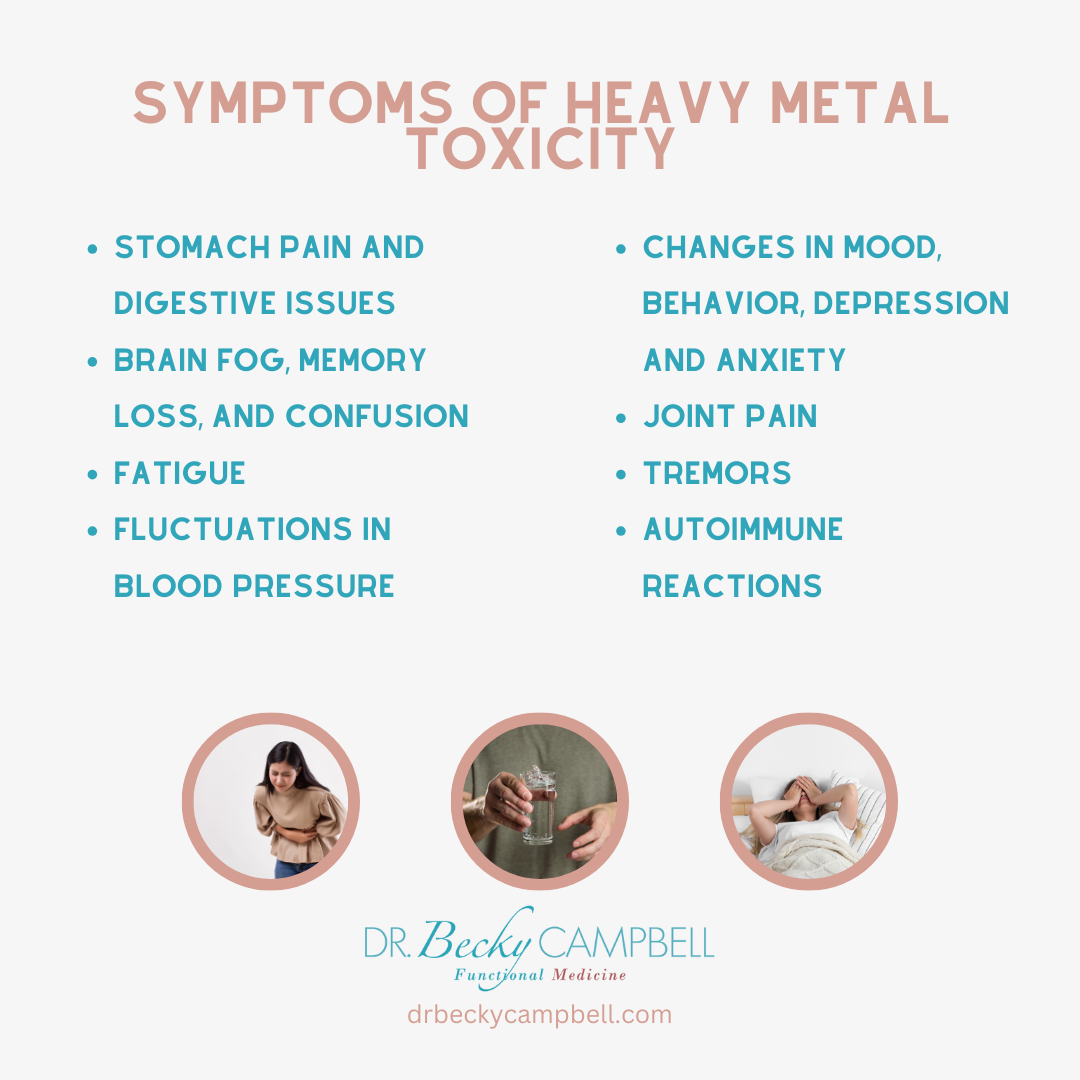
Symptoms of Heavy Metal Toxicity
Heavy metal toxicity comes with its share of chronic symptoms and a heightened risk of certain diseases.
Commonly reported symptoms include:
- Stomach pain and digestive issues
- Brain fog, memory loss, and confusion
- Fatigue
- Fluctuations in blood pressure
- Changes in mood and behavior, including depression and anxiety
- Joint pain
- Autoimmune reactions
- Tremors
These are just a handful of the symptoms, and the specific symptoms can vary depending on the type of metal responsible for the issue.
Heavy Metal Toxicity and Histamine Intolerance
The link between heavy metal toxicity and histamine intolerance hasn’t been extensively researched, but there are some ways heavy metal toxicity could interact with histamine intolerance:
- Gut Health: Heavy metals like lead and mercury can harm your gut, upsetting the balance of gut bacteria and the intestinal lining, leading to digestive issues. A healthy gut is essential for histamine metabolism because it’s where the DAO enzyme, responsible for breaking down histamine, is primarily produced. Any disturbances in gut health can also impact the body’s ability to efficiently process histamine, potentially compounding histamine intolerance symptoms.
- Immune System: Heavy metal toxicity can weaken your immune system, making you more prone to inflammation and immune reactions. A compromised immune system may worsen histamine-related symptoms since histamine intolerance involves an immune response to excess histamine.
- Oxidative Stress: Heavy metals can trigger oxidative stress in your body, leading to inflammation and immune system issues that can exacerbate histamine intolerance symptoms.
- Mast Cell Activation: Some research indicates that heavy metals can contribute to mast cell activation, which is closely linked to histamine intolerance. Mast cells release histamine and other inflammatory compounds when activated. If heavy metals stimulate mast cell activation, it could worsen histamine intolerance symptoms.

Natural Ways to Support Heavy Metal Levels for Histamine Intolerance
Exposure to toxic metals can stir up mast cells, increase the chances of mast cell activation troubles, and contribute to histamine intolerance symptoms.
Wondering how to look out for your health naturally? Here’s my advice:
Reduce Your Exposure to Toxic Metals
Taking action to reduce your exposure to harmful metals is essential in preventing potential triggers and minimizing the risk of additional symptoms. While this can be tough, even small steps to reduce your exposure can be beneficial. Start by doing your best to ensure your home is free of lead-containing metals, whether in paint, dust, or plumbing. Opt for cleaner and safer drinking water by using a water purification system instead of tap water. If your job carries a risk of heavy metal exposure, use all available protective measures. Lastly, select organic foods to minimize exposure to heavy metals and other contaminants.
Support Detoxification
Ensuring your body’s natural detoxification processes are well-supported is crucial for managing health issues related to toxic metals. It starts with proper hydration, aiding the elimination of toxins through urine and sweat. Regular exercise and using an infrared sauna can promote detoxification by encouraging sweat production. Incorporating gentle practices such as castor oil packs over the liver, Epsom salt baths, dry brushing, or lymphatic massage can also support your body’s detoxification effort.
A diet rich in diverse green vegetables provides essential nutrients and enhances your liver’s detoxification capabilities. You can also consider using toxin binders like activated charcoal and chlorella or supplements such as na-acetyl cysteine or glutathione to support your liver.
Follow an Anti-Inflammatory, Low Histamine Diet
A low histamine diet is a dietary approach aimed at reducing the intake of foods that are high in histamine or that trigger the release of histamine in the body to help you find relief from histamine-related symptoms. Begin by eliminating sources of inflammation from your diet, such as refined sugar, carbohydrates, refined oils, gluten, allergenic foods, artificial additives, canned and processed meats, and overlay processed items. Instead, shift your focus towards a low-histamine, whole-foods approach, incorporating fresh greens, vegetables, herbs, spices, and fruits and opting for organic, grass-fed meat and pasture-raised poultry and eggs.
Your Path to Better Health Starts Now
The reality of heavy metal-induced histamine intolerance is clear: confronting heavy metal issues head-on is your ticket to effective symptom management.
While this journey might seem overwhelming, these practice strategies are here to empower you to reclaim your comfort and well-being.
And I say this with confidence because I’ve helped numerous patients conquer heavy metal-induced histamine intolerance challenges – relief from those perplexing and draining symptoms is well within your reach!
So, let’s get started on this transformative journey and uncover the mysteries behind your histamine symptoms. Whether you’re ready to schedule a consultation today or prefer to kickstart your healing journey with my Histamine Reset Online Program, it’s here, waiting for you.
Remember, your journey to improved health begins right here, right now! Don’t hesitate to take that first step toward a more vibrant and comfortable life.
Resources
- "Heavy Metal - an overview | ScienceDirect Topics." https://www.sciencedirect.com/topics/chemistry/heavy-metal. Accessed 26 Oct. 2023.
- "Heavy metal toxicity and the environment - PubMed." https://pubmed.ncbi.nlm.nih.gov/22945569/. Accessed 26 Oct. 2023.
- "Heavy Metal Poisoning - Lead, Mercury, Arsenic and Cadmium." https://rarediseases.org/rare-diseases/heavy-metal-poisoning/. Accessed 26 Oct. 2023.
- "Toxic Mechanisms of Five Heavy Metals: Mercury, Lead, Chromium ...." 13 Apr. 2021, https://pubmed.ncbi.nlm.nih.gov/33927623/. Accessed 26 Oct. 2023.
- "The Health Effects of Aluminum Exposure - PMC - NCBI." 29 Sep. 2017, https://www.ncbi.nlm.nih.gov/pmc/articles/PMC5651828/. Accessed 26 Oct. 2023.
- "The Effects of Cadmium Toxicity - PMC - NCBI." 26 May. 2020, https://www.ncbi.nlm.nih.gov/pmc/articles/PMC7312803/. Accessed 26 Oct. 2023.
- "Toxicity, mechanism and health effects of some heavy metals." https://pubmed.ncbi.nlm.nih.gov/26109881/. Accessed 26 Oct. 2023.

Is Mold the Root Cause of Your Histamine Intolerance?
Exploring Histamine Intolerance and Its Link to Mold Exposure
If you’ve been dealing with histamine intolerance, you’re probably already familiar with the sneaky symptoms it can throw your way. But what you might not know is that there could be an unexpected cause: mold.
Mold isn’t just something you find in your bathroom. It can also mess with your health in ways you might not expect. The interesting part is how mold and histamine intolerance can intertwine.
You see, mold releases certain substances called mycotoxins, and these toxins can kick start a chain reaction in your body. When they come into play, your immune system responds by releasing histamine, which can trigger a host of familiar symptoms.
In this blog, I’ll break down the mold-histamine connection. We’ll explore how mold exposure can set off your histamine alarms and how it relates to histamine intolerance.
So, if you’ve ever wondered why your histamine intolerance symptoms seem to have a mind of their own or expect a mold exposure, stick around. I’m here to shed light on this intriguing connection and help you feel better.
Mold Allergies and Mold Toxicity
When it comes to mold exposure, it’s important to distinguish between mold allergies and mold toxicity because they can lead to very different sets of symptoms.[1] Mold, in its common form, can trigger a strong IgE (Immunoglobulin E) reaction in some people, resulting in typical allergy symptoms that you might be familiar with:
- Runny nose and nasal congestion
- Watery, itchy, red eyes
- Sneezing
- Coughing
- Itchy nose, roof of the mouth, or throat
- Swollen and puffy eyes
- Postnasal drip
These symptoms are the body’s way of reacting to the presence of mold spores that you have inhaled. However, mold toxicity is another side of mold exposure beyond these typical allergy symptoms.
Mold toxicity, often referred to as mold illness or Chronic Inflammatory Response Syndrome (CIRS), shifts the focus to a group of biotoxins produced by specific molds, such as Stachybotrys or Aspergillus, which can be more sneaky.[2] [3] These biotoxins can disrupt various bodily functions, including the immune, neurological, and hormonal systems, leading to many symptoms that often overlap with other chronic conditions. Mold toxicity can manifest as: [4]
- Profound fatigue
- Cognitive impairment
- Muscle pain
- Gastrointestinal issues
Mold toxicity isn’t an allergy; it represents a complex connection between the body and the toxic compounds released by certain molds, making it a more distinct and challenging health concern.

Identifying Mold Exposure
Mold can be tricky, often lurking in places we least expect it. In our homes, mold can sneak into damp basements, crawl spaces, or even hide behind the walls where a small leak went unnoticed. Workplaces aren’t immune either; office buildings with poor ventilation or areas prone to water leaks can become breeding grounds for mold. Plus, let’s not forget about other environments like gyms, schools, or stores – mold will likely grow wherever moisture hangs around.
Spotting mold isn’t always easy, but there are some telltale signs to watch out for.
- Visible Mold Growth: Obvious patches of mold on walls, ceilings, or floors, often appearing as discolored, fuzzy, or slimy spots.
- Musty Odor: A persistent, earthy, or damp smell, even if you can’t see visible mold.
- Water Stains: Discoloration or water stains on walls or ceilings.
- Humidity and Condensation: High indoor humidity levels or excessive condensation on windows can create conditions favorable for mold growth.
- Leaky Pipes or Roof: Any history of leaks can lead to mold if not addressed.
- Peeling Caulk or Grout: Mold can thrive in the moist environment of bathrooms and kitchens, causing caulk or grout to deteriorate and become discolored.
- Bubbling or Buckling of Flooring: Irregularities in flooring can indicate moisture issues that mold thrives on.
- Bubbling of Wallpaper or Paint: Unusual bubbling or warping of wallpaper or paint can be a sign of underlying moisture and potential mold growth.
The Mold-Histamine Connection
Now, let’s dive into how mold and histamine intolerance are connected.
Think of your immune system as your body’s defense mechanism. It goes into action mode when it senses a potential threat, like mold spores in the air. Mold spores can be inhaled, and your immune system recognizes them as invaders. In response, it releases histamine as part of its defense strategy.
Histamine’s job is to trigger responses that help your body fight off threats. For some people, the histamine response can become overwhelming. It’s not just the typical allergy symptoms; it can also lead to symptoms that extend far beyond the runny nose and itchy eyes – also known as histamine intolerance.
When I talk about the mold-histamine connection, I’m essentially saying that mold exposure can kickstart this histamine cascade in your body.[5] It can trigger histamine release just like an allergen would. The twist is that it doesn’t necessarily involve a typical allergic reaction; instead, it’s more about how your body handles histamine. For some people, this can lead to histamine intolerance, which shares similarities with mold-related allergies but operates on a different level.

Histamine Intolerance Symptoms Caused by Mold
Yes, histamine intolerance symptoms can be triggered or exacerbated by mold exposure!
Mold, especially certain types, can release mycotoxins into your environment, stimulating the release of histamine in the body, leading to a range of histamine intolerance symptoms.
Common histamine intolerance symptoms caused or worsened by mold exposure might include:
- Headaches
- Nasal Congestion and Sneezing
- Skin Issues
- Digestive Problems
- Respiratory Symptoms
- Fatigue
- Brain Fog
- Mood Swings
- Sleep Disturbances
- Dizziness and Vertigo
- Neurological symptoms
- Bladder Irritation (Interstitial Cystitis)

Strategies for Managing Mold-Induced Histamine Intolerance
To manage mold-induced histamine intolerance, you need to tackle both the mold issue and how your body reacts to histamine. Here are some practical strategies for managing mold-included histamine intolerance. [6]
1. Identify and Address Mold Sources
Start by checking for visible mold in your home or workplace, especially in damp areas like basements or bathrooms. If you can’t find the source, you may want to consider bringing in a professional mold inspector to help locate any hidden mold behind walls or in your HVAC system. If mold is present, it’s important to address it right away by removing any affected materials, fixing leaks, and improving ventilation.
2. Improve Indoor Air Quality
Following these simple steps can help you create a healthier indoor environment and reduce the risk of mold-related issues in the future.
- Ventilate Regularly: Ensure proper ventilation in your home by opening windows or using exhaust fans, especially in bathrooms and kitchens. Good airflow helps prevent moisture buildup.
- Use Air Purifiers: Consider using air purifiers equipped with HEPA filters. These devices can help capture mold spores and allergens, improving air quality.
- Control Humidity: Keep indoor humidity levels between 30-50%. Using a dehumidifier can be helpful in damp areas.
- Maintain HVAC Systems: Regularly inspect and maintain your heating, ventilation, and air conditioning (HVAC) systems. Clean or replace filters as recommended to prevent the circulation of mold spores.
3. Detoxify Your Body from Mold
If you’ve been dealing with the effects of chronic mold exposure and mold toxicity, it’s crucial to detoxify your body from mold. Here are some simple steps to get you started:
- Test for Mold Toxicity: Start by getting your body tested for mold toxicity to understand the impact of mold exposure on your health and quantify the level of toxins in your body.
- Stay Hydrated: Drinking plenty of water helps flush toxins from your system by supporting your kidneys, liver, and overall bodily functions. Plus, staying hydrated can ease common symptoms of mold-induced histamine intolerance. Aim for half of your body weight in ounces of water per day.
- Support Detoxification: Sweating, whether through exercise, traditional saunas, or infrared saunas, is a powerful way to eliminate toxins from your body. When you sweat, you release various waste products, including heavy metals, environmental pollutants, and excess histamine from your system.
Depending on a person's history and supplement tolerance, I use various other products to address mold, but these steps are a great place to start.
4. Maintain a Low-Histamine, Anti-Inflammatory Diet
Maintaining a low-histamine diet involves consciously choosing foods low in histamine content and avoiding those known to trigger histamine release or intolerance symptoms. Minimizing histamine intake through your diet can reduce the burden on your histamine-processing systems, allowing your body to manage mold-related histamine spikes better.
In addition, an anti-inflammatory diet rich in fresh fruits, vegetables, omega-3 fatty acids, and lean proteins can help mitigate overall inflammation, improving tolerance and better symptom control.
5. Support Your Gut Health
Chronic mold exposure and mold-related illnesses can contribute to gut infections and GI trouble. Prioritizing your gut health is crucial in such cases. To support your gut, opt for a nourishing diet that includes greens, vegetables, sprouts, low-glycemic index fruits, herbs, spices, grass-fed meat, pasture-raised poultry, wild-caught fish, and game meat.
6. Consider Histamine Supporting Supplements
Considering histamine-supporting supplements is a great strategy for managing mold-included histamine intolerance. These supplements, such as quercetin and nettle extract found in my HistoRelief supplement, can help stabilize histamine levels in your body and alleviate symptoms. Additionally, certain supplements, like DAO enzymes, may enhance your body’s ability to metabolize and process histamine efficiently.
Your Path to Better Health Starts Now
Here’s the truth about mold-induced histamine intolerance: tackling mold issues head-on allows you to manage your histamine intolerance effectively!
So, while navigating mold and histamine intolerance can be complex, you can actively work towards alleviating your discomfort with these practical strategies.
I know it’s possible because I conquered mold-induced histamine intolerance issues myself!
Finding relief from those puzzling and debilitating histamine intolerance symptoms is possible, and I’m excited to share how I did it!
So, join me on this journey. Find out what’s behind your histamine symptoms and how to support your body. Schedule a consultation today, or if you’re not quite ready, try my Histamine Reset Online Program – the same plan I’ve used to transform my patients’ lives, and it’s waiting for you to kickstart your healing journey.
Your path to better health starts right here, right now!
Resources
- "Mold Toxicity: Pathways, Diseases, & Interventions." https://www.ifm.org/news-insights/mold-toxicity-pathways-diseases-interventions/. Accessed 13 Sep. 2023.
- "Is Mold Toxicity Really a Problem for Our Patients? Part I ... - NCBI." https://www.ncbi.nlm.nih.gov/pmc/articles/PMC4898283/. Accessed 13 Sep. 2023.
- "Molds and mycotoxins: beyond allergies and asthma - PubMed." https://pubmed.ncbi.nlm.nih.gov/17405693/. Accessed 13 Sep. 2023.
- "save - Sci-Hub." https://sci-hub.se/https:/www.sciencedirect.com/science/article/abs/pii/0092656680900173. Accessed 13 Sep. 2023.
- "Impact of mold on mast cell-cytokine immune response - PubMed." https://pubmed.ncbi.nlm.nih.gov/30043558/. Accessed 13 Sep. 2023.
- "A Review of the Mechanism of Injury and Treatment Approaches for ...." https://www.ncbi.nlm.nih.gov/pmc/articles/PMC3654247/. Accessed 13 Sep. 2023.


DAO and Histamine: How to Naturally Increase DAO Enzymes
Natural Ways to Boost Your DAO Levels to Fight Histamine
Histamine – a word that might not have crossed your mind unless you’ve reached for an antihistamine during a hayfever fit. For many, it’s responsible for the occasional sneezes and runny nose during springtime.
But if histamine has been more than an occasional annoyance in your life, if you’ve battled severe allergies, histamine intolerance, or mast cell activation syndrome (MCAS), you’re probably familiar with the role histamine can play in your daily life.
In my practice, I’ve witnessed a rising tide of chronic illness, bringing with it an increase in cases of histamine intolerance and MCAS. The symptoms of these conditions can be overwhelming, but the good news is that we can do plenty to regain some control.
Before diving into the solutions that can help you regain control over your histamine intolerance, let’s first understand the pivotal role of the DAO enzyme in influencing histamine levels.
The Powerful DAO Enzyme
Diamine Oxidase (DAO) is an important enzyme responsible for the breakdown of histamine in the body.[1] While another enzyme called histamine N-methyltransferase (HNMH) also plays a role in histamine metabolism, DAO stands out for its remarkable efficiency.
DAO is primarily located in the kidneys and thymus, where it works to convert histamine into a form that can be easily excreted through the kidneys and urine. DAO is also found in the small intestine, where it works to break down histamine to prevent it from entering the body.
When you have a sufficient supply of DAO, nearly all of the histamine passing through your digestive tract is effectively broken down, and as a result, it doesn’t lead to any adverse reactions. However, if your DAO levels are insufficient, histamine can accumulate, potentially causing histamine sensitivity, chronic inflammation, or even mast cell activation syndrome if the problem persists.
Understanding DAO and Histamine
Histamine Intolerance occurs when the body produces an excess of histamine and struggles to effectively break it down, leading to its accumulation. This buildup can result in various persistent symptoms, such as allergy-like reactions, gastrointestinal problems, nasal congestion, and even asthma.
While diagnosing histamine intolerance often requires consulting a healthcare professional and recognizing common symptoms, digging deeper to identify the underlying root cause is crucial for effective symptom management.
One prevalent root cause of histamine intolerance is a deficiency in DAO enzymes. Research even suggests that DAO deficiency accounts for more than 70% of all histamine intolerance cases.[2]

Common Causes of DAO Deficiency
Two naturally occurring enzymes, DAO and HNMT, are required to maintain balanced histamine levels. However, when these enzymes are in short supply, or your body struggles to produce them adequately, it can accumulate histamine.
Several common causes can contribute to histamine accumulation and DAO deficiency, including: [3] [4]
- Genetics: Some people may inherit a genetic mutation that results in a deficiency of the DAO enzyme, making them more susceptible to histamine intolerance.
- Medications: Both prescription and over-the-counter medications can disrupt DAO enzyme levels.
- Hormonal Imbalances: Fluctuations or hormonal imbalances, such as estrogen and progesterone, can disrupt DAO enzyme production and function, reducing histamine breakdown efficiency, increasing inflammation, gut disturbances, and mast cell activation.
- GI Disorders: Conditions like Crohn’s disease, ulcerative colitis, Celiac disease, and SIBO may trigger inflammation in the body, mimicking histamine intolerance symptoms and impeding the production of sufficient DAO enzyme.
- Nutrient Deficiencies: A deficiency in essential nutrients like vitamin B6, vitamin C, zinc, or copper can increase the risk of or contribute to DAO deficiency.
- Eating Histamine-Rich Foods: Certain foods can hinder the DAO enzyme’s functioning by inundating the body with excessive histamine, overwhelming your enzyme’s capacity to break it down.
- Alcohol: Besides being high in histamine, alcohol acts as an inhibitor of the DAO enzymes, intensifying histamine-related symptoms.
- Green tea, black tea, and mate tea: contain catechins, which can act as DAO inhibitors, potentially impacting histamine breakdown.
7 Ways to Boost Your DAO Levels to Fight Histamine
In recent years, extensive research has focused on preventing DAO deficiency and understanding its connection to histamine intolerance. Promising strategies have emerged, offering hope for preventing and, in some cases, reversing histamine intolerance, marking significant progress in managing this condition.
1. Vitamin-Rich Foods and Supplements
Scientists have identified various nutrients that effectively boost DAO Enzymes levels. These nutrients include Omega-3 fatty acids, saturated fats, phosphorus, calcium, zinc, magnesium, iron, and vitamin B12.[5] Foods rich in these nutrients can help enhance DAO production.
For instance, Omega-3-rich foods like wild-caught salmon and mackerel stimulate DAO release, while healthy saturated fats found in grass-fed butter aid in this process. Walnuts and avocados are also rich in Omega-3, but they are also high in histamine. Additionally, when consuming fish for this purpose, it must be extremely fresh to reap the full benefits.
Other nutrients like phosphorus, calcium, and zinc can be obtained from almonds, broccoli, and grass-fed meat, all contributing to increased DAO levels. Deficiencies in zinc, copper, vitamin B6, and vitamin C have also been linked to inflammation and reduced DAO activity, meaning that supplementing with these nutrients can be valuable for improving histamine intolerance symptoms. Consider taking a low histamine multivitamin with minerals to meet these essential nutrient needs.
2. Adopt a Low Histamine Diet
In a recent study, they found that changing your diet is the first step in easing histamine intolerance symptoms.[6] Avoiding foods high in histamine allows your body to catch up and deal with the histamine already there. This study also showed that these dietary changes help DAO enzymes move better in your body.
If you’re not sure how the right diet can effectively lower your histamine levels and promote healthy DAO enzyme production, check out my “The 4-Phase Histamine Reset Plan” book to get a comprehensive plan that encompasses a low-histamine diet, liver care, gut support, and recipes and tips to help you experience life long results.
3. Avoid DAO-Blocking Foods
DAO-blocking foods can inhibit DAO enzymes' activity, impairing histamine breakdown and potentially triggering histamine intolerance symptoms. Here are some examples of DAO-blocking foods.
- Alcohol
- Aged and Fermented Foods
- Processed and Cured Meats
- Vinegar and Vinegar-Containing Foods
- Canned or Smoked Fish
- Artificial Food additives
- Leftovers
Individual tolerance to these foods can vary; some people with histamine intolerance may react more strongly than others.
4. Support Your Gut Health
Since a significant portion of DAO is generated in the digestive system, nurturing your gut health and bolstering beneficial bacteria with the help of a low-histamine probiotic can help mitigate histamine-related symptoms.
Probiotics work much like a supplement by boosting DAO production by reinforcing your digestive tract and maintaining a balanced gut microbiome.
5. Balance Your Fat Intake
When making dietary changes to support DAO, one of the most interesting findings pertains to the consumption of fats.[7] Notably, monounsaturated fats rich in Omega-9 fatty acids, such as oleic acid found in olive oil. The research indicates that Omega-9 fatty acids can significantly boost DAO enzyme release into the bloodstream, potentially alleviating histamine intolerance symptoms. On the other hand, Omega-6 fatty acids from sources like offal, fatty red meat, and certain dairy products have been linked to heightened histamine levels.
Balancing your fat intake involves reducing Omega-6 rich processed foods and vegetable oils while increasing Omega-3 fatty acids found in seafood. Try heat-stable oils like ghee and pressed coconut oil for high-temperature cooking, and include olive oil for lighter cooking.
6. Reduce Histamine Release
Reducing histamine release is a method I frequently use with my patients, using my HistoReliefe. While it doesn’t directly boost the DAO enzyme, it does provide your body with a respite from inflammation and damage, allowing the DAO enzyme to catch up and alleviate your symptoms.
By regulating the body’s natural histamine release, many of my patients find an increased tolerance for dietary histamine that they previously struggled with. This means that they have fewer dietary restrictions and a reduction in symptoms!
7. Try a DAO Supplement
One of the easiest ways to bolster your DAO enzyme levels involves using a natural DAO supplement, typically available in capsule form. These supplements provide a convenient way to alleviate histamine intolerance symptoms by facilitating the breakdown of incoming histamine.
It’s important to note that DAO supplements primarily work within your digestive tract, enhancing histamine breakdown from the foods you just ate. DAO supplements don’t directly increase internal DAO levels in your bloodstream, meaning they won’t break down histamine created by mast cells, nor will they cure histamine intolerance.
Find Relieve and Improve Histamine Intolerance Symptoms
These 7 ways to boost your DAO levels naturally are straightforward and can be easily incorporated into your daily routine. So, kickstart the process and start finding relief from your histamine intolerance symptoms.
Are you ready for an even deeper look at what’s behind your histamine intolerance symptoms? Do you want to provide your body with even more support?
Schedule a consultation today to get started.
And if you're not quite ready for a consultation, don’t worry. You can begin your healing journey at your own pace with our Histamine Reset Online Program.
Resources
- "Histamine Intolerance: The Current State of the Art - PMC - NCBI." 14 Aug. 2020, https://www.ncbi.nlm.nih.gov/pmc/articles/PMC7463562/. Accessed 21 Sep. 2023.
- "Prevalence of Genetic Diamine Oxidase (DAO) Deficiency in Female ...." 22 Feb. 2023, https://www.ncbi.nlm.nih.gov/pmc/articles/PMC10044988/. Accessed 21 Sep. 2023.
- "Histamine and histamine intolerance - PubMed." https://pubmed.ncbi.nlm.nih.gov/17490952/. Accessed 21 Sep. 2023.
- "Alcohol-histamine interactions - PubMed." https://pubmed.ncbi.nlm.nih.gov/10344773/. Accessed 21 Sep. 2023.
- "Effect of dietary fatty acid and micronutrient intake/energy ratio on ...." https://pubmed.ncbi.nlm.nih.gov/28606572/. Accessed 21 Sep. 2023.
- "Nutrients regulate diamine oxidase release from intestinal mucosa." https://pubmed.ncbi.nlm.nih.gov/9756524/. Accessed 21 Sep. 2023.
- "Nutrient-induced inflammation in the intestine - PMC - NCBI." https://www.ncbi.nlm.nih.gov/pmc/articles/PMC4520304/. Accessed 21 Sep. 2023.

Histamine Dumping: Exploring its Symptoms, Causes, and How to Find Relief
Uncovering Why Histamine Dumping Happens and How to Make it Stop
Have you ever experienced those moments when your body throws a surprising curveball, leaving you wondering what the heck is going on??
Maybe you’ve found yourself questioning why your cheeks are so warm or why you can’t get rid of your headaches.
What’s really fascinating is that these signs might not be coincidental; they could be your body’s direct way of highlighting an underlying health concern, all thanks to a process called histamine dumping.
Our goal here is to dive into the details around histamine dumping, starting with a simple understanding of what it entails and why it’s relevant. We’ll also explore how it might be linked to the symptoms you’ve been dealing with. Let’s uncover the connections between your mysterious symptoms and the scientific aspects of histamine.
What is histamine dumping?
Histamine, a crucial compound in our body, plays a key role in several vital functions. It acts as a messenger, managing responses to allergens, controlling stomach acid production, and even influencing sleep patterns.[1] However, when our body struggles to process and maintain histamine levels properly, we encounter histamine dumping.
Histamine dumping happens when there’s an issue with breaking down histamine and keeping its levels balanced. Typically, certain enzymes, such as diamine oxidase (DAO) and histamine N-methyltransferase (HNMT), break down histamine and prevent its accumulation.[2] However, in cases of histamine dumping, these enzymes might not work well, or there might not be enough of them. This leads to extra histamine staying in the body, ultimately bringing about your uncomfortable symptoms.

Common Symptoms of Histamine Dumping
Histamine dumping brings about a range of uncomfortable symptoms that can vary in intensity from person to person. These can include: [3]
- Itching
- Hives
- Redness and flushing of the skin
- Bloating
- Acid reflux
- Irregular bowel movements
- Fatigue
- Low energy
- Persistent and nagging headaches
- Stuffy or runny nose
- Rapid heartbeats
- Increased anxiety
- Irritability
- Mood swings
- Body aches or chills
- Sleep disturbances
The interesting part is that while these symptoms may differ in severity, they all link back to histamine dumping. For some, it might be a mild annoyance; for others, it could be a more intrusive disruption. This variability adds to the complexity of histamine dumping, making it essential for individuals to identify their unique symptom profiles for effective management.
Why are histamine dumping symptoms worse at night?
Histamine dumping at night is relatively common because the body naturally releases more histamine at night and after meals. Late-night histamine-rich meals, reduced histamine metabolism during sleep, and stress-related hormone changes can all increase histamine release.
Causes and Triggers of Histamine Dumping
Histamine dumping usually happens because of disruptions that upset the delicate balance of histamine metabolism and regulation within the body. The DAO and HNMT enzymes usually act as the body’s natural regulators, ensuring that histamine levels remain in check. But when this system is disrupted, histamine breakdown can hit a snag.
In essence, histamine dumping occurs when the scales tip and the body’s ability to metabolize and regulate histamine becomes compromised. This disruption can stem from various factors, including genetic predispositions, environmental influences, and other underlying health conditions.
Potential causes and triggers of histamine dumping include: [4]
- Enzyme Deficiencies: Inadequate levels or dysfunction of DAO and HNMT can hinder the breakdown of histamine, leading to its accumulation in the body.
- Genetic Predisposition: Genetic variations can influence the efficiency of histamine-metabolizing enzymes or alter histamine receptor sensitivity, making some people more susceptible to histamine intolerance and histamine dumping.
- Environmental Factors: Exposure to allergens, pollution, dietary choices, mold, and volatile organic compounds (VOCs), especially in certain environments, can worsen the occurrence of histamine dumping. These environmental conditions can trigger histamine release or disrupt its natural regulatory mechanisms, making it challenging for the body to manage histamine levels effectively.
- Histamine-Rich Foods: Consuming foods naturally high in histamine, such as aged cheeses, processed meats, and fermented products, can contribute to elevated histamine levels in people with histamine intolerance.
- Alcohol: Alcohol consumption can disrupt histamine metabolism and increase histamine levels, triggering histamine dumping episodes.
- Stress: Physical and emotional stress can prompt the release of histamine as part of the body’s stress response, exacerbating histamine levels and intensifying symptoms.
- Underlying Health Conditions: Certain health conditions, such as mast cell disorders and gastrointestinal disorders, can contribute to histamine dumping by disrupting the body’s histamine regulation mechanisms.
- Medications: Some medications, particularly non-steroidal anti-inflammatory drugs (NSAIDs) and antibiotics, can interfere with histamine breakdown and contribute to histamine accumulation.
Diagnosing Histamine Dumping
Histamine dumping can cause various uncomfortable symptoms ranging from skin reactions to digestive issues. These symptoms can easily resemble other health problems, making it tricky to diagnose accurately.
This shared symptom presentation can lead to confusion or delays in diagnosis, with many people undergoing numerous tests only to find their symptoms persist without a clear explanation. There is also no standardized test for histamine intolerance. Instead, a comprehensive assessment involving symptom tracking, dietary adjustments, and controlled challenges might be needed to piece together the puzzle and achieve an accurate diagnosis. Keeping an open mind and being patient with yourself is essential as you work to uncover and treat the root cause behind your symptoms.

How to Alleviate and Manage Histamine Dumping Symptoms
Histamine dumping symptoms can be distressing, but there are various strategies that you can adopt to help alleviate and manage your discomfort. While it’s important to talk with your healthcare provider for personalized guidance, here are some general approaches to help:
Dietary Modifications
- Low-Histamine Diet: Reduce histamine-rich foods like aged cheeses, processed meats, and fermented products. Opt for fresh, unprocessed foods instead.
- Anti-inflammatory Foods: Include foods rich in antioxidants, such as fruits, vegetables, and omega-3 fatty acids, which help mitigate inflammation.
Supplements
- Quercetin: A natural antihistamine found in foods like apples and onions, quercetin can help manage histamine release.
- Vitamin C: Known for its antihistamine properties, vitamin C can support the body’s response to histamine.
I recommend Optimal Reset Historelief, which contains both quercetin & C, plus other histamine-supporting ingredients, to support healthy histamine levels and your immune system.
Lifestyle Adjustments
- Stress Management: Practice relaxation techniques like deep breathing, meditation, or vagal toning exercises to reduce stress-induced histamine release.
- Sleep Hygiene: To ensure a good night’s sleep, it’s essential to establish and stick to a regular sleep routine. This means going to bed and waking up at the same time each day, even on weekends. Additionally, creating a sleep-conducive environment is key. Make your sleep space comfortable and relaxing by keeping your bedroom cool, dark, and quiet. Minimize exposure to screens, such as phones and computers, before bedtime, as the blue light emitted from these devices can disrupt your body’s natural sleep-wake cycle. Lastly, try to unwind before bedtime with calming activities like reading, taking a warm bath, or practicing relaxation techniques to prepare your mind and body for a restful night’s sleep.
Gut Health
- Low Histamine Probiotics: Support gut health with probiotic-rich foods or supplements to improve digestion and potentially reduce histamine production.
Hydration and Hygiene
- Stay Hydrated: Drinking enough water can help flush excess histamine from the body. But it’s not just about drinking water; maintaining the right electrolyte balance is crucial. Electrolytes, such as sodium, potassium, and magnesium, ensure efficient hydration. Try my favorite electrolytes to support your histamine management.
- Skin Care: Use gentle skincare products to avoid aggravating skin reactions.
Remember, every person’s response to histamine dumping is unique! Finding the right combination of strategies that work for you might require some trial and error. Seeking guidance from a healthcare provider experienced in histamine intolerance is crucial to tailor a plan that addresses your specific needs.
Take Charge of Histamine Dumping
When we talk about histamine dumping, one truth stands out: knowledge holds the key to relief!
So, while navigating histamine dumping may be complex, armed with insights into dietary adjustments, stress management, and lifestyle changes, you can actively work towards alleviating discomfort!
I know it’s possible because I did it!
How frustrating it feels to be sick all the time and hear from doctors that “there’s nothing wrong with you.” I went through it for years. I was exhausted, gaining weight, had terrible migraines, and experienced numerous food sensitivities.
But when I pieced together the puzzle of my histamine intolerance, it was life-changing. Today, I can eat most foods without problems and enjoy regular workouts. Plus, most of my symptoms are gone because I addressed the underlying root causes of my inability to break histamine down properly!
You know what? You can absolutely find relief from those puzzling and debilitating histamine intolerance symptoms, and I’d love to share with you how I did it myself!
Discover what is driving your histamine intolerance symptoms and how to support your body by scheduling a consultation today.
Not sure if you’re ready for a consultation? Try our Histamine Reset Online Program to begin healing your body on your time. This is the exact plan I give my patients that I work with one-on-one, and I know it works!
Resources
- "Histamine Intolerance—The More We Know the Less We ... - NCBI." 29 Jun. 2021, https://www.ncbi.nlm.nih.gov/pmc/articles/PMC8308327/. Accessed 22 Aug. 2023.
- "Histamine: A molecular double agent | Protein Data Bank in Europe." 1 Jun. 2023, https://www.ebi.ac.uk/pdbe/news/histamine-molecular-double-agent. Accessed 22 Aug. 2023.
- "Histamine Intolerance Originates in the Gut - PMC - NCBI." 12 Apr. 2021, https://www.ncbi.nlm.nih.gov/pmc/articles/PMC8069563/. Accessed 22 Aug. 2023.
- "Histamine Intolerance: The Current State of the Art - PMC - NCBI." 14 Aug. 2020, https://www.ncbi.nlm.nih.gov/pmc/articles/PMC7463562/. Accessed 22 Aug. 2023.

Exercise and Histamine Intolerance: How to Make Working Out Safe For You
Practical Tips and Strategies for Safe and Enjoyable Workouts with Histamine Intolerance
Picture this: You step into your gym, ready to conquer your workout. You hop onto a treadmill, excited to break a sweat, but you're hit with a whirlwind of sensations before you even reach your normal walking pace. Lightheadedness washes over you, your fingers and toes tingle uncomfortably, and the alarming thought of blacking out starts creeping in.
Take a moment to pause and catch your breath because I’ve been right there with you!
I understand the frustration and disappointment when all you want to do is exercise, but histamine intolerance decides to rear its ugly head. The flushing, dizziness, itchy skin, and feeling faint. Trust me, I’ve experienced it firsthand, and it can be disheartening to realize that a mere five minutes of exercise can trigger a cascade of symptoms.
But let me assure you, you are not alone in the journey. Exercise can pose a challenge for many people struggling with histamine intolerance. The very activities that should invigorate and empower us become stumbling blocks on our fitness journey.
However, I want you to know that there is hope. I’ve had to discover alternative ways to exercise that would keep me safe and help me enjoy my workouts. It may feel daunting stepping back into the gym, considering the reactions we’ve experienced in the past, but trust me; it is possible to create a workout routine that accommodates your histamine intolerance.
I’ll share the lessons I’ve learned, the strategies I’ve implemented, and the tips that have helped me transform my exercise routine. Together, we’ll explore ways to make working out safe, enjoyable, and, yes, even fun again, despite histamine intolerance.
Exercise and Histamine Intolerance
In 1935, researchers stumbled upon a connection between exercise and histamine levels. In an animal study, they observed that histamine levels would rise in response to exercise, and the intensity and duration of the physical activity played a crucial role in this histamine surge.[1]
Fast forward to today, and the scientific community continues to uncover the complexities of this connection, reinforcing the notion that exercise can indeed impact histamine levels in our bodies.
What is exercise-induced histamine release?
Exercise-induced histamine release refers to the phenomenon where physical activity triggers the release of histamine (a chemical compound naturally present in our cells) into our bodies.[2]
When we work out, our bodies undergo changes like increased blood flow, elevated heart rate, and heightened metabolism. These changes can trigger histamine release from mast cells, leading to those frustrating symptoms of histamine intolerance. Here’s the tricky part: everyone’s different, so specific exercises or environmental factors might make your histamine response worse than others.
What’s the connection between exercise and histamine intolerance?
Now that we’ve covered what exercise-induced histamine release is, you may be wondering what’s causing your histamine reactions in the first place.
Let’s explore some of the most common ways histamine intolerance can impact your workout.
Excess Histamine Release
When we exercise, our bodies undergo various physiological changes that have the potential to stimulate mast cells, leading to the release of histamine. These mast cells, known for their involvement in immune responses, can be activated by factors like the physical stress placed on the body, increased blood flow, elevated heart rate, and temperature fluctuations we experience during exercise.[3]
Inflammation
Even at moderate intensity, exercise causes tiny tears in muscle fiber, which triggers a mast cell response that can lead to inflammation, a natural response to repair damaged tissues and promote healing. However, this inflammatory response can be heightened in people with histamine intolerance, potentially exacerbating symptoms.[4]
Exercise Intensity
The intensity of physical activity can impact the extent of histamine release and the symptoms you experience. Higher-intensity exercises, like HIIT workouts, tend to stimulate a more significant release of histamine, potentially leading to more pronounced symptoms. Moderate-intensity exercises, such as jogging, cycling, or brisk walking, can still elicit a histamine response, particularly in people with heightened sensitivity to histamine.
Temperature and Humidity
Environmental factors, such as high temperature or humidity levels during exercise, can stimulate histamine release and exacerbate symptoms in people with histamine intolerance. Sweating and dehydration caused by high temperatures can trigger histamine release, while high humidity impedes the body’s natural cooling mechanism and can lead to increased histamine release. In addition, changes in temperature and humidity can increase the presence of allergens in the environment, further stimulating your histamine release.
High-Histamine Workout Equipment
Some workout equipment, such as foam rollers or exercise mats made from certain materials, can potentially contain high levels of histamine-releasing substances. Coming into contact with such equipment during exercise can contribute to histamine intolerance symptom flare-ups.

Common Symptoms of Histamine Intolerance During Exercise
Histamine intolerance can manifest in various symptoms during exercise. While each person’s symptoms are unique, here are some common signs to be aware of: [5] [6]
- Skin reactions: Itchy skin, hives, redness, flushing, or a rash are common symptoms of histamine intolerance during exercise. These reactions can occur on different body parts, such as the face, neck, chest, or limbs.
- Respiratory symptoms: Histamine release can lead to respiratory issues during exercise, including nasal congestion, sneezing, runny nose, difficulty breathing, wheezing, or asthma-like symptoms.
- Gastrointestinal issues: Histamine intolerance can affect the digestive system, resulting in abdominal pain, bloating, gas, diarrhea, or even nausea and vomiting during or after exercise.
- Headaches and migraines: Intense physical activity may trigger histamine-related headaches or migraines. These headaches can range from mild to severe and may persist for hours or even days.
- Dizziness and lightheadedness: Some people with histamine intolerance may experience dizziness, lightheadedness, or a feeling of imbalance during exercise.
- Fatigue and brain fog: Histamine intolerance may contribute to fatigue and mental fogginess, making it difficult to sustain energy and focus during exercise.
The onset and duration of histamine intolerance during exercise can vary. Some people may experience immediate reactions during exercise, while others may notice symptoms hours or even days later. The intensity of symptoms can also fluctuate, depending on your exercise intensity, duration, and sensitivity.
Why do I have exercise intolerance and others don’t?
The experience of exercise intolerance in people with histamine intolerance can occur for various reasons. One possible reason for the variation in exercise intolerance is the efficiency of histamine clearance mechanisms. Variations in the body’s ability to break down and eliminate histamine can affect how efficiently histamine is processed. Some people have compromised histamine clearance pathways, leading to an accumulation of histamine and an increased response exercise.
Underlying health conditions can also contribute to exercise intolerance. Coexisting conditions like allergies, asthma, or autoimmune disorders can enhance the body’s response to histamine, increasing the likelihood of exercise intolerance.
Lastly, each person has a different threshold for histamine intolerance, and those with a lower threshold may experience symptoms and exercise intolerance even with lower levels of histamine release. On the other hand, individuals with a higher threshold may tolerate exercise better without significant symptoms.

Will I be able to work out again with histamine intolerance?
Yes, it’s possible!
When it comes to histamine intolerance, it’s important to approach exercise with care and not push yourself to the absolute limit. Finding the right balance in terms of exercise intensity, duration, and frequency is crucial.
One of the best things you can do is control your environment until you get to a place where you can exercise without any symptoms. That means skipping the gym or yoga studio if you can and instead working out at home where you can control what you’re near, what smells are there, how hot it is, what surface you're on, etc.
Still trying to figure out where to start? I find these exercises to be best for patients with histamine intolerance:
- Yoga
- Pilates
- Barre
- Walking
- Swimming
- Bike riding
- Resistance training (my personal favorite)
Keep in mind that ultimately, exercise may not directly address histamine intolerance, but it can indirectly benefit overall health, immune function, stress reduction, and weight management, improving the general management of your histamine intolerance symptoms. So we do not want to stop exercising!
4 Practical Tips and Strategies to Reduce a Histamine Response During Exercise
Here are four practical tips and strategies that you can implement to help reduce your histamine response during exercise:
- Take the Time to Warm-Up and Cool-Down: Before diving into your workout, give your body a proper warm-up. This can help minimize any sudden histamine release when you start exercising. Take a few minutes to stretch after your workout as well. This gradual transition can work wonders in reducing any post-workout histamine-related symptoms.[7]
- Choose Low-Histamine Foods: Pay attention to what you eat before and after your workout, as certain foods can trigger histamine release. Choose low-histamine options such as fresh fruits, veggies, and fresh animal (preferred) proteins.
- Hydrate: Staying properly hydrated is crucial for managing histamine intolerance.[8] Drink plenty of water throughout the day and especially during workouts. Adequate hydration supports your body’s natural processes and can help reduce histamine-related symptoms.
- Focus on Gradual Progression and Listen to Your Body: Take a gradual approach to increasing exercise intensity and duration. Avoid sudden leaps in activity that can trigger a higher histamine response. Pay close attention to how your body reacts to different levels of exercise intensity to find a balance that allows for safe and enjoyable exercise.
These practical tips and strategies can help minimize histamine-related symptoms during workouts. However, histamine intolerance is as unique as you are, so it’s all about tuning in and listening to your body’s signals. Feel free to experiment, seek guidance, and tailor these strategies to fit your needs. With a little trial and error, you'll find an exercise routine that supports your well-being while managing histamine intolerance effectively.
Find Relief from Histamine Intolerance
It’s possible to find relief from histamine intolerance!
I did!
And when I pieced together the puzzle of my histamine intolerance, it was life-changing. Today, I can eat most foods without problems and enjoy regular workouts. Plus, most of my symptoms are gone because I addressed the underlying causes of my inability to break histamine down properly!
You, too, can experience similar relief from the puzzling and debilitating symptoms of histamine intolerance, and I can teach you how!
Discover what is driving your histamine intolerance symptoms and how to support your body by scheduling a consultation today.
Not sure if you’re ready for a consultation? Try our Histamine Reset Online Program to begin healing your body on your time.
Resources
[1] "Appearance of histamine in the venous blood during muscular ...." https://pubmed.ncbi.nlm.nih.gov/16994722/. Accessed 11 Jul. 2023.
[2] "Sustained postexercise vasodilatation and histamine receptor ...." 29 Jul. 2012, https://physoc.onlinelibrary.wiley.com/doi/full/10.1113/expphysiol.2012.066605. Accessed 11 Jul. 2023.
[3] "what happens after we exercise? - PubMed." https://pubmed.ncbi.nlm.nih.gov/22872658/. Accessed 11 Jul. 2023.
[4] "Elevation of histidine decarboxylase activity in skeletal muscles and ...." https://pubmed.ncbi.nlm.nih.gov/11080067/. Accessed 11 Jul. 2023.
[5] "The Intriguing Role of Histamine in Exercise Responses - PMC - NCBI." https://www.ncbi.nlm.nih.gov/pmc/articles/PMC5161583/. Accessed 11 Jul. 2023.
[6] "Sustained postexercise vasodilatation and histamine receptor ...." https://pubmed.ncbi.nlm.nih.gov/22848080/. Accessed 11 Jul. 2023.
[7] "A single dose of histamine-receptor antagonists before downhill ...." https://www.ncbi.nlm.nih.gov/pmc/articles/PMC5401952/. Accessed 11 Jul. 2023.
[8] "Dehydration affects exercise-induced asthma and anaphylaxis - PMC." 28 Oct. 2019, https://www.ncbi.nlm.nih.gov/pmc/articles/PMC6834710/. Accessed 11 Jul. 2023.

Low Histamine Diet: Is a Low Histamine Diet a Lifelong Commitment?
Understanding the Duration and Realistic Expectations of Following a Low Histamine Diet
Living with histamine intolerance can be incredibly challenging. From the exhausting journey of obtaining a diagnosis to the ongoing management of symptoms, it’s a path that requires perseverance and resilience. As someone who has experienced a histamine intolerance diagnosis firsthand, I understand the frustrations and the long road to finding effective solutions.
One common approach to managing histamine intolerance is adopting a low histamine diet. A low histamine diet aims to minimize the intake of histamine-rich foods and alleviate symptoms. However, considering a low histamine diet raises an important question: Is a low histamine diet a lifelong commitment, or is it only a temporary measure?
Understanding the long-term implications of this dietary approach is crucial if you have histamine intolerance. By delving into the root causes and gaining insights into real-life experiences, you can gain some clarity on whether you’ll need to adhere to a low histamine diet indefinitely or if there is room for flexibility.
Understanding Histamine Intolerance
Histamine intolerance is a condition where the body has difficulty processing histamine, a chemical that plays important roles in our body, such as regulating our immune system, aiding digestion, and transmitting messages between cells in the nervous system.[1] In people with histamine intolerance, the body struggles to effectively break down histamine, resulting in its buildup. This can lead to a range of symptoms as the excess histamine interacts with your different body systems.

Common Symptoms of Histamine Intolerance:
- Hives
- Flushing
- Itchy skin
- Eczema and other skin rashes
- Abdominal pain or cramping
- Bloating
- Diarrhea or constipation
- Nausea and vomiting
- Sneezing
- Runny or congested nose
- Itchy, watery eyes
- Asthma-like symptoms or difficulty breathing
- Recurrent headaches or migraines
- Fatigue or lack of energy
- Brain fog or difficulty concentrating
- Irregular heartbeat
- Anxiety or mood swings
Histamine intolerance symptoms can vary in severity and frequency from person to person. If you suspect you have histamine intolerance, talk with your healthcare provider for a diagnosis and guidance. Or schedule a consultation to receive one-on-one support.
Low Histamine Diet
If you’re new to a low histamine diet, let’s start by reviewing what it entails and how it can benefit you. A low histamine diet is a dietary approach aimed at reducing the intake of foods that are high in histamine or that trigger the release of histamine in the body to help you find relief from histamine-related symptoms.[2]
While following a low histamine diet may seem overwhelming at first, with time and guidance, it becomes easier to identify suitable food choices and create a well-balanced eating plan that will meet your needs. In exploring the low histamine diet, you will learn about histamine-rich foods to avoid and discover alternative options that will help you regain control over your well-being.

Foods to Avoid: High Histamine Foods and Histamine-Releasing Substances
Following a low histamine diet starts by becoming aware of high-histamine foods and histamine-releasing substances that can trigger your histamine intolerance symptoms. High histamine foods naturally contain higher levels of histamine, while histamine-releasing substances are known to stimulate the release of histamine in the body. These foods and substances can contribute to histamine accumulation and exacerbate symptoms such as skin rashes, digestive issues, headaches, respiratory problems, and more.
High histamine foods and histamine-release substances include: [3]
High Histamine Foods
- Aged cheeses
- Sauerkraut, kimchi, and kombucha
- Fermented alcoholic beverages – wine, beer, and champagne
- Deli meats
- Smoked or cured meats
- Shellfish such as shrimp, lobster, and crab
- Canned or processed fish such as tuna, sardines, and anchovies
- Pickles and relishes
- Vinegar-based dressing and condiments such as ketchup and mustard
- Citrus fruits such as oranges, lemons, limes and grapefruits
- Strawberries, pineapples, avocados, and bananas
- Spinach, tomatoes, and eggplants
- Soy sauce
- Miso paste
- Tempeh
- Peanuts
- Walnuts & cashews
- Sesame seeds
- Dark chocolate
- Cocoa powder, cinnamon, curry, allspice
Histamine-Releasing Substances
- Alcohol (especially red wine and beer)
- Caffeine (specifically coffee, black tea, mate tea, and green tea)
- Food additives such as artificial preservatives and flavor enhancers
Individual tolerance to histamine-containing foods can vary from person to person. Some people may need to strictly avoid these high-histamine foods. Others may tolerate them in moderation. If you’re new to a low histamine diet, I suggest keeping a food diary to monitor your body’s response to different foods. This can help you identify specific triggers and customize your dietary approach.
Foods to Include: Low Histamine Alternatives and Nutrient-Rich Options
When following a low histamine diet, it’s important to focus on incorporating foods that are low in histamine while still providing essential nutrients for optimal health. Including nutrient-rich options help support your overall health and ensures you get the necessary vitamins, minerals, and antioxidants.
Low histamine alternatives and nutrient-rich options include: [4]
- Freshly cooked chicken, turkey, and beef (beef is usually aged and may not always be well tolerated)
- Fresh fish (non-canned)
- Apples, pears, and berries (except strawberries)
- Leafy greens like lettuce, kale, and Swiss chard
- Red onion is high in quercetin
- Cherries
- Broccoli, cauliflower, and zucchini
- Olive oil or Coconut oil
- Basil, parsley, and cilantro
- Turmeric, ginger, and cumin
- Oregano, thyme, and rosemary
- Sunflower seeds (in moderation)
- Herbal teas – Chamomile, Peppermint, or Rooibos

Benefits and Limitations of the Low Histamine Diet
The low histamine diet offers several potential benefits to help you manage your symptoms and improve your overall well-being. By reducing the intake of histamine-rich foods and histamine-release substances, you may experience a decrease in a wide range of symptoms:
- Eczema and other skin rashes
- Hives
- Itching
- Flushing or redness of the skin
- Digestive issues like bloating and diarrhea
- Abdominal pain and cramping
- Headaches
- Migraines
- Sneezing and runny or congested nose
- Itchy, watery eyes
- Coughing or wheezing
- Dizziness or lightheadedness
- Low blood pressure
- Moods swings and irritability
- Anxiety and nervousness
One of the primary advantages of the low histamine diet is that it provides a structured approach to identifying and avoiding dietary triggers. By carefully selecting foods low in histamine, you can gain better control over your symptoms and overall health.
Following this dietary plan can be challenging and require significant eating and lifestyle adjustments. The diet restricts a variety of commonly consumed foods, which can make eating out more difficult. Plus, not everyone finds symptom relief by following a low histamine diet. Finding the balance between avoiding triggers and maintaining a nutritionally diverse diet can vary from person to person.
Remember that the low histamine diet will not address the underlying root cause of your histamine intolerance, such as gut health issues, hormone imbalances, environmental toxins like mold, or vitamin deficiencies. Only when you address these underlying factors will you be able to stop eating a low-histamine diet.
Is the low histamine diet a lifelong commitment?
The question of whether a low histamine diet is a lifelong commitment largely depends on your specific circumstances and how effectively you can address any underlying root causes.
Ideally, if you address your underlying root causes of histamine intolerance and make necessary lifestyle modifications, you can experience an improved ability to tolerate higher histamine foods and have more foods to choose from. It is possible to get better entirely and not need to follow a low histamine diet forever!
Factors Influencing the Duration of a Low Histamine Diet
Various factors influence the duration of a low histamine diet and may vary from person to person. Some key factors that can play a role in determining how long you’ll need to adhere to the low histamine diet include:
- Intensity and frequency of histamine-related symptoms
- Identifying and addressing the underlying causes
- Your sensitivity to histamine
- The way you breakdown histamine
- Personal response and trial-and-error to food reintroduction
- Overall health and well-being
As a reminder, the duration of a low histamine diet is not set in stone and may evolve over time.
The Role of Underlying Causes for Long-Term Treatment
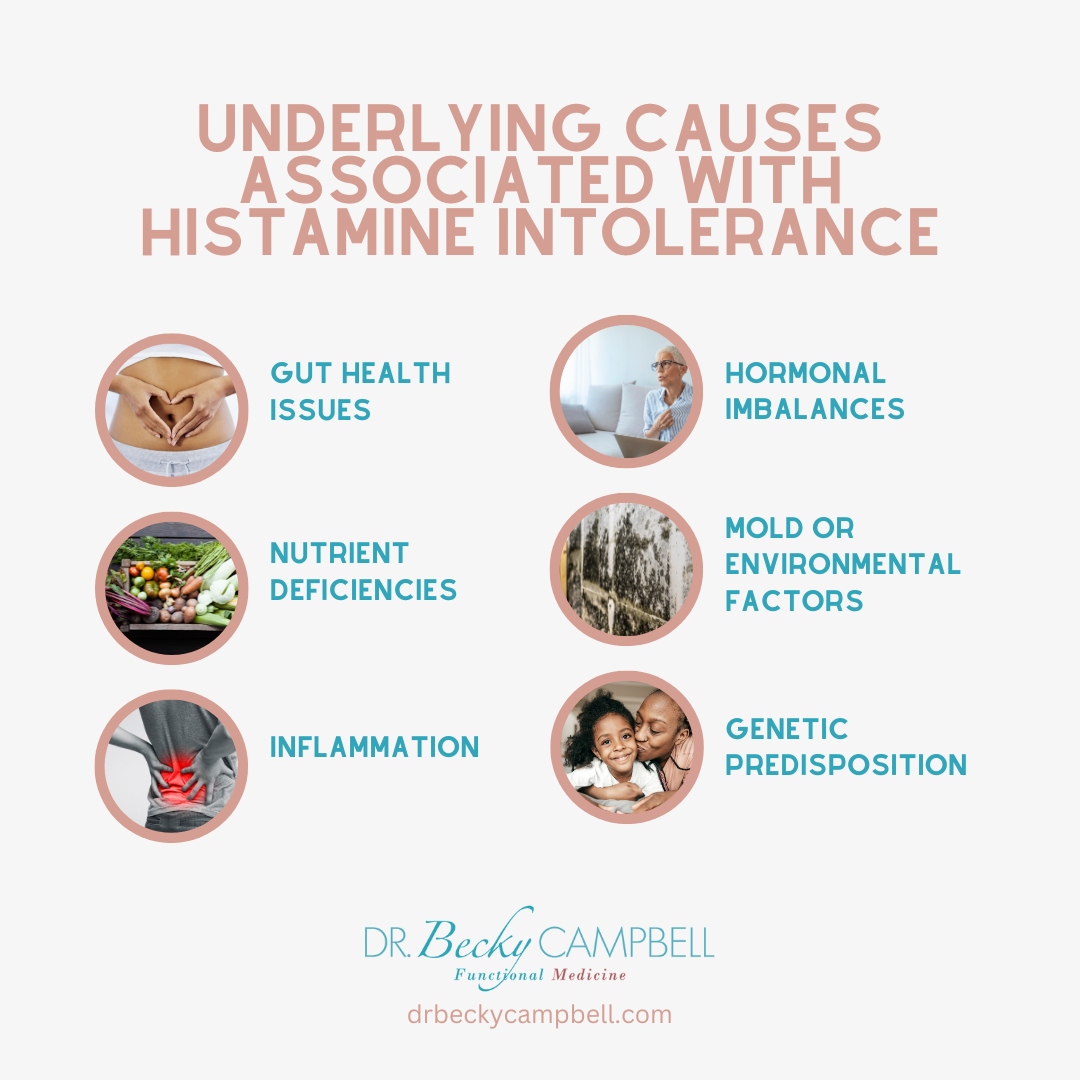
Understanding and addressing the underlying causes of histamine intolerance is crucial for long-term treatment and management. While following a low histamine diet can provide symptom relief, it will not address your intolerance's root cause. Here are some of the underlying causes associated with histamine intolerance: [5] [6] [7] [8]
- Gut health issues
- Hormonal imbalances
- Nutrient deficiencies
- Enzyme deficiencies
- Mold and environmental factors
- Inflammation and immune dysregulation
- Stress, anxiety, and other emotional factors
- Genetic predisposition
Identifying and addressing these underlying factors, with the guidance of someone that knows how to help you (hint: my team), can help you manage your histamine intolerance more effectively and help you work towards a more inclusive diet.
Navigating Histamine Intolerance and a Low Histamine Diet
I believe that having a comprehensive approach, including a low histamine diet, is essential for effectively managing histamine intolerance. While adopting a low histamine diet can be a valuable starting point, it is important to recognize that it may not provide the profound and long-lasting healing you deserve.
Long-lasting healing is only possible when you identify and treat the root cause of your histamine reactions. When you work with us, we partner to identify the underlying patterns contributing to your symptoms and devise a plan to provide lasting outcomes. Our revolutionary care model allows you to give your body the care and love it needs to feel like yourself again.
Are you experiencing histamine issues?
Let’s talk!
Schedule a new patient consultation today to get started.
Want more?
Try our Histamine Reset Online Program to begin healing your body on your time.
Resources
- "Histamine Intolerance: The Current State of the Art - PMC - NCBI." 14 Aug. 2020, https://www.ncbi.nlm.nih.gov/pmc/articles/PMC7463562/. Accessed 14 Jul. 2023.
- "Low-Histamine Diets: Is the Exclusion of Foods Justified by Their ...." 21 Apr. 2021, https://www.ncbi.nlm.nih.gov/pmc/articles/PMC8143338/. Accessed 14 Jul. 2023.
- "Histamine intolerance and dietary management: A complete review." https://www.elsevier.es/en-revista-allergologia-et-immunopathologia-105-articulo-histamine-intolerance-dietary-management-a-S0301054616300775. Accessed 14 Jul. 2023.
- "Histamine Intolerance—The More We Know the Less We ... - NCBI." 29 Jun. 2021, https://www.ncbi.nlm.nih.gov/pmc/articles/PMC8308327/. Accessed 14 Jul. 2023.
- "Histamine Intolerance Originates in the Gut - PMC - NCBI." 12 Apr. 2021, https://www.ncbi.nlm.nih.gov/pmc/articles/PMC8069563/. Accessed 14 Jul. 2023.
- "Histamine Intolerance—A Kind of Pseudoallergic Reaction - PMC." 15 Mar. 2022, https://www.ncbi.nlm.nih.gov/pmc/articles/PMC8945898/. Accessed 14 Jul. 2023.
- "Role of Histamine in Modulating the Immune Response and ... - NCBI." https://www.ncbi.nlm.nih.gov/pmc/articles/PMC6129797/. Accessed 14 Jul. 2023.
- "Acute stress modulates the histamine content of mast cells in ... - NCBI." https://www.ncbi.nlm.nih.gov/pmc/articles/PMC2343625/. Accessed 14 Jul. 2023.

Exploring How Histamine Impacts Your Sleep and Ways to Improve It
Do you find yourself tossing and turning, desperately seeking a good night’s sleep? If you find yourself tossing and turning at night, struggling to sleep, there might be an unexpected culprit responsible for your sleep troubles: histamine.
Yes, histamine – a natural chemical our bodies produce–is key to the sleep puzzle. It helps orchestrate a delicate dance within us, regulating our sleep-wake cycle. Normally, histamine levels ebb and flow through the day, nudging us into wakefulness when the sun comes up. But when these levels become imbalanced or go haywire, they can wreak havoc on our rest, leaving us drowsy and worn out.
But together, we’ll shed light on histamine’s role in keeping you wide awake at night and guide you toward restful nights. It’s time to take control of your sleep so that you can wake up feeling refreshed and ready to take on your day!
The Role of Histamine in Sleep-Wake Regulation
Have you ever wondered how your body knows when to wake up and fall asleep?
Well, histamine is partially responsible. This naturally occurring substance in our bodies acts as neurotransmitters and communicates messages in our brains. One of its main jobs is to promote wakefulness and keep us alert during the day, which is vital in our sleep-wake cycle.
When you’re awake and going about your day, it is released by specific brain cells called histaminergic neurons. These neurons produce histamine and send it to different parts of the brain, triggering a chain reaction that promotes wakefulness and alertness.
When histamine is active, it boosts your brain’s activity levels. It helps you stay focused, pay attention, and be ready to respond to things happening around you. It’s like having an internal alarm clock that keeps you awake and attentive during the day.
But histamine’s role doesn’t stop there. It also helps in initiating sleep.
When histamine levels decrease, they signal to your brain that it’s time to wind down and get ready for sleep. As histamine levels lower, other sleep-promoting mechanisms start to take over. These mechanisms include the release of other chemicals and the activation of different brain regions that support sleep. Together, they create the ideal conditions for deep and rejuvenating sleep.
By understanding its role in sleep-wake regulation, we gain the power to optimize our sleep patterns and cultivate healthy sleep habits. With this knowledge, we can make informed choices to prioritize restful nights and energized days.
Influence of Histamine on Sleep Structure and Disruption
It’s role in sleep extends beyond wakefulness promotion. It actively shapes the structure and progression of your sleep stages, and an imbalance in histamine levels can impact sleep quality and contribute to sleep disruptions.
During the sleep cycles, histamine levels undergo significant changes. When we enter the wakeful state, histamine activity increases, promoting alertness and vigilance. As we transition into non-rapid eye movement (NERM) sleep, histamine levels decrease, allowing for deeper and more restorative sleep. However, during rapid eye movement (REM) sleep, histamine activity rises again, contributing to the vivid dreaming experiences characteristic of this stage.
Disruptions in histamine signaling can lead to sleep disturbances. For instance, an excessive release of histamine (commonly called a “histamine dump”) can contribute to insomnia, making it difficult to fall asleep or stay asleep. On the other hand, a deficiency in these levels may result in excessive daytime sleepiness and fragmented sleep patterns.
Histamine Intolerance and Sleep Disruptions
Histamine intolerance is a condition where the body struggles to break down and metabolize histamine, leading to its accumulation. This can result in various symptoms, including sleep disruptions.
Excess histamine can interfere with sleep-wake cycles, making it difficult to fall, stay, or experience restful sleep. It can also increase wakefulness, making achieving deep and restorative sleep challenging. Other sleep-related issues, such as insomnia, vivid dreaming, or restless legs syndrome, may also be triggered by histamine intolerance.
Symptoms of Histamine Intolerance at Night

Histamine intolerance can manifest with various symptoms at night, impacting sleep quality. Here are some common symptoms of histamine intolerance that may occur specifically during nighttime:
- Insomnia
- Night sweats
- Restlessness and tossing
- Itching and skin irritation
- Heartburn and acid reflux
- Nasal congestion, sneezing, or difficulty breathing
- Vivid dreams or nightmares
Experiencing these symptoms doesn’t necessarily indicate histamine intolerance, as various factors can contribute to them. But, if you suspect histamine intolerance or have persistent sleep disturbances, talk with your healthcare provider to evaluate your symptoms and get personalized guidance.
Contributing Factors for Histamine-Related Sleep Issues
Allergies
Allergies trigger an immune response in the body, leading to histamine release. When histamine levels increase due to allergies, it can result in symptoms like nasal congestion, sneezing, and itching, disrupting sleep and making breathing difficult.
Histamine-Rich Foods
Certain foods are naturally high in histamine or can stimulate histamine release in the body. Consuming these foods can contribute to histamine overload, leading to symptoms like insomnia, restlessness, and digestive issues, which can interfere with sleep quality. Additionally, some individuals may have specific food intolerances or sensitivities that trigger histamine-related symptoms, further impacting sleep.
Learn more about cooking low-histamine foods with my cookbook, Low Histamine Cooking in Your Instant Pot.
Medications
Certain medications can interfere with histamine metabolism or directly release histamine in the body. For example, antihistamines are commonly used to block histamine receptors and alleviate allergy symptoms, but they can also have sedating effects that aid in promoting sleep. Conversely, some medications, such as certain antidepressants or pain medications, can increase histamine levels or interfere with its breakdown, potentially leading to sleep disturbances.
Stress
High levels of stress can impact histamine levels and exacerbate histamine-related symptoms. Stress can stimulate histamine release in the body and disrupt sleep patterns, leading to difficulties in falling and staying asleep.
Hormonal Changes
Fluctuations in hormone levels, such as during the menstrual cycle or menopause, can affect histamine regulation and contribute to sleep disruptions.
Environmental Triggers
Environmental factors, such as allergens, pollutants, or irritants, can trigger histamine release in susceptible individuals. Exposure to these triggers, particularly during sleep, can result in nasal congestion, sneezing, and other symptoms that disturb sleep.
Underlying Health Conditions
Certain medical conditions, such as mast cell activation syndrome (MCAS) or some gastrointestinal disorders, can be associated with histamine intolerance and impact sleep. Addressing and managing these underlying conditions is crucial for improving sleep quality.
Alcohol and Other Beverages
Alcohol consumption can stimulate histamine release and disrupt sleep. Additionally, beverages like wine, beer, and fermented drinks contain histamine, which can contribute to the overload and sleep disturbances.
Strategies for Improving Sleep in Histamine-Sensitive Individuals

If you are sensitive to histamine and experience sleep disruptions, specific strategies can help improve your sleep quality. Here are some strategies to try:
- Consider a low-histamine diet: Some people find relief by following a low-histamine diet, which involves avoiding foods with high histamine content and focusing on fresh, low-histamine alternatives. This approach can help reduce the overload and alleviate symptoms affecting sleep.
- Identify the root of your histamine intolerance: By pinpointing specific root causes, such as dietary triggers, gut health issues, hormonal imbalances, environmental allergens, or underly medical conditions, you can take targeted steps to address them and significantly improve your sleep quality.
- Practice good sleep hygiene: Establish a consistent sleep routine by going to bed and waking up at the same time every day, even on weekends. Create a relaxing sleep environment that is cool, dark, and quiet, and avoid stimulating activities and electronic devices close to bedtime.
- Reduce stress: Incorporate stress-reducing techniques into your daily routine, such as meditation, deep breathing exercises, or gentle yoga. Managing stress levels can help balance histamine levels and promote better sleep.
Everyone’s response to histamine and strategies for managing histamine-related sleep issues may vary. It’s important to find an approach that works best for you.
Get Started On Your Journey to Wellness
It’s never too late to get started on your journey to wellness! And I’m living proof of that!
I was in my 30s and a practicing functional medicine provider before I began piecing together my histamine intolerance issues. But when I realized that my symptoms and food sensitivities were being driven by histamine intolerance, I began following the plan outlined in my book and online programs. And now, I can eat most foods without any problems, most of my symptoms are gone, and I live a pretty normal life.
And now it is your turn!
Learn how histamines impact your health and access my simple 3-step plan for overcoming your histamine intolerance with the Histamine Reset Online Program.
It’s time to change and take control of your health! Get started on your wellness journey today!
Resources
- "Histamine in the regulation of wakefulness - PubMed." https://pubmed.ncbi.nlm.nih.gov/20851648/. Accessed 12 Jun. 2023.
- "Histamine: neural circuits and new medications | SLEEP." https://academic.oup.com/sleep/article/42/1/zsy183/5099478. Accessed 12 Jun. 2023.
- "HISTAMINE IN THE REGULATION OF WAKEFULNESS - PMC - NCBI." https://www.ncbi.nlm.nih.gov/pmc/articles/PMC3016451/. Accessed 12 Jun. 2023.
- "Histamine Intolerance: The Current State of the Art - PMC - NCBI." 14 Aug. 2020, https://www.ncbi.nlm.nih.gov/pmc/articles/PMC7463562/. Accessed 12 Jun. 2023.
- "Restless legs syndrome is associated with mast cell activation ...." 15 Mar. 2020, https://www.ncbi.nlm.nih.gov/pmc/articles/PMC7075100/. Accessed 12 Jun. 2023.
- "Evaluation of symptoms and symptom combinations in histamine ...." https://www.ncbi.nlm.nih.gov/pmc/articles/PMC6667364/. Accessed 12 Jun. 2023.
- "The Circadian Clock Drives Mast Cell Functions in Allergic Reactions." 6 Jul. 2018, https://www.ncbi.nlm.nih.gov/pmc/articles/PMC6043637/. Accessed 12 Jun. 2023.

Exploring the Role of Genetics in Histamine Intolerance and Symptom Expression
Uncovering Six Key Genes Behind Histamine Intolerance
Histamine intolerance, with its array of frustrating symptoms, confuses many individuals seeking relief. But here’s the thing: our genetics play a big role in how our body metabolizes histamine.
Yes, you read that right – our very own genes play a role in determining our susceptibility to histamine intolerance. And I’ve experienced this first hand.
You see, I happen to have the MTHFR gene mutation – a genetic quirk that affects how my body handles folate, a crucial nutrient. But little did I know that this seemingly innocent mutation would have a surprising impact on my histamine intolerance journey!
So let’s uncover how genetics influence histamine metabolism and regulation and reveal how six common gene variations can sway the intensity and expression of symptoms.
Is Histamine Intolerance Genetic?
The short answer is yes. Genetic factors can influence your susceptibility to developing histamine intolerance.
Specific histamine metabolism and regulation genes have been associated with an increased risk of histamine intolerance. And variations or mutations in these genes can affect the production or activity of enzymes responsible for breaking down histamine or the sensitivity of histamine receptors in the body.
However, your genetic predisposition alone is not the sole determinant of histamine intolerance. Other factors, such as diet, environmental triggers, and overall health, can also contribute to the development and manifestation of histamine intolerance symptoms.
How do genetics influence histamine intolerance symptoms?

Genetic factors can impact histamine intolerance by influencing diverse elements of histamine metabolism and regulation within the body. The following are several ways in which genes can determine an individual’s vulnerability to histamine intolerance:
- Enzyme Activity: Genes play a role in producing enzymes involved in histamine metabolism. Variations or mutations in genes, such as DAO, can lead to reduced enzyme activity, resulting in impaired histamine breakdown and an increased risk of histamine intolerance.
- Enzyme Regulation: Genes can also influence the regulation of histamine-metabolizing enzymes. Variations in genes such as HNMT or HDC can affect the activity and expression of these enzymes, impacting the production and breakdown of histamine.
- Histamine Receptors: Genes coding for histamine receptors, such as the HRH1 gene, can influence the sensitivity and response to histamine. Genetic variations in these receptors may affect how your body’s cells and tissues react to histamine, potentially contributing to the development of histamine intolerance symptoms.
- Genetic Interactions: Histamine intolerance is likely influenced by the interplay of multiple genes rather than a single gene alone. Different genetic variations can interact with each other or with other factors, controlling your histamine intolerance’s overall risk and severity.
Understanding the genetic aspects of histamine intolerance provides valuable information that allows for a comprehensive approach to managing the condition. Integrating genetic insights with dietary modifications, environmental awareness, and overall health considerations enable me to provide personalized strategies that will help you effectively manage histamine intolerance and mitigate your symptoms.
Six Common Genes That Affect Histamine Intolerance

Several genes have been identified as potentially influencing histamine intolerance. Six of the most common genes associated with histamine intolerance include:
1. DAO
The DAO gene plays a crucial role in producing the enzyme diamine oxidase (DAO), which breaks down histamine in the digestive tract.
DAO typically metabolizes histamine from ingested food or produced by the body to prevent its accumulation and the onset of symptoms. Variations or mutations in the DAO gene can affect the production or activity of the DAO enzyme, leading to impaired histamine breakdown, which causes histamine to accumulate in the body and potentially trigger histamine intolerance symptoms.
People with DAO gene variations may experience headaches, migraines, digestive issues, skin problems, and allergic-like reactions after consuming foods high in histamine or histamine-releasing substances.
2. HNMT
The HNMT gene codes for the enzyme histamine N-methyltransferase (HNMT), which plays a role in the breakdown and inactivation of histamine in the body.
Variations or mutations in the HNMT gene can impact the activity or expression of the HNMT enzyme, affecting the efficiency of histamine metabolism. This leads to reduced histamine breakdown and increased histamine levels in the body.
People with HNMT gene variations may experience symptoms of histamine intolerance, such as headaches, nasal congestion, skin rashes, GI issues, and other allergic-like reactions.
3. Histidine decarboxylase (HDC)
The HDC gene, which stands for histidine decarboxylase, plays a crucial role in the production of histamine within the body.
The HDC gene provides instructions for producing the histidine decarboxylase enzyme, which converts the amino acid histidine into histamine. Variations or mutations in the HDC gene can impact the histidine decarboxylase enzyme’s activity or expression, leading to changes in histamine production. This can result in imbalanced histamine levels, contributing to histamine intolerance symptoms.
When the HDC gene is affected, it can increase or decrease histamine production depending on the specific variation. Higher histamine synthesis can result in an excess of histamine in the body, leading to heightened sensitivity and intolerance symptoms. On the other hand, lower histamine synthesis may affect the body’s ability to maintain optimal histamine levels, contributing to histamine intolerance symptoms.
4. MTHFR
The MTHFR gene, which stands for methylenetetrahydrofolate reductase, is not directly linked to histamine intolerance. However, it plays a crucial role in a biochemical process known as methylation. The MTHFR gene provides instructions for producing the MTHFR enzyme, which converts folate (vitamin B9) into its active form called methylfolate. Methylfolate is a critical component in the methylation process, which affects various bodily functions, including the metabolism and elimination of histamine.
Impairments in the MTHFR gene can result in decreased production or activity of the MTHFR enzyme, leading to reduced methylation capacity. This can affect the body’s ability to regulate histamine levels and may contribute to histamine intolerance symptoms. In addition, individuals with MTHFR gene variations may also have a higher tendency to have imbalances in other methylation-related processes, which can further impact histamine metabolism and intolerance.
So while the connection between the MTHFR gene and histamine intolerance is not direct, it highlights the importance of considering overall methylation capacity in relation to histamine regulation.
5. HRH1
The HRH1 gene plays a role in determining the sensitivity and responses to histamine by encoding the H1 receptor (proteins found on the surface of cells that bind to histamine and mediate its effects).
Altered HRH1 gene variants can lead to increased sensitivity or overactivation of the H1 receptor, causing exaggerated responses to histamine. This heightened sensitivity can contribute to the manifestation of histamine intolerance symptoms, such as skin rashes, itching, nasal congestion, and respiratory difficulties.
Some individuals may have HRH1 genetic variants that result in reduced sensitivity or impaired function of the H1 receptor. In such cases, the body may have difficulty responding appropriately to histamine, potentially leading to histamine accumulation and intolerance symptoms.
6. MAO
The primary role of the Monoamine Oxidase (MAO) enzyme is to degrade biogenic amines like tyramine and catecholamines. Still, it can also impact histamine levels in the body.
When there is insufficient MAO or a change in the gene responsible for its production, histamine levels may be affected. Lower levels of MAO can result in reduced breakdown of histamine, leading to high histamine concentrations in the body. This imbalance can contribute to the development or exacerbation of histamine intolerance symptoms.
Additionally, variations in the gene that controls the production of MAO can also cause fluctuations in the levels of other biogenic amines. When these levels rise alongside histamine, the overall impact on symptoms can be more severe.
Genes Aren’t Everything
Even though these genes have been implicated in histamine intolerance, the understanding of this condition is still evolving, and individual genetic variations may interact with other factors to determine your susceptibility to histamine intolerance.
Remember, genes aren’t everything when it comes to histamine intolerance.
While genetics certainly plays a role, numerous other factors, such as dietary triggers, gut health, hormone balance, environmental allergens, stress levels, underlying medical conditions, medication usage, lifestyle choices, and overall well-being, can affect histamine intolerance. A comprehensive approach that considers all of these factors is important for effectively managing the condition.
If you suspect histamine intolerance, I encourage you to talk with your care to understand your genetic profile better profile and receive individualized guidance in managing histamine intolerance effectively.
Get Started On Your Journey to Wellness
It’s never too late to get started on your journey to wellness! And I’m living proof of that!
I was in my 30s and a practicing functional medicine provider before I began piecing together my histamine intolerance issues. But when I realized that my symptoms and food sensitivities were driven by histamine intolerance, I started following the plan outlined in my book and online programs. And now, I can eat most foods without any problems, most of my symptoms are gone, and I live a pretty normal life.
And now it is your turn!
Learn how histamines impact your health and access my simple 4-step plan for overcoming your histamine intolerance with the Histamine Reset Online Program.
It’s time to change and take control of your health! Get started on your wellness journey today!
Resources
- "Histamine and histamine intolerance - Oxford Academic." 1 May. 2007, https://academic.oup.com/ajcn/article/85/5/1185/4633007. Accessed 31 May. 2023.
- "Molecular Regulation of Histamine Synthesis - PMC - NCBI." 20 Jun. 2018, https://www.ncbi.nlm.nih.gov/pmc/articles/PMC6019440/. Accessed 31 May. 2023.
- "Polymorphisms of two histamine-metabolizing enzymes genes and ...." 1 Nov. 2010, https://www.ncbi.nlm.nih.gov/pmc/articles/PMC2990726/. Accessed 31 May. 2023.
- "Histamine pharmacogenomics - PubMed." https://pubmed.ncbi.nlm.nih.gov/19450133/. Accessed 31 May. 2023.
- "Variability in histamine receptor genes HRH1, HRH2 and HRH4 in ...." https://pubmed.ncbi.nlm.nih.gov/24236486/. Accessed 31 May. 2023.
- "Diamine oxidase supplementation improves symptoms in patients ...." 24 May. 2019, https://www.ncbi.nlm.nih.gov/pmc/articles/PMC6859183/. Accessed 31 May. 2023.
- "Association of single nucleotide polymorphisms in the diamine ...." https://pubmed.ncbi.nlm.nih.gov/21488903/. Accessed 31 May. 2023.
- "Mutations in the histamine N-methyltransferase gene, HNMT, are ...." https://academic.oup.com/hmg/article/24/20/5697/556613. Accessed 31 May. 2023.
- "Histamine N-Methyltransferase in the Brain - PMC - NCBI." 10 Feb. 2019, https://www.ncbi.nlm.nih.gov/pmc/articles/PMC6386932/. Accessed 31 May. 2023.
- "Histamine and histidine decarboxylase: Immunomodulatory ... - NCBI." 12 May. 2020, https://www.ncbi.nlm.nih.gov/pmc/articles/PMC7497259/. Accessed 31 May. 2023.
- "Methylenetetrahydrofolate reductase (MTHFR) C677T polymorphism." https://pubmed.ncbi.nlm.nih.gov/25449138/. Accessed 31 May. 2023.
- "Molecular Biology of Methylenetetrahydrofolate Reductase (MTHFR ...." https://www.ncbi.nlm.nih.gov/books/NBK6561/. Accessed 31 May. 2023.
- "3269 - Gene ResultHRH1 histamine receptor H1 [ (human)] - NCBI." 29 Mar. 2023, https://www.ncbi.nlm.nih.gov/gene/3269. Accessed 31 May. 2023.
- "Why Monoamine Oxidase B Preferably Metabolizes N ... - NCBI." 8 Feb. 2022, https://www.ncbi.nlm.nih.gov/pmc/articles/PMC8836602/. Accessed 31 May. 2023.

Listen to Your Body: 10 Signs of Histamine Intolerance You Shouldn’t Ignore
Are you tired of feeling like you’re constantly battling unexplained symptoms like headaches, fatigue, allergies, or digestive issues? Do you ever wonder what may be causing these symptoms? It might be time to consider histamine intolerance as the culprit! Now, I know what you’re thinking – “histamine what?” – but trust me, it’s real and could be the answer to your mystery symptoms. As someone who has personally struggled with histamine intolerance, I know how frustrating it can be to live with this condition. That’s why I wanted to share my experience and help you identify signs of histamine intolerance.
Let me assure you, it’s not all doom and gloom. The path to feeling better is in listening to your body and identifying the signs of histamine intolerance.
What is histamine intolerance?
Histamine intolerance is a condition where the body cannot properly break down and metabolize histamine, a chemical compound naturally present in certain foods and produced by the body.
When histamine is not broken down properly, it can build up in the body and cause a wide range of symptoms, including headaches, rashes, hives, hitching, fatigue, digestive issues, and more. And even though the symptoms can be similar to those of an allergic reaction, histamine intolerance is not the same as a true allergy.
How common is histamine intolerance?
The prevalence of histamine intolerance is not well understood, and estimates vary widely. Some studies suggest that it may affect up to 1% of the population, while others suggest it may be more common.
It’s important to note that histamine intolerance is often underdiagnosed or misdiagnosed, as its symptoms can be similar to those of other conditions. Additionally, there is no specific diagnostic test for histamine intolerance, so diagnosis typically relies on symptoms and dietary changes.
Even though more research is needed to fully understand the prevalence and causes of histamine intolerance, it is increasingly recognized as a possible underlying factor in a range of unexplained symptoms.

10 Signs of Histamine Intolerance You Shouldn’t Ignore
Histamine intolerance symptoms can be uncomfortable and disruptive, and if left unmanaged, they can worsen over time and lead to chronic health issues. If you’re experiencing signs of histamine intolerance, listening to your body and taking them seriously is important. Because with the proper diagnosis and management, you can reduce and possibly eliminate your symptoms and improve your quality of life.
1. Allergies
Allergies can indicate histamine intolerance because histamine is a key player in the immune response that causes allergic reactions. When the immune system identifies an allergen, such as pollen or animal dander, it triggers the release of histamine, which causes symptoms such as sneezing, itching, and swelling.
In people with histamine intolerance, the body may have difficulty breaking down and metabolizing histamine, leading to excess histamine in the body. This can cause allergy-like symptoms even when there is no specific allergen present.
If you’re experiencing allergy-like symptoms such as runny nose, itchy eyes, or skin rashes without an allergen, histamine intolerance may be the underlying cause.
2. Headaches and Migraines
Histamine is a neurotransmitter that can affect blood vessel dilation in the brain, and elevated histamine levels can cause blood vessels to expand and press against nerve endings. This leads to the pain and discomfort associated with headaches and migraines.
Research has found that people with histamine intolerance are more likely to experience headaches and migraines, particularly in response to certain trigger foods or environmental factors, such as alcohol, aged cheeses, cured meats, and other high histamine foods.
3. Digestive Issues
Histamine is involved in the digestive process. Elevated histamine levels can cause inflammation and irritation in the lining of the gut, damaging the intestinal barrier and leading to leaky gut syndrome. This can allow undigested food particles, bacteria, and other toxins to leak into the bloodstream, triggering an immune response and leading to further inflammation and digestive symptoms.
Histamine intolerance can also lead to more severe digestive issues such as Small Intestinal Bacterial Overgrowth (SIBO) and inflammatory bowel disease (IBD). High histamine levels can also disrupt the balance of gut bacteria, leading to dysbiosis and further exacerbating digestive symptoms such as bloating, gas, abdominal pain, diarrhea, and constipation.
4. Skin Concerns
Histamine plays a critical role in the immune response that causes inflammation and irritation in the skin. Elevated histamine levels can lead to various skin symptoms, including:
- Hives: raised, itchy, and red welts on the skin that appear anywhere on the body.
- Eczema: A chronic inflammatory skin condition characterized by dry, itchy, and inflamed skin.
- Rosacea: A chronic inflammatory skin condition that causes redness, flushing, and visible blood vessels on the face.
- Pruritus: Intense skin itching, often accompanied by a rash.
If you’re experiencing skin issues, histamine intolerance may be a contributing factor, and identifying trigger foods, making dietary changes, or taking supplements may help improve your symptoms.
5. Food Intolerances
Histamine is present in many foods. High-histamine foods contain high histamine levels or trigger the release of histamine in the body. For people with histamine intolerance, consuming these foods can cause various symptoms, including headaches, migraines, digestive issues, and skin reactions.
Some high-histamine foods include:
- Aged and fermented cheeses, such as cheddar, blue cheese, and gouda
- Fermented foods, such as sauerkraut, kimchi, and kombucha
- Cured meats, such as salami, pepperoni, and harm
- Smoked fish, such as salmon, mackerel, and tuna
- Vinegar and foods containing vinegar, such as pickles, mustard, and ketchup
- Alcoholic beverages, especially wine, beer, and champagne
- Dried fruits, such as raisins, dates, and figs
- Nuts, such as walnuts, cashews, and peanuts
- Chocolate and cocoa products
Not everyone with histamine intolerance will react to all of these foods, and some people may have different trigger foods. Some people with histamine intolerance may also be sensitive to certain foods that trigger the release of histamine, including shellfish, citrus fruits, strawberries, and tomatoes.
6. Cardiovascular Symptoms
Histamine can cause blood vessels to dilate and become more permeable, which can lead to a range of cardiovascular symptoms, including:
- Low blood pressure
- Rapid or irregular heartbeat
- Flushing or redness of the skin
- Swelling or edema, especially in the legs or ankles
Histamine intolerance can also cause chest pain or palpitations in some cases, though these symptoms are usually not life-threatening.
7. Environmental Sensitivities
Histamine intolerance can cause a range of environmental sensitivities due to how histamine interfaces with the body. When histamine is released in response to environmental triggers such as pollen, dust mites, or mold, it can cause inflammation in the body, leading to a variety of symptoms, including:
- Sneezing
- Runny or stuffy nose
- Itchy, water eyes
- Skin rash or hives
- Asthma or difficulty breathing
Not all environmental sensitivities are caused by histamine intolerance, and proper diagnosis is key to manage your symptoms effectively.
8. Flushing
Histamine intolerance can cause flushing due to how histamine interacts with the body’s blood vessels. Histamine can cause the blood vessels to dilate, leading to increased blood flow and redness of the skin. This can result in flushing or a warm sensation in the face, neck, and upper body.
In people with histamine intolerance, flushing can occur due to consuming high-histamine foods or other triggers that cause a histamine release in the body. Other symptoms accompanying flushing include headaches, dizziness, and gastrointestinal issues such as nausea or diarrhea.
9. Nerve Issues
Histamine is a neurotransmitter that helps regulate the body’s response to stress and injury. In people with histamine intolerance, an excess of histamine can cause nerve-related symptoms such as tingling, numbness, and burning sensations in the extremities. These symptoms may be more pronounced after consuming high-histamine foods or other triggers that cause a release of histamine in the body.
Histamine can also cause inflammation in the body, further exacerbating nerve-related symptoms. This is because inflammation can damage nerve cells and disrupt the normal functioning of the nervous system. Over time, chronic inflammation can lead to more severe nerve-related symptoms, such as muscle weakness, tremors, and even loss of sensation in the affected area.
10. Hormone Issues or Imbalances
Histamine can affect the body’s production and regulation of several hormones. For example, it can inhibit the release of luteinizing hormone (LH), which is involved in the production of estrogen and progesterone in women. This can lead to irregular menstrual cycles, heavy bleeding, estrogen dominance, and other menstrual-related symptoms.
Histamine can also affect the production and activity of thyroid hormone, which is important for regulating metabolism and energy levels. In people with histamine intolerance, the increased production of histamine can lead to symptoms such as fatigue, weight gain, and changes in mood and energy levels.
Histamine can also affect the production and regulation of cortisol, a hormone involved in the body’s stress response. In people with histamine intolerance, the increased production of histamine can lead to increased cortisol production, which can cause anxiety, irritability, and insomnia.
Hormone issues or imbalances can have many causes, and histamine intolerance is just one potential contributing factor. However, if you are experiencing hormone-related symptoms or any other signs of histamine intolerance, I encourage you to talk to your care provider to rule out other potential causes and develop a comprehensive treatment plan.
More…
There are so many more things that could be possible signs of histamine intolerance, and we only hit on the biggest ten! I can’t help myself. I need to drop in a few more signs you shouldn’t ignore.
Some additional signs of histamine intolerance may include:
- Fatigue and low energy
- Anxiety and depression
- Insomnia
- Wheezing, coughing, and shortness of breath
- Nasal congestion
- Joint pain and stiffness
- Muscle aches and pains
- Dizziness and lightheadedness
Heal the Root Cause and Find Relief from Histamine Intolerance
It’s possible to find relief from histamine intolerance!
I did!
And when I pieced together the puzzle of my histamine intolerance, it was life changing. Today, I’m able to eat most foods without any problems, and most of my symptoms are gone!
You, too, can experience similar relief from the puzzling and debilitating symptoms of histamine intolerance!
Discover what is driving your histamine intolerance symptoms and how to support your body with my four-phase wellness program by scheduling a consultation today.
Not sure if you’re reading for a consultation? Try our Histamine Reset Online Program to begin healing your body on your time.
Resources
- "Histamine Intolerance—The More We Know the Less We ... - NCBI." 29 Jun. 2021, https://www.ncbi.nlm.nih.gov/pmc/articles/PMC8308327/. Accessed 5 May. 2023.
- "Finding suitable population thresholds for geographic aggregations." https://www.sciencedirect.com/science/article/am/pii/S1877584520300174. Accessed 5 May. 2023.
- "Histamine Intolerance: The Current State of the Art - PMC - NCBI." 14 Aug. 2020, https://www.ncbi.nlm.nih.gov/pmc/articles/PMC7463562/. Accessed 5 May. 2023.
- "Histamine and Migraine - PubMed." 1 Sep. 2017, https://pubmed.ncbi.nlm.nih.gov/28862769/. Accessed 8 May. 2023.
- "Histamine Intolerance Originates in the Gut - PMC - NCBI." 12 Apr. 2021, https://www.ncbi.nlm.nih.gov/pmc/articles/PMC8069563/. Accessed 8 May. 2023.
- "Histamine drives severity of innate inflammation via ... - NCBI." 24 Jan. 2018, https://www.ncbi.nlm.nih.gov/pmc/articles/PMC5976516/. Accessed 8 May. 2023.
- "Intestinal Dysbiosis in Patients with Histamine Intolerance - PMC." 23 Apr. 2022, https://www.ncbi.nlm.nih.gov/pmc/articles/PMC9102523/. Accessed 8 May. 2023.
- "[Histamine intolerance--possible dermatologic sequences] - PubMed." https://pubmed.ncbi.nlm.nih.gov/23814966/. Accessed 8 May. 2023.
- "Histamine Intolerance: The Current State of the Art - PMC - NCBI." 14 Aug. 2020, https://www.ncbi.nlm.nih.gov/pmc/articles/PMC7463562/. Accessed 8 May. 2023.
- "Histamine Blood Concentration in Ischemic Heart Disease Patients." https://www.ncbi.nlm.nih.gov/pmc/articles/PMC3114553/. Accessed 8 May. 2023.
- "Blood histamine is associated with coronary artery disease, cardiac ...." https://pubmed.ncbi.nlm.nih.gov/12611642/. Accessed 8 May. 2023.
- "Clinical Evidence of the Role of Histamine in Heart Failure." 28 Mar. 2016, https://www.jacc.org/doi/10.1016/j.jacc.2016.01.046. Accessed 8 May. 2023.
- "Flushing Disorders Associated with Gastrointestinal Symptoms: Part ...." https://www.ncbi.nlm.nih.gov/pmc/articles/PMC6108509/. Accessed 8 May. 2023.
- "Histamine, histamine receptors, and neuropathic pain relief - NCBI." https://www.ncbi.nlm.nih.gov/pmc/articles/PMC7012972/. Accessed 8 May. 2023.
- "The role of histamine in neurogenic inflammation - PMC - NCBI." 15 Aug. 2013, https://www.ncbi.nlm.nih.gov/pmc/articles/PMC3764847/. Accessed 8 May. 2023.

Top 7 Ways to Naturally Treat Your Allergy Symptoms
The Allergy and Asthma Foundation of America estimates that more than 100 million people in the U.S. experience various types of allergies each year. The chances are pretty good that you or someone you know struggles with allergies and could use some relief. When your allergy symptoms flare up, you likely turn to over-the-counter or prescription-strength medications. But, pharmaceuticals, such as acetaminophen and antihistamines, only mask or hide your symptoms and do little to help you find long-lasting relief from allergies.
But the good news is that you can keep your allergies under control and tackle their root cause by understanding the role of histamine in your allergies.
So let’s banish those allergies and help you find long-lasting relief.
What are allergies?
Allergies are an overreaction of the immune system to substances that are usually harmless to most people. These substances, called allergens, can trigger a response in some individuals that causes symptoms ranging from mild to severe.
Common allergens include pollen, dust mites, animal dander, certain foods, insect venom, and some medications.
Allergic Reactions Explained
An allergic reaction occurs when the immune system mistakes a normally harmless substance for an allergen and produces an immune response.
When the immune system encounters an allergen, it produces an antibody called immunoglobulin E (IgE), which attaches to mast cells and basophils in the body. When the allergen is reencountered, it binds to the IgE on these cells, causing them to release histamine and other chemicals, which work by helping to counteract the allergen. The immune system causes various allergic symptoms such as itching, swelling, runny nose, and hives.

There are several broad categories of allergies based on the types of allergens that trigger the immune response. These categories include:
- Environmental allergies: These are triggered by environmental substances, such as pollen, dust mites, mold, and animal dander. Environmental allergies are often the cause of seasonal allergies.
- Food allergies: These are triggered by specific foods or food components, such as peanuts, tree nuts, milk, eggs, soy, wheat, and shellfish.
- Insect allergies: These are triggered by venom from insect bites for strings, such as bees, wasps, hornets, and fire ants.
- Drug allergies: These are triggered by medications, such as antibiotics, non-steroidal anti-inflammatory drugs (NSAIDs), and certain chemotherapy drugs.
- Contact allergies: These are triggered by contact with specific substances, such as latex, metals, and certain chemicals.
What is histamine, exactly?
Histamine is a chemical compound naturally produced by cells in the body as a part of the immune system’s response to foreign substances. Stored in specialized cells called mast cells and basophils, histamine is released when the body detects an allergen and is responsible for the physiological responses in the body, including increased blood flow, swelling, and inflammation.
Essentially, histamine is the chemical compound in the body responsible for many symptoms associated with allergic reactions. Unlike an allergic reaction, histamine intolerance occurs when there is an excessive accumulation of histamine in the body. So even though the symptoms of an allergic reaction and histamine intolerance can be similar, they have different underlying causes, and the treatment approaches may differ.
Common Allergy Symptoms and Causes
Allergic reactions can cause a range of symptoms, which can vary depending on the severity of the reaction and the allergen involved. Some common allergy symptoms include:
- Itching, redness, and swelling of the skin
- Hives or a rash on the skin
- Runny or stuffy nose
- Sneezing and congestion
- Coughing
- Wheezing or shortness of breath
- Abdominal pain, nausea, vomiting, or diarrhea
- Swelling of the lips, tongue, or throat
- Dizziness or fainting
What causes allergies?
So many different things can cause allergies, making it difficult to pinpoint what may be contributing to your symptoms. Some of the most common causes of allergies include:
- Pollen from trees, grasses, and weeds
- Dust mites
- Mold spores
- Animal dander from pets, such as cats and dogs
- Foods, especially those known to cause the most food allergies, like gluten, dairy, tree nuts, eggs, soy, and shellfish
- Insect bites and stings
- Latex
- Certain medications, such as antibiotics
- Fragranced personal care or beauty products
It’s not entirely clear why some people develop allergies and others do not, but it is believed that both genetic and environmental factors can play a role. You may be more likely to develop allergies if you have a family history of allergies. Plus, other factors like exposure to pollution, cigarette smoke, and certain viral infections during childhood can increase your risk of developing allergies.
Conventional Treatments for Allergies
Conventional treatments for allergies include:
- Antihistamines, which help block the effects of histamine
- Over-the-counter treatments such as decongestants
- Eye drops
- Corticosteroids, which reduce inflammation
- Immunotherapy involves gradually exposing you to increasing amounts of an allergen to help desensitize the immune system and reduce your reactions.
- Allergy shots
It’s important to note that these treatments do not cure allergies because they do not address the underlying cause. They only help alleviate or even hide the symptoms.
Regarding allergies, your immune system produces an allergic reaction because it senses something isn’t right within your body. Taking or using prescribed medications or over-the-counter products for allergies only addresses the symptoms (itchy skin, watery eyes, or a rash, for example). They do not help build your natural defense system for long-lasting allergy relief.
So what is an allergy sufferer to do?
Finding a solution that resolves symptoms and avoids unwanted side effects may feel impossible, but many natural remedies can relieve allergies by improving the immune system’s function.
And even though it may take several weeks for your symptoms to subside, you’ll likely be able to keep your allergies under control in the future because you’re working to tackle the root cause, not just the symptoms.
7 Ways to Naturally Treat Your Allergy Symptoms

Try these eight ways to treat your allergy symptoms naturally.
1. Quercetin
Quercetin is a type of flavonoid, a plant pigment with antioxidant and anti-inflammatory properties. It is found in many foods, such as onions, apples, berries, citrus fruits, grapes, broccoli, green tea, and red wine though you can also take it in supplement form.
Research suggests that quercetin may have various health benefits, including anti-inflammatory effects, antioxidant effects, immune system support, heart health, and brain health. Try my HistoRelief supplement, which contains quercetin, nettle, vitamin C, and potassium, to help naturally support your histamine levels.
2. Stinging Nettle
Stinging nettle is a plant native to Europe, Asia, and North America. Despite its name, stinging nettle has a variety of uses and health benefits. Singing nettle, consumed as a tea, treats conditions such as arthritis, allergies, and urinary tract infections.
Stinging nettle contains various nutrients and bioactive compounds, including vitamins A and C, calcium, magnesium, iron, potassium, and flavonoids. Plus, it is a natural source of histamine, which can help alleviate allergy symptoms in some people.
3. Local Bee Pollen and Raw Honey
Local honey contains small amounts of pollen from local plants, which can help desensitize the immune system to allergens and reduce the severity of allergy symptoms. One study discovered that patients taking honey “reported a 60 percent lower total symptom score, twice as many asymptomatic days, and 70 percent fewer days with severe symptoms.”
Bonus, raw honey also contains enzymes that help boost your immune system.
4. Anti-inflammatory and Low Histamine Diet
An anti-inflammatory diet may help alleviate allergy symptoms by reducing inflammation and your risk for allergies and many other health problems. Providing your body with nutrient-dense foods allows your immune system to repair itself, bringing it back to balance to fight common environmental allergies.
A low histamine diet focuses on reducing the intake of foods that are high in histamine or trigger the release of histamine in the body. Many foods recommended on an anti-inflammatory diet, such as fresh fruits and vegetables, are also low in histamine. Additionally, some foods high in histamine, such as processed and packaged foods, are also likely to promote inflammation in the body.
Here are some anti-inflammatory and low-histamine dietary recommendations:
- Eat plenty of fruits and vegetables rich in antioxidants
- Choose healthy fats, such as omega-3 fatty acids found in fresh, fatty fish, chia seeds, and flaxseeds
- Avoid refined carbohydrates like white bread, pasta, and sugar
- Limit dairy
- Use spices and herbs like ginger, turmeric, garlic, and rosemary for their anti-inflammatory properties
- Drink plenty of water
- Limit alcohol and caffeine
- Avoid fermented foods, smoked meats, and aged cheeses
- Avoid or limit citrus fruits, tomatoes, spinach, and chocolate
5. Vitamin D
Vitamin D is primarily known for its role in bone health, but it may also have a role in reducing allergy symptoms. Some studies have suggested that vitamin D can help modulate the immune system and reduce inflammation, alleviating allergy symptoms.
Increase your vitamin D intake by spending 10-15 minutes in the sun daily or utilize a vitamin D supplement.
6. Probiotics
A strong immune system starts with a healthy gut because more than 80 percent of your immune function is stored there. So, it’s no wonder that research supports using probiotics to reduce allergies.
Probiotics are beneficial bacteria that are good for your digestive system and boost the immune system. Which, in turn, helps reduce the severity of allergy symptoms. However, many probiotics are high in histamine, so selecting a histamine-degrading probiotic is essential. One of the best probiotics is by Seeking Health, as it contains only strains shown to be histamine-friendly.
7. Nasal Irrigation
Nasal irrigation, or nasal lavage or wash, involves flushing the nasal passages with a saline solution. This can help relieve nasal congestion, reduce inflammation, and alleviate allergy symptoms by removing allergens, irritants, and excess mucus from the nose.
Banish Your Allergies and Reset Your Body
Deep and lasting healing is only possible when the root causes of illness are addressed. Understanding the core systems of the body, how they are related, and how your function can be restored can prevent allergies.
Banishing your allergies with these 7 natural treatment options is a great place to start. But resetting your body for true healing can require further investigation and support to uncover the root cause of your symptoms.
When you work with us, we partner to identify the underlying patterns contributing to your symptoms and devise a plan to provide lasting outcomes. Our revolutionary care model allows you to give your body the care and love it needs to feel like yourself again.
Schedule a new patient consultation today to get started.
Are you still preparing for a consultation? Try our Histamine Reset Online Program to begin healing your body on your time.
Research I
- "Allergy Facts | AAFA.org." https://aafa.org/allergies/allergy-facts/. Accessed 4 Apr. 2023.
- "Allergy - StatPearls - NCBI Bookshelf." 8 Feb. 2023, https://www.ncbi.nlm.nih.gov/books/NBK545237/. Accessed 4 Apr. 2023.
- "Allergies: Overview - InformedHealth.org - NCBI Bookshelf." 23 Apr. 2020, https://www.ncbi.nlm.nih.gov/books/NBK447112/. Accessed 4 Apr. 2023.
- "The development of allergic inflammation - PMC - NCBI." https://www.ncbi.nlm.nih.gov/pmc/articles/PMC3573758/. Accessed 4 Apr. 2023.
- "Immunoglobulin E - StatPearls - NCBI Bookshelf." https://www.ncbi.nlm.nih.gov/books/NBK482212/. Accessed 4 Apr. 2023.
- "Types of Allergies | AAFA.org." https://aafa.org/allergies/types-of-allergies/. Accessed 4 Apr. 2023.
- "Biochemistry, Histamine - StatPearls - NCBI Bookshelf." 8 May. 2022, https://www.ncbi.nlm.nih.gov/books/NBK557790/. Accessed 4 Apr. 2023.
- "Histamine - an overview | ScienceDirect Topics." https://www.sciencedirect.com/topics/immunology-and-microbiology/histamine. Accessed 4 Apr. 2023
- "Allergy Symptoms | AAFA.org." https://aafa.org/allergies/allergy-symptoms/. Accessed 4 Apr. 2023.
- "Advances in the clinical and mechanism research of pollen induced ...." 15 Feb. 2019, https://www.ncbi.nlm.nih.gov/pmc/articles/PMC6420698/. Accessed 4 Apr. 2023.
- "Respiratory allergy caused by house dust mites: What do we really ...." https://www.sciencedirect.com/science/article/pii/S0091674914014821. Accessed 4 Apr. 2023
- "Mold and dampness exposure and allergic outcomes from birth to ...." 28 Nov. 2016, https://www.ncbi.nlm.nih.gov/pmc/articles/PMC5434946/. Accessed 4 Apr. 2023.
- "Recent Understandings of Pet Allergies - PMC - NCBI." 27 Jan. 2016, https://www.ncbi.nlm.nih.gov/pmc/articles/PMC4755411/. Accessed 4 Apr. 2023
Research II
- "Identifying Causes of Food Allergy & Assessing Strategies for ...." https://www.niaid.nih.gov/diseases-conditions/food-allergy-causes-prevention. Accessed 4 Apr. 2023.
- "A review on Respiratory allergy caused by insects - PMC - NCBI." 22 Dec. 2018, https://www.ncbi.nlm.nih.gov/pmc/articles/PMC6563666/. Accessed 4 Apr. 2023.
- "Latex Allergy: Current Status and Future Perspectives - PMC - NCBI." 28 Sep. 2020, https://www.ncbi.nlm.nih.gov/pmc/articles/PMC7532063/. Accessed 4 Apr. 2023.
- "Epidemiology and risk factors for drug allergy - PMC - NCBI." https://www.ncbi.nlm.nih.gov/pmc/articles/PMC3093074/. Accessed 4 Apr. 2023.
- "Fragrance contact allergy: a clinical review - PubMed." https://pubmed.ncbi.nlm.nih.gov/14572300/. Accessed 4 Apr. 2023.
- "Therapeutic Potential of Quercetin: New Insights and Perspectives ...." 14 May. 2020, https://www.ncbi.nlm.nih.gov/pmc/articles/PMC7254783/. Accessed 4 Apr. 2023.
- "Efficacy of Supportive Therapy of Allergic Rhinitis by Stinging Nettle ...." https://www.ncbi.nlm.nih.gov/pmc/articles/PMC5963652/. Accessed 4 Apr. 2023.
- "Birch pollen honey for birch pollen allergy - PubMed." https://pubmed.ncbi.nlm.nih.gov/21196761/. Accessed 4 Apr. 2023.
- "Personalized anti-inflammatory diets for allergic and skin disorders." 11 Feb. 2014, https://www.ncbi.nlm.nih.gov/pmc/articles/PMC4125959/. Accessed 4 Apr. 2023.
- "Vitamin D and molecular actions on the immune system - NCBI." 1 Feb. 2010, https://www.ncbi.nlm.nih.gov/pmc/articles/PMC2861286/. Accessed 4 Apr. 2023.
- "The Interplay between the Gut Microbiome and the Immune System ...." 9 Mar. 2021, https://pubmed.ncbi.nlm.nih.gov/33803407/. Accessed 4 Apr. 2023.
- "The Role of Probiotics in Preventing Allergic Disease - PMC - NCBI." 5 Feb. 2019, https://www.ncbi.nlm.nih.gov/pmc/articles/PMC6406271/. Accessed 4 Apr. 2023.
- "Nasal irrigation for chronic sinus symptoms in patients with allergic ...." https://pubmed.ncbi.nlm.nih.gov/18593081/. Accessed 4 Apr. 2023.
- "Apple cider vinegar boosted immunomodulatory and ... - PubMed." https://pubmed.ncbi.nlm.nih.gov/28602743/. Accessed 4 Apr. 2023.