

Castor Oil Packs: A Simple Yet Powerful Tool for Detoxification
Castor oil packs might seem like the latest wellness trend, especially with their growing popularity on platforms like TikTok, but they’re far from new. This age-old remedy has been used for centuries in various cultures to support health and healing.
Now, thanks to a combination of social media buzz and scientific curiosity, they’re making a well-deserved comeback – especially in the world of functional medicine.
And honestly, it’s no surprise. Castor oil packs offer impressive benefits, from helping your body detoxify more efficiently to easing inflammation, supporting lymphatic flow, and enhancing liver function. (1, 2)
They’re also one of my go-to recommendations for patients—and a cornerstone of my own self-care routine.
What makes castor oil packs so effective? And how can you incorporate them into your routine to maximize their benefits?
Let’s take a look at the science, the practical how-to, and the time-tested wisdom behind this fascinating tool.
What Are Castor Oil Packs?
A castor oil pack is a simple, natural therapy that involves soaking a cloth in castor oil, placing it on the skin – typically over the abdomen or liver area – and applying gentle heat.
Castor oil is derived from the seeds of the Ricinus communis plant, a hardy shrub native to tropical regions. (3) For centuries, traditional medicine, from ancient Egypt to Ayurveda, has revered castor oil for its healing properties.
This plant has played a remarkable role in health practices throughout history, and castor oil packs offer a modern way to harness its benefits. Simple to use yet deeply rooted in tradition, castor oil packs remain a favorite for supporting the body’s natural healing processes.
How Castor Oil Packs Work: The Science
Modern research has uncovered many of castor oil's health benefits, especially when it’s ingested. However, the science of topical use, like castor oil packs, is still evolving.
While we don’t yet have all the answers, much of what we do know points to the power of ricinoleic acid, a unique fatty acid in castor oil that seems to do a little bit of everything. (4)
Although more research is needed to fully understand how castor oil works on the skin, promising studies and practical experience support its benefits – detoxification, reduced inflammation, lymphatic support, and liver health.
Let’s explore what we do know about the science behind these claims.
Detoxification Support
Castor oil packs are believed to help detox your body by enhancing circulation to the liver and stimulating the lymphatic system.
The liver, your body’s natural detox powerhouse, relies on steady blood flow and bile production to process toxins effectively.
While the exact mechanisms aren’t fully understood, studies have shown that ricinoleic acid in castor oil may help stimulate the smooth muscle tissue in your digestive tract, potentially aiding in eliminating waste and improving overall gut motility. (5)
Castor oil packs are a gentle way to encourage the body’s natural detox pathways.
Lymphatic Drainage
Your lymphatic system is critical to detoxification, transporting waste, toxins, and immune cells throughout the body.
Castor oil packs are thought to promote lymphatic circulation, helping to reduce stagnation and encourage proper drainage.
Preliminary studies suggest castor oil can boost the production of certain immune cells, including lymphocytes. These cells play a role in fighting infection and supporting overall immune function. (6)
Stimulating lymph flow using castor oil packs can help the body clear toxins more effectively while reducing fluid retention.
Liver Health
The liver is your body’s filtration system, working tirelessly to break down toxins, hormones, and waste products.
Castor oil packs are often placed directly over the liver, where they are believed to improve circulation to this vital organ. Increased blood flow may support the liver’s natural detox processes, enhancing its efficiency in clearing out harmful substances.
Emerging research also suggests that castor oil may help reduce oxidative stress – a key factor in liver dysfunction – and promote bile production, essential for the digestion and removal of fat-soluble toxins. (7, 8, 9)
While more studies are needed, these early findings highlight why castor oil packs have become a staple for supporting liver health.
Pain Relief and Inflammation
One of the most exciting properties of ricinoleic acid is its anti-inflammatory effect.
Research suggests that castor oil helps modulate the production of prostaglandins – hormone-like compounds involved in the body’s inflammatory response. (10, 11, 12) This may explain why castor oil packs are often used to ease joint pain, muscle tension, and even menstrual cramps.
Additionally, applying castor oil packs locally over areas of discomfort may help reduce swelling and improve tissue healing, thanks to their ability to increase blood flow to the area.
It’s a simple yet powerful way to calm inflammation and find relief.
Benefits of Castor Oil Packs
While detoxification, inflammation relief, lymphatic drainage, and liver health are the main reasons I recommend people use castor oil packs, this versatile remedy offers many other great benefits:
Improved Digestive Health
Castor oil packs can promote circulation in the abdomen, easing bloating, constipation, and improving overall digestion.
Hormonal Balance
Castor oil packs help eliminate excess hormones, potentially aiding in hormonal regulation by supporting liver function.
Menstrual Pain Relief
Applying castor oil packs to the lower abdomen may reduce cramps, relax muscles, and ease pelvic discomfort.
Skin Health
Castor oil’s anti-inflammatory properties may support skin healing, reduce redness, and improve the appearance of scars. (13)
Anxiety and Stress Relief
Castor oil packs can help calm the nervous system and reduce stress by promoting relaxation. (14)
How to Use Castor Oil Packs Safely
Now, for the fun part – how to actually use castor oil packs! While it might seem like a fancy wellness ritual, castor oil packs are actually super simple.
Here’s how to get the most out of this effective remedy.
Step-by-Step Guide to Using Castor Oil Packs
- Cut a Piece of Cloth – Pick a cloth that’s the right size for the area you want to treat. Organic cotton or flannel works great.
- Soak the Cloth – Saturate the cloth with castor oil – just enough to coat it evenly without making it drip.
- Apply the Cloth – Place the cloth directly on your skin, usually over your abdomen or on the right side for the liver.
- Use a Castor Oil Pack Kit – For a mess-free experience, I always recommend using a high-quality castor oil pack kit, which comes with a cloth pack that ties on, making it much easier to use. Just tie it in place over your abdomen or liver area, and you’re ready to go!
- Relax or Sleep – For sensitive people, start with just 5-10 minutes to see how you feel, then gradually increase to an hour or even wear it overnight. I personally love tying on the pack and heading off to bed.
- Wipe Off – After removing the pack, gently clean your skin with warm water or a mild soap to remove any leftover oil.
- Store the Cloth – Store the cloth in a sealed container and refrigerate it for reuse (up to 30 times).
Best Practices and Precautions
There are no hard-and-fast guidelines, but I usually suggest using castor oil packs several times a week for best results. Studies have shown that 60-90 minutes per session, 3-5 times per week for two weeks is effective, but you can use them for longer if needed.
Castor oil packs should be avoided during pregnancy, as they may stimulate uterine contractions. It’s also a good idea to perform a patch test on a small area of skin to check for any allergic reactions. If you have any underlying medical conditions, it’s best to consult with your healthcare provider before using castor oil packs to ensure they’re a safe addition to your routine.
And remember, consistency is key with castor oil packs, so give your body time to respond and don’t rush the process.
Ready to Give Castor Oil Packs a Try?
By now, you know how easy it is to add castor oil packs to your routine and start reaping the benefits for your health. It’s a simple, effective way to support your body’s detox process, reduce inflammation, and take control of your wellness.
But, I also know that sometimes, the journey to feeling your best isn’t always as straightforward as it seems.
If you’re feeling unsure or need a little extra guidance, don’t worry – you’re not alone.
I’m here to help you create a personalized plan that will truly make a difference in your health.
A consult with me is the first step toward lasting wellness, where we’ll dive into your unique needs and get you on the path to reclaiming your health.
Let’s take that next step together – you deserve it!
Resources
- https://pubmed.ncbi.nlm.nih.gov/11534859/
- https://www.sciencedirect.com/topics/neuroscience/castor-oil
- https://pubmed.ncbi.nlm.nih.gov/33515683/
- https://www.sciencedirect.com/topics/neuroscience/ricinoleic-acid
- https://pmc.ncbi.nlm.nih.gov/articles/PMC3384204/
- https://api.semanticscholar.org/CorpusID:52838898
- https://pubmed.ncbi.nlm.nih.gov/39776028/
- https://pubmed.ncbi.nlm.nih.gov/39328466/
- https://draxe.com/nutrition/bile-salts/
- https://pubmed.ncbi.nlm.nih.gov/22615395/
- https://pubmed.ncbi.nlm.nih.gov/11050297/
- https://pmc.ncbi.nlm.nih.gov/articles/PMC11124509/
- https://pmc.ncbi.nlm.nih.gov/articles/PMC8837976/
- https://pmc.ncbi.nlm.nih.gov/articles/PMC11124509/
What Are Biofilms and Why You Need to Know About Them
Have you ever felt like your chronic symptoms just won’t let up, no matter how many changes you make or treatments you try?
Whether it’s relentless gut issues, sinus problems that won’t budge, or the frustrating brain fog that follows you everywhere, it can feel like you’re fighting an invisible enemy.
Here’s a little secret that might just change the way you approach your health: biofilms.
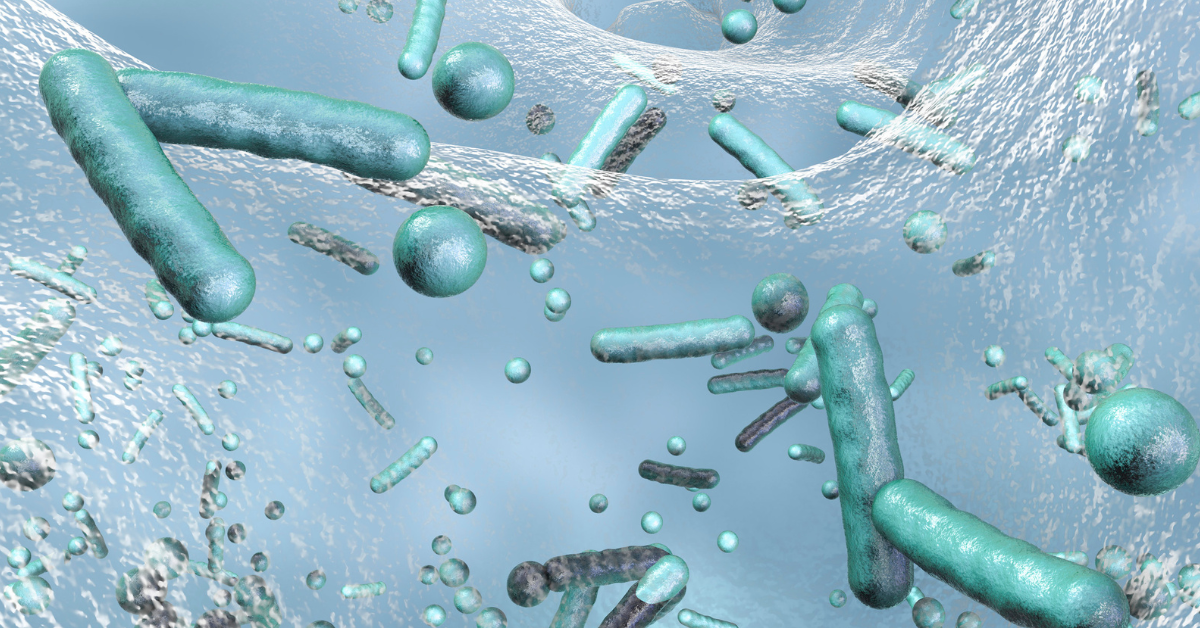
These microscopic, slimy structures are the ultimate secret weapon for bacteria, fungi, and other microbes. (1) They’re like a forcefield, shielding pathogens from your immune system and making them resistant to treatments.
But biofilms aren’t just fascinating little ecosystems – they’re also a major player in chronic illnesses like Mast Cell Activation Syndrome (MCAS), histamine intolerance, and mold illness.
If you’ve been feeling stuck, this hidden layer of microbial defense might be the missing piece of the puzzle.
In this blog, we’re peeling back the layers (literally and figuratively) to explore what biofilms are, why they matter, and how you can break through them to reclaim your health. By the end, you’ll understand these microscopic troublemakers and have actionable steps to start tackling them.
Let’s dive in – biofilms have been hiding long enough.
What Are Biofilms?
Let’s start with a mental picture. Imagine you’ve left a glass of water in the sink for a few days. When you finally get around to cleaning it, you notice a slick, slimy film clinging to the inside. That’s a biofilm – only instead of dirty dishes, these slimy fortresses form inside your body, creating a protective hideout for bacteria, fungi, and other microbes.
In simple terms, a biofilm is a tiny, self-sustaining microbial community. These microbes stick together and construct a shield-like matrix from sugars, proteins, and DNA – a sort of microbial superglue. (2) This matrix anchors them to surfaces in your body, such as your gut lining, sinuses, or skin, and work together to survive, defend themselves from your immune system, and even communicate with one another to adapt and grow. (3)
Here’s where things get tricky: Once microbes are in a biofilm, they become much harder to kill. That protective shield makes them up to 1,000 times more resistant to antibiotics and antimicrobials. Even your body’s natural defenses can struggle to break through. (4)
Why Do Biofilms Matter?
The resilience of biofilms has real consequences for your health. They’re not just microbial shields; they actively disrupt your body’s ability to heal and maintain balance.
By clinging to the gut lining, biofilms can compromise the intestinal barrier, leading to leaky gut and systemic inflammation. This barrier dysfunction can set off a cascade of problems, from poor nutrient absorption to impaired detoxification pathways. Toxins like histamines, mold byproducts, and heavy metals can become trapped, further taxing your system. (5, 6)
Biofilms also create a haven for harmful microbes to persist, even in the face of treatments.
They can sustain chronic infections, amplify inflammation, and weaken your immune system’s defenses. (7)
Left unchecked, they create an environment where chronic illness thrives, keeping you stuck in a frustrating cycle of symptoms.
Breaking down biofilms is more than a tactical strike against microbes; it’s a key step in freeing your body to detoxify, absorb nutrients, and heal effectively. Addressing these fortresses can be the turning point in your journey to better health.
Biofilms and Chronic Illness: How They Keep You Stuck
We’ve already touched on how biofilms can disrupt detoxification processes, gut health, and immune function, but the relationship between biofilms and chronic illness is deeper than interference. These resilient microbial fortresses are often at the root of persistent health issues that don’t seem to resolve with conventional treatments.
Here’s why: Biofilms are like a microbe’s version of an underground bunker. They protect harmful pathogens from your body’s defenses and resist treatments that might otherwise be effective. This protection allows infections to linger long past the typical recovery period, leading to persistent symptoms like fatigue, brain fog, and joint pain. Even when you take antibiotics or antifungals, the biofilm’s protective shield makes it hard for these treatments to reach the microbes inside.
But biofilms do more than harbor pathogens – they actively contribute to the chronic illness cycle.
In the case of mold illness, for example, biofilms can protect mold spores and mycotoxins from being cleared by the immune system, worsening symptoms like brain fog, inflammation, and respiratory issues.
They can also trap histamines, which play a significant role in symptoms of mast cell activation syndrome (MCAS), causing flare-ups of symptoms like headaches, hives, and digestive distress.
This persistence in the face of treatment often leads to an unfortunate cycle. The longer the biofilm exists in your body, the more it perpetuates inflammation, immune dysfunction, and toxic overload.
This means the root cause of many chronic illnesses – whether related to mold, infections, or other conditions – can be biofilms.
They don’t just contribute to illness – they prolong it.
What’s even more challenging is that biofilms can create a sort of “feedback loop” with your immune system.
When biofilms persist, the immune system remains in a heightened state of alert, leading to chronic inflammation. Over time, this inflammation damages tissues and organs, making it harder for the body to heal and increasing susceptibility to further infections and illnesses.
Breaking Down Biofilms: What Can You Do?
There is good news here!
You can take actionable steps to reduce and break down biofilms using a combination of targeted foods, enzymes, and supplements. A holistic approach can help your body dismantle these microbial fortresses and support detoxification, immune function, and healing.
Let’s look at some key strategies that may work for you.
Dietary Strategies to Reduce Biofilms
Certain foods have natural biofilm-busting properties. By adding these to your diet, you can help disrupt biofilm formation and support overall health:
- Manuka honey and propolis: These powerful natural substances have been shown to break down biofilms while supporting immune function. They may also inhibit histamine release, relieving those sensitive to histamines. (8, 9, 10)
- Ginger and garlic: These antimicrobial powerhouses help break down biofilm and support overall gut health, while ginger can also act as an anti-inflammatory to help with histamine intolerance. (11, 12)
- Coconut oil: Contains caprylic acid, which disrupts fungal biofilms and has anti-inflammatory benefits. (13)
- Apple cider vinegar: The acetic acid in vinegar may help break down biofilms, plus it has been known to aid digestion and support a balanced gut microbiome. (14)
- Olive oil: Rich in oleic acid, olive oil can help reduce biofilm formation and inflammation. It also supports the gut by promoting healthy microbiota, which may further support your immune system. (15)

Enzyme-Based Biofilm Disruption
Certain enzymes can also be incredibly effective at breaking down biofilms. These enzymes target the sticky matrix that holds the biofilm together, making it easier for your body to eliminate trapped microbes and toxins.
Common enzymes to consider include:
- Nattokinase and serrapeptase: Both are proteolytic enzymes that may help break down the proteins in biofilms. (16, 17)
- Lumbrokinase: A fibrinolytic enzyme that may help clear out biofilms and improve overall circulation.
Supplements to Help Reduce Biofilm Formation
In addition to dietary strategies, certain non-herbal and herbal supplements can offer targeted support in breaking down biofilms.
These supplements interfere with biofilm formation, support immune function, and enhance detoxification. While each supplement offers unique benefits, incorporating them into your routine may help restore balance, clear toxins, and support your body's healing processes.
As always, it’s essential to consult a healthcare provider before adding new supplements to your regimen.
Non-Herbal Supplements for Biofilm Disruption
- Zinc: Supports immune function and may interfere with the biofilm matrix, helping to reduce its formation. (18)
- Magnesium: Can aid in breaking down biofilms and support cellular repair, promoting overall healing. (19)
- NAC (N-acetylcysteine): A potent antioxidant that may help degrade biofilms and reduce oxidative stress. (20)
- Chitosan: This fiber supplement can bind to biofilms, potentially pulling them apart and preventing microbial growth. (21)
- EDTA: A chelating agent that can help remove minerals that microbes rely on, weakening their ability to form biofilms. (22)

Herbal Supplements for Biofilm Disruption
- Curcumin (Turmeric): Known for its anti-inflammatory properties, curcumin also helps disrupt biofilms and supports immune health. (23)
- Berberine: This alkaloid has been shown to interfere with bacterial adhesion and biofilm formation. (24)
- Oregano oil: Contains carvacrol, which has antimicrobial properties that can help reduce biofilm integrity. (25)
- Boswellia: Known for its anti-inflammatory effects, Boswellia may also disrupt biofilm formation, especially in the gut. (26)
- Neem: This herb has potent antimicrobial and anti-inflammatory properties, which may help reduce biofilm growth. (27)

My Favorite Biofilm Buster
After exploring dietary strategies and supplements, it’s time to highlight one of my favorite tools for tackling biofilms: BioFilm Max.
This supplement combines powerful enzymes like Nattokinase and Serrapeptase with other biofilm-busting ingredients, helping break down the stubborn microbial barriers contributing to chronic symptoms.
I typically introduce BioFilm Max when a patient is ready to target biofilms more aggressively – often after we’ve laid the groundwork with dietary changes and basic supplements.
For mold illness patients, this product is a game-changer.
It helps to clear the biofilm that shelters mold toxins, enabling the body to detox more effectively. Many of my patients find significant relief after incorporating it into their routine, and it’s become a staple in my approach to supporting mold recovery.
As always, timing and dosage are essential, so I recommend working with a healthcare provider to tailor the use of BioFilm Max to your specific needs. This is not just about taking a supplement – it’s part of a comprehensive strategy to restore balance and promote healing from the inside out.
Additional Tips For Reducing Biofilm Formation
- Follow a nutrient-dense, anti-inflammatory diet: Focus on whole foods like leafy greens, vegetables, and quality proteins. Avoid inflammatory foods like processed sugars and refined carbs.
- Support detox pathways: Regularly engage in activities that support liver function, such as drinking plenty of water, sweating through exercise or saunas, using castor oil packs, and enjoying Epsom salt baths.
- Maintain oral hygiene: Brush and floss regularly, use a tongue scraper, and consider oil pulling to reduce oral biofilm.
- Prioritize gut health: Incorporate bone broth for its collagen-promoting amino acids, L-Glutamine to support gut lining repair, collagen peptides for anti-inflammatory benefits, and high-quality probiotics to balance the gut microbiome. This combination nurtures a healthy gut and enhances the body's natural healing process.
- Limit exposure to toxins: Minimize environmental toxins, including mold, and keep your living space well-ventilated and free from moisture buildup.
Conquering Biofilms for Better Health
Biofilms might be invisible, but their impact on your health is undeniable. These slimy shields not only protect harmful microbes but also block your detox pathways, fueling chronic illness. You can dismantle biofilms and supercharge your recovery by using a strategic mix of nutrient-dense foods, supplements, and detox-friendly practices.
You don’t have to navigate this alone.
A personalized plan can make all the difference in overcoming biofilms and reclaiming your health. Schedule your consultation today and take the first step toward lasting wellness!
Resources
- https://pmc.ncbi.nlm.nih.gov/articles/PMC2732559/
- https://pubmed.ncbi.nlm.nih.gov/37091673/
- https://pubmed.ncbi.nlm.nih.gov/37712058/
- https://pmc.ncbi.nlm.nih.gov/articles/PMC9576500/
- https://pubmed.ncbi.nlm.nih.gov/36644597/
- https://pubmed.ncbi.nlm.nih.gov/35406643/
- https://pubmed.ncbi.nlm.nih.gov/33102249/
- https://pmc.ncbi.nlm.nih.gov/articles/PMC3970805/
- https://pubmed.ncbi.nlm.nih.gov/19308800/
- https://pubmed.ncbi.nlm.nih.gov/24347888/
- https://journals.plos.org/plosone/article?id=10.1371/journal.pone.0076106
- https://journals.asm.org/doi/10.1128/aac.49.1.473.2005
- https://pmc.ncbi.nlm.nih.gov/articles/PMC6811426/
- https://pubmed.ncbi.nlm.nih.gov/26155378/
- https://pubmed.ncbi.nlm.nih.gov/25976122/
- https://pubmed.ncbi.nlm.nih.gov/26044292/
- https://pubmed.ncbi.nlm.nih.gov/16757752/
- https://pubmed.ncbi.nlm.nih.gov/23509865/
- https://pubs.rsc.org/en/content/articlelanding/2015/ra/c5ra00027k#!divAbstract
- https://pubmed.ncbi.nlm.nih.gov/25339490/
- https://pubmed.ncbi.nlm.nih.gov/24013184/
- https://pmc.ncbi.nlm.nih.gov/articles/PMC1393226/
- https://onlinelibrary.wiley.com/doi/10.1155/2014/186864
- https://www.sciencedirect.com/science/article/abs/pii/S0924857908005797
- https://pubmed.ncbi.nlm.nih.gov/17374894/
- https://pmc.ncbi.nlm.nih.gov/articles/PMC3066120/
- https://pubmed.ncbi.nlm.nih.gov/24347888/
Chemical Sensitivity 101: Taking Control in a Trigger-Filled World
Living with chemical sensitivity can feel like you're always on high alert – like walking through a world full of invisible landmines. One moment, you’re perfectly fine, and the next, you’re dealing with a headache, skin irritation, or brain fog that hits out of nowhere.
For those of us with multiple chemical sensitivity (MCS), it’s not just an inconvenience; it’s a daily challenge that can turn everyday activities into survival mode. (1)
I get it – managing MCS is no easy feat.
It's frustrating when something as simple as a scented candle or a cleaning product can leave you feeling miserable while the people around you seem unaffected.
In this guide, I’ll break down what chemical sensitivity is, what causes it, how to identify it, and – most importantly – how to manage it so you can live your life with fewer triggers and more peace of mind.
If you’ve been struggling with MCS, I’m here to help you make sense of it and give you the tools to feel better.
Let’s dive in!
What is Multiple Chemical Sensitivity
In simple terms, MCS means that your body reacts strongly to low levels of chemicals that don’t bother most people. These can be everyday substances like cleaning products, synthetic fragrances, paint fumes, or pesticides. (2)
What’s frustrating is that these aren’t “big” exposures – often, it’s the trace amounts that send your system into overdrive.
Imagine trying to dodge these triggers when they’re practically everywhere: at work, in stores, even in your own home.
For someone with MCS, that’s the reality. It’s not about overreacting; it’s a real, physiological response that can make life feel unpredictable and challenging.
Here’s where it gets tricky: we don’t know exactly what causes MCS, and there’s no single culprit.
For many, MCS starts with a specific exposure – maybe a prolonged period in a moldy environment, a job involving chemicals, or a major toxic event that “primes” the system.
After that, it’s like the body’s alarm bells are stuck on high alert, reacting to even the smallest exposures.
But that’s not the whole story. Gut health often plays a significant role.
Conditions like leaky gut – where the lining of the gut becomes permeable – can allow toxins and inflammatory compounds to leak into the bloodstream, further overloading the immune and detoxification systems. A weakened gut barrier can amplify sensitivities, leaving the body less equipped to handle everyday exposures.
On top of that, there’s often a genetic component. Some people are naturally less efficient at processing or detoxifying chemicals due to genetic variations, meaning their systems struggle to clear out toxins like others.
Add to this any underlying health issues – like mold illness, histamine intolerance, MCAS, or gut dysfunction – and you’ve got a perfect storm for developing MCS.
It’s a complex condition with roots that are personal and unique to each person.
The Signs and Symptoms of Chemical Sensitivity
The symptoms of MCS can feel like they’ve come out of nowhere and may sometimes seem almost random. What’s tricky is that they often overlap with other conditions, making MCS hard to pin down.
For some, symptoms spike right after exposure to a chemical – maybe it’s a strong cleaner, scented product, or fresh paint. For others, the onset is delayed, leaving them wondering, "Wait, what did I even do to feel this way?"
The good news? The symptoms generally subside once you’re back in a cleaner environment, though that’s sometimes easier said than done.
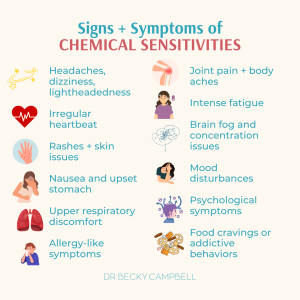
Here are some of the more common signs and symptoms people experience with MCS: (3, 4)
- Headaches, dizziness, and lightheadedness – These are some of the most immediate signals your body sends when it’s not happy with a chemical exposure. Headaches can range from a dull throb to a full-blown migraine, making it hard to focus on anything else.
- Irregular heartbeat – Some people notice their heart racing or an irregular rhythm, which can be alarming if you don’t realize it’s connected to a trigger.
- Rashes and skin issues – Chemical exposure can sometimes cause itching, hives, or unexplained skin rashes. These aren’t just irritating; they’re visible reminders of your body's sensitivity to its surroundings.
- Nausea, indigestion, and stomach upset – Your digestive system can get involved too, especially if the exposure was through something ingested or inhaled.
- Upper respiratory discomfort – This includes everything from a scratchy throat and cough to difficulty breathing, chest tightness, and even asthma-like symptoms, which make it hard to ignore the effects of certain chemicals.
- Allergy-like symptoms – Runny eyes, sneezing, and a sore throat can mimic seasonal allergies, leaving you wondering if it’s the pollen outside or something in the air at home.
- Joint pain and body aches – Sometimes, people with MCS experience unexplained joint pain, known as arthralgia, which can be frustrating when it seems unrelated to any physical activity or injury.
- Intense fatigue – Fatigue that feels bone-deep and won’t go away with sleep is common in MCS. It’s as though your body is using every ounce of energy to fight off these environmental invaders.
- Brain fog and concentration issues – Cognitive symptoms like forgetfulness, poor focus, and a general sense of mental “fuzziness” are classic signs of MCS and can make even simple tasks feel overwhelming.
- Mood disturbances – It’s not just physical symptoms – MCS can take a toll on mental health, too. Some people experience heightened anxiety, feelings of depression, or even mood swings that seem to come out of nowhere.
- Psychological symptoms – In rare cases, MCS can trigger more intense psychological reactions, including agitation or hyperactivity. These can make social interactions challenging and add another layer of difficulty to managing the condition.
- Food cravings or addictive behaviors – MCS can even mess with appetite, leading to unusual food cravings, binging, or addictive-type behaviors. Your body might crave comfort, especially when it feels under constant chemical “attack.”
How is Multiple Chemical Sensitivity Diagnosed?
Diagnosing MCS isn’t straightforward. Symptoms vary so widely that no two cases look exactly alike, and because MCS affects so many systems in the body, it can easily be misinterpreted or dismissed by practitioners unfamiliar with the condition.
Conventional testing often comes back “normal,” leading some patients to feel as if they’re imagining their symptoms – or worse, to be told that directly.
But here’s what we do know: the causes of MCS seem to be a mix of factors. (5, 6)
Research suggests some people may have an overactive immune response, mistakenly interpreting low-level chemicals as threats, triggering a cascade of allergy-like symptoms.
Others may struggle with impaired detoxification, making it harder for their bodies to clear out even small amounts of chemicals, leading to a buildup that overwhelms the system.
Another emerging theory is limbic system kindling, where chemicals stimulate activity in the brain's limbic system, heightening sensitivity.
And finally, nervous system inflammation may play a role, altering how our neurons respond to chemical stimuli and making even a mild scent feel intense.
Diagnosing multiple chemical sensitivity involves taking a deep dive into the factors contributing to your body’s heightened reactions. Functional medicine approaches this by looking at your overall toxic burden, gut health, detoxification pathways, and how environmental exposures might be overwhelming your system.
Rather than focusing solely on the symptoms, the goal is to identify and address the root causes – whether it’s lingering mycotoxins, heavy metal exposure, or an overburdened microbiome.
To get a clearer picture of your toxic burden and underlying triggers, I often recommend targeted testing. These functional medicine tests help identify specific environmental toxins, gut imbalances, or other factors contributing to your chemical sensitivity:
- GPL-TOX: This comprehensive test screens for 173 environmental pollutants in a simple urine sample, including markers for mitochondrial damage like Tiglylglycine. It’s an excellent starting point for understanding how exposure to non-metal toxins affects your health.
- Enviro-TOX Panel: A step further, this panel combines the GPL-TOX test, Organic Acids Test (OAT), and Glyphosate Test to give a broad picture of how environmental chemicals and metabolic imbalances may be impacting your body.
- MycoTOX: If mold exposure is suspected, this urine test screens for mycotoxins – dangerous compounds produced by certain molds that can significantly disrupt your immune system and overall health.
- Heavy Metals Testing: Using blood, hair, or urine samples, this test measures levels of metals like mercury, lead, and arsenic, which can accumulate in the body and exacerbate chemical sensitivity. I often use Quicksilver Scientific’s testing options for their accuracy and depth.
- Stool Testing: The health of your gut plays a crucial role in how your body processes and eliminates toxins. Stool testing can reveal gut imbalances, leaky gut syndrome, and microbial dysbiosis that may contribute to MCS. Supporting gut health is often a key step in reducing sensitivity.

Each test provides actionable insights, allowing us to create a personalized plan to reduce your toxic burden and restore balance.
Identifying the culprits behind your symptoms allows us to take steps to support your body’s detox pathways, calm inflammation, and build resilience against future exposures.
Tips for Managing Multiple Chemical Sensitivity
Once MCS is identified, what’s next? Is there a way to manage it, or are we left dodging chemical triggers indefinitely?
While living with MCS isn’t always easy, there are strategies to help regain control, minimize reactions, and, most importantly, keep you feeling as well as possible.
Start with Your Environment: Creating a “Safe Zone”
Your home should be your safe haven, and for those with MCS, creating a low-toxicity environment is crucial.
Here are some practical steps:
- Switch to Fragrance-Free and Natural Products – Choose unscented or hypoallergenic cleaning supplies, laundry detergents, and personal care items. Look for “free and clear” labels, and try natural alternatives whenever possible.
- Improve Indoor Air Quality – Invest in high-quality air purifiers with HEPA filters, which can remove common indoor pollutants and allergens. Open windows for ventilation if outdoor air quality allows, and consider adding some air-purifying plants.
- Go Low-VOC on Furniture and Paint – When possible, use low-VOC (volatile organic compound) or zero-VOC paints, furniture, and building materials. VOCs are often the culprits behind strong chemical smells in new items.
- Limit Exposure to Plastic – Plastics can emit harmful compounds, especially when heated. Opt for glass, metal, or ceramic containers for storage and cooking.
Diet and Detox: Supporting Your Body’s Defenses
Some people with MCS find that dietary changes can help reduce their symptoms, especially if combined with strategies that support detoxification:
- Opt for an Anti-Inflammatory Diet – Focus on whole foods like fresh fruits, vegetables, lean proteins, and healthy fats. Reducing processed foods, sugar, preservatives, and artificial additives can help reduce inflammation and lower your toxic load, which may ease MCS symptoms.
- Restore Gut Integrity – Support your gut with healing foods like bone broth, fermented vegetables, and fiber-rich plants. Incorporate supplements such as probiotics, prebiotics, and glutamine to repair and strengthen the gut lining, reducing inflammation and toxin absorption.
- Support Detox Pathways – Detoxification support can help your body clear out environmental toxins more efficiently, which might ease MCS symptoms. Consider gentle, targeted approaches like Epsom salt baths, which can aid in magnesium absorption and relaxation; castor oil packs, known for supporting liver health and aiding lymphatic flow; gentle lymphatic support through dry brushing or lymphatic drainage massage; and infrared sauna therapy, which encourages sweating to help the body release toxins.
- Hydrate Regularly – Staying well-hydrated supports all body systems, especially the liver, kidneys, and lymphatic system, in processing and removing toxins.
Mind-Body Techniques: Calming Your Nervous System
Living with MCS can feel like being on high alert 24/7, so finding ways to support your mental well-being is just as important:
- Mindfulness and Relaxation – Techniques like deep breathing, progressive muscle relaxation, and meditation can help reduce stress and calm the nervous system, which may lessen the severity of reactions.
- Limbic System Retraining – Programs focusing on limbic system retraining (like Primal Trust) aim to “retrain” the brain’s response to triggers, potentially reducing sensitivity over time. Some people with MCS find these techniques effective in managing symptoms.
- Pacing and Self-Care – Knowing when to rest and setting boundaries around activities that expose you to potential triggers can help keep your body’s stress levels down. Give yourself permission to decline events or tasks that may jeopardize your health.
Finding Balance and Hope
Living with Multiple Chemical Sensitivity (MCS) can feel like an ongoing challenge, but with time, support, and the right strategies, managing symptoms and reclaiming control over your life is entirely possible.
The journey requires patience, lifestyle adjustments, and a continual commitment to self-care – but each step forward brings you closer to balance and resilience. Many find that, over time, they can reduce the frequency and severity of their reactions, carving out a life that works for them on their own terms.
Ready to take control of chemical sensitivity?
Schedule a consultation to uncover personalized strategies for managing MCS, supporting detox, and building resilience in a trigger-filled world.
Resources
- https://www.hopkinsmedicine.org/health/conditions-and-diseases/multiple-chemical-sensitivity
- https://pubmed.ncbi.nlm.nih.gov/35053790/
- https://pmc.ncbi.nlm.nih.gov/articles/PMC8773480/
- https://www.ncbi.nlm.nih.gov/books/NBK234808/
- https://www.aafp.org/pubs/afp/issues/1998/0901/p721.html#:~:text=Multiple%20chemical%20sensitivity%20(MCS)%20is,toxic%20effects%20and%20neurobiologic%20sensitization.
- https://www.sciencedirect.com/topics/medicine-and-dentistry/multiple-chemical-sensitivity
- https://www.ncbi.nlm.nih.gov/books/NBK234795/?report=reader#!po=50.0000

Navigating Intermittent Fasting with Histamine Intolerance: What You Need to Know
If you’re like me, you’re always on the lookout for ways to optimize your health. I’ve experimented with various approaches over the years – some have worked wonders, while others, well, not so much!
One tool that has caught a lot of attention lately is intermittent fasting (IF). While I don’t currently have histamine intolerance, I’ve struggled with it in the past, so I know firsthand how challenging it can be to navigate new health strategies while managing symptoms.
That’s why, in today’s blog, I want to talk about the intersection of intermittent fasting and histamine intolerance.
Is IF a good idea if histamine is a problem for you?
How does fasting impact your histamine levels?
And most importantly, how can you make intermittent fasting work for you rather than against you?
I’ll break down the science behind intermittent fasting, explain how it might affect histamine levels, and offer some practical tips so you can decide if this approach is right for you.
Let’s dive in and look at how you can find balance with intermittent fasting, even when histamine intolerance is part of your journey.
What is Intermittent Fasting?
Intermittent fasting (IF) is a pattern of eating where you alternate between periods of fasting and eating. (1)
Unlike traditional diets that tell you what to eat, IF focuses more on when you eat.
The goal isn’t necessarily to reduce calories, though that can happen naturally, but to give your body a break from constant digestion and allow it to tap into other processes, like fat burning and cellular repair. (2)
Here are some common methods:
- 16/8 Method: This is probably the most popular. You fast for 16 hours and eat during an 8-hour window. This might come naturally to you if you don’t feel hungry first thing in the morning. You simply skip breakfast and have your first meal around noon, then eat until about 8 PM.
- 5:2 Method: This one is a bit different. Instead of focusing on daily fasting, you eat normally for 5 days of the week and then dramatically reduce your calories (usually around 500–600 calories) for 2 non-consecutive days. It can be less restrictive, especially if daily fasting feels too overwhelming.
- Eat-Stop-Eat: In this method, you fast for 24 hours once or twice a week. For example, you might finish dinner at 7 PM and not eat again until 7 PM the next day. This approach requires a bit more planning but can be effective for some people.

You don’t need to choose the strictest method right out of the gate. In fact, I always recommend easing into fasting to see how your body responds.
You might find that a 12-hour fasting window (also known as time-restricted eating) is enough to give you the benefits of IF without feeling deprived. The beauty of intermittent fasting is that it can be tailored to suit your needs, so you don’t have to feel boxed in by one method.
It’s also important to note that intermittent fasting isn’t about starving yourself – it’s about giving your body the opportunity to function more efficiently. During the fasting period, your body isn’t busy processing food, so it can focus on other things, like balancing blood sugar, burning fat, and even reducing inflammation.
But of course, as with any new approach to health, especially if you have a condition like histamine intolerance, you need to listen to your body. Fasting can feel different for everyone, and it’s essential to find a rhythm that works for you, not against you.
The Science Behind Intermittent Fasting
Intermittent fasting works because it taps into several key biological processes that benefit your body.
Here’s a breakdown of the science behind it:
- Improved Insulin Sensitivity
Fasting decreases insulin levels, helping your body become more responsive to this hormone. By giving your body a break from constant eating, IF improves blood sugar regulation and reduces the risk of insulin resistance, which is linked to type 2 diabetes. (3)
- Autophagy: Cellular Clean-Up
During fasting, your body kicks off a process called autophagy, where it clears out damaged cells and proteins. (4) This "cellular clean-up" helps promote longevity and may reduce the risk of diseases like Alzheimer's and Parkinson’s.
- Fat Burning and Hormonal Balance
After about 12 hours of fasting, your body starts burning fat for energy instead of glucose. (5) This shift boosts fat loss, and fasting also increases hormones like norepinephrine, which raises your metabolic rate and helps your body use fat more efficiently.
- Reduced Inflammation and Oxidative Stress
Fasting lowers inflammation, a key contributor to many chronic diseases. It also helps reduce oxidative stress, protecting cells and DNA from damage. This can slow aging and lower the risk of conditions like cancer. (6, 7)
How Intermittent Fasting Can Impact Histamine Intolerance
If you’re living with histamine intolerance, you’ve probably already experienced how sensitive your body can be to different foods, stress, and even environmental factors.
So, where does intermittent fasting fit into this picture?
Can giving your digestive system a break actually help balance your histamine levels, or is it something to approach cautiously?
Like most things, it’s a bit of both.
Intermittent fasting has some promising benefits that could ease histamine-related symptoms but also comes with potential risks.
Understanding how fasting affects histamine production, your gut, and even your nutrient intake will help you make an informed decision.
Let’s explore how intermittent fasting can impact histamine intolerance, from reducing histamine production to navigating potential pitfalls like stress-induced histamine release.
Reduced Histamine Production
Some studies suggest that fasting may help reduce overall histamine production. (8) Fasting lowers inflammation and promotes autophagy, which may help the body regulate histamine levels more efficiently.
Since inflammation and oxidative stress are common triggers for histamine release, fasting’s ability to reduce these factors might ease symptoms of histamine intolerance.
Digestive Reset
Fasting gives your digestive system a break, allowing it time to rest and recover.
This "digestive reset" can be beneficial for those with histamine intolerance, as constant digestion, especially of high-histamine foods, can overwhelm the body. Reducing meal frequency allows your gut lining to repair and your body to manage histamine more effectively.
Metabolic Health and Histamine
Fasting’s positive impact on metabolic health – like improved insulin sensitivity and fat burning – can indirectly help manage histamine intolerance. A well-functioning metabolism reduces stress on the body, potentially lowering inflammation and histamine triggers.
However, fasting should be approached cautiously, as metabolic stress from prolonged fasting can also be a trigger for some.
Potential Risks
On the flip side, fasting can also stimulate histamine release in some cases.
When blood sugar drops too low during prolonged fasting, it can trigger the release of stress hormones like cortisol, which in turn can increase histamine levels. For some individuals, this might worsen symptoms of histamine intolerance, leading to headaches, hives, or digestive discomfort.
It’s also essential to be mindful of what you eat during your eating windows. Nutrient timing is crucial because fasting can make you more sensitive to what you consume.
Choosing low-histamine foods during your eating period can help prevent symptom flare-ups. It’s also important to ensure you’re not missing out on critical nutrients, like vitamin C and B6, which play a role in histamine breakdown.
Tips for Intermittent Fasting with Histamine Intolerance
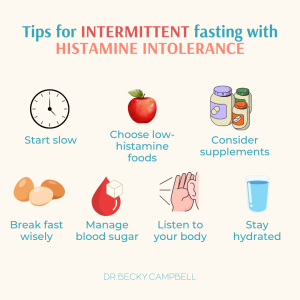
If you’re considering intermittent fasting and managing histamine intolerance, here are some quick tips to help you get started safely:
- Start Slow: Begin with a shorter fasting window (e.g., 12 hours) and gradually increase it as your body adapts.
- Choose Low-Histamine Foods: Stick to low-histamine options during your eating windows to avoid triggering symptoms.
- Stay Hydrated: Drink plenty of water during fasting to help flush out histamine and keep your body balanced.
- Break Your Fast Wisely: When breaking your fast, avoid high-histamine foods like fermented, processed, or leftover items – opt for fresh, whole foods.
- Manage Blood Sugar: During eating windows, ensure your meals are balanced with protein, healthy fats, and fiber to maintain stable blood sugar and reduce stress-induced histamine release.
- Listen to Your Body: If you notice a flare-up of symptoms, adjust your fasting schedule or duration. Fasting shouldn’t worsen your symptoms.
- Consider Supplements: Nutrients like vitamin C and B6 can support histamine breakdown – consider incorporating them into your routine.
Ready to Transform Your Health?
Intermittent fasting can be a game-changer for managing histamine intolerance, but it’s essential to approach it with care.
Start slowly, choose wisely, and listen to your body to reap the benefits.
For a more guided approach, check out my Histamine Reset Online Program. It offers a step-by-step guide to eliminating high-histamine foods and healing your gut and includes an 80-recipe meal plan perfect for managing histamine intolerance.
Need personalized support?
Schedule a consult with me and my team to create a tailored plan just for you.
Ready to get started?
Explore the Histamine Reset Online Program today!
Resources
- https://pubmed.ncbi.nlm.nih.gov/31881139/
- https://pubmed.ncbi.nlm.nih.gov/29754952/
- https://www.ncbi.nlm.nih.gov/pmc/articles/PMC4250148/
- https://pubmed.ncbi.nlm.nih.gov/30172870/
- https://www.ncbi.nlm.nih.gov/pmc/articles/PMC5783752/
- https://www.ncbi.nlm.nih.gov/pmc/articles/PMC4257368/
- https://pubmed.ncbi.nlm.nih.gov/37634143/
- https://www.ncbi.nlm.nih.gov/pmc/articles/PMC4190937/

Why Should You Care About Methylation and B Vitamins?
Methylation occurs at lightning speed – approximately one billion times per second! (1)
It's a foundational process that influences nearly every function in your body, from detoxifying harmful substances to regulating mood and energy levels.
When this crucial mechanism isn't running smoothly, it can impact your physical and mental well-being, leading to conditions like histamine intolerance, MCAS, and even mold illness.
If you're eager to enhance your health, understanding methylation and the vital role of B vitamins is essential. So, let’s unravel the mysteries of these processes together and discover how they can support your journey to feeling your best!
What Is Methylation?
Methylation is one of the body's most crucial chemical reactions, occurring when a methyl group – composed of one carbon atom and three hydrogen atoms (CH₃) – is transferred from one molecule to another. (2)
This process effectively activates or modifies the receiving molecule, playing a vital role in various biological functions.
At its core, methylation regulates gene expression and maintains the stability and integrity of DNA. It also helps control essential molecules in the body, including proteins, lipids, hormones, and neurotransmitters.
Why Is Methylation Important?
Methylation acts like the torque required to rotate gears in a machine, enabling numerous systems in our body to turn essential biological switches on and off. Just as gears in a machine cannot rotate without torque, many bodily functions would stall without the processes of methylation and its counterpart, demethylation.

Optimal methylation significantly impacts various biochemical reactions that regulate the activity of the cardiovascular, neurological, and reproductive systems, including:
- Detoxification: Facilitating the elimination of harmful substances from the body. (3)
- Hormone Metabolism: Assisting in the balance and regulation of hormones. (4)
- Neurotransmitter Production: Influencing mood and cognitive function. (5)
- Histamine Metabolism: Managing histamine levels, critical for those with histamine intolerance or MCAS. (6)
- Cellular Energy: Supporting energy production at the cellular level. (7)
- Growth and Development: Essential for normal growth processes. (8)
- DNA Production and Genetic Expression: Maintaining genetic integrity and function. (9)
- Liver Health: Promoting proper liver function and detoxification processes. (10)
Despite its seemingly straightforward process of transferring a methyl group, methylation has far-reaching effects on cellular function, development, and overall health.
Dysregulation of the methylation cycle has been linked to various health issues, including neurological disorders, cardiovascular disease, detoxification challenges, and cancer. (11)
Understanding the Methylation Cycle
Before diving deeper into methylation and B vitamins, let’s simplify the methylation cycle – no chemistry degree required!
The methylation cycle is a series of biochemical reactions that occur within cells, producing a molecule called S-adenosylmethionine (SAM-e). (12)
SAM-e acts as a methyl donor, transferring methyl groups to crucial molecules like DNA, RNA, and proteins. This is vital for proper cellular function, from gene expression to neurotransmitter production.
Several nutrients, including folate, vitamins B2, B6, B12, choline, and betaine, are necessary to keep the methylation cycle running smoothly. (13)
These nutrients help produce SAM-e and break down homocysteine, a byproduct that, when accumulated, can become harmful. One key player in this cycle is 5-MTHF (methyl folate), the active form of folate. It’s essential for turning on the methylation cycle by fueling the production of SAM-e.
However, if there isn’t enough 5-MTHF or an issue with the enzyme that activates it (often linked to the MTHFR gene mutation), the methylation cycle can become sluggish. This can lead to a shortage of SAM-e and an accumulation of homocysteine, impairing processes like detoxification and neurotransmitter balance.
The impact of the MTHFR gene mutation varies from person to person. Some may have difficulty converting folate into its active form, but factors like diet, lifestyle, and other gene variants can influence how severe this impairment is.
Causes of Poor Methylation
Poor methylation, or suboptimal methylation, can result from a variety of factors.
These include:
- Genetic Variants: Certain genetic mutations, like those in the MTHFR gene, can hinder the body’s ability to produce active folate and slow the methylation process.
- Nutrient Deficiencies: Vitamins like folate (B9), B12, and B6 are critical for methylation. A deficiency in any of these nutrients disrupts the methylation cycle.
- Environmental Toxins: Exposure to toxins like heavy metals and pesticides can block methylation pathways and overwhelm the body’s detoxification systems.
- Stress: Chronic stress increases cortisol levels and depletes nutrients, putting extra strain on methylation.
- Lifestyle Factors: Poor diet, alcohol, smoking, and lack of exercise reduce nutrient availability, essential for supporting methylation.
- Aging: Our methylation processes naturally become less efficient as we age, affecting detoxification and cellular repair.

While multiple factors can contribute to suboptimal methylation, one of the most critical pieces to this puzzle is ensuring the body has enough B vitamins.
Let’s dive into these nutrients' role in methylation and why they’re essential for optimal health.
The Role of B Vitamins in Methylation and Your Overall Health
Think of B vitamins as your body’s backstage crew – working tirelessly behind the scenes to keep everything running smoothly.
These water-soluble vitamins are like the fuel for your body’s engine, ensuring all the moving parts work harmoniously.
Let’s break it down: (14)
- Energy Powerhouse: B vitamins help turn the carbs, proteins, and fats you eat into energy.
- Brain Boosters: They also help produce neurotransmitters like dopamine and serotonin, which are your brain’s way of staying sharp, focused, and maybe even a little happier.
- Red Blood Cell Superstars: B vitamins, particularly B12, help your body make red blood cells, which carry oxygen to your muscles and organs. Without them, you’d feel sluggish and worn out.
- DNA Protectors: They play a crucial role in DNA repair and cell growth, ensuring your body’s internal wiring stays intact and functions as it should.
- Stress Soothers: When life gets hectic, your adrenal glands call on B vitamins to regulate stress hormones and keep you balanced.

Bottom line? B vitamins are essential for your body's survival kit—they’re not just about methylation but about keeping you fueled, focused, and functioning at your best.
Do You Need to Take a Methylated B Vitamin?
This is a great question.
Methylated B vitamins, such as methylfolate and methylcobalamin (B12), are already in their bioactive forms, meaning your body doesn’t have to do extra work to convert them.
But who really needs them, and what are the benefits?
Taking methylated B vitamins can be incredibly beneficial for some people – especially those with genetic variations like the MTHFR mutation.
These vitamins are more easily absorbed and utilized by the body, bypassing any conversion problems that might otherwise slow down your methylation cycle.
Here’s how methylated B vitamins can help:
- Boost Energy: Because methylated B vitamins directly support your body’s energy production pathways, they help reduce fatigue and increase stamina.
- Enhance Cognitive Function: These forms of B vitamins can promote better brain health, improving mood, memory, and focus by supporting neurotransmitter production.
- Support Cardiovascular Health: Methylated B vitamins lower your risk of heart problems by helping break down homocysteine (an amino acid linked to cardiovascular disease).
- Promote Detoxification: Methylated forms of folate and B12 play a crucial role in detoxifying harmful compounds from the body, aiding liver function, and reducing oxidative stress.
- Nervous System Support: These vitamins are essential for the production of myelin, the protective covering around your nerves, which helps with nerve function and reduces neurological symptoms.

What If You Can’t Tolerate Methylated B Vitamins?
If you've experienced discomfort – like anxiety, irritability, or feeling overstimulated – after taking methylated B vitamins, you're not alone.
Some people, especially those sensitive to higher doses, might struggle to tolerate these active forms. Fortunately, there are ways to manage this without sacrificing the benefits.
- Start Slowly: For some, easing into methylated B vitamins is key. Begin with lower doses and gradually increase as your body adjusts. This slow introduction can help prevent your system from overwhelming itself with too many methyl donors at once.
- Try Non-Methylated Alternatives: If methylated forms continue to cause issues, non-methylated options might be a better fit. Look for supplements like hydroxycobalamin (B12) and folinic acid (folate), which don’t contain the active methyl groups but still support the methylation cycle more gently. These are often better tolerated by individuals sensitive to methylation but still want to support their pathways effectively.
- Consider Creatine Monohydrate: Creatine monohydrate is an excellent alternative to methylated B vitamins. Taking 3 – 5 grams per day reduces the body’s demand for methyl groups by supporting creatine synthesis, a major consumer of methyl donors. Start with a lower dose and increase gradually to ensure your body tolerates it well.
- Balance with Other Nutrients: Supporting your body’s overall nutrient needs is essential for tolerating methylation-supportive supplements. Adding co-factors like magnesium, zinc, and riboflavin (B2) can help balance the methylation process and reduce potential side effects.
- Test for Imbalances and MTHFR Impact: If you have an MTHFR gene mutation, it’s important to determine whether it’s actually affecting your methylation. Testing your homocysteine levels through blood work can provide valuable insight. Homocysteine is a key marker of methylation efficiency, and I like to see it around 7 micromoles per liter (mcmol/L). If your homocysteine level is higher than this, it may indicate trouble methylating due to the MTHFR mutation. Remember, not all gene mutations cause issues for those who carry them, so testing is crucial before making significant changes to your routine.
- Consider Methyl-Free Supplements: Some people benefit from taking methyl-free multivitamins or supplements that don’t include methylated forms of B vitamins. These supplements are designed to support methylation without overwhelming your system, especially if you have a genetic mutation like MTHFR but can’t handle methylated nutrients.
The Methylation Connection
Understanding and supporting your methylation process isn’t just a fancy scientific term; it’s key to unlocking your vitality. Proper methylation influences everything from producing hormones and neurotransmitters to detoxifying and regulating your DNA.
It’s kind of a big deal, right?
For many of you, especially those dealing with complex issues like MCAS, histamine intolerance, or mold illness, suboptimal methylation can lead to a range of frustrating symptoms.
Whether you're struggling with energy levels, mood swings, or hormonal imbalances, addressing methylation and ensuring you’re getting enough B vitamins can be transformative.
I know how overwhelming this can feel, but you don’t have to navigate it alone.
If you’re ready to explore how poor methylation may be affecting your health, let's work together to create a personalized plan tailored just for you.
Schedule a consultation today, and let’s take that first step towards reclaiming your health and feeling your best!
Resources
- https://pmc.ncbi.nlm.nih.gov/articles/PMC6162482/
- https://www.genome.gov/genetics-glossary/Methylation
- https://pmc.ncbi.nlm.nih.gov/articles/PMC6247995/
- https://pmc.ncbi.nlm.nih.gov/articles/PMC2667971/
- https://pmc.ncbi.nlm.nih.gov/articles/PMC9952911/
- https://www.ncbi.nlm.nih.gov/books/NBK27916/
- https://pubmed.ncbi.nlm.nih.gov/32549751/
- https://pmc.ncbi.nlm.nih.gov/articles/PMC8351141/
- https://pmc.ncbi.nlm.nih.gov/articles/PMC10419045/
- https://pmc.ncbi.nlm.nih.gov/articles/PMC7662478/
- https://pmc.ncbi.nlm.nih.gov/articles/PMC3515011/
- https://pubmed.ncbi.nlm.nih.gov/8647346/
- https://pubmed.ncbi.nlm.nih.gov/23661599/
- https://pubmed.ncbi.nlm.nih.gov/35933667/
How To Boost Mold Recovery with Vagus Nerve Toning
When helping my patients recover from mold illness, I zero in on the big hitters: leaving behind the moldy environment, detoxing your body, and making dietary changes.
Those steps are absolutely crucial!
But there are other powerful tools in your recovery toolbox. Enter the vagus nerve.
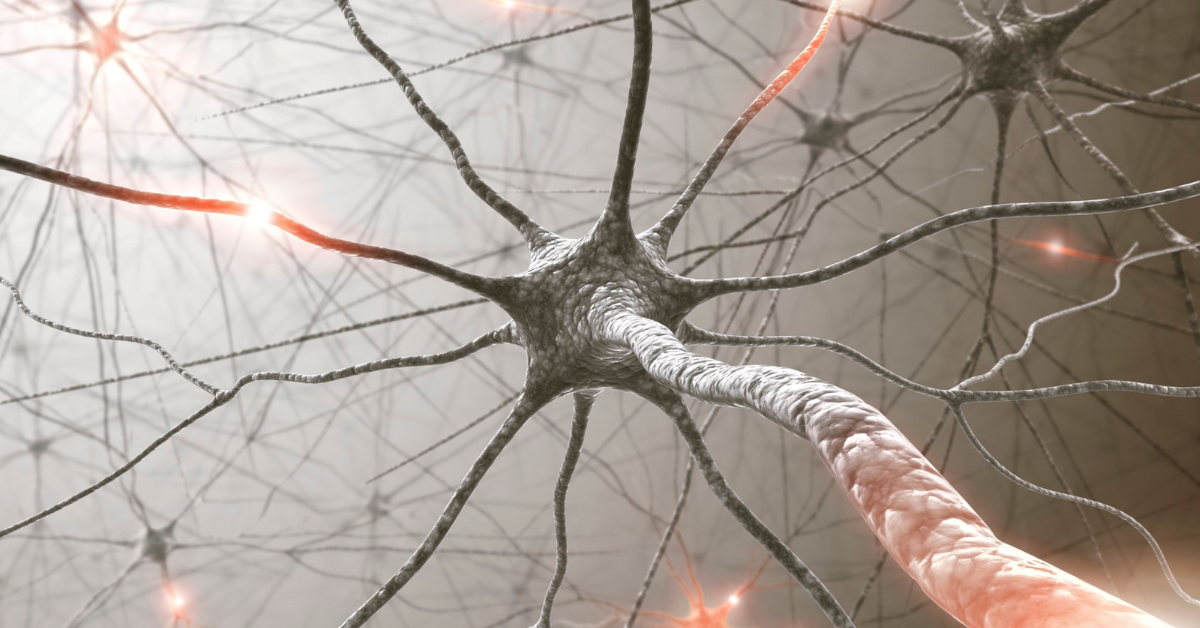
This incredible nerve is like your body’s superhighway for healing. It’s crucial for calming inflammation, supporting detox pathways, and helping your body switch into repair mode. (1)
When you focus on vagus nerve toning, somatic therapy, and brain training, you can take your recovery to the next level.
Let’s look at some simple, actionable ways to boost your vagus nerve, release tension, and retrain your brain – because healing from mold illness is not just about what you eat or how you detox; it’s about supporting your whole body and mind on this journey.
What Is the Vagus Nerve and Why Is It Key in Mold Recovery?
The vagus nerve is like your body’s superhighway for healing, sending signals back and forth between your brain and vital organs – think heart, lungs, and gut. It’s constantly working behind the scenes, helping to regulate digestion, heart rate, and inflammation levels. (2)
But its real magic comes from its role in activating your parasympathetic nervous system – the “rest and digest” mode your body needs to repair and recover. (3)
When mold invades your system, it’s not just your immune response that goes haywire. Chronic inflammation can keep your body stuck in survival mode, also known as fight-or-flight.
When your vagus nerve is working well (we call that having good vagal tone), it acts like a signal to flip the switch back to calm, rest, and healing (4). But if your vagus nerve is struggling, your body can stay trapped in that hypervigilant state, unable to fully recover.
Boosting vagal tone helps shift your body out of this constant alarm state, turning off the inflammation, supporting detox pathways, and restoring balance to your immune system. (5)
Why Vagus Nerve Health Matters
So, what exactly does good vagal tone mean for your overall health?
It’s about much more than just feeling calm; it’s linked to a host of vital functions, including:
- Decreasing Blood Pressure
- Reducing Heart Rate
- Lowering Inflammation or Pain
- Managing Stress and Anxiety
- Regulating Mood
- Transferring Sensory Information
- Delivering Information Between the Brain and Gut
- Regulating Swallowing and Speech
Basically, nurturing your vagus nerve is a holistic approach to health that can profoundly impact your recovery from mold illness. Focusing on improving your vagal tone addresses your symptoms and supports your body’s ability to heal itself.
Symptoms and Causes of Poor Vagal Tone
When vagal tone is low, it means the vagus nerve isn't functioning at its best. This can leave your body stuck in a fight-or-flight mode, making it difficult to recover from mold illness and other chronic conditions.
Common symptoms of poor vagal tone include:
- Chronic fatigue
- Digestive issues like bloating, constipation, or poor digestion
- Anxiety or depression
- High or irregular heart rate
- Difficulty regulating emotions
- Poor stress tolerance
- Frequent headaches or migraines
- Brain fog or difficulty concentrating
These symptoms indicate that the vagus nerve isn’t communicating effectively between the brain and the body, keeping you in a constant state of stress and inflammation.
Causes of Poor Vagal Tone
Several factors can contribute to poor vagal tone, including:
- Chronic stress: Prolonged stress can weaken the parasympathetic nervous system, leaving the vagus nerve unable to properly regulate relaxation and healing.
- Inflammation: Mold exposure, chronic illness, or gut imbalances can trigger ongoing inflammation, impairing vagus nerve function.
- Trauma: Physical or emotional trauma can disrupt the body’s ability to maintain proper vagal tone.
- Poor gut health: Since the vagus nerve is a key player in the gut-brain axis, issues like leaky gut or dysbiosis can negatively affect vagal tone.
- Sedentary lifestyle: Lack of physical activity can weaken vagal tone over time, as movement stimulates the vagus nerve and promotes a healthy parasympathetic response.
- Toxin exposure: Ongoing exposure to environmental toxins, including mold, can disrupt vagus nerve signaling and keep the body in a heightened state of stress.
How to Improve Vagal Tone and Support Mod Recovery
Now that you understand the vital role the vagus nerve plays in mold illness recovery – and how poor vagal tone can hold you back – it’s time to focus on practical steps you can take to boost your vagal tone.
Here are some highly effective, actionable ways to tone your vagus nerve and accelerate recovery.
Breathwork and Diaphragmatic Breathing
Slow, deep breathing from your diaphragm is one of the simplest and most powerful ways to activate your vagus nerve. (6, 7)
Aim for slow, controlled breaths where your belly expands on each inhale. This type of breathing signals to your body that it's safe to relax, promoting parasympathetic activity.
Try this: Practice 4-7-8 breathing – inhale for 4 seconds, hold for 7, and exhale for 8. Repeat for several minutes daily to help reduce stress and improve vagal tone.
Cold Exposure
Exposing your body to cold temperatures can stimulate the vagus nerve and improve tone. (8)
Start small by splashing cold water on your face, or take short cold showers to get your body used to the sensation. Over time, this practice can help your body better regulate its stress responses.
Try this: End your shower with 30 seconds of cold water. Gradually increase the time as you get used to the cold.
Humming, Chanting, or Singing
The vagus nerve is connected to your vocal cords, so activities like humming, chanting, or singing can stimulate the nerve and promote relaxation. (9) These exercises can also help relieve tension in the neck and throat, which can affect vagus nerve function.
Try this: Sing along to your favorite song, or hum softly for a few minutes a day. Chanting "Om" is another option to directly activate the vagus nerve.
Garling
It may sound simple, but gargling water vigorously can stimulate the vagus nerve. The action triggers a gag reflex, which sends signals along the nerve to help tone it over time.
Try this: Gargle with water for 30 seconds once or twice a day, especially after brushing your teeth.
Mindfulness and Meditation
Mindfulness and meditation practices help reduce stress and anxiety, promoting parasympathetic activity and calming the nervous system. Regular meditation can improve vagal tone over time by encouraging your body to stay relaxed more often. (10)
Try this: Start with just 5 minutes of mindfulness meditation each day, focusing on deep, slow breathing and bringing your attention to the present moment. Gradually increase your time as it becomes part of your routine.
Somatic Therapy
Somatic therapy focuses on reconnecting your mind and body to release stored tension, trauma, and stress that disrupt vagal tone. (11) By incorporating movement-based practices such as yoga, tai chi, or somatic experiencing, you can help calm the nervous system and improve the body’s ability to heal.
Try this: Start a simple yoga or tai chi practice at home, or work with a somatic therapist to identify exercises that help release stress and improve vagal tone.
Brain Retraining
Brain training techniques are designed to help you recover from chronic stress, trauma, and illness by rewiring maladaptive stress and trauma responses in the brain.
Retraining programs teach your brain to shift away from ingrained stress patterns, which can directly improve vagus nerve function and overall resilience.
Try this: Explore brain retraining programs like Primal Trust, which guide you through daily exercises that help reprogram the brain’s stress response and promote healing.
Acupuncture
Acupuncture has been shown to stimulate the vagus nerve and improve parasympathetic function, making it a valuable tool for those looking to boost their vagal tone. (12) This traditional therapy can help regulate the body's stress responses, reduce inflammation, and support overall recovery.
Try this: Find a qualified acupuncturist experienced in vagus nerve stimulation to add this practice to your recovery toolkit.
Integrating Vagus Nerve Toning into Your Mold Recovery
Vagus nerve toning can be a game changer for mold recovery. To get started, focus on small, easy steps you can fit into your daily routine. Here’s how:
Start Small
Pick one or two practices, like deep breathing or cold exposure. Consistency is key, so aim for short, daily practice to gradually improve your vagal tone.
Combine with Habits
Incorporate vagus nerve exercises into things you already do. For example, gargle after brushing your teeth or hum while doing chores. Little actions can make a big difference over time.
Somatic Therapy for Release
Working with a certified somatic therapist can be incredibly effective in releasing stored stress and promoting deep relaxation. While simple movements like yoga or stretching are a great start, having expert guidance can help you navigate the deeper layers of stored trauma and tension. Personally, I incorporate somatic therapy into my own healing practice and have found it to be a powerful tool for resetting my nervous system.
Try Brain Retraining
Brain retraining programs like Primal Trust help rewire stress responses that may linger after mold exposure. Set aside just 15 minutes a day to practice rewiring your brain.
Prioritize Rest
Rest is essential for vagal health. Add in mindfulness or meditation for a few minutes each day to reset your nervous system and support recovery.
Track Progress
Keep a journal of how you feel after each vagus nerve toning session. Over time, you’ll likely notice improvements in your stress levels and overall well-being.
Empower Your Recovery with Vagus Nerve Healing
Healing from mold illness is about more than just removing the exposure – it's about supporting your body's recovery systems, including your vagus nerve. By incorporating simple, actionable steps to improve vagal tone, you can promote better healing, reduce stress, and start feeling more like yourself again.
Ready to dive deeper into your mold recovery journey?
Schedule a consultation to explore how vagus nerve toning and other personalized strategies can help you overcome mold illness and achieve lasting wellness.
Curious if mold is affecting your health?
Take my FREE Mold Quiz to discover your risk and learn how a tailored plan can help you regain your vitality.
Resources
- https://www.ncbi.nlm.nih.gov/pmc/articles/PMC5859128/
- https://my.clevelandclinic.org/health/body/22279-vagus-nerve
- https://my.clevelandclinic.org/health/body/23266-parasympathetic-nervous-system-psns
- https://www.ncbi.nlm.nih.gov/pmc/articles/PMC4107166/
- https://www.ncbi.nlm.nih.gov/pmc/articles/PMC9093220/
- https://www.ncbi.nlm.nih.gov/pmc/articles/PMC6189422/
- https://pubmed.ncbi.nlm.nih.gov/19249921/
- https://www.ncbi.nlm.nih.gov/pmc/articles/PMC6334714/
- https://www.ncbi.nlm.nih.gov/pmc/articles/PMC3099099/
- https://www.psychologytoday.com/us/blog/the-athletes-way/201602/mindfulness-meditation-and-the-vagus-nerve-share-many-powers
- https://pubmed.ncbi.nlm.nih.gov/10686263/
- https://pubmed.ncbi.nlm.nih.gov/24359451/
How to Detoxify Your Body: Supporting Natural Detox Pathways for Histamine Intolerance and Mold Illness
If you’re looking to improve your health, there’s one process you can’t afford to overlook: detoxification.
Your body’s natural way of clearing out toxins is essential for staying healthy, especially if you’re dealing with histamine intolerance or mold illness. When your detox pathways aren’t functioning at their best, it’s like trying to clean a house with a clogged vacuum—it just doesn’t work.
Supporting your body’s detox pathways is the foundation of any healing journey. Whether it’s your liver, kidneys, skin, or lungs, each plays a crucial role in filtering out the junk that could be dragging you down. (1)
By giving these systems the support they need, you’re not just managing symptoms—you’re giving your body the tools to heal.
In this blog, I’ll walk you through how detoxification works, what happens to your body during the process, the benefits of supporting your natural detox pathways, and some practical tips to help you get started.
If you’re ready to give your body the reset it deserves and start feeling like yourself again, let’s dive in.
Understanding Detoxification: The Purpose of Detoxification
Detoxification is your body’s ingenious way of cleaning house. It’s a natural process that works tirelessly to remove harmful substances and maintain balance. (2)
Imagine it as your body’s built-in clean-up crew, breaking down toxic compounds into less harmful forms so they can be efficiently whisked away.
You see, we’re constantly exposed to a barrage of toxins from our environment, food, and even personal care products. In an ideal world, our bodies can effortlessly handle this toxic load. However, for those struggling with histamine intolerance and mold illness, the detoxification process can become overwhelmed. This can lead to a buildup of toxins, contributing to a range of symptoms.
If your body is struggling to keep up with the toxic load, you may experience: (3)
- Unexplained fatigue
- Sluggishness, weakness, and lethargy
- Brain fog and trouble concentrating
- Mood swings, anxiety, or depression symptoms
- Bloating and indigestion
- Aches and pains
- Frequent illness
- Skin issues like breakouts, redness, or sensitivity

So, what can we do to support this essential bodily function?
Let’s dive into the specifics of how our bodies detoxify and explore ways to enhance this vital function.
The Body’s Natural Detox Pathways
Your body is a remarkable machine equipped with several systems dedicated to keeping you clean and healthy. When it comes to detoxification, four primary organs take center stage: the liver, kidneys, skin, and lungs.
Let’s explore how these hardworking organs contribute to your body’s natural detoxification process.
Liver: The Detox Powerhouse
Your liver is often called the body’s chemical factory.
It’s a true workhorse when it comes to detoxification. This incredible organ filters your blood, breaking down harmful substances into less toxic forms that can be safely eliminated. (4)
The liver operates in two primary phases:
- Phase 1: Toxins are transformed into more water-soluble substances.
- Phase 2: These transformed substances are combined with other compounds to make them even easier to eliminate.
A healthy liver is essential for efficient detoxification and overall well-being.
Kidneys: The Filtration System
Imagine your kidneys as your body’s personal filtration system. They work tirelessly to filter blood, removing waste products and excess fluids. These waste products are then excreted from your body in urine. (5)
The Skin: Your Body’s Largest Organ
Your skin is more than just your body’s largest organ; it’s also a vital part of your detoxification system. Through sweating, your skin helps release toxins and impurities. (6)
Maintaining healthy skin is essential for effective detoxification. Practices like regular cleansing, moisturizing, and protecting your skin from environmental stressors can support this process.
Lungs: The Breath of Detox
Your lungs play a vital role in detoxification by expelling volatile compounds and toxins through exhalation. Deep, consistent breathing helps maximize lung function and supports the body’s natural cleansing process. (7)
These four organs work together to form a robust detoxification system. By understanding their roles, you can take steps to support their function and optimize your body’s natural cleansing abilities.
What Happens to Your Body During Detox?
Detoxification is a continuous process that occurs throughout your body. It's a multi-step process involving three key phases:
Phase 1: Bioactivation
Imagine your body as a recycling plant. In the first phase, bioactivation, your cells modify toxins into a more manageable form, similar to bagging up garbage. This makes them easier to handle and prepare for elimination.
Phase 2: Conjugation
In the second phase, conjugation, your body adds a chemical tag to the bioactivated toxins. Think of this as tying a tag on the garbage bag. This tag makes the toxins water-soluble, allowing them to be more easily transported out of your body.
Phase 3: Transport
Once the toxins are prepared, the third phase, transport, kicks in. Your body's transportation systems, including your liver, kidneys, lungs, and skin, work together to eliminate these toxins.
As your body works to eliminate toxins, you may experience temporary symptoms. These are often a normal part of detoxification as your body adjusts to the increased workload.
Some common symptoms include:
- Fatigue: As your body works to eliminate toxins, it may require more energy, leading to fatigue.
- Headaches: Increased toxin elimination can sometimes cause headaches.
- Mood swings: Hormonal fluctuations during detoxification can contribute to mood changes.
- Skin reactions: Your skin may become more sensitive or experience breakouts as it works to eliminate toxins.

It’s important to remember that these symptoms are typically temporary and usually subside as your body adjusts to the detoxification process.
Benefits of Detoxification
Detoxification is particularly beneficial for those with histamine intolerance and mold illness because it directly targets the root causes of their symptoms.
For histamine intolerance, detox helps reduce the accumulation of histamines and other inflammatory compounds in the body. By clearing these out, you can help alleviate symptoms like headaches, skin rashes, and digestive issues.
In the case of mold illness, detoxification is crucial for removing mycotoxins – harmful compounds produced by mold – that can wreak havoc on your body. These toxins can lead to a range of symptoms, from brain fog to chronic fatigue, and impair your immune system. Enhancing your detox pathways can better eliminate these toxins, reducing their impact on your health and promoting recovery.
Beyond these specific conditions, detoxification supports overall health by:
- Improving liver function
- Boosting energy levels
- Promoting clearer skin
- Rebalancing hormones
- Enhancing digestion
- Supporting immune function
With the benefits of detoxification clear, the next step is to explore how you can effectively support your body's natural detox pathways.
Let’s dive into some practical tips for getting started.
Tips for Effective Detoxification

Supporting your body’s natural detox processes doesn’t have to be complicated. Small, consistent actions can help your body eliminate toxins, leading to improved energy, clearer skin, and overall better health.
Let’s explore some gentle and effective strategies to support detoxification.
Stay Hydrated:
Staying properly hydrated ensures your kidneys can efficiently flush toxins from your system.
A good guideline is to drink half your body weight in ounces each day. For example, if you weigh 150 pounds, aim for 75 ounces of water.
Eat a Nutrient-Dense Diet:
Fuel your detox pathways with liver-supporting foods like cruciferous vegetables (broccoli, Brussels sprouts), garlic, and beets. These foods help your liver break down toxins more efficiently.
Incorporating antioxidant-rich foods such as berries, nuts, and leafy greens can further enhance your body’s ability to detox.
Exercise Regularly:
Regular physical activity promotes sweating, one of the body’s natural ways to eliminate toxins.
Exercises like walking, cycling, or yoga can improve circulation, aiding in removing toxins through the skin, lungs, and lymphatic system.
Aim for at least 30 minutes of moderate exercise most days of the week.
Practice Proper Breathing Techniques:
Deep breathing exercises can support lung detoxification by helping to expel carbon dioxide and other toxins from the body.
Try techniques like diaphragmatic breathing or alternate nostril breathing, which cleanse the lungs and reduce stress, a critical factor in maintaining optimal detoxification.
Support Skin Health:
Your skin is a powerful detox organ. Support it by practicing dry brushing before showers to stimulate lymphatic drainage and exfoliate dead skin cells.
Regular sauna sessions can promote sweating and toxin elimination, while exfoliation can keep your skin healthy and capable of releasing impurities.
Try Epsom Salt Baths
Epsom salt baths provide magnesium sulfate, which helps relax muscles, support the liver, and soothe the nervous system. Soaking for 20 minutes a few times a week can aid relaxation and detoxification, and it’s an easy way to enhance your routine.
Incorporate Castor Oil Packs
Applying castor oil packs to the abdomen promotes circulation and supports liver function. This simple practice helps improve digestion and supports the lymphatic system in eliminating waste.
For best results, try placing a warm castor oil pack over your liver area for 30–60 minutes several times per week.
Consider Gentle Lymphatic Support
Stimulating your lymphatic system can enhance detoxification by helping to move toxins out of the tissues. Techniques like gentle stretching, rebounding, or even massage can support lymphatic flow.
Dry brushing, as mentioned, is also an excellent addition to help lymphatic drainage.
Use Infrared Sauna Therapy
Infrared saunas can penetrate the skin deeply, promoting toxin elimination through sweat.
Starting with short sessions (10-15 minutes) a few times a week and gradually increasing your time can help your body acclimate to this powerful detoxification tool without feeling overly drained.
Detoxification – Your Foundation for Healing
Supporting your natural detox pathways isn’t just a step in the process – it’s the foundation for all healing.
Whether you’re dealing with histamine intolerance, mold illness, or simply aiming to improve your overall well-being, enhancing your body’s ability to detoxify is essential.
By prioritizing hydration, a nutrient-rich diet, regular exercise, and skin care, you’re setting the stage for lasting health and vitality.
Schedule a consultation today for personalized guidance on enhancing your body’s natural detox pathways.
Together, we’ll create a tailored plan that supports your detoxification process, helping you manage histamine intolerance, combat mold illness, and build a solid foundation for your overall wellness.
Let’s work together to ensure your detox journey is effective and aligned with your health goals so you can feel your best every day.
Resources:
- “1 Overview, Essential Concepts, and Definitions in Detoxification - Detoxification and Substance Abuse Treatment.” NCBI, https://www.ncbi.nlm.nih.gov/books/NBK64119/. Accessed 20 August 2024.
- ““Detoxes” and “Cleanses”: What You Need To Know.” National Center for Complementary and Integrative Health, https://www.nccih.nih.gov/health/detoxes-and-cleanses-what-you-need-to-know. Accessed 20 August 2024.
- Link, Rachael. “How to Detox Your Body: 9 Steps, Including Best Foods.” Dr. Axe, 2 October 2023, https://draxe.com/nutrition/how-to-detox-your-body/. Accessed 20 August 2024.
- “In brief: How does the liver work? - InformedHealth.org.” NCBI, 28 February 2023, https://www.ncbi.nlm.nih.gov/books/NBK279393/. Accessed 20 August 2024.
- “Anatomy of the Urinary System.” Johns Hopkins Medicine, https://www.hopkinsmedicine.org/health/wellness-and-prevention/anatomy-of-the-urinary-system. Accessed 20 August 2024.
- “Decreased Skin-Mediated Detoxification Contributes to Oxidative Stress and Insulin Resistance.” NCBI, https://www.ncbi.nlm.nih.gov/pmc/articles/PMC3415238/. Accessed 20 August 2024.
- “Metabolic Functions of the Lung, Disorders and Associated Pathologies.” NCBI, 30 August 2016, https://www.ncbi.nlm.nih.gov/pmc/articles/PMC5012236/. Accessed 20 August 2024.

My Top Travel Essentials for Staying Balanced on the Go
Traveling with MCAS isn’t exactly a walk in the park. It’s more like navigating a minefield of potential triggers while trying to enjoy the trip. Although I no longer actively deal with histamine intolerance or mold illness, I’m still cautious about filling up that histamine bucket and setting off some of my old symptoms. But with a little planning and the right essentials, I’ve learned how to keep my body in check and actually enjoy the journey.
Over the years, I’ve built a routine that helps me feel balanced and energized, even when I’m far from my usual comforts. Whether it’s long flights, unfamiliar environments, or the stress of the unknown, these seven travel must-haves have become my secret weapons.
They help me stay grounded and resilient so I can focus on making the most of wherever life takes me.
Now, let me take you through my travel toolkit that keeps me grounded, healthy, and (mostly) stress-free, even when life takes me far from home.
7 Travel Essentials for Histamine Intolerance, Mold Illness, and MCAS
1. B12 & Glutathione Injections (Because I Refuse to Be a Zombie)
Traveling can be exhausting, and the last thing I want is to show up at my destination feeling like I’ve already run a marathon before stepping off the plane or getting out of the car. These injections have become a key part of my pre-travel ritual, giving my body the extra boost it needs to handle the stress of travel.
Now, why B12 and glutathione, you ask?
B12 (or cobalamin) is an essential nutrient that plays a major role in maintaining energy levels. It helps convert food into usable energy and supports the production of healthy red blood cells, which transport oxygen throughout the body. (1)
Low B12 levels can leave you feeling fatigued, foggy, and sluggish – basically, not the ideal start to a trip. (2) Since B12 is water-soluble and isn’t stored efficiently in the body, I make sure to get a little extra before traveling, knowing how draining it can be.
Glutathione, often called the body’s “master antioxidant,” is equally important. This powerful molecule helps neutralize harmful free radicals, supports detoxification, and protects your cells from oxidative stress – all critical when exposing yourself to new environments, toxins, and stressors during travel. (3)
If you’re like me and need to be cautious about potential triggers while traveling, keeping your detox system in top shape is key to staying balanced and feeling your best. Glutathione supports liver function and the immune system, making it an essential part of my defense against environmental exposures, allergens, and the general chaos of travel.
Together, B12 and glutathione help me board the plane with my energy levels topped off and my detox pathways primed for action.
It’s like giving my body a head start so I can hit the ground running – no jet-lagged zombie mode here!
For more information on incorporating these powerful injections into your routine, visit JOI Wellness, where you can receive 15% off with code DRBECKY.
2. My EMF Protection (For Peace of Mind)

With the amount of technology surrounding us during travel – planes, airports, hotels – it’s like swimming in an ocean of electromagnetic fields (EMFs). And while I can’t exactly see them, I know they’re there, and they can have a subtle but noticeable effect on how I feel.
That’s why my EMF protection from Aires Tech is always on my packing list. It’s like creating a calm little bubble amidst the constant buzz of modern life, which is especially important for someone like me who’s sensitive to environmental factors.
So, what’s the big deal with EMFs?
Electronic devices like cell phones, Wi-Fi routers, and even the plane’s own equipment emit electromagnetic fields. While the science on EMFs is still evolving, we do know that prolonged exposure has been associated with potential health impacts, ranging from fatigue and brain fog to headaches and even interference with sleep cycles. (4)
For those of us with conditions like MCAS or mold illness, these environmental stressors can be particularly aggravating, making it even more important to minimize exposure where we can.
Aires Tech’s devices are designed to mitigate the impact of EMFs by creating a form of resonance between the emitted fields and the device itself. Think of it like harmonizing two notes of music to reduce the intensity of the sound – except here, it’s working on electromagnetic frequencies.
While this doesn’t block EMFs completely (and frankly, that would be impossible in today’s world), it helps balance the frequencies so they aren’t as disruptive to your body.
I notice I feel less “wired” and more grounded when I’m using the device, which is crucial for keeping my nervous system in check, especially during travel.
For more information on how this technology works, visit Aires Tech. Use code DRBECKY to get 25% off your purchase.
3. Serenity Gummies & Night Caps (For Calm and Restful Sleep)

Travel can be stressful, especially when you’re managing conditions like MCAS, and finding a way to stay calm and relaxed is key. That’s where Cured Nutrition’s Serenity Gummies and Night Caps come in.
Whether I’m flying or navigating unfamiliar environments, these gummies are my go-to for staying calm without reaching for a glass of wine. Packed with CBD and adaptogens like ashwagandha, they help reduce anxiety, promote relaxation, and keep me grounded while I travel. CBD works by supporting the endocannabinoid system, which helps manage stress, while adaptogens help the body adapt to stressors. These gummies also contain microdosed THC. These will not get you high at all, it just helps you to feel relaxed.
Trust me, I do not like to feel high! I still feel very alert while feeling relaxed.
When it’s time to wind down for the night, Cured’s Night Caps offer a natural, calming solution. These soft gels combine full-spectrum hemp extract, which includes CBD and CBN, with MCT oil to support deeper, more restful sleep. CBD provides a soothing effect to help ease your mind, while CBN, known for its sedative properties, enhances sleep quality. The MCT oil helps absorb the hemp extract and promotes brain health. Together, they ensure I get the relaxation I need to wake up feeling refreshed and ready for another day of adventure.
Traveling can throw your sleep off, especially when stress is high and you’re dealing with conditions like MCAS. That’s why I rely on Cured Nutrition’s Serenity Gummies and Night Caps to help me unwind and get a restful night’s sleep.
These two products help me stay relaxed and well-rested, no matter where life takes me. If you’re looking for a complete calm and sleep solution, check out Cured Nutrition’s Sleep Bundle here for everything you need to unwind and rest easy.
4. LMNT Electrolytes (For Hydration Without the Junk)

One of the easiest ways to derail your energy levels while traveling is dehydration. That dry airplane air, increased activity, and even changing climates can throw your electrolyte balance off, leaving you feeling drained and sluggish. That’s why LMNT electrolytes are always in my carry-on.
I love that LMNT gives you the perfect balance of sodium, potassium, and magnesium without the added sugar and fillers you find in most electrolyte drinks. These essential minerals help maintain hydration, support muscle function, and keep your energy steady – things I definitely need when I’m on the go.
Plus, the little travel-friendly packets are super convenient and easy to mix with water, whether I’m at the airport or in the middle of a long hike.
It's a quick and effective way to stay hydrated, prevent cramps, and ensure consistent energy throughout the day.
For my community, LMNT is offering an exclusive gift: a free 8-count sample pack with any purchase. It’s a perfect way to try all the flavors while staying hydrated on your next adventure.
5. Magnesium L-Threonate & Magnesium Spray (For Relaxation and Recovery)
Magnesium is like a miracle mineral for me, especially when I’m traveling. It’s one of those nutrients that supports just about everything – muscle function, sleep, relaxation, and even brain health.
When I’m on the go, I rely on both Magnesium L-Threonate and Magnesium Spray from Cymbiotika to keep me balanced.
Magnesium L-Threonate is my go-to for cognitive support. Unlike other forms of magnesium, l-threonate has been shown to cross the blood-brain barrier, which means it can directly support brain function, memory, and focus – perfect for keeping me sharp during busy travel days. (5)
Then there’s the Magnesium Spray, a lifesaver for muscle recovery after long flights or an active day exploring.
The spray is absorbed through the skin, quickly relieving sore muscles or tension. It’s great to use before bed for relaxation or whenever I need extra help winding down.
Use my 15% discount on these magnesium products from Cymbiotika to ensure you travel with the best support for your mind and body.
6. Organic Matcha & Nootropic Creamer Powder (For Clean Energy on the Go)
I’ve never trusted hotel coffee, and when you’ve got histamine issues, caffeine management is critical.
That’s why I always travel with Cymbiotika’s Organic Matcha and Nootropic Creamer Powder. It saves me from a bad cup of coffee and gives me a clean, jitter-free energy boost that lasts throughout the day.
The organic matcha is packed with antioxidants and L-theanine, providing a balanced energy lift without the crash, while the Nootropic Creamer adds brain-boosting ingredients and healthy fats that support focus and cognitive function. The creamer includes MCT (Medium Chain Triglycerides), Aquamin MgAG (a source of magnesium), Alpha GPC, L-Theanine, and L-Tyrosine. It also features Organic Coconut Milk Fruit Powder, Organic Vanilla Extract, Organic Coconut Extract, Sea Salt, and Stevia Glycoside (Rebaudioside M), providing a delicious and functional boost for both mind and body.
While green tea has been shown to possibly decrease the DAO enzyme that breaks histamine down, I believe that the benefits highly outweigh the risks here. I have matcha tea almost every day.
Just mix it with water, your favorite milk, or even throw it into a smoothie for an easy and delicious travel-friendly pick-me-up. Plus, with my 15% discount, you can get stocked up and avoid those coffee fails on your next trip.
7. Histamine Digest DAO
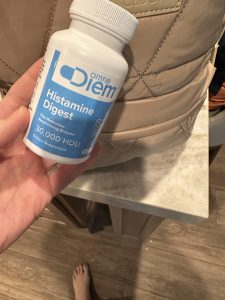
Histamine overload can be a major travel challenge, especially when you're navigating unfamiliar cuisines and can't always control what's in your food. For me, it’s not much of a worry anymore, but traveling can make me more sensitive than usual.
That's where Omnediem’s Histamine Digest DAO supplement becomes a game-changer.
This powerful supplement supports the breakdown of excess histamine in the digestive system, effectively reducing the risk of those dreaded histamine reactions. With Histamine Digest DAO in your travel kit, you can enjoy a wider variety of foods with greater confidence.
Think of it as your secret dining superpower – helping you focus on your trip experience rather than being bogged down by dietary restrictions. Plus, get 15% off with code DRBECKY!
Mastering Travel with Confidence
Traveling with MCAS can feel like a high-stakes adventure, where you’re dodging potential triggers at every turn. But with a bit of prep and the right gear, I’ve turned this challenge into a manageable journey. Even though I’m no longer dealing with histamine intolerance or mold illness, staying cautious and prepared has helped me maintain my health on the go.
Over time, I've crafted a routine that keeps me balanced and vibrant, no matter how far I roam.
These seven travel essentials have become my trusty sidekicks, helping me stay grounded and resilient. They allow me to embrace new experiences without worrying that my health will hold me back.
So, whether you're jetting off to exotic destinations or just taking a weekend getaway, these must-haves will keep you feeling great and ready for anything.
Here’s to many more adventures, feeling fantastic every step of the way!
Resources.
- https://www.ncbi.nlm.nih.gov/pmc/articles/PMC3257642/
- https://www.ncbi.nlm.nih.gov/pmc/articles/PMC7019700/
- https://www.ncbi.nlm.nih.gov/pmc/articles/PMC4684116/
- https://pubmed.ncbi.nlm.nih.gov/22991514/
- https://www.ncbi.nlm.nih.gov/books/NBK507259/
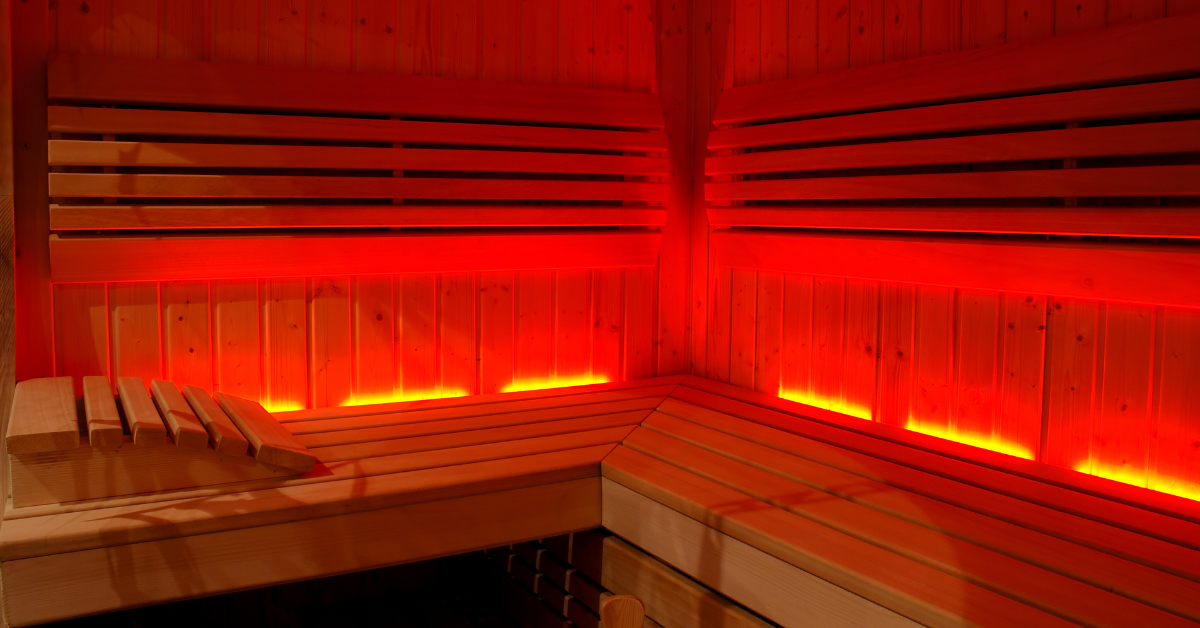
How I Improved My Detoxification with an Infrared Sauna
As many of you know, I’ve experienced numerous chronic health issues, including thyroid imbalances linked to gut problems, heavy metals, and viruses, for most of my life.
As a child, heat intolerance was my constant companion, leading to fainting spells, headaches, and sometimes, unexplained hives. Consuming histamine-rich foods triggered tingling sensations and profound fatigue.
Over time, my symptoms escalated to migraines, vertigo, heart palpitations, anxiety, panic attacks, acid reflux, seborrheic dermatitis, and low blood pressure. And if that wasn’t enough, during the peak of my thyroid and gut issues in my early twenties, nearly every food elicited negative reactions.
Ultimately, addressing my hypothyroidism, excess cortisol, leaky gut, candida, and parasites helped me find some improvement. But, even after all of that, many of my symptoms persisted until I began piecing together my histamine intolerance and mast cell activation story.
What you may not know is that during all of that, I also struggled with extreme chemical sensitivity, and I was a horrible detoxer.
I mean, it was bad!
I couldn’t go into stores without being overwhelmed by all the smells. I would have to run in, holding my breath, knowing that I’d likely have a headache by the time I got back to the car. I would get more and more dizzy and just feel completely off with each minute that I was in there.
And no wonder many of my symptoms lingered for so long; my body could literally not detox all of the chemicals out. Even my mold tests came back negative because I could not push the mold toxins into my urine.
So, what’s changed?
After a great deal of research and several suggestions from friends and colleagues, I found my number one health hack – an infrared sauna.
Regularly using an infrared sauna is the one thing that has moved the needle the most with my health.
Now, I can walk through a store and browse without feeling so weird!
Plus, I have been able to detox from many of the toxins in my body – mold, mercury, excess histamine – and I rarely experience mast cell activation flair-ups!
Now, I’m ready to share all the research, suggestions, and more of my personal story with you!
Types of Saunas
Let’s start by talking about all things saunas. You’re probably familiar with some of the more popular types of saunas, like those available at your gym or spa.
Here are the three main types of saunas:
- Steam Sauna: Common in fitness centers, these saunas use steam generated electronically to build the heat. These saunas rely on high heat, which can be tough for those with Mast Cell Activation Syndrome (MCAS) or Histamine Intolerance. Plus, steam brings humidity into the mix, which can mean mold.
- Heated Rock Sauna: This is your traditional spa sauna, where you pour water over hot rocks to create steam. They share the same drawbacks of high temperatures and potential humidity issues with other steam saunas – something you’d want to avoid with sensitivities.
- Dry Sauna: Unlike the first two, dry saunas don’t add humidity with water, which is great for avoiding mold problems, but the high temperatures might not be ideal if you’re sensitive to heat or prone to flares.

Here’s what changed the game for me: Infrared Sauna.
Unlike the others, infrared saunas work efficiently at lower temperatures.
Infrared waves actually penetrate your skin, which heats your core temperature without heating the room. This heating method makes infrared saunas a game changer for those with MCAS and Histamine Intolerance, especially if heat sensitivity is an issue.
On top of that, infrared saunas do not produce any humidity, meaning no worries about mold growth.
Infrared Sauna Therapy for MCAS and Histamine Intolerance
At its core, sauna therapy includes a range of physiological responses that contribute to the body’s detoxification process. The heightened ambient temperature within a sauna promotes increased heart rate and improved circulation, enhancing the delivery of oxygen and nutrients to tissues.
While research on saunas specifically tailored to MCAS and Histamine Intolerance is limited, anecdotal evidence suggests that many people (including myself) find relief in this therapeutic approach.
What makes an infrared sauna ideal for MCAS and Histamine Intolerance?
Let’s start by breaking down the concept of infrared light – it’s a slice of the sun’s spectrum crafted into a sauna experience.
Unlike traditional saunas that warm the air first, infrared saunas cut to the chase, getting absorbed by the body to elevate your core temperature.
This distinction is crucial for those sensitive to heat, offering a gentler and more comfortable experience than traditional saunas' intense heat.
Think of our bodies as solar panels in need of light for survival. Infrared steps in, activating our internal solar panels contributing to cellular regeneration as water and mitochondrial molecules respond to the infrared beat.
Let’s explore the tailored benefits of the three bands within the infrared spectrum:
- Far Infrared: This superhero band, with its cool wavelength, penetrates the body, offering benefits such as detoxification, cardiovascular support, and immune system enhancement. For those with MCAS and Histamine Intolerance, the gentler warmth of far infrared minimizes the risk of triggering adverse reactions.
- Mid-Infrared: Slightly hotter, this band proves effective for immunity, weight loss, and pain reduction. Its role in post-workout recovery is particularly valuable if you are managing a health condition while trying to stay active.
- Near Infrared: Often dubbed the ‘vanity wavelength,’ near-infrared is a discreet performer that goes deep without causing discomfort. For those with sensitivities, this band stimulates mitochondria, promotes collagen production, and contributes to skin health – achieving aesthetic benefits without the intensity of traditional sauna heat.
Near-infrared, which can reach tissues up to 5 centimeters deep, stimulates mitochondria, fostering cellular rejuvenation. Simultaneously, the visible red light available on many infrared saunas does not penetrate as deeply but does contribute to skin health by helping reduce oxidative stress.
This combined approach targets aesthetic concerns and promotes overall skin well-being by delving into the depths of tissue to enhance cellular functions and support skin vitality.
Because the focus of infrared sauna therapy extends beyond mere heat, it’s a great choice for those managing the intricacies of MCAS and Histamine Intolerance.
Infrared Sauna Benefits
In addition to the benefits associated with each light band, research indicates a wide range of health benefits associated with infrared saunas, including:
- Inflammation Reduction: Infrared saunas are effective in lowering inflammation levels.
- Antioxidant-Like Effects: Acting similarly to antioxidant nutrients, they contribute to overall cellular health.
- Cell Healing Activation: Increased blood flow from the infrared sauna activates cell healing cycles.
- Cardiovascular Support: Regular use can reduce the risk of heart disease and other cardiovascular issues.
- Metabolism Boost: Infrared saunas can boost metabolism and aid in calorie burning.
- Wound Healing: The increased production of collagen and elastin helps heal wounds.
- Detoxification: Facilitates the removal of toxins from the body, including mold toxins, chemicals, and metals.
- Immune System Support: Infrared saunas contribute to immune system support by helping eliminate microbes, which can be beneficial in conditions like Lyme or other tick-borne illnesses.
- Improved Sleep: Linked to better sleep quality, promoting relaxation and addressing sleep-related issues.
- Stress Reduction: The soothing effects of infrared light contribute to stress reduction, promoting a sense of calm and well-being.
- Mood Enhancement: The release of endorphins triggered by infrared light can lead to an uplift in mood, potentially assisting in managing symptoms of depression or mood disorders.

Sauna Benefits for MCAS and Histamine Intolerance
As you can see, sauna therapy offers a ton of health benefits, and even though research on mast cells, histamine intolerance, and sauna is limited, promising findings from two notable studies provided some key insights:
- A 2013 study suggested that repeated sauna use may benefit individuals with allergic rhinitis, a condition often linked to mast cell activation.
- In 2014, a case study revealed the efficacy of sauna in alleviating severe chronic itching, commonly associated with mast cell activation and heightened histamine levels.
Beyond these specific studies, sauna usage has demonstrated broader benefits for those with MCAS or Histamine Intolerance:
- It supports the nervous system and relaxation, both crucial for addressing and managing MCAS and Histamine Intolerance.
- It positively impacts immune system functioning, indirectly benefiting mast cells connected to the broader immune system.
- Aids in toxin removal, including mold toxins – a key trigger for MCAS.
- It benefits various skin conditions like psoriasis and eczema, often correlating with MCAS and histamine intolerance.
Tips for a Safe Infrared Sauna
If you’re thinking about trying an infrared sauna and you’re managing MCAS or Histamine Intolerance, keep these tips in mind to safely incorporate sauna therapy into your routine.
-
- Optimal Timing: Consider using the sauna right after a cardio or strength workout. This is what I do! I’m already sweating, so I hop into my sauna to optimize those detoxification pathways. Plus, I find that morning sessions get me energized for the rest of my day.
- Stay Hydrated: Drink electrolytes while using the sauna to maintain hydration levels and replenish essential minerals lost through sweating.
- Turn on the sauna when you get in: No need for pre-heating. Far infrared is most efficient when first initiated. So, getting in the sauna while it’s heating ensures optimal absorption of far infrared into the body.
- Start Slow: Begin with shorter sessions and lower temperatures to acclimate your body to the sauna environment. Even brief sessions of 5 or 10 minutes can be beneficial. Gauge your body’s response and gradually increase the duration as tolerated.
- Use this time to multitask: Use your sauna time as an opportunity for habit stacking. Try incorporating meditation, breathwork, stretching, intention setting, or visualization to enhance your overall wellness experience. I like to read a book or listen to a podcast to help me relax.
Because sauna sessions facilitate the movement of toxins out of your body, I recommend using a binder before starting your sauna.
Binders help collect the toxins the sauna got moving, aiding in their elimination through bowel movements. This proactive step ensures toxins exit the body, preventing their recirculation through the bloodstream.
I also recommend taking glutathione prior to going in the sauna, if you tolerate it. My Liver Love is another great option. (please link to liver love)
Lastly, I can’t say this enough – listen to your body and tailor your sauna sessions to align with your needs and tolerance levels.
Why I Chose a Sunlighten Infrared Sauna
Selecting the right infrared sauna when struggling with MCAS or Histamine Intolerance can be tricky because some saunas may still induce flares. My exploration led me to consider Sunlighten as a preferable option for those with MCAS and Histamine Intolerance, and here’s why:
- Comprehensive Infrared Wavelengths: Sunlighten encompasses all three essential infrared wavelengths, providing a holistic approach to the therapeutic benefits of infrared sauna sessions.
- Lower Temperatures, Shorter Times: Sunlighten allows you to experience the same health benefits at lower temperatures and in shorter durations. This adaptability carters to the unique sensitivities of those with MCAS or Histamine Intolerance.
- Low EMF Infrared Sauna: With third-party testing validation, Sunlighten ensures low electromagnetic field (EMF) exposure during sauna sessions, contributing to a safer and more tolerable experience.
- No Chemical Off-Gassing: Sunlighten saunas are designed without the presence of chemical off-gassing, minimizing potential triggers for those of us with heightened sensitivities.
- Sustainably Made: Sunlighten emphasizes sustainability using environmentally friendly materials.
And the best news of all – now you can experience the unparalleled benefits of a Sunlighten sauna with my special discount.
For a limited time, Sunlighten is offering
- Up to $600 off cabin models
- $250 off the solo unit (portable & cost-effective unit)
To take advantage of these special offers, follow these steps:
Contact Sunlighten Online and mention the Dr. Becky Campbell discount, or call them directly and let them know you’re a part of the Dr. Becky community.
Don’t miss this opportunity to enhance your wellness journey and access my favorite health hack – a quality sauna from Sunlighten!
Resources
- "Temp Temp CORE TEMPERATURE STUDY." https://infraszauna.hu/wp-content/uploads/2018/10/solo-test-results.pdf. Accessed 20 Nov. 2023.
- "Far infrared radiation (FIR): its biological effects and medical ... - NCBI." 16 Oct. 2012, https://www.ncbi.nlm.nih.gov/pmc/articles/PMC3699878/. Accessed 20 Nov. 2023.
- "Biological effects and medical applications of infrared radiation - NCBI." 13 Apr. 2017, https://www.ncbi.nlm.nih.gov/pmc/articles/PMC5505738/. Accessed 20 Nov. 2023.
- "A Controlled Trial to Determine the Efficacy of Red and Near ... - NCBI." https://www.ncbi.nlm.nih.gov/pmc/articles/PMC3926176/. Accessed 20 Nov. 2023.
- "Raising body temperature relieves depression symptoms, small ...." 16 May. 2016, https://medicalxpress.com/news/2016-05-body-temperature-relieves-depression-symptoms.html.
- "Effects of far-infrared sauna bathing on recovery from strength and ...." 7 Jul. 2015, https://www.ncbi.nlm.nih.gov/pmc/articles/PMC4493260/. Accessed 20 Nov. 2023.
- "Fever and the thermal regulation of immunity - NCBI." 15 May. 2015, https://www.ncbi.nlm.nih.gov/pmc/articles/PMC4786079/. Accessed 20 Nov. 2023.
- "Blood, urine, and sweat (BUS) study: monitoring and elimination of ...." https://pubmed.ncbi.nlm.nih.gov/21057782/. Accessed 20 Nov. 2023.
- "The effect of six-weeks of sauna on treatment autonomic nervous ...." https://pubmed.ncbi.nlm.nih.gov/23859414/. Accessed 20 Nov. 2023.
- "Beneficial effect of sauna therapy on severe antihistamine-resistant ...." https://www.ima.org.il/filesupload/IMAJ/0/76/38034.pdf. Accessed 20 Nov. 2023.
- "Sunlighten Sauna EMI Test Document Number: VTE-3200." 20 Jan. 2021, https://assets-us-01.kc-usercontent.com/9832d3f0-685b-0021-9fc3-0a88ee8dfc7a/33164ff5-ea58-4bb9-a3a8-ce35e00dabaf/Low%20EMF%20Test%20Results%20for%20Sunlighten%20Saunas%20by%20Vitatech%20Electromagnetics.pdf. Accessed 20 Nov. 2023.

Protein: The Critical Role of Protein For Women
Let’s face it—protein is not exactly the life of the dietary party. It doesn’t have the flashy appeal of the latest superfood or the buzz of a trendy new supplement. But don’t let that fool you.
Protein is the unsung hero of a well-balanced diet, holding everything together like the duct tape of nutrition. It supports muscle growth, aids in repair, and keeps our metabolism humming along smoothly. Without it, well, let’s just say you wouldn’t be able to lift your coffee mug in the morning—let alone your spirits.
For women, protein plays a crucial role at every stage of life, from puberty to menopause. It’s essential for maintaining lean muscle mass, boosting bone health, and keeping our weight management in check.
But if you’re navigating the tricky waters of MCAS (Mast Cell Activation Syndrome), histamine intolerance, or mold illness, you might find your protein needs – like everything else – are a bit more complicated.
This is where whey protein isolate comes in.
Think of it as the VIP of protein powders: high-quality, easily digestible, and less likely to cause a poor reaction.
As someone who’s had their fair share of protein powders and knows the difference between “just okay” and “really effective,” I can tell you that whey protein isolate has become a staple in my own regimen.
Why?
Because it offers a clean, potent source of protein that’s a little easier on the system.
So, let’s explore why protein is a big deal for women, why whey protein isolate might just be your new best friend, and how you can make it work for you without any of the usual dietary drama.
The Role of Protein in Women’s Health
Alright, let’s get down to the nitty-gritty of protein. What is it, and why should you care?
In its simplest form, protein is made up of amino acids—the building blocks of life. (1)
Think of amino acids as the Lego bricks that build everything from your muscles and tissues to your hormones and enzymes. Without protein, our bodies would literally fall apart faster than a cheap lawn chair.
Understanding Protein and Its Basic Functions
Protein isn’t just for bodybuilders or those you see hauling around massive tubs of powder at the gym. It’s essential for everyone.
Here’s a quick rundown of its basic functions: (2, 3, 4, 5, 6)
- Muscle Repair and Growth: Every time you move, lift, or even fidget, your muscles experience tiny tears. Protein swoops in to repair these, making your muscles stronger over time.
- Immune Function: Proteins are crucial for producing antibodies that help fend off illnesses.
- Hormone Production: Hormones are like the body’s text messages, sending instructions to various organs and tissues. Many of these are protein-based.
- Enzyme Activity: Enzymes, which are also proteins, speed up chemical reactions in the body. Think of them as the behind-the-scenes crew that keeps everything running smoothly.

So, what’s in it for you?
Here are some specific benefits of protein that might make you a believer:
- Supporting Lean Muscle Mass and Metabolism: More muscle mass means a higher resting metabolic rate. In other words, you burn more calories even when you’re binge-watching your favorite shows. Protein helps build and maintain this muscle.
- Enhancing Bone Health: Protein isn’t just about muscles. It’s vital for bone health, too. Adequate protein intake can help prevent osteoporosis and fractures, which is especially important as we age.
- Aiding in Weight Management and Satiety: Ever notice how you’re less likely to snack on junk after a protein-rich meal? That’s because protein helps you feel full longer, aiding in weight management and curbing those late-night cravings.
Protein Needs for Women with MCAS, Histamine Intolerance, and Mold Illness
If you’re experiencing MCAS, histamine intolerance, or mold illness, you know all too well that your body doesn’t exactly follow the usual rules.
So, how does protein fit into this picture?
Well, it’s not just about building muscles or staying full – it’s about managing inflammation and bolstering your immune system.
Protein helps in several ways:
- Repair and Recovery: High-quality protein provides the amino acids necessary for repairing tissues and reducing inflammation. Think of it as giving your body the building materials it needs to fix what’s broken.
- Immune System Support: Protein is the building block of many components of the immune system, including antibodies and immune cells. By ensuring you have enough protein, you’re essentially equipping your body’s defense forces with the tools they need to fight off invaders and keep inflammation in check.
Not all proteins are created equal when it comes to MCAS, histamine intolerance, or mold illness.
Quality matters – a lot.
High-quality protein sources are purer and easier to digest, reducing the risk of triggering adverse reactions. Low-quality proteins often contain additives, fillers, and potential allergens that can exacerbate symptoms.
For a delicious, low-histamine meal packed with high-quality protein, check out this Herb Roasted Turkey Tenderloin with Sage Roasted Apples and Vegetables. Turkey is an excellent source of lean protein and is typically well-tolerated by those with histamine intolerance. Plus, the recipe is free from common triggers and full of flavor.
Why Whey Protein Isolate is Ideal for Woman
So, what’s all the buzz about whey protein isolate? Let’s break it down.
Whey protein isolate is a high-quality protein derived from milk. During the cheese-making process, whey is separated from the curds and further processed to remove fats and lactose.
This results in whey protein isolate, which contains a higher concentration of protein—typically around 90% or more—compared to other protein types.
Whey protein isolate is distinct from whey protein concentrate, which contains about 70-80% protein and more fats and lactose. While whey protein concentrate is still a good source of protein, it’s not as pure or protein-dense as the isolate and can be problematic for those with MCAS or histamine intolerance.
Another type, casein protein, is also derived from milk. It digests more slowly than whey and is great for sustained protein release but not ideal if you need a quick protein boost. Due to its slower digestion and dairy origin, casein also has a higher potential to cause issues, which may trigger symptoms in sensitive individuals.
Plant-based proteins, such as those from peas, hemp, or brown rice, offer an alternative for those avoiding dairy. Still, they often have a lower protein content per serving and commonly contain additives or fillers that can trigger symptoms. In addition, some plant-based proteins can be high in oxalates or other compounds that might not be suitable for those with MCAS or histamine intolerance.
Benefits of Whey Protein Isolate for Women
Whey protein isolate is a top choice for women looking to boost their health. It’s packed with protein and easy to digest, making it ideal for those dealing with MCAS, histamine intolerance, or mold illness.
High Protein Content and Essential Amino Acids (EEAs): Whey protein isolate boasts around 90% protein per serving, with the highest ratio of essential amino acids (EEAs). This makes it highly effective for muscle repair, growth, and overall health. (7)
Superior Protein Quality and Digestibility: The isolation process ensures high protein quality and easy digestibility, minimizing lactose and fats and making it ideal for sensitive stomachs. (8)
Nutrient Density and Leucine: Rich in essential nutrients and the highest amounts of leucine, whey protein isolate supports muscle protein synthesis (MPS) and lean muscle growth. (9)
Increases Muscle Protein Synthesis (MPS) and Enhances Athletic Recovery: Whey protein isolate promotes MPS, improving lean muscle growth and faster recovery post-exercise. (10)
Promotes Satiety and Weight Management: Protein helps you feel full longer, reducing the likelihood of snacking and aiding in weight management. (11, 12)
Boosts Immune Function: Contains immunoglobulins and lactoferrin to support immune health, which is especially beneficial for those with compromised immunity. (13)
Convenience and Versatility: Easy to incorporate into various diets, whether in smoothies, mixed with water, or added to recipes.

How to Choose the Right Whey Protein Isolate
Selecting the right whey protein isolate is crucial, especially for those managing MCAS, histamine intolerance, or mold illness.
Here’s what to look for to ensure you’re getting a high-quality, safe product:
- Purity and Quality of Production: Opt for whey protein isolate that is highly purified and produced with minimal processing. This helps reduce the risk of contaminants and ensures you get a product as close to its natural state as possible.
- Avoid Added Ingredients and Allergens: Choose products free from unnecessary additives, fillers, and potential allergens. These can exacerbate symptoms and hinder your overall wellness.
My favorite whey protein isolate option emphasizes high-quality production and purity and avoids adding unnecessary ingredients. Plus, they make a vanilla flavor that’s specifically low in histamine, making it a great choice for those with sensitivities.
Tips for Incorporating Whey Protein Isolate into Your Diet
Getting whey protein isolate into your daily routine is easier than you think.
- Try to get around .8-1 gram of protein per pound of DESIRED body weight.
- Use protein shakes as snacks when you are on the go, or to make a smoothie from home.
- A shake with whey protein isolate can speed up recovery and muscle repair after a workout.
- 1/2-1 cup frozen blueberries or mango
- 1 cup raw milk (or whatever milk you use)
- Ice
- 1 tbsp. Flaxseed
- 1 scoop protein powder (use vanilla if you want to stay low histamine)
These simple tweaks can help you seamlessly boost your protein intake and support your health goals.
Your Path to Optimal Protein and Wellness
Incorporating adequate protein into your diet is crucial for overall health, supporting everything from muscle growth to immune function.
Whey protein isolate, with its high protein content, superior digestibility, and low histamine options, stands out as an excellent choice for women – particularly those managing MCAS, histamine intolerance, or mold illness.
For a reliable option, look for a whey protein isolate produced with high standards, like my favorite vanilla flavor, which is low in histamine.
If you’re looking to tailor your protein intake to your specific needs or need additional support managing your health conditions, I’m here to help.
Schedule a consultation to get personalized advice and create a plan that aligns with your wellness goals.
Let’s work together to ensure you get the most out of your dietary choices and feel your best.
Resources
- “Biochemistry, Essential Amino Acids - StatPearls.” NCBI, 30 April 2024, https://www.ncbi.nlm.nih.gov/books/NBK557845/. Accessed 7 August 2024.
- “Protein – The Nutrition Source.” The Nutrition Source, https://nutritionsource.hsph.harvard.edu/what-should-you-eat/protein/. Accessed 7 August 2024.
- Wu, Guoyao. “Amino acids and immune function.” PubMed, https://pubmed.ncbi.nlm.nih.gov/17403271/. Accessed 7 August 2024.
- “Nutrition and Impacts on Hormone Signaling.” The Institute for Functional Medicine, https://www.ifm.org/news-insights/nutrition-impacts-hormone-signaling/. Accessed 7 August 2024.
- “Protein Hormones and Immunity - PMC.” NCBI, https://www.ncbi.nlm.nih.gov/pmc/articles/PMC1894894/. Accessed 7 August 2024.
- “Metabolic networks: enzyme function and metabolite structure.” PubMed, https://pubmed.ncbi.nlm.nih.gov/15193309/. Accessed 7 August 2024.
- “Protein content and amino acid composition of commercially available plant-based protein isolates.” NCBI, https://www.ncbi.nlm.nih.gov/pmc/articles/PMC6245118/. Accessed 7 August 2024.
- “Protein – Which is Best? - PMC.” NCBI, 1 September 2004, https://www.ncbi.nlm.nih.gov/pmc/articles/PMC3905294/. Accessed 7 August 2024.
- “The role of leucine and its metabolites in protein and energy metabolism.” PubMed, https://pubmed.ncbi.nlm.nih.gov/26255285/. Accessed 7 August 2024.
- “Whey protein but not collagen peptides stimulate acute and longer-term muscle protein synthesis with and without resistance exercise in healthy older women: a randomized controlled trial.” NCBI, 9 January 2020, https://www.ncbi.nlm.nih.gov/pmc/articles/PMC7049534/. Accessed 7 August 2024.
- “Inulin-type fructans and whey protein both modulate appetite but only fructans alter gut microbiota in adults with overweight/obesity: A randomized controlled trial.” PubMed, https://pubmed.ncbi.nlm.nih.gov/28730743/. Accessed 7 August 2024.
- “Cocoa and Whey Protein Differentially Affect Markers of Lipid and Glucose Metabolism and Satiety.” PubMed, https://pubmed.ncbi.nlm.nih.gov/26987021/. Accessed 7 August 2024.
- “Dietary Whey Protein Supplementation Increases Immunoglobulin G Production by Affecting Helper T Cell Populations after Antigen Exposure.” NCBI, 19 January 2021, https://www.ncbi.nlm.nih.gov/pmc/articles/PMC7835905/. Accessed 7 August 2024.