
COVID-19: What You Need to Know + Natural Solutions
It seems like that there’s not a minute that goes by without someone mentioning COVID-19, formerly known as the novel coronavirus. The United States has declared a national emergency. Schools are moving online. Events are getting canceled. Places of arts and recreation are closed.
But what is COVID-19? Should you really panic (hint: Don’t panic!!).
In this article, I will explain what COVID-19 is, what are the symptoms, how it spreads, and who is at risk. I will share my top natural solutions to boost your immune system, prevent illness, and support recovery.
What Is COVID-19?
Coronavirus Disease 2019 (COVID-19) is a new or novel coronavirus. Coronaviruses a group of viruses. Different strains cause different symptoms from the common cold to more serious illness, such as Severe Acute Respiratory Syndrome (SARS) in 2002, Middle East Respiratory Syndrome (MERS) in 2012. COVID-19 is new strain that we haven’t previously seen before (1, 2, 3).
Since the initial outbreak in Wuhan, China in December 2019, COVID-19 has spread resulting in a global pandemic. As of March 19, 2020, we have 228,451 cases worldwide, including 9,357 deaths and 86,254 recovered cases. China, South-Korea, Iran, Italy, Spain, Germany, France, Switzerland, and the United States has the most cases. While China and South-Korea seem to be over the tipping point and are seeing a decline in cases, it is just hitting Europe and North-America with numbers rapidly increasing. The United States has 9,521 confirmed cases, including 160 deaths and 108 recovered cases (4, 5, 6, 7, 8, 9, 10, 11, 12).
Since the virus is spreading and we are facing a national emergency, it is important that you stay informed. For up-to-date information, including travel warnings, you can check updated statistics here, the CDC’s, and the WHO’s website.
Symptoms of COVID-19
COVID-19 has a long incubation period lasting up to 2 weeks. This means that you may not experience symptoms for as few as 2 or as long as 14 days after exposure to the virus.
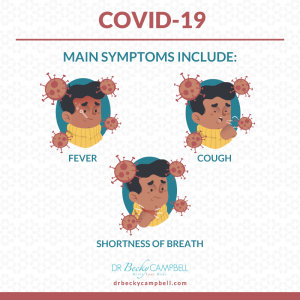
Main symptoms include:
- Fever
- Cough
- Shortness of breath
Symptoms may range from mild (even no symptoms in some) to severe. In serious cases, people may develop more severe illness, such as pneumonia or bronchitis. In severe situations, it may result in death (13, 14, 15).
Who Is at Risk
COVID-19 spreads via respiratory droplets coming from the cough or sneeze of an infected individual in close contact or within 6 feet. You may also catch it by touching an object or surface with the virus on it, then touching your face, mouth, nose, or eyes.
While it seems that the virus is the most contagious when it’s the most symptomatic, it may also be contagious during the asymptomatic stage. This is why it is particularly important to practice good hygiene and social distancing.
In most cases, people experience mild to moderate symptoms and can expect a full recovery. The good news is that children are the least vulnerable. However, more severe symptoms and complications are more likely to occur in older generations and those with a seriously compromised immune system or chronic illness. It is important that we all take preventative measures and boost our immune system, not only to protect ourselves but to protect those around us.
Natural Solutions
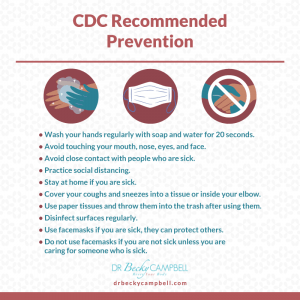
It is critical that we follow appropriate precautions to prevent the spread of the COVID-19 virus. Here are the CDC’s recommendations (16):
- Wash your hands regularly with soap and water for 20 seconds.
- Avoid touching your mouth, nose, eyes, and face.
- Avoid close contact with people who are sick.
- Practice social distancing.
- Stay at home if you are sick.
- Cover your coughs and sneezes into a tissue or inside your elbow.
- Use paper tissues and throw them into the trash after using them.
- Disinfect surfaces regularly.
- Use face masks if you are sick, they can protect others.
- Do not use face masks if you are not sick unless you are caring for someone who is sick.
Currently, we don’t have vaccines or anti-viral medication to prevent or treat COVID-19. Treatment includes supportive care to improve symptoms and to support vital organs in serious cases. This makes natural immune-boosting strategies incredibly important for both prevention and treatment.
Lower Your Stress Levels
I know that this is a time of uncertainty. However, stressing and panicking about the situation are counterproductive. Stress and panic can be increase inflammation, compromise immune function, and make you more vulnerable to illness.
Keeping your stress levels down is critical for your immune system. Keep the news to the minimum. It’s important that you are informed, but constantly reading and thinking about the virus is going to keep you at a state of stress. Designate a specific time for it, then move on. Instead, engage in activities that relax your body, calm your mind, and uplift your soul. I recommend meditation, breathwork, journaling, arts and crafts, yoga, dancing, and play. Spend time in nature while keeping a social distance from others.
Eat an Immune-Supporting Diet
Eating an anti-inflammatory, immune-supporting, nutrient-dense diet is the best way to support your immune system and is especially critical as we are facing the COVID-19 pandemic. Eliminate inflammatory foods, including refined sugar, refined oils, artificial ingredients, processed foods, and junk food. Instead, eat plenty of nutrient-dense greens, vegetables, herbs, spices, fruits, healthy fats, and clean protein. Specific immune-supporting foods I recommend, include citrus, garlic, onions, turmeric, ginger, and medicinal mushrooms.
Take Immune-Supporting Supplements
Eating a nutrient-dense diet is essential for preventing illness and supporting recovery. However, it is important that you support your immune health with immune-boosting supplements, especially during vulnerable times, like the COVID-19 pandemic.
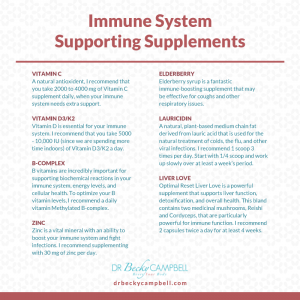
Vitamin C
Vitamin C is one of the best vitamins that support your immune system and benefits lung infections. I recommend that you take 2000 to 4000 mg of Vitamin C supplement daily, when your immune system needs extra support (25).
Vitamin D3/K2
Vitamin D is essential for your immune system. While sunshine is the best way to get vitamin D, our modern-world indoor lifestyle doesn’t allow us to meet all our needs. Considering that we may be spending even more time indoors as a result of COVID-19, I recommend that you take 5000 - 10,000 IU of Vitamin D3/K2 a day (26).
B-complex
B vitamins are incredibly important for supporting biochemical reactions in your immune system, energy levels, and cellular health. To optimize your B vitamin levels, I recommend a daily vitamin Methylated B-complex (27).
Zinc
Zinc is a vital mineral with an ability to boost your immune system and fight infections. I recommend supplementing with 30 mg of zinc per day (28).
Elderberry
Elderberry syrup is a fantastic immune-boosting supplement that may be effective for coughs and other respiratory issues. It also tastes delicious and even your kids will love it. I recommend a daily dose for prevention and support (29).
A note on elderberry and the conflicting information on it's affect on the virus.
The argument with elderberry and this virus is that elderberry can activate cytokines (basically activating the immune system). Just like estrogen, thyroid hormone & cortisol, cytokines are not a bad thing. It becomes a problem when there is too much.
I do not believe that is the case with elderberry. It MILDLY activates cytokines. Cytokines are part of the immune system that we need in order to fight off things like viruses. This is why it has been shown to be effective with the flu.
If you are torn on your thoughts on elderberry and this virus, then don’t take it.
Lauricidin
Lauricidin, also known as a pure sn-1 monolaurin, is a natural, plant-based medium chain fat derived from lauric acid that is used for the natural treatment of colds, the flu, and other viral infections. I recommend 1 scoop 3 times per day. Start with 1/4 scoop and work up slowly over at least a week’s period (30, 31).
Liver Love
Optimal Reset Liver Love is a powerful supplement that supports liver function, detoxification, and overall health. This bland contains two medicinal mushrooms, Reishi and Cordyceps, that are particularly powerful for immune function. I recommend 2 capsules twice a day for at least 4 weeks (22).
Additional Supplements:
After reviewing an article written by Dr. Kara Fitzgerald yesterday, I have added a few more supplements to this list. This is taken straight from her article:
- Jade Windscreen. The top ingredient in Jade Windscreen is astragalus.[Wikipedia entry on Chinese patent medicine]. Please read Dr. Fitzgerald's article to fully understand the use of this.
- Quenching the cytokine storm. In part, it might be our own immune system – made dysfunctional, imbalanced in its hyper response to certain viruses (COVID19, influenza) – that needs interruption. Two key interventions are topping my list:
- Omega 3 fatty acids for their ability to generate specialized pro-resolving lipid mediators (SPMs). Or, since some of us who are vulnerable to COVID19, like diabetics, don’t make SPMs efficiently, take SPMs directly.
- Palmitoylethanolamide (PEA): 600mg daily for prevention; increase to 600mg tid at first sign.
- Real Mushrooms 5 Defenders (Turkey Tail, Reishi, Maitake, Shitake, Chaga) providing >20% beta-D-glucans: 1 cap daily for prevention; increase to 2 caps twice a day with symptoms.
**Please check with you doctor before starting any new supplements**
Final Thoughts
While we are facing the spread of COVID-19, it is important you don’t panic. This does not mean I am saying to take this lightly, but panicking will only add stress & reduce your immune system’s ability to fight off pathogens.
Work on reducing your stress levels, eat a nutrient-dense diet (I have written about this many times on my website), and follow my supplement recommendation to boost your immune system and protect your health.
If you are looking for personal guidance to improve your immune system and enhance your health, schedule your consultation here.

Sources:
- Coronavirus Disease 2019 (COVID-19). Centers for Disease Control and Prevention. Link Here
- What is the coronavirus Johns Hopkins Medicine. Link Here
- What is coronavirus and what should I do if I have symptoms? The Guardian. Link Here
- Coronavirus: what other public health emergencies has the WHO declared? The Guardian. Link Here
- China coronavirus outbreak: All the latest updates. Aljazeera. Link Here
- Coronavirus: Live Updates. CNN. Link Here
- Coronavirus disease (COVID-2019) situation reports. World Health Organization. Link Here
- Coronavirus Disease 2019 (COVID-19) in the U.S.Centers for Disease Control and Prevention. Link Here
- Travel. Centers for Disease Control and Prevention. Link Here
- COVID-19 coronavirus outbreak.Woldometer. Link Here
11.Trump declares national emergency. CNN. Link Here
- WHO declares the coronavirus outbreak a pandemic. Stat. Link Here
- Coronavirus disease 2019 (COVID-19). Symptoms. Centers for Disease Controls and Prevention. Link Here
- Coronavirus disease 2019 (COVID-19). How COVID-19 Spreads. Centers for Disease Control and Prevention. Link Here
- Coronavirus infection. Medline Plus. Link Here
- Coronavirus disease 2019 (COVID-19). Prevention and treatment. Centers for Disease Controls and Prevention. Link Here
- Ware, M. How can lemons benefit your health. Medical News Today. Link Here
- Arreola R, Quintero-Fabián S, López-Roa RI, Flores-Gutiérrez EO, Reyes-Grajeda JP, Carrera-Quintanar L, Ortuño-Sahagún D. Immunomodulation and anti-inflammatory effects of garlic compounds. J Immunol Res. 2015;2015:401630. PMID: 25961060
- Bayan L, Koulivand PH, Gorji A. Garlic: a review of potential therapeutic effects. Avicenna J Phytomed. 2014 Jan;4(1):1-14. PMID: 25050296; PMCID: PMC4103721
- Yan, Fang; Polk, D. Probiotics and immune health. Current Opinion in Gastroenterology: November 2011 – Volume 27 – Issue 6 – p 496–501. Link Here
- Mashhadi NS, Ghiasvand R, Askari G, Hariri M, Darvishi L, Mofid MR. Anti-oxidative and anti-inflammatory effects of ginger in health and physical activity: review of current evidence. Int J Prev Med. 2013 Apr;4(Suppl 1):S36-42. PMID: 23717767
- Olsen, N. 6 mushrooms that act as turbo-shots for your immune system. Healthline. Link Here
- Friedman M. Chemistry, Nutrition, and Health-Promoting Properties of Hericium erinaceus (Lion’s Mane) Mushroom Fruiting Bodies and Mycelia and Their Bioactive Compounds. J Agric Food Chem. 2015;63(32):7108-23. PMID: 26244378
- Diling C, Chaoqun Z, Jian Y, et al. Immunomodulatory Activities of a Fungal Protein Extracted from Hericium erinaceua through Regulating the Gut Microbiota. Front Immunol. 2017;8:666. PMID: 28713364
- Hemilä H, Louhiala P. Vitamin C may affect lung infections. J R Soc Med. 2007 Nov;100(11):495-8. doi: 10.1177/014107680710001109. PMID: 18048704
- Aranow C. Vitamin D and the immune system. J Investig Med. 2011 Aug;59(6):881-6. doi: 10.2310/JIM.0b013e31821b8755. PMID: 21527855
- Axeiorod AE. Role of the B vitamins in the immune response. Adv Exp Med Biol. 1981;135:93-106. PMID: 7010964
- Caulfield LA, and Black RE. Zinc Deficiency Link Here
- Tiralongo E, Wee SS, Lea RA. Elderberry Supplementation Reduces Cold Duration and Symptoms in Air-Travellers: A Randomized, Double-Blind Placebo-Controlled Clinical Trial. Nutrients. 2016; 8(4):182. Published 2016 Mar 24. PMCID: 4848651
- Lieberman S. A Review of Monolaurin and Lauric Acid. Link Here
- Monolaurin. WebMD. Link Here
- COVID-19: Traditional Chinese Medicine & Western Options for the Non-TMC Trained Clinician. Link Here

The Histamine-PCOS Connection
Did you know that there is a strong histamine-PCOS connection? If you have PCOS, you are all too familiar with irregular periods, hair loss, ovarian cysts, weight gain, and other symptoms. What you may not know is that if you have PCOS, you may also have histamine intolerance. The good news is that once you understand the connection between histamine and PCOS, you can start taking appropriate steps to regain your health naturally.
In this article, you will learn about PCOS. You will understand how histamine intolerance and PCOS are linked. I will also share the top natural strategies to improve histamine intolerance and PCOS.
What Is PCOS?
Polycystic ovarian syndrome (PCOS) is a common hormonal disorder that affects about 5 million women of reproductive age in the US alone. Women with PCOS have excess levels of the androgen male hormone. Their ovaries tend to have small cysts that lead to hormonal imbalance and are unable to release eggs regularly. As a result, women with PCOS experience irregular, infrequent, or prolong menstrual cycles.
PCOS is the most common known cause of female infertility. PCOS also increases the risk of miscarriage, premature delivery, gestational diabetes, and pregnancy-induced high blood pressure. Besides menstrual irregularities, fertility issues, and pregnancy complications, PCOS also increases the risk of type 2 diabetes, high blood pressure, high cholesterol, sleep apnea, depression, anxiety, heart disease, and stroke (1, 2, 3, 4, 5).
Common symptoms of PCOS include (3, 5):
- Missed, irregular, or light periods
- Large ovaries
- Ovaries with many cysts
- Excess body hair, including on the stomach, chest, and back
- Weight gain, especially belly fat
- Acne or oily skin
- Thinning hair
- Infertility
- Skin tags on the neck or armpits
- Dark or thick skin patches in the armpits, on the back of the neck, or under the breasts

The Histamine-PCOS Connection
When it comes to PCOS treatment and prevention, it is critical that we address both hormonal issues and related histamine intolerance.
What Is Histamine Intolerance?
Histamine is a chemical that is responsible for a variety of functions in your body, including getting rid of allergens as part of your immune response, communicating with your brain, and triggering stomach acid release to aid digestion. Histamine intolerance means that you have too much histamine which can lead to various health issues.
As a natural part of your immune response, your body releases enzymes to break down histamine build-up. If you have too much histamine, your body won’t be able to keep up and won’t be able to break down the excess histamine properly. Histamine intolerance affects your entire body, including your gut, brain, lungs, cardiovascular system, and hormonal health. Histamine intolerance can manifest in a variety of ways, including hormonal issues, headaches, skin problems, digestive issues, sleep disturbances, bladder problems, anxiety, fast heart rate, seasonal allergies and more. Let’s see how histamine intolerance is linked to PCOS (6).
Histamine Intolerance and PCOS
Hormonal imbalances are one of the main causes of histamine intolerance. Estrogen dominance happens when estrogen and progesterone get out of balance and you end up with too much estrogen. Estrogen dominance plays a key role in the development and symptoms of PCOS and other conditions, including premenstrual syndrome (PMS), uterine fibroids, and breast cancer (7).
Women who have PCOS also tend to have low progesterone levels. This is not surprising since progesterone is critical for ovulation and most women with PCOS don’t ovulate consistently. Progesterone is not only essential for your period and reproduction, but it also supports the diamine oxidase (DAO) enzyme function. The DAO enzyme is essential for breaking down histamine in your food and excess histamine in your body. If your body is not producing sufficient progesterone, it cannot support the DAO enzyme function as well and will be unable to break down excess histamine efficiently either.
Another problem is that estrogen triggers the production of histamine from the mast cells in your ovaries and uterus. If you have too much estrogen, it means that your body has to make and release more histamine feeding the never-ending cycle of estrogen and histamine excess.
This estrogen-histamine connection is one of the reasons behind your PCOS symptoms. Estrogen dominance may increase PMS symptoms and may also cause bloating, gut issues, headaches, fatigue, insomnia, or irritability during the first part of your cycle or during ovulation when estrogen levels are higher.

Natural Support for PCOS and Histamine Intolerance
If you have PCOS and histamine intolerance and want to improve your health naturally, I have some simple natural solutions for you. This is what I recommend to my patients with PCOS:
Follow an Anti-Inflammatory and Low-Histamine Diet
Following an anti-inflammatory, antioxidant-rich, and nutrient-dense diet is important for your health. Reducing inflammation through an anti-inflammatory diet can decrease your symptoms Following a low-histamine diet can help you reduce histamine intolerance and lower the risk of histamine-related problems.
Remove inflammatory foods, including refined sugar, refined oils, canned and processed meat, artificial ingredients, junk food, and highly processed foods. Avoid high-histamine foods, such as fermented food (e.g., sauerkraut, kimchi, fermented vegetables, kombucha, etc.), aged food (e.g., aged cheese, processed meat, canned fish, etc.), over-ripe fruits and vegetables, leftovers, and foods that are naturally high in histamine (e.g., avocadoes, eggplant, spinach, dried fruits, etc.). Avoid foods that may trigger histamine releases, such as tomatoes, most citrus, bananas, most nuts, and dairy. Avoid foods that may block the DAO enzyme, including black tea, green tea, alcohol, and energy drinks.
Eat a nutrient-dense, anti-inflammatory, and low-histamine diet rich in greens, vegetables, herbs, spices, fruits, healthy fats, and organic meat. Low-histamine foods include most fresh leafy greens and vegetables, non-citrus fruits, such as apples, pear, papaya, and grapes, fresh grass-fed meat, pasture-raised poultry and eggs, and wild-caught fish, olives, extra-virgin olive oil, ghee, coconut oil, leafy herbs, and herbal tea. My book, The 4-Phase Histamine Reset Plan includes an extensive list of foods that you can eat and should avoid on a low-histamine diet.
If you are new to a low-histamine diet, remember to have fun experimenting with new foods and recipes. I promise low-histamine meals can be delicious. I recommend all the low-histamine recipes in The 4-Phase Histamine Reset Plan and my new recipe book, Fifty One Low Histamine Air Fryer Recipes. They are all simple, easy to make, low-histamine, gluten-free, Paleo-friendly, and super healthy. Not to mention how delicious they are — your family will love them too.
Reduce Your Histamine Bucket
If you are dealing with symptoms of histamine intolerance, reducing high-histamine foods is not enough. High stress, poor sleep, not moving your body, and high toxin exposure may add to your histamine load. Improving these areas of your lifestyle may help to reduce your histamine bucket and lower the risk of histamine-related issues.
Reduce Your Stress Levels
Chronic stress can increase mast cell activation and histamine intolerance. To decrease your stress levels, I recommend practicing breathwork, meditation, positive affirmation, journaling, yoga, grounding, and time in nature for stress and anxiety reduction. Taking an Epsom salt bath is another great way to relax your muscles, calm your mind, and detoxify your body.
Get Enough Sleep Sleep
Inadequate and poor sleep is another major underlying issue behind histamine intolerance. Improving your sleep is absolutely essential for your health. Your goal should be to sleep at least 7 to 9 hours a night. Lower your stress levels throughout the day but especially in the evening time to support sleep. Take a bath, read a good book, listen to some music, journal, try coloring, and spend time with your family. Avoid sugar, alcohol, and heavy food in the evening. Sleep on a supportive mattress with comfortable and supportive pillows and blankets, and quality, organic cotton sheets.
Move Your Body
A lack of movement may also increase the risk of histamine intolerance and chronic health issues. Moving your body is a great way to reduce stress, improve detoxification, and improve your overall health. Move your body throughout the day. Stretch regularly. Take a stroll in the nearby park. Find creative ways to incorporate movement, such as an impromptu dance session, learning a new TikTok dance, playing with your kids or pets, taking the stairs, trying a treadmill desk, or practicing chair yoga. Exercise at least 20 to 30 minutes five days a week and move your body regularly. I recommend getting 10 to 15K steps in a day if you can. Add resistance and strength training to your routine.
Remove Toxins
Toxin overload can lead to mast cell activation, histamine intolerance, chronic inflammation, and related chronic symptoms. It’s critical that you lower your daily exposure to environmental toxins. Choose purified water over tap water. Use a high-quality air filtration system for better indoor air. Choose natural, organic, and homemade cleaning, personal hygiene, and beauty products instead of conventional brands loaded with chemicals. Choose glass, bamboo, wood, organic cotton, silicon, and other natural alternatives instead of plastic. Avoid BPA plastic completely. Choose organic food whenever possible and avoid overly processed packaged foods. If you must buy non-organic produce, follow the Dirty Dozen, Clean 15 list, and always wash and peel non-organic vegetables and fruits.
Support Your Gut
Your gut health affects your entire body. Gut flora imbalance can trigger both histamine intolerance and PCOS. Supporting your gut health is critical for your recovery. Along with a gut-friendly, low-histamine, anti-inflammatory diet, I recommend that you take a high-quality probiotics supplement, to support your gut microbiome balance.
Try Some Supplements
I recommend HistoRelief. It is a synergistic blend of nutrients that provides natural support to balance your immune response. This blend features Tinofend®, a patented and clinically researched extract derived from the plant Tinospora cordifolia, which has a powerful ability to support immune regulation and immune response. As a result, it boosts your body’s ability to fight histamine intolerance-related symptoms. It includes quercetin, nettle leaf, vitamin C, and bicarbonate salt to help inhibit histamine release, support normal histamine metabolism, and improve immune health.
Supporting your hormone levels is also critical for improving your symptoms. This is why I recommend Optimal Reset Liver Love. This supplement is a powerful blend of botanical and mushroom extracts and N-Acetyl-L-Cysteine (NAC), a derivative of the amino acid cysteine. It supports healthy liver function, allows optimal estrogen detoxification, and supports your hormonal health naturally.
Check Out the Health Babes’ Guide to Balancing Your Hormones
To learn more about your hormones and learn how to improve your hormonal health naturally, I recommend our book (co-authored by Dr. Krystal Hohn and myself) The Health Babes’ Guide to Balancing Your Hormones: A Detailed Plan with Recipes to Support Mood, Energy Levels, Libido, and More. This book is not only full of information but with an easy-to-follow plan and easy-to-make, delicious hormone-friendly recipes.
Final Thoughts
Histamine intolerance is a common underlying issue behind PCOS. Addressing histamine intolerance and reducing your histamine load is critical for improving your symptoms. I recommend that you follow the strategies outlined in this article to improve your health.
If you are dealing with symptoms of histamine intolerance or PCOS, I invite you to schedule a consultation with us. We can help identify the root cause of your condition and recommend a personalized treatment plan to repair your body and regain your health and well-being. Schedule your consultation here. I also recommend that you check out my Histamine Online Program.

Sources:
1. PCOS (Polycystic Ovary Syndrome) and Diabetes. Centers for Disease Control and Prevention. Link Here
2. Polycystic Ovary Syndrome (PCOS). Hormone Health Network. Link Here
3. Polycystic ovary syndrome. US Department of Health and Human Services. Office of Women’s Health. Link Here
4. Polycystic Ovary Syndrome. Mayo Clinic. Link Here
5. Polycystic ovary Syndrome. Johns Hopkins Medicine. Link Here
6. Maintz L, Novak N, Histamine and histamine intolerance, The American Journal of Clinical Nutrition, Volume 85, Issue 5, May 2007, Pages 1185–1196. Link Here
7. Arduc A, Aycicek Dogan B, Bilmez S Imga Nasirouglu N, Tuna MM, Isik S, Berker D, Guler S. High prevalence of Hashimoto’s thyroiditis in patients with polycystic ovary syndrome: does the imbalance between estradiol and progesterone play a role? Endocrine Research. 2015;40(4):204-210. PMID: 25822940
8. Histamine intolerance. Vickerstaff Health Services. Link Here
9. Yang K., Zeng L., Bao T. et al. Exploring the pharmacological mechanism of quercetin-resveratrol combination for polycystic ovary syndrome: A Systematic Pharmacological Strategy-Based Research. Sci Rep 9, 18420 (2019). Link Here
10. Olanyan OT. Vitamin C suppresses ovarian pathophysiology in experimental polycystic ovarian syndrome. Pathophysiology. 2019 Sep - Dec;26(3-4):331-341. PMID: 31564389
11. Stinging nettle is a powerful plant for PCOS. PCOS. Link Here

Relationship Between Estrogen Dominance & Thyroid Disease
You’ve made some lifestyle changes to improve your thyroid condition, yet your symptoms are not budging. You want to know why. I hear you. Let me take off the detective work off your shoulder.
The missing problem may be too much estrogen in your body. You may not be aware that one of the contributing factors of your thyroid disease is another hormonal issue, estrogen dominance. Once you understand this, you can finally address the root cause and support your thyroid naturally.
In this article, you will learn about estrogen dominance. You will understand its symptoms, its main causes, and its connection to thyroid disease. I will share with you my top tips to resolve estrogen dominance and thyroid disease naturally.
What Is Estrogen Dominance
Estrogen and progesterone are the two primary female sex hormones. Under healthy circumstances, they work together in a healthy rhythm and are responsible for your female cycle. Together with your thyroid and adrenal hormones, they are critical for your hormonal health.
Even though estrogen and progesterone are sex hormones, they are responsible for much more than reproductive health. Estrogen is critical for the reproductive cycle and childbearing in women, but it’s also important for bone health, healthy levels of cholesterol, brain health, mood, metabolism, skin health, thyroid health, and overall hormonal function. Progesterone helps to lower inflammation, balance the nervous system, and stimulate your thyroid hormone. When your estrogen and progesterone levels get out of balance it affects your entire body.
Estrogen dominance happens when estrogen and progesterone get out of balance. This may happen because your body is making too much estrogen resulting in estrogen excess. In other cases, progesterone levels drop too low leading to imbalance and estrogen dominance. In both cases, estrogen becomes the dominant hormone resulting in a variety of symptoms (1).
Symptoms of estrogen dominance include:
- Pre-menstrual symptoms (PMS)
- Endometriosis
- Fatigue
- Infertility
- Miscarriages
- Weight gain
- Hot flashes
- Menstrual cramps
- Headaches
- Decreased libido
- Depression and mood imbalance
- Excessive menstruation
- Ovarian cysts
- Uterine fibroids
- Fibrocystic breasts
- Tender breasts
- Brain fog
- Insulin resistance
- Thyroid problems
- Autoimmunity
- Cancer

Estrogen Dominance and Thyroid Disease
Your body is a holistic system. Nothing happens in isolation. It’s not surprising that when one hormone is out of balance, it affects other hormones as well. Estrogen dominance can affect your thyroid hormones and contribute to Hashimoto’s disease, thyroid cancer, and other thyroid conditions (2, 3).
When it comes to estrogen and your thyroid, both too much and too little estrogen can lead to thyroid problems. Estrogen triggers your thyroid to create thyroglobulin, a thyroid precursor hormone. Too little estrogen will result in too little thyroglobulin, while too much estrogen can cause too much thyroglobulin creating an enlarged thyroid. Furthermore, estrogen also helps to increase the specific protein that transports your thyroid hormones in your blood. Too much of this protein can cause hypothyroidism even if you have appropriate levels of thyroid hormones.
Appropriate progesterone levels are also necessary for thyroid health. Progesterone and your thyroid hormone have a mutually beneficial relationship. Progesterone is essential for your thyroid health, but thyroid hormones are also important for your ovaries and progesterone production. Progesterone can help to lower the amount of protein that carries thyroid in your blood and can also increase your thyroid hormone levels. Essentially, it helps to counteract the effects of estrogen and to bring balance to your body. A healthy estrogen-progesterone balance is critical for your thyroid health.
Researchers have found that excess estrogen may lead to the elevation of the thyroid-stimulating hormone (TSH) and thyroid antibodies. Too much estrogen may also increase inflammation, compromise your immune system, and increase the production of anti-thyroid peroxidase (anti-TPO) antibodies contributing to autoimmune thyroid conditions, such as Hashimoto’s disease (4, 5).

Main Causes of Estrogen Dominance
Estrogen dominance may be caused by a number of dietary, lifestyle, and environmental factors. Let’s look at some of the top contributing factors.
Poor Diet
One of the top causes of estrogen dominance is diet. Commercially raised animal products have been injected with hormones and non-organic conventional produce is full of pesticides, herbicides, and fungicides. Packaged processed foods are high in artificial ingredients and chemicals. These hormones, pesticides, and other chemicals are endocrine disruptors that can seriously interfere with your hormonal health (6).
Gut Imbalance
In a healthy gut microbiome, an enzyme called beta-glucuronidase helps to regulate circulating estrogen in your body. If your gut flora is out of balance, these enzymes won’t be able to metabolize estrogen efficiently increasing your risk of estrogen dominance and related issues (7).
Cleaning and Personal Care Products
Conventional cleaning products, soaps, shampoo, toothpaste, lotions, and cosmetics are loaded with chemicals. Parabens, phthalates, and other common compounds in these products all have estrogen activity and can lead to estrogen dominance (8).
BPA and Plastics
From water bottles to food and storage containers, plastics are everywhere. Unfortunately, these plastics contain hormone-mimicking xenoestrogens that can disrupt your hormonal balance and lead to estrogen dominance (9).
Heavy Metals
Municipal tap water, aluminum pots and pans, old paint residue, dental amalgam fillings, and conventional cosmetics are places where heavy metals may hide. Mercury, lead, cadmium and other heavy metals, however, all possess estrogen-mimicking and endocrine-disrupting properties. (10).
Body Fat
Your body fat is the place where estrogen xenoestrogens get absorbed and stored. Excess estrogen also urges your body to create more fat cells further feeding into the cycle of excess fat and estrogen dominance (11).
Hormone Replacement Therapy (HRT) and Birth Control
Oral contraceptives and hormone replacement therapy medication contain a lot of synthetic estrogens. Without the necessary progesterone to balance it out, taking such medication increases imbalance and the risk of estrogen dominance.
Chronic Stress
When you are chronically stressed, your body produces excess cortisol to try to respond to and cope with the constant stress. Progesterone is the precursor of cortisol and increased demand for cortisol can result in estrogen dominance and hormonal imbalance (12, 13).

Natural Solutions for Estrogen Dominance and Thyroid Disease
Estrogen dominance and thyroid disease are certainly concerning. The good news is that you can reduce estrogen dominance and repair thyroid issues naturally by following a few simple steps.
Get a Full Thyroid Panel
I recommend that you work with a functional medicine practitioner (hint: call our office and schedule your consultation here).
A full thyroid panel checks for:
- Thyroid-stimulating hormone (TSH)
- Thyroxine (Total & Free T4)
- Triiodothyronine (Free T3 & total T3)
- Reverse T3
- Thyroid peroxidase antibodies (TPO)
- Thyroglobulin antibodies
Why should you work with a functional medicine doctor instead of your regular healthcare provider? Most healthcare providers don’t use a complete thyroid panel and only look at your TSH. This doesn’t tell the full picture, and many issues may be missed.
If your thyroid doesn’t make enough T4 or T3, you have an underactive thyroid. This may indicate an autoimmune thyroid condition, Hashimoto’s disease. If your thyroid makes too much T4 or T3, you have an underactive thyroid condition. In most cases, this is an autoimmune condition, Graves disease. Most doctors only test for TSH instead of ordering a full thyroid panel, and they fail to diagnose thyroid issues. Your TSH may still be fine, while your T3 or T4 may be off already.
Functional medicine doctors also use a slightly different range. This helps us to detect preclinical thyroid issues before full-blown thyroid disease.
Checking your thyroid levels will not only help us with the proper diagnosis. Your test results can guide us in creating an individualized treatment plan. Regular testing can help us check your progress and adjust your treatment plan if needed.
Eat an Anti-Inflammatory and Thyroid-Friendly Diet
I recommend following a anti-inflammatory, thyroid-friendly, nutrient-dense, whole-food diet. Eliminate inflammatory foods that may contain hidden estrogens, including conventional meat and dairy and non-organic food. Remove inflammatory foods, including refined sugar, refined oils, canned and processed meat, artificial ingredients, junk food, and highly processed foods. Eat lots of greens, vegetables, herbs, spices, fruits, healthy fats, and organic meat.
Add lots of thyroid-supporting foods to your diet, including organic vegetables, wild-caught fish, olive oil, coconut oil, low-sugar fruits, such as cherries, cantaloupe, and berries, grass-fed and pasture-raised animal products, seaweed, herbs, and herbal tea. My book, The 30-Day Thyroid Reset Plan: Disarming the 7 Hidden Triggers That Are Keeping Your Sick, has some great recommendations for thyroid-friendly foods and meals.
Reduce Chemical Exposure
Remove conventional cleaning and beauty products and use organic, natural, and homemade products instead. Replace plastic with glass or stainless steel bottles and containers. Filter your water.
Reduce Stress
Chronic stress can impact your thyroid health. To reduce stress and improve sleep, I recommend practicing breathwork, meditation, positive affirmation, journaling, yoga, grounding, and time in nature for stress and anxiety reduction. Taking an Epsom salt bath is another great way to relax your muscles, calm your mind, and detoxify your body.
Get Enough Sleep Sleep
Inadequate and poor sleep is another major root cause behind inflammation, hormonal imbalance, and thyroid issues. Make sure to sleep at least 7 to 9 hours a night. I recommend that you reduce your stress levels throughout the day but especially in the evening time to support sleep. Take a bath, read a good book, listen to some music, journal, try coloring, and spend time with your family. Avoid sugar, alcohol, and heavy food in the evening. I recommend investing in a supportive mattress, comfortable and supportive pillows and blankets, and quality, organic cotton sheets.
Move Your Body
A lack of movement may also increase the risk of thyroid issues and hormonal imbalance. Moving your body is a great way to reduce stress, improve detoxification, support hormonal health, support lymphatic flow, boost your mood, and support your overall health. Stay active throughout the day by taking a stroll in the park, stretching regularly, dancing to your favorite songs, playing with your kids or pets, and finding creative ways to incorporate movement. A standing desk or treadmill desk may be a great idea. Exercise at least 20 to 30 minutes five days a week and move your body regularly. I recommend getting 10 to 15K steps in a day if you can. Add resistance and strength training to your routine.
Remove Toxins
Toxin overload can increase chronic inflammation and hormonal dysfunction. I recommend reducing your exposure to environmental toxins. Use a high-quality air filtration system for better indoor air. Drink purified water to avoid toxins from your tap water. Avoid conventional cleaning, hygiene, body, and beauty products as they are loaded with chemicals. Choose natural, organic, and homemade options instead. Reduce the use of plastic and avoid BPA completely. Choose glass, bamboo, wood, organic cotton, silicon, and other natural alternatives instead of plastic. Avoid overly processed food products that can contain artificial ingredients. Choose organic food whenever possible.
Improve Your Gut Health
Your gut health is connected to all areas of your body, including your hormonal health. Improving your gut health is critical for improving your symptoms and regaining your health. Along with a gut-friendly anti-inflammatory diet, I recommend that you take a high-quality probiotics supplement to support your gut microbiome balance. For further gut-supporting supplements and a specific gut-health protocol, I recommend working with a functional medicine practitioner, like us.
Try Thyroid-Supporting Nutrients
You may also try to add some thyroid-supporting nutrients to your regimen:
Selenium
Selenium is a great nutrient for thyroid function. It may help to protect your thyroid from too much iodine exposure. It may also be important for the conversion of T4 into T3. Selenium may also help to reduce inflammatory activity, which may reduce the risk or symptoms of autoimmune thyroid disease (12). The best part of selenium is that you don’t even need to supplement. Food form is usually better. Only two Brazil nuts a day should cover your selenium needs. Fish and organ meat are also great sources.
Iodine
Iodine is absolutely critical for thyroid hormone synthesis (13). Being a woman at child-bearing age, pregnancy, and being vegan may increase your risk of deficiencies. Children are also at a higher risk. Seaweed, fish, eggs, and beef liver may be good sources of iodine. Iodized table salt has also become popular in the past decades to reduce deficiencies.
However, too much iodine can also be a problem, especially if there is a selenium deficiency present too. It’s important that you only supplement with iodine if you have an actual deficiency and use a thyroid-specific supplement with a proper iodine-selenium balance.
I recommend that you start with your diet first instead of reaching for expensive supplements. I recommend that you work with a functional medicine practitioner and get some blood testing done before any supplementation. We can help you spot your actual nutrient deficiencies and specific needs. We can figure out what you may benefit from beyond your diet. This will prevent you from spending money on supplements that you may not need and only using the ones that actually support your health and well-being.
Cod Liver Oil and Vitamin D
Vitamin D is essential for your immune system, bone health, muscle health, brain and mental health, and other areas of your health (14). Vitamin D deficiency may also increase your risk of hypothyroidism (15). Sunshine is the best way to boost your vitamin D levels. However, with our indoor lifestyle, cold climates, and fear of harm from UV damage, most of us don’t meet our needs from sunshine alone.
Cod liver oil is a fantastic source of vitamin D, A, and E, and omega-3 EPA and DHA. These nutrients may all help to support your immune health and reduce inflammation. For some people, cod liver oil supplementation is enough. Others may require additional vitamin D supplementation.
Vitamin C
Vitamin C is a powerful antioxidant that may also help to protect your body (16). Lemon, lime, oranges, grapefruit, tangerines, and other citrus are great sources of vitamin C. However, citrus may be triggering histamine intolerance. Other great and low-histamine sources of vitamin C include berries, pineapples, kiwi, bell pepper, broccoli, Brussels sprouts, cabbage, and cauliflower.
Curcumin and Resveratrol
Curcumin is the active compound of the spice turmeric. Resveratrol is a polyphenol found in the skin of grapes, red wine, berries, and pistachios. They offer antioxidant, immune-supporting, and anti-inflammatory benefits that may help to reduce the risk and symptoms of autoimmunity (17, 18). Thus they may help with autoimmune thyroid issues (19, 20). You may benefit from consuming food rich in curcumin and resveratrol. You may also benefit from supplementation.
Iron
Iron deficiency may increase the risk of issues with thyroid hormone production It may reduce thyroid peroxidase activity in the thyroid. However, too much iron can also become an issue. Too much iron may increase the risk of thyroid issues and iron toxicity (21).
Don’t take iron supplements, unless you actually need it. Consume iron-rich foods, including beef, liver, oysters, clams, and venison. Get your iron levels tested. If your doctor finds iron deficiency, you may benefit from iron supplementation, usually only short-term.
Zinc
Zinc is a powerful mineral that is essential for your immune health and hormonal balance. Zinc plays a role in the conversion of T4 to T3 and supports normal T4 and T3 levels (22). Food rich in zinc include oysters, red meat, poultry, and lobsters. Broccoli, spinach, mushrooms, kale, and garlic also contain plenty of zinc.
Try a 30-Day Thyroid Reset
The 30-day Thyroid Reset Plan is an all-natural treatment plan, which includes a highly effective and easy-to-follow 30-day reset diet with foods that resolve estrogen dominance and support healthy thyroid function. My book, The 30-Day Thyroid Reset Plan: Disarming the 7 Hidden Triggers That are Keeping You Sick, outlines this plan carefully. It also includes dozens of delicious thyroid-supporting recipes.
Get the Thyroid Reset Kit
If you are serious about your thyroid health, I recommend my Thyroid Reset Kit. This bundle includes a copy of The 30-Day Thyroid Reset Plan, Liver Love, Ultimate Thyroid Support, a thyroid-friendly Paleo Protein Shake, and topical thyroid-supporting Glutathione Plus.
Check Out the Health Babes’ Guide to Balancing Your Hormones
To learn more about your hormones and learn how to improve your hormonal health naturally, I recommend our book (co-authored by Dr. Krystal Hohn and myself) The Health Babes’ Guide to Balancing Your Hormones: A Detailed Plan with Recipes to Support Mood, Energy Levels, Libido, and More. This book is not only full of information but with an easy-to-follow plan and easy-to-make, delicious hormone-friendly recipes.
Final Thoughts
Thyroid problems are on a rise. In order to repair your body and improve your thyroid health, you need to tackle one of its root causes, estrogen dominance. Following The 30-Day Thyroid Reset Plan and using appropriate supplements can help you to regain your health naturally.
If you are dealing with thyroid problems, I invite you to schedule a consultation with us. We can help to identify the root cause of your condition and recommend a personalized treatment plan to repair your body and regain your health and well-being. Schedule your consultation here.

Sources:
- What does estrogen do? Link Here
- Arduc A, Aycicek Dogan B, Bilmez S Imga Nasirouglu N, Tuna MM, Isik S, Berker D, Guler S. High prevalence of Hashimoto’s thyroiditis in patients with polycystic ovary syndrome: does the imbalance between estradiol and progesterone play a role? Endocrine Research. 2015;40(4):204-210. PMID: 25822940
- Manole D, Schildknecht B, Gosnell B, Adams E, Derwahl M. Estrogen Promotes Growth of Human Thyroid Tumor Cells by Different Molecular Mechanisms 1. The Journal of Clinical Endocrinology & Metabolism. 2001;86(3):1072-1077. Link Here
- Sathi P, Kalyan S, Hitchcock CL, Pudek M, Prior JC. Progesterone therapy increases free thyroxine levels – Data from a randomized placebo-controlled 12-week hot flush trial. Clinical Endocrinology. 2013;79(2):282-7. Link Here
- Wang SH, Myc A, Koenig RJ, Bretz JD, Arscott PL, Baker JR. 2-methoxyestradiol, and exogenous estrogen metabolite, induces thyroid cell apoptosis. Molecular and Cellular Endocrinology.2000;165(1-2):163-72 Link Here
- Mnif W, Hassine AI, Bouaziz A, Bartegi A, Thomas O, Roig B. Effect of endocrine disruptor pesticides: a review. Int J Environ Res Public Health. 2011 Jun;8(6):2265-303. doi: 10.3390/ijerph8062265. Epub 2011 Jun 17. PMID: 21776230
- Kwa M, Plottel CS, Blaser MJ, Adams S. The Intestinal Microbiome and Estrogen Receptor-Positive Female Breast Cancer. J Natl Cancer Inst. 2016 Apr 22;108(8):djw029. doi: 10.1093/jnci/djw029. PMID: 27107051
- Golden R. A review of the endocrine activity of parabens and implications for potential risks to human health. Crit Rev Toxicol. 2005 Jun;35(5):435-58. PMID: 16097138
- Bittner GD, Yang CZ, Stoner MA. Estrogenic chemicals often leach from BPA-free plastic products that are replacements for BPA-containing polycarbonate products. Environ Health. 2014 May 28;13(1):41. doi: 10.1186/1476-069X-13-41. PMID: 24886603
- Dyer CA. Heavy metals as endocrine-disrupting chemicals. Link Here
- 5 hidden but common causes of estrogen dominance revealed. World Health. Link Here
- Cortisol: The cortisol-stress connection & pregnenolone steel. Compounding Lab. Link Here
- Herrera AY, Nielsen SE, Mather M. Stress-induced increases in progesterone and cortisol in naturally cycling women. Neurobiol Stress. 2016 Feb 11;3:96-104. doi: 10.1016/j.ynstr.2016.02.006. PMID: 27981182
